Joe Cornish makes a funny, frightening estate siege with a young cast worth caring about. The social lessons sometimes arrive too heavily underlined, but the action is clear and John Boyega gives it weight.
Joe Cornish’s Attack the Block is a brisk, funny creature film that takes its teenage gang seriously without asking us to approve of everything they do. It puts an alien invasion on a south London council estate and keeps the trouble close to home. Cornish, who also wrote the script, understands how much a siege depends on our learning to care about the people trapped inside it. His social commentary occasionally gets too explicit, but the thrills and the performances earn a warm recommendation.
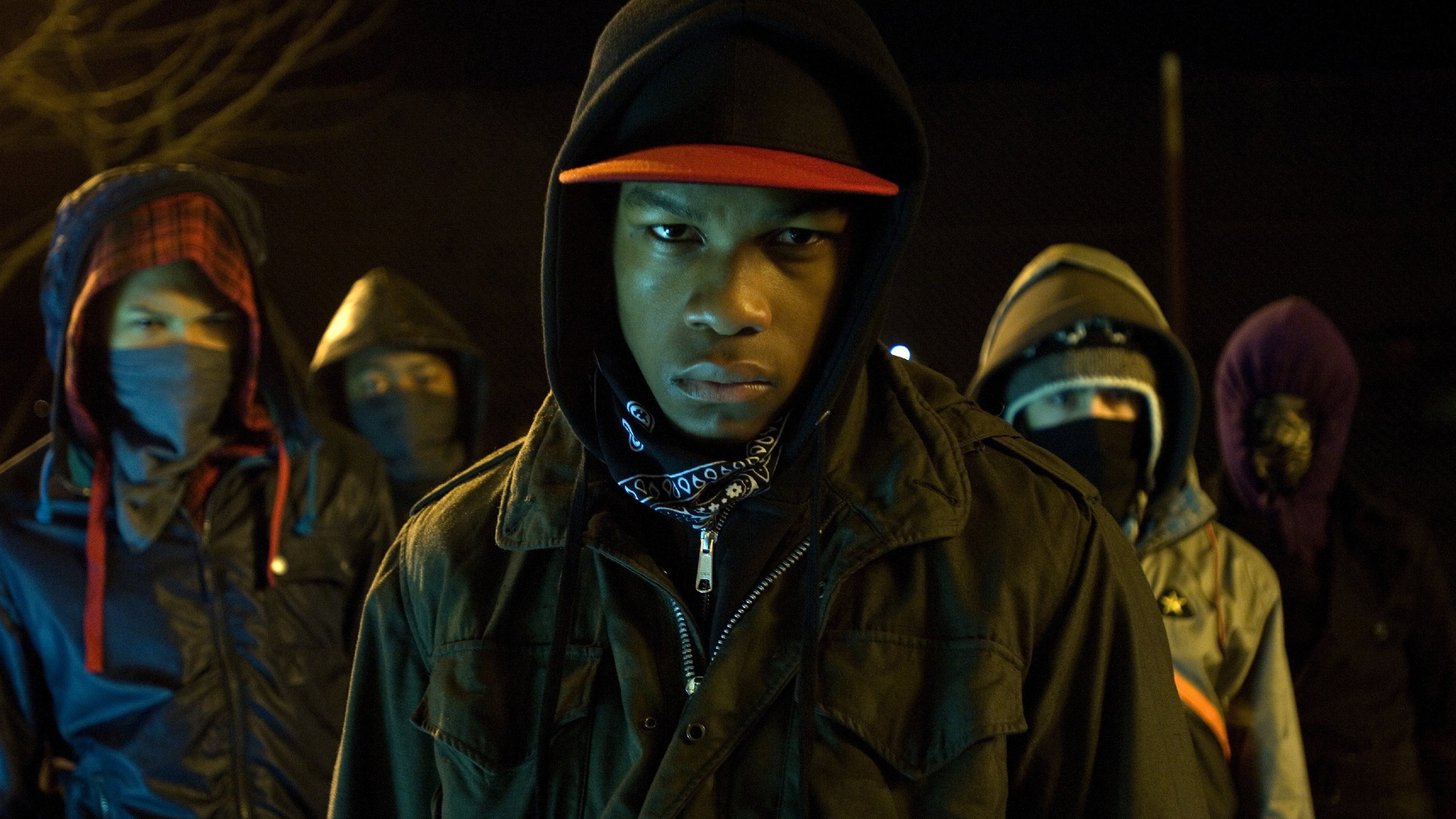
The boys begin as muggers, which is a useful obstacle for a film inviting us to spend the night with them. Cornish gives them funny exchanges without pretending that being amusing makes them harmless. Their speech has the impatience and competitive rhythm of friends who know one another well, and the young cast sound comfortable with its demands. There is pleasure in hearing them talk, even before the creatures have given them something larger to worry about.
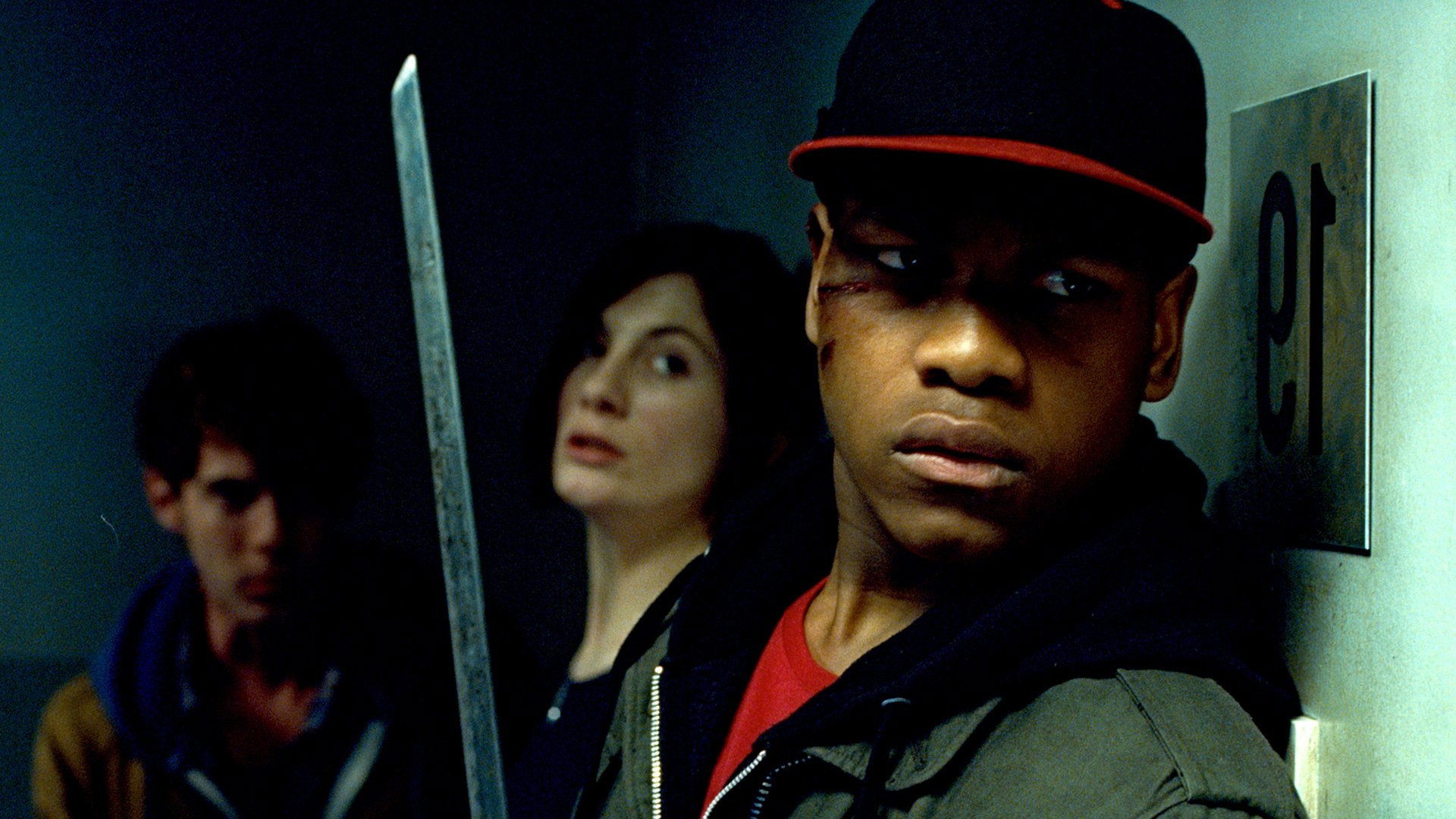
John Boyega’s Moses gives the group a convincing centre: his performance has enough gravity to keep the others’ energy from becoming tiresome. Around him, Alex Esmail’s Pest, Franz Drameh’s Dennis and Leeon Jones’s Jerome help make the gang feel like a group with a life outside this emergency. We laughed at their exchanges, then found ourselves anxious when the shaggy-haired creatures came after them. The actors make that change of feeling possible without a pause for solemnity.
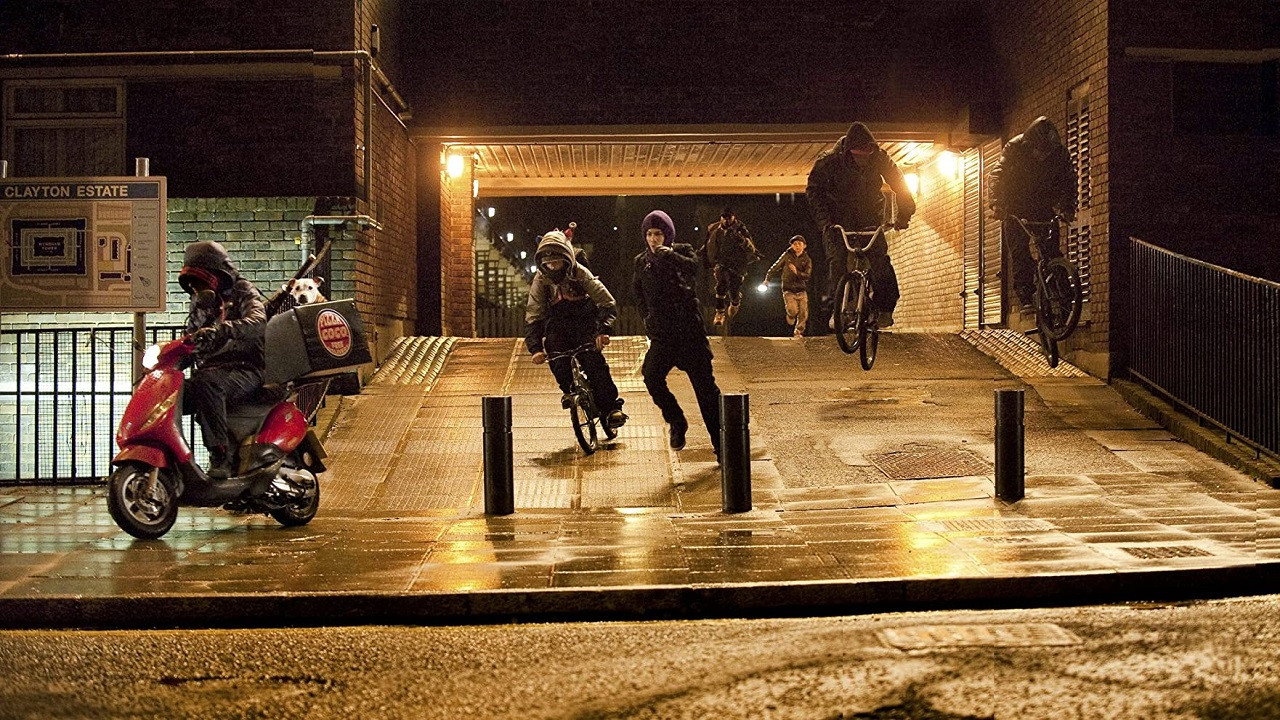
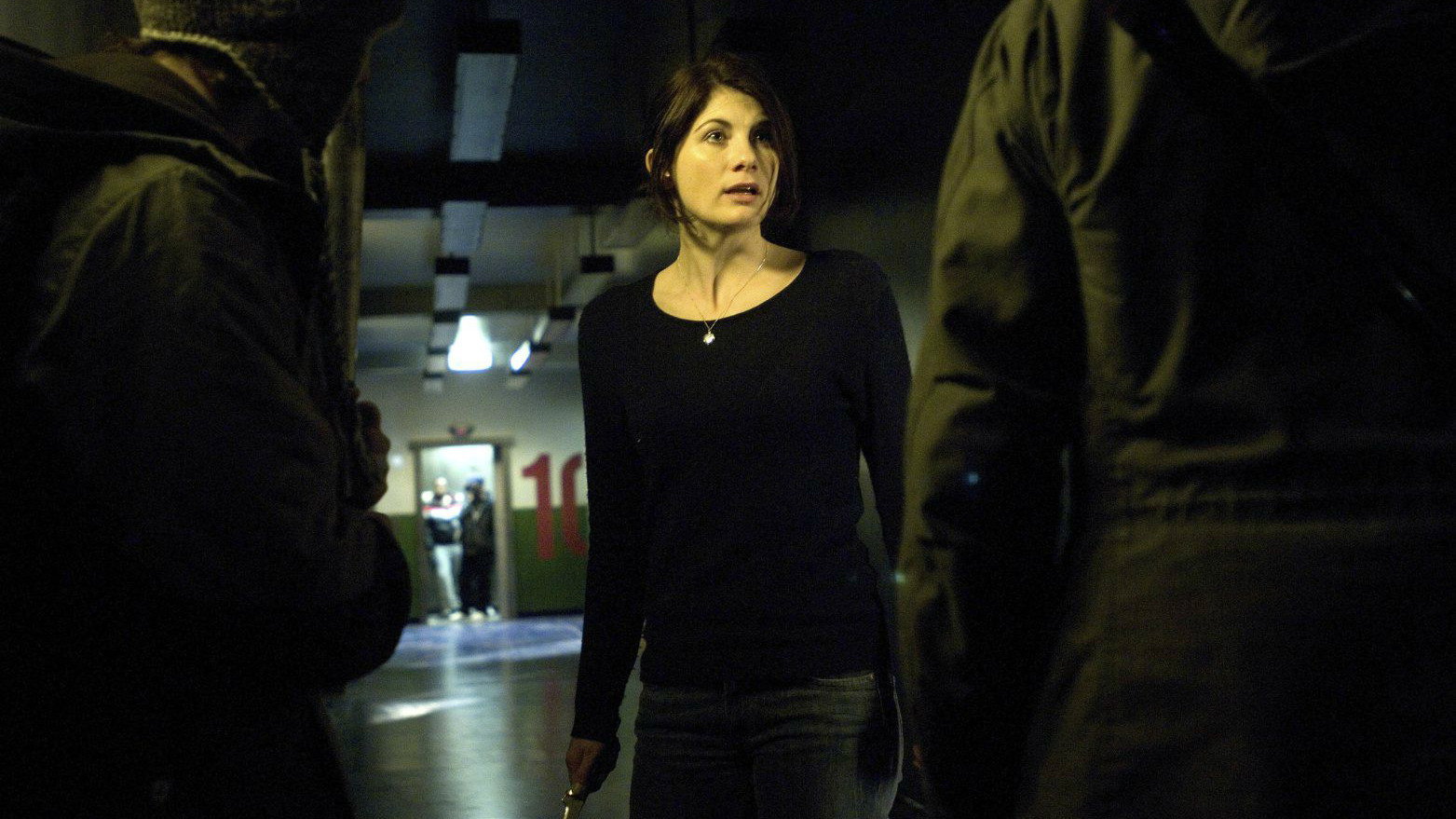
Thomas Townend’s cinematography makes the tower block readable during the action; the danger has somewhere definite to come from. Marcus Rowland’s production design gives the estate enough everyday character that it remains recognisable as a home during a monster attack. That matters in a siege film, where we need to understand where people can run and what might stop them. The shaggy creatures are an effective intrusion into that familiar setting, strange enough to frighten without making the surroundings look ridiculous.
Jonathan Amos’s editing keeps the pursuit brisk and the action intelligible. At 88 minutes, the film has little room for loitering, but it still gives the humour time to work. Steven Price’s score helps drive the action, though the excitement never depends on music alone. Cornish keeps returning our attention to the boys themselves, so running and fighting do not become anonymous activity.
The weakness is Cornish’s tendency to explain the sympathy he has already earned. When the social message becomes insistent, the script sounds less confident than the actors, who have made the gang worth knowing without needing to excuse them. A few passages also let the tension drop, despite the speed of the action. Neither fault spoils the evening, but both are noticeable in a film this short.
Within the creature-siege tradition, Cornish distinguishes his film by giving the gang and their home enough attention to make the attack matter. He does not need a wider catastrophe to make this one building worth defending. Anyone coming for an invasion on a grand scale should adjust expectations to a single estate. Give the boys a little time before deciding whose side to take.