Film review

As Good as It Gets

1997 · Directed by James L. Brooks · 2h 19m · MPA PG-13

In a sentenceJack Nicholson makes a persuasive case for laughing at a man we would never invite round

DramaComedyRomance

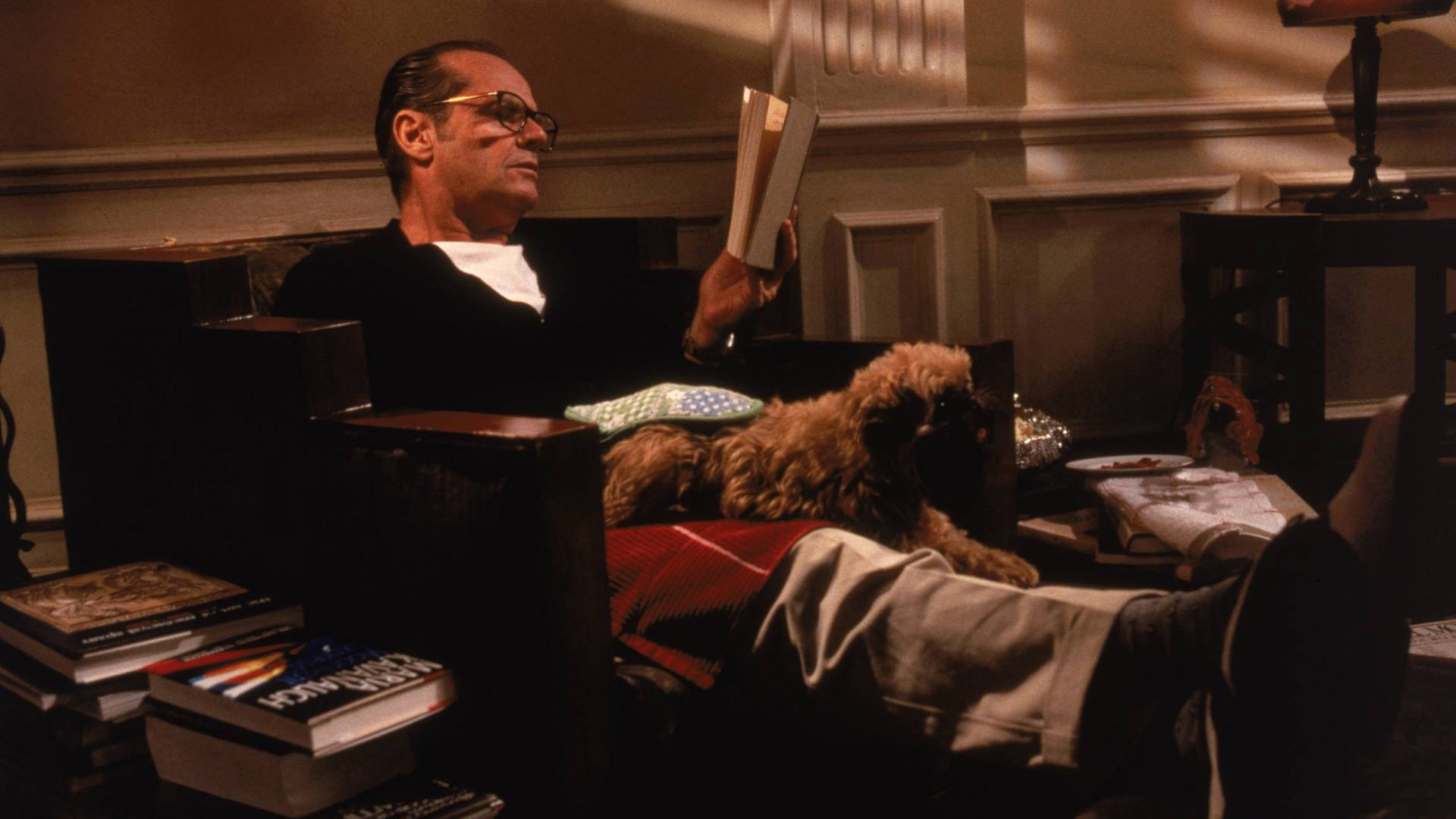
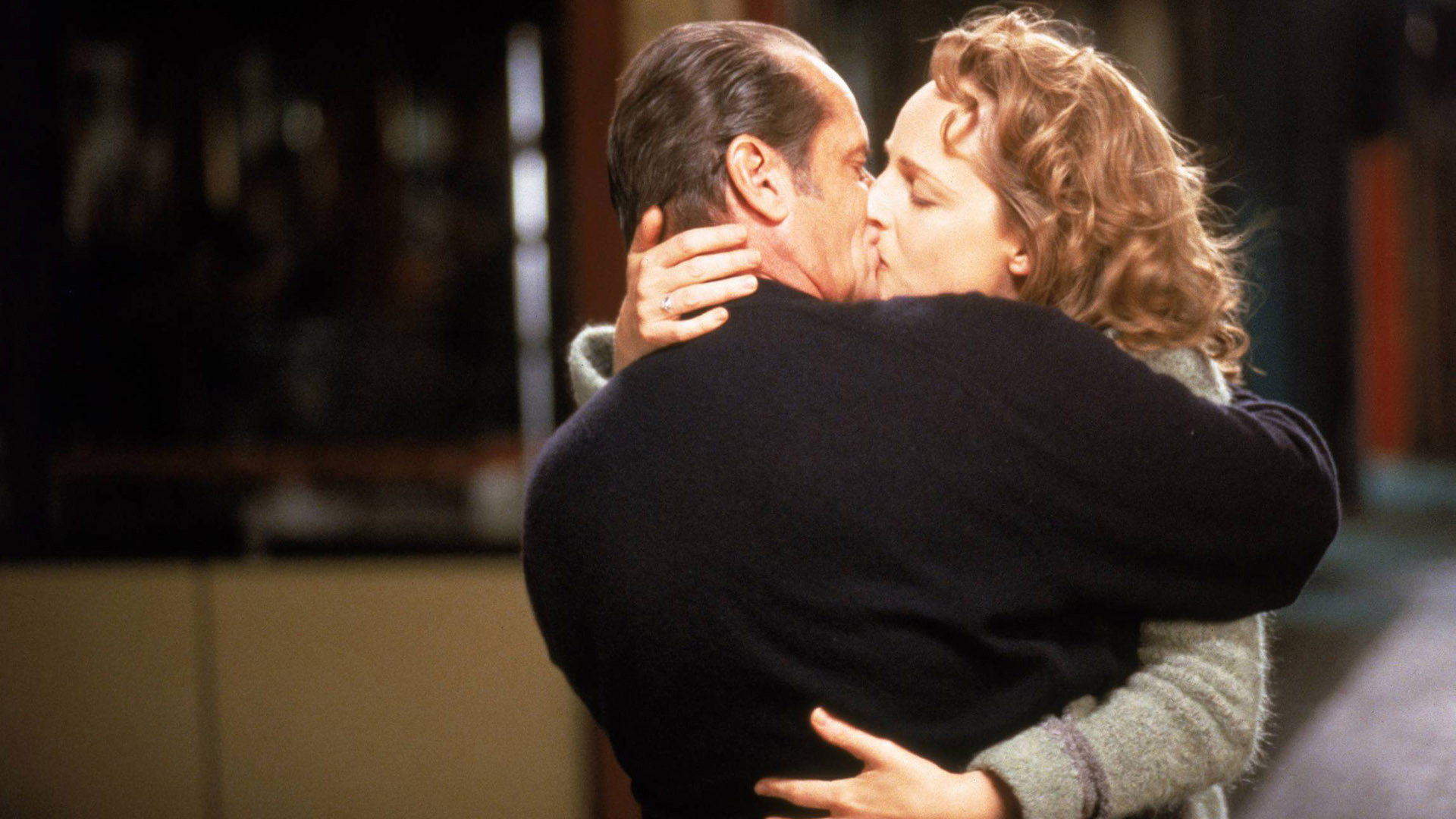
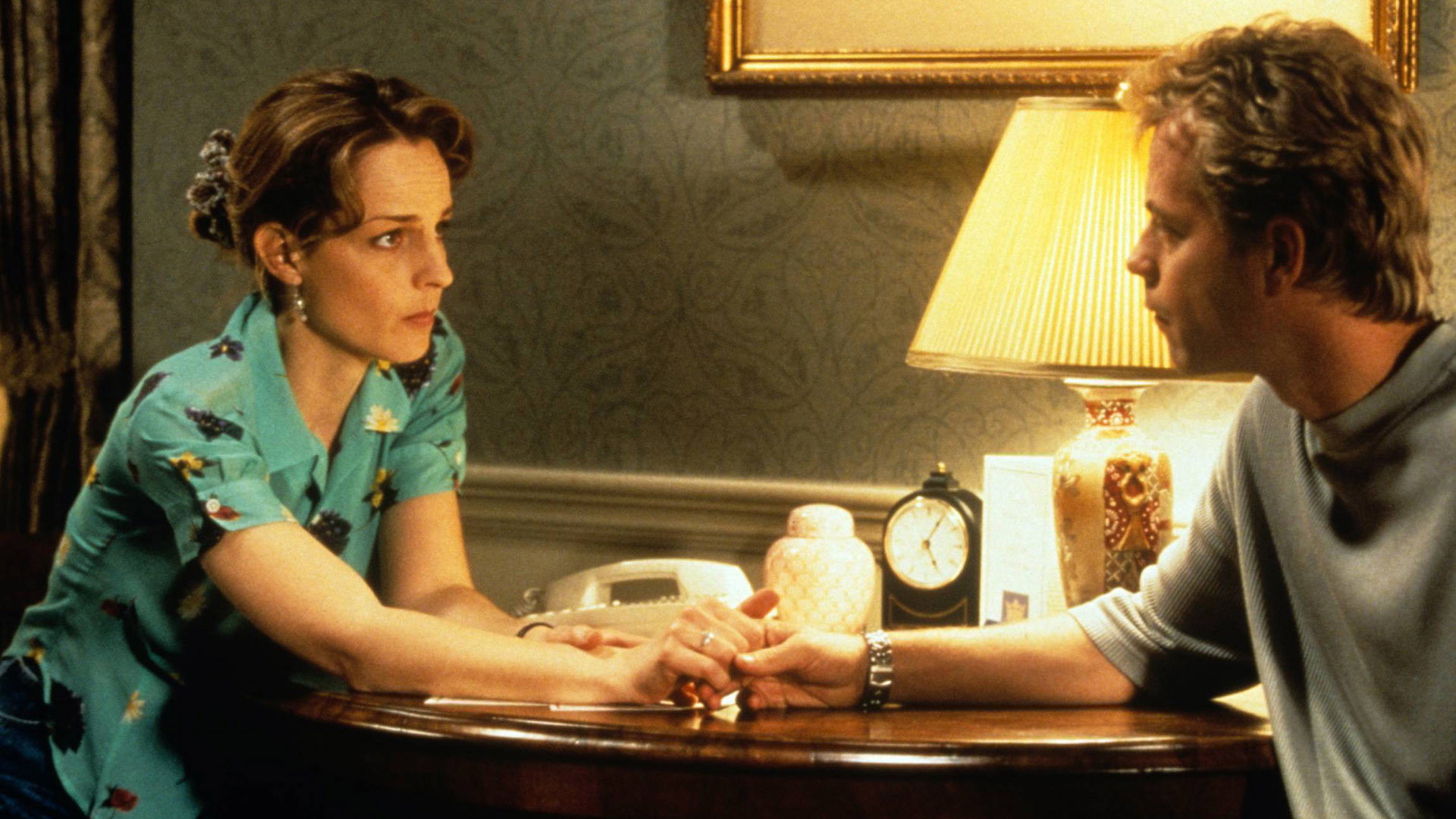
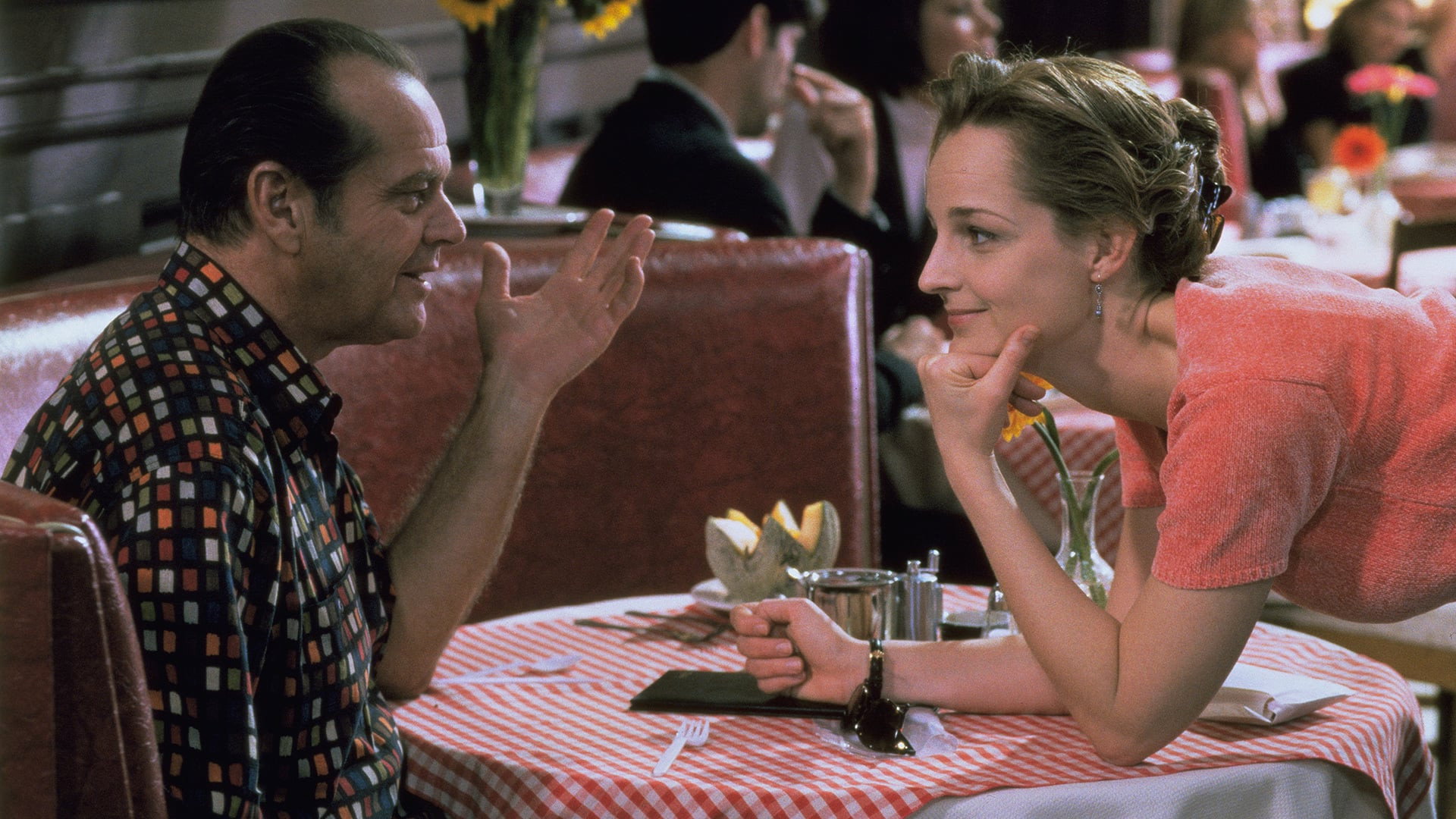
Melvin Udall (Jack Nicholson) is an obsessive-compulsive novelist whose dealings with other people tend towards insult. Carol Connelly (Helen Hunt), a waitress, becomes involved with him, while Simon Bishop (Greg Kinnear) also finds himself contending with Melvin’s antisocial behaviour. Caring for a dog gives the novelist responsibilities beyond his own routines. As these relationships develop, his wish to keep other people at a distance runs up against his growing dependence on them. James L. Brooks directs this comedy-drama about an unlikely romance and the demands of getting along with others.

Plays from YouTube when you press play; nothing loads from them until then.

Fi1m review

James L. Brooks’s romantic comedy is worth an evening for Helen Hunt and Greg Kinnear, who give Jack Nicholson’s insults consequences. It is funny and affecting, though its efforts to make Melvin lovable can feel like special pleading.

As Good as It Gets asks us to spend a long evening with a man who makes most encounters unpleasant, then to take an interest in his chances of romance. James L. Brooks makes that proposition work often enough for us to recommend it, chiefly because Helen Hunt and Greg Kinnear give the film people worth staying for. Jack Nicholson is funny, sometimes exhaustingly so, as Melvin Udall. The trouble comes when the screenplay expects our pleasure in watching him to explain why anyone would want him around.

Nicholson understands how much amusement can come from a man who regards every encounter as an unreasonable demand on his time. We laughed at Melvin’s tirades, then felt uneasy about how readily we had accepted his cruelty as part of the entertainment. The force and precision of Nicholson’s delivery account for both reactions. Brooks and co-writer Mark Andrus are less convincing when they treat a small improvement in Melvin’s behaviour as a substantial change.

Hunt, as Carol Connelly, gives those exchanges a reason to keep listening after the joke. Her waitress has enough feeling and resistance to stop the romance becoming an exercise in admiring a difficult man. We were more moved by her exasperation than by the film’s more deliberate attempts at tenderness, because she makes the effort of dealing with Melvin seem tiring. The writing does not always make her interest in him persuasive, but Hunt makes the possibility worth considering.

Kinnear’s Simon Bishop is just as important, bringing a gentleness that does not feel like a standing invitation to be mistreated. He gives the scenes with Melvin a vulnerability that Nicholson’s comic attack would otherwise crowd out. Even the business of Melvin caring for a dog works better than it ought to; an immediate responsibility gives his improving behaviour some practical basis. These relationships are more engaging when Brooks lets them remain awkward, rather than asking us to measure how much nicer his leading man has become.

John Bailey’s cinematography gives the actors room without adding much urgency, which suits the comedy better than the romantic uncertainty. Bill Brzeski’s production design is equally discreet; we seldom find the surroundings as revealing as the performances. Richard Marks’s editing makes the verbal exchanges satisfying, but across 139 minutes the accumulation of complaints becomes wearing. Hans Zimmer’s music is sometimes too eager to encourage tenderness where Hunt and Kinnear have already supplied it.

As a romantic comedy, it has the welcome confidence to make conversation the principal attraction. Brooks and Andrus write lines with enough bite to make the softer passages feel earned for a while, and they allow unpleasantness to linger beyond an easy laugh. Yet the conventional romance asks us to accept changes that the individual scenes have not quite established. Melvin’s obsessive-compulsive disorder also needs more care than a story so keen to associate becoming less difficult with becoming happier can comfortably give it.

Come for the company rather than a lesson in becoming a better person. Hunt and Kinnear deserve attention even when Nicholson has the line everyone will remember. We recommend it to anyone with a taste for romantic comedy that allows its people to be wearing. Allow for a leisurely evening, and do not expect to approve of everyone in it.

Critical consensus AI synthesised

5 of 6
Positive
5
Mixed
0
Negative
0
Empire
1 January 2000 · Angie Errigo
80*

Nicholson delivers a top performance as the misanthropic Melvin whose OCD and tirades are central to this politically incorrect comedy. The story follows his gradual, self-interested redemption aided by caring for a dog and interactions with Hunt and Kinnear, resulting in a well-paced and amusing redemption arc.

Read the full review →
Radio Times
★★★★ · Adrian Turner
80

The critic finds the film lazily directed and overly long but praises Helen Hunt's revelatory performance as the waitress, which outshines Jack Nicholson's grouchy lead and earned her an Oscar alongside his.

Read the full review →
The AV Club
4 April 2002 · Stephen Thompson
80*

The critic highlights the strong script and affecting key performances that allow the film to mix mean-spirited comedy with heart-tugging drama without dragging or ringing false. Brooks is praised for evoking sympathy for the lead character and for the thoughtful examination of relationships.

Read the full review →
RogerEbert.com
22 December 1997 · Roger Ebert
75*

The film creates memorable characters but settles for a conventional romantic arc that feels like a compromise. Strong dialogue and performances stand out despite the predictable happy ending.

Read the full review →
The Hollywood Reporter
10 December 1997 · Duane Byrge

The critic finds the acidic love story warms the heart despite its testy elements and calls it mature adult entertainment at its best. Strong praise goes to the lead performances by Jack Nicholson and Helen Hunt.

Read the full review →
The Independent
18 September 1998 · HH

The film is a bittersweet comedy about an obsessive-compulsive novelist and a waitress forming an unlikely romance. Nicholson's performance is the main draw allowing the anti-social behaviour to work, though the film is enjoyable but falls short of its title's promise.

Read the full review →

Cast

Stills

Awards

Academy Awards, 1998

Nominated
Best Film Editing
Nominated
Best Original Musical or Comedy Score
Nominated
Best Picture
Nominated
Best Supporting Actor
Nominated
Best Writing, Original Screenplay
Won
Best Actor
Won
Best Actress

If you liked this, try…

The Apartment poster

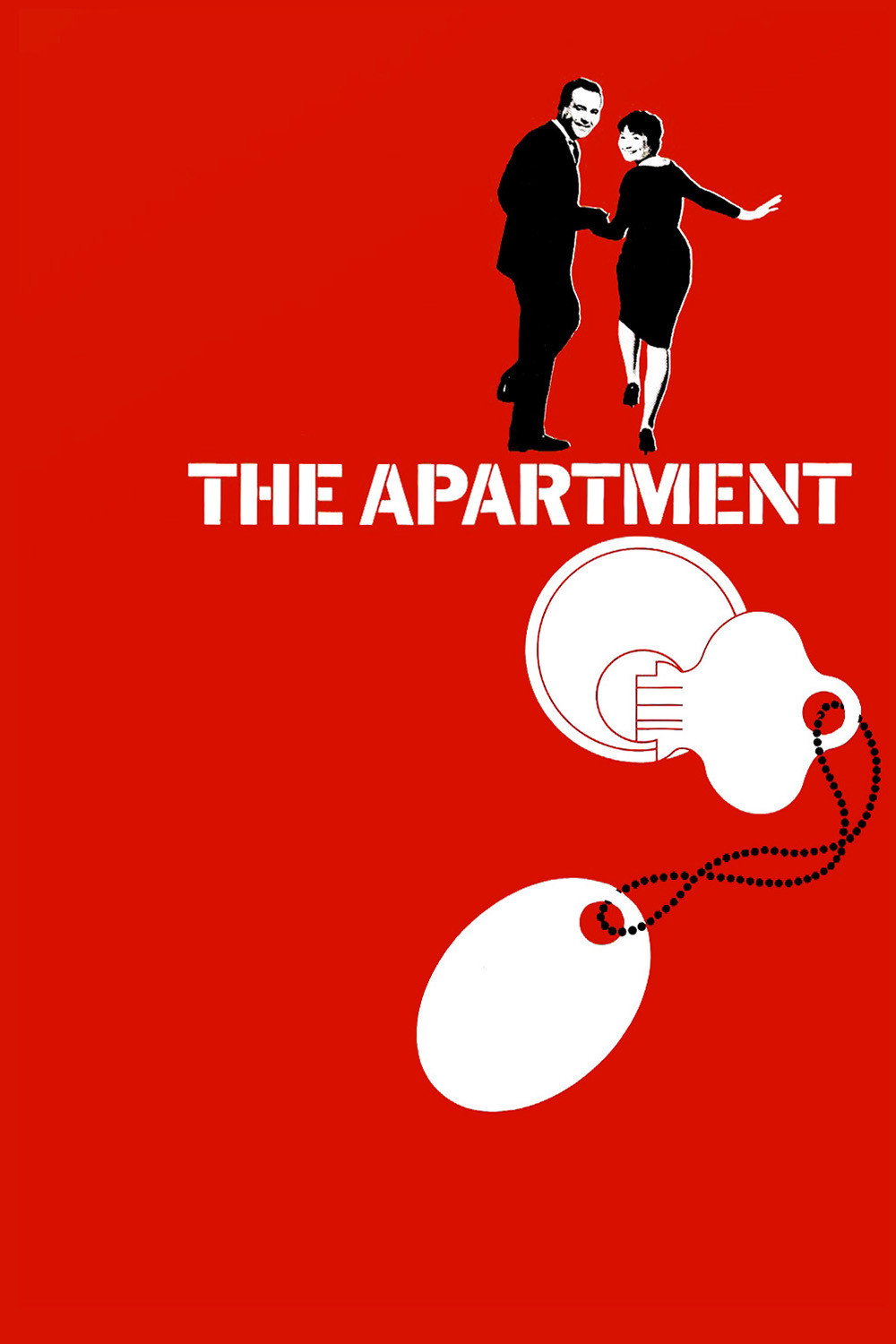
The Apartment

1960 · For another romantic comedy that lets loneliness complicate the laughs.

The Lunchbox poster

The Lunchbox

2013 · A quieter romance, equally attentive to routine, loneliness and unexpected connection.

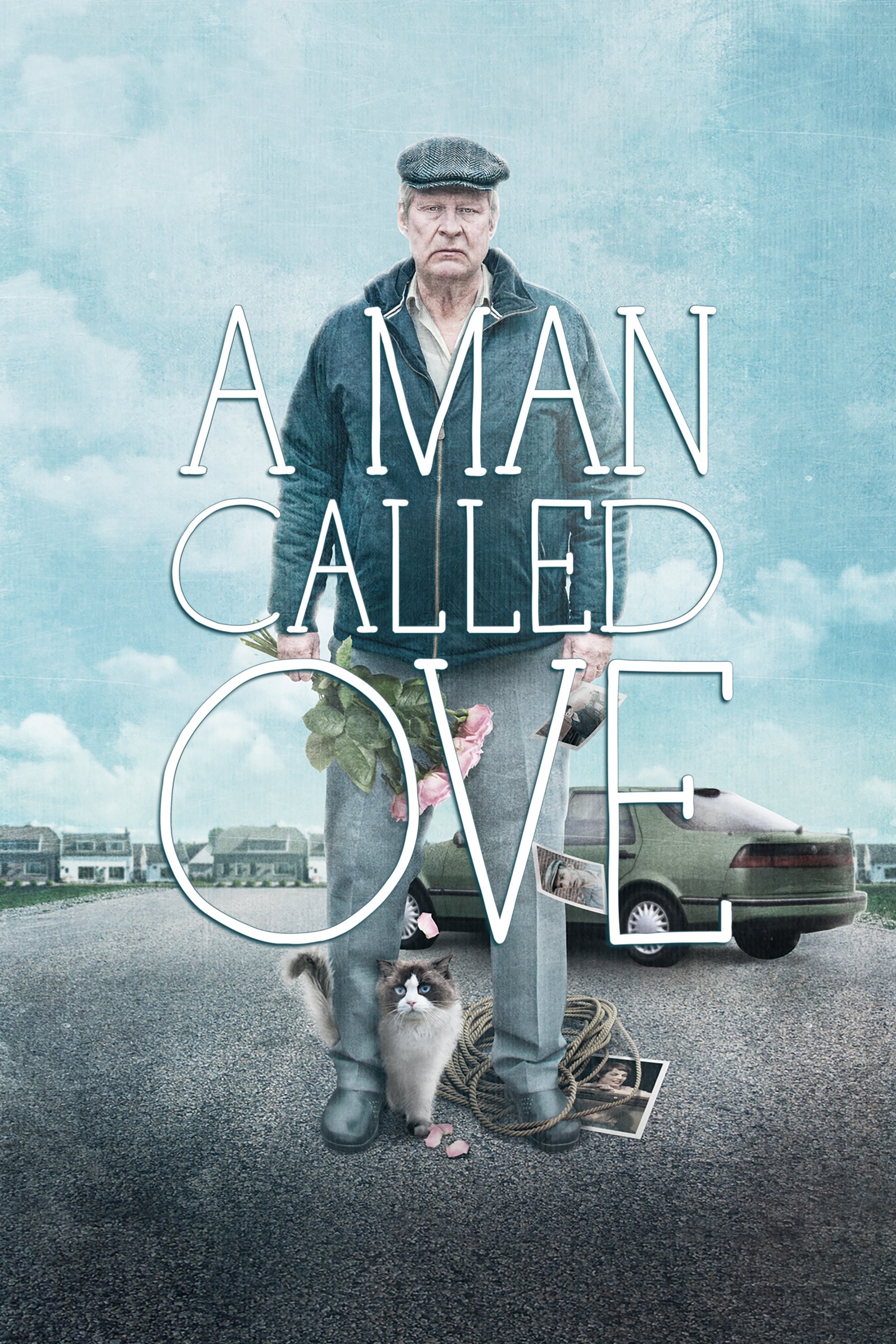
A Man Called Ove poster

A Man Called Ove

2015 · Another difficult neighbour finds other people inconveniently hard to keep out.

Enough Said poster

Enough Said

2013 · Adult attraction complicated by bad habits, sharp judgements and believable embarrassment.

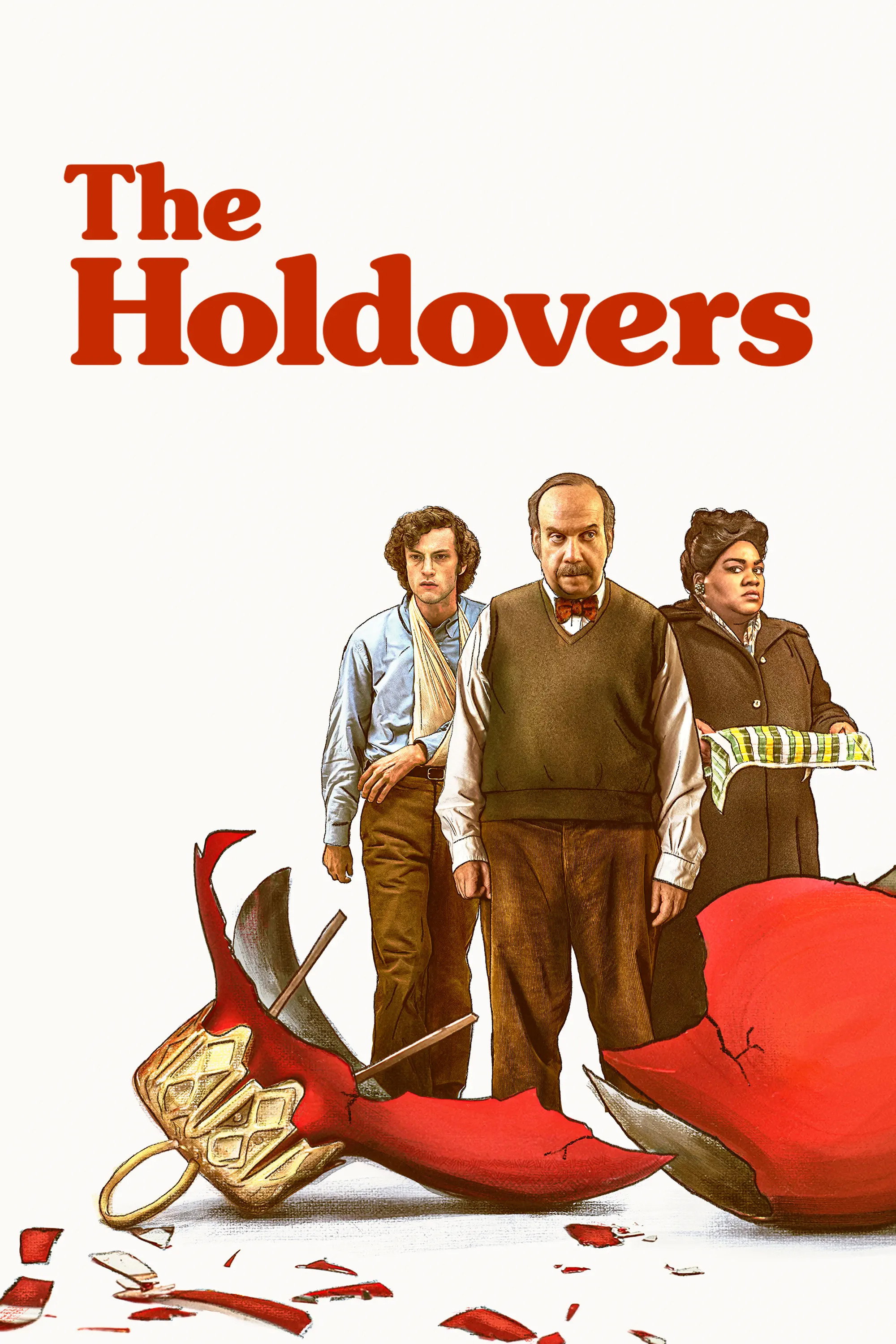
The Holdovers poster81

The Holdovers

2023 · Abrasive company becomes worth keeping through performances that resist easy sweetness.