Andrew Niccol builds persuasive science fiction from familiar habits of exclusion and control. We recommend Gattaca with a reservation that applies to his method: he sometimes keeps explaining after the premise has done its work.
Fi1m perspective
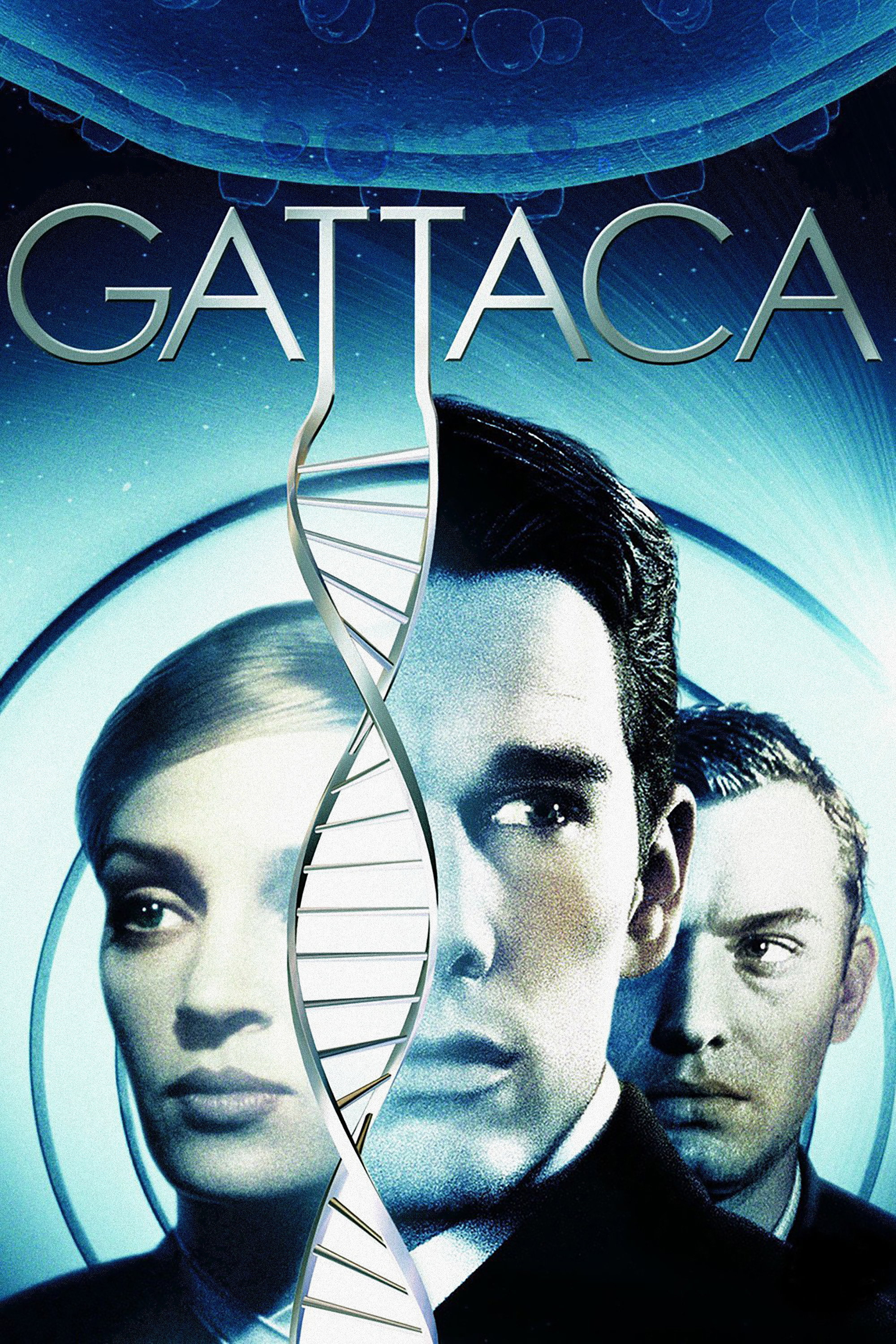
In Gattaca (1997), Ethan Hawke plays Vincent Freeman with a restraint that sometimes leaves us wanting more from his face. Andrew Niccol gives him a future in which genetic advantage decides who is allowed to get on. We found that prospect unsettling because the discrimination needs so little explanation: the method is futuristic, but the willingness to exclude people is familiar. It remains a persuasive science-fiction drama, even when Niccol makes it more solemn than it needs to be.
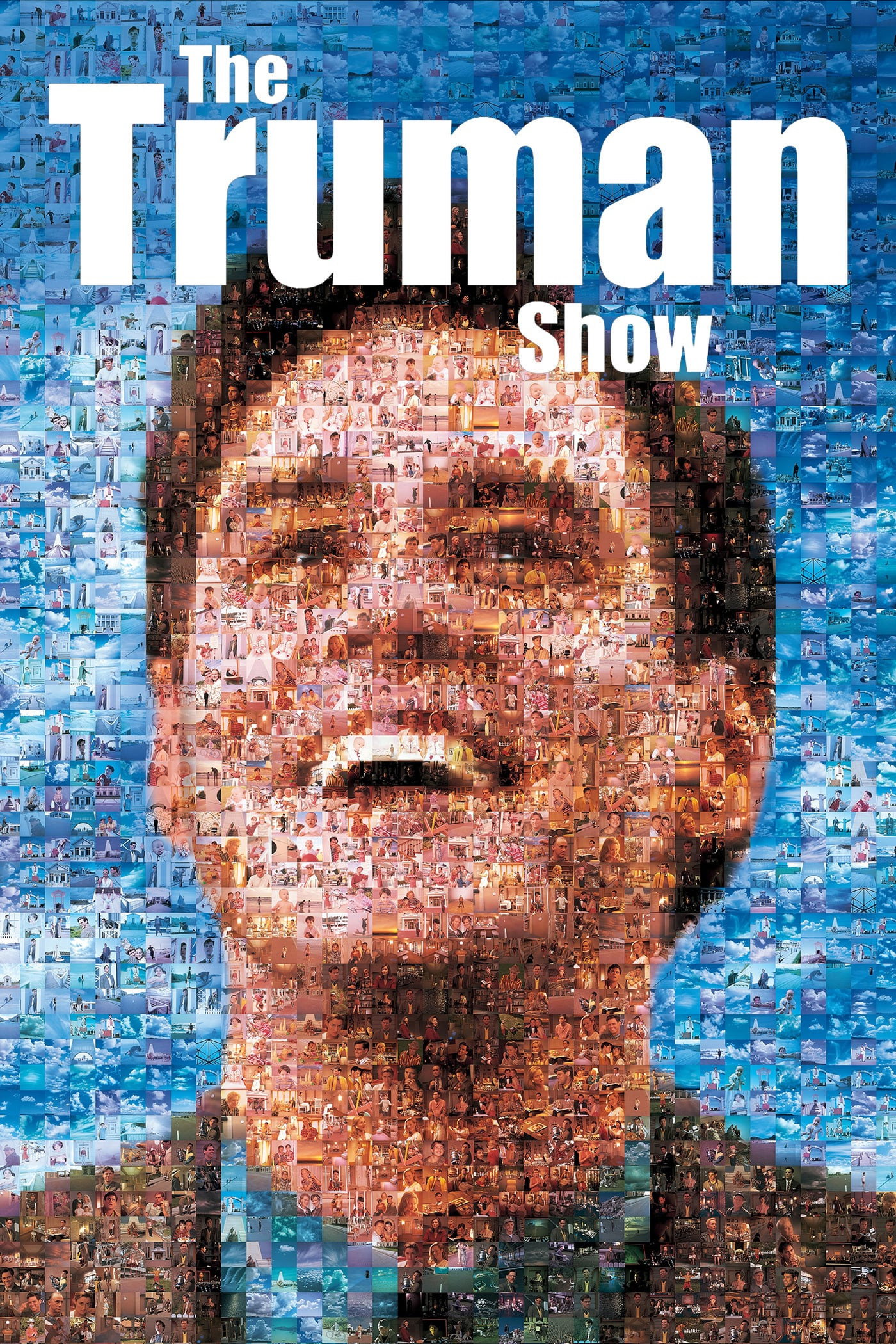
Niccol made his feature debut with Gattaca, writing as well as directing, and the stubborn individual inside a controlling society became a recurring subject. His screenplay for The Truman Show (1998), directed by Peter Weir, put media manipulation at the centre of a constructed reality. That is a useful distinction when considering Niccol: not all the films that define his work are films he directed. His gift for a premise is clear enough in both.
In Gattaca, editor Lisa Zeno Churgin lets tension develop without hurrying the restrained performances. Michael Nyman's score supplies feeling that the acting sometimes holds back, though the music and Niccol's writing can press too hard together. We have time to notice small changes in mood, and that patience gives Vincent's persistence its weight. When Hawke becomes too blank, however, the handsome surroundings begin to seem more interesting than the man.
The larger reservation is where Niccol puts his sympathy. Gattaca concentrates on Vincent's refusal to accept his allotted place, leaving less room to consider anyone without his determination. The danger is that genetic discrimination seems wrong chiefly because it has overlooked this particular man's abilities. We can want him to succeed and still feel the film owes some attention to the people who have less chance of succeeding.
Later films took those concerns into other settings: Lord of War (2005) turned to the international arms trade, while In Time (2011) made time a currency for examining inequality. Good Kill (2014) reunited Niccol with Hawke to consider the ethics of drone warfare. The attraction of these subjects is clear, but a premise still needs people whose behaviour keeps us interested once we understand the rules. Start with Gattaca; its solemnity is worth putting up with.
Biography
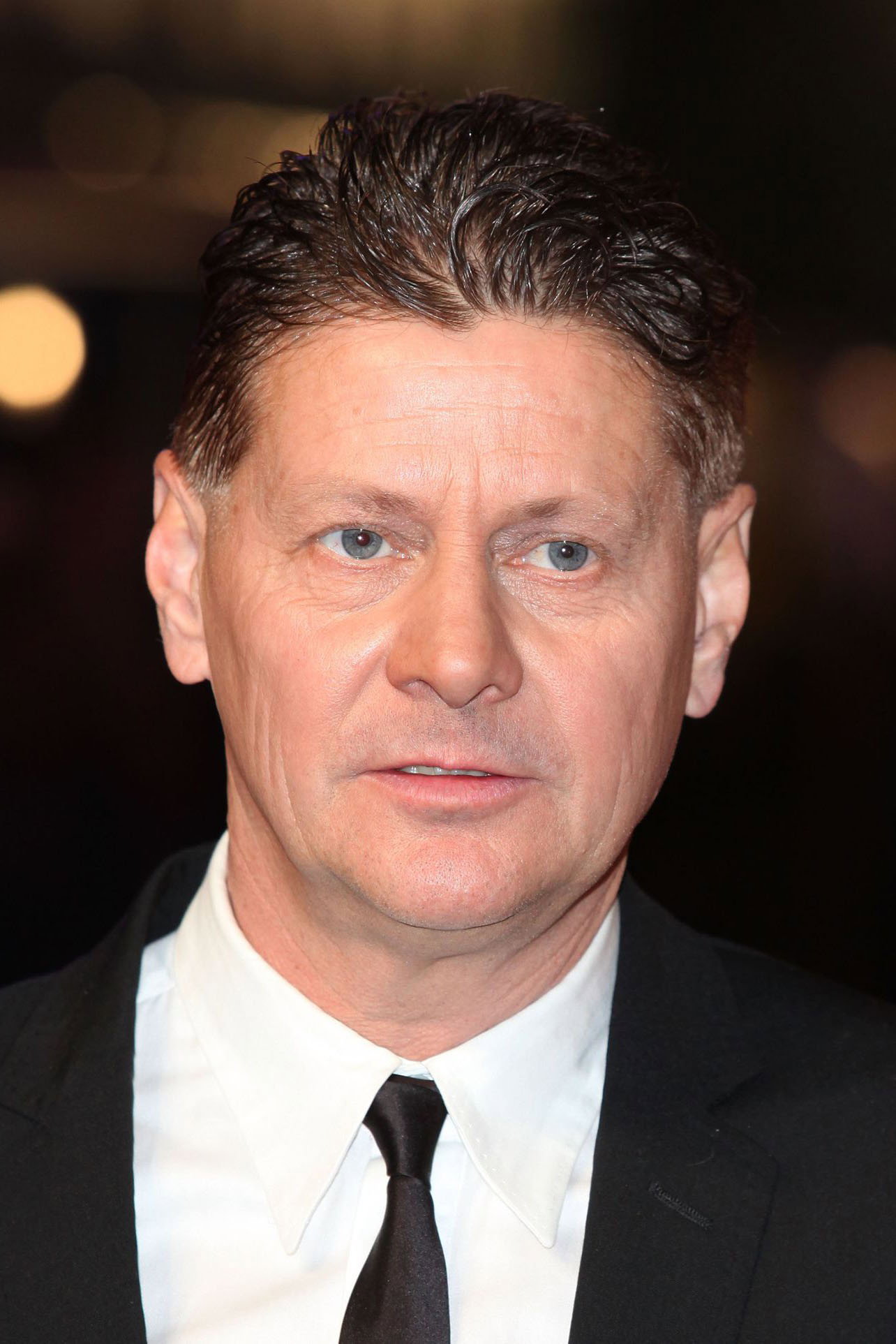
Andrew Niccol is a New Zealand screenwriter, director and producer. He wrote and directed the 1997 science fiction film Gattaca, his feature debut.
Niccol left New Zealand at the age of 21 and spent more than ten years directing television commercials in London before moving to Los Angeles. He wrote the screenplay for The Truman Show (1998), which earned him an Academy Award nomination for Best Original Screenplay and a BAFTA Award for Best Screenplay. He has since written and directed films including S1m0ne (2002), Lord of War (2005), In Time (2011), The Host (2013) and Good Kill (2015).