Andrew Niccol’s Gattaca makes genetic discrimination frighteningly plausible, with precise production design and a bruised performance from Jude Law. Its solemnity sometimes gets in the way, but we recommend this thoughtful science-fiction drama.
Gattaca is a persuasive science-fiction drama whose stern manner occasionally makes it harder work than it needs to be. Writer-director Andrew Niccol imagines a future in which genetic advantage has become a licence to discriminate, and asks what happens to the person who refuses to accept the result. The premise works because the prejudice is recognisable, even when the means of enforcing it belong to science fiction. We need no great leap of imagination to believe that people would welcome a respectable new reason to keep others out.
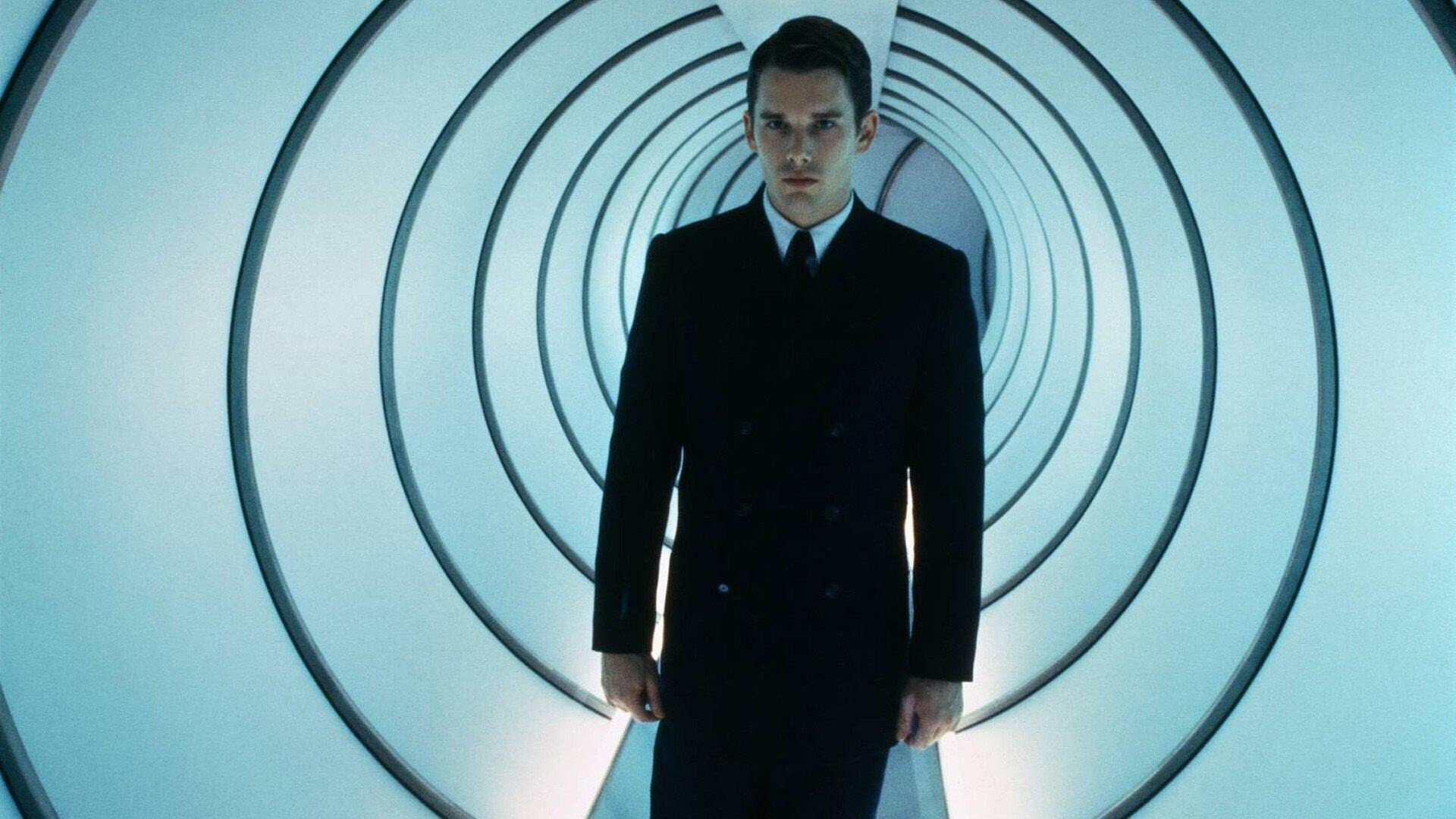
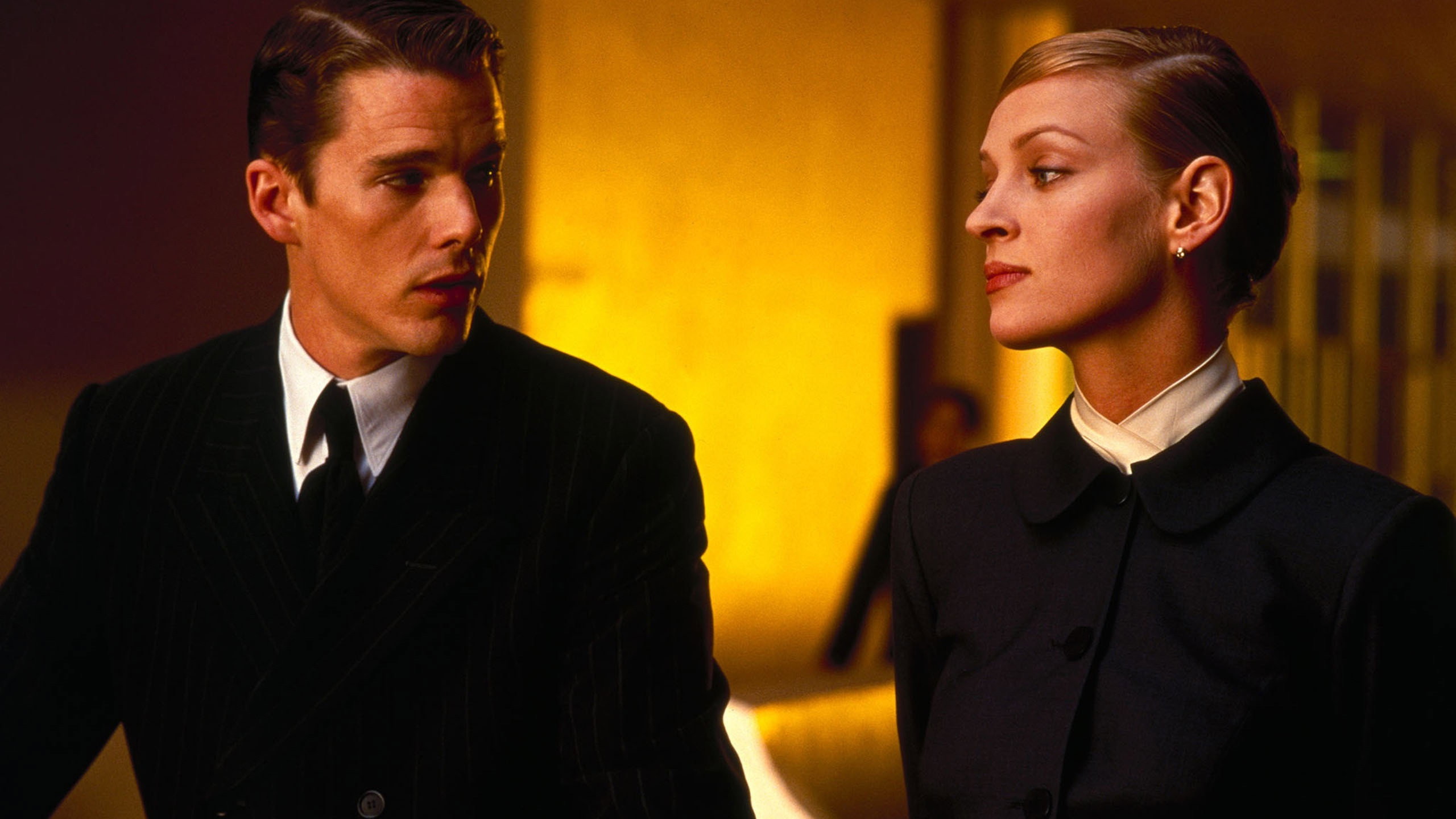
Jan Roelfs’s mid-century modern production design gives that society a convincing physical form. Its retro-futuristic shapes suggest institutions established long enough ago to have stopped explaining themselves. Sławomir Idziak gives the images an early-morning look that makes their clean surfaces feel inhospitable, and the effect is more troubling than a conventionally ruined future. These are places we can believe people would be proud to work in.
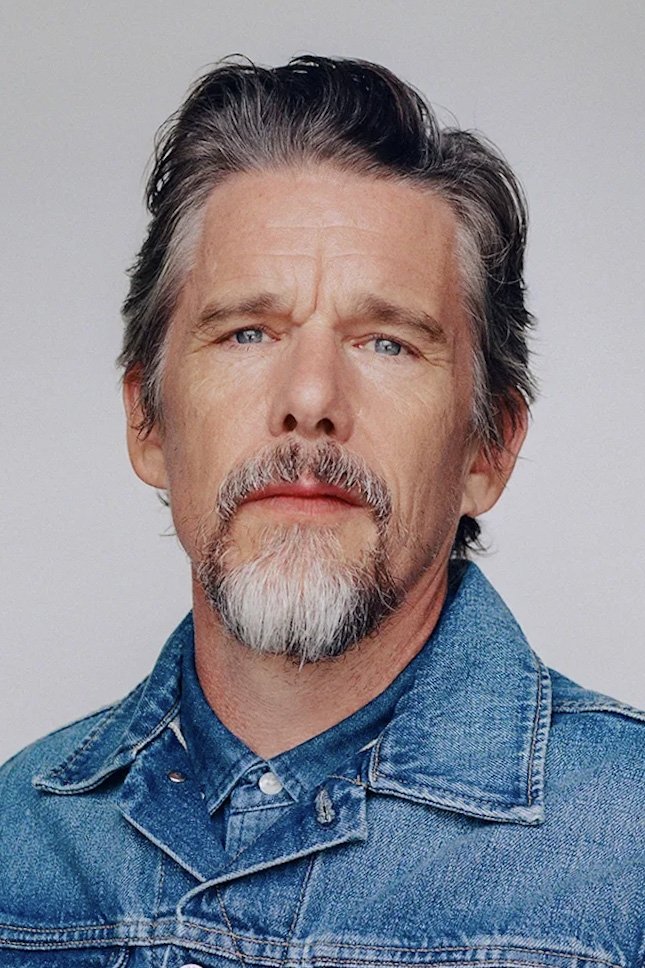
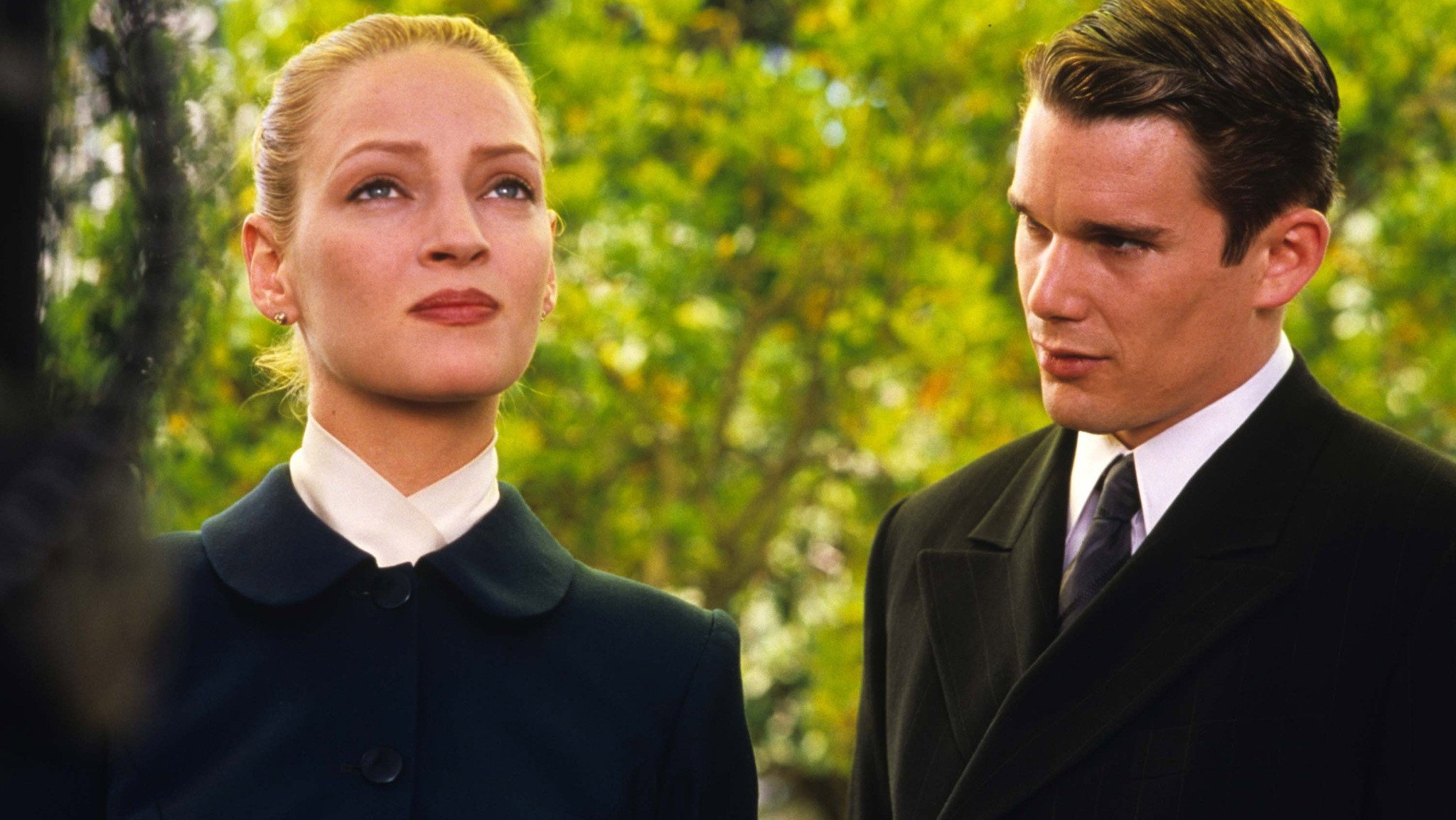
Ethan Hawke plays Vincent Freeman with a restraint that can look uncomfortably close to blankness. We wanted a little more variation from him, especially when Niccol’s earnest writing has already made the stakes clear. Yet the performance also gives Vincent’s resistance a credible persistence: he does not seem to expect anyone to make this easy. The film’s suspense depends on that doggedness holding our attention without much outward display. Hawke usually manages it, though there are passages when the handsome surroundings appear to be doing more of the work.
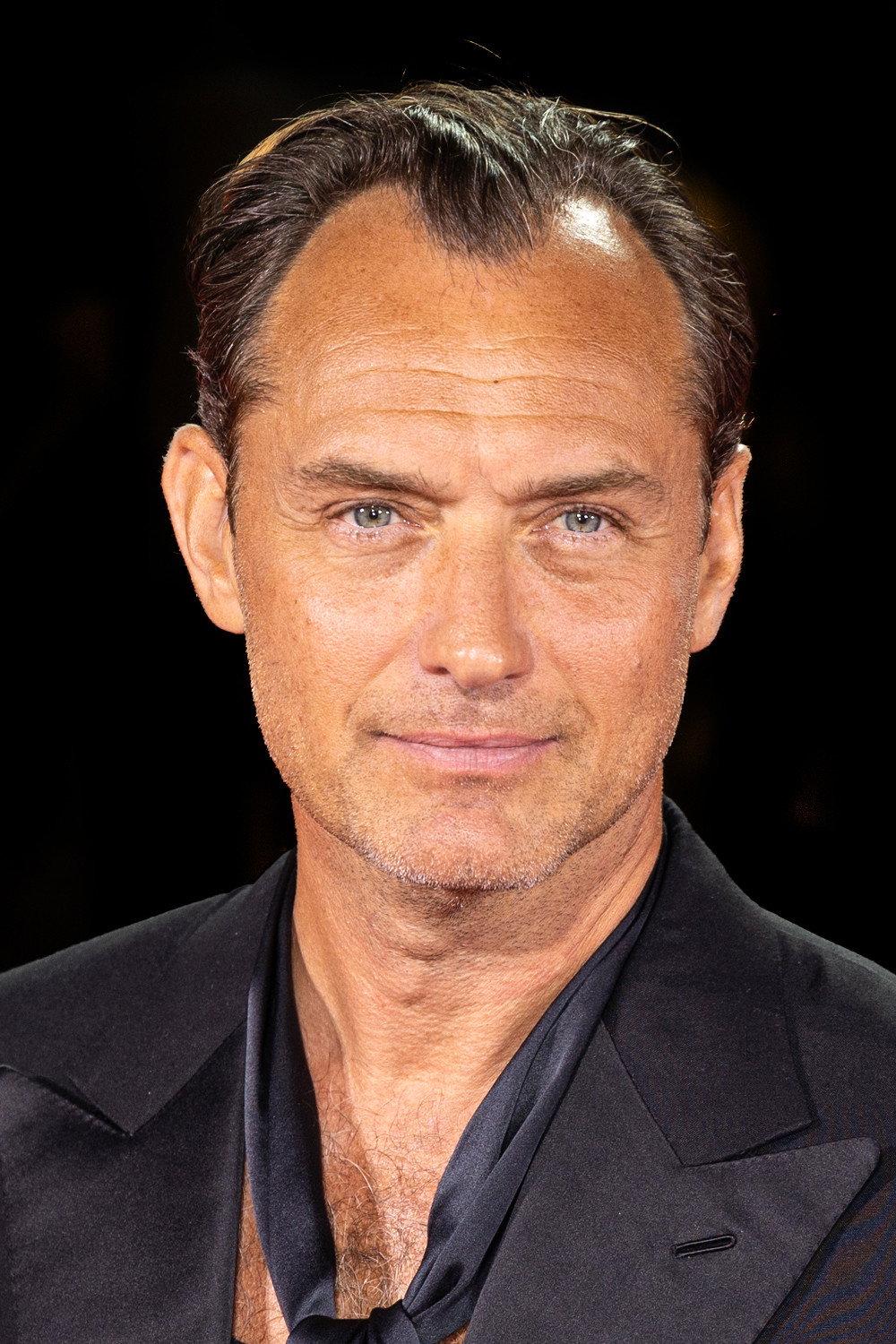
Jude Law, as Jerome Eugene Morrow, supplies the irritation and hurt that the film needs. His bitterness makes the promise of genetic superiority look less persuasive, without requiring another speech about why the system is wrong. We were moved by his exchanges with Vincent; Law makes Jerome’s resentment sound like an admission of pain. He allows Jerome to be difficult company, which gives their relationship more life than the film’s declarations about human potential.
Editor Lisa Zeno Churgin gives the tension time to develop, and the measured pace suits the controlled performances. We can register small changes of mood without being hurried on to the next piece of plot. Michael Nyman’s score is more openly emotional than the acting, and its directness is welcome when the characters threaten to become demonstrations of an idea. Occasionally the music and Niccol’s writing press too insistently for feeling. The film is least convincing when it seems anxious to explain how much its struggle should mean.
Niccol is interested in an individual’s refusal to stay in the place assigned to him, rather than in the practical business of changing an unjust society. That keeps the drama focused, but it narrows what the film can say about discrimination. The hierarchy can start to seem objectionable chiefly because it has failed to recognise this particular man’s worth. We can care about Vincent and still wish the film spent more thought on people who have neither his determination nor a leading role.
At 107 minutes, this is worth making time for when a thoughtful, rather solemn science-fiction drama is the right prospect. The pleasure comes from watching a controlled performance meet another that keeps threatening to lose its temper, in surroundings where neither man seems quite at ease. Leave a little time afterwards to discuss who else deserves a chance in Niccol’s future.