Film review

Never Let Me Go

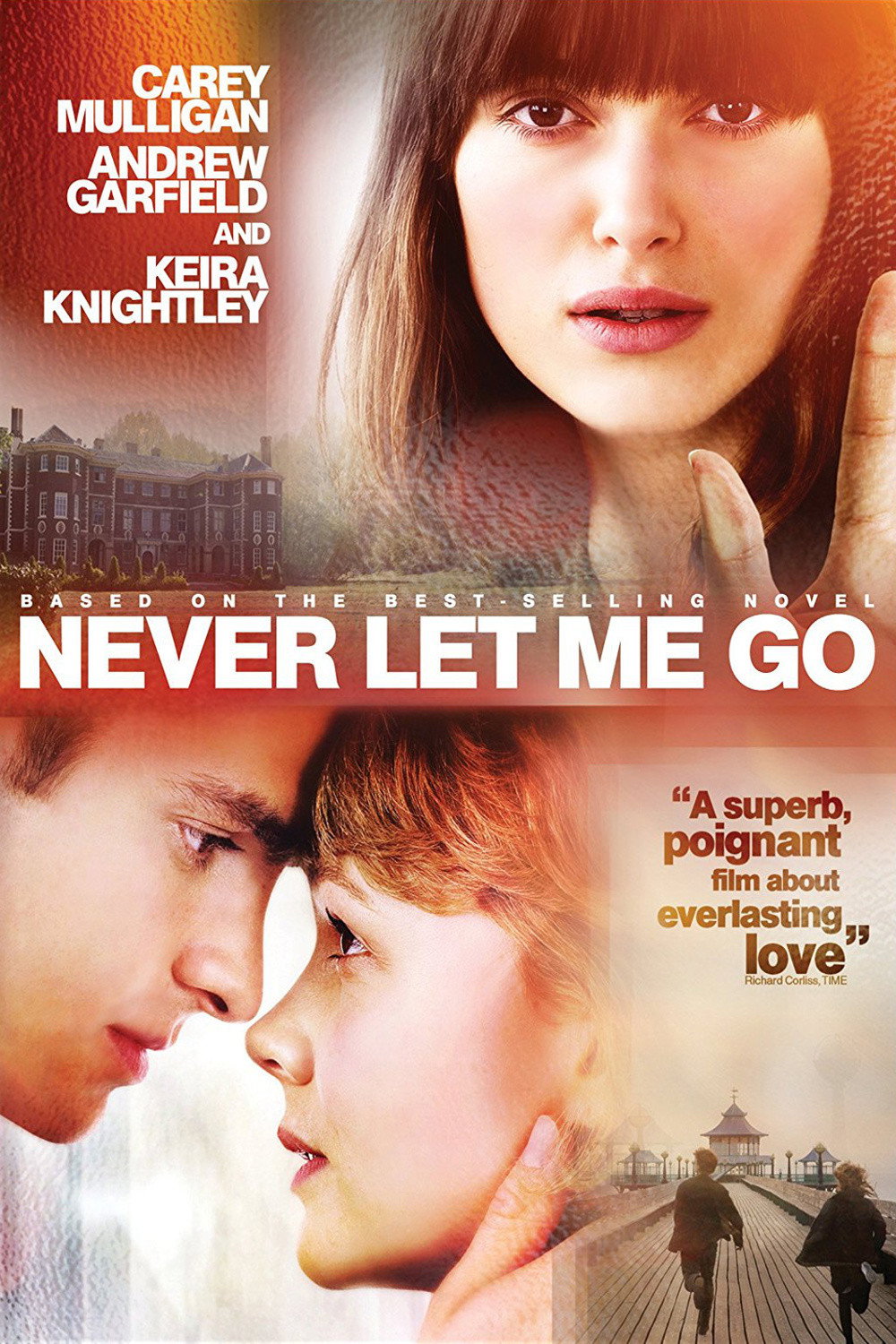
2010 · Directed by Mark Romanek · 1h 44m · MPA R

In a sentenceA boarding school where learning to answer back might have been the useful bit

DramaRomanceScience Fiction

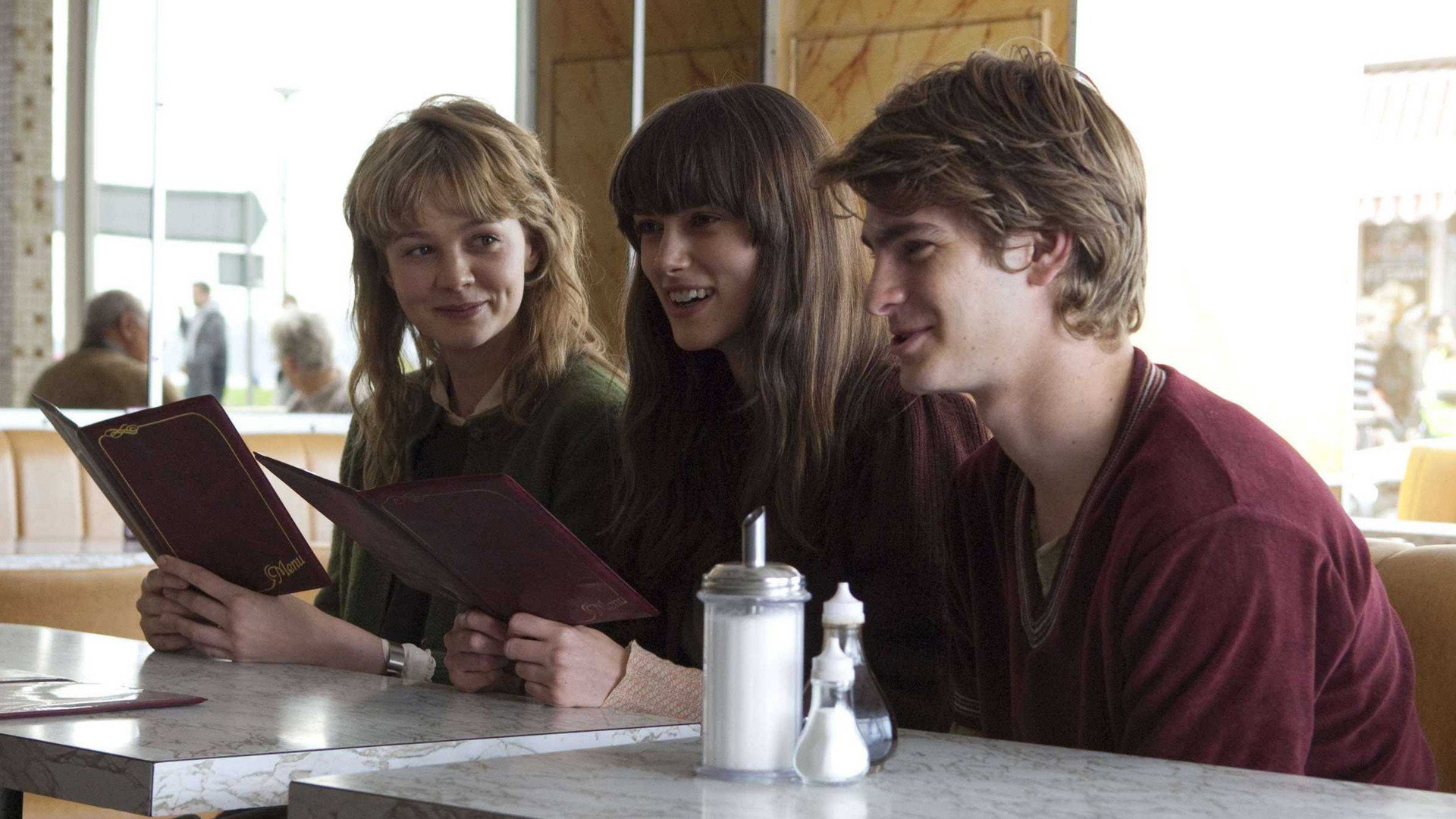
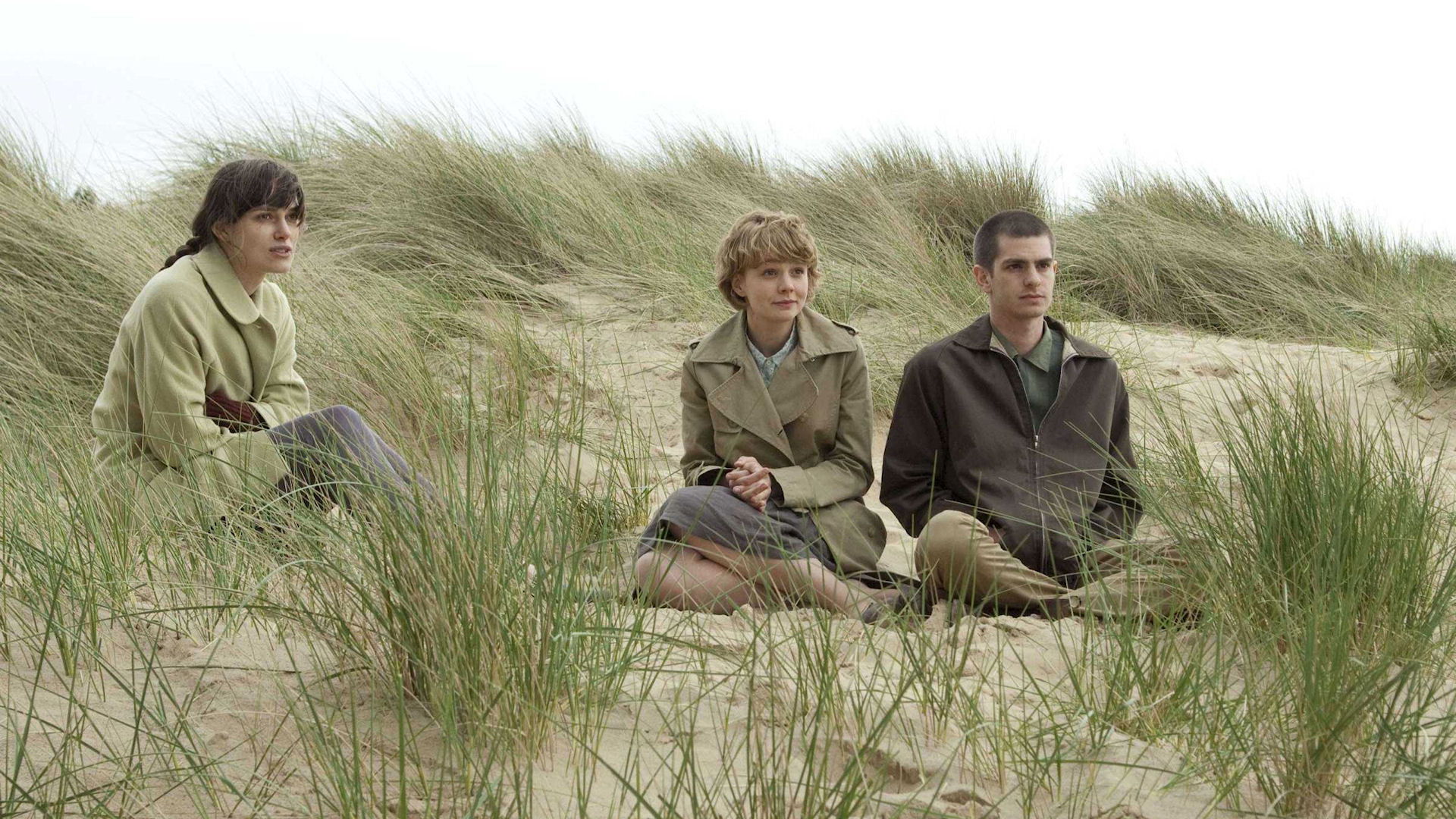
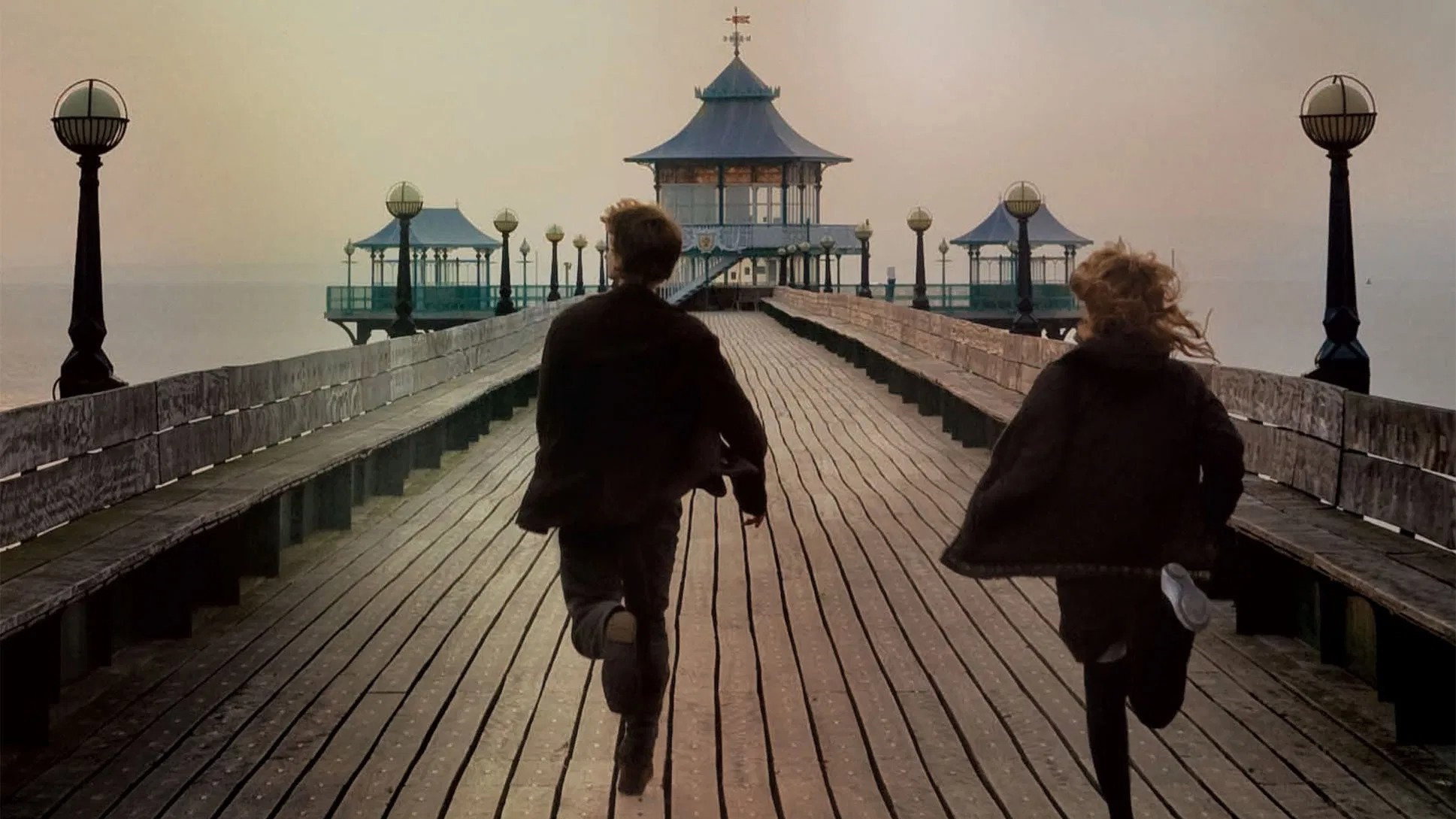
At a boarding school in an alternative society, Kathy H. (Carey Mulligan), Ruth C. (Keira Knightley) and Tommy D. (Andrew Garfield) grow up under adults whose authority goes largely unquestioned. Their younger selves are played by Izzy Meikle-Small, Ella Purnell and Charlie Rowe. Kathy H. wants to be closer to Tommy D., while all three learn to live with rules they have little say in making. Their schooling prepares them for a future already decided for them, and their affection develops within those limits. The question of what they are being prepared for hangs over their education.

Plays from YouTube when you press play; nothing loads from them until then.

Fi1m review

Carey Mulligan gives this restrained science-fiction romance its reason to be watched. Mark Romanek sometimes keeps the feelings too neatly in order, but the awkward affection between the leads is worth the patience he asks of us.

Mark Romanek’s Never Let Me Go asks us to care about three people who have learnt to accept what they are told. It is a good, sometimes moving film, held back by a solemnity that becomes too uniform. Alex Garland’s adaptation of Kazuo Ishiguro’s novel puts the friendships and the love story ahead of the science fiction, a choice that works whenever the actors have room to make those relationships awkward. The trouble comes when their obedience needs more explaining than the film allows.

The boarding school matters because it gives that obedience a beginning. A child who has been taught that adults know best will not necessarily become an adult who knows how to object, and the film is persuasive about the habit of waiting for permission. Its alternative society unsettles us through the ease with which the pupils accept its rules. We do not need a chase or an uprising, but we do need to believe that each person has considered saying no.

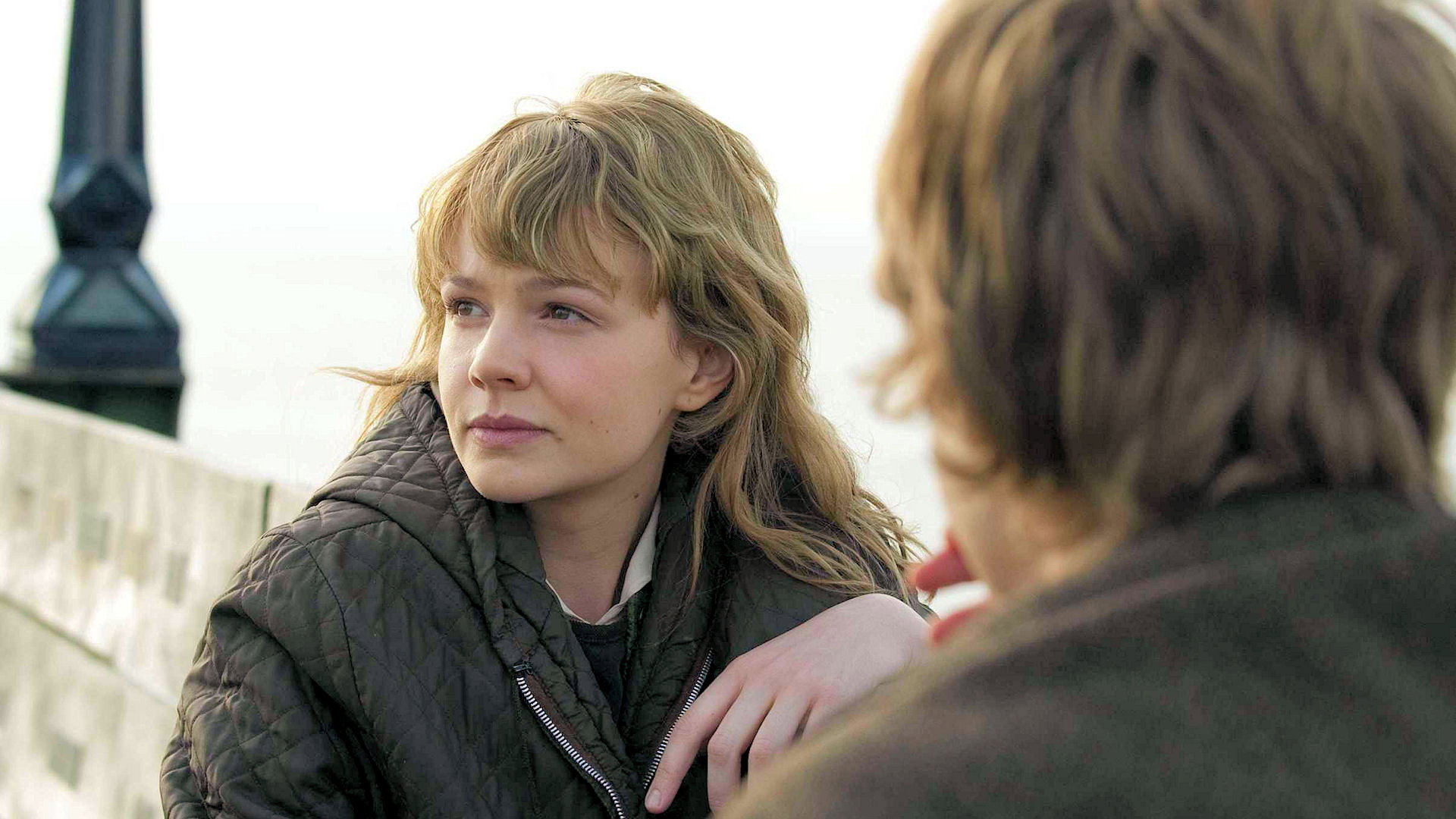
Carey Mulligan supplies much of the missing complication as Kathy H., whose restraint never quite conceals how much she feels. Her performance keeps us interested in what Kathy H. is making of the other people, even when the direction seems determined to keep everyone equally subdued. Andrew Garfield gives Tommy D. an awkward tenderness that makes their affection convincing without making it comfortable. We were moved by their difficulty being close: the fondness is plain, and they seem painfully ill-equipped to do anything with it.

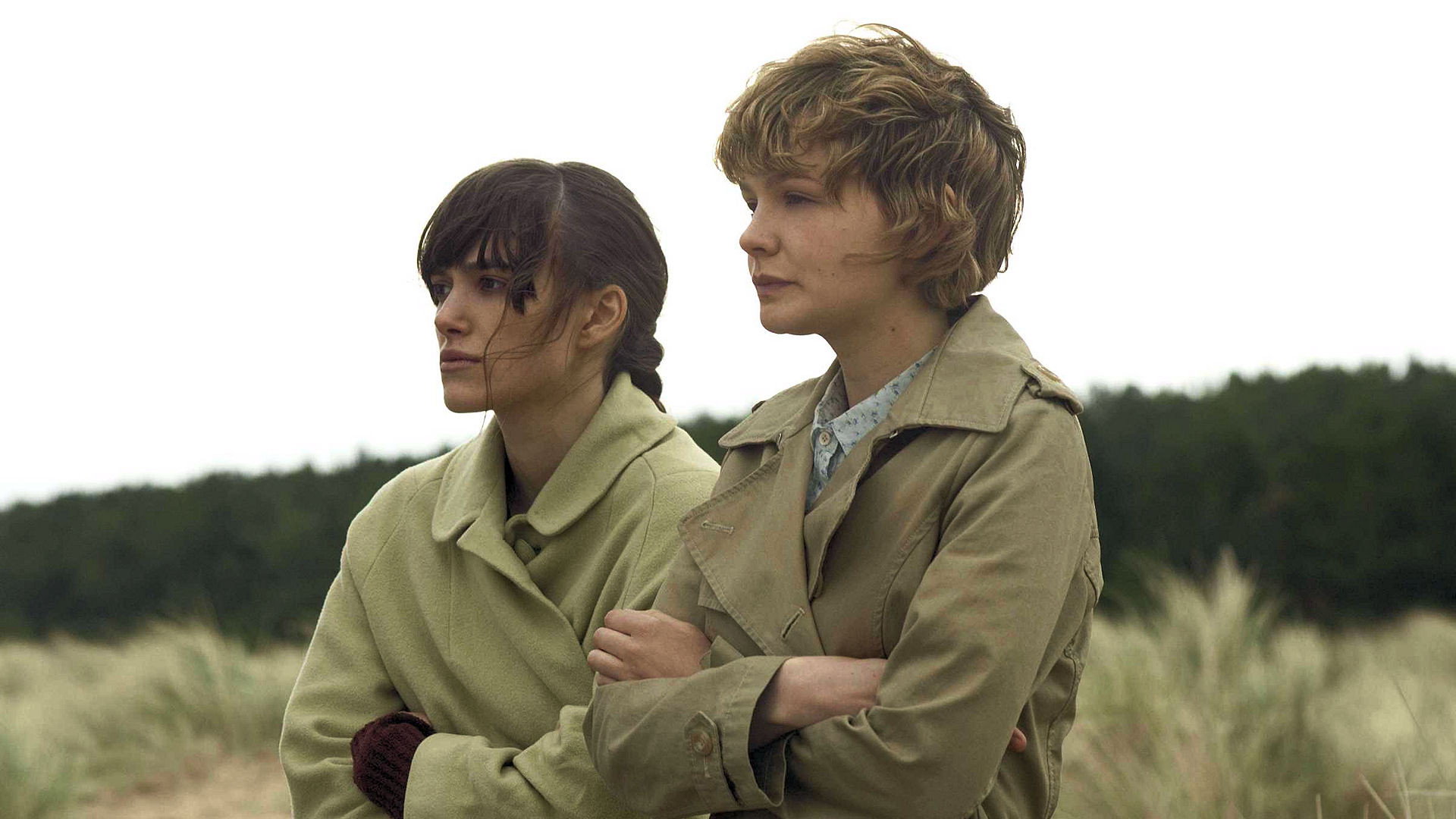
Keira Knightley, as Ruth C., helps the central trio feel worth watching even when the story is holding them at a distance. But the cast cannot always overcome the narrow range of feeling the film permits. Anger, desire and fear need to disturb the calm more often; after a while, the careful underplaying begins to make different pressures look much the same. The performances are good enough to make that restriction frustrating.

Adam Kimmel’s photography is attractive enough to become part of the problem: the boarding school remains a pleasure to look at when it ought to trouble us. Mark Digby’s production design makes it easy to believe that children could accept this place as home. That helps explain their trust, but the visual restraint keeps reassuring us that everything will remain tasteful. For a story about people accepting frightening limits on their lives, that is too comfortable a place to leave an audience.

Barney Pilling’s editing lets the performances settle, but the slow pace also gives us time to notice how little resistance the story allows. A longer pause does not always make a feeling deeper. Rachel Portman’s score fits the melancholy, though we would have preferred the music to leave more of the emotional work to the cast. Across 104 minutes, the consistency of mood becomes tiring, especially when a scene needs a different sort of energy.

As science fiction, this is unlikely to satisfy anyone who wants the workings of an alternative society examined closely. Its interest is in how people love within the lives they have been allowed, and the tentative affection between its leads gives that interest weight. We recommend it for the performances, with patience for the stretches when restraint turns into stiffness. Choose it for an evening when quiet sadness sounds welcome; it has little interest in cheering anyone up.

Critical consensus AI synthesised

59
Positive
9
Mixed
3
Negative
7

The reviews of Never Let Me Go are sharply divided, though praise for the acting extends across much of that divide. Carey Mulligan’s understated performance draws particular approval, with Andrew Garfield and Keira Knightley also earning credit. Critics frequently admire the photography, production design and carefully controlled tone of Mark Romanek’s adaptation. For its supporters, that restraint makes the characters’ unfulfilled hopes deeply affecting and gives the film’s questions about love and mortality lasting force.

The disagreement centres on whether this careful handling allows enough feeling through. Admirers find small gestures moving; detractors see emotional distance, slow pacing and characters whose acceptance of their circumstances is difficult to believe. The Los Angeles Times finds the quiet drama haunting, while The New York Times argues that the direction deadens the story despite the accomplished production design. The spread is wide: the same reserve reads as delicacy to some critics and lifelessness to others.

Empire
11 February 2011 · Dan Jolin
90*

The film is a beautifully realised adaptation of a profoundly affecting novel. Intelligent sci-fi provides the backdrop while the foreground features truly impressive performances from Mulligan, Knightley and Garfield.

Read the full review →
Los Angeles Times
15 September 2010 · Kenneth Turan
90*

The film is passionate about deliberation and restraint, moving and provocative as it unsettles then haunts viewers with its quiet drama of unfulfillable yearnings. Mulligan’s underplaying performance as Kathy anchors the success of this nuanced adaptation.

Read the full review →
The AV Club
16 September 2010 · B+ · Noel Murray
83

The film is an uneven but ambitious and more-than-game effort to adapt tricky emotional material, maintaining a reserved tone that sometimes feels too rigid yet ultimately makes it deeply moving through its powerful story of life reflection.

Read the full review →
Variety
4 September 2010 · festival review · Peter Debruge
70*

This fragile, emotionally devastating adaptation of Ishiguro’s novel wrings tears through carefully chosen gestures and tone as it reveals the full scope of its thought experiment about donors in an alternate society. The extreme melancholy approach demands audience commitment but invites post-film discussion on ethics and the soul.

Read the full review →
Screen Daily
11 September 2010 · festival review
65*

The film is an elegant and beautiful adaptation with strong performances, especially from Carey Mulligan, but it lacks the emotional resonance to connect with wider audiences. It features sublime filmmaking moments and is impressively crafted, though marketing it will be challenging.

Read the full review →
Evening Standard
60*

Mark Romanek aided by an excellent cast has had a good shot at adapting the difficult novel, showing a strange alternative world and keeping the plot kernel secret long enough to intrigue. The cast delivers at least two outstanding performances but the film is not quite as powerful as the book and fails to ignite as a tragic love story.

Read the full review →

Cast

If you liked this, try…