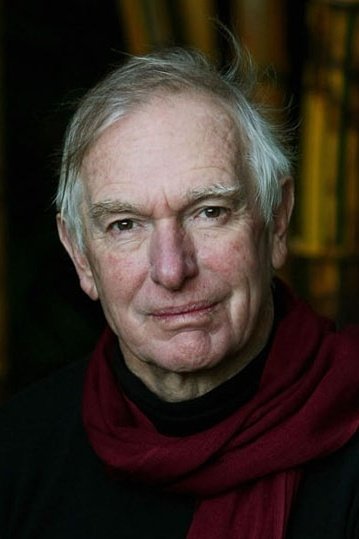
Peter Weir is at his best when a carefully built world starts to feel unbearable to the person living in it. We value his patience with actors, and his willingness to let a comedy hurt.
Fi1m perspective
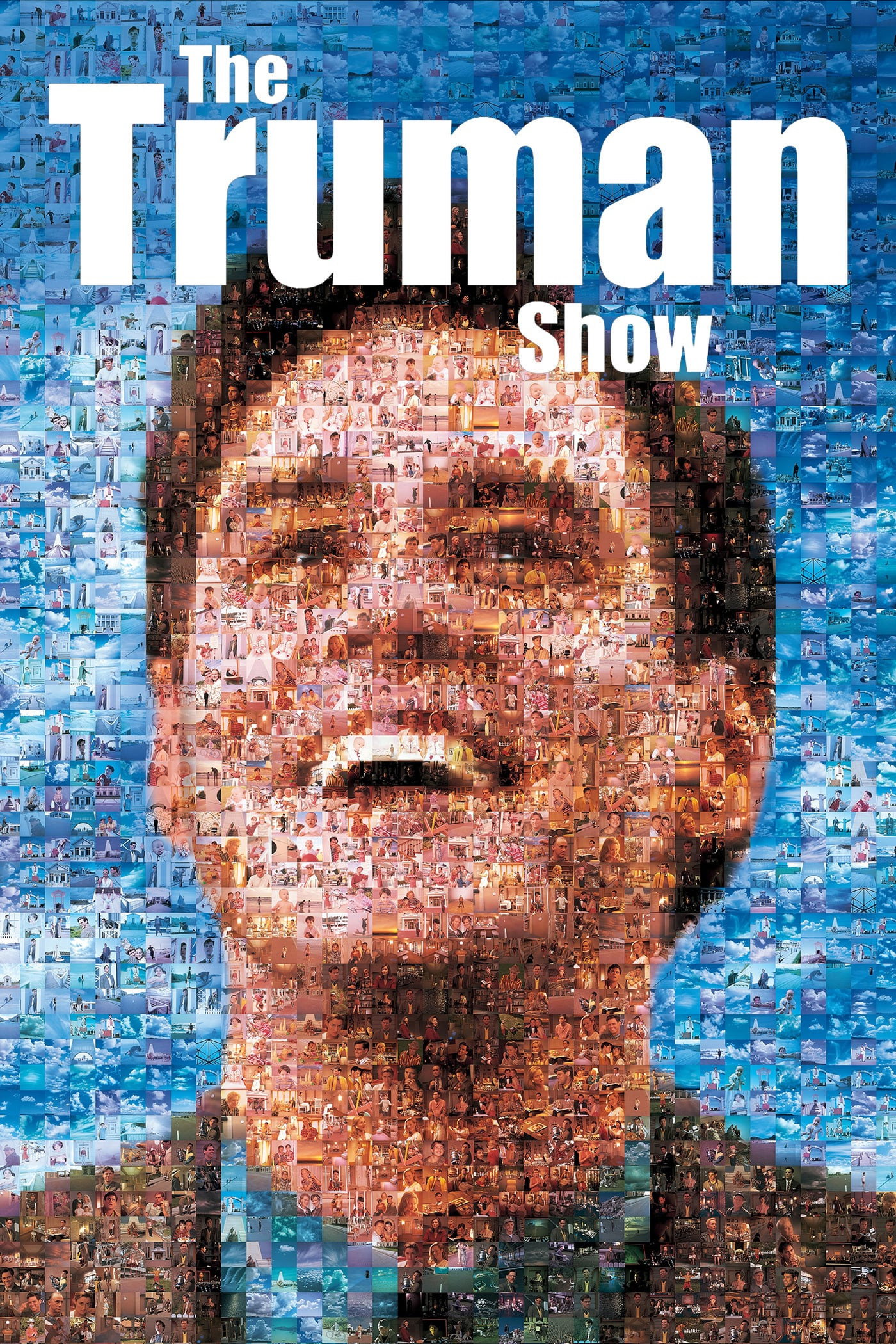
In The Truman Show (1998), a conversation turns into a sales pitch while Truman still expects affection. Peter Weir lets the awkwardness continue long enough for the joke to become unpleasant. We laughed at the fake advertisements, then felt uncomfortable because Jim Carrey's Truman Burbank was being sold something when he thought he was being loved. We value Weir for taking that discomfort seriously rather than hurrying to the next joke.
That attention to people under pressure connects the Australian films to the Hollywood work. Picnic at Hanging Rock (1975) brought his Australian breakthrough; Gallipoli (1981) and The Year of Living Dangerously (1982) followed. Witness (1985) took him to Hollywood, without ending his interest in people facing isolation. The surroundings help explain why a character feels trapped or out of place. His collaborators include cinematographer Russell Boyd, who worked with him on five films.
Andrew Niccol supplies the cruel premise of The Truman Show: Truman Burbank is on television without knowing it. Carrey gives that situation a vulnerability that keeps the film from becoming merely pleased with its own cleverness. Laura Linney and Noah Emmerich make Meryl and Marlon warm enough for Truman's growing uncertainty to hurt. Weir's patience lets us believe in the affection Truman expects, which makes the advertisements harder to dismiss as easy satire.
We recommend the film warmly, though its account of responsibility becomes too tidy. The ease with which it assigns blame weakens the satire. Its attention to Truman's pain does not quite excuse that simplification, even if it gives us a substantial reason to forgive it.
Master and Commander: The Far Side of the World (2003) continued his work in period filmmaking, and The Way Back (2010) was his last feature before retirement. Those later films broaden the choice, but we would start with The Truman Show. Give its uncomfortable conversations your full attention rather than waiting for the next joke.
Biography
Peter Lindsay Weir is an Australian film director, screenwriter and producer. Born in Sydney, he began his career in the Australian New Wave of the 1970s and 1980s with films including Picnic at Hanging Rock (1975), The Last Wave (1977) and Gallipoli (1981).
Weir later directed a series of international productions, among them The Year of Living Dangerously (1982), Witness (1985), Dead Poets Society (1989), The Truman Show (1998), Master and Commander: The Far Side of the World (2003) and The Way Back (2010). He received six Academy Award nominations and was awarded the Academy Honorary Award in 2022 for lifetime achievement.