Peter Weir’s war drama earns its force through the friendship between two runners. It is moving and warmly acted, though the training scenes linger and the portrayal of British command is too blunt.
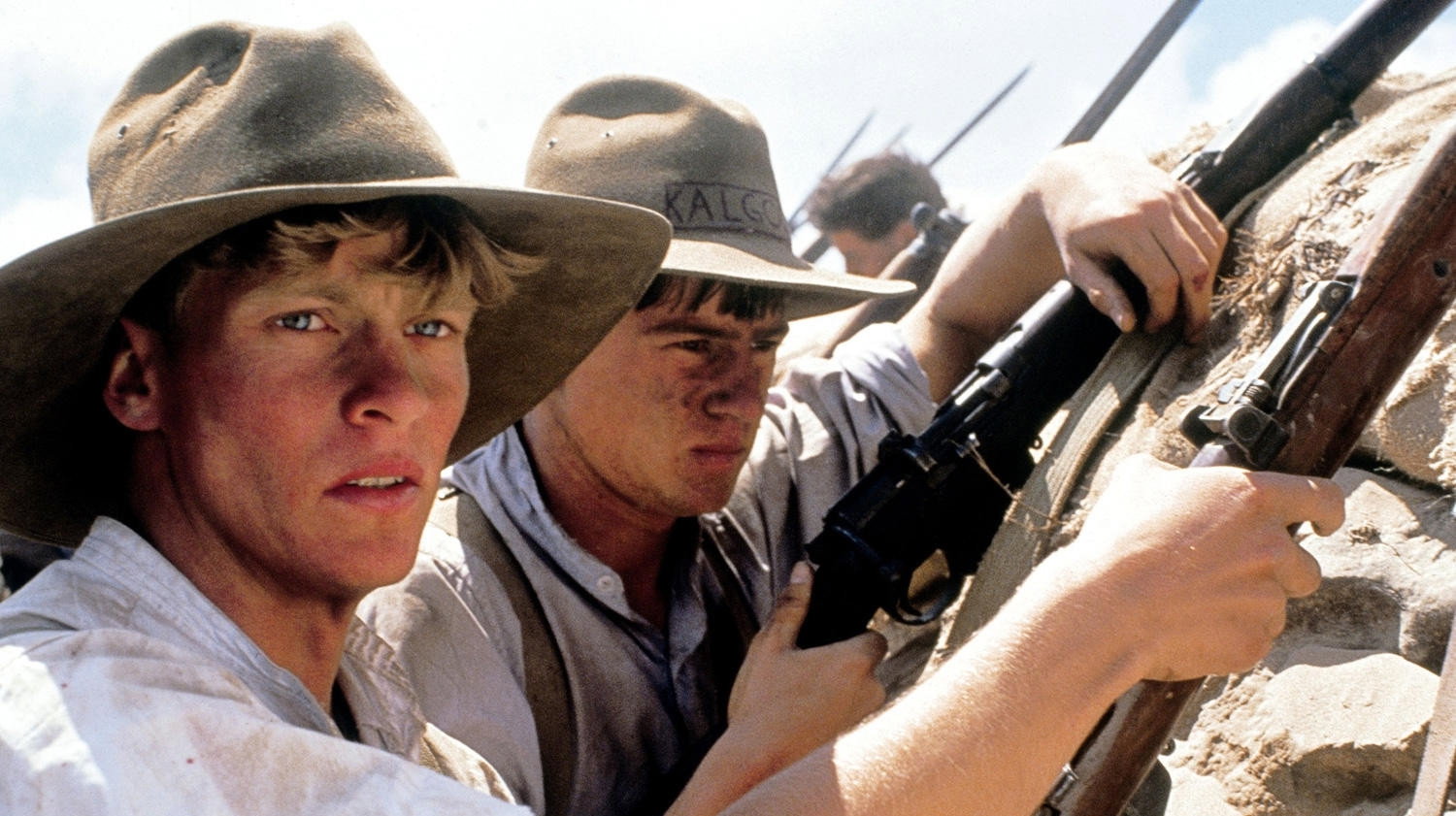
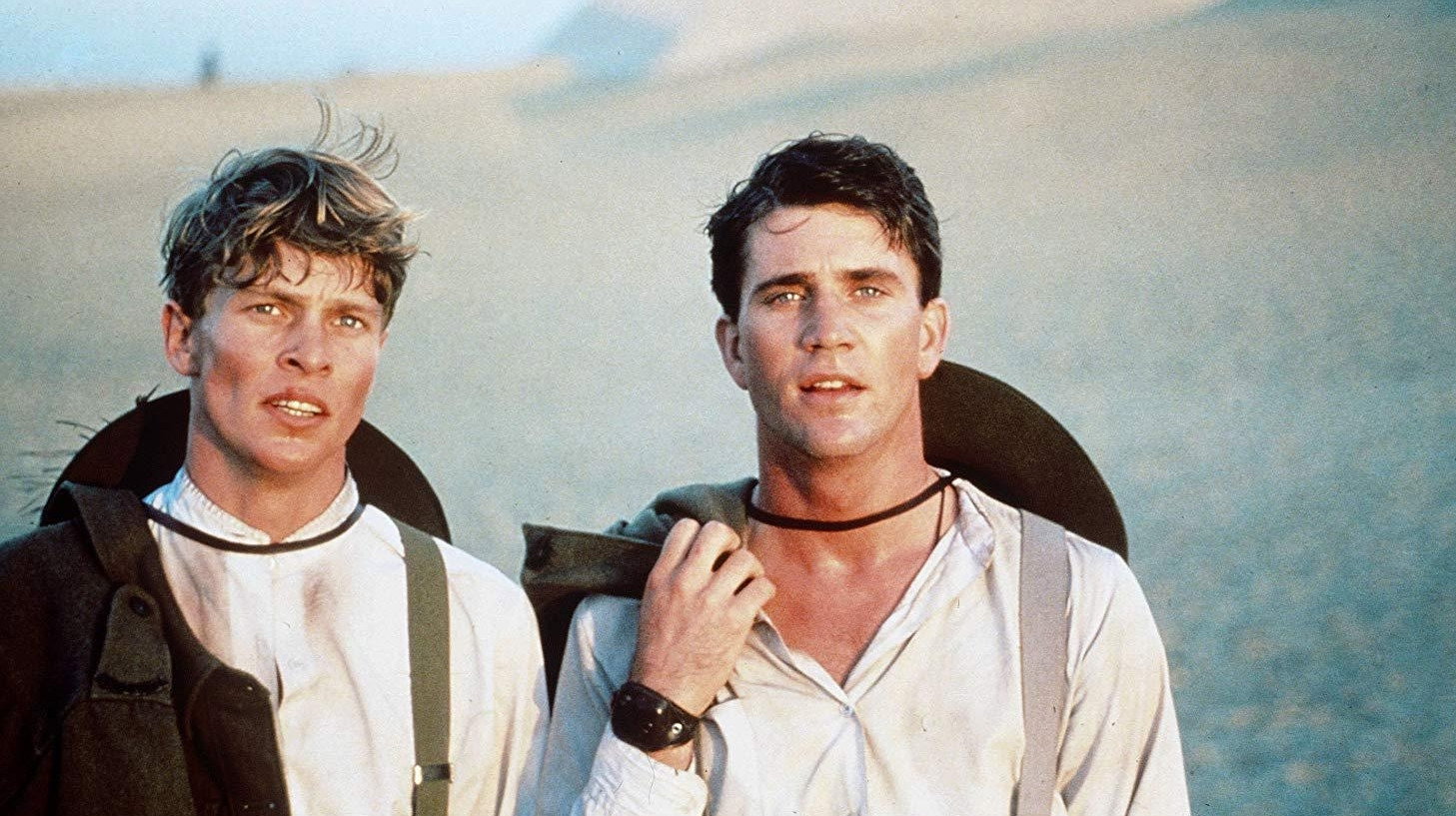
Peter Weir’s Gallipoli is a moving war film that takes its time getting to the war, and mostly uses that time well. It begins with young Australian runners, giving their competitiveness and growing friendship the attention another film might reserve for military preparations. Archy Hamilton (Mark Lee) and Frank Dunne (Mel Gibson) have lives worth watching before they become soldiers. David Williamson’s screenplay gives their companionship enough space for enlistment to feel like a choice made by people we have begun to know.
Lee and Gibson are persuasive together because the friendship never feels like an obligation imposed by a war-film script. Competition gives them something to do besides announce their feelings, and the affection becomes convincing through their shared appetite for it. We felt protective of them during the early running scenes. Watching them enjoy their strength and one another’s company made us reluctant to follow them into army life, even though the title had settled the destination.
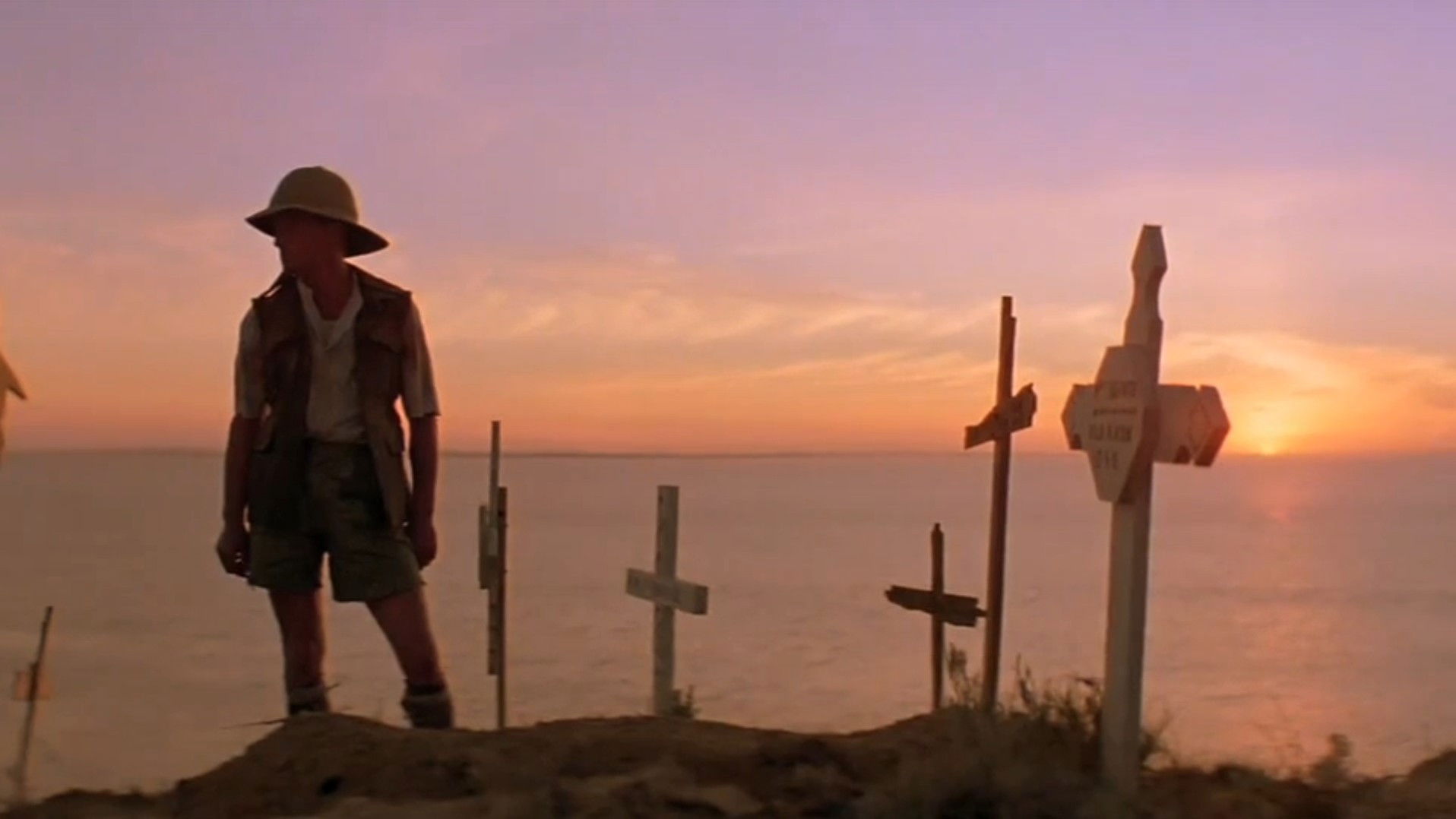
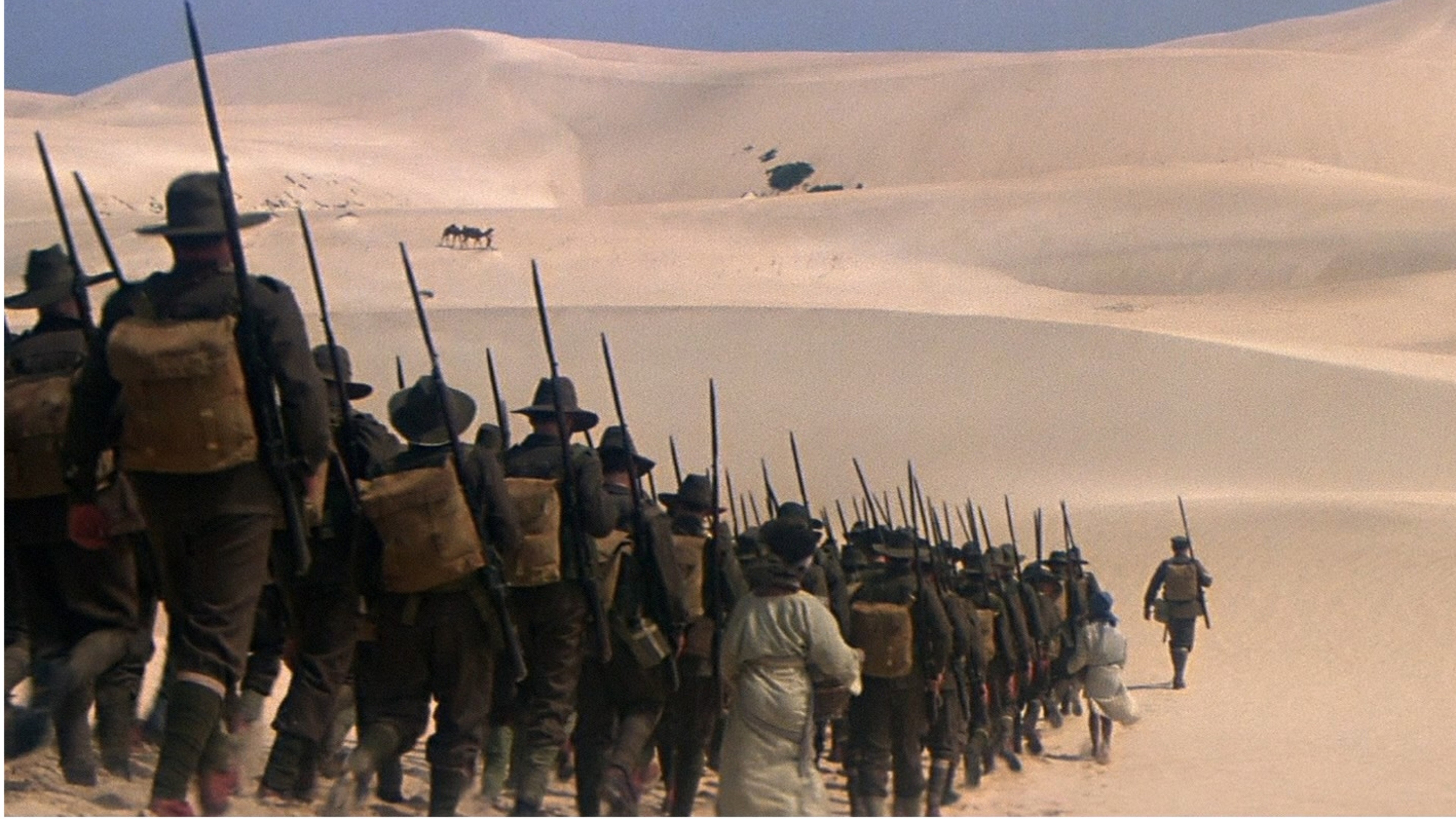
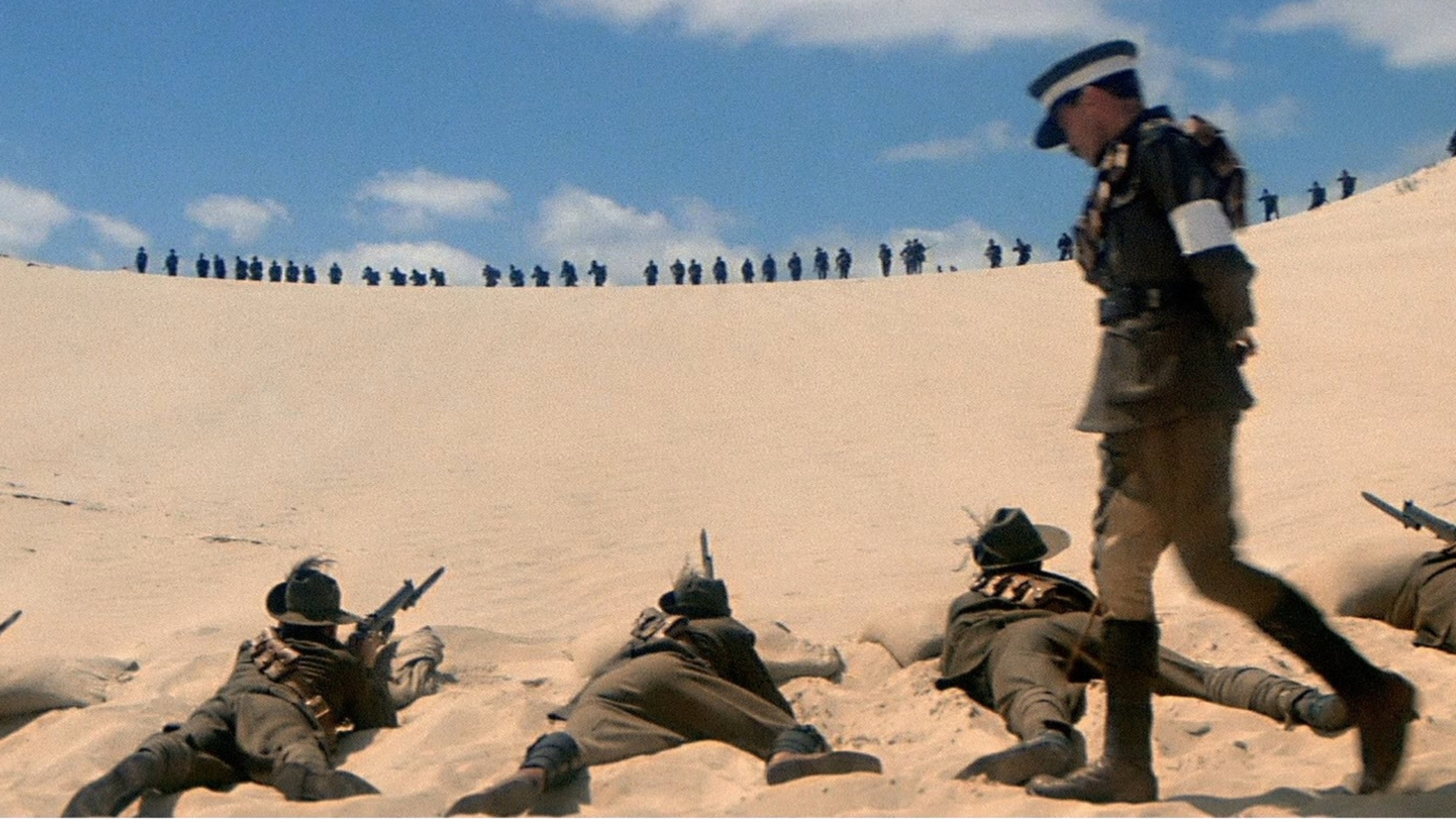
Russell Boyd’s cinematography makes good use of the contrast between the sunlit Outback and the confusion of the trenches. The opening landscapes allow the runners’ physical freedom to register; later, the battlefield leaves us searching for that ease and space. These are attractive images, but the beauty does not make the fighting look inviting. Weir keeps our attention on the young men within those settings, so the change in surroundings also changes how we look at their bodies.
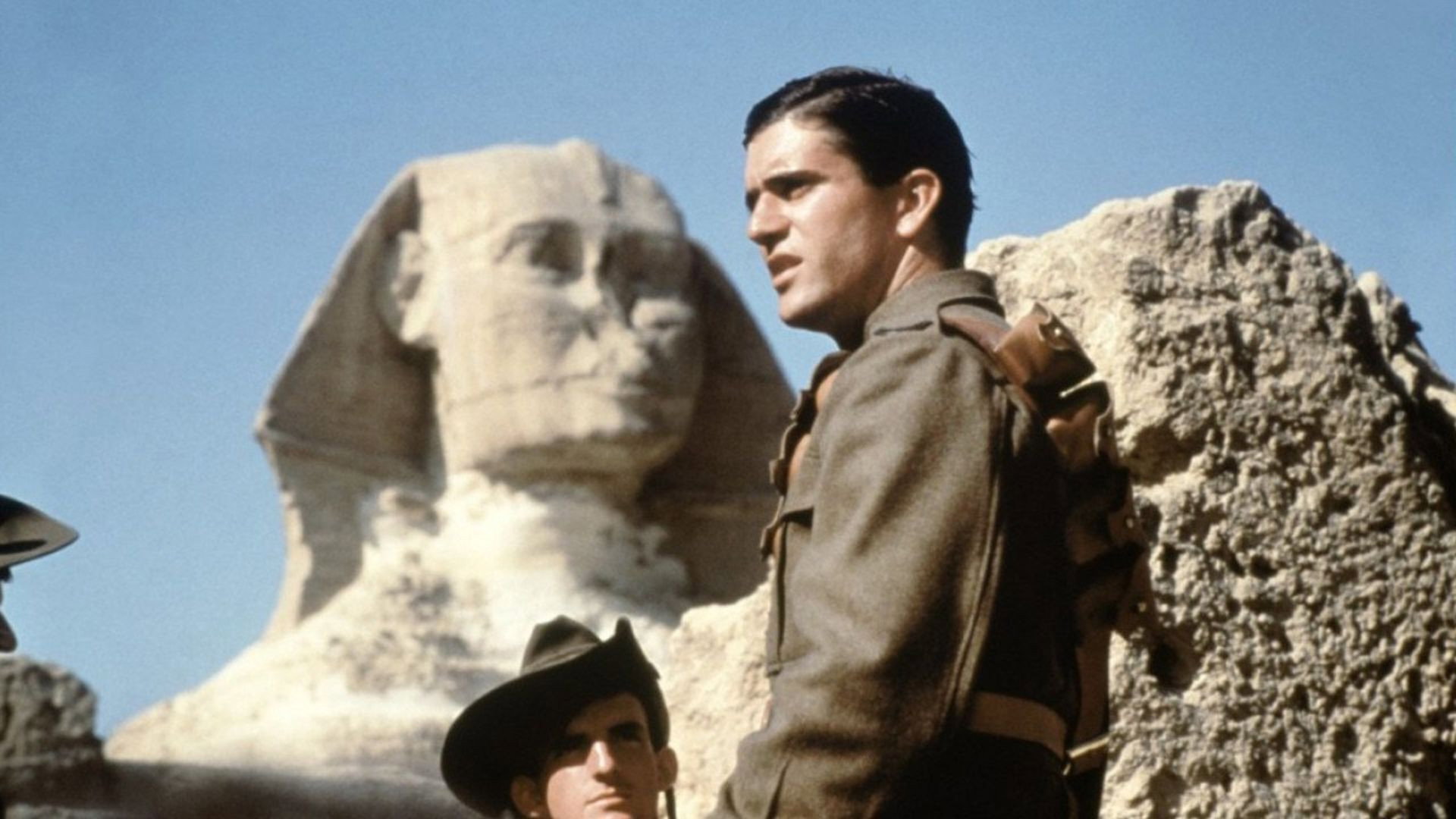
The patience becomes a problem in the Egypt training section, where the comic horseplay carries on after the friendship has been established. Editor William M. Anderson gives the earlier material a comfortable pace, but here the film needs to move sooner. Some of the supporting figures are broad enough to make the humour feel cheaply obtained, especially beside the care lavished on the leads. We understand the wish to spend time with these men before battle; there is still more than one scene doing essentially the same job.
Williamson is better at writing companionship than at distributing responsibility. The portrayal of British command is blunt, and Weir does too little to complicate it; we would not mistake this for a sufficient history of the campaign. That simplification matters because the film asks us to feel so strongly about the men being commanded. Their responses remain persuasive, but the people above them are given little room to be anything beyond an explanation for what is going wrong.
The music is credited to Brian May, Jean-Michel Jarre and Tommaso Albinoni, and it sometimes supplies more solemnity than the performances need. Weir is most affecting when he trusts the companionship he has already shown us. Lee and Gibson have made that part of the film credible without needing every feeling underlined. That is a small reservation, and it never breaks our involvement.
Among war dramas, Gallipoli stands out for taking the attractions of enlistment seriously: competition, travel and companionship. Its warmth makes those motives understandable without requiring us to share them. The attention paid to the two runners earns our recommendation, despite the stretches where the comedy outlasts its welcome. Watch it for Lee and Gibson, and bring some patience for the training.