Film review

Picnic at Hanging Rock

1975 · Directed by Peter Weir · 1h 47m · MPA PG

In a sentenceThe rock is doing nothing, and we would still rather leave

DramaMystery

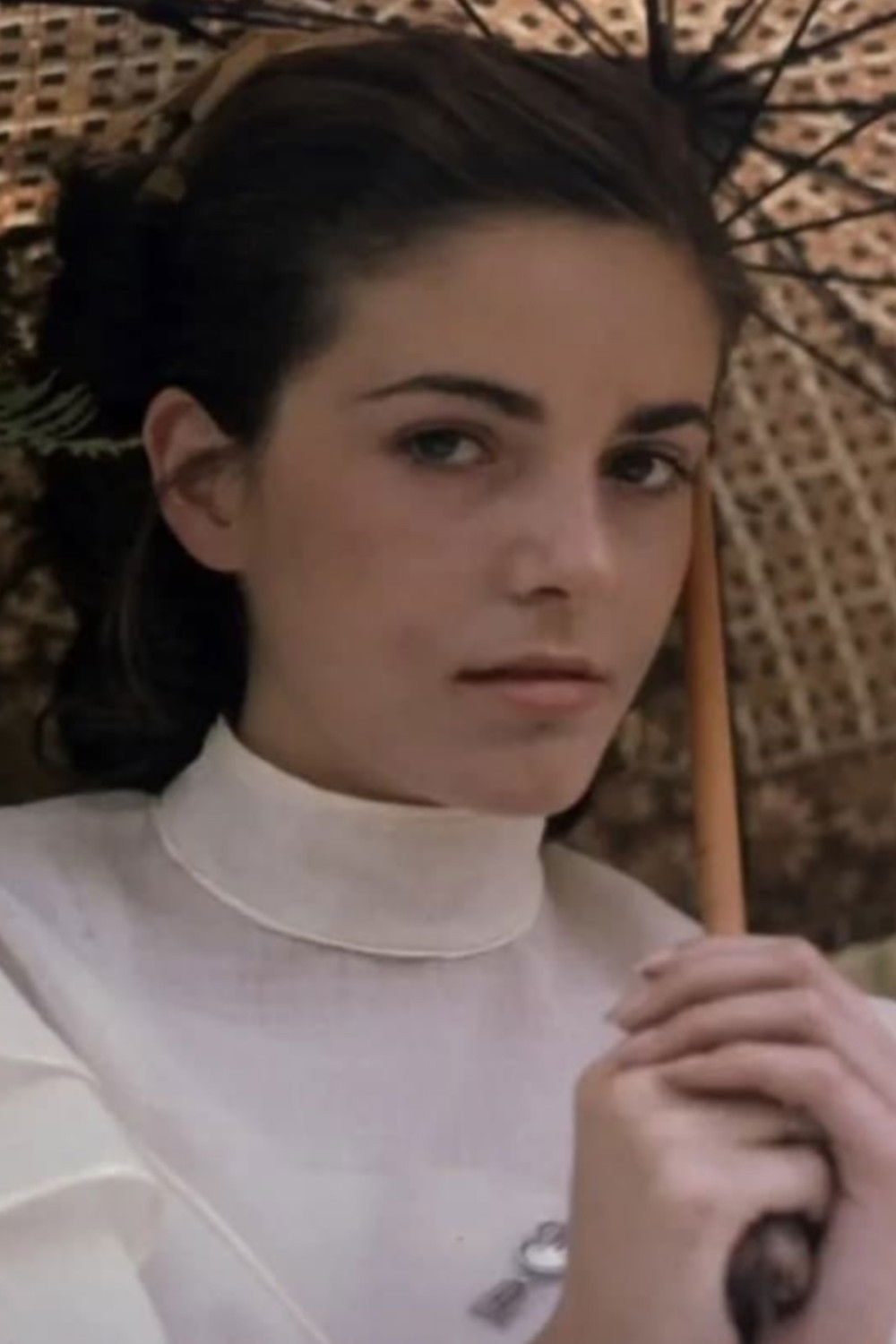
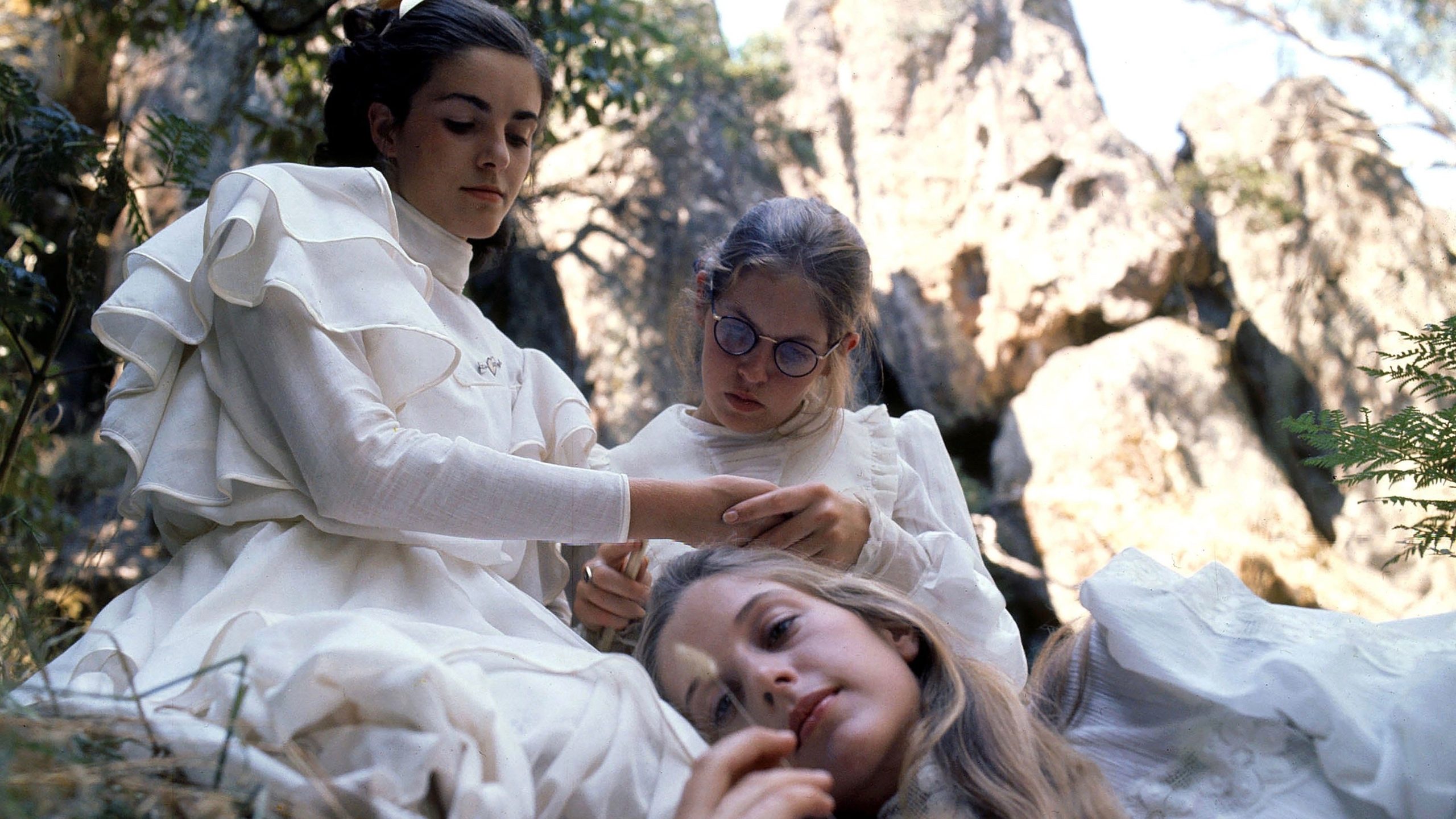
On St Valentine’s Day in 1900, a party of schoolgirls sets out for a picnic at Hanging Rock. Among the pupils are Miranda St. Clare (Anne-Louise Lambert), Irma Leopold (Karen Robson) and Marion Quade (Jane Vallis). Their all-girls school prizes proper behaviour, but the outing takes them into the Australian landscape, away from classroom routines. For the girls, the picnic offers time outside the restrictions of school life. When members of the party disappear at the rock, a day in the open air becomes a mystery for the people left behind.

Plays from YouTube when you press play; nothing loads from them until then.

Fi1m review

Peter Weir makes a school outing frightening without taking away the sunshine. The girls are sometimes too idealised, but the patient cutting and Russell Boyd’s photography make this a mystery we recommend warmly.

Picnic at Hanging Rock is a deeply unsettling mystery, worth the patience it asks of us. Peter Weir takes a school outing on St Valentine’s Day in 1900 and makes the daylight feel unsafe. The disappearance matters, but the picnic is troubling before we have much reason to fear for anyone. The film makes the girls’ escape from school restrictions feel precarious, and its unease survives the immediate question of what has happened to them.

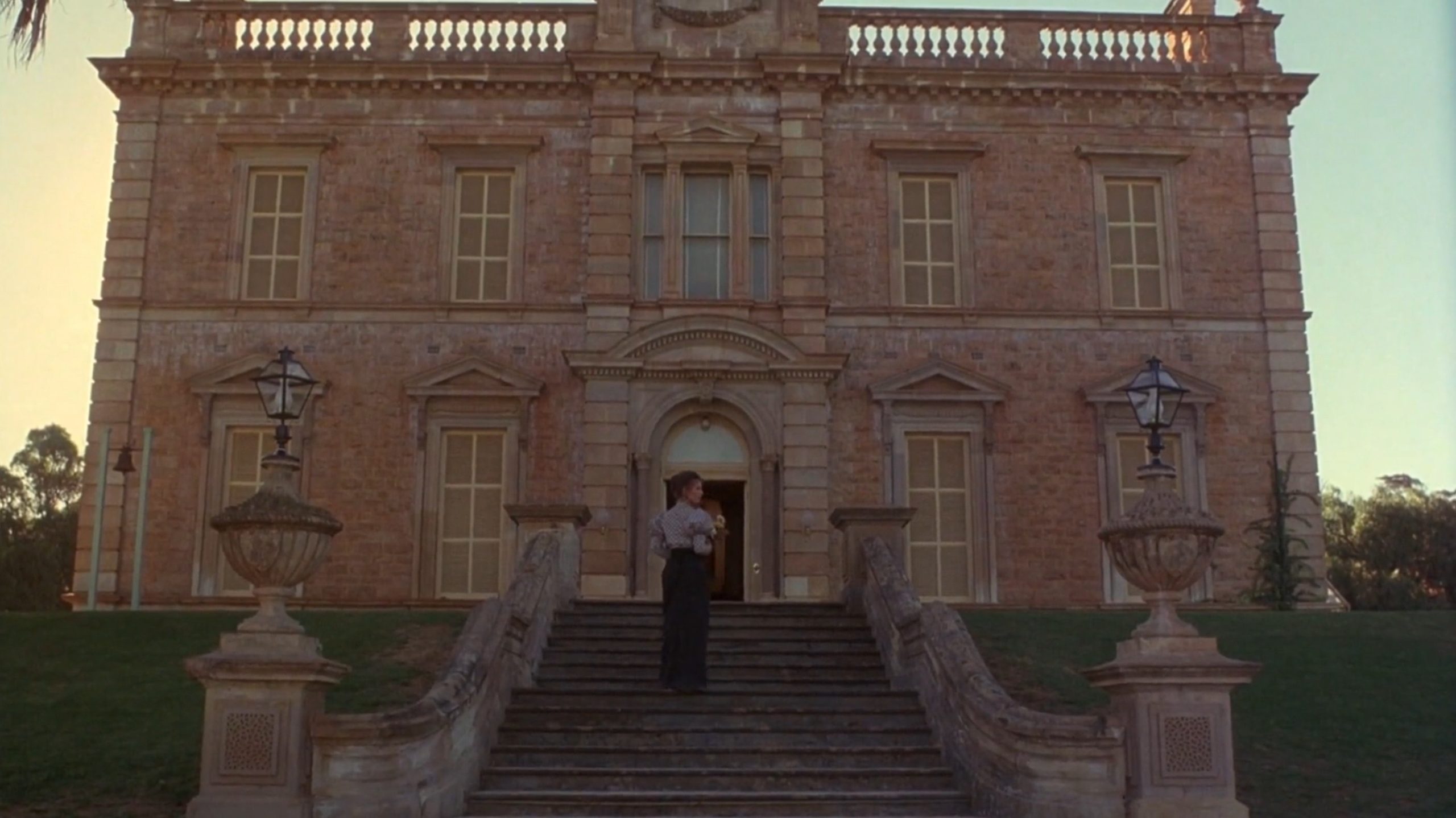
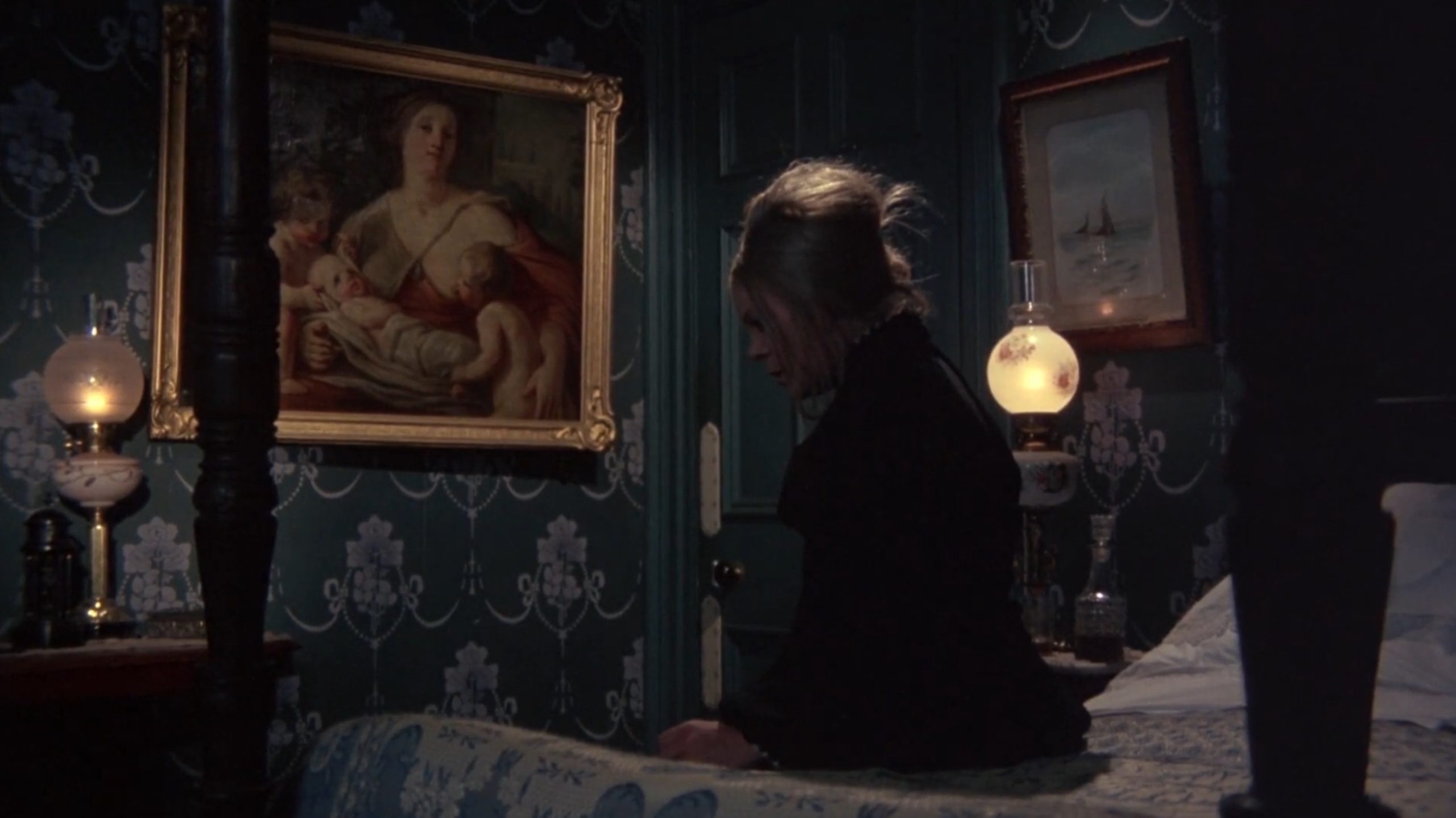
Cliff Green’s screenplay, adapted from Joan Lindsay’s novel, gives the school’s insistence on propriety a weight of its own. Rachel Roberts plays Mrs. Appleyard with a severity that makes such authority credible, even when its confidence seems absurd. Her seriousness is frightening because she seems to believe that keeping order ought to be enough to keep trouble away. The picnic places the girls somewhere that cannot be made safe by prescribing the correct behaviour.

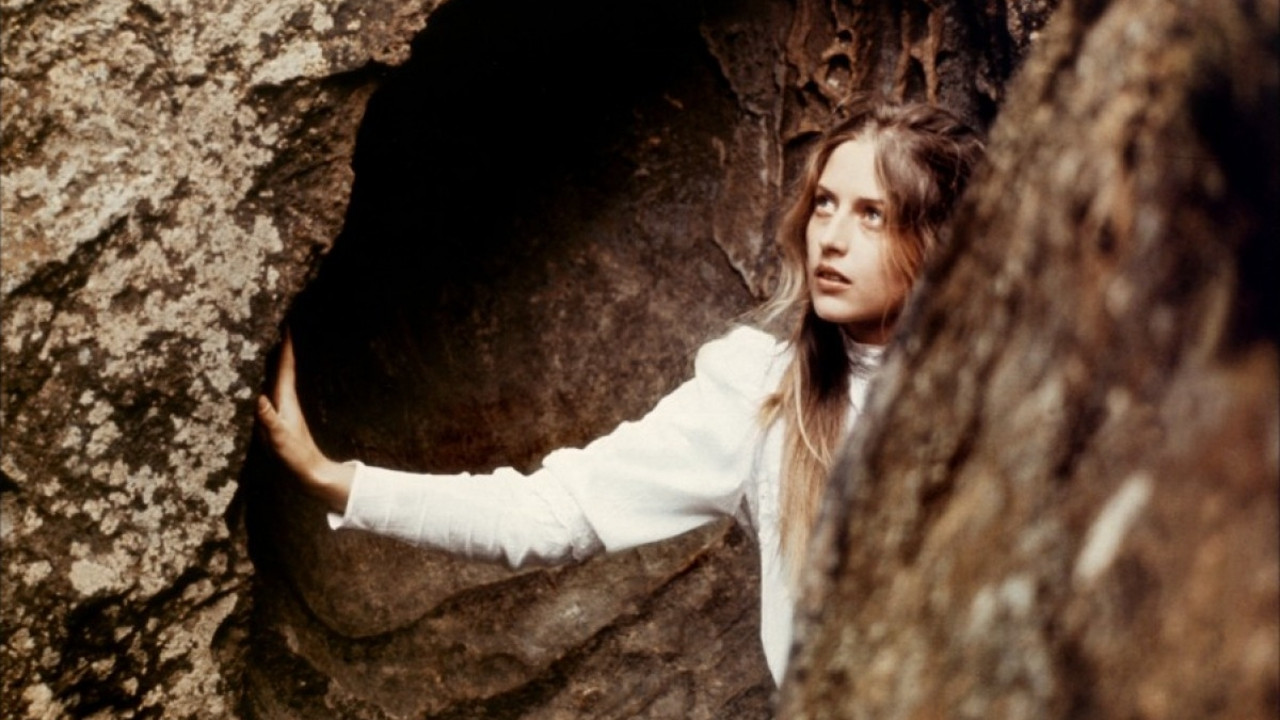
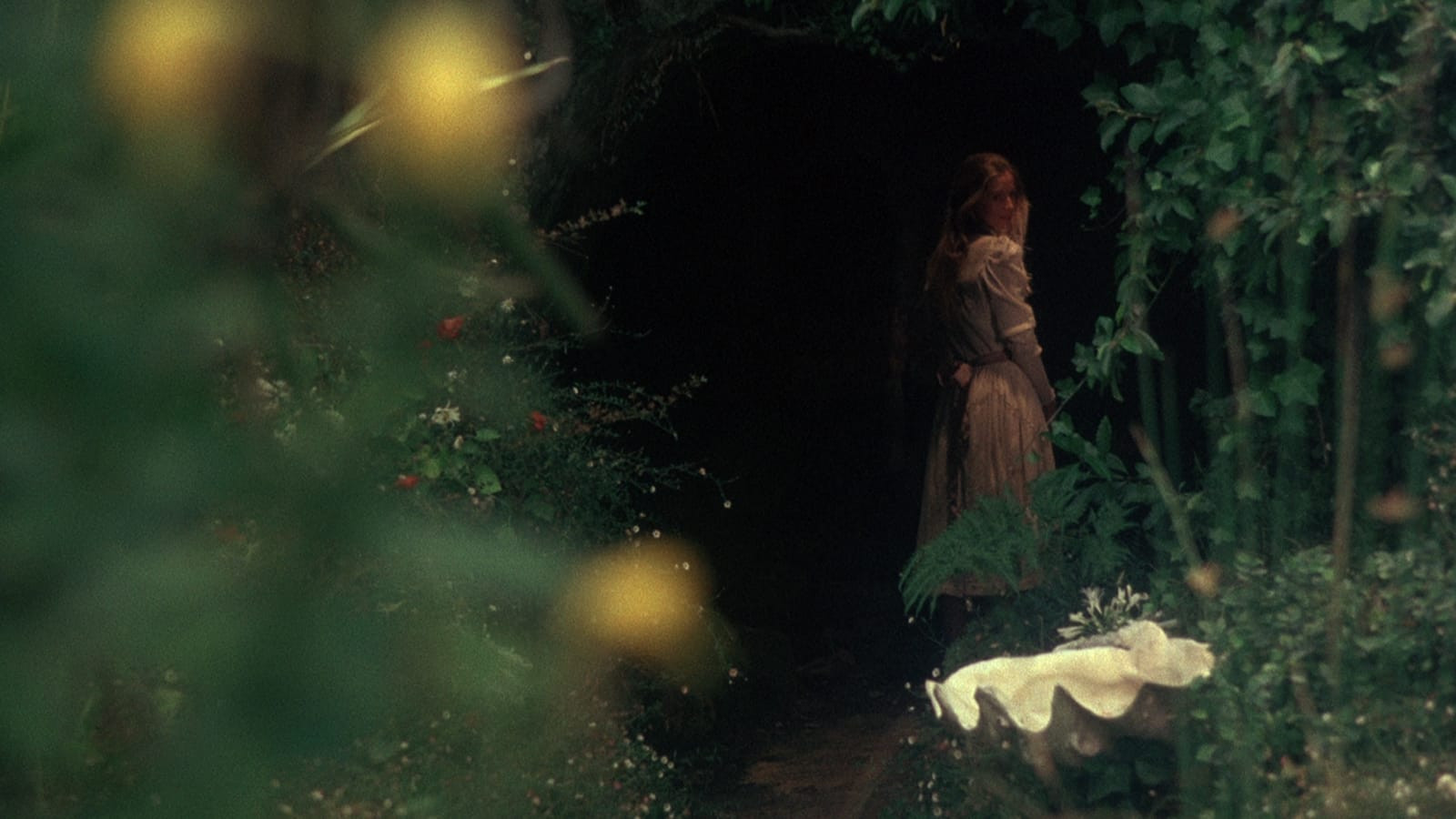
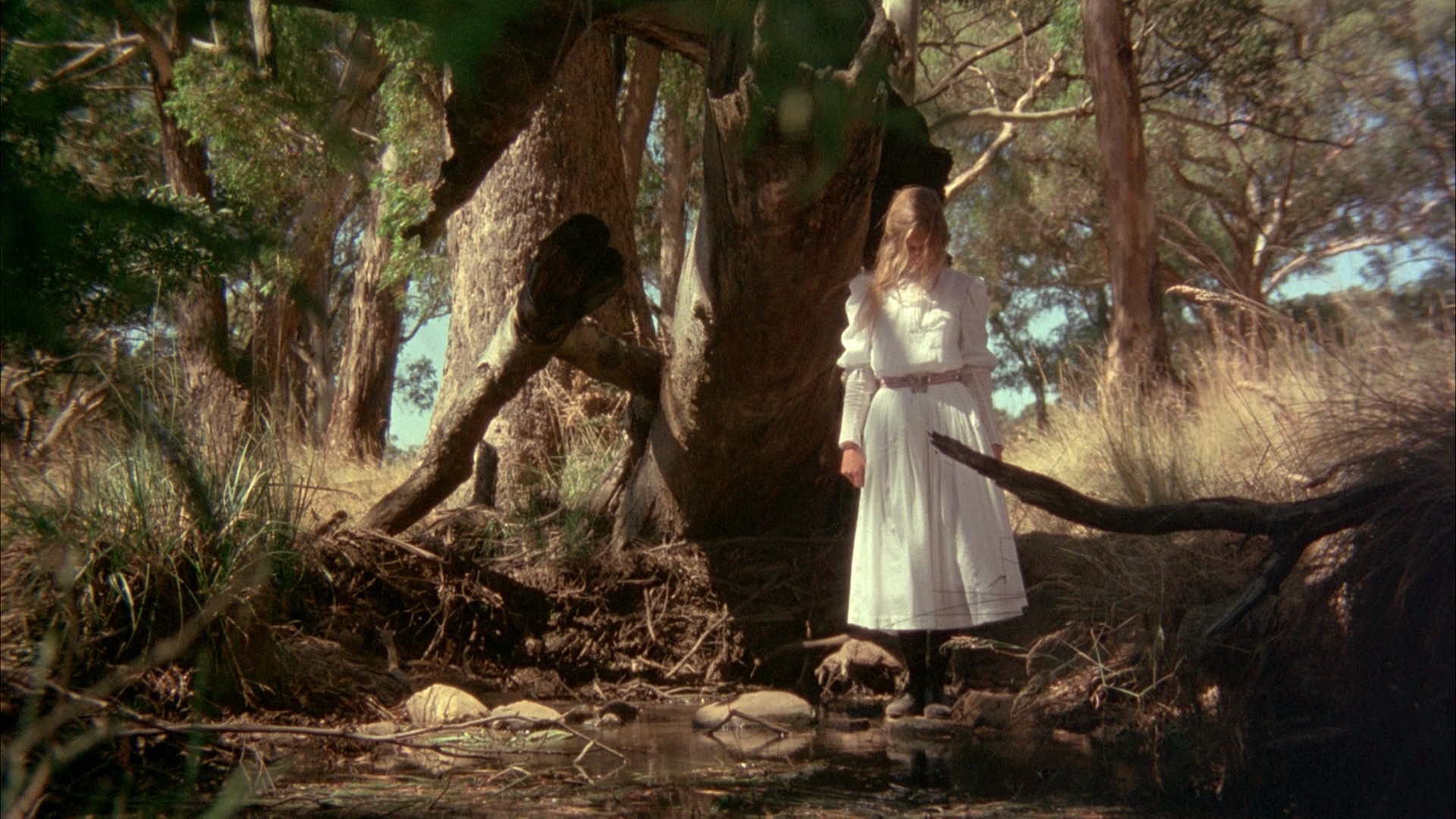
Russell Boyd’s cinematography is central to the discomfort. The sunlight does not let us inspect the landscape and put our fears to rest; it makes the place feel stranger, as though looking harder might be a mistake. Against the rock, the schoolgirls seem exposed in a way that the school’s manners cannot address. We were frightened by the rock in broad daylight, because Boyd makes its physical presence so much more forceful than the people beside it.

Max Lemon’s editing allows that uncertainty to settle instead of hurrying us towards the next piece of information. The pace can feel languid, but it gives us time to start distrusting the landscape, which justifies spending so long looking at it. Bruce Smeaton’s music sustains the unease beneath that leisurely pace, rather than supplying an instruction to jump. The effect is hypnotic, though anyone unmoved by the images may reasonably find the extended attention to them rather slow.

The reservation is the treatment of the girls themselves. Anne-Louise Lambert gives Miranda St. Clare a calm that suits the film’s fascination with her, but the camera’s attention sometimes makes her seem too perfect. We wanted a little more of the irritation and awkwardness that might interrupt all that admiration. A film so alert to the restrictions placed on young women can still spend too long looking at them as though their chief duty were to be beautiful.

Many mysteries encourage us to feel clever for noticing what other people miss. This one makes sustained attention uncomfortable: studying the rock does little to make it seem familiar or safe. The tension between Victorian manners and the Australian landscape gives that discomfort a social cause, without requiring us to translate every image into a statement about repression. Peter Weir trusts that an audience can be interested in the girls’ desires and frightened for them at the same time.

Watch it when there is time to settle into its pace, rather than with one eye on the clock. The 107 minutes ask for attention, particularly when there seems to be little happening. We would leave the conversation until afterwards.
Critical consensus AI synthesised

82
Positive
9
Mixed
0
Negative
0

The reviews are unanimously positive, with praise clustering around Peter Weir’s command of atmosphere and the unsettling Australian landscape. Most critics value the film’s suggestiveness, finding dread and repressed desire in its schoolgirl mystery rather than treating it as a puzzle to be solved. Empire singles out Russell Boyd’s cinematography, while the broader consensus admires the way the sunlit setting becomes strange and threatening. Sexual repression and Victorian propriety are recurring points of interest.

The differences are chiefly in enthusiasm and interpretation, rather than explicit objections. Scores range from 70 to 90, but even the more measured assessments praise the poetic mood and nature’s disturbing presence. The Guardian stresses imperial anxiety and sexual hysteria; Eye for Film finds adolescent tensions especially rewarding, while acknowledging the mystery’s frustrating quality. There is no clear dissenting review, nor a shared complaint about performance, pacing or construction.

The AV Club
29 March 2002 · Keith Phipps
90*

The film is a beautifully shot, haunted, and haunting movie and a classic example of the power of suggestiveness, elusiveness, and understatement. It helped initiate the first wave of interest in Australian moviemaking and is a peerless mystery in the truest sense of the word.

Read the full review →
The Guardian
20 February 2025
90*

Peter Weir’s 1975 film is a classic of the Australian new wave cinema, a supernatural parable of imperial anxiety and sexual hysteria that remains dazzling on its 50th anniversary re-release. The critic singles out its sun-stricken hallucinatory strangeness and the way it affects the manner of a true-crime cold case around an unknowable enigma at the rock.

Read the full review →
RogerEbert.com
14 January 1980 · ★★★½/4 · Roger Ebert
88

Weir's film creates a haunting mystery around the unexplained disappearance of schoolgirls and a teacher on a picnic, evoking buried terror and repressed sexuality in a lush Australian landscape. Ebert praises its deliberate inconclusiveness and hypnotic, enigmatic quality over any tidy resolution.

Read the full review →
Empire
1 January 2000 · Ian Nathan
85*

The critic calls it a haunting and compelling oddity from Peter Weir, part mystery, part horror, and an impressionist poem to lost innocence. The sumptuous and captivating cinematography by Russell Boyd is singled out for praise, along with the film's emphasis on nature's alien quality and its refusal to provide straightforward answers.

Read the full review →
Los Angeles Times
25 June 1998 · Kevin Thomas
85*

Weir's director's cut revival is exquisite and seductive, showcasing masterful mood and suggestiveness with the rock as a brooding presence and the story's erotic symbolism. Thomas calls it a gorgeous-looking, superbly wrought enigma that helped revive Australian cinema.

Read the full review →
The New York Times
29 January 2025 · J. Hoberman
80*

The restored 1975 film is a national treasure epitomizing the 'outback uncanny,' with its tale of girls and a teacher vanishing from a prehistoric rock formation amid Victorian propriety. Hoberman highlights its quasi-supernatural atmosphere and status as Australia's greatest movie.

Read the full review →

Cast

Awards

AACTA Award for Best Actor in a Supporting Role, 1976

Nominated
AACTA Award for Best Actor in a Supporting Role

AACTA Award for Best Actress in a Supporting Role, 1976

Nominated
AACTA Award for Best Actress in a Supporting Role

AACTA Award for Best Cinematography, 1976

Nominated
AACTA Award for Best Cinematography

AACTA Award for Best Direction, 1976

Nominated
AACTA Award for Best Direction

AACTA Award for Best Film, 1976

Nominated
AACTA Award for Best Film

Australian Film Institute Award for Best Screenplay, 1976

Nominated
Australian Film Institute Award for Best Screenplay

If you liked this, try…