An offer of a drink becomes hard to refuse in Ted Kotcheff’s frightening outback thriller. Gary Bond and Donald Pleasence are excellent, though the film’s repeated lessons about men grow predictable, and its real animal cruelty demands a warning.
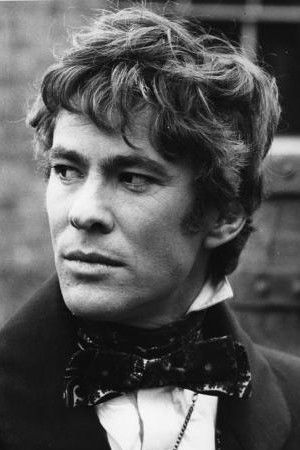
Ted Kotcheff’s Wake in Fright is a frightening, sharply made account of men drinking together, and we recommend it despite its occasional heavy-handedness. It takes the familiar business of buying a stranger a drink and makes the obligation to accept feel dangerous. John Grant, played by Gary Bond, is a British schoolteacher whose snobbery offers little protection in the Australian outback. The film is interested in how quickly a man who considers himself above the company can become part of it.
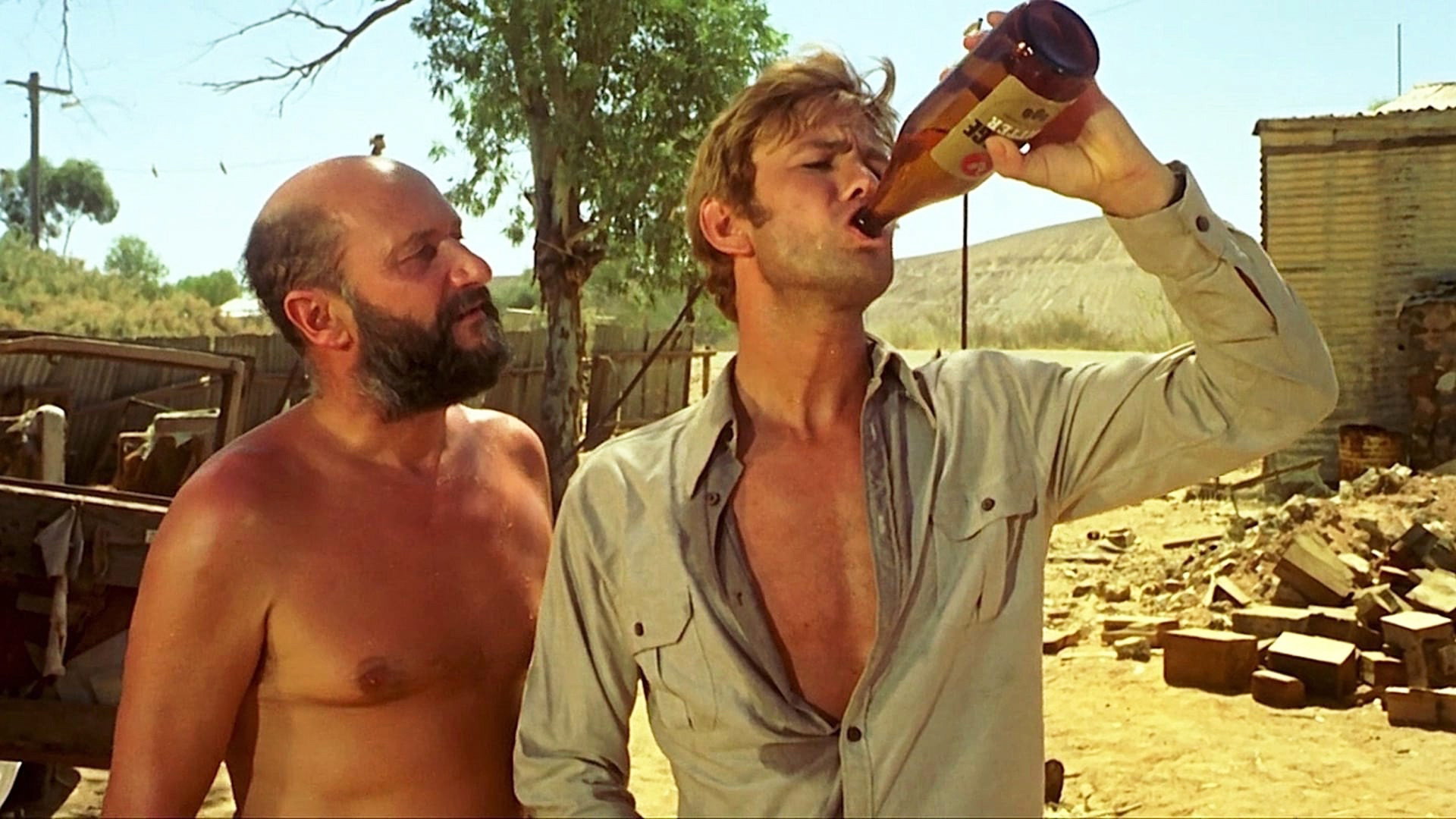
The pressure comes through friendliness, which makes it harder for Grant to name what is wrong. Drinking, gambling and being a good companion are treated as duties, and reluctance invites more attention rather than a respectful retreat. We felt trapped by the repeated invitations to drink, because every offer made it harder to imagine Grant simply walking away. Ted Kotcheff understands the embarrassment of refusing a host, and allows that small social discomfort to grow until it becomes frightening.
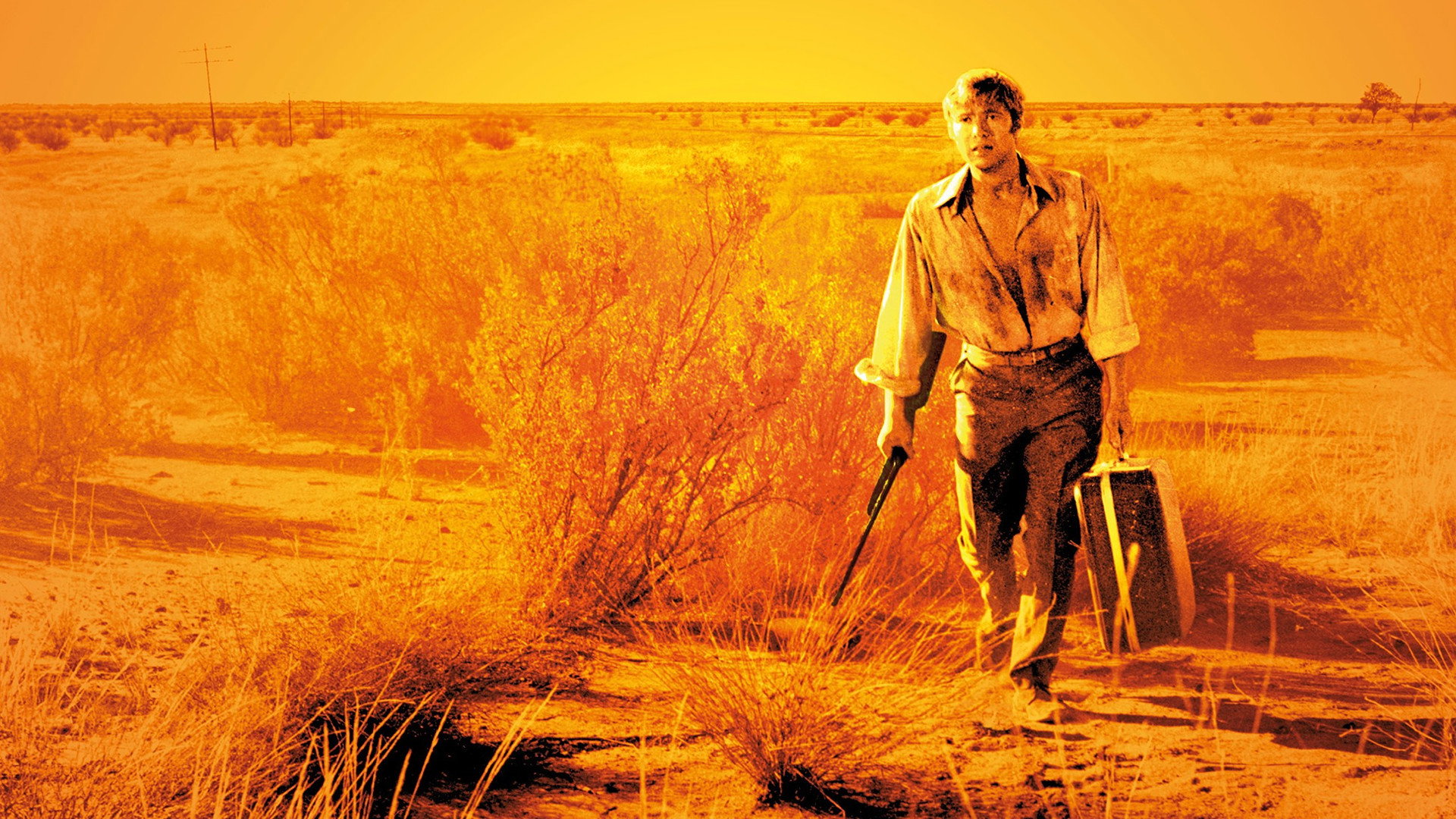
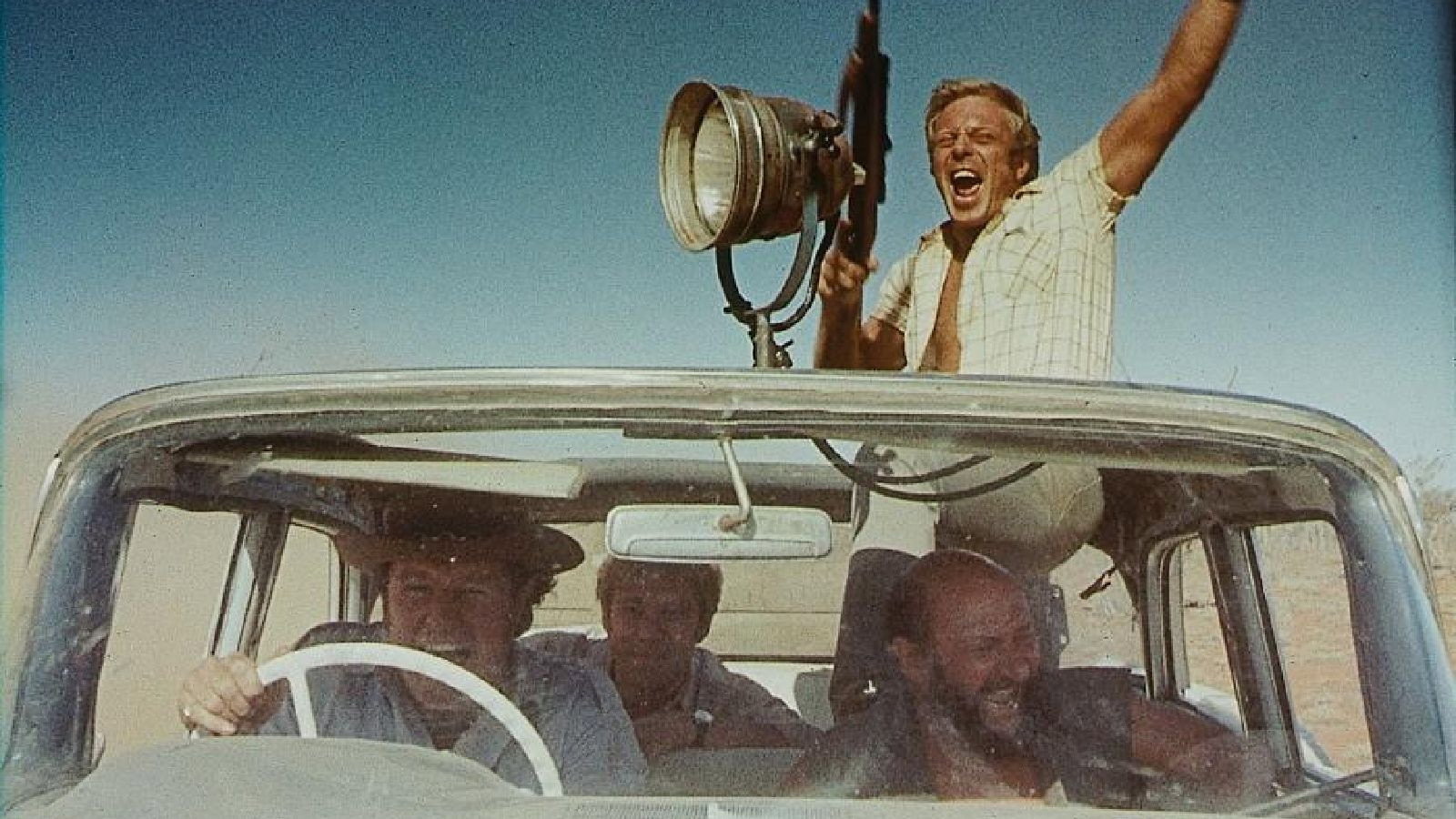
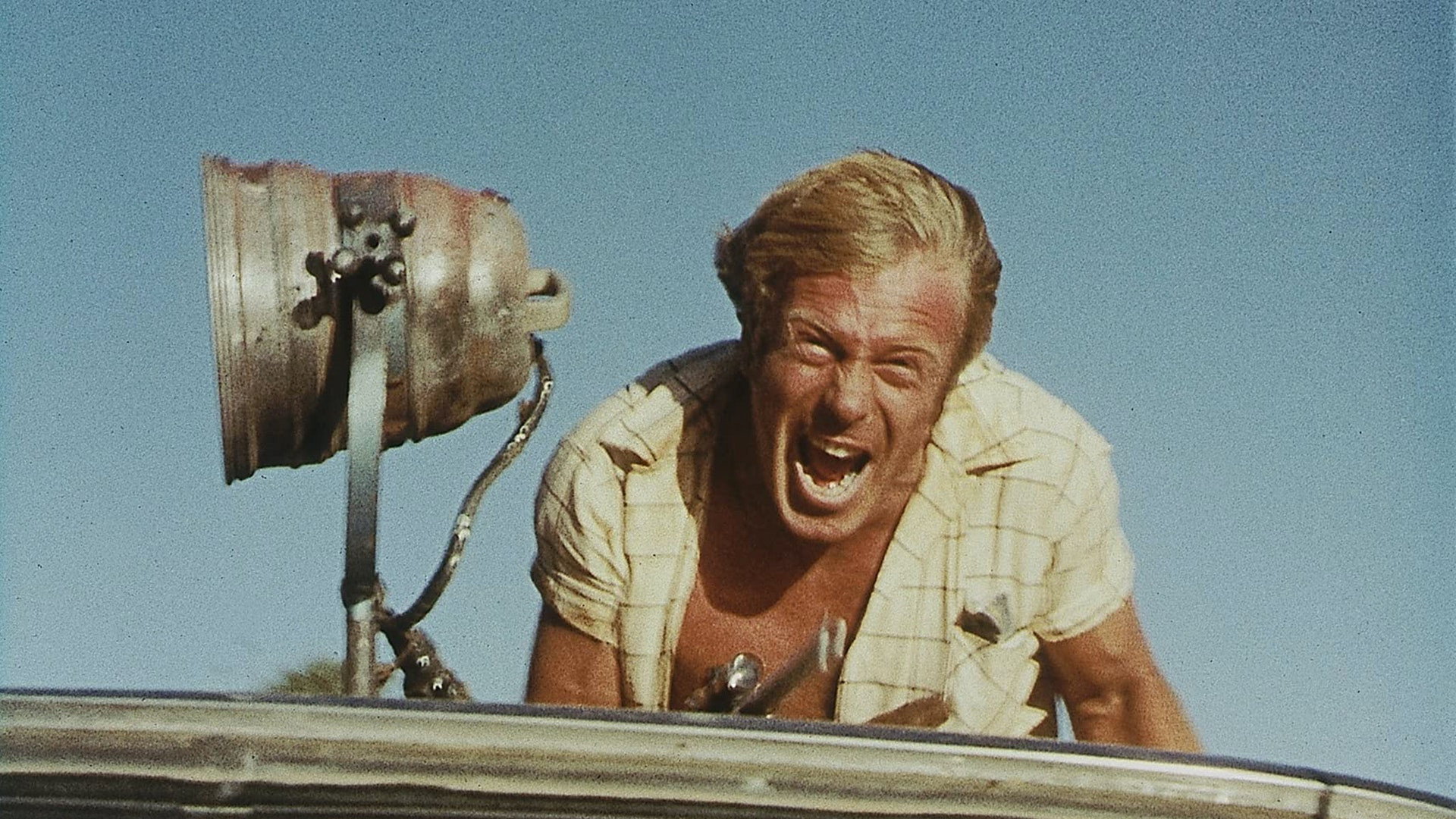
Brian West photographs the outback in yellow-orange heat, with sweat on the men and little sense that the landscape might offer relief. The images make the drinking physically unpleasant before anyone has to explain its consequences. Anthony Buckley’s editing gives that drinking and gambling a gathering momentum; there is enough energy to draw us in, then enough repetition to make us want it to stop. John Scott’s music supports the unease, but the men’s aggressive sociability would be troubling without it.
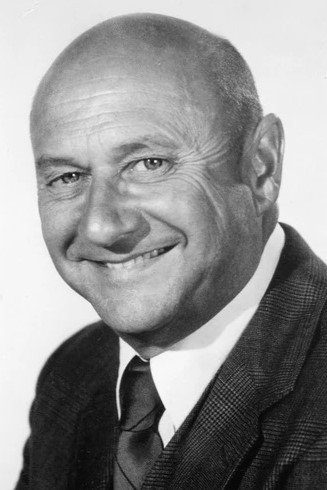
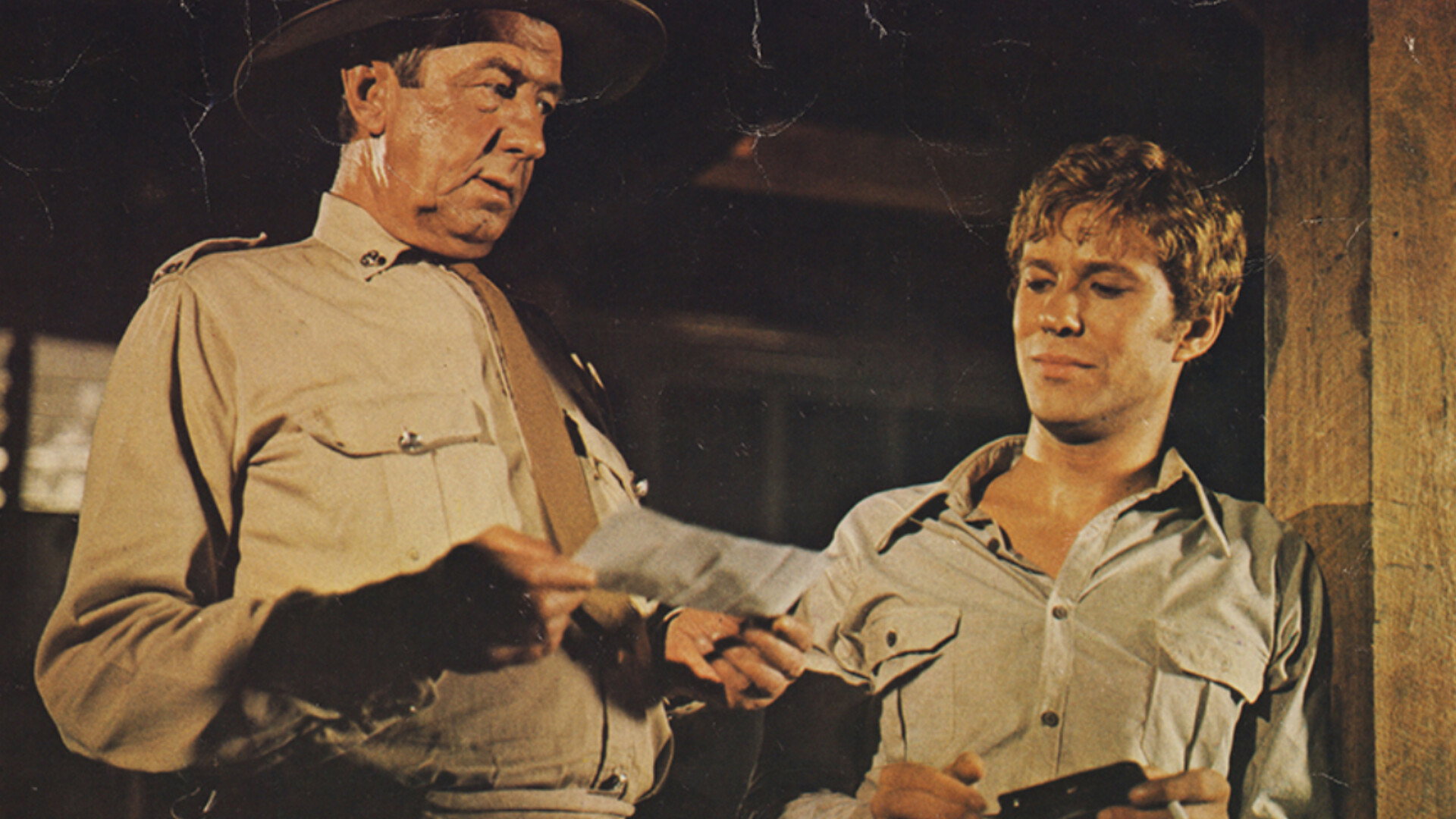
Gary Bond gives Grant a stiffness that is useful: the teacher’s certainty about himself can look brittle without asking us to like him. Donald Pleasence, as the alcoholic Doc Tydon, is more unsettling because intelligence has done nothing to make him decent company. He makes the doctor persuasive enough for us to understand the attraction of staying near him, even when his company is repellent. The performance complicates the film’s view of these men, because Doc can recognise their behaviour and still take part in it.
The weakness is how insistently the film returns to the same picture of male behaviour. Drinking leads towards humiliation and aggression so reliably that the men can begin to seem arranged to prove a point. Evan Jones and Ted Kotcheff, adapting Kenneth Cook’s novel, leave too little room for ordinary companionship that might make the coercion less predictable. The heat and the performances keep this from becoming a lecture, but the pattern is sometimes too easy to see.
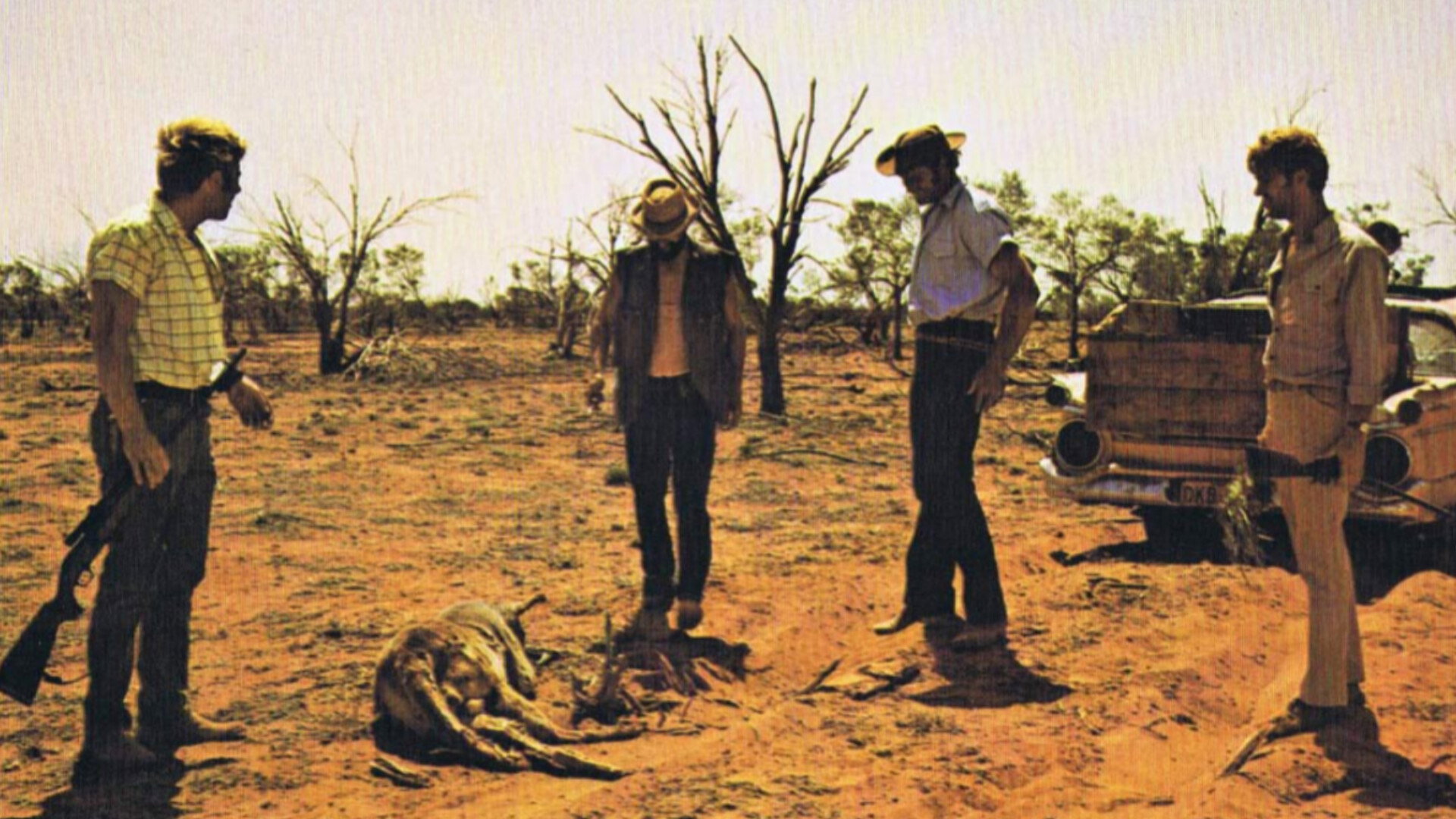
The real footage of animal suffering is harder to accept. We were horrified, and that distress cannot be credited entirely to good filmmaking when the suffering itself is not performed. The material gives the men’s brutality a force that an acted threat could not, but using it to condemn cruelty does not settle the problem of showing it. We would understand anyone deciding that the film asks too much of them here.
As a psychological thriller, it needs remarkably little beyond men, alcohol and the pressure to fit in. Grant’s contempt for the locals prevents us from treating him simply as an innocent visitor who deserves better hosts. At 109 minutes, the film makes that company exhausting without wearing out its welcome. Choose it for the performances and the steadily worsening unease, unless real animal cruelty is something you cannot watch.