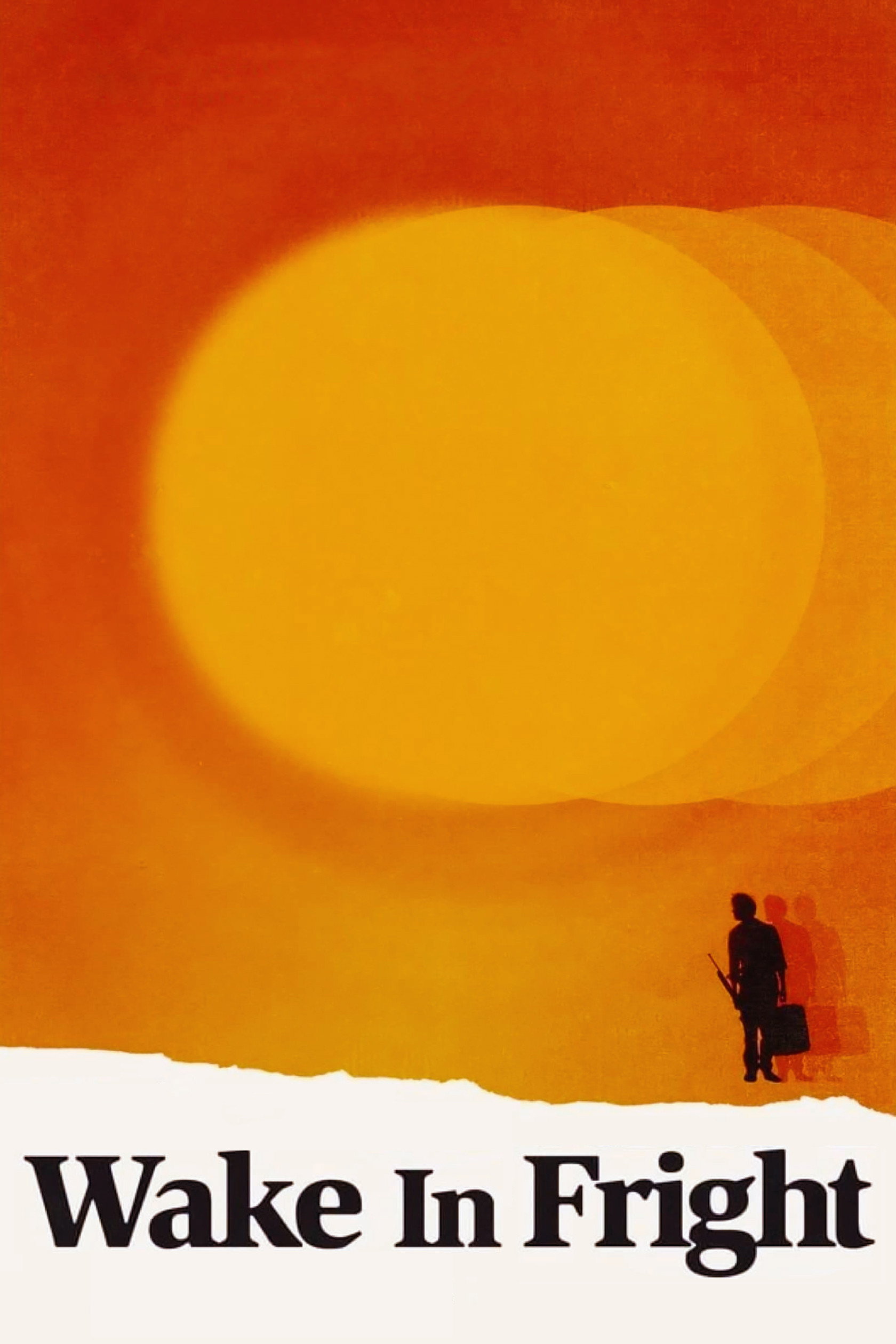
The reviews agree that Wake in Fright remains a disturbing psychological thriller, with all 20 giving it a positive assessment. Praise centres on the oppressive outback heat, the sun-bleached photography and Ted Kotcheff’s handling of drunkenness, violence and aggressive camaraderie. Donald Pleasence draws repeated notice for an unsettling performance that makes the doctor both seductive and repellent. Most critics see the film’s horror as firmly rooted in human behaviour, particularly the pressure to join in with destructive rituals of masculinity.
The differences are chiefly in enthusiasm rather than verdict, ranging from measured admiration to fervent praise. Little White Lies finds the treatment of toxic masculinity slightly schematic, while the Evening Standard notes minor dated elements. Neither reservation substantially weakens those reviews’ approval. Elsewhere, critics differ in emphasis: some stress the bruising physical ordeal, while others value the precise social observation and small details beneath the brutality.
A
The AV Club
23 January 2013 · A · Scott Tobias
95
A still-shocking 1971 Australian cult discovery that straddles New Wave and Ozploitation, it is trash art of the highest order with beautiful, textured images and a sophisticated examination of civilization and savagery amid a crude assault on the senses. The critic singles out the cold-sweat visceral nightmare framing of the hero's journey and the yellow-orange haze of the sun-baked cinematography.
Read the full review →L
Los Angeles Times
18 October 2012 · Robert Abele
90*
The critic calls the restored film raw, unsettling and mesmerizing, a grimly propulsive work that merits attention as classic psychological horror. He singles out the vicious kangaroo slaughter sequence and the gut-sock portrait of destructive masculinity through vivid photography, thrilling editing and complex performances.
Read the full review →R
RogerEbert.com
31 October 2012 · Roger Ebert
90*
The critic calls the restored 1971 film powerful, genuinely shocking and rather amazing, with all horror being human and brutally realistic. He singles out its raw, uncompromised portrayal of outback life, brilliant photography and editing, and the inclusion of real kangaroo hunt footage.
Read the full review →H
The Hollywood Reporter
5 October 2012 · THR Staff
90*
The restored film is fresh and frightening, a strong arthouse contender with potent, distinctive creepiness that firmly establishes its place in the Aussie film renaissance. The critic singles out the thoroughly convincing sense of place and Donald Pleasence's memorably unsettling performance.
Read the full review →E
Evening Standard
7 March 2014
85*
The review calls the re-released cult classic a psychological thriller offering a jolting study of machismo and snobbery through a teacher's dark week in the outback. It singles out the real footage of kangaroo slaughter and Pleasence's performance for their lasting impact while noting minor dated elements.
Read the full review →S
Slant Magazine
22 June 2026 · John Semley
85*
Ted Kotcheff’s unsettling film receives a stunning new 4K transfer; one of the sweatiest films ever committed to celluloid, it offers a bleaker vision of masculine self-sufficiency built around elemental violence with boozy Buñuelian surrealism. The critic singles out Donald Pleasence’s complex, magnetic characterization of the doctor as equally seductive and repugnant.
Read the full review →G
The Guardian
9 March 2014 · Mark Kermode
85*
The critic hails the re-release of this lost 1971 thriller as electrifying, praising its bleak portrait of a schoolteacher's descent into outback drinking, gambling and violence. He singles out Donald Pleasence's standout performance as the alcoholic doctor for particular praise.
Read the full review →E
Empire
27 February 2014 · Kim Newman
80*
The critic describes the restored 1971 film as a vivid Australian nightmare in which a buttoned-down protagonist's single misstep leads to collapse amid sinister locals. Kotcheff is praised for conveying the sweaty heat, with Pleasence singled out as a standout in this matey yet ruinous community.
Read the full review →L
Little White Lies
6 March 2014 · 4/4/4 · Mark Asch
80
The critic praises the restoration of this cult classic about a teacher's descent into outback hell, noting its dehydrating, sweaty atmosphere and exploration of toxic masculinity, while finding it slightly schematic.
Read the full review →I
The Independent
7 March 2014
80*
The critic praises the 1971 film's re-release as a dark psychological drama about a British teacher's moral and physical disintegration in the Australian outback. Kotcheff's direction is highlighted for its menacing quality and striking depiction of the sweltering landscape and its inhabitants' emptiness.
Read the full review →The review describes the restored 1971 film as a deranged treatise on binge-drinking and aggressive mateship that retains its shocking power, noting the real kangaroo hunt sequence and its role in launching the Australian new wave.
Read the full review →F
Film Comment
1 January 2013 · Maitland McDonagh
70*
The critic portrays the film as a fever dream of heat, drunkenness, blood, rutting, and macho brutality that serves as the sure antidote to Crocodile Dundee fantasies.
Read the full review →N
The New Yorker
4 October 2012 · James Guida
70*
The critic describes the film as routinely and justifiably disturbing, praising its subtlety alongside brutality through casually eloquent details. He singles out the shrewd depiction of mateship, aggression patterns, and the way it magnifies one side of life to dissect it accurately.
Read the full review →N
The New York Times
4 October 2012 · Nicolas Rapold
70*
The critic highlights the restored film's heightened picture of outback life as a herald of the Australian New Wave, noting its visceral, lived-in feel and nomination for the Palme d’Or at Cannes. He singles out the director's eye for detail and tonal balance that avoids exploitation while capturing the setting's intensity.
Read the full review →T
Time Out
4 March 2014 · 4 out of 5 stars · Nigel Floyd
70*
The critic highlights this nightmarish vision of Aussie manhood and the hell of drunkenness, gambling and enforced blokiness in a remote mining town, noting the power of its hallucinatory images.
Read the full review →S
The Skinny
23 February 2015 · ★★★★★ · Lewis Porteous
100
The critic calls it a rarely seen gem and undisputed benchmark of Australian cinema that stands as the director's most enduring critical success, praising its depiction of aggressive camaraderie and kangaroo hunts as a dusty, sun-bleached masterpiece now stunningly restored.
Read the full review →P
The Playlist
26 September 2012 · A · The Playlist Staff
95
The critic hails it as a genuine lost Ozploitation classic and a harrowing journey, praising its bruising portrait of the Australian wilderness, the performances especially Donald Pleasence, and the intense kangaroo hunt sequence.
Read the full review →E
Eye for Film
10 March 2010 · Andrew Robertson
90*
The review calls it a shocking, visceral masterwork that has not lost its power after forty years, describing it as existentially terrifying. It singles out the dazzling opening shot and the raw depiction of the outback town and its inhabitants for praise.
Read the full review →C
Collider
30 May 2024 · Jacob Slankard
85*
The piece positions Wake in Fright as the most unhinged Ozploitation film, an underground cult classic that exposes the nightmare of toxic conformity, oppressive masculinity, and moral descent in the Australian outback. It singles out the real kangaroo hunt sequence for its documentary realism and lasting controversy as the film's most horrifying and thematically central element.
Read the full review →H
HeyUGuys
6 March 2014 · ★★★★ · Adam Lowes
80
The critic praises the film's depiction of a man's descent into savagery in the outback, highlighting its disturbing atmosphere, black humor, and indictment of Australian culture. They single out the expert direction and the unsettling portrayal of the effects of alcohol and machismo.
Read the full review →Ordered by the weight we give each publication, then by score. Scores are normalised to 100; * means inferred from an unrated review. Summaries are ours, not quotations; follow the links for the reviews themselves. How we rate