Film review

Dead Poets Society

1989 · Directed by Peter Weir · 2h 09m · MPA PG

In a sentenceRobin Williams makes poetry sound worth the trouble of disappointing your parents

Drama

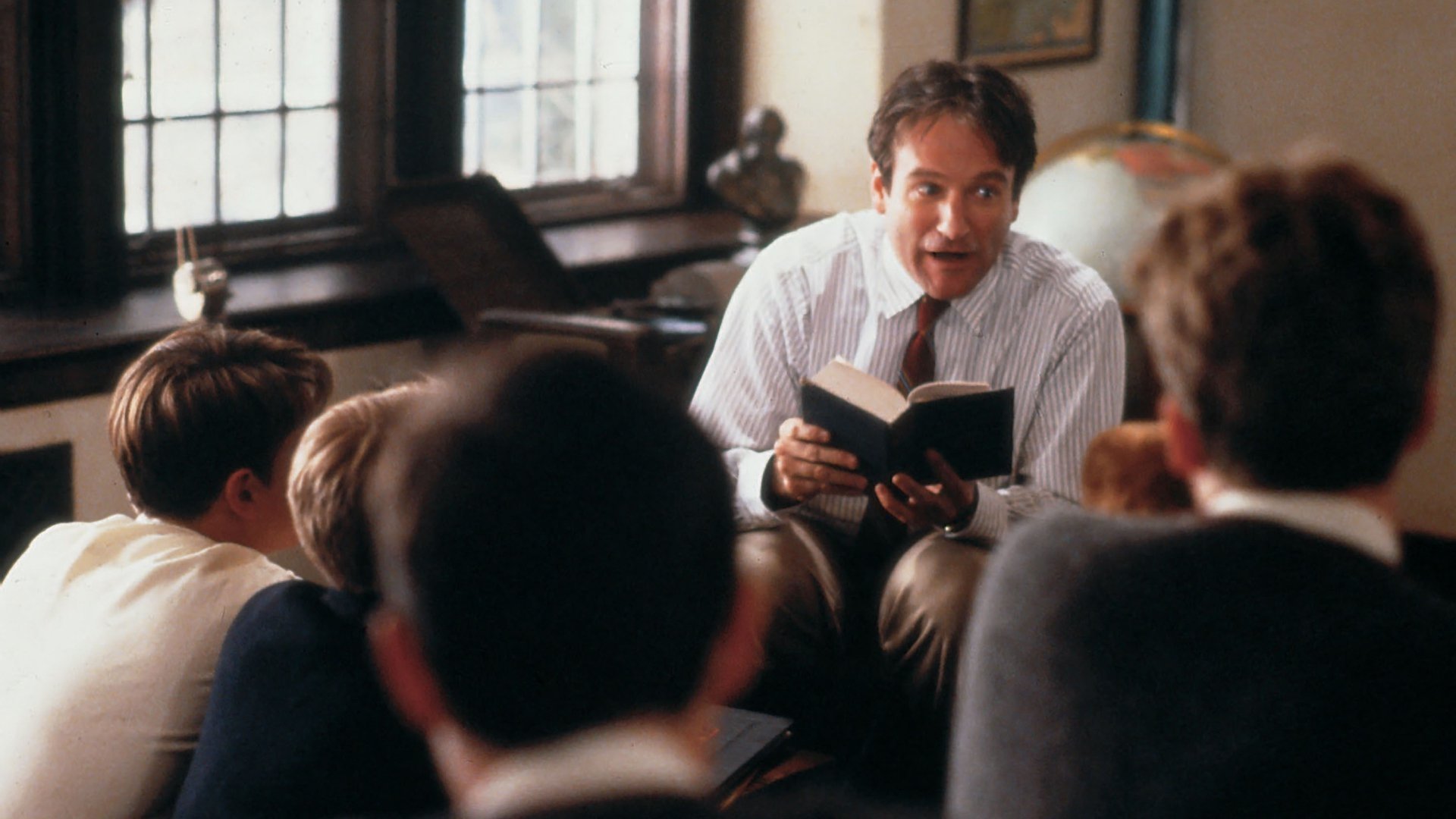
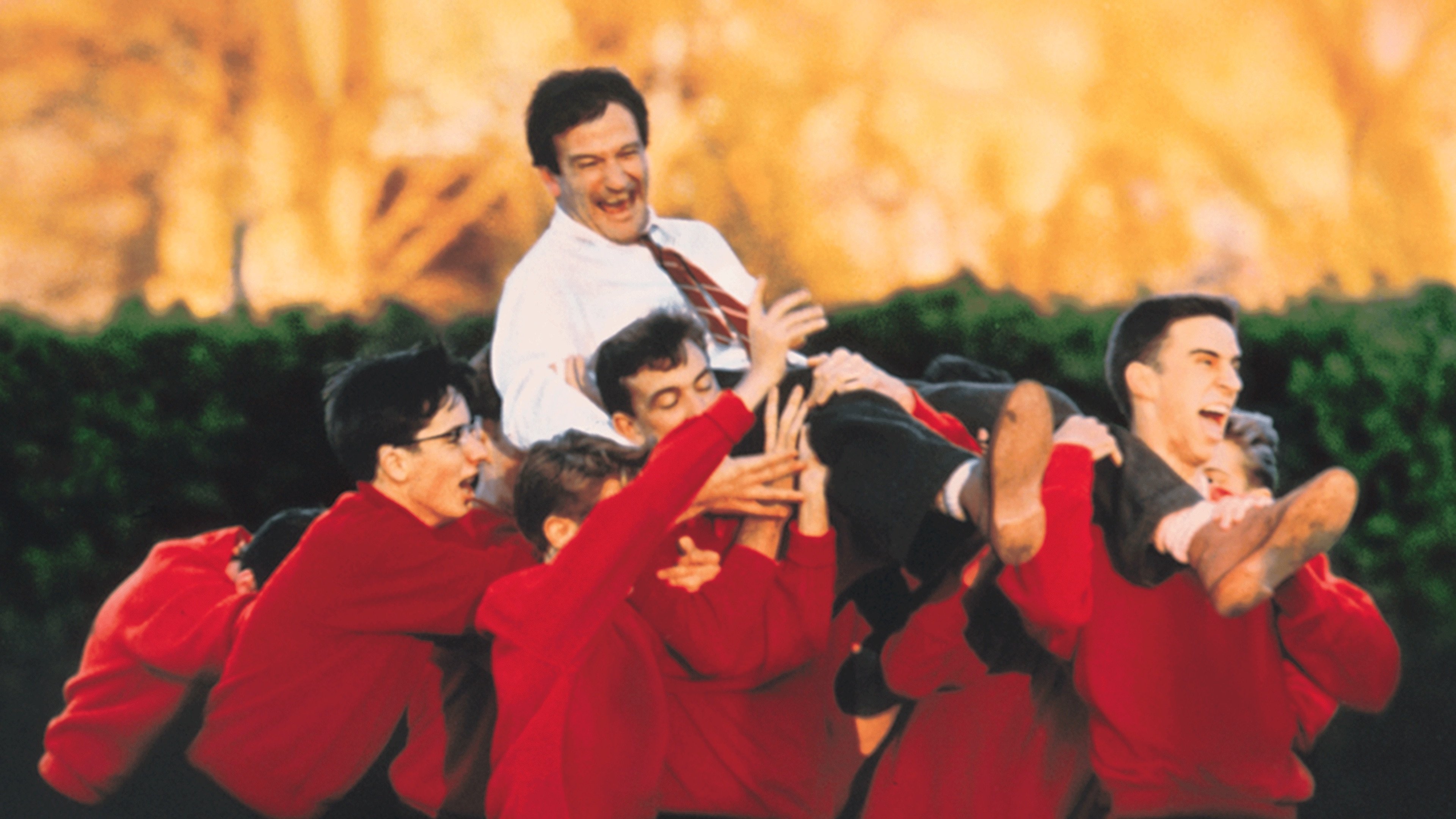
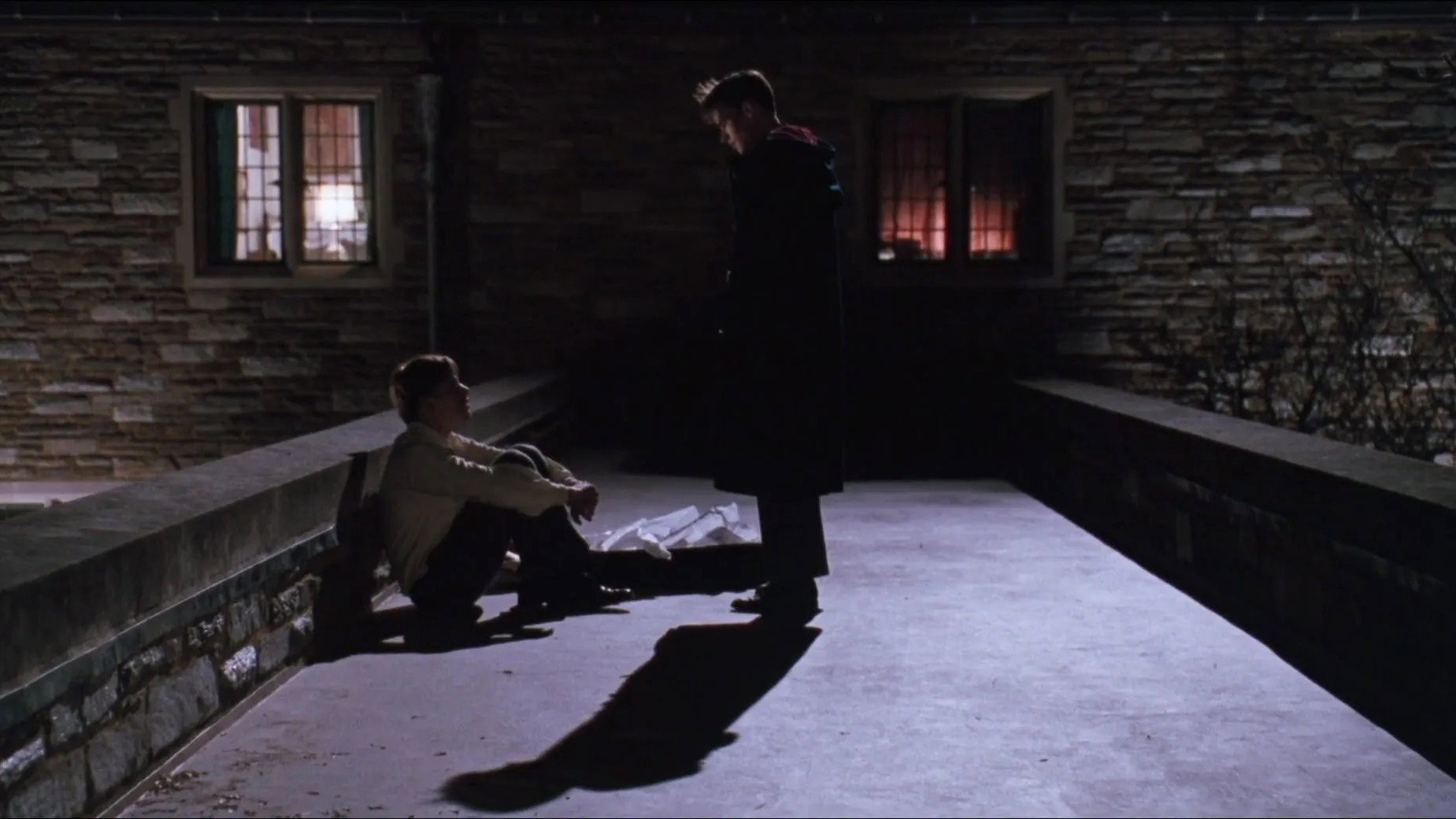
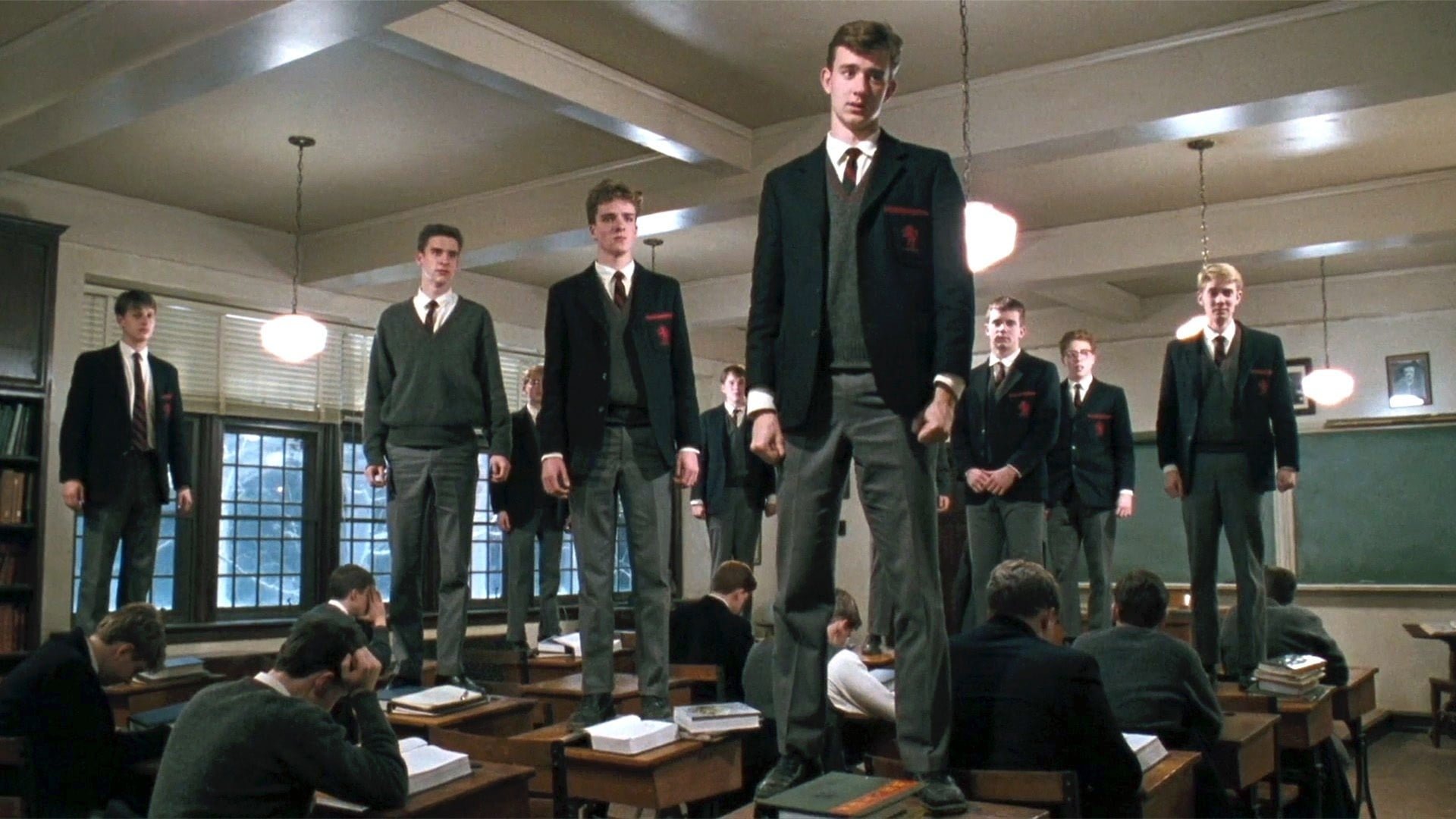
At a strict boarding school, teacher John Keating (Robin Williams) encourages his pupils to approach poetry through their own experiences and think for themselves. Among the boys are Neil Perry (Robert Sean Leonard), Todd Anderson (Ethan Hawke) and Knox Overstreet (Josh Charles). Keating’s unconventional teaching offers another way of looking at lives governed by adults and school rules. As the boys respond to his encouragement, their interest in art and individuality brings them up against expectations at school and at home. What they want from life becomes harder to separate from what their parents want for them.

Fi1m review

Peter Weir’s school drama is moving enough to earn its sentiment, with Robin Williams and the young cast doing the difficult work. The moral lessons are too tidy, but we recommend it for the performances.

Peter Weir’s Dead Poets Society is a moving school drama, despite a script that sorts its adults too neatly into right and wrong. John Keating teaches boys accustomed to being told how to live, and offers poetry as a reason to think for themselves. Tom Schulman’s screenplay understands the appeal of an adult who takes young people’s inner lives seriously. We recommend it for the care with which Weir and his cast make that attention feel important, even when the writing becomes too certain of everybody’s place.

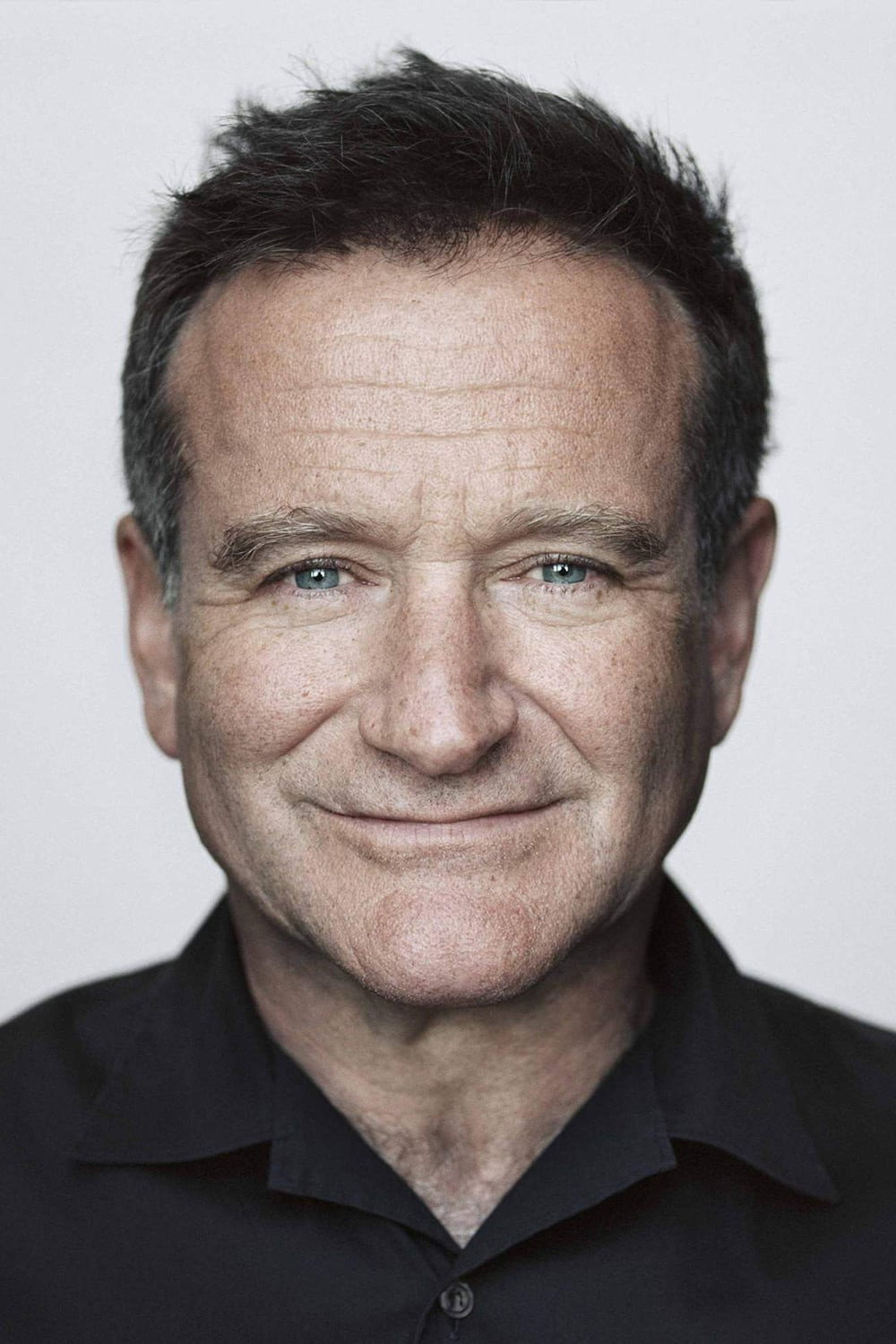
Williams is crucial, and his restraint is the film’s most useful surprise. As Keating, he makes an eccentric teacher seem approachable without making him harmless. The charm has a purpose: we can believe that these boys would listen to him and risk trying something unfamiliar. Schulman also keeps the pupils at the centre, giving their responses to Keating room to matter. Williams accepts that supporting function with a grace that keeps his charisma from swallowing the film.

Robert Sean Leonard and Ethan Hawke give the film much of its emotional force. Leonard makes the boys’ appetite for a less prescribed life seem urgent, while Hawke lets encouragement register with a hesitation that is painful to watch. We were moved by that hesitation: Williams encourages him, and Hawke makes accepting the attention look difficult. Weir is patient with both actors, allowing their responses to carry scenes that could have become illustrations of a good teacher’s wisdom.

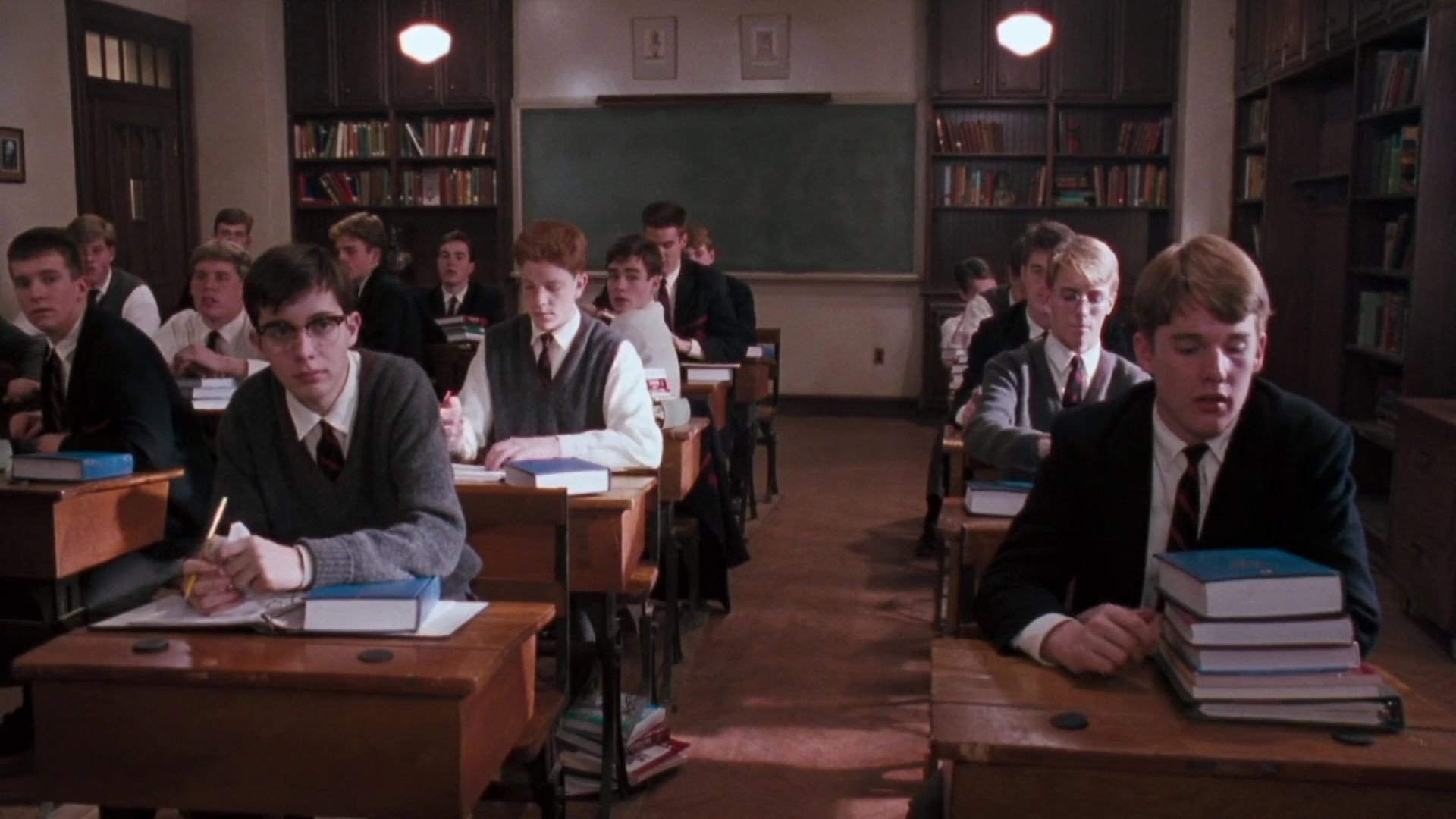
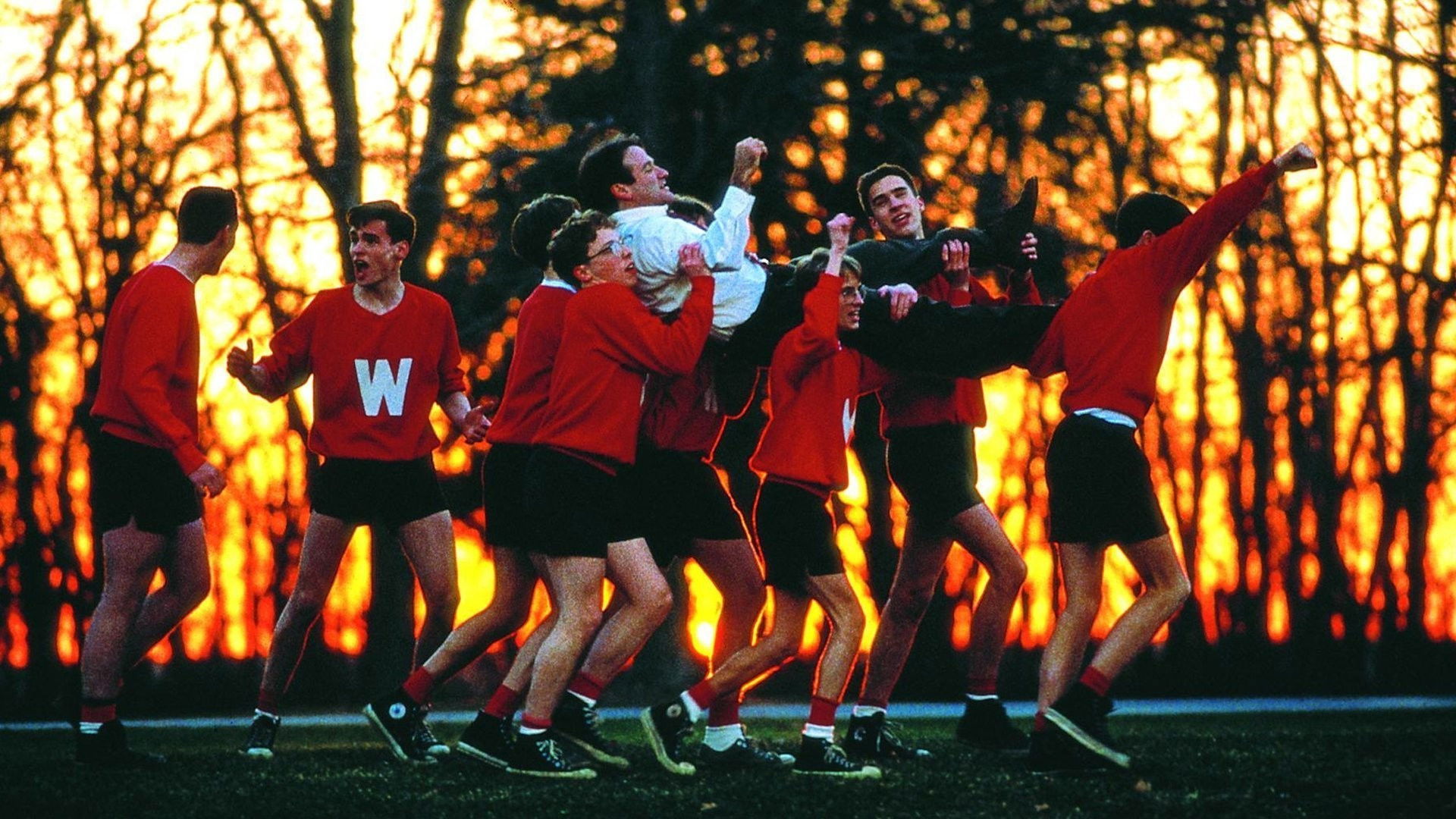
John Seale’s cinematography makes the school attractive enough that we understand why its authority might go unquestioned. The carefully lit images occasionally seem too flattering, but they give the boys’ surroundings a persuasive appeal. Wendy Stites’s production design reinforces the school’s formality, making its resistance to change feel credible. The shots of birds are a more mannered touch. Weir is persuasive enough about school life without asking the surroundings to become mysterious.

William M. Anderson’s editing is attentive to the young cast, giving their responses to Keating enough weight to keep the lessons from becoming solo performances. The pace suits a story in which encouragement needs time to take effect. Maurice Jarre’s score supplies warmth, though it sometimes presses too hard on feelings the actors have already made clear. Across 129 minutes, the classroom exchanges remain absorbing because Weir keeps our attention on what the boys make of their teacher.

The writing is less generous to those who resist Keating’s influence. Schulman’s emphasis on parental hostility to artistic ambition gives the boys a recognisable obstacle, but can make an adult’s whole character seem reducible to disapproval. The romantic pursuit subplot is another weakness: it asks us to indulge behaviour because it belongs to a young man discovering himself. That is too easy an excuse, and the film’s sympathy for its boys needs more scrutiny there.

As an inspirational-teacher drama, it is unusually interested in how the pupils receive the inspiration. Leonard and Hawke make the invitation to think independently feel consequential, and Williams gives them someone worth listening to. We would have preferred less insistence from the script and score. Go for the actors, and allow yourself to question a few of the lessons.
Critical consensus AI synthesised

3 of 6
Positive
3
Mixed
0
Negative
0
Empire
1 January 2000 · Angie Errigo
80*

The critic finds the film an often overlooked screen gem that radiates intelligence, humanity and warmth. She singles out Peter Weir's direction for creating a strong sense of time, place and people while imbuing simple acts with beauty and mystery.

Read the full review →
The New Yorker
19 June 1989 · Pauline Kael

Robin Williams gives a graceful, restrained performance as the liberating teacher whose rapport with students sparks creativity. The film is polished and on the side of youth and poetry but feels middlebrow and overly prepared, with a perception of reality like pulp fiction.

Read the full review →
The New York Times
2 June 1989 · Vincent Canby

The critic calls the film dim and sad, noting that the teacher character is a catalyst rather than central. Good performances from the young actors are praised, but the director is faulted for overusing fancified effects like eerie bird shots and prettily lighted scenes.

Read the full review →
Time Out
10 September 2012 · CM

The casting of Robin Williams as the eccentric teacher is inspired, and the script focuses on paternal prejudice against artistic pursuits rather than falling into cliché. Weir draws sensitive performances from the young cast while infusing the film with his customary mysticism.

Read the full review →
Variety
31 December 1988 · Variety Staff

The story focuses on the youths and how creative flames are kindled then stamped out. Director Peter Weir fills the screen with compelling teenagers; the tale sings when Williams is onscreen, and young actors like Leonard and Hawke deliver strong performances.

Read the full review →
Collider
27 April 2024 · 8/10 · Kendall Myers
80

The critic praises the film's timeless message of individuality and independent thought conveyed through Keating's unconventional teaching, along with Robin Williams' charming and endearing performance. Some outdated elements, including a problematic romantic pursuit subplot, are noted as flaws, but the film is still deemed a must-watch classic.

Read the full review →

Cast

Stills

Awards

César Award for Best Foreign Film, 1991

Won
César Award for Best Foreign Film

Academy Awards, 1990

Nominated
Best Actor
Nominated
Best Director
Nominated
Best Picture
Won
Best Writing, Original Screenplay

BAFTA Film Awards, 1990

Nominated
Best Actor in a Leading Role
Nominated
Best Direction
Nominated
Best Editing
Nominated
Best Original Screenplay
Won
Best Film
Won
Best Original Music

David di Donatello for Best Foreign Actor, 1990

Nominated
David di Donatello for Best Foreign Actor

David di Donatello for Best Foreign Director, 1990

Nominated
David di Donatello for Best Foreign Director

Writers Guild of America Award for Best Original Screenplay, 1990

Nominated
Writers Guild of America Award for Best Original Screenplay

Directors Guild of America Award for Outstanding Directing – Feature Film, 1989

Nominated
Directors Guild of America Award for Outstanding Directing – Feature Film

Golden Globes, 1989

Nominated
Best Actor – Motion Picture Drama
Nominated
Best Director
Nominated
Best Motion Picture – Drama
Nominated
Best Screenplay

If you liked this, try…

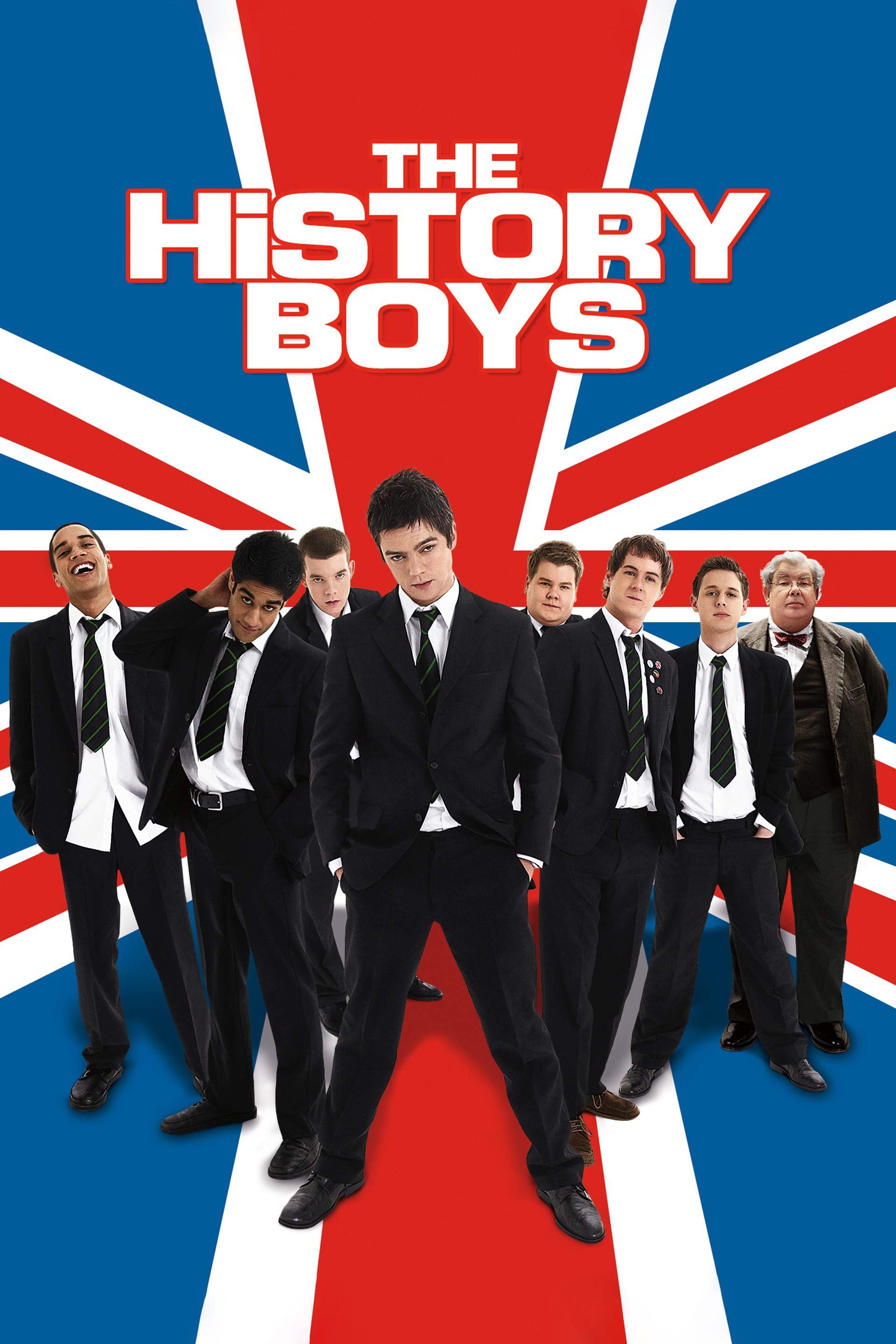
The History Boys poster

The History Boys

2006 · Another classroom full of bright boys, with sharper doubts about inspirational teaching.

The Class poster

The Class

2008 · Teaching as daily negotiation, with a classroom that refuses easy uplift.

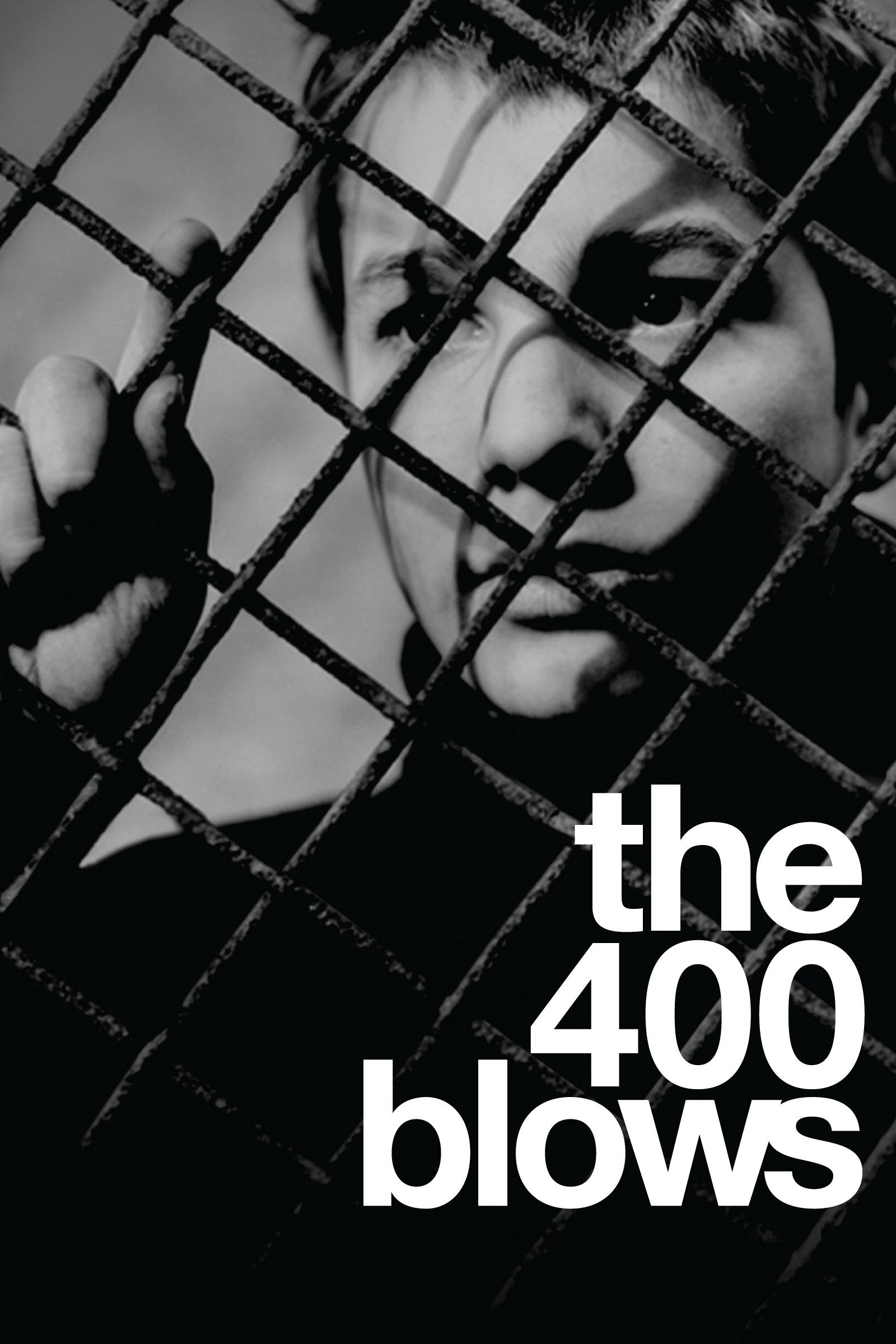
The 400 Blows poster91

The 400 Blows

1959 · A boy resists adult authority, with less reassurance and more room for anger.

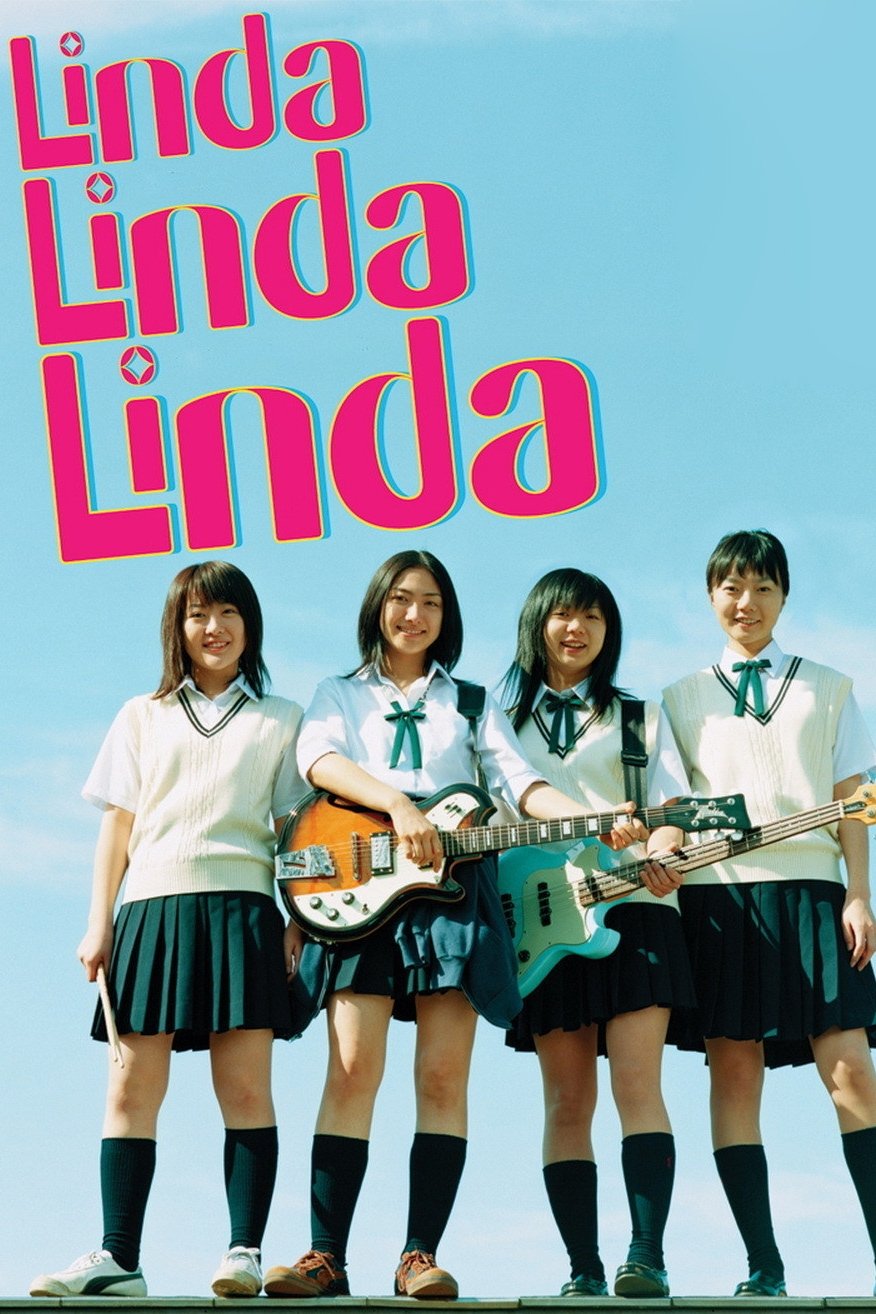
Linda Linda Linda poster

Linda Linda Linda

2005 · Schoolgirls form a band, finding confidence through practice and each other’s company.

Billy Elliot poster81

Billy Elliot

2000 · Artistic ambition meets parental resistance, with humour that makes the hurt count.