Film review

Billy Elliot

2000 · Directed by Stephen Daldry · 1h 51m · MPA R

In a sentenceJamie Bell makes ballet look like a reasonable response to being told what to do

DramaComedyMusic

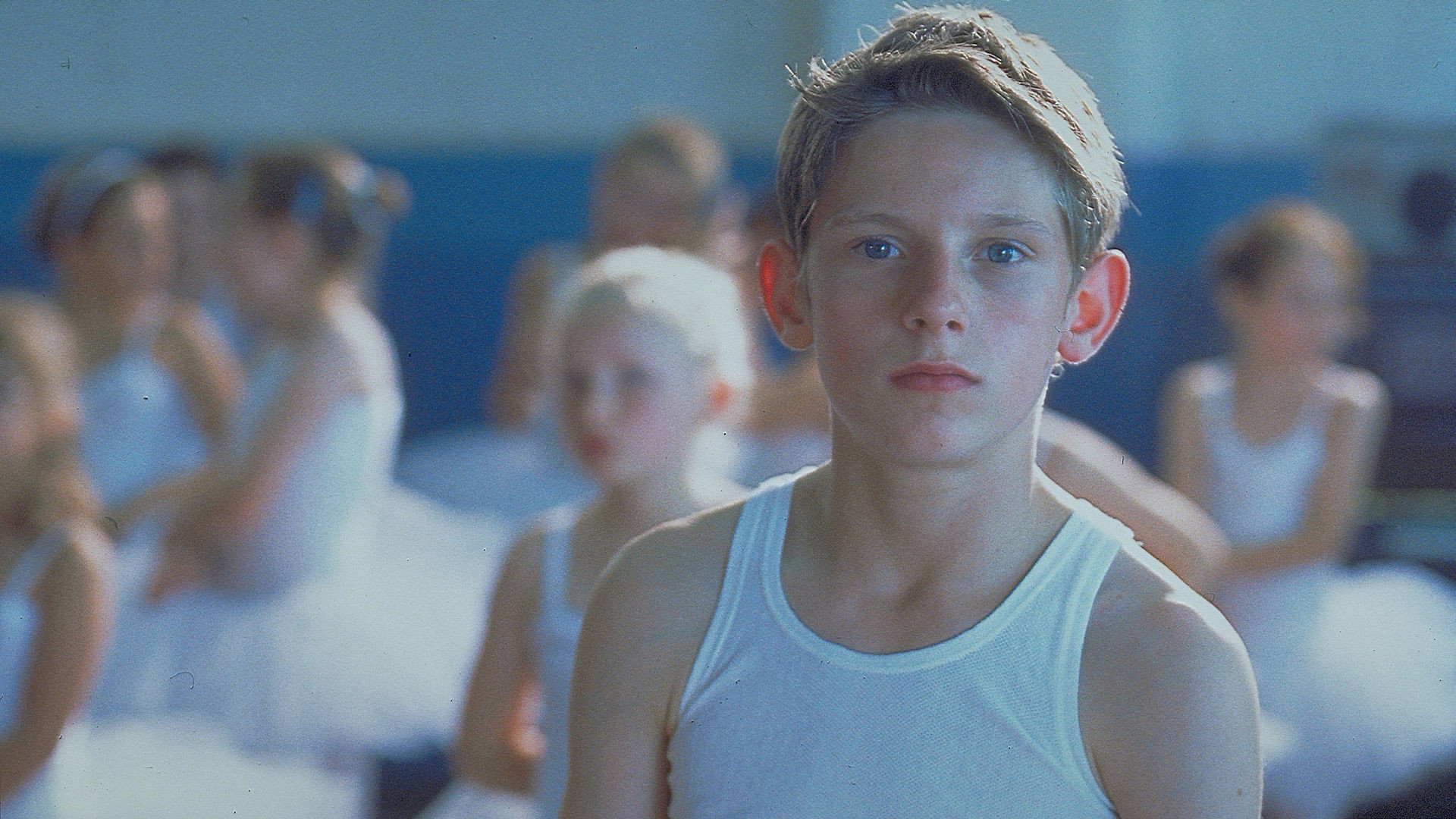
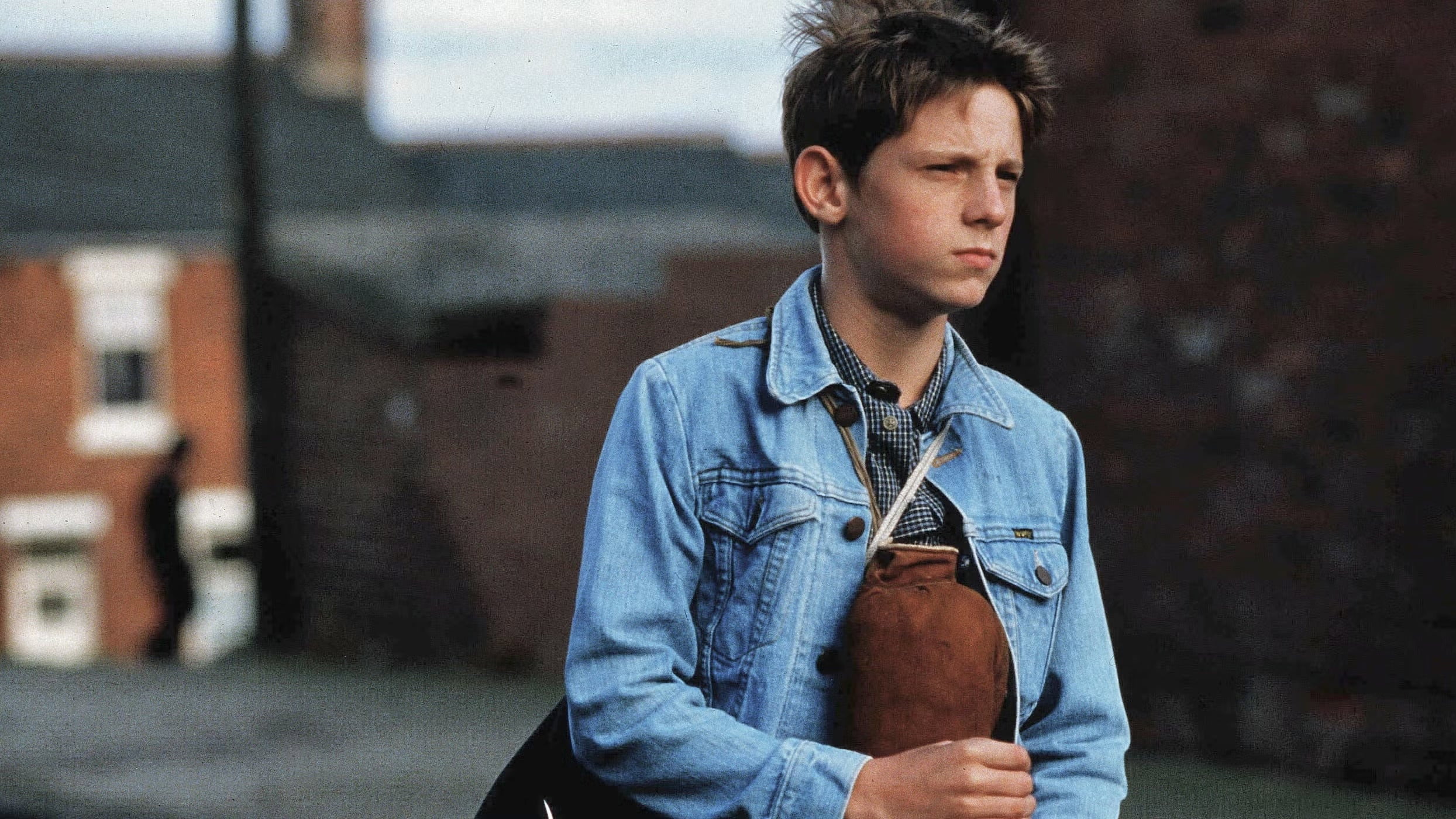
In a mining town in northern England, eleven-year-old Billy Elliot (Jamie Bell) discovers that he wants to dance ballet. It is 1984, and the miners’ strike surrounds a family at odds over what a boy ought to become. His father and brother, played by Gary Lewis and Jamie Draven, oppose his ambitions, while his teacher, Mrs Wilkinson (Julie Walters), encourages him to pursue them. Billy has to work out how to take his interest seriously without losing his place at home, as the expectations of the adults around him collide with the possibilities he sees in dancing.

Plays from YouTube when you press play; nothing loads from them until then.

Fi1m review

Jamie Bell and Julie Walters make Billy Elliot a funny, moving film about a boy being taken seriously. We recommend it for them and the dancing, with some patience required for the sentiment and the cautious politics.

Stephen Daldry’s Billy Elliot follows a familiar route through a boy’s talent, his family’s resistance and the encouragement of a teacher. It is a warm, funny film that earns much of its emotion through Jamie Bell, even when Lee Hall’s screenplay is working too hard to secure the rest. Set in a northern English mining town during the 1984 strike, it puts Billy’s desire to dance alongside the adults’ struggle over work. Giving both subjects enough attention proves difficult, and the boy gets considerably more.

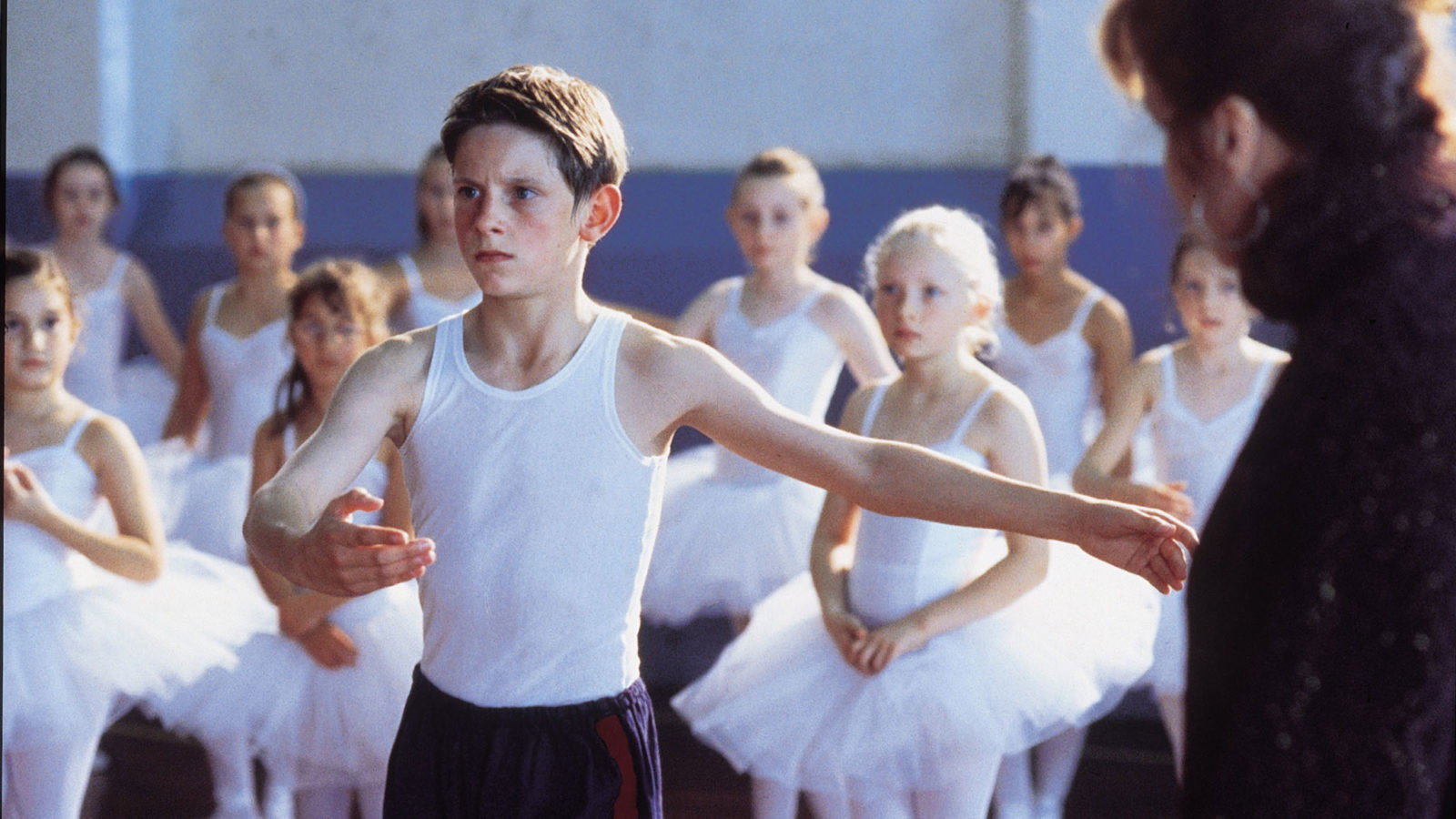
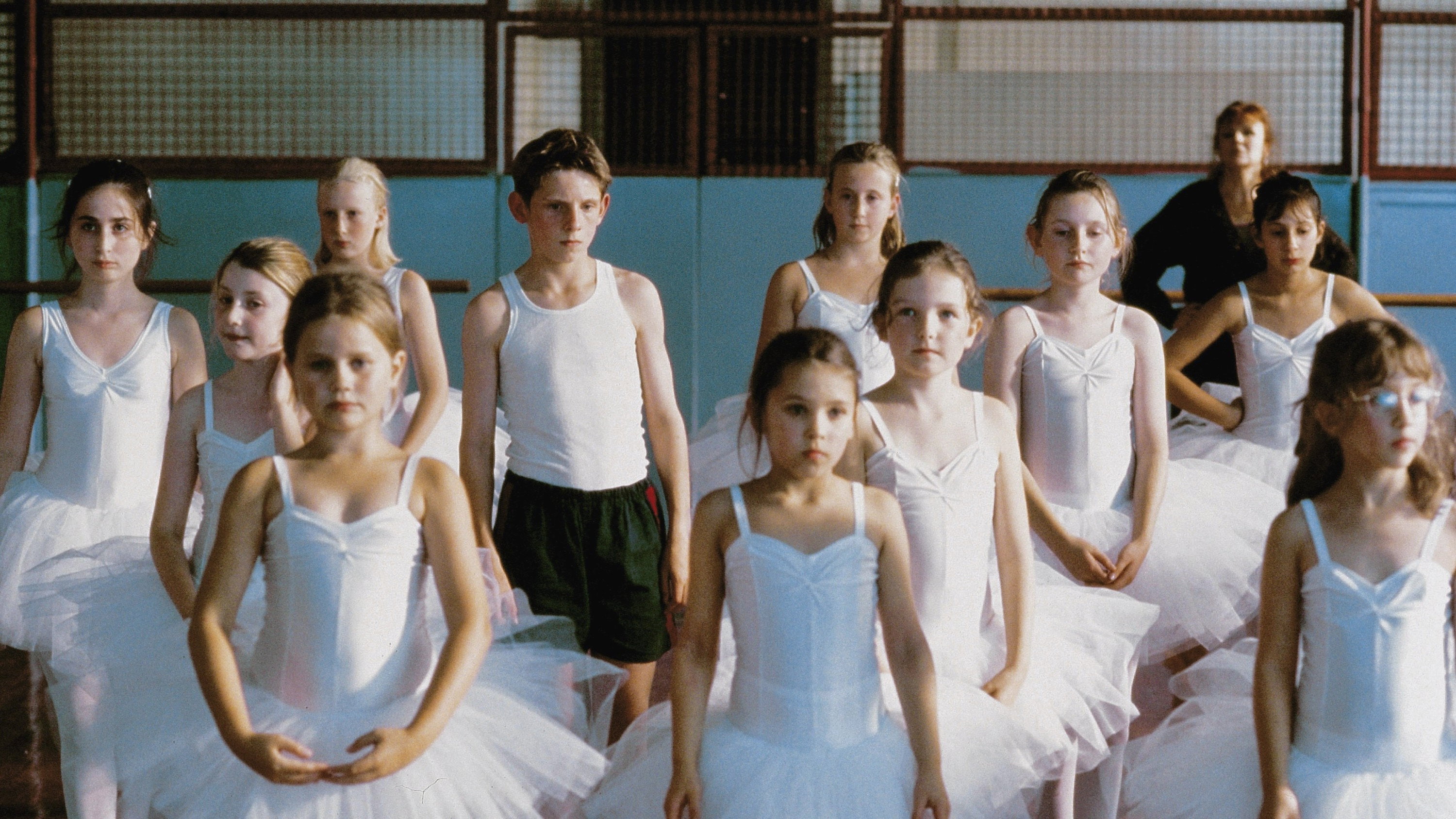
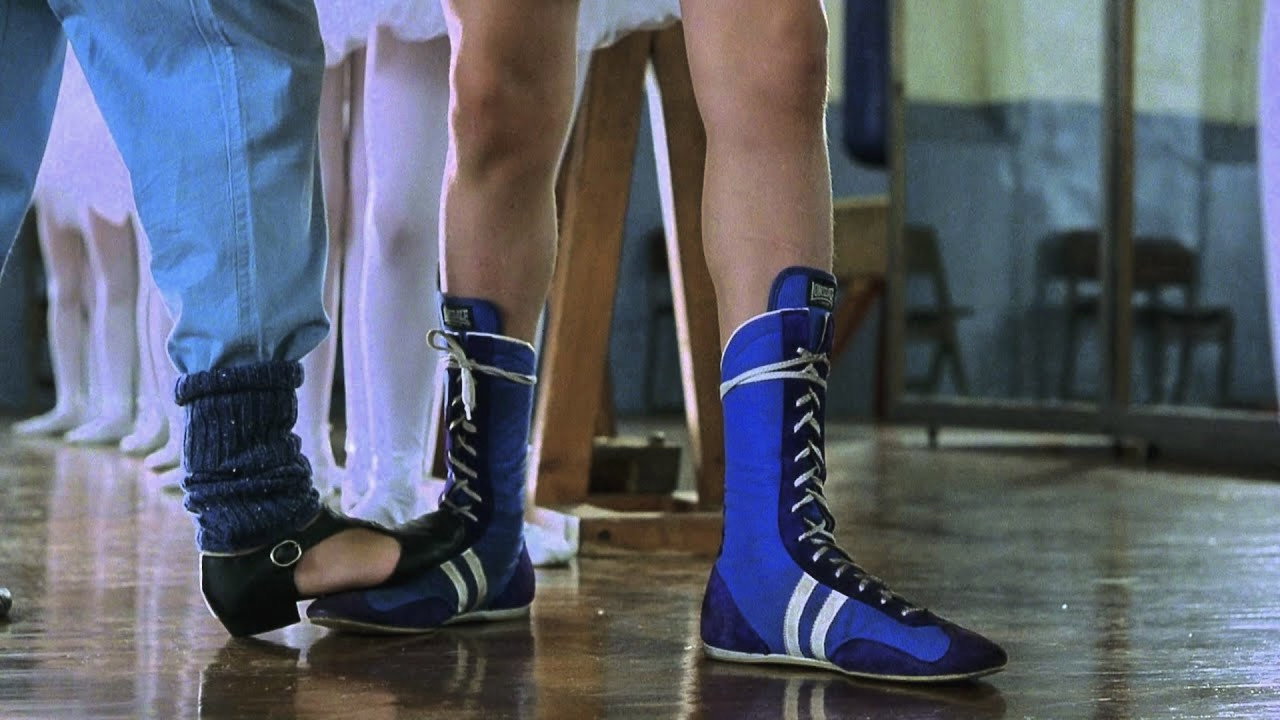
Bell makes Billy’s talent convincing without making him seem like an adult’s idea of an exceptional child. There is something stubborn and untidy about the performance that helps when the story starts arranging itself too neatly around him. We felt properly exhilarated by his dancing, because the effort and eagerness remain visible throughout the routines. Brian Tufano’s cinematography serves him well: the movement is clear, and we stay interested in what Billy is feeling while his body is occupied.

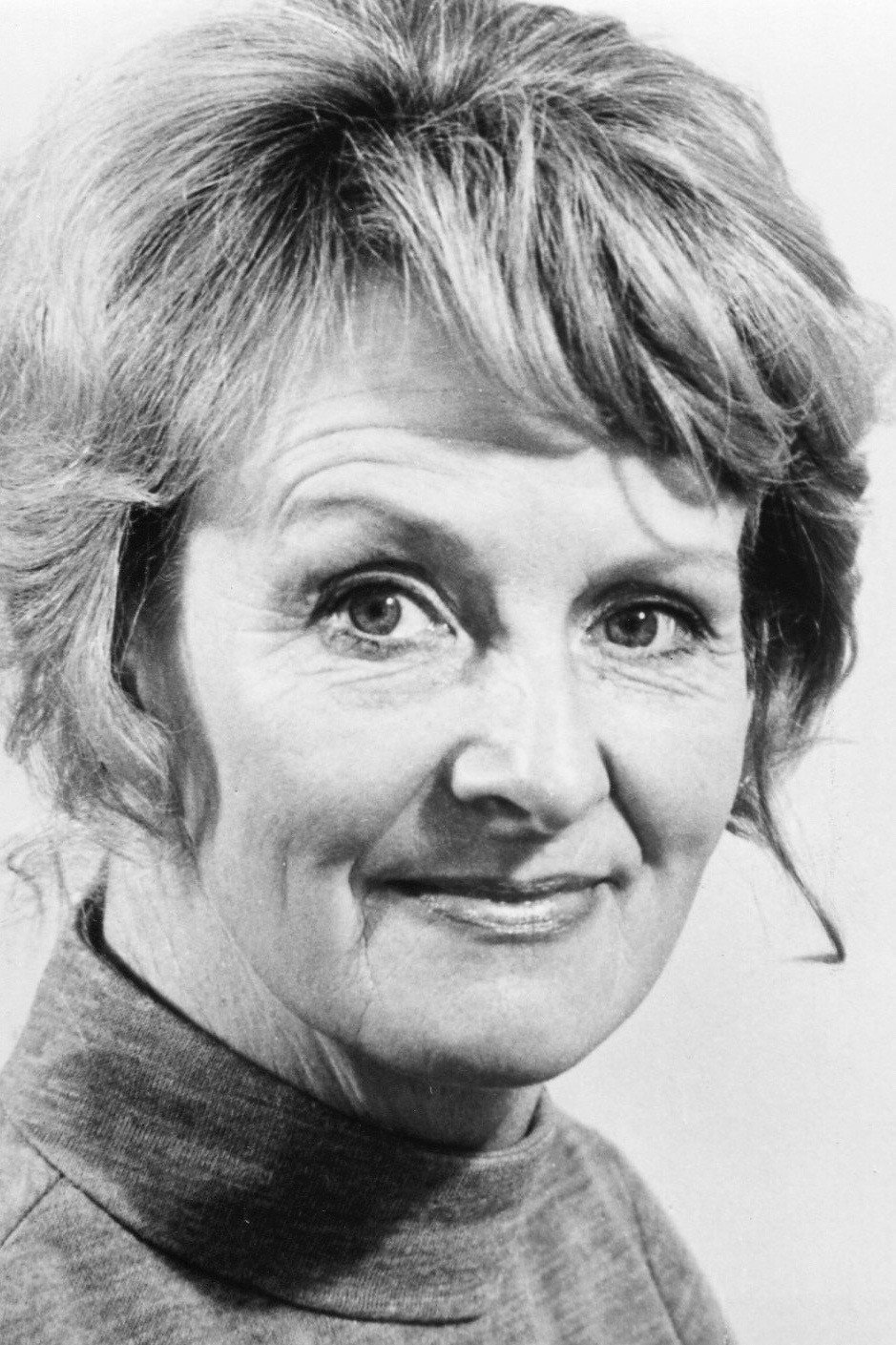
Julie Walters gives Mrs Wilkinson the briskness this sort of story needs. Her interest in Billy does not require her to become gentle or endlessly agreeable, and their scenes have room for comedy as well as instruction. Hall writes their relationship with a warmth that feels less forced than some of the family confrontations, while Daldry allows both performers to be awkward. The teacher takes the boy seriously, and Walters makes that attention matter without asking us to admire her for giving it.

Gary Lewis also does useful work as Billy’s father, Jackie, finding fear beneath objections that could have been merely blustering. Jamie Draven’s Tony is a harsher presence, and the writing gives him less space to be anything else. Hall understands how family loyalty can make an apparently private choice feel like a rejection, but the arguments occasionally divide people into those who understand Billy and those who need educating. Those scenes are easier to predict than the performances deserve.

The dance sequences benefit from John Wilson’s editing, which gives the physical excitement a pace the more familiar dramatic passages can lack. The glam-rock songs help: their directness suits Billy’s energy, and we do not need every movement translated into a lesson about freedom. Stephen Warbeck’s music reinforces the tenderness, sometimes too insistently when the actors have already made the feeling clear. Daldry’s eagerness to move us becomes a nuisance in passages that would work with less encouragement.

Maria Djurkovic’s production design keeps the mining-town setting credible, even when the script risks reducing its inhabitants to obstacles for Billy. The strike scenes carry a tension that the family arguments cannot produce on their own, yet Hall and Daldry remain cautious about the dispute itself. They use it more readily to establish hardship than to explore what is being fought for. We understand the boy’s ambitions far better than the convictions of the adults around him.

As a story about a talented child meeting resistance, Billy Elliot knows most of the reliable ways to please an audience, and uses rather too many of them. Bell and Walters supply enough humour and irritation to stop the sentiment becoming unbearable. Watch it for their company and for the dancing; leave the expectation of a searching account of the strike behind.


Critical consensus AI synthesised

70
Positive
6
Mixed
3
Negative
1

Most critics respond warmly to Billy Elliot, with praise centred on Jamie Bell’s natural performance and the pleasure of watching him dance. The reviews also value the humour and warmth of the family story, while several single out Julie Walters and the relationship between Billy and his teacher. For its admirers, Stephen Daldry’s handling of the young cast and the energetic dance sequences gives a familiar story of ambition enough feeling and specificity to carry it.

The spread is wide, with sentimentality and predictability dividing the reviews most sharply. Some accept the melodrama as part of the film’s appeal; others find the characters stereotyped and the emotions pushed too hard. Sight and Sound admires its treatment of childhood and masculinity but finds its strike politics evasive, while The AV Club offers a firmer rejection, finding the film cloying and sluggish despite some entertaining dancing.

RogerEbert.com
13 October 2000 · ★★★★/4 · Roger Ebert
100

The film is sweeter than its counterpart Girlfight, following a boy who wants to be a ballet dancer despite opposition from his macho father and brother in a mining town. It features engaging performances, especially from Jamie Bell, and illustrates differences in how children and adults see the world.

Read the full review →
Empire
1 January 2000 · Caroline Westbrook
85*

The critic credits Daldry with creating the first genuinely exhilarating Brit flick of the new millennium, a no-holds-barred triumph that eschews dance-movie clichés for a deceptive simplicity focused on overcoming family opposition amid the miners' strike, with strong comedy, emotional dance sequences set to 80s hits, and a star-making turn from Jamie Bell.

Read the full review →
Total Film
29 September 2000
80*

The critic describes it as a heartwarming, toe-tapping delight from Daldry's joyous working-class fairytale that splices miners' strike grit with exuberant dance routines, praising the rare talent for extracting unforced performances from the young cast and the gut-busting pleasure of the dance sequences to glam-rock tracks, while noting some unease with the shift to sentimentality and a coded gay parable.

Read the full review →
Sight and Sound
1 October 2000 · Claire Monk
75*

The critic finds the film truer to authentic experience than similar British hits like The Full Monty, crediting Jamie Bell's standout performance as Billy and its quirky take on childhood and masculinity, but notes it is politically circumspect and evasive about the miners' strike and class conflicts.

Read the full review →
The Independent
28 September 2000
75*

The critic notes that hype around Daldry's debut makes it easy to resist the film's heart-string tugging and jaunty soundtrack, but ultimately praises its more complicated message, hair-raising strike scenes, and near-perfect cast, especially Jamie Bell's energy, Julie Walters' droll performance, and Gary Lewis avoiding clichés. It is called raw escapism akin to Ratcatcher with the i's dotted and t's crossed.

Read the full review →
The New York Times
13 October 2000 · A. O. Scott
70*

The story of an 11-year-old boy in a northern England mining town who dreams of ballet during the 1984 strike anchors its melodramatic formula in tough, heartfelt realism. It mirrors Girlfight but uses the accents and setting of its characters to explore escaping working-class confines.

Read the full review →

Cast

Stills

Awards

Academy Awards, 2001

Nominated
Best Director
Nominated
Best Supporting Actress
Nominated
Best Writing, Original Screenplay

Amanda Award for Best Foreign Feature Film, 2001

Won
Amanda Award for Best Foreign Feature Film

BAFTA Film Awards, 2001

Won
Best British Film

Silver nugget for the best foreign film, 2001

Won
Silver nugget for the best foreign film

European Film Award for Best Actor, 2000

Nominated
European Film Award for Best Actor

European Film Award for Best Actress, 2000

Nominated
European Film Award for Best Actress

European Film Award for Best Film, 2000

Nominated
European Film Award for Best Film

If you liked this, try…

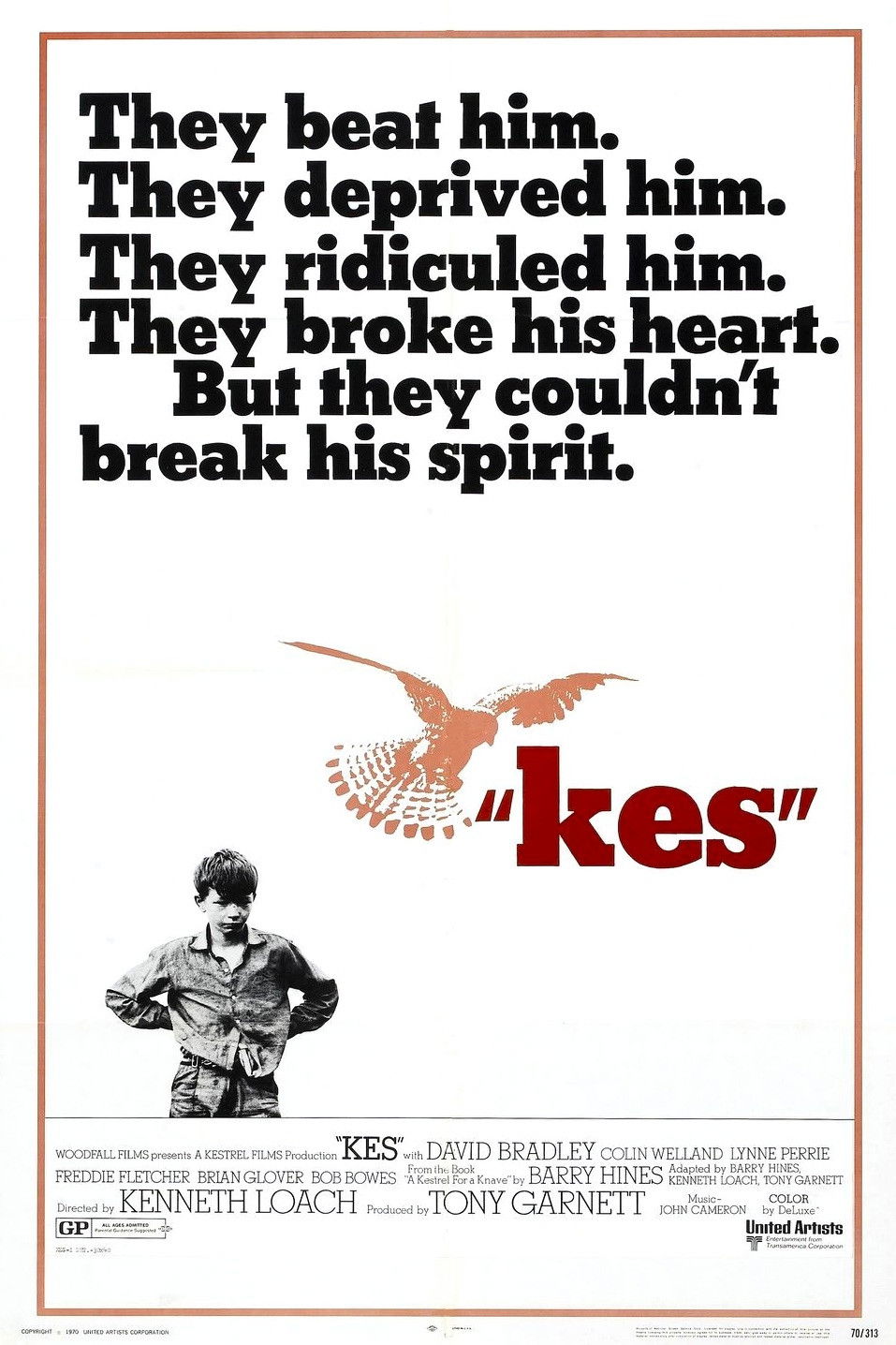
Kes poster88

Kes

1969 · Another northern boy finds room to breathe beyond school and home

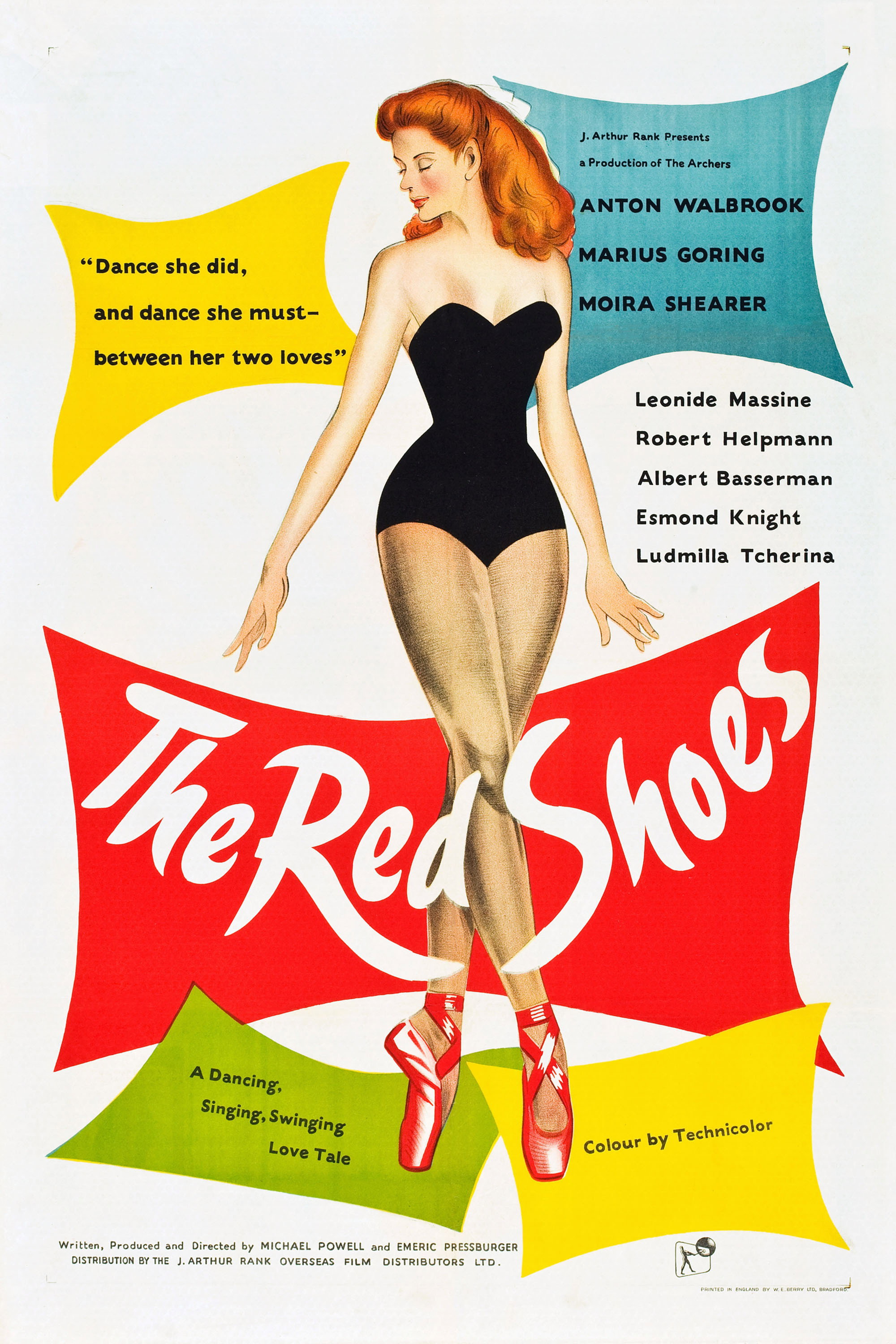
The Red Shoes poster92

The Red Shoes

1948 · For dancing treated as a consuming need, with considerably less reassurance

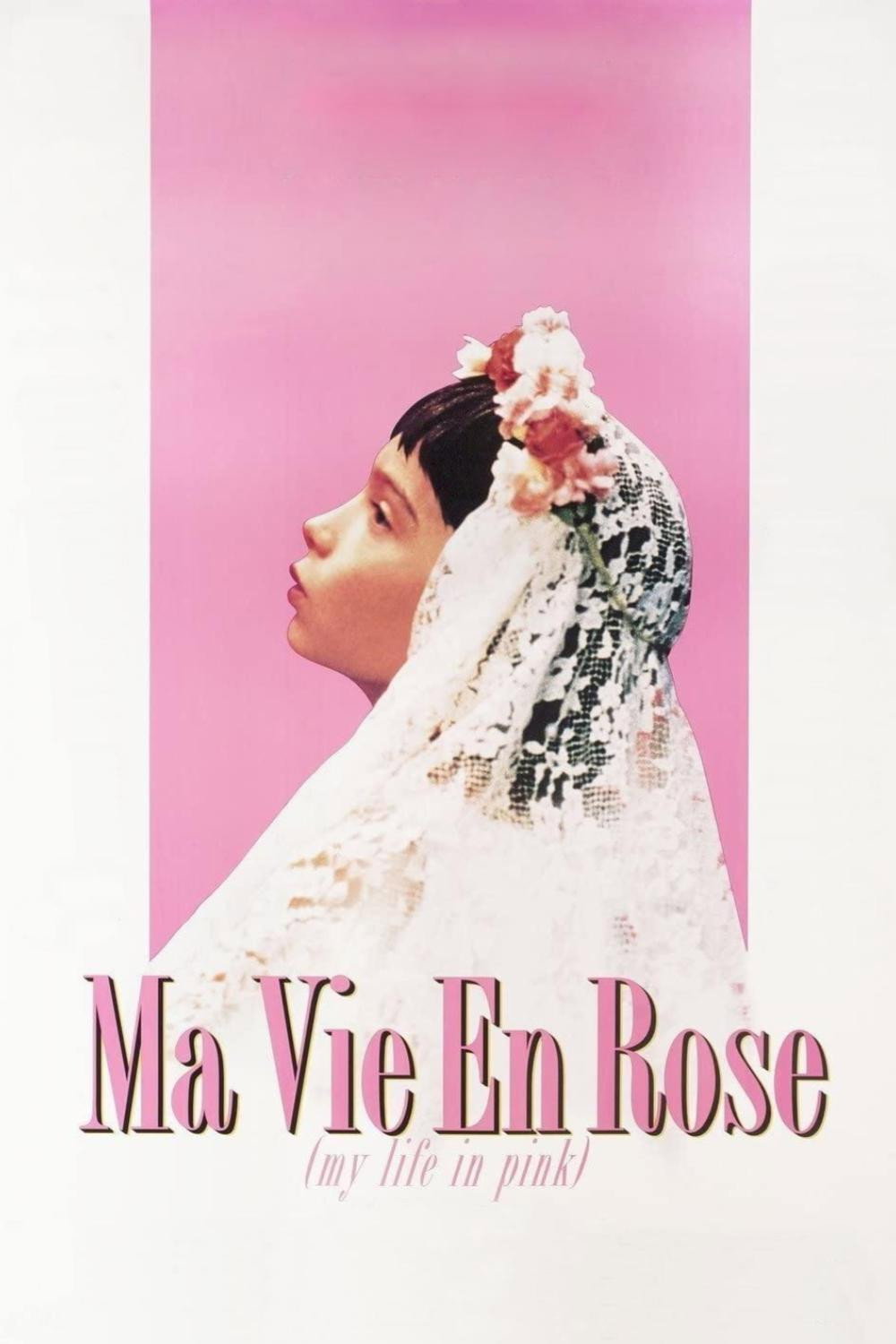
Ma vie en rose poster

Ma vie en rose

1997 · A child’s self-expression exposes the limits of the adults’ supposed tolerance

The Fits poster

The Fits

2015 · A young dancer’s need to belong becomes something stranger and more unsettling

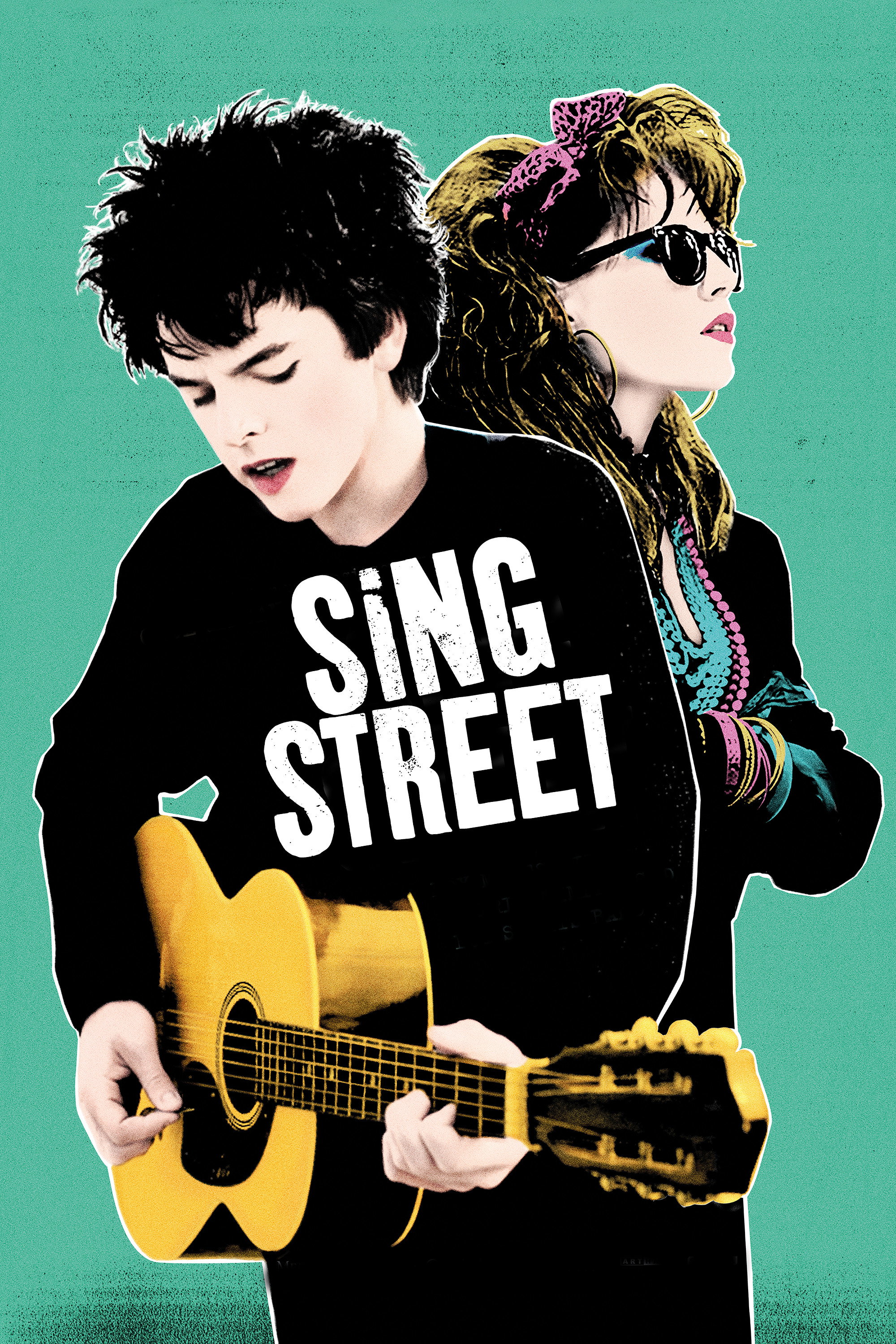
Sing Street poster

Sing Street

2016 · Music gives another frustrated teenager a practical reason to imagine leaving