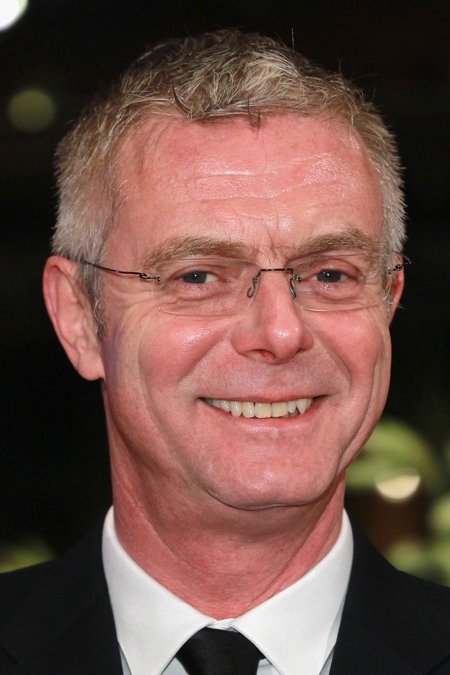
Stephen Daldry is a gifted director of performers, particularly when feeling comes through movement. We rate him most when he trusts that work; his eagerness to move us can turn an affecting scene sentimental.
Fi1m perspective
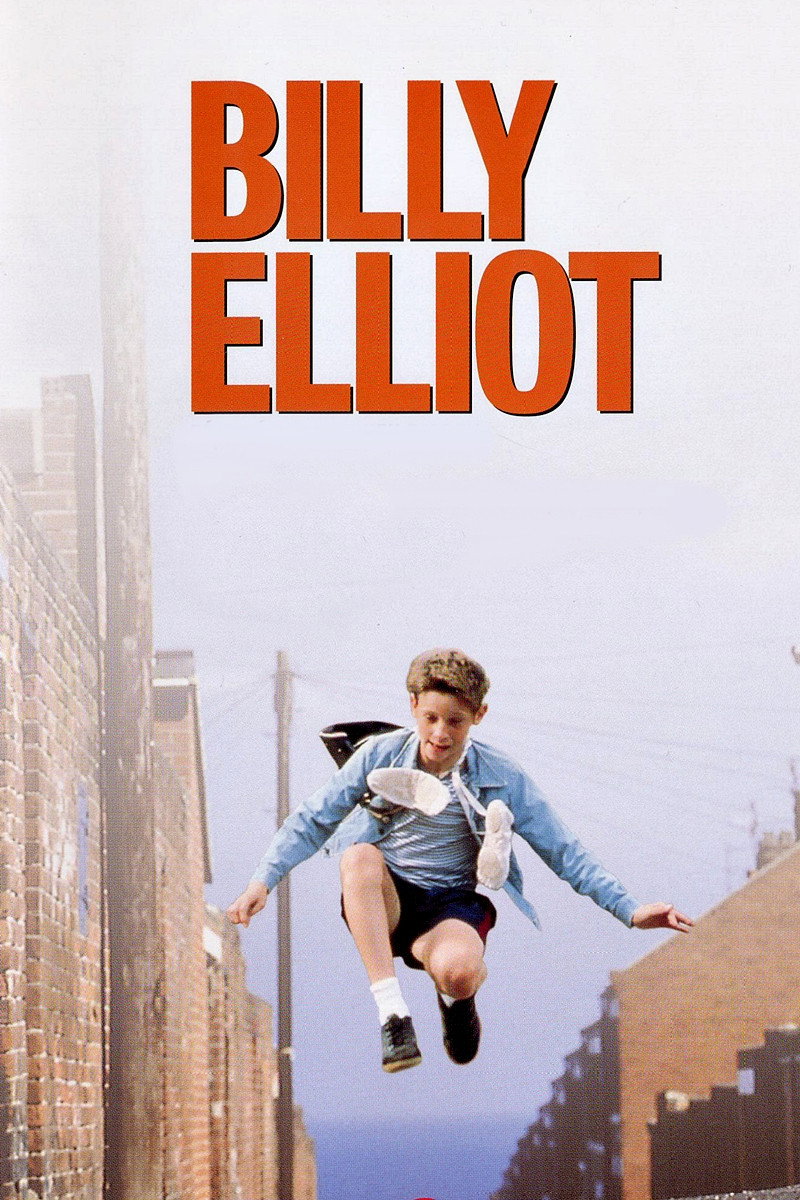
In Billy Elliot (2000), Jamie Bell and Julie Walters are allowed to be awkward together. Walters gives Mrs Wilkinson a briskness that keeps the lessons from becoming occasions to admire the teacher's goodness. Lee Hall's writing leaves space for comedy as well as instruction, and Daldry does not hurry the pair towards easy affection. We were moved by these scenes because the teacher takes Billy seriously without becoming endlessly agreeable. This is the Daldry we recommend: attentive to performers, prepared to let them be difficult.
His feature debut followed a theatre career, and its interest in what a body can express makes sense of that background. With The Hours (2002), he moved towards literary adaptation, keeping Michael Cunningham's stories across three eras clear and emotionally connected. The Reader (2008), adapted from Bernhard Schlink's novel, continued that turn. Across those changes, his concern stays with conflicted people and the actors who have to make their difficulties convincing.
That concern is helped by craft which can be easy to overlook when the performances work. In Billy Elliot, John Wilson's editing gives the dancing a pace the more familiar dramatic passages lack. Maria Djurkovic's production design makes the mining town credible, even when the screenplay risks treating its inhabitants as obstacles to Billy. The setting matters because the boy needs somewhere convincing to push against. Daldry's direction works best here when the physical excitement carries the feeling, without every movement needing an accompanying explanation.
His weakness is the extra encouragement he gives once the actors have done enough. Stephen Warbeck's music presses the tenderness in Billy Elliot, and some family confrontations labour for an emotion Bell and Walters reach more naturally. The warmth survives, but we occasionally wish Daldry would leave us to respond in our own time. The complaints about sentimentality in Extremely Loud & Incredibly Close (2011) concern a weakness already visible in the debut.
He has continued directing for the stage and television. He directed Billy Elliot the Musical (2005) and The Inheritance (2018), as well as episodes of The Crown (2016–). We would welcome more work that lets an actor's movement do as much as Bell's dancing does, without such persistent help from the music. Start with Billy Elliot for Bell and Walters; the sentiment requires some patience, but their work repays it.
Biography
Stephen Daldry is an English director of film, theatre and television. He studied English at the University of Sheffield and began his career in theatre, serving as artistic director of the Gate Theatre (1989–1992) and the Royal Court Theatre (1992–1998) in London. He directed the stage production of An Inspector Calls (1992), which transferred to Broadway.
Daldry directed the films Billy Elliot (2000), The Hours (2002), The Reader (2008) and Extremely Loud & Incredibly Close (2011). He also directed episodes of the Netflix series The Crown (2016–2020) and the stage musical Billy Elliot (2005). He received three Academy Award nominations for Best Director, three Tony Awards and was appointed CBE in 2004. He is married to Lucy Sexton.