Series review

The Crown

2016 · Created by Peter Morgan · Series · MPA TV-MA

In a sentenceThe royal family makes saying nothing look like a full-time occupation

Drama

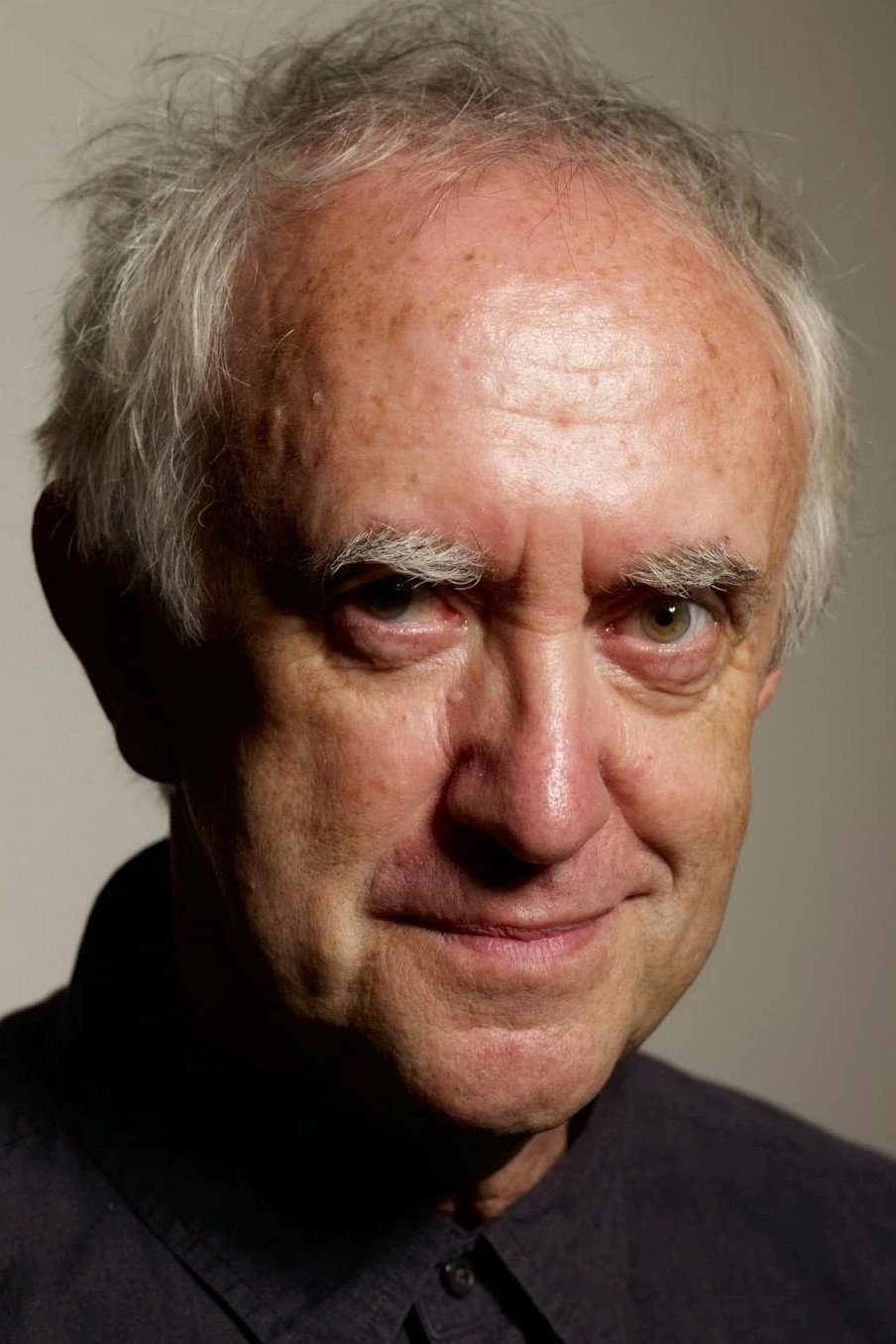
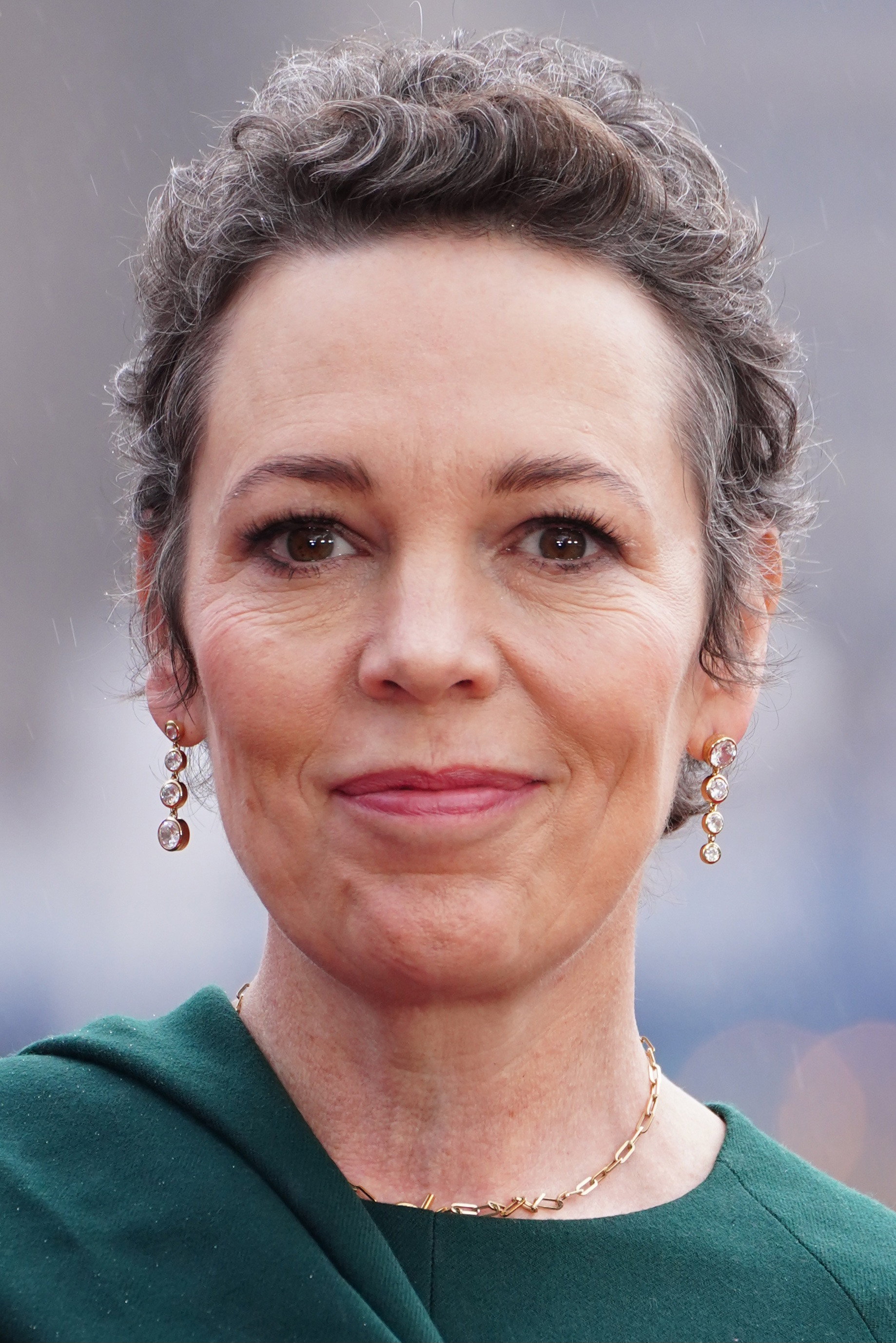
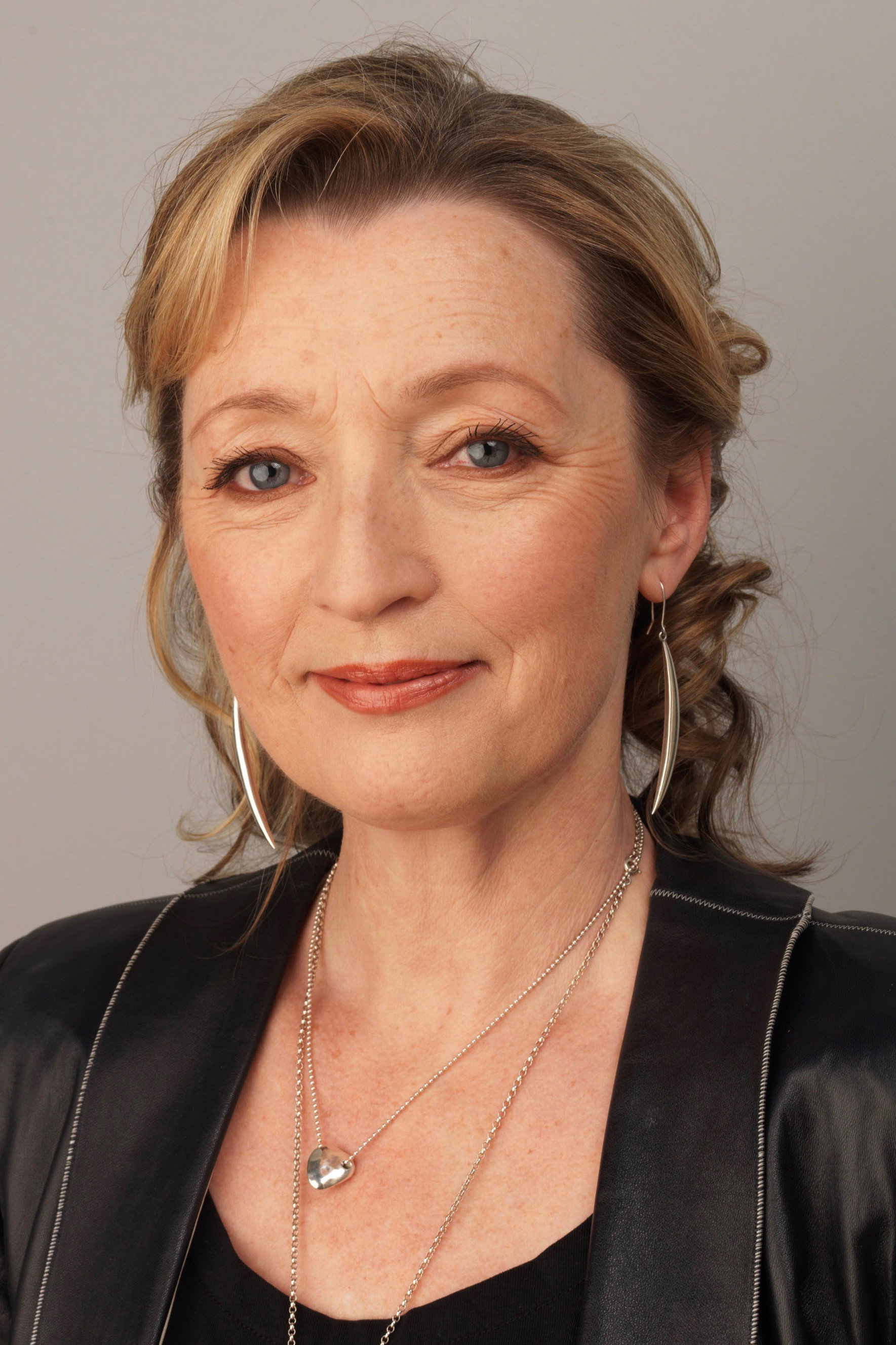
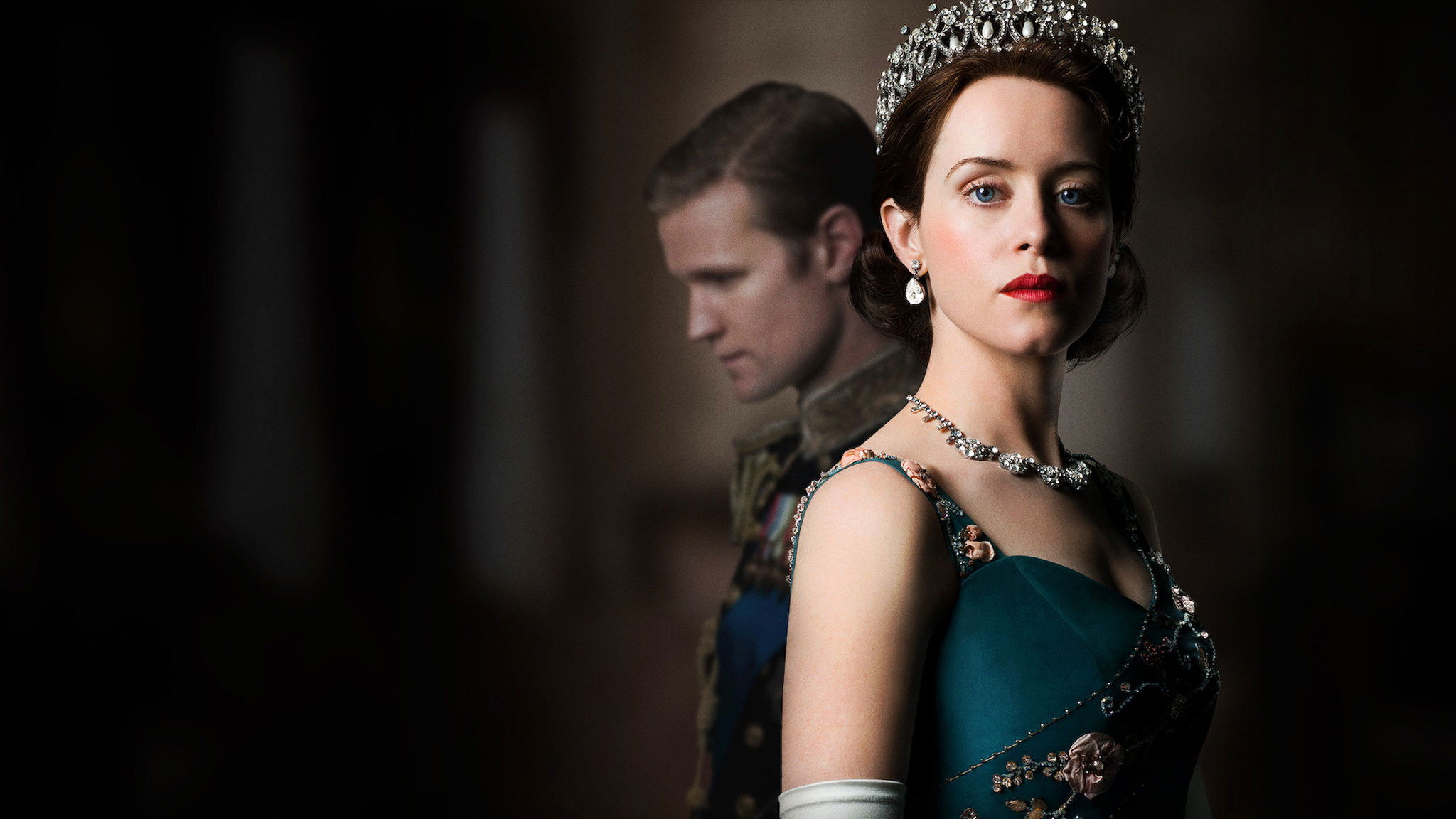
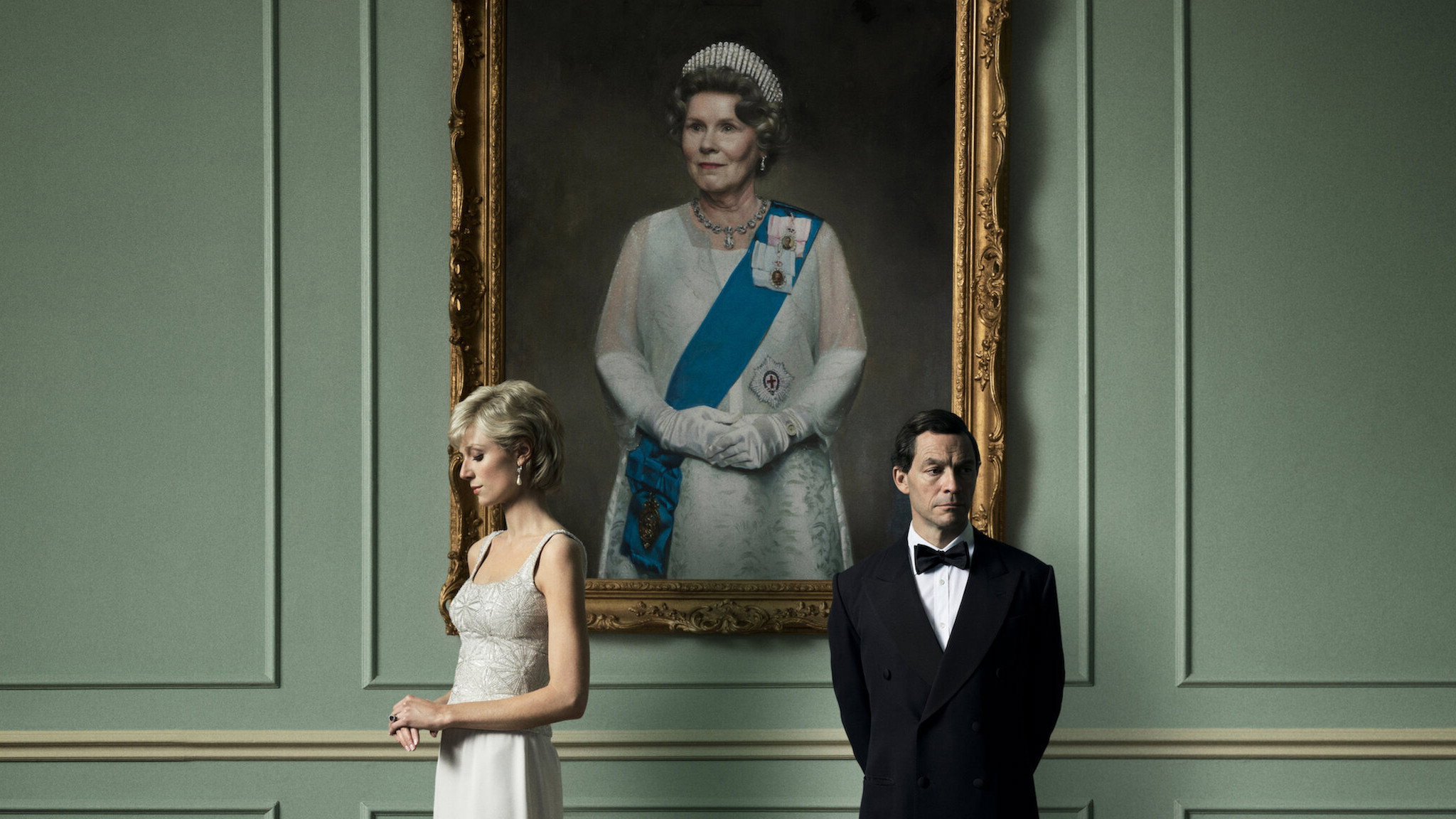
Queen Elizabeth II must learn to exercise power while royal protocol reaches into her private life. The series follows her reign, with Olivia Colman and Imelda Staunton among those playing her. Prince Philip, Duke of Edinburgh (Matt Smith, Tobias Menzies and Jonathan Pryce), and Princess Margaret (Helena Bonham Carter and Lesley Manville) have wishes of their own that sit uneasily alongside her duties. Elizabeth tries to fulfil the demands of her position without surrendering every personal choice. Family conversations concern who is allowed to decide, who must defer and how much anyone can keep private.

Plays from YouTube when you press play; nothing loads from them until then.

Fi1m review

The Crown earns our attention through precise acting and a convincing sense of how royal duty intrudes on private life. Its solemnity sometimes makes scenes drag, but the people remain worth watching.

Peter Morgan’s The Crown asks us to take royal duty seriously, even when we might prefer to ask why anyone needs it. For much of its six-season run, it earns that attention through acting precise enough to make an unanswered remark feel consequential. This is absorbing family drama, though its habit of treating every frustration with the same solemn respect makes it slower than it needs to be. We recommend it most readily to viewers who enjoy watching people struggle to remain polite.

The early portrait of Elizabeth is the reason to settle in. We were moved by the effort behind her composure: an answer delayed, a feeling checked before it can be spoken, a face kept still while somebody else talks. Those small acts make learning to exercise power feel difficult without requiring a speech about how difficult it is. The dialogue can explain a predicament too thoroughly, but the acting gives us someone trying to understand what she is allowed to want.

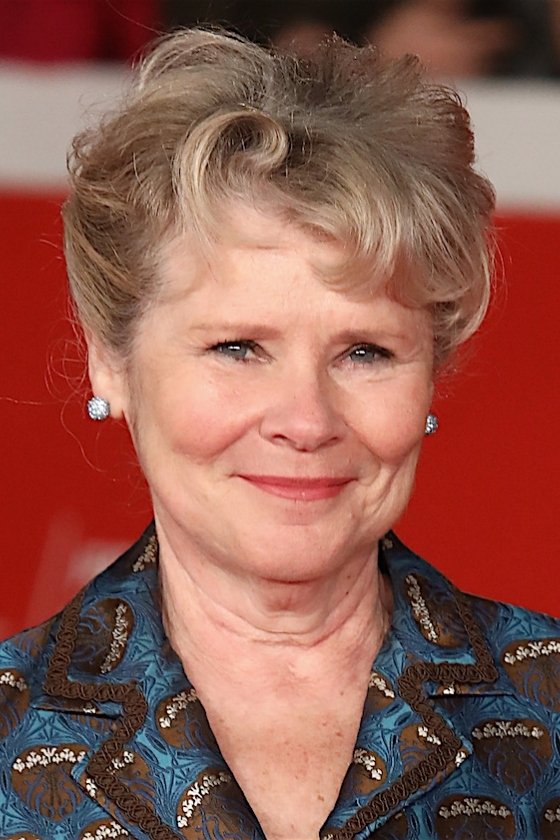
Olivia Colman and Imelda Staunton are persuasive as Queen Elizabeth II because neither rushes to make her approachable. Olivia Colman is especially effective when an expression appears settled and then shifts almost reluctantly. Imelda Staunton makes formality feel firmly acquired, something the character no longer expects to explain. The change of performers asks us to accept a new face, but it also keeps us watching familiar behaviour rather than taking it for granted.

Tobias Menzies gives Prince Philip, Duke of Edinburgh, an impatience that prevents the family scenes from becoming too decorous. He lets irritation register before courtesy can tidy it away, which gives conversations a welcome edge. Helena Bonham Carter’s Princess Margaret expresses dissatisfaction more openly, and her presence makes Elizabeth’s restraint look harder to sustain. Both performances are most interesting when wounded pride is allowed to remain unattractive, without an accompanying request for sympathy.

The production design is by Martin Childs, and the formal rooms feel difficult to relax in; even the furniture seems to demand good posture. Adriano Goldman is among the cinematographers, and the best images make the distance between people feel uncomfortable. The rooms and framing help explain behaviour without another conversation about obligation. The clothes, with Michele Clapton among the costume designers, contribute to that effect: people look prepared to be inspected. Occasionally we would welcome a room that did not appear ready for an official photograph.

Editing is less consistent. With Yan Miles among the editors, the series gives pauses room to work, but also lets scenes continue after their emotional point has become clear. The music, credited to Rupert Gregson-Williams, Martin Phipps and Lorne Balfe, lends those pauses gravity that they do not always deserve. We prefer the passages where speech and silence are enough, because the score can make a modest family disagreement feel as though it requires national attention.

The limitation is familiar from period drama: good manners and careful furnishings can persuade us that a scene contains more than it does. The Crown is so attentive to the discomfort of being royal that it sometimes forgets to question the family’s claim on our sympathy. We can care about these people without accepting every grievance as important, and the writing is better when it remembers that. Settle in for the performances, but allow yourself to be less impressed by the institution than the music would like.
Critical consensus AI synthesised

73
Positive
4
Mixed
1
Negative
1

Most critics respond warmly to The Crown, with praise centred on Claire Foy’s restrained performance as Elizabeth and the strength of the supporting cast. The favourable reviews find emotional depth in the young queen’s transition to power, alongside careful historical detail and lavish production values. Foy is the clearest point of agreement, giving the stately drama a human focus even for critics who question its pace.

The spread is wide, however, and the disagreements concern more than pacing. The Hollywood Reporter finds suspense in royal protocol, while Variety sees repetitive tangents and too little dramatic urgency. The i Paper likewise argues that familiar historical outcomes limit the tension. The Independent offers the sharpest dissent: where admirers see a complex portrait of Elizabeth, it finds her sidelined, with too little attention paid to her inner life or motivations.

The Telegraph
2 November 2016 · ★★★★★
100

Netflix’s £100m gamble pays off as a compassionate, sophisticated drama that humanises the Windsors. The critic singles out Claire Foy’s careful, complex portrait of Elizabeth and the emotionally resonant set-pieces for particular praise.

Read the full review →
The Hollywood Reporter
1 November 2016 · Daniel Fienberg
90*

The critic calls it gripping prestige drama that makes a compelling case for the exercise of power, highlighting emotional depth in Elizabeth’s ascension, suspense in protocol, and star-making work from Claire Foy and the ensemble.

Read the full review →
Variety
25 October 2016 · Maureen Ryan
70*

The review finds the series stately and well-acted with a standout performance from Claire Foy that gives it focus, but criticizes its leisurely pace, repetitive tangents, and lack of suspense or high-stakes drama.

Read the full review →
The i Paper
4 November 2016 · ★★★ · Nick Mitchell
60

The critic praises the lavish production values, historical detail, and strong performances especially from Claire Foy as the young Elizabeth, but notes the series lacks suspense because viewers already know the historical outcomes.

Read the full review →
The Independent
7 November 2016
40*

The lavish series is sumptuous but empty and ultimately fails its queen by keeping her sidelined as little more than a polished dolly. The critic singles out the lack of engagement with Elizabeth’s inner life and motivations as the main complaint.

Read the full review →
The Guardian
4 November 2016

The series is a top-quality soap that refuses to bow before the royals and a crowning achievement for Netflix. The critic singles out Claire Foy’s ruthlessly unshowy performance as Elizabeth and the uniformly excellent cast for praise.

Read the full review →

Cast

Stills

Awards

Golden Globes, 2023

Nominated
Best Television Series – Drama

If you liked this, try…

Wolf Hall poster

Wolf Hall

2015 · More wary conversations about power, with greater danger attached to choosing badly

Borgen poster

Borgen

2010 · Political duty strains private lives, with more room for argument and compromise

The Leopard poster

The Leopard

1963 · An aristocratic family faces change, observed with patience and an unsentimental eye

A Royal Affair poster

A Royal Affair

2012 · Court protocol and private desire make an increasingly difficult combination to manage

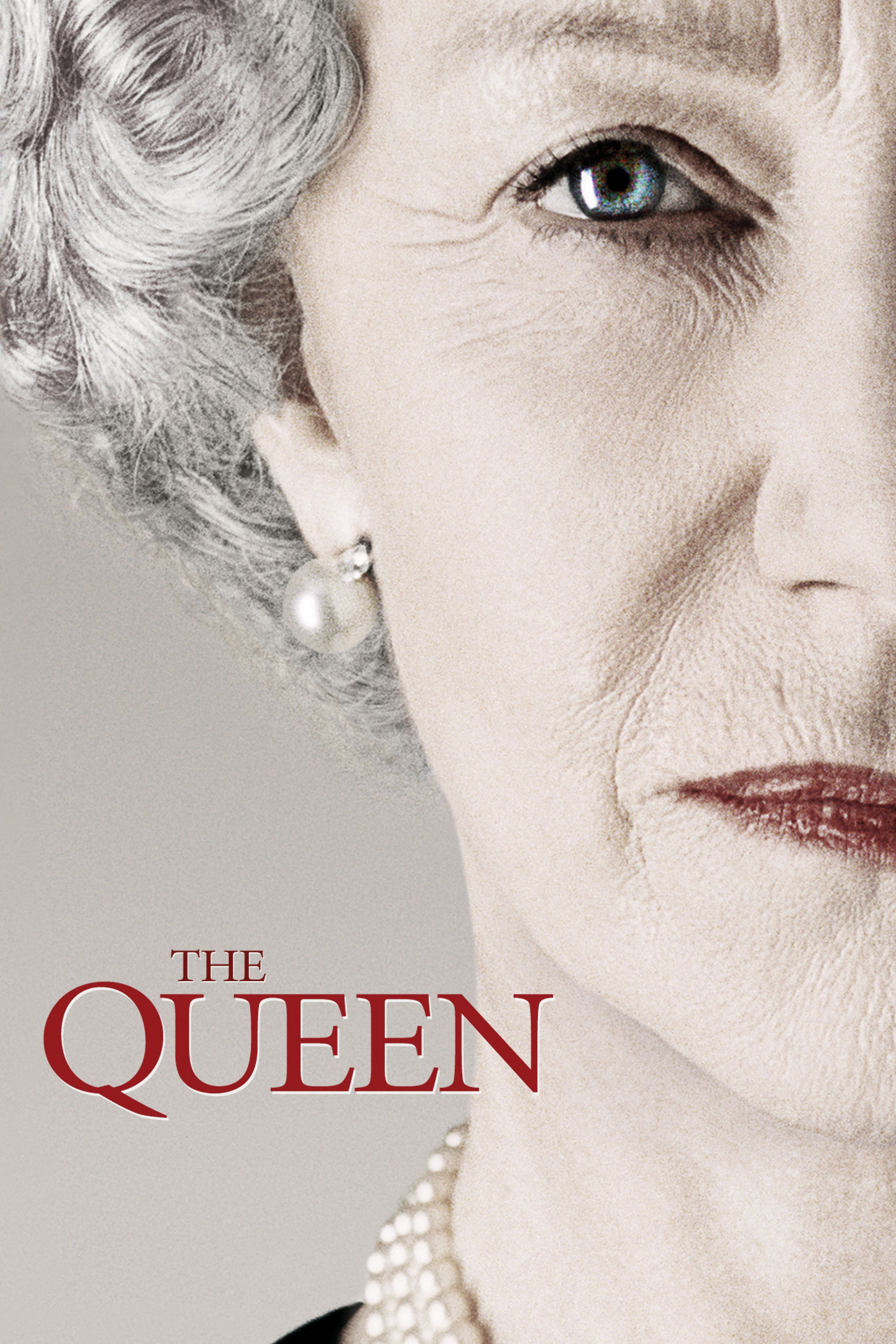
The Queen poster84

The Queen

2006 · A tighter royal drama that finds tension in restraint and public expectation