Stephen Frears’s royal drama is funny, humane and worth seeing for Helen Mirren’s tightly controlled performance. Peter Morgan’s script sometimes makes the disagreement too tidy, but the struggle over duty and public feeling has real force.
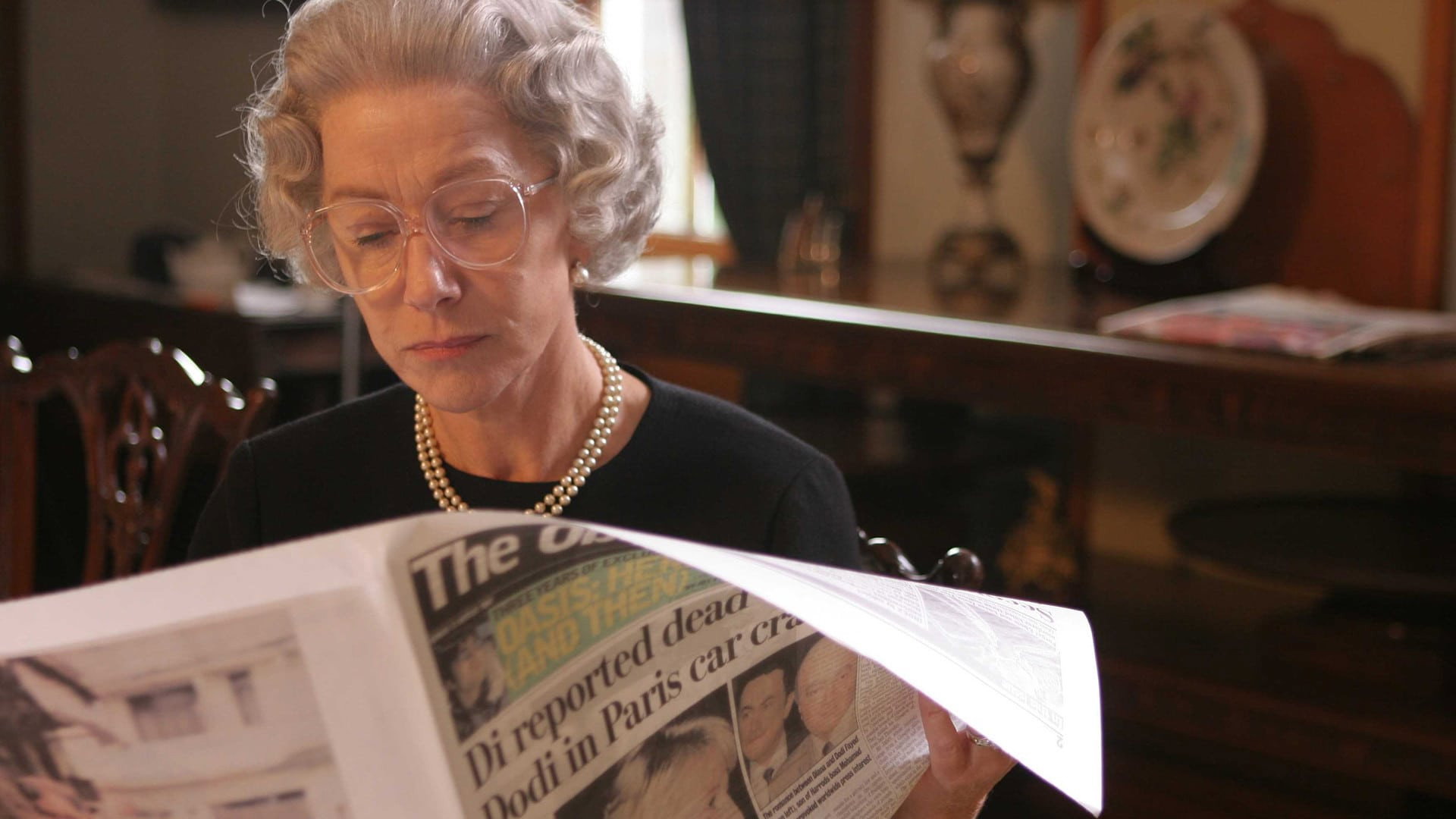
The Queen is a sharply acted, quietly moving account of the monarchy’s response to Diana’s death, with a script that occasionally makes a complicated disagreement look too easy to settle. Stephen Frears approaches the crisis through the practical problem of what the royal family should say and how it should behave. The Queen believes restraint is part of her duty. Tony Blair understands that the public wants visible sympathy, and Peter Morgan’s screenplay gives their disagreement the pace and humour of people trying to get a difficult job done.
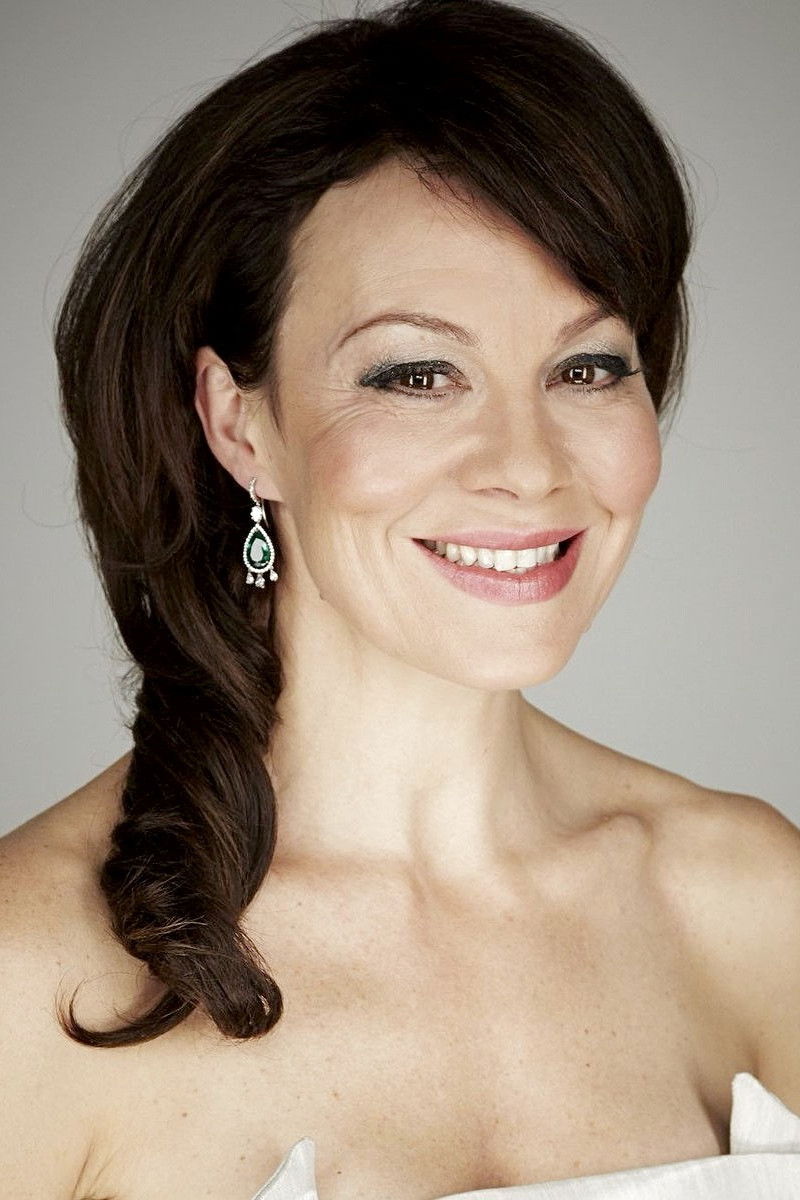
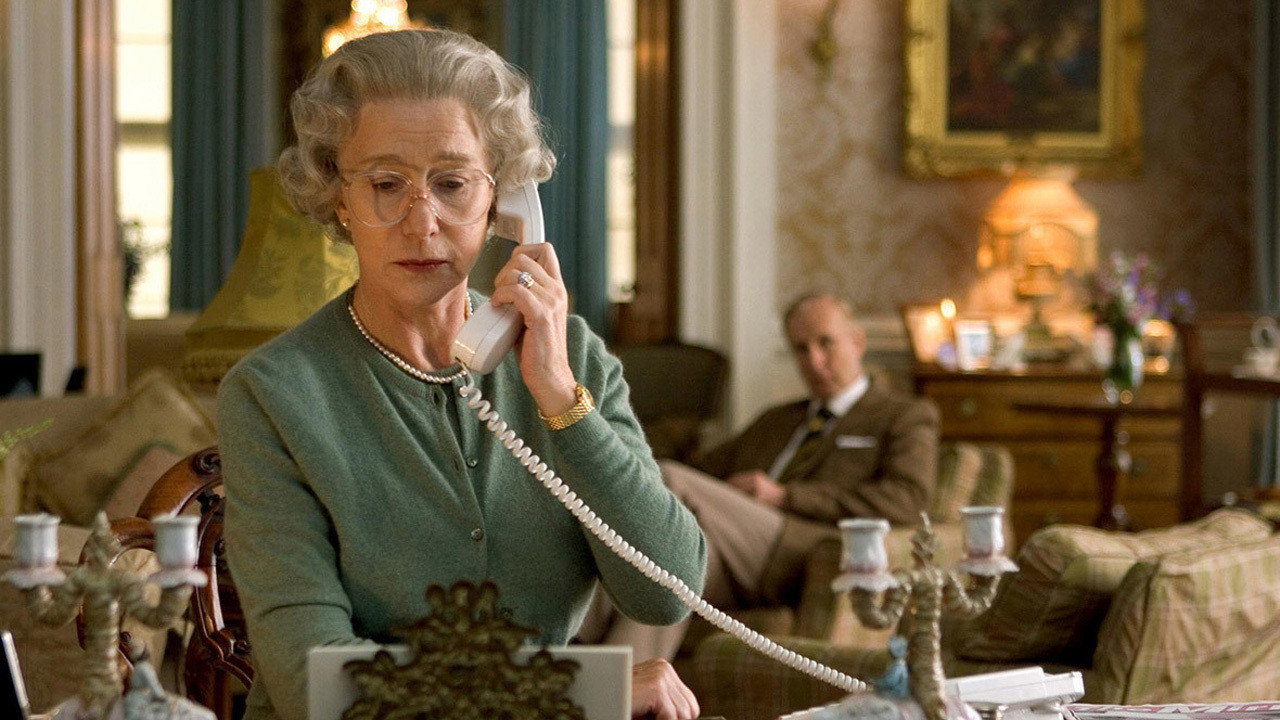
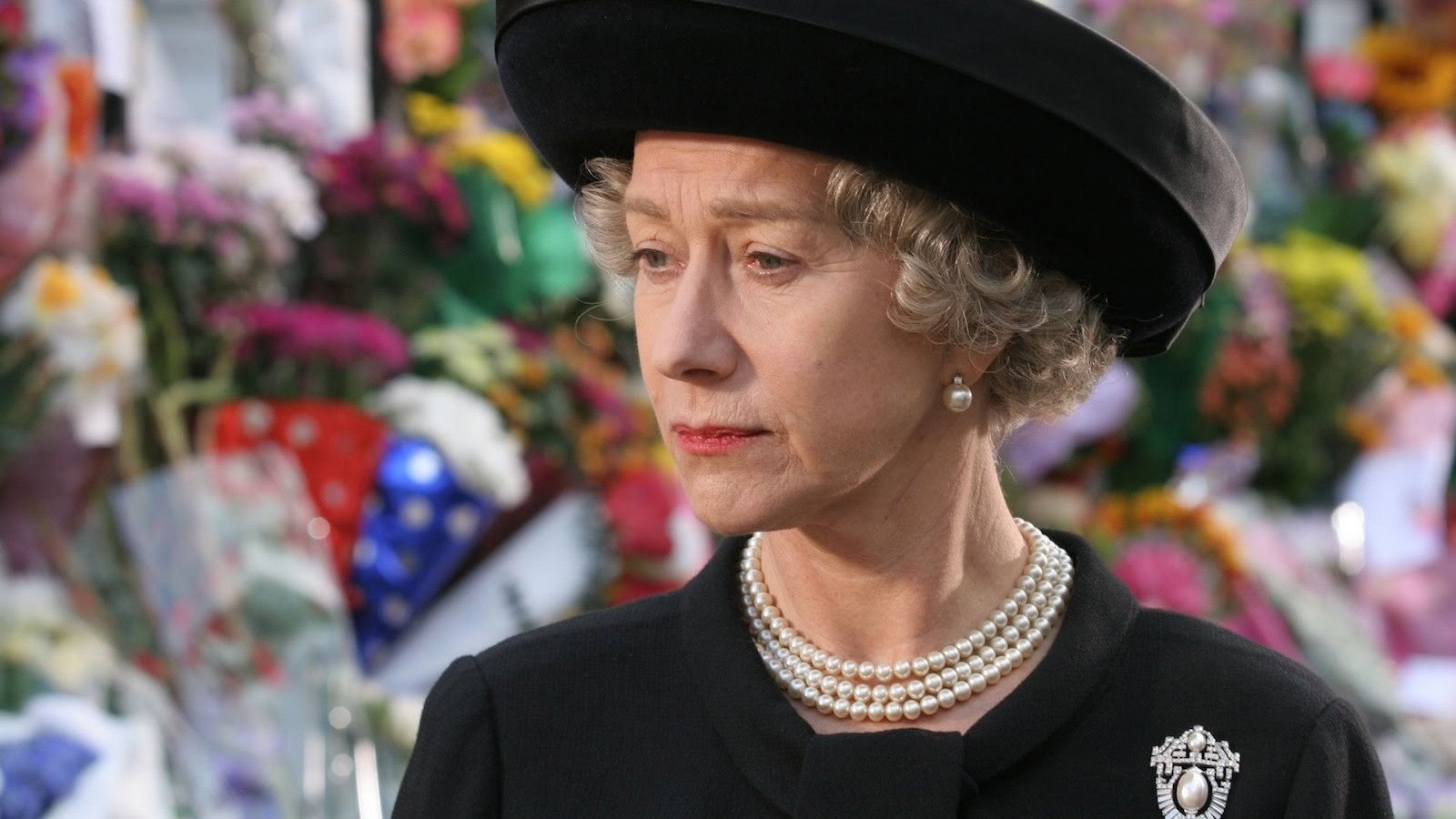
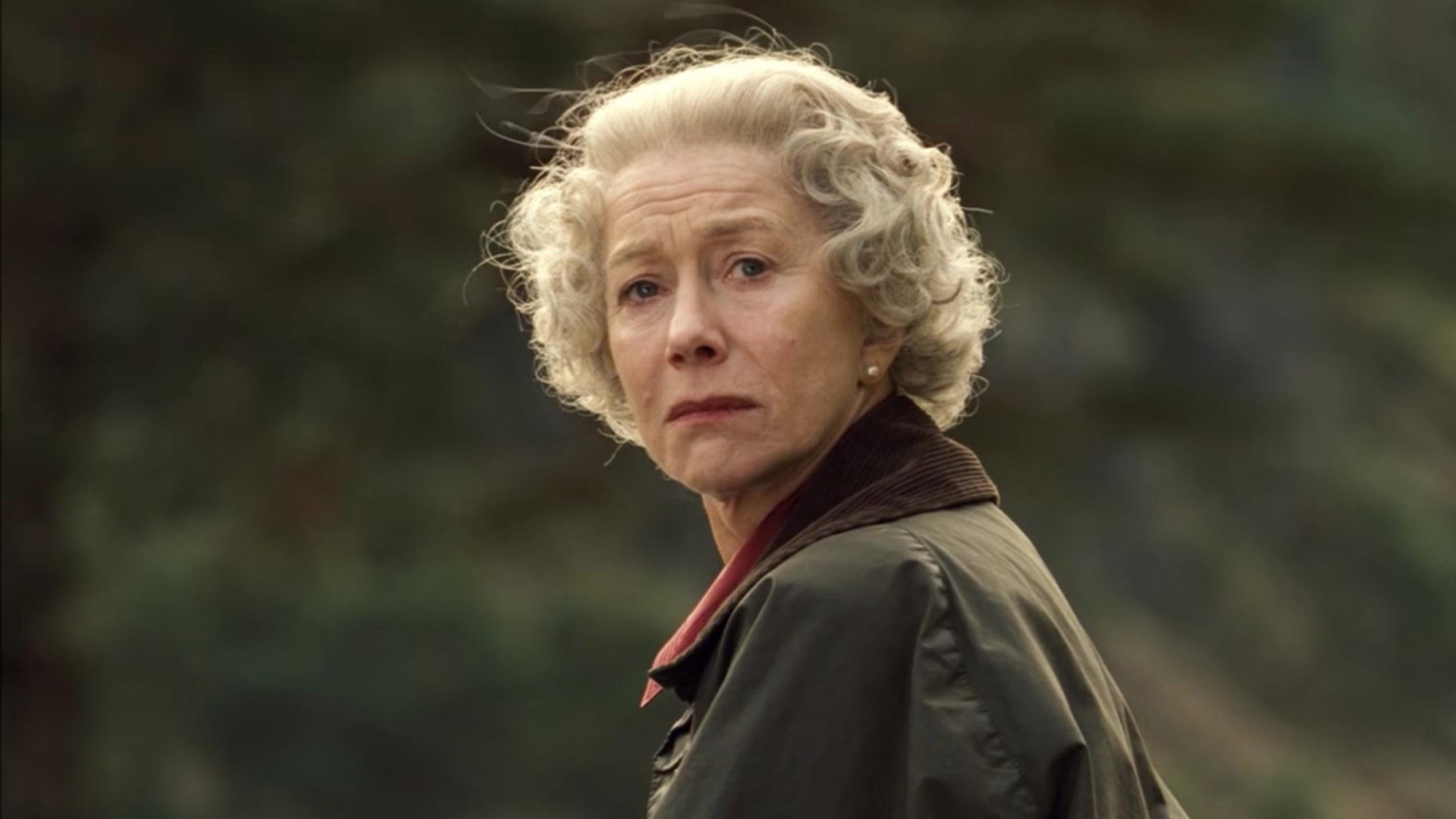
Helen Mirren makes the Queen’s certainty convincing without making it comfortable. Her performance depends on small adjustments of expression and how firmly she keeps her feelings to herself. We felt an unexpected sympathy for her, because Mirren makes emotional restraint seem like a duty she cannot simply put aside. That does not excuse the royal response, and Frears is careful not to demand that it should. It lets us understand why a change of manner might feel to this woman like abandoning a responsibility.
Michael Sheen’s Blair brings a brisk, persuasive energy to their disagreement, and the pairing gives the film much of its pleasure. He catches a politician’s appetite for the right response, including the satisfaction of recognising it before anybody else does. Morgan gives Blair such a secure grasp of the public mood that the contest can feel weighted in his favour. Sheen keeps him engaging, but we wanted the screenplay to question his confidence as closely as it examines the Queen’s.
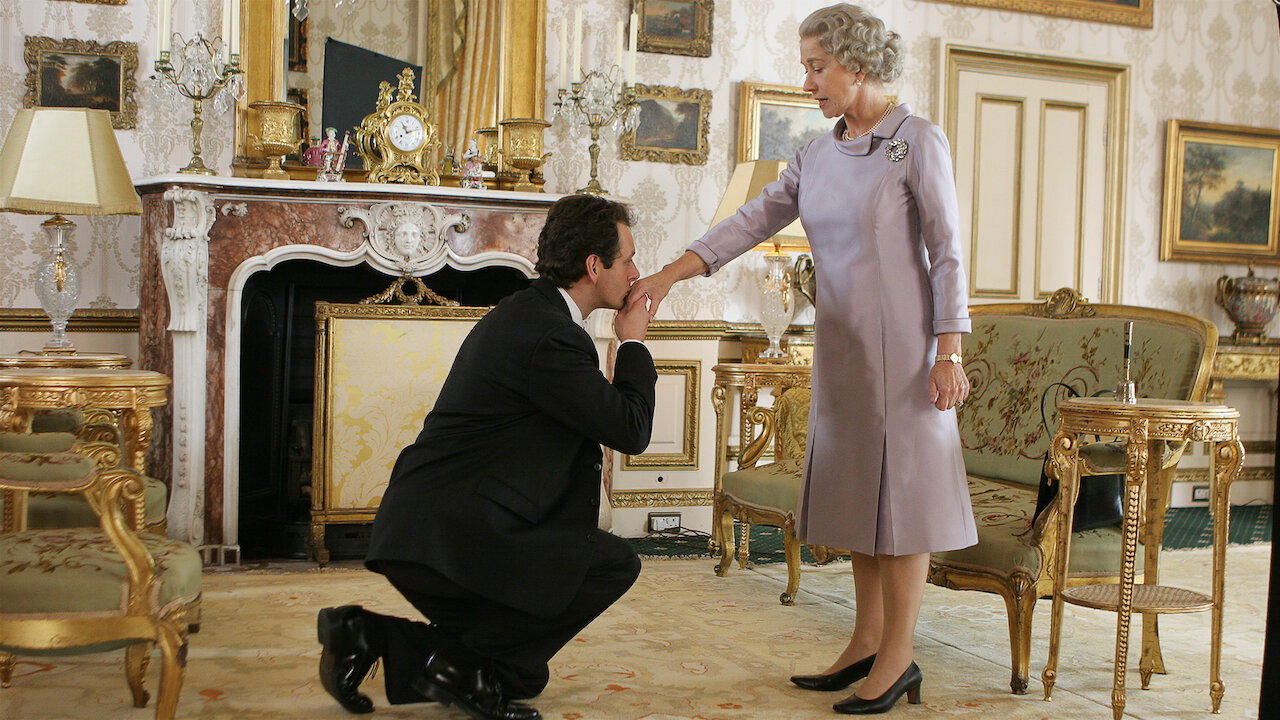
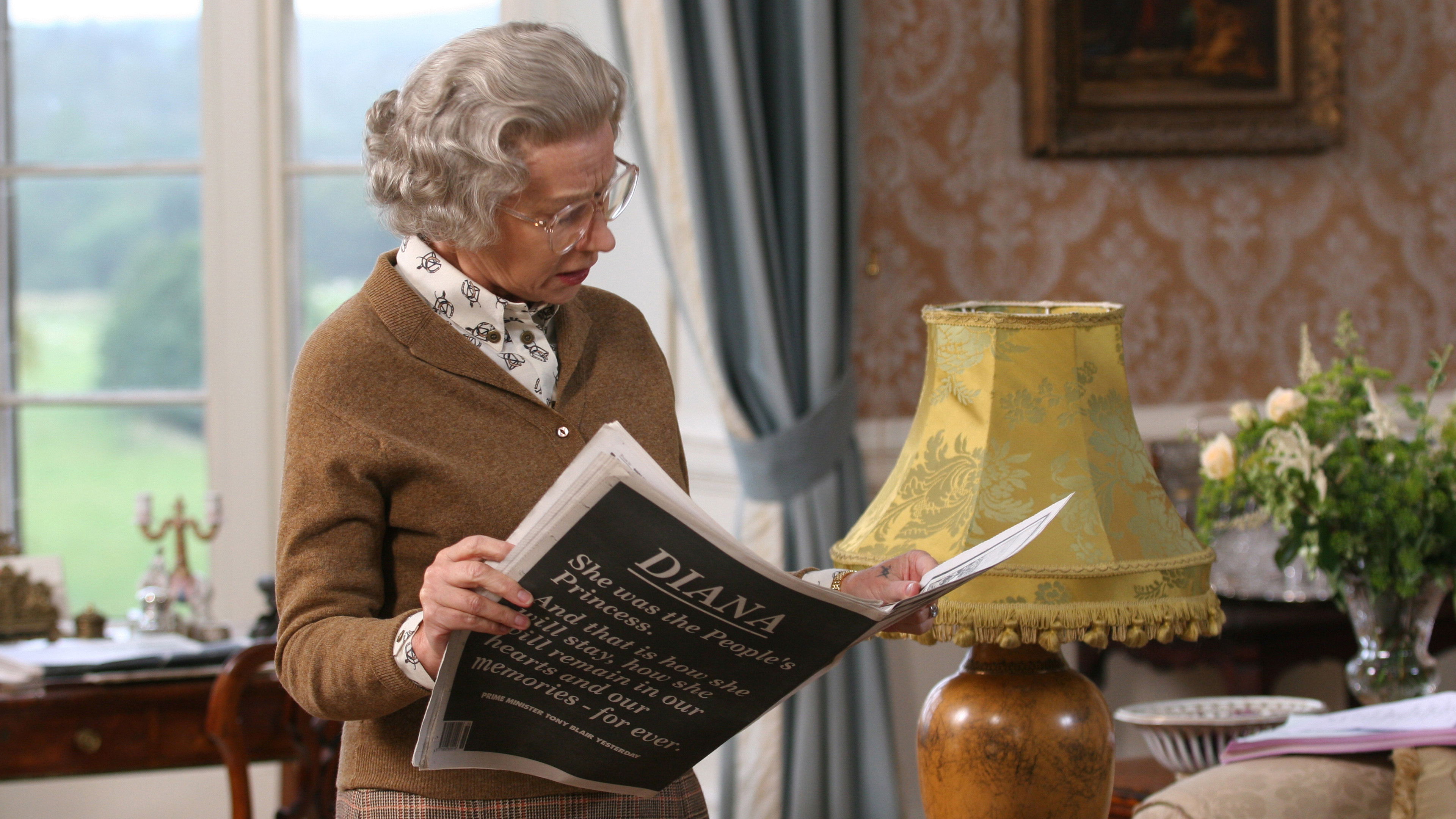
Affonso Beato’s composed photography suits the royal reluctance to make a spectacle of private feeling. Alan MacDonald’s production design makes the domestic differences between the two households useful to the comedy: these people disagree about how ordinary life should be conducted before they even reach public policy. Frears gets humour from those arrangements without treating every royal habit as a joke. The surroundings help the actors establish behaviour, rather than merely reassure us that the period has been reproduced.
Lucia Zucchetti’s editing cuts between news footage and dramatised discussions, keeping the public’s demands close to the private attempts to answer them. The shifts maintain pressure without making the acted scenes feel like illustrations for a news report. Alexandre Desplat’s score is most welcome when it supports the dry comedy of these negotiations. It is less necessary when the film asks for sympathy, because Mirren has already done the work.
The limitation is Morgan’s fondness for giving the disagreement a neat shape. A well-placed joke can finish an exchange before either side has had to think much harder, and the surrounding characters sometimes seem present to supply a predictable attitude. For a historical drama about a national institution, the film asks surprisingly little about the basis of its authority. Frears has chosen to concentrate on conduct during a crisis, and that narrower subject suits the performances.
At 103 minutes, it gives the central performances room without insisting that every supporting figure needs a separate story. There is pleasure in a film that trusts us to follow a disagreement conducted through manners, hesitation and the careful management of a public face. Watch it with someone whose view of the monarchy differs from yours; there should still be something to discuss when Mirren has finished.