George Clooney makes television journalism absorbing through precise storytelling and David Strathairn’s severe, attentive Murrow. We recommend it warmly, with one reservation: some of the people surrounding him scarcely get a life beyond their work.
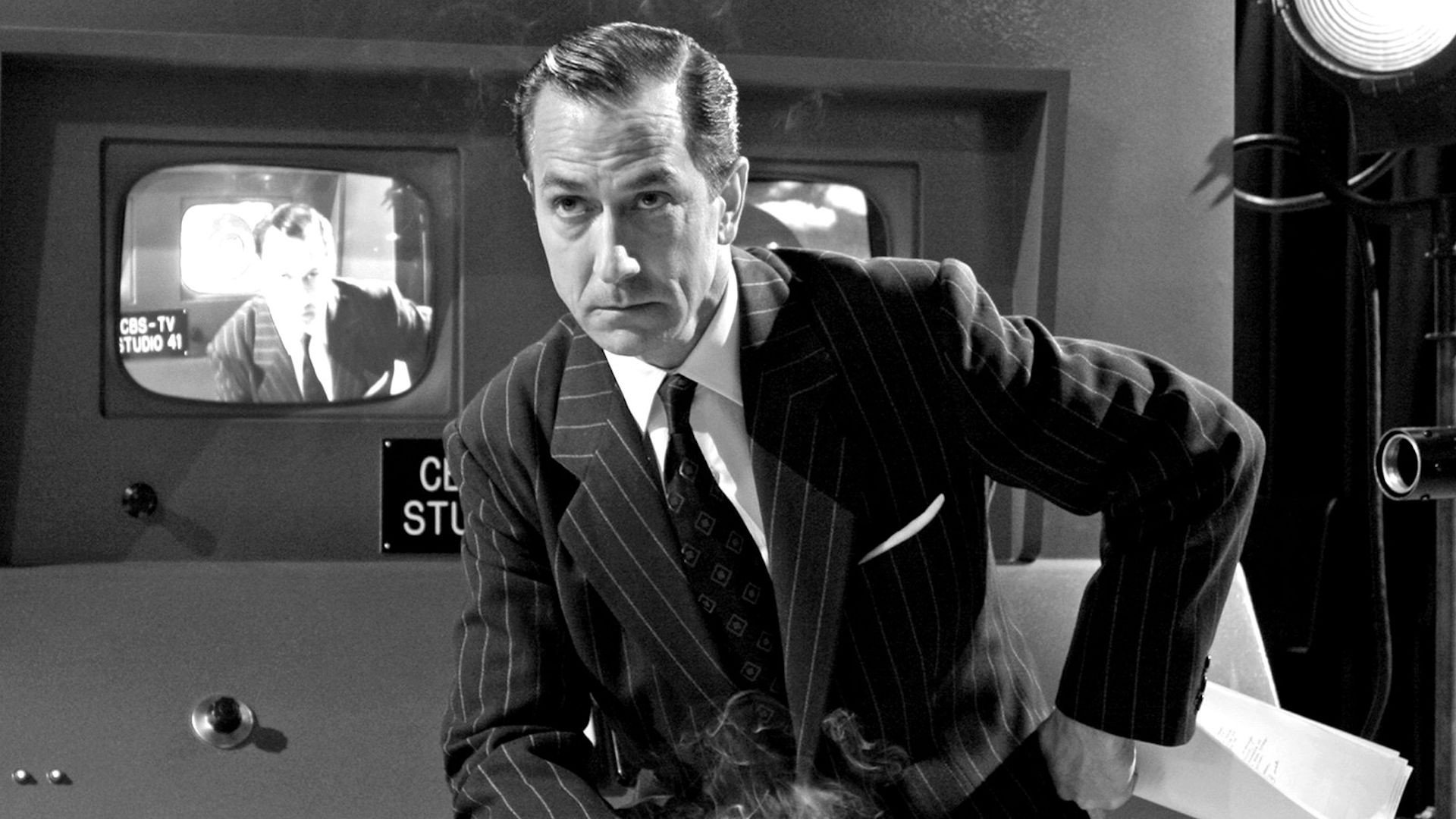
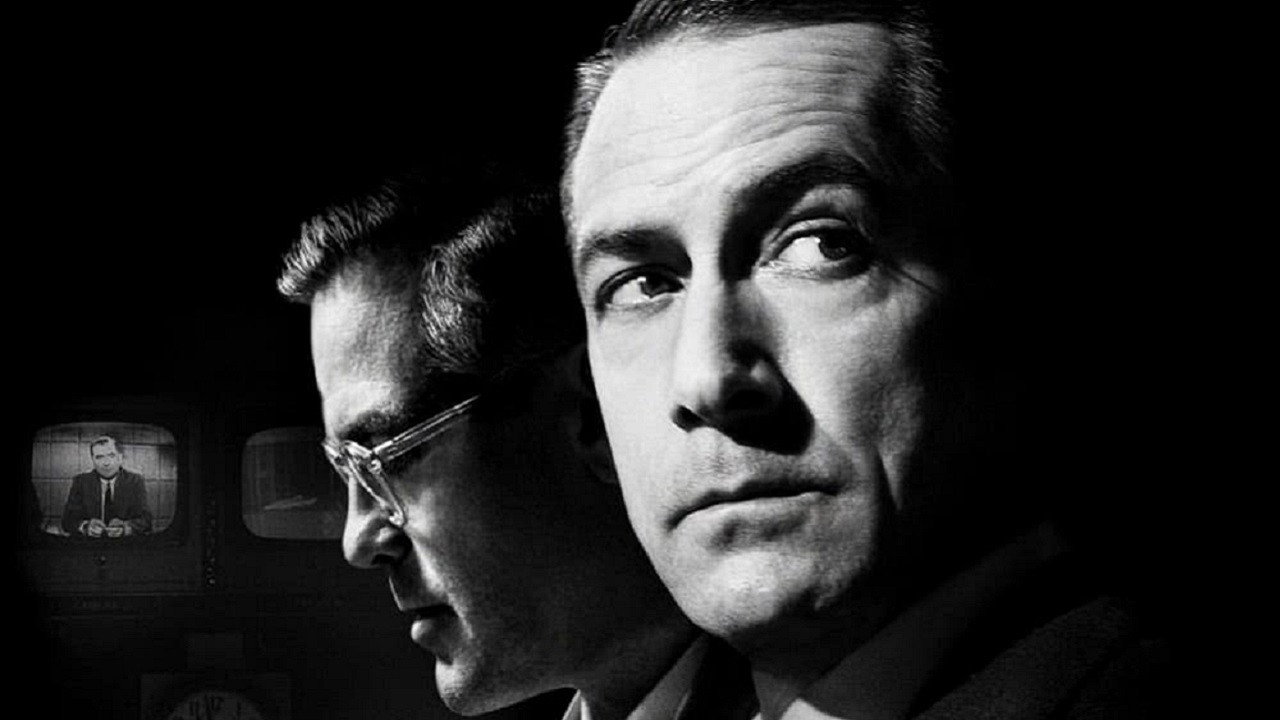
Good Night, and Good Luck. is a compact, absorbing drama about doing a public job properly when doing so becomes inconvenient to the people paying for it. George Clooney directs the confrontation between CBS journalist Edward R. Murrow and Senator Joseph McCarthy without pretending that speaking clearly is effortless. He gives the work enough attention to make it tense. The film admires Murrow openly, sometimes too openly, but its admiration rests on the reporting. The setting is 1950s television, and Murrow’s programme is See It Now.
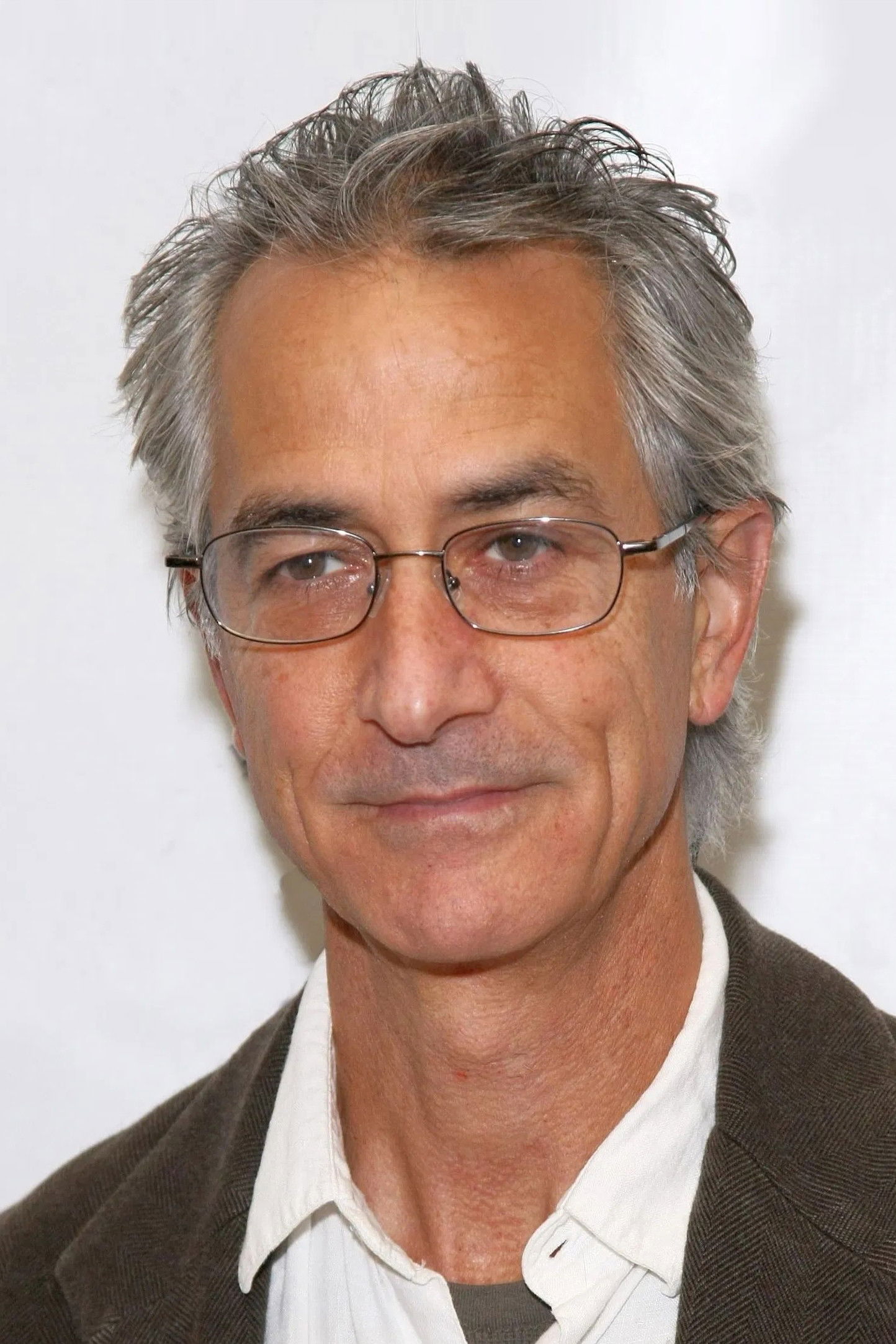
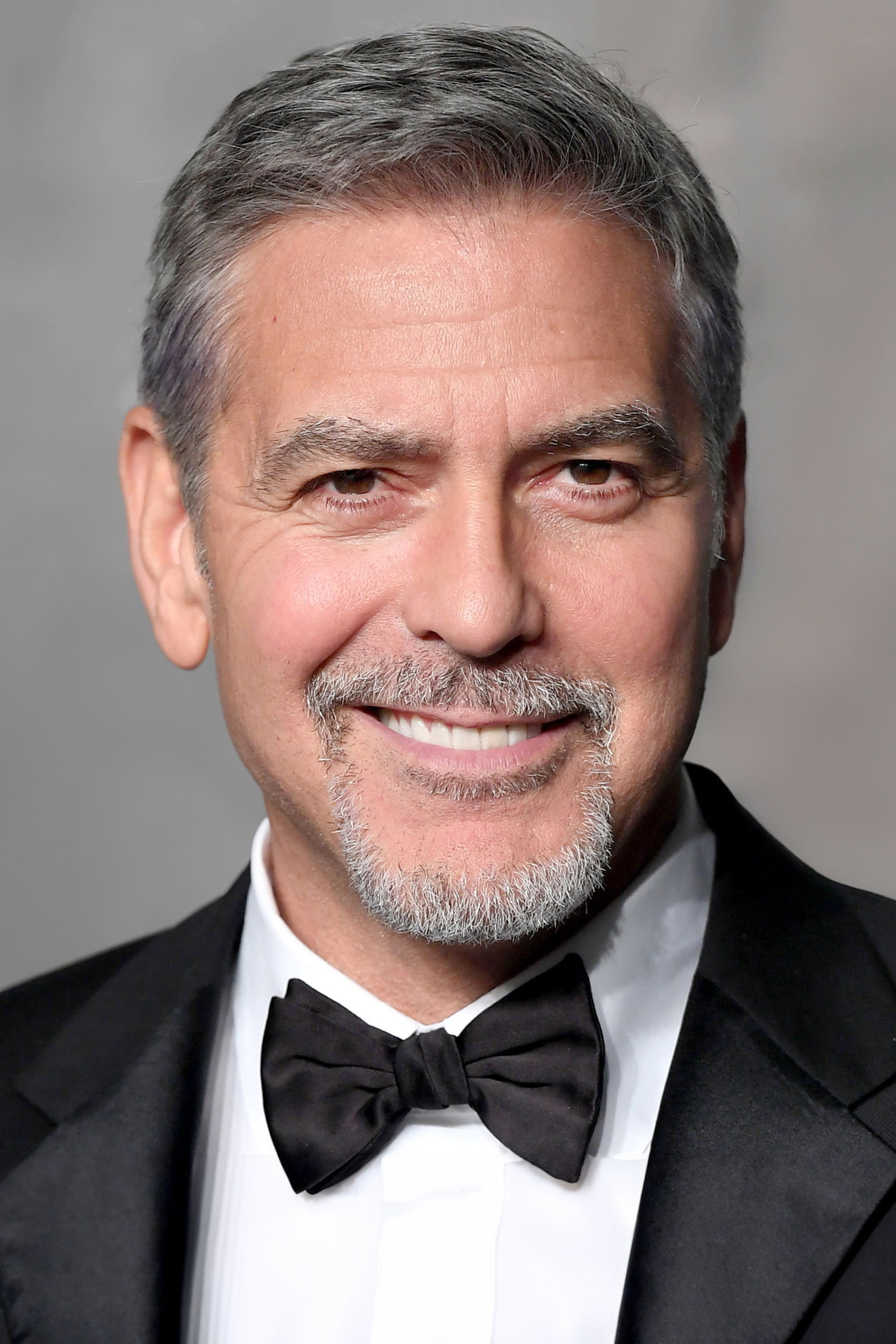
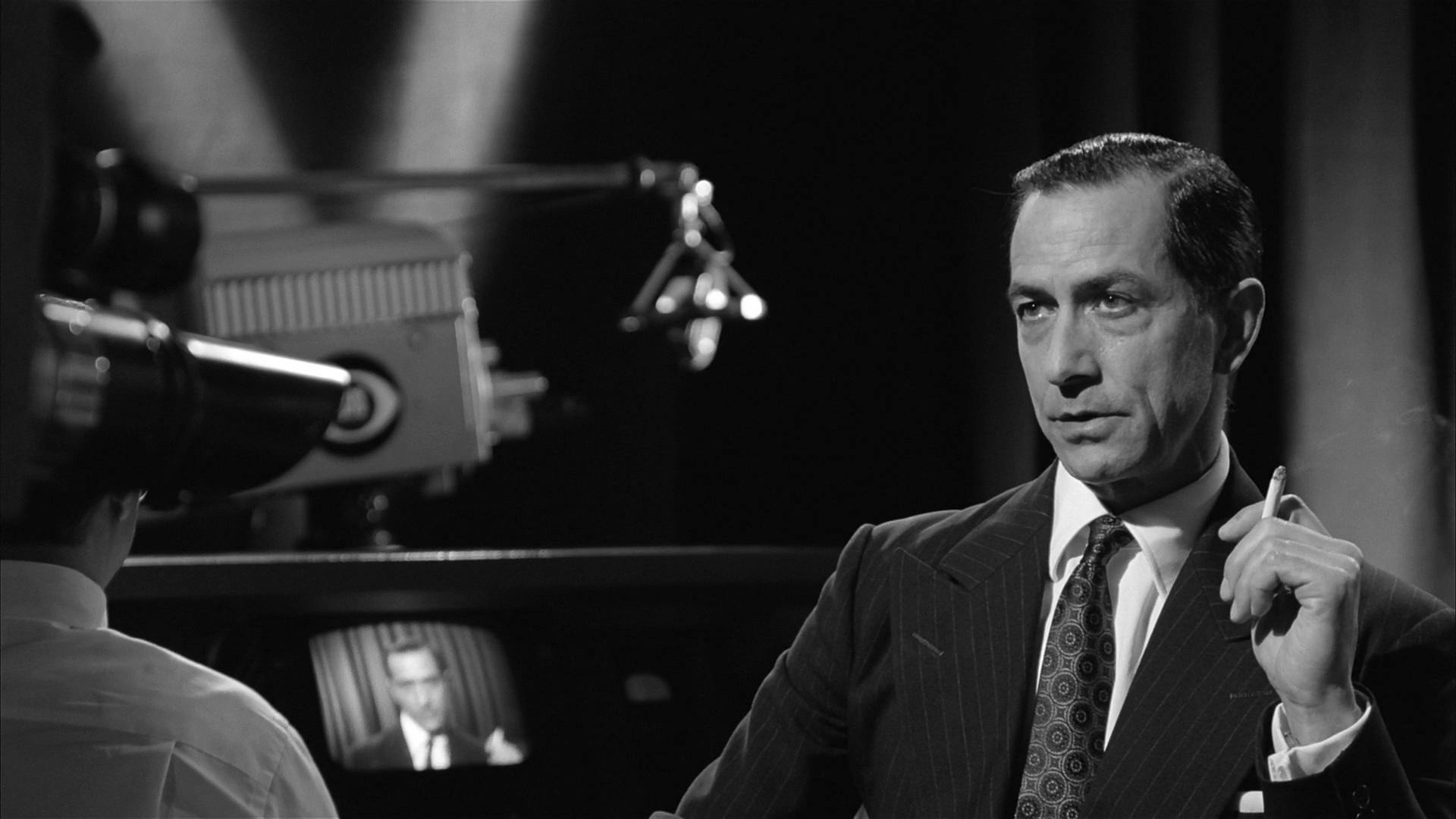
David Strathairn gives Murrow a severity that could easily become monotonous. It works because he makes careful distinctions within it, allowing the force of a statement to come through without turning every broadcast into a speech for the ages. We believe in his concentration, and in the effort required to sustain it under pressure. Clooney is suitably unobtrusive as Fred Friendly, giving the ensemble space. These people seem accustomed to working together.
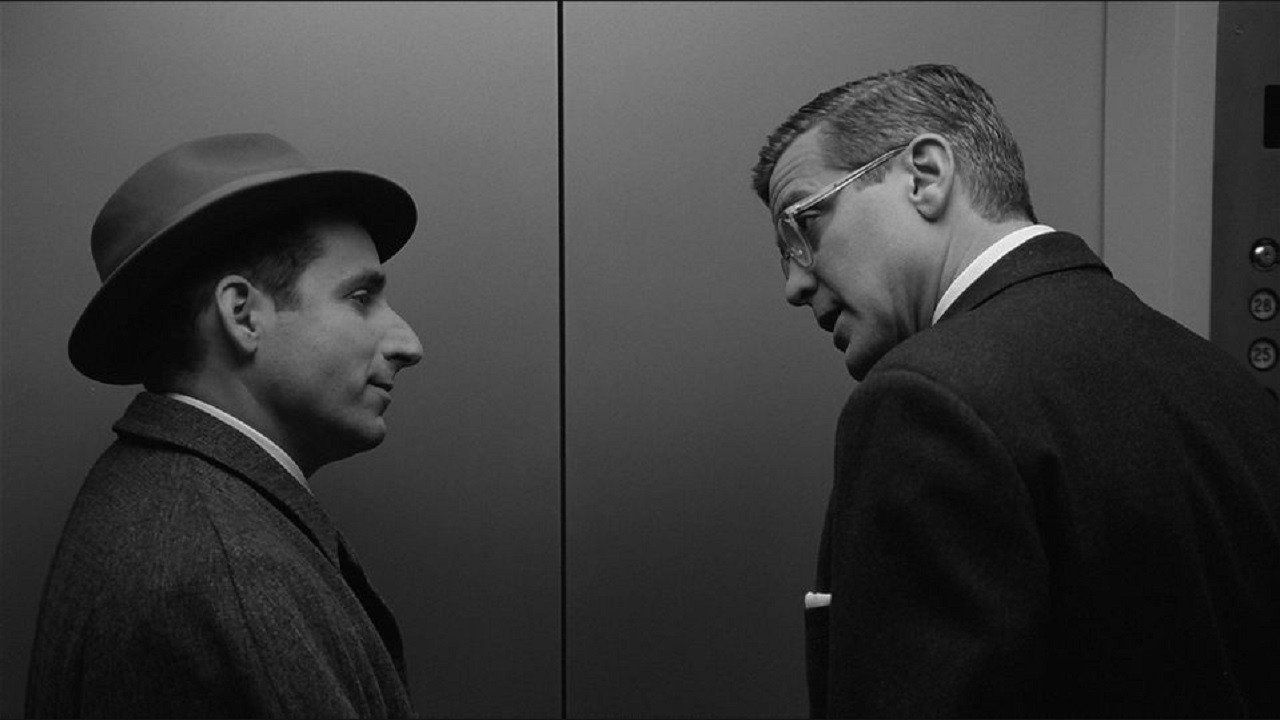
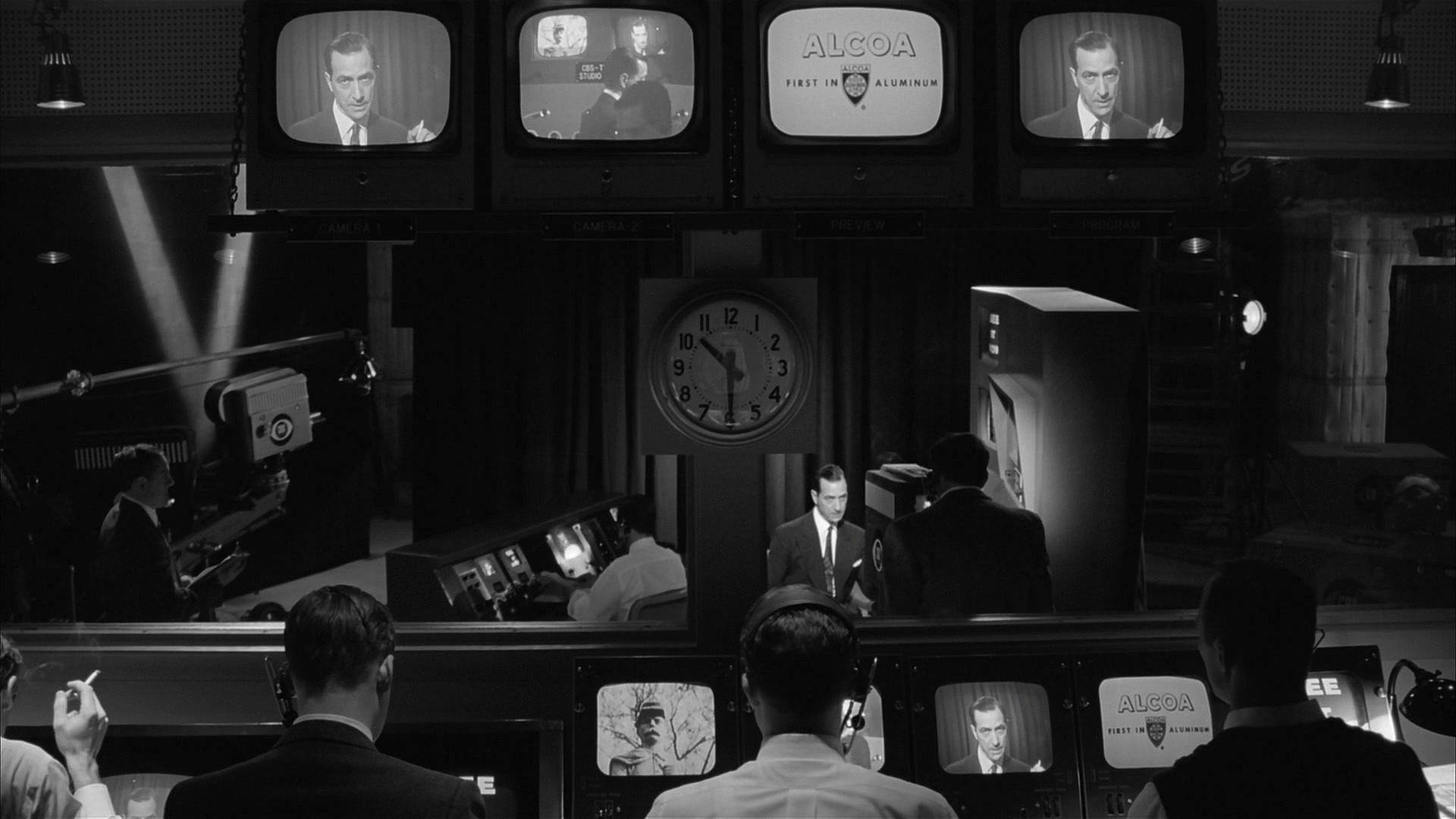
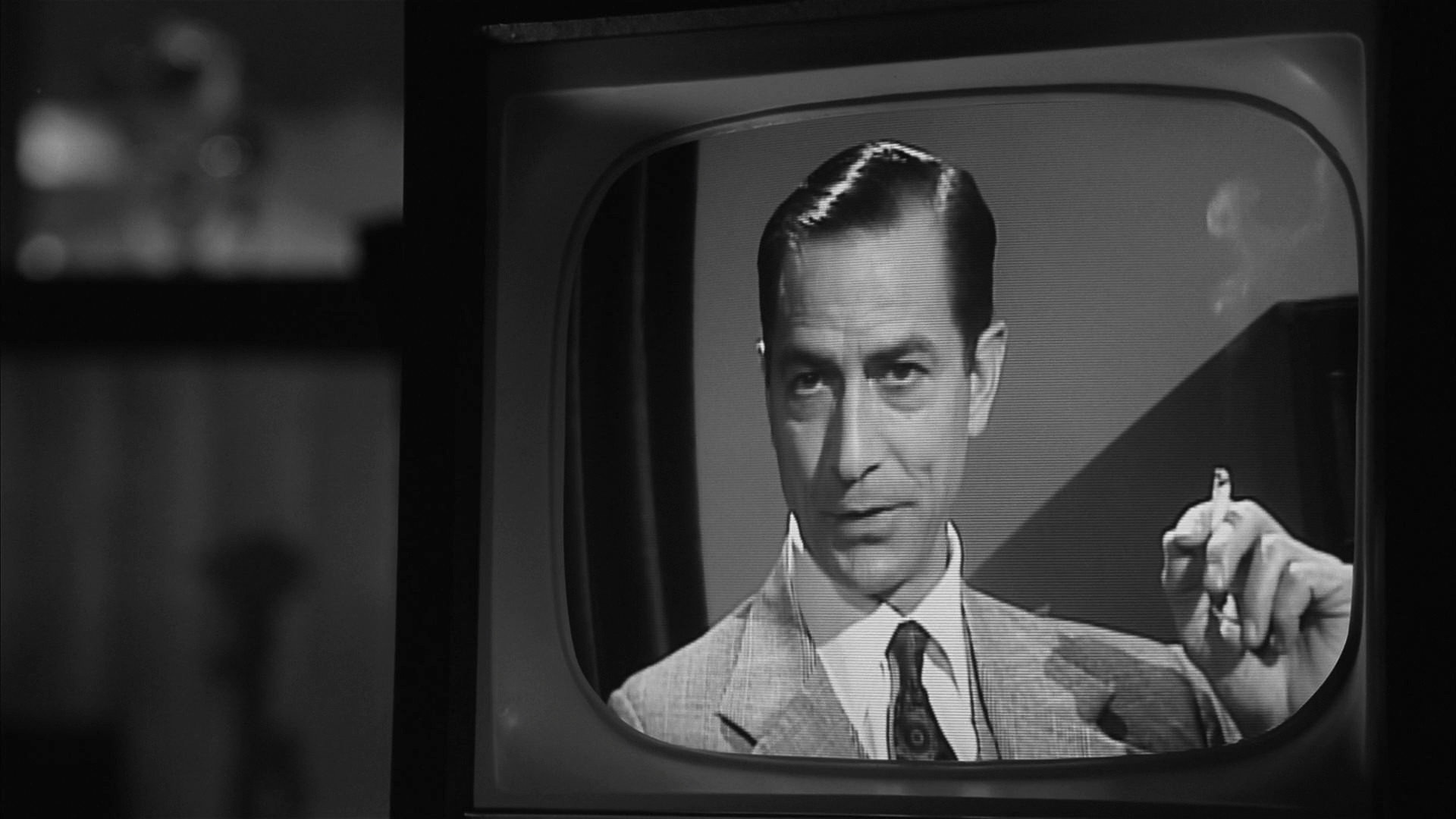
Robert Elswit’s black-and-white photography is crucial to the use of actual McCarthy footage. The archive material sits beside the recreated newsroom without a distracting change of appearance. We found the sight of McCarthy himself unexpectedly unsettling, because the man Murrow is challenging is suddenly there for us to scrutinise. Stephen Mirrione’s editing keeps the verbal exchanges brisk and comprehensible. The pace allows us to follow the reporting closely enough to understand the journalists’ choices.
James D. Bissell’s production design gives that newsroom the convincing atmosphere of a place where people have work to finish. It is an effective setting for an ensemble whose ease with one another matters. The jazz, with Jim Papoulis credited for music, offers welcome relief from the concentrated talk, although its warmth makes the film’s affection for the period unmistakable. Clooney likes this workplace, and the care taken over its recreation occasionally encourages us to like it a little too easily.
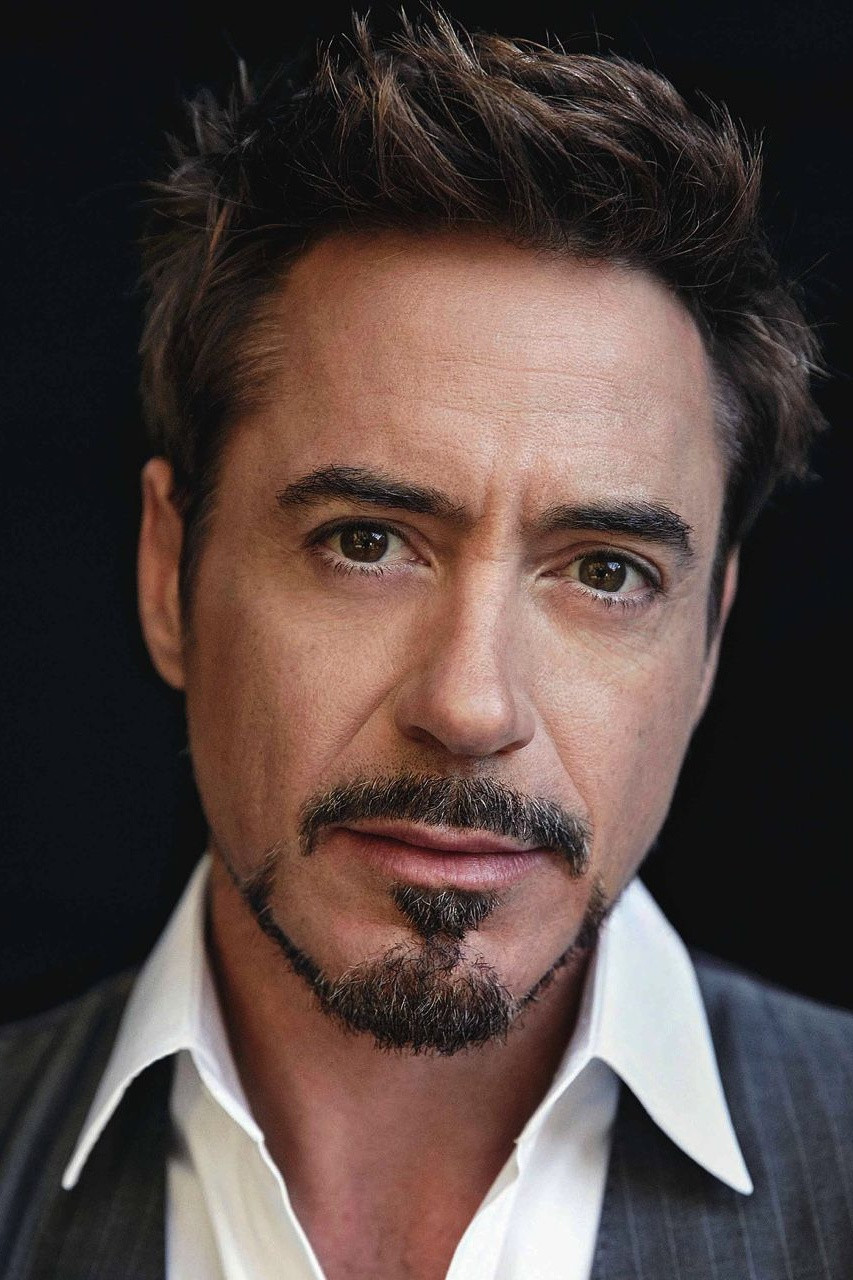
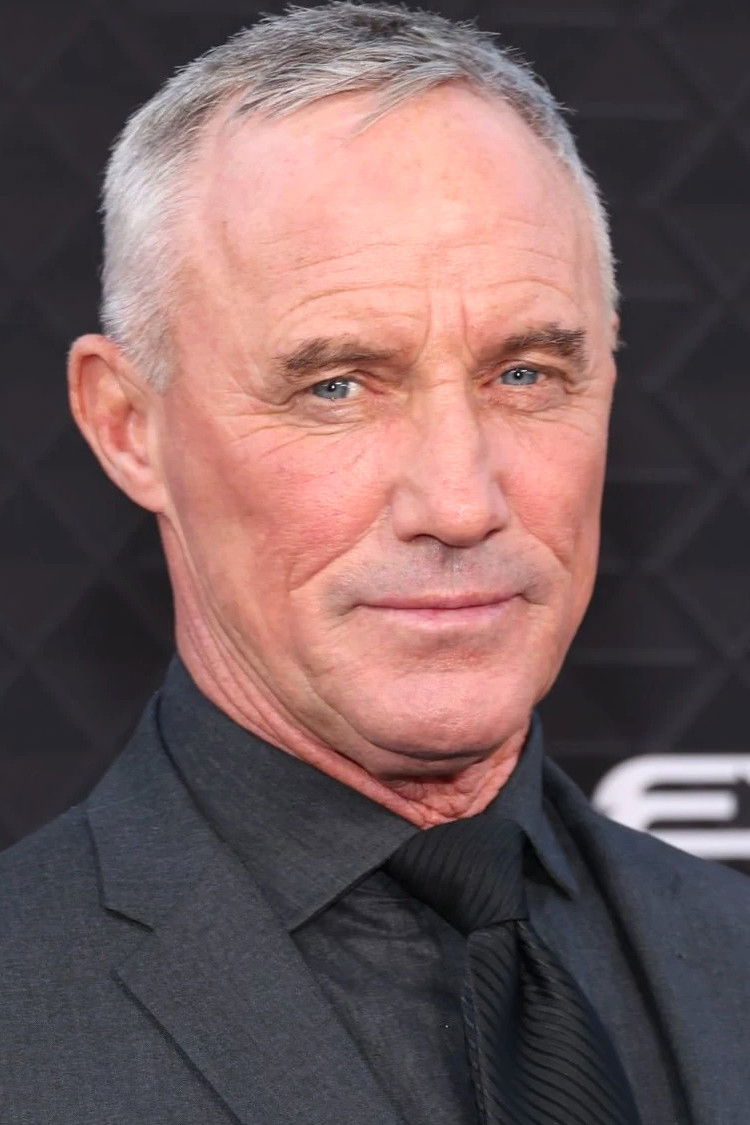
The limits are clearest among the supporting characters. Patricia Clarkson and Robert Downey Jr., as Shirley and Joe Wershba, have an ease that makes us want more time with them. Clooney and co-writer Grant Heslov leave several of Murrow’s colleagues defined by their place in his work. There is enough acting talent here to suggest lives the screenplay does not develop, and the occasional attempt to widen its attention feels too slight to satisfy that curiosity.
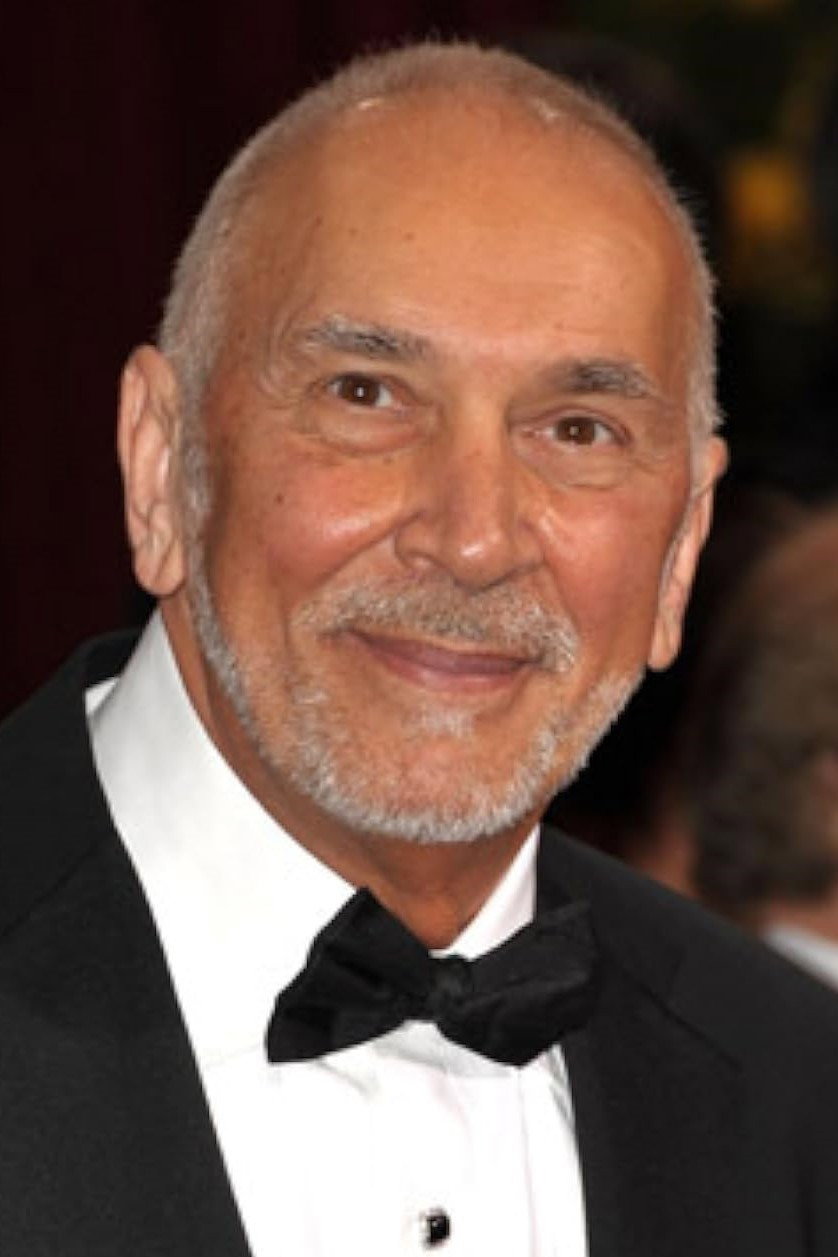
Frank Langella’s William Paley is the useful exception. As the network president, he gives commercial pressure a credible human presence, and the film becomes more interesting when the business of broadcasting intrudes on the journalists’ sense of duty. Langella does not need to make Paley monstrous for us to understand the difficulty. His performance complicates a screenplay that generally leaves little doubt about whose side we should take, particularly when the journalists’ convictions meet the network’s commercial concerns.
As a political docudrama, it is unusually willing to make the wording of a broadcast the centre of our attention. That narrow focus will frustrate anyone wanting a fuller account of the people around Murrow, though a comprehensive biography would be a different film. Clooney keeps this one to 93 minutes, which is enough time to establish the stakes and make us care about the work. Save it for an evening when the conversation can wait.