Film review

The Insider

1999 · Directed by Michael Mann · 2h 38m · MPA R

In a sentenceRussell Crowe looks as though every honest answer has cost him a night’s sleep

DramaThriller

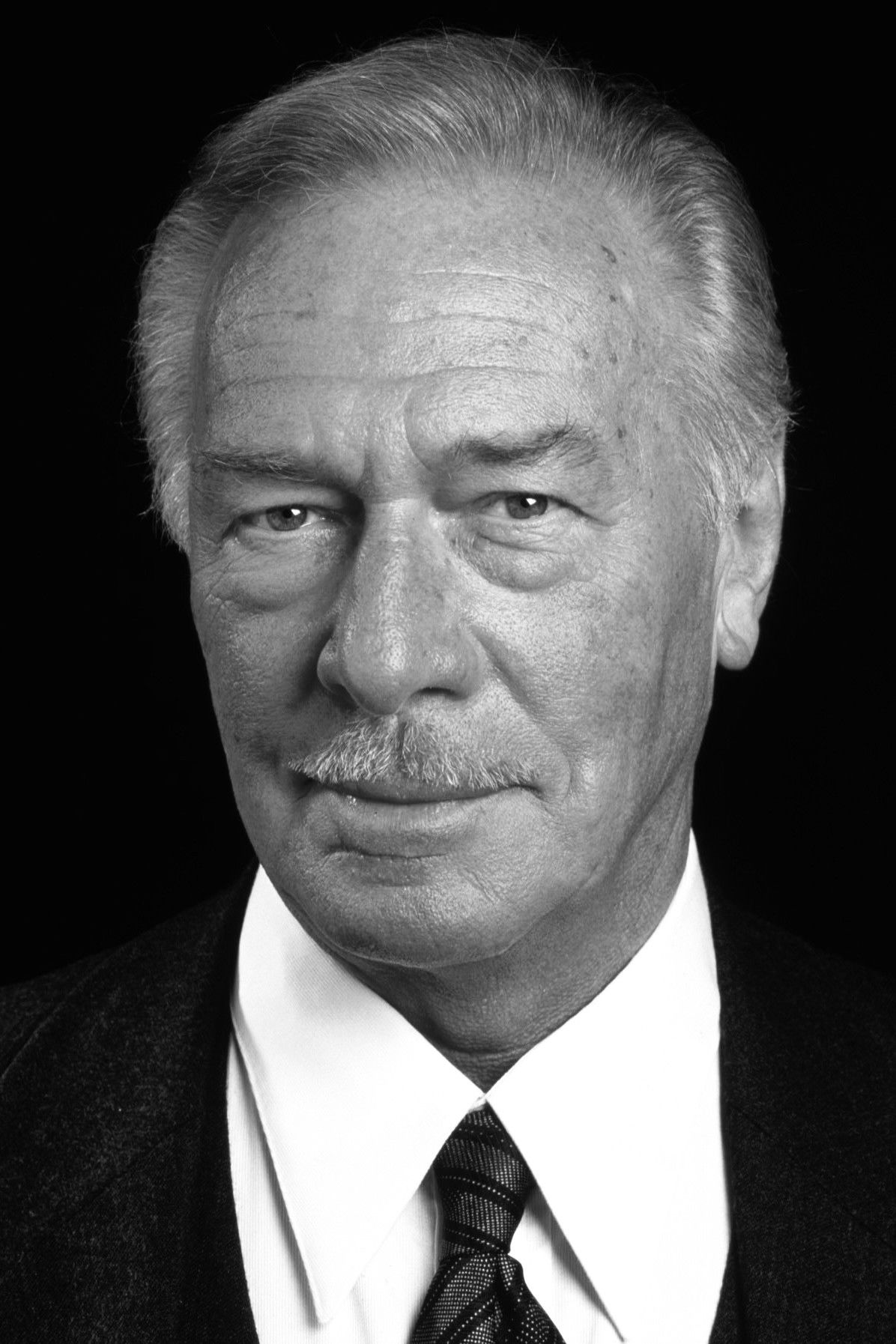
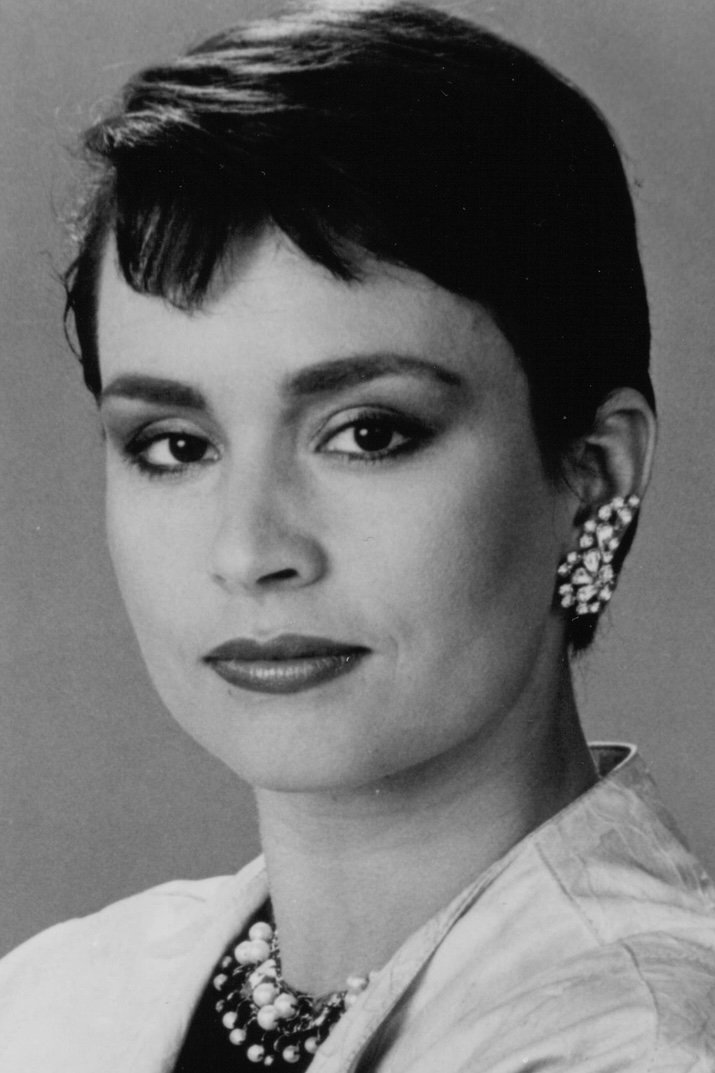
Jeffrey Wigand (Russell Crowe) is a tobacco scientist caught in a dispute over what the public is allowed to know. His decision to speak out brings pressure from corporate interests and raises questions about the responsibilities of the media. Al Pacino plays Lowell Bergman in a story that follows both the whistleblower and the people involved in bringing his account to public attention. Michael Mann directs this drama drawn from a real case, with Christopher Plummer as Mike Wallace and Diane Venora as Liane Wigand. The struggle extends beyond professional duties into the lives of those involved.

Fi1m review

Michael Mann’s tobacco whistleblower drama is gripping and deeply affecting, led by a difficult, vulnerable Russell Crowe. The women are underwritten and the solemnity occasionally excessive, but we recommend it warmly.

Michael Mann’s The Insider is a gripping film about the difficulty of getting powerful people to answer for what they do. It follows a tobacco whistleblower’s ordeal with a seriousness that is mostly earned, and takes care to make the man more than an exemplary victim. Russell Crowe’s Jeffrey Wigand gives the story its most troublesome and affecting presence, while Al Pacino’s Lowell Bergman carries its anger at compromise. Mann finds suspense in the work of making an unwelcome truth public.

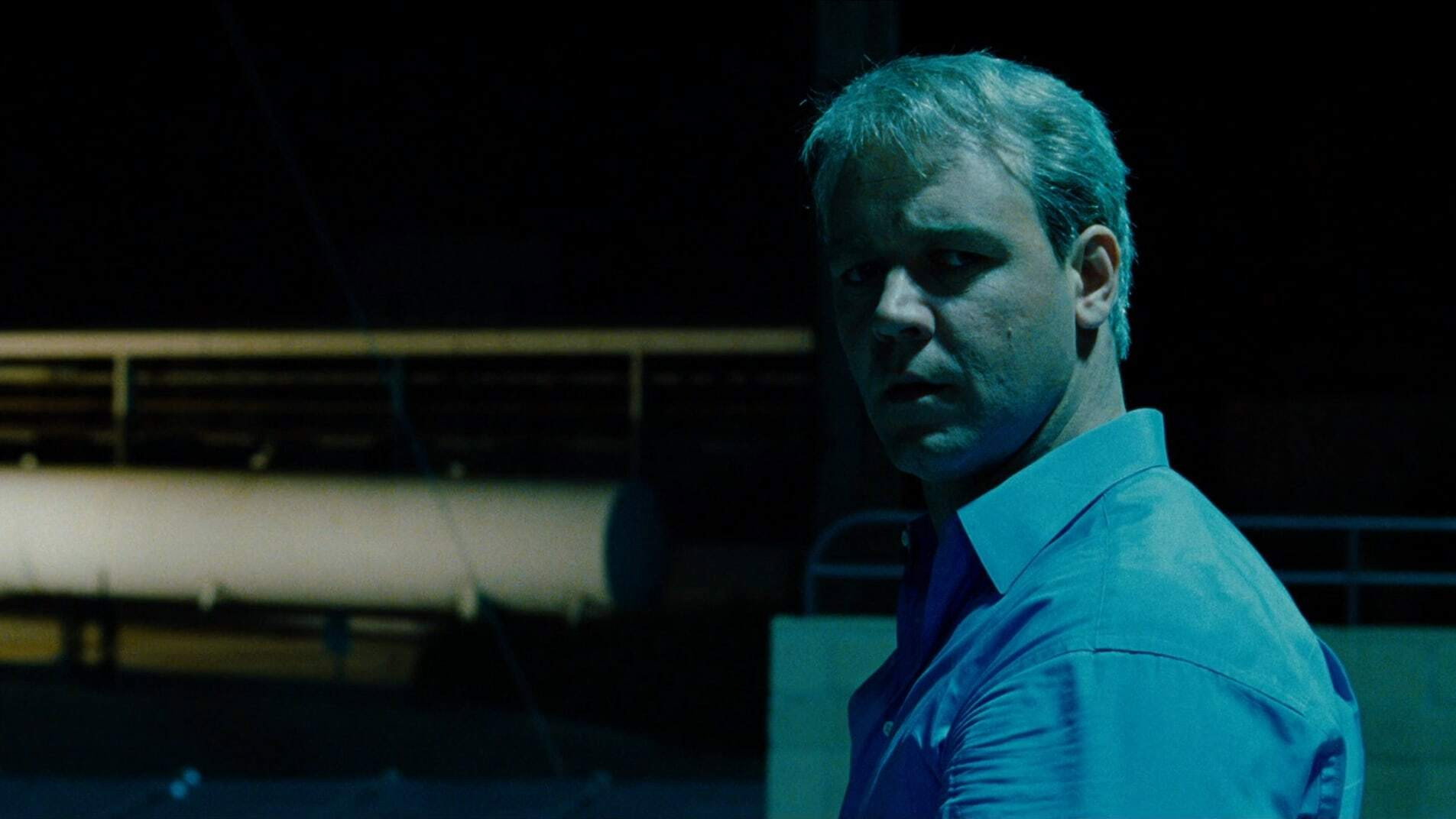
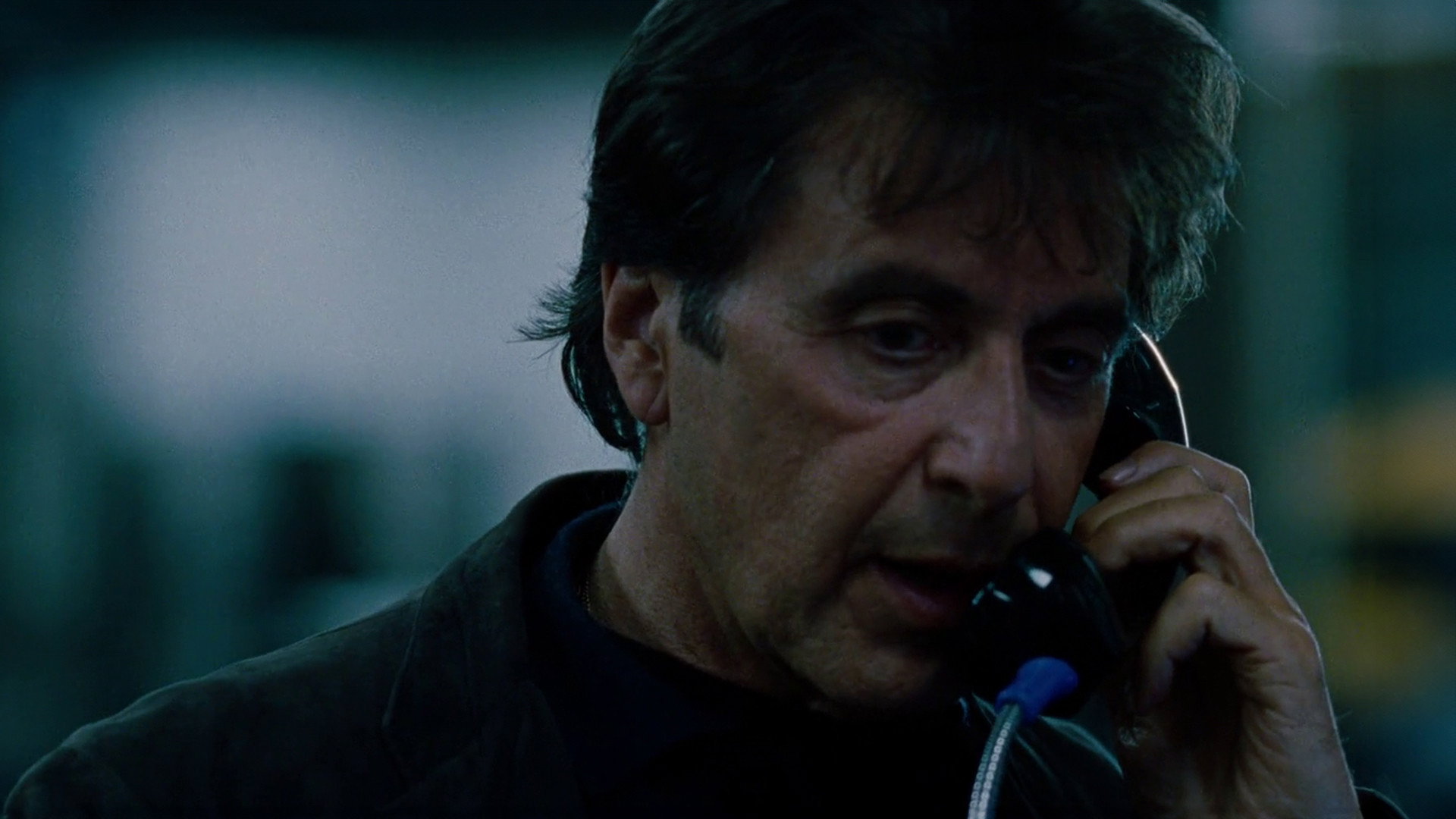
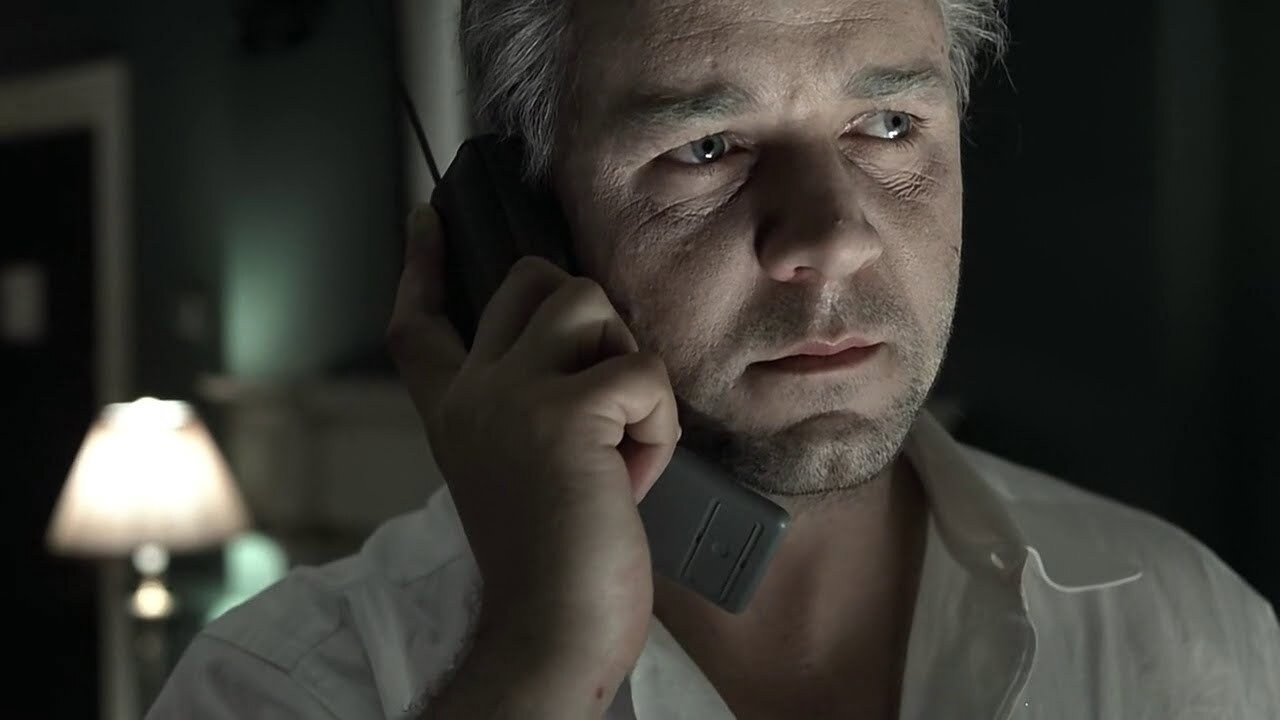
Crowe is the chief reason it works. He makes Wigand difficult company without giving us permission to dismiss him, and allows vulnerability to show through the awkwardness. We felt anxious watching him in the close-ups, because the strain in his face makes speaking honestly seem exhausting. We want him to be heard, but we also want someone to stop asking him to bear so much. Crowe makes the pressure on this particular man matter throughout the larger dispute.

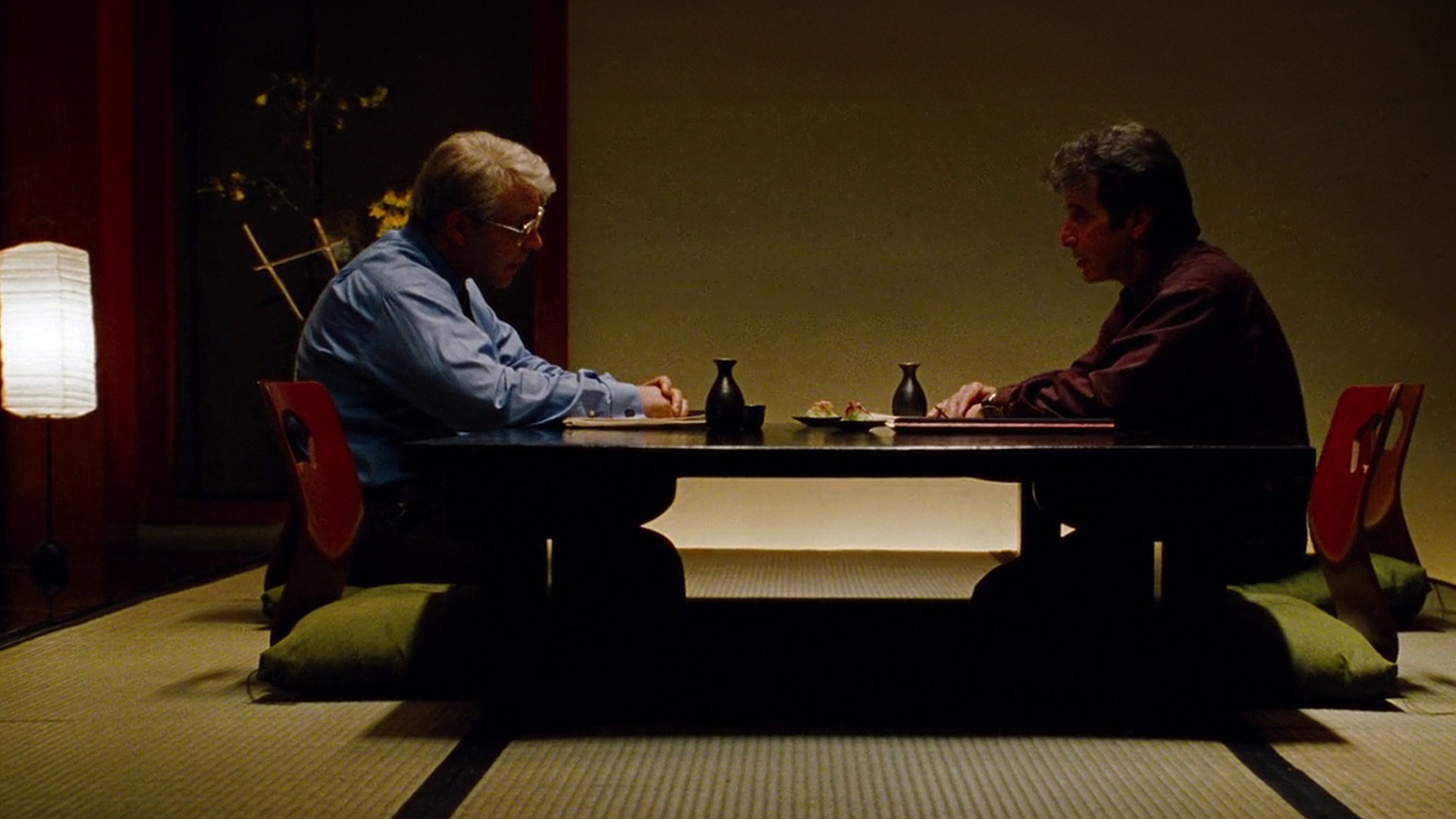
Dante Spinotti’s cinematography stays close enough to catch that strain, and his attention to everyday objects makes the surrounding world feel uncomfortable too. Brian Morris’s production design benefits from this scrutiny: the familiar surroundings keep corporate intimidation from seeming safely remote from daily life. The close framing works because the actors give us something worth watching; with less complicated performances, this much attention to faces would quickly become oppressive.

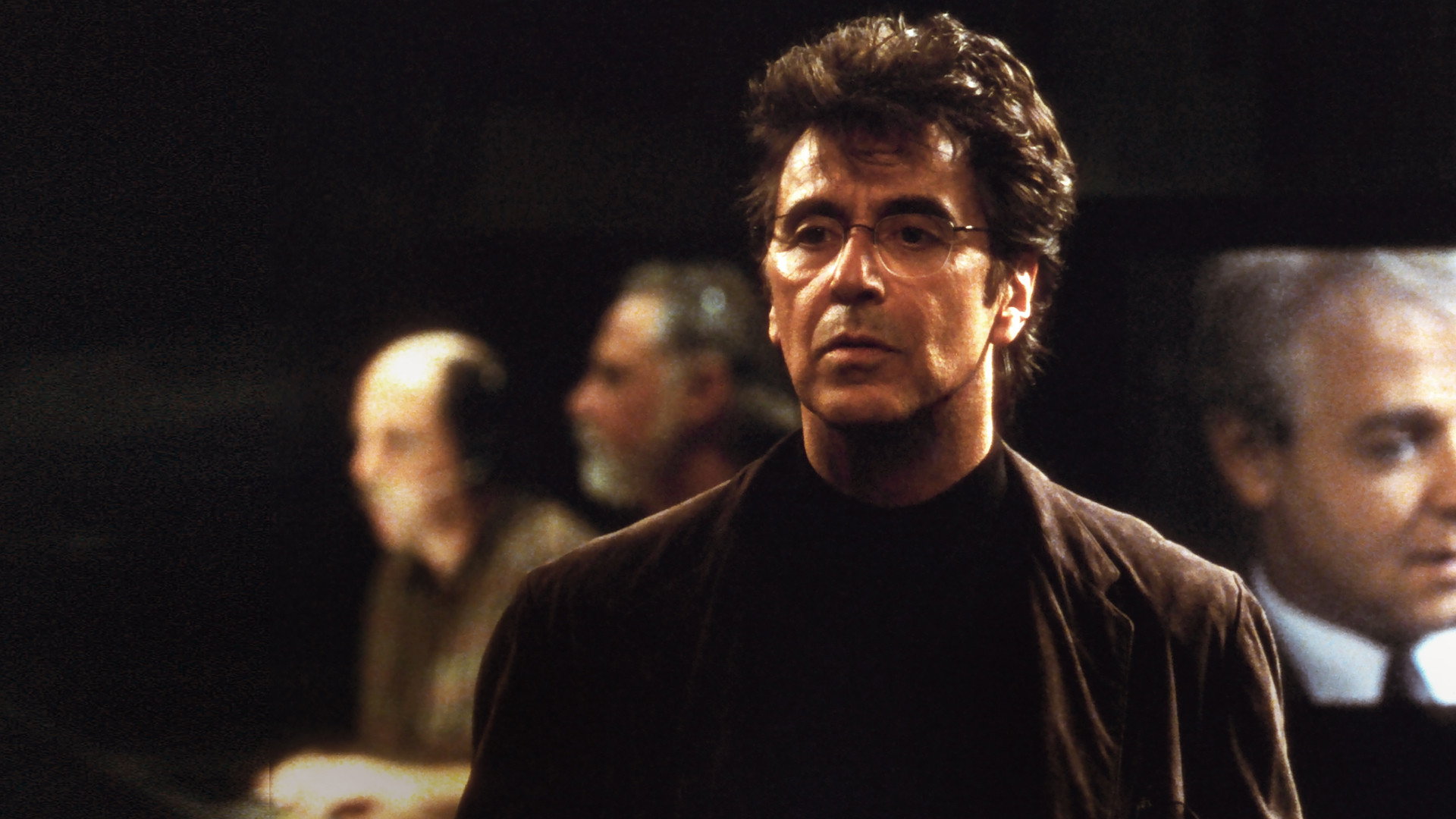
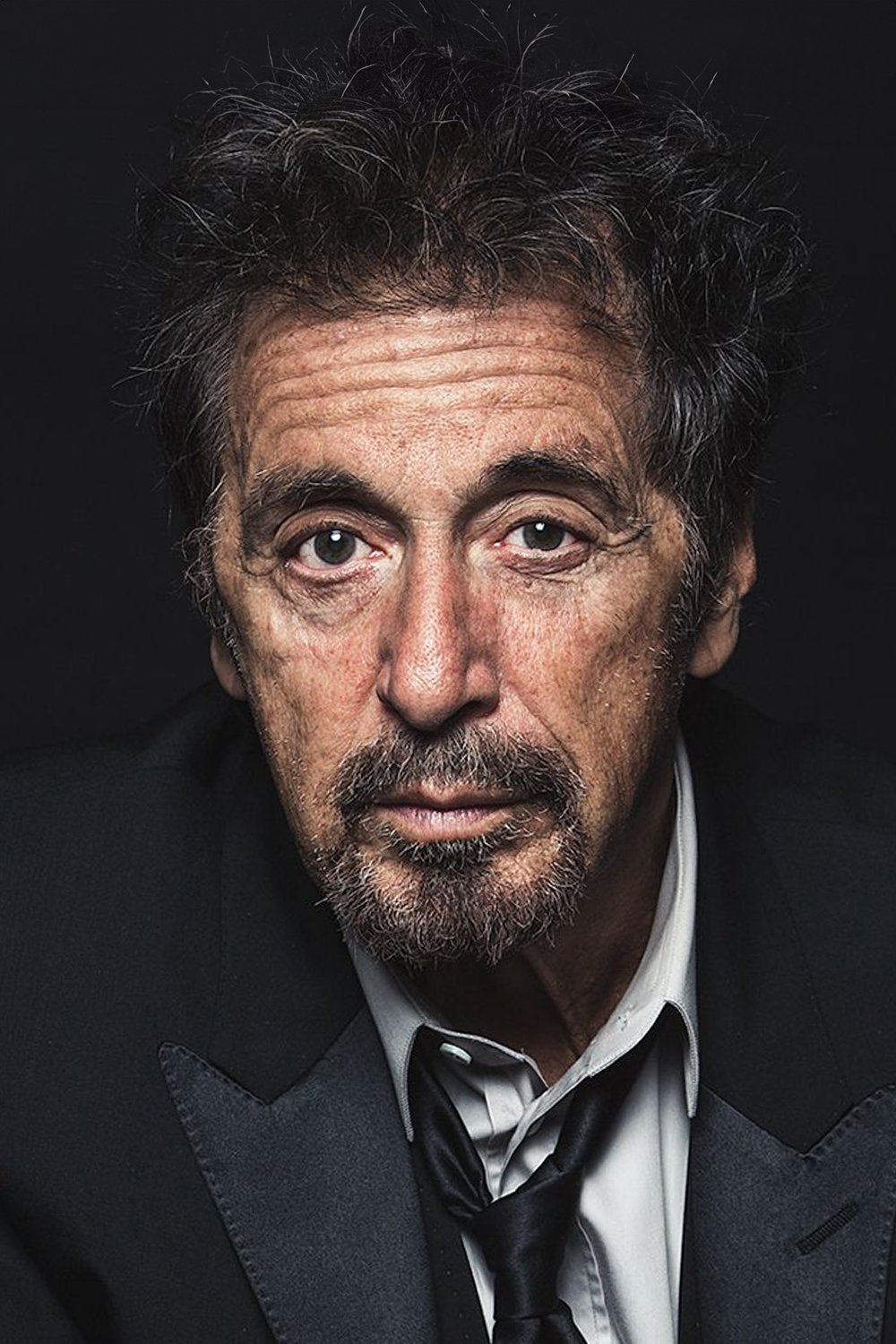
Pacino supplies a firmer moral conviction, though Mann occasionally seems too impressed by it. Beside Crowe’s awkwardness, Bergman can look a little too securely in the right. Christopher Plummer, as Mike Wallace, brings welcome resistance to any easy admiration of the media. Eric Roth and Mann’s screenplay is strongest when professional pride complicates the wish to do something decent. Those complications give the actors room to suggest motives that their characters might prefer not to examine.

Editors William Goldenberg, David Rosenbloom and Paul Rubell keep the complications legible across 158 minutes, and for most of that time the film earns its length. They give the pressure on Wigand time to accumulate without letting him disappear beneath the public dispute. Lisa Gerrard and Pieter Bourke’s music contributes to the unease, though it also encourages Mann’s habit of treating nearly every difficulty with grave emphasis. A little less insistence would help in places. We understand the seriousness before the film has finished stressing it.

The writing for the women is a more substantial limitation. Diane Venora’s Liane Wigand receives less of the attention that allows the men to be so difficult and so absorbing. The effects of the struggle beyond work matter to Mann, but the women deserve interests and concerns that do not simply serve the central men. That narrowness is frustrating in a film otherwise so alert to the ways a public dispute can intrude upon a private life.

As a conspiracy thriller, The Insider gets an unusual amount of suspense from the effort of putting information before the public. It trusts us to follow the detail, and the pressure remains personal because Crowe never lets Wigand become merely a representative victim. There is enough patience here to justify putting up with Mann’s occasional heaviness. Give it an uninterrupted evening, and leave something lighter for afterwards.
Critical consensus AI synthesised

5 of 6
Positive
4
Mixed
1
Negative
0
Radio Times
★★★★★ · Neil Smith
100

Big Tobacco comes under the spotlight in this virtuoso ethical drama based on a true whistle-blower case. Russell Crowe, Al Pacino and Christopher Plummer deliver standout performances in this dazzling exposé of money, morals and the media, though female characters are underused.

Read the full review →
Empire
1 January 2000 · Adam Smith
90*

The critic calls it a brilliant true-story conspiracy thriller and one of Mann's best films, with assured direction, perfect pacing and powerhouse performances from Pacino and Crowe. Crowe is singled out for giving the complex story a deeply human centre.

Read the full review →
The Guardian
10 March 2000 · Peter Bradshaw
85*

The critic praises Michael Mann's intense, hallucinatory conspiracy thriller as a riveting and chilling study of corporate power bullying an individual whistleblower. He singles out the close-up cinematography, textures of everyday objects, and Russell Crowe's complex, believable performance as the tobacco scientist.

Read the full review →
The New Yorker
1 November 1999 · David Denby
80*

Denby finds it the most vivid public-affairs melodrama since All the President's Men, praising Mann's direction, Crowe's complex portrayal of Wigand, and the film's anger at corporate and media betrayals.

Read the full review →
Variety
4 October 1999 · Todd McCarthy
60*

McCarthy respects the bold tackling of corporate power but criticizes the overlength and self-importance, noting it feels inflated despite Crowe's outstanding performance and strong subject matter.

Read the full review →
RogerEbert.com
5 November 1999 · Roger Ebert

Ebert praises the film as a powerful docudrama exposing big tobacco and journalistic ethics, with strong performances from Pacino and Crowe that give it emotional impact beyond factual quibbles.

Read the full review →

Cast

Stills

Awards

Academy Awards, 2000

Nominated
Best Actor
Nominated
Best Cinematography
Nominated
Best Director
Nominated
Best Film Editing
Nominated
Best Picture
Nominated
Best Sound
Nominated
Best Writing, Adapted Screenplay

If you liked this, try…

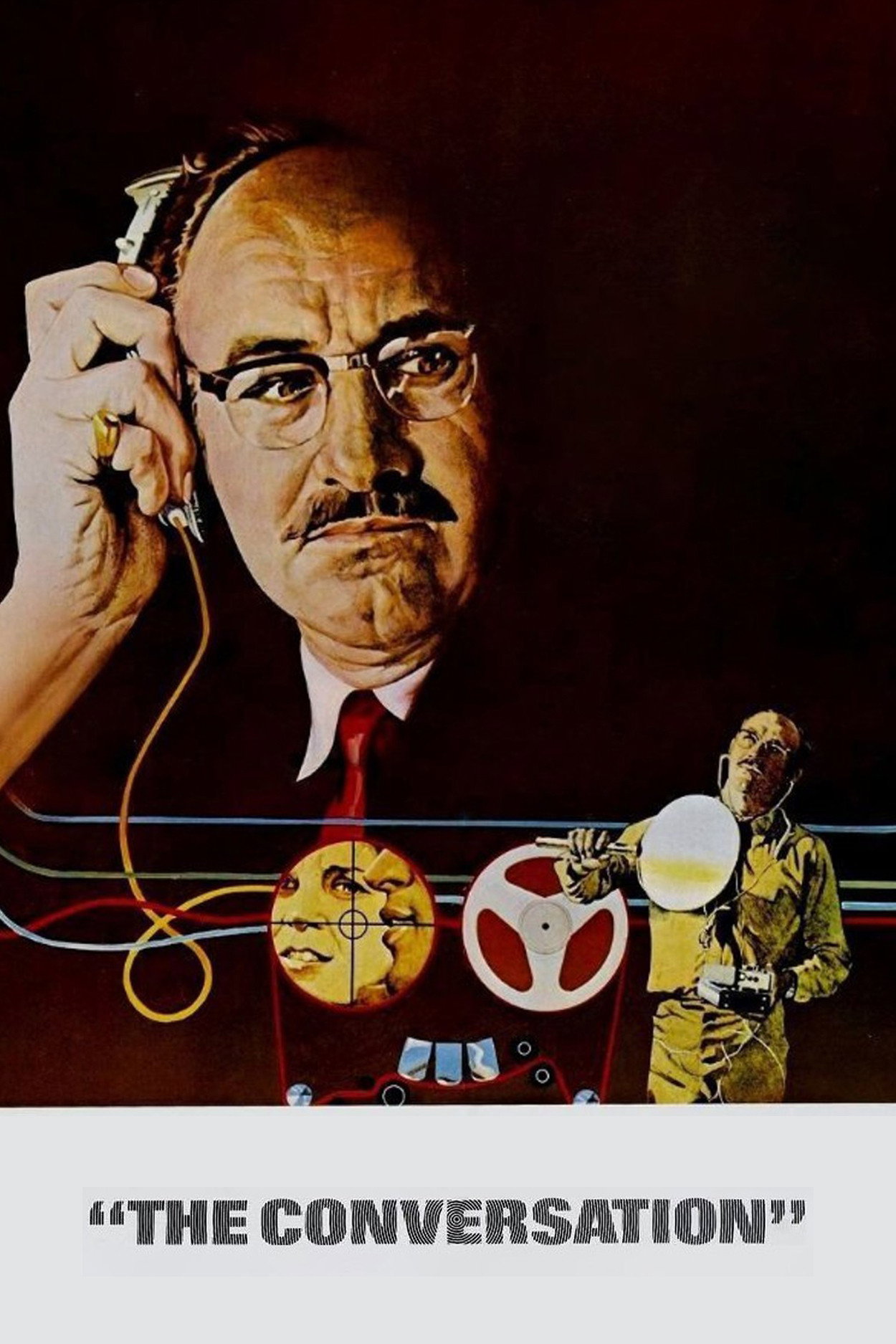
The Conversation poster

The Conversation

1974 · Another meticulous professional finds that doing his job properly makes everything worse.

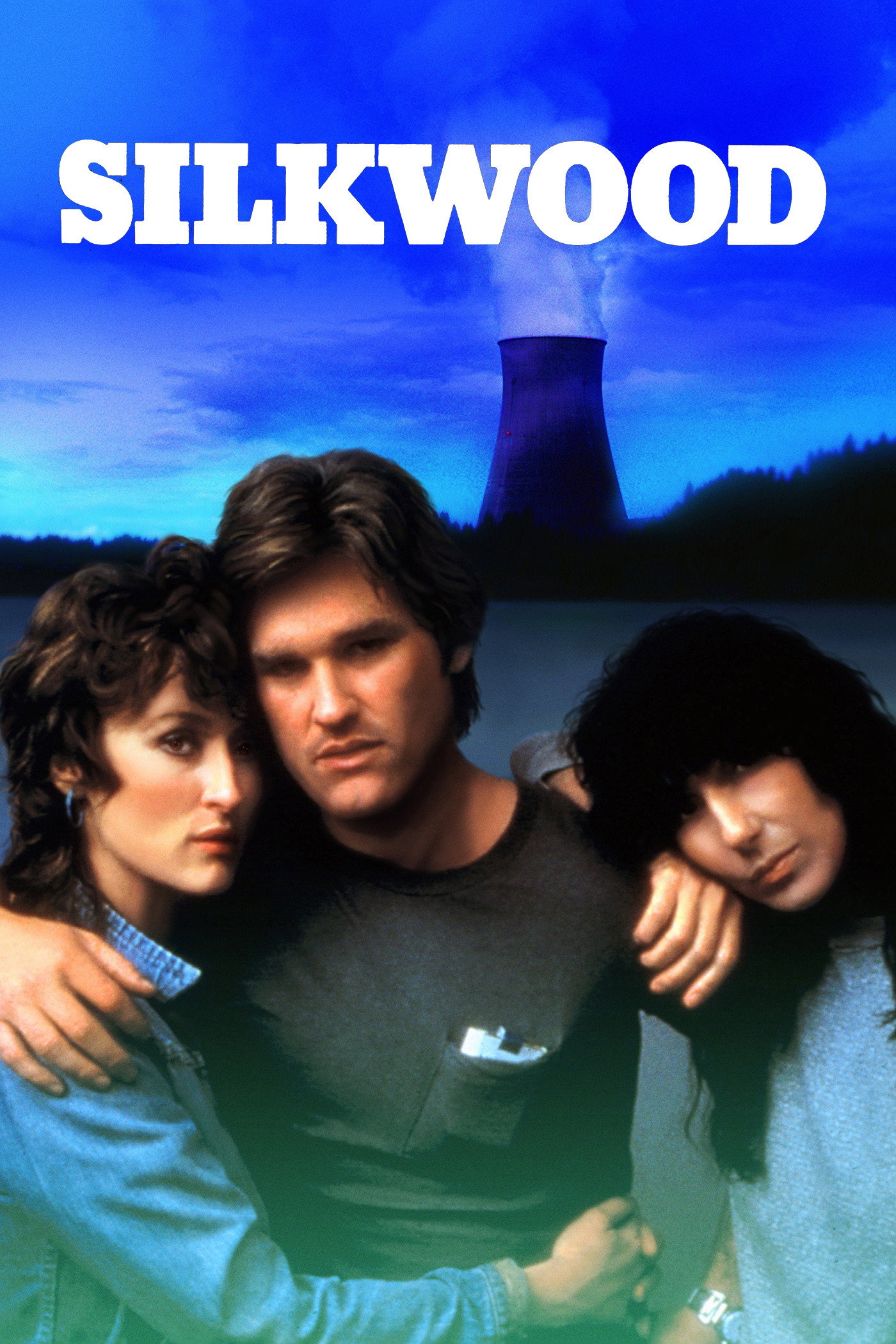
Silkwood poster

Silkwood

1983 · A worker takes on her employers, with room for awkwardness and anger.

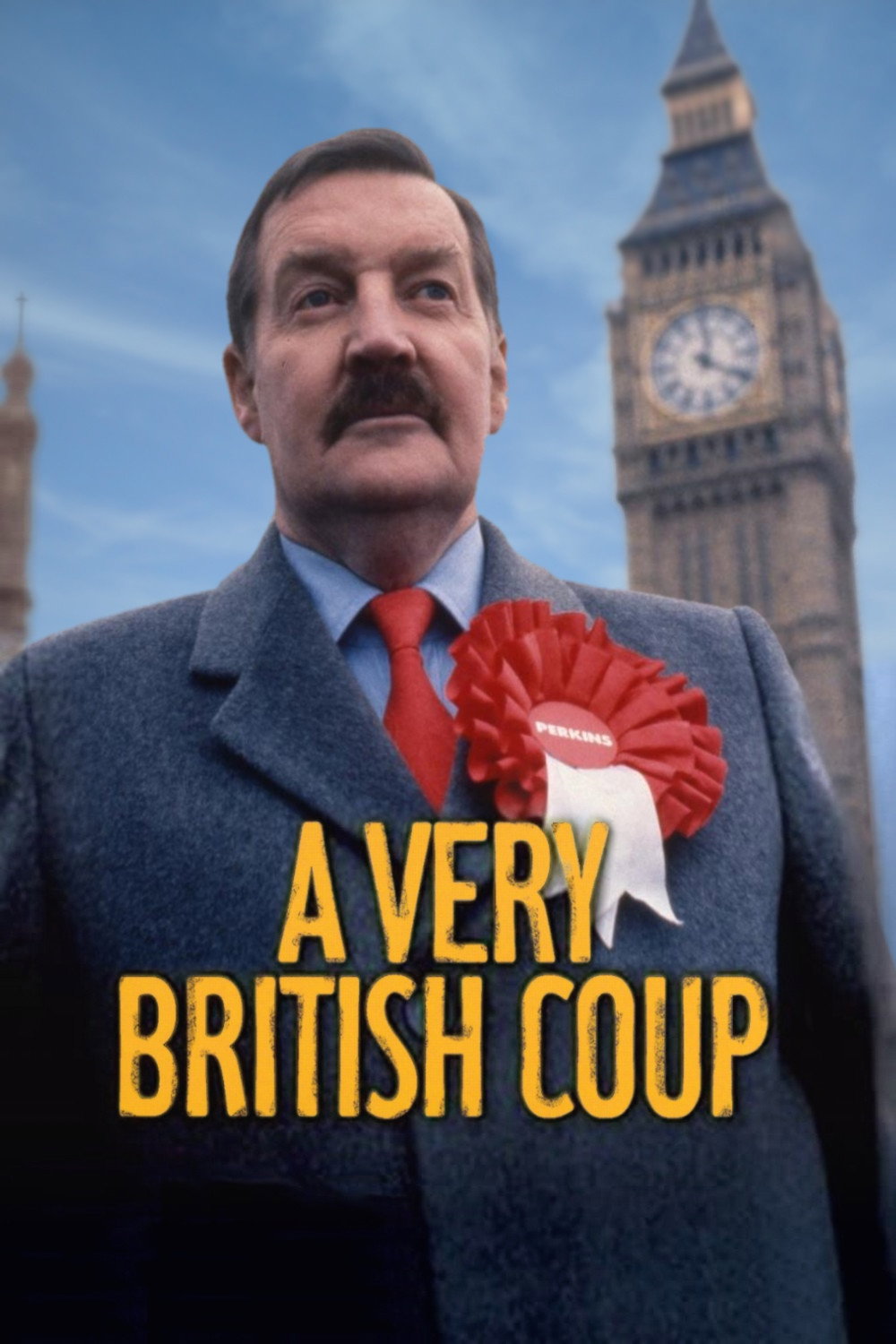
A Very British Coup poster

A Very British Coup

1988 · Institutional pressure becomes gripping drama, with few illusions about who controls information.

The Lives of Others poster

The Lives of Others

2006 · For more patient suspense built around listening, professional duty and private compromise.

Collective poster

Collective

2019 · Patient reporting reveals how institutions protect themselves when ordinary people need answers.