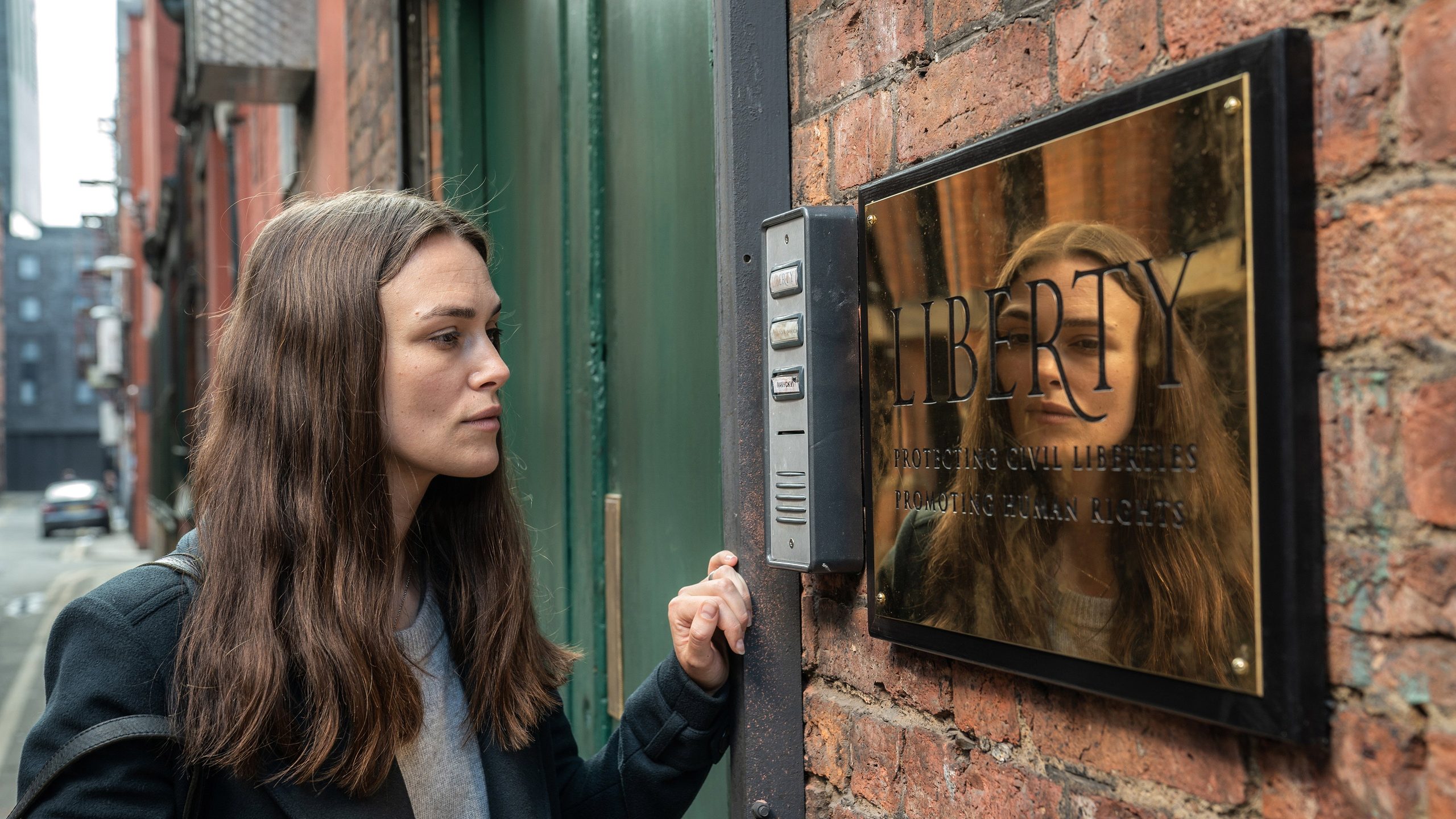
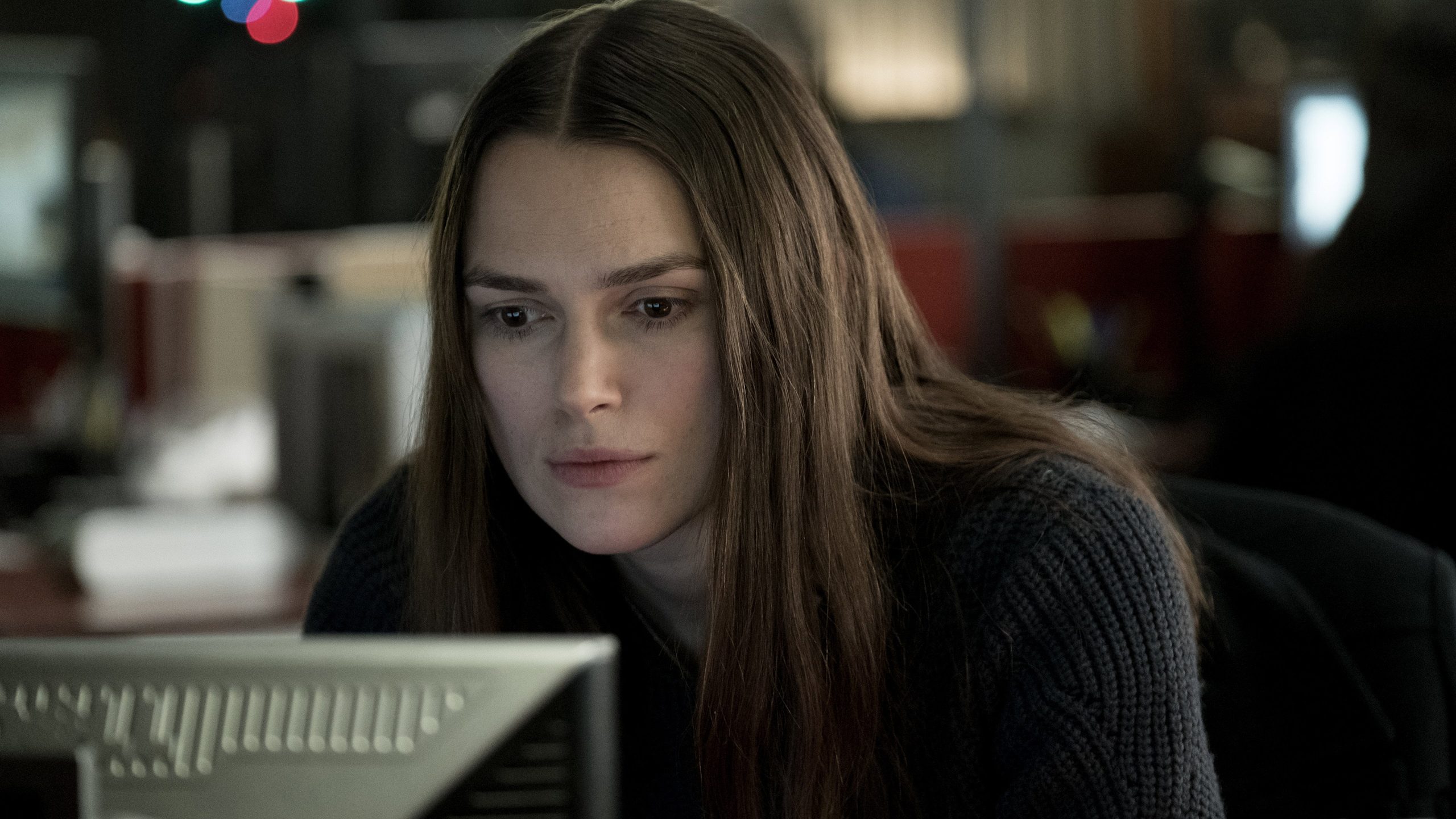
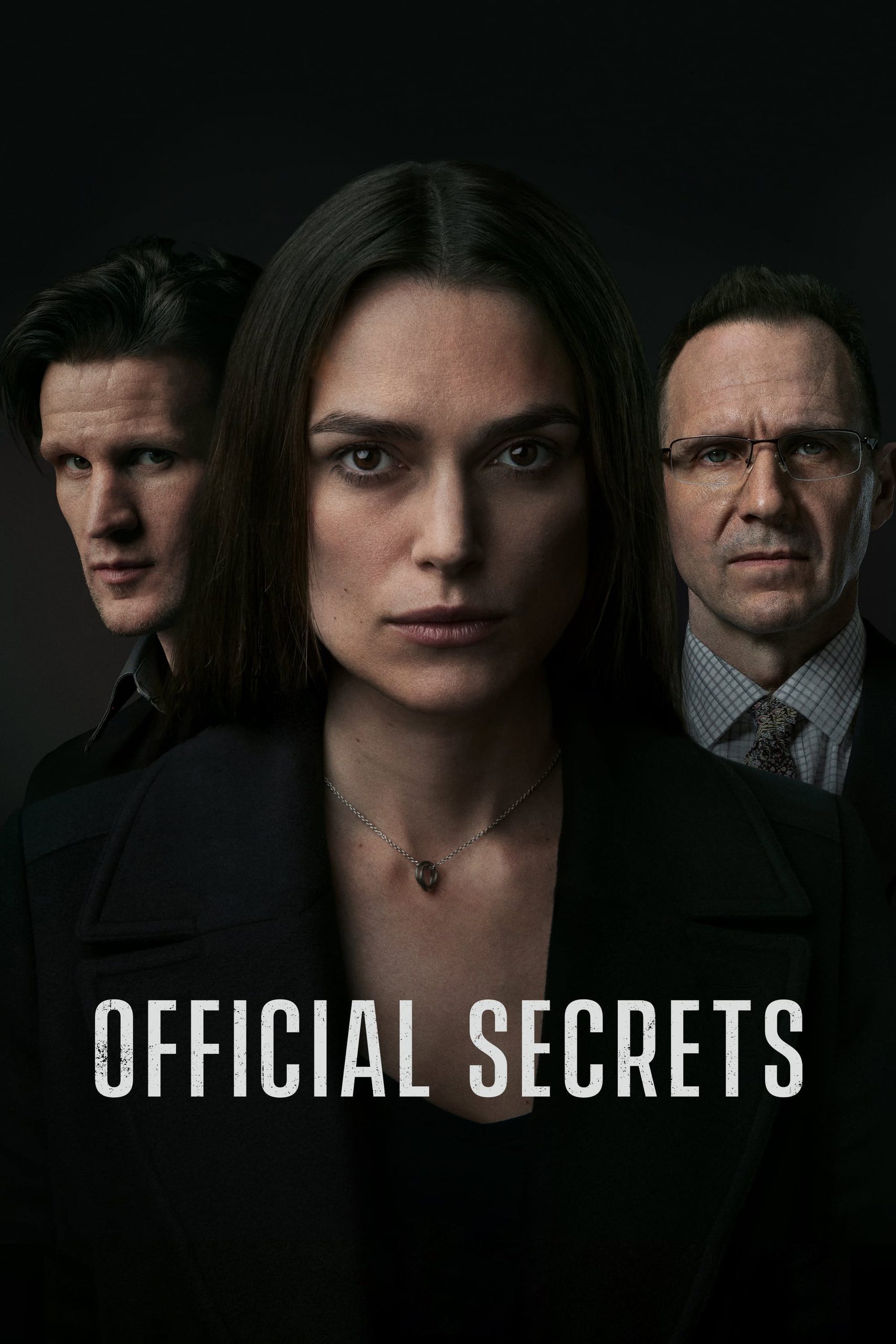
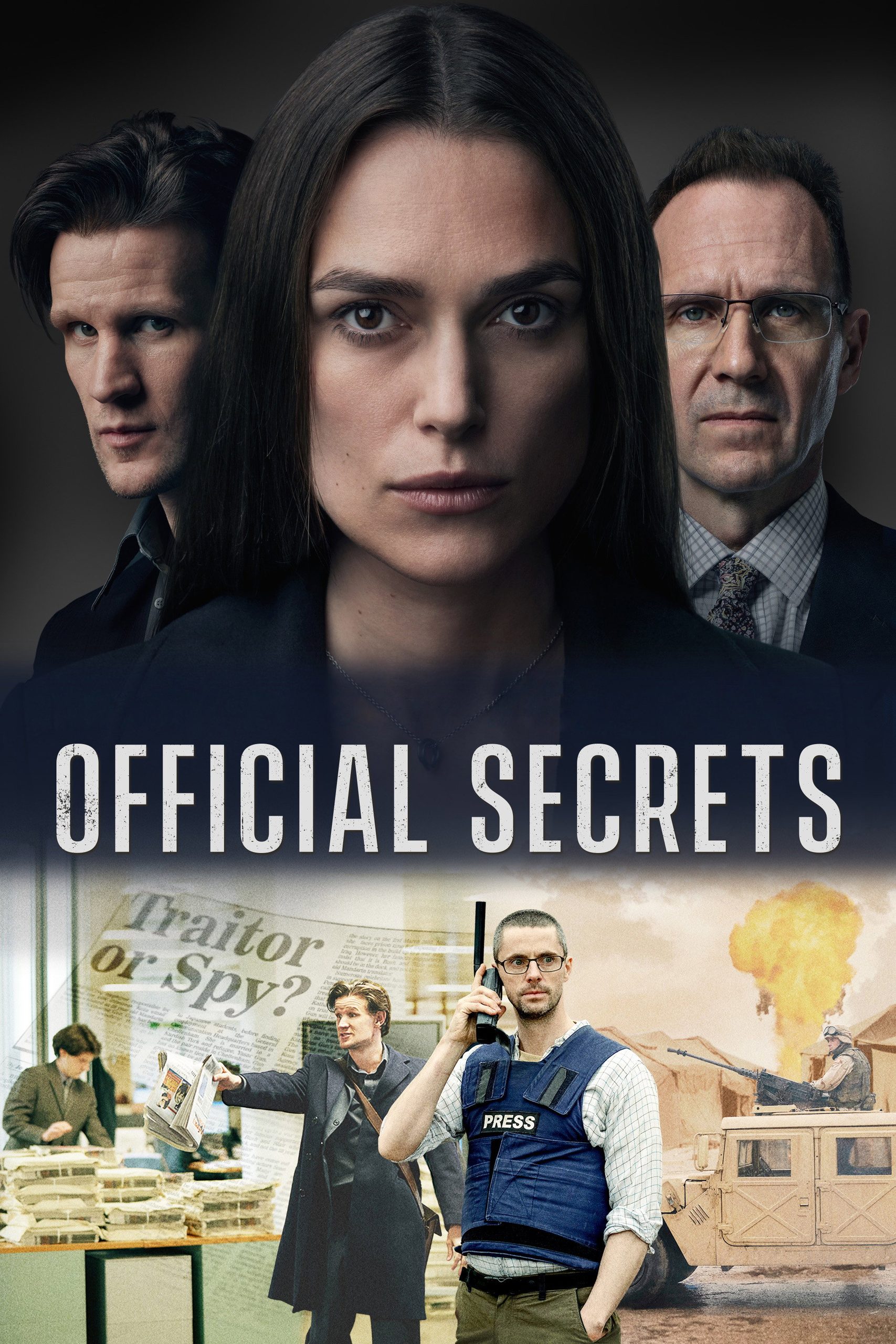
Gavin Hood tells Katharine Gun’s story straight, with a clear head and a fine, contained Keira Knightley. It is worth an evening for that, though the film keeps handing her story to other people and never quite gets it back.
In early 2003, a translator at GCHQ in Cheltenham reads an email from the American National Security Agency asking British spies to dig for anything that might lean on the wavering members of the UN Security Council before the vote on Iraq. She prints it, takes it home and sends it out. Gavin Hood’s film about Katharine Gun is a plain, decent, well-acted account of what happened next, and for most of its length it is watchable. It is seldom more than that, and the reason is not the cast.
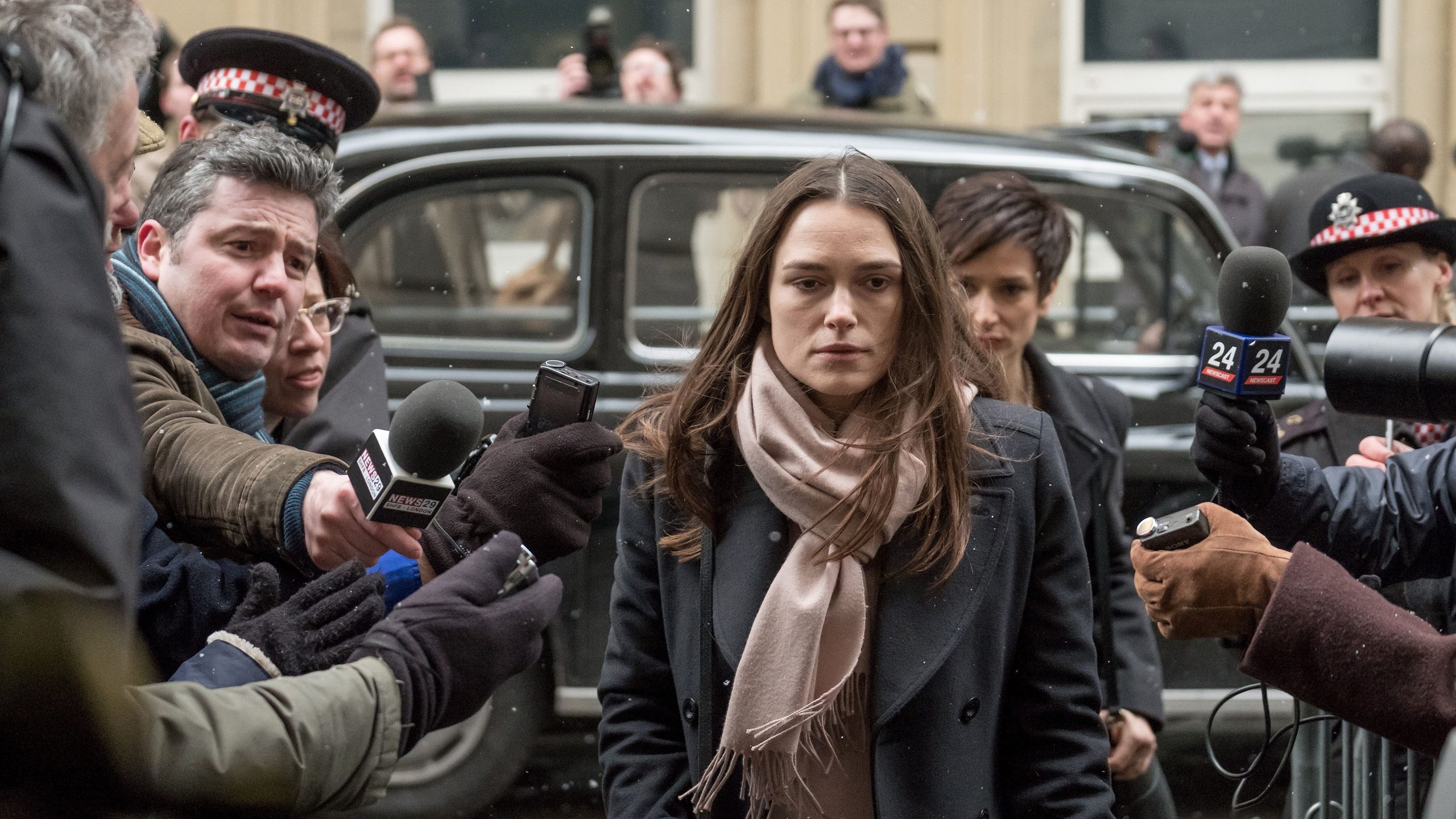
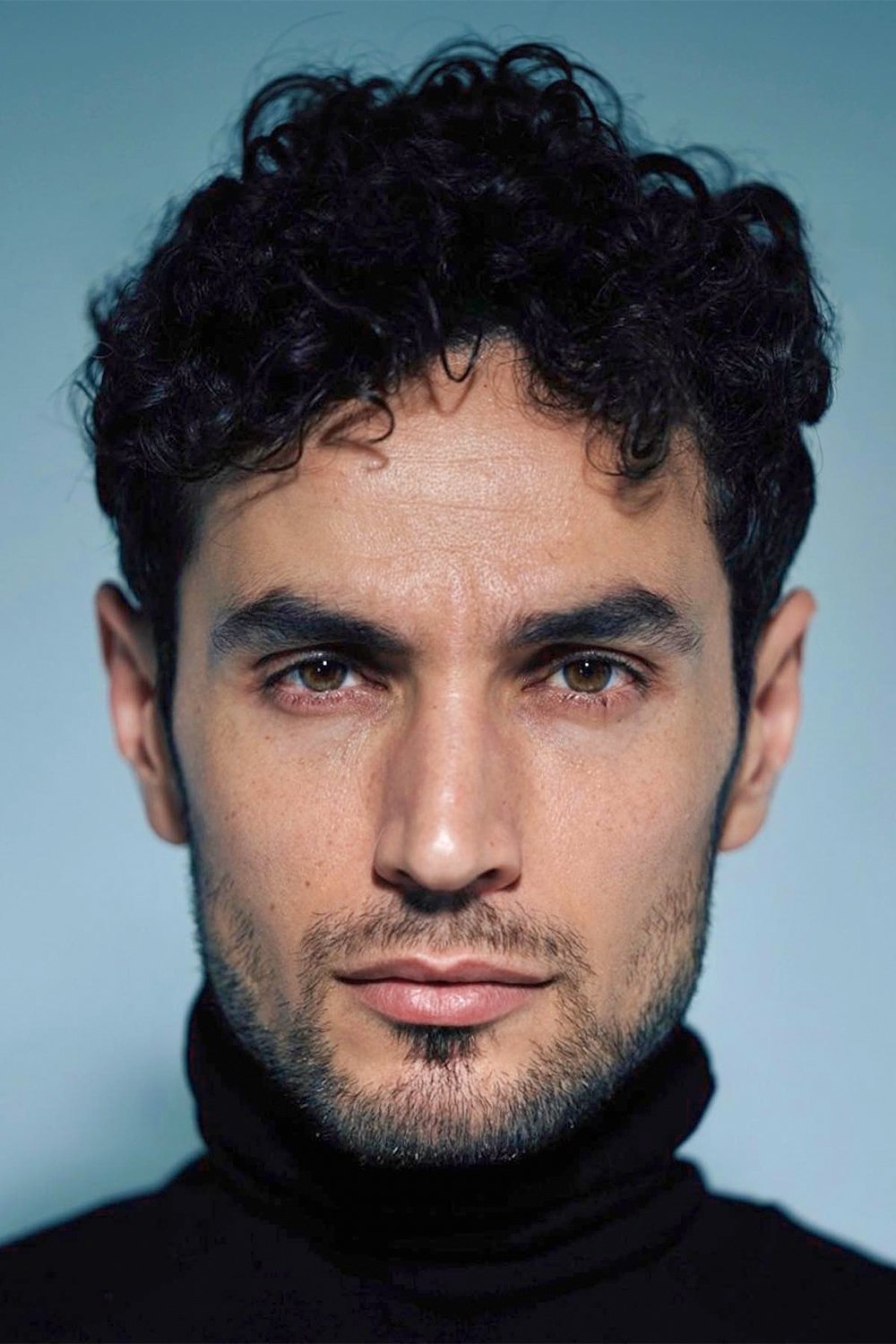
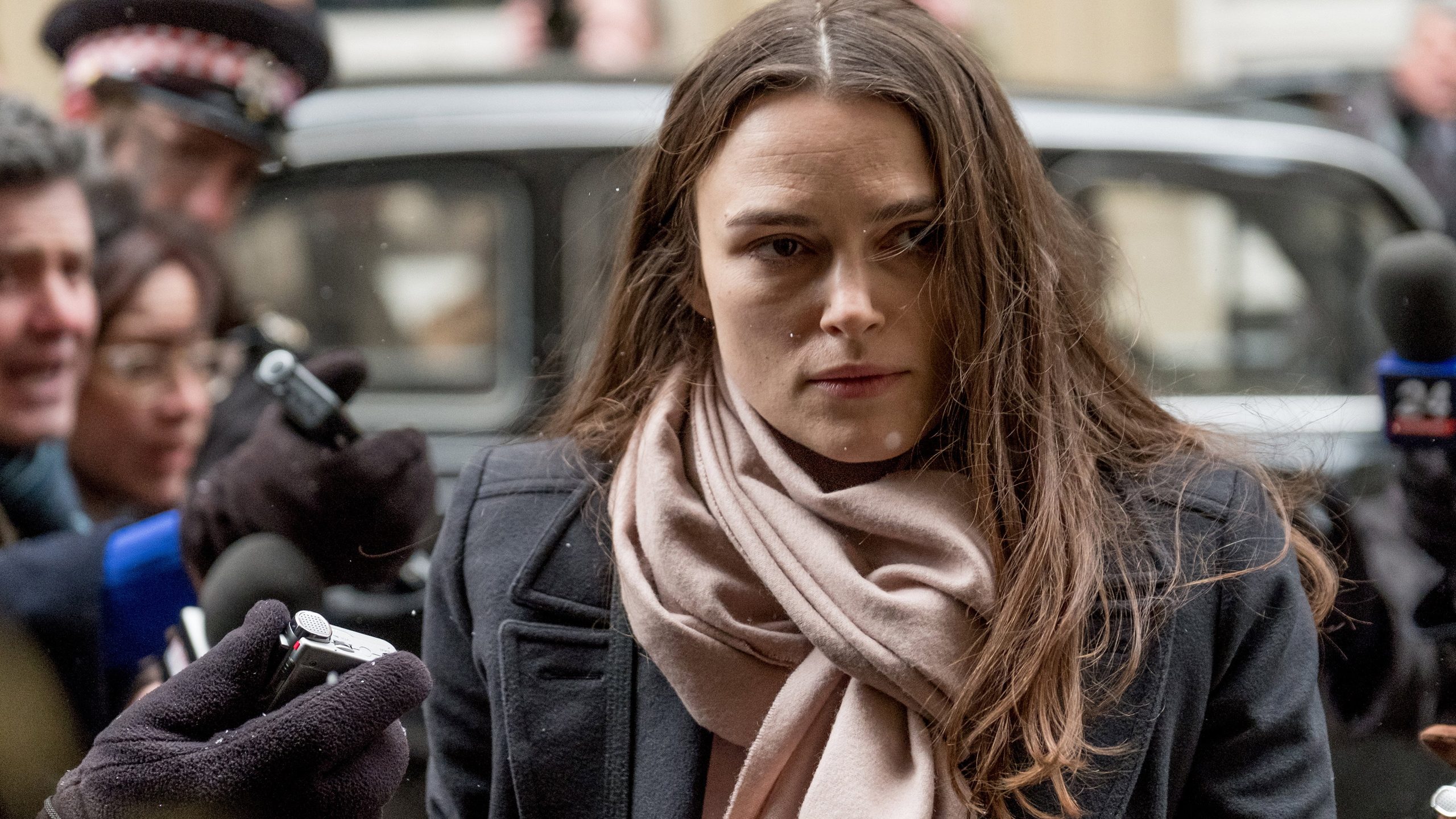
Keira Knightley plays Gun small. She has taken the vowels down, kept her shoulders still, and given the woman a habit of looking at the floor before she says something she cannot take back. It works. The scene in which she stands at the office printer while the memo comes out one sheet at a time, and a colleague wanders over to chat, is the best thing in the film, and we felt it in the stomach: nothing happens, and we wanted to shout at her to pick up the paper. Adam Bakri, as her husband Yasar, is warm and bewildered and asked to be nothing else.
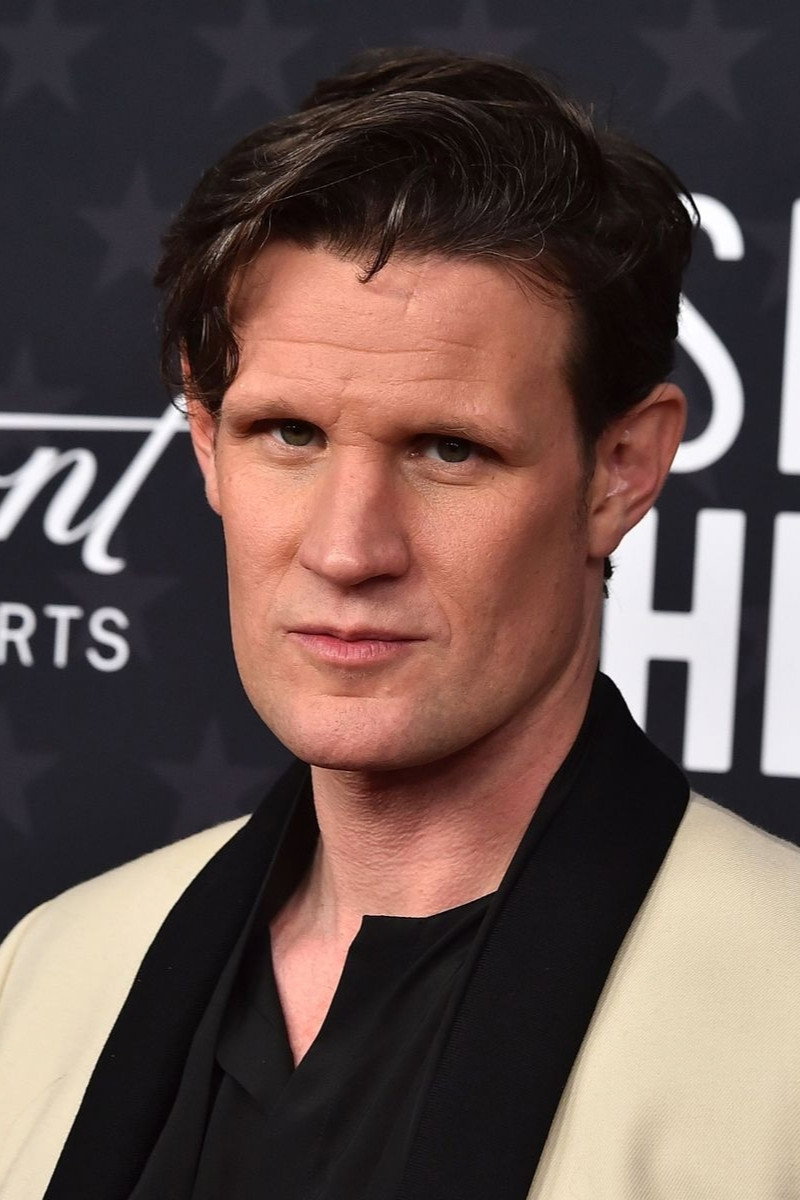
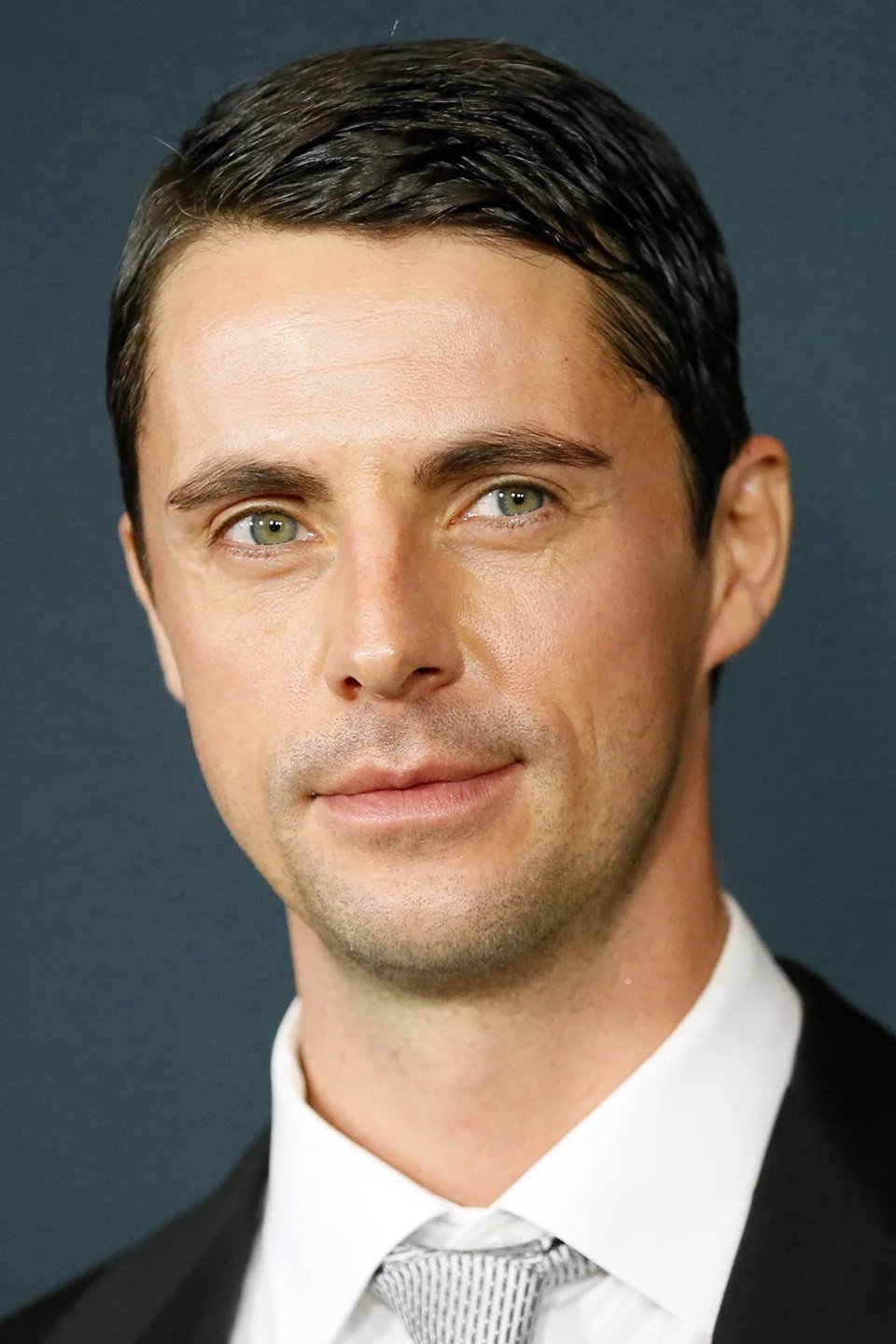
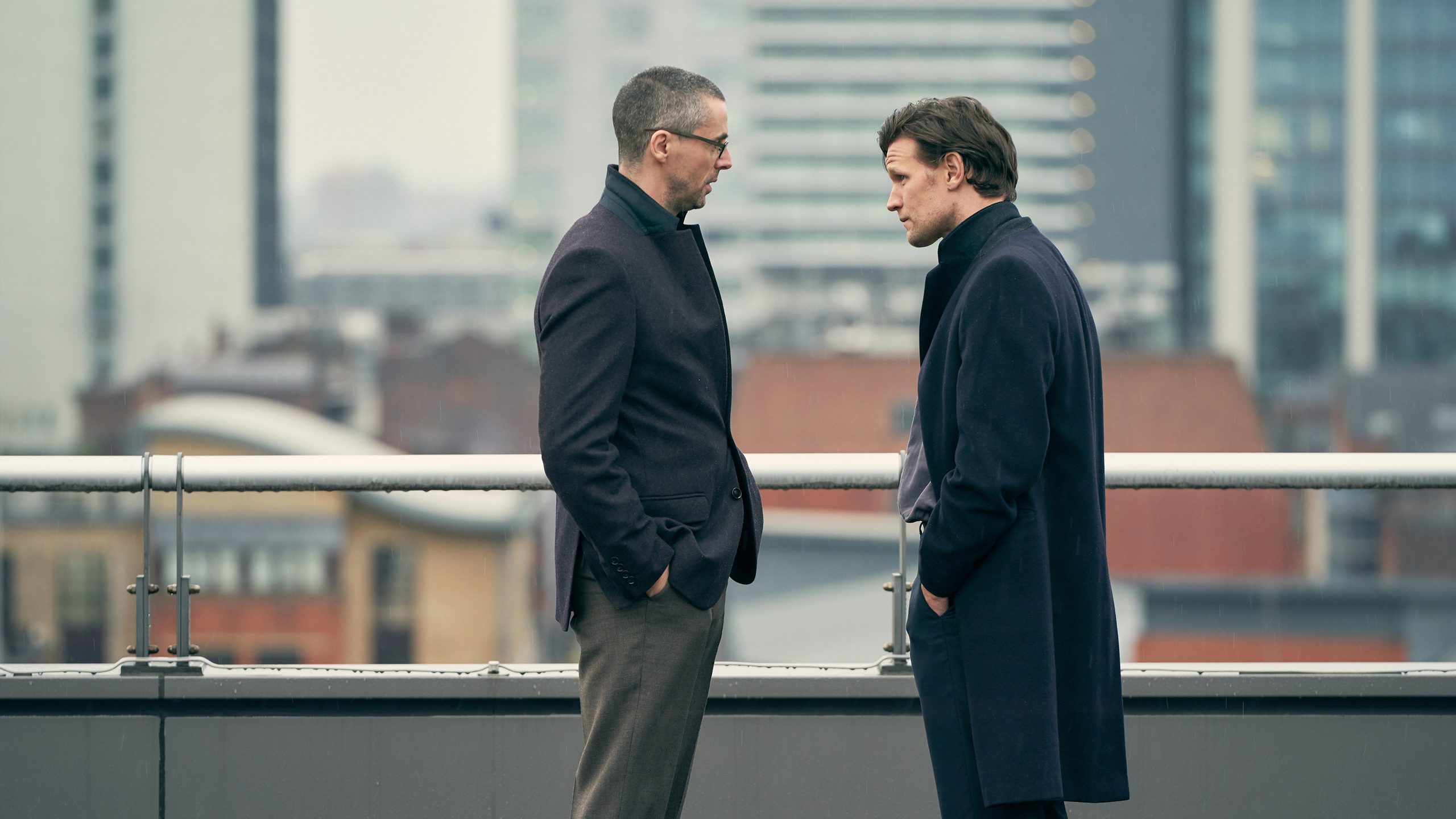
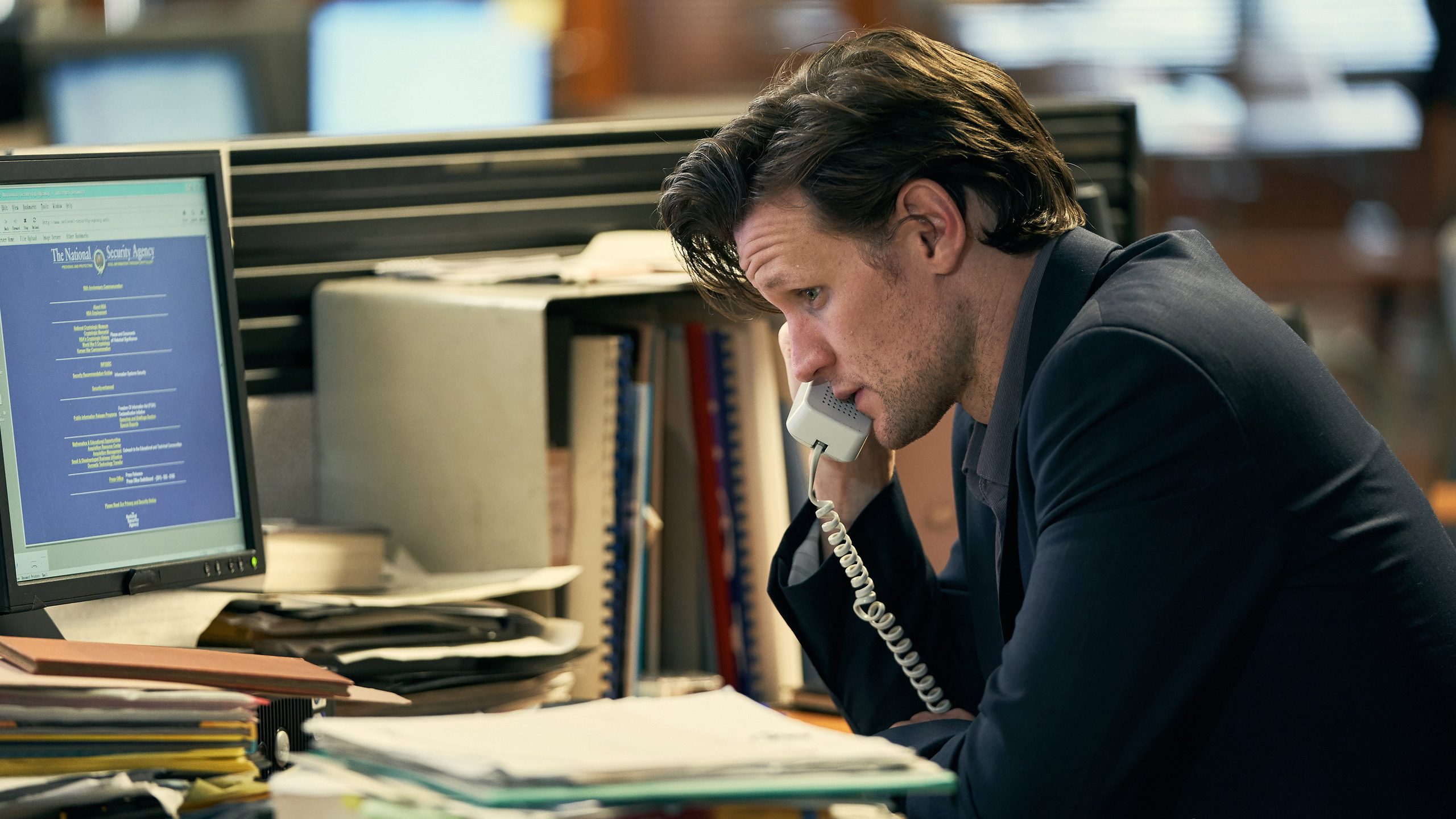
Then the memo reaches the Observer and the film changes hands. Matt Smith’s Martin Bright is a reporter who cannot believe his luck and cannot get anyone to share it. Conleth Hill’s Roger Alton, the editor, has backed the war and would rather not be told he was wrong; Matthew Goode’s Peter Beaumont wants to believe the document and knows the cost of being fooled. Rhys Ifans, as Ed Vulliamy, phones in from Washington with a source and a hangover, enjoying himself more than anyone else on screen. This is the liveliest stretch, and the business of a subeditor who runs the memo through a spellchecker and turns the American spellings British, handing Washington a reason to call it a fake, is the kind of small true stupidity that makes history bearable. We laughed, then winced.
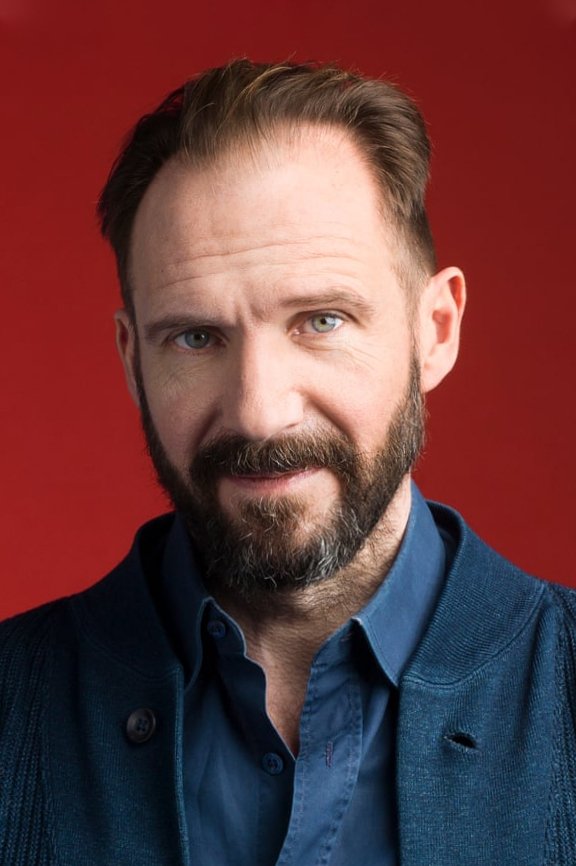
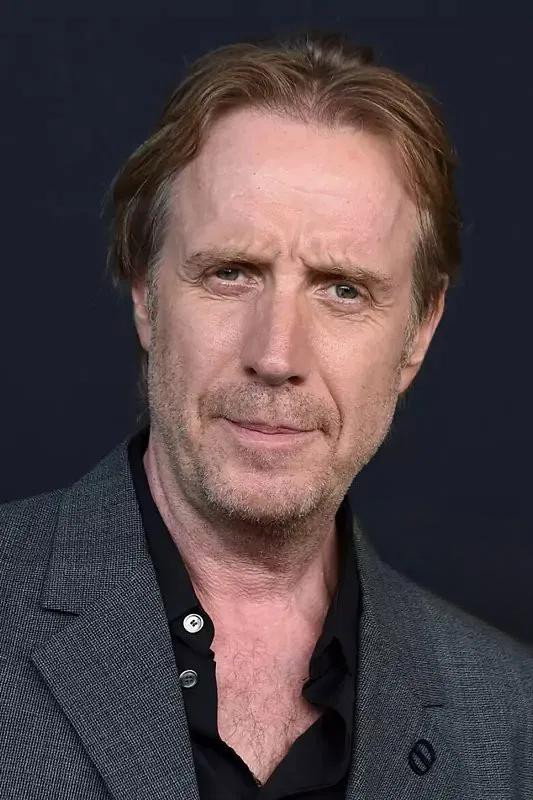
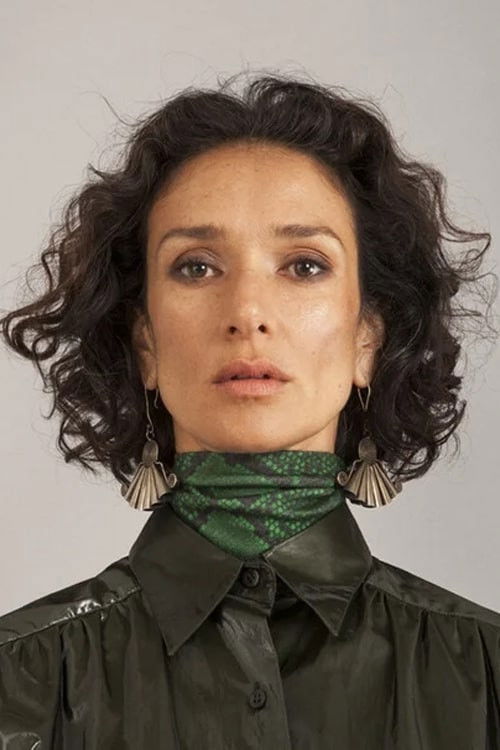
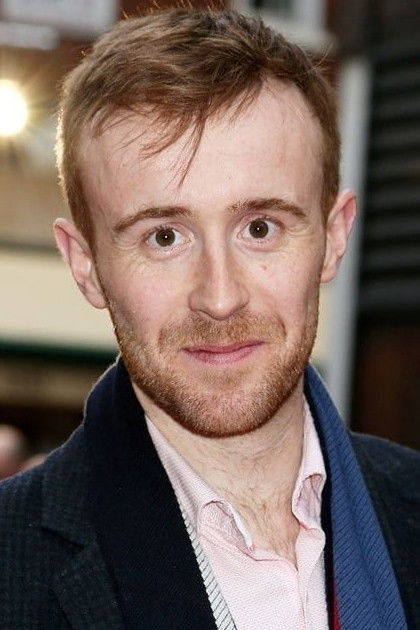
The second half belongs to Ralph Fiennes, as the barrister Ben Emmerson, who takes the case for Liberty in a tone of mild irritation with everyone and gives the film a spine. Indira Varma’s Shami Chakrabarti and John Heffernan’s James Welch get a few good lines and a great deal of standing behind him. The legal stretch holds the film’s most interesting question, whether a government that lied to start a war can try the person who said so, and it is the part told in the greatest hurry. Megan Gill’s cutting is patient in Cheltenham and brisk at the Observer; once the lawyers arrive it turns anxious, as if the film has looked at its watch.
Florian Hoffmeister shoots GCHQ as a grey, low-ceilinged open-plan office under strip light, and Simon Rogers has designed it to look like a building society, which is accurate and dull. The Observer is brown and cluttered and lit by desk lamps, and the picture wakes up whenever we go back there. Claire Finlay-Thompson puts Knightley in fleeces and flat shoes and the newsroom in shirts that have been slept in. Paul Hepker and Mark Kilian’s score is a low, worried pulse that keeps out of the way until the courthouse, where it decides to help. Hood also cuts in the real television footage of Blair, Bush and Colin Powell, which is a cheap way of getting anger into a room. It works. We were angry.
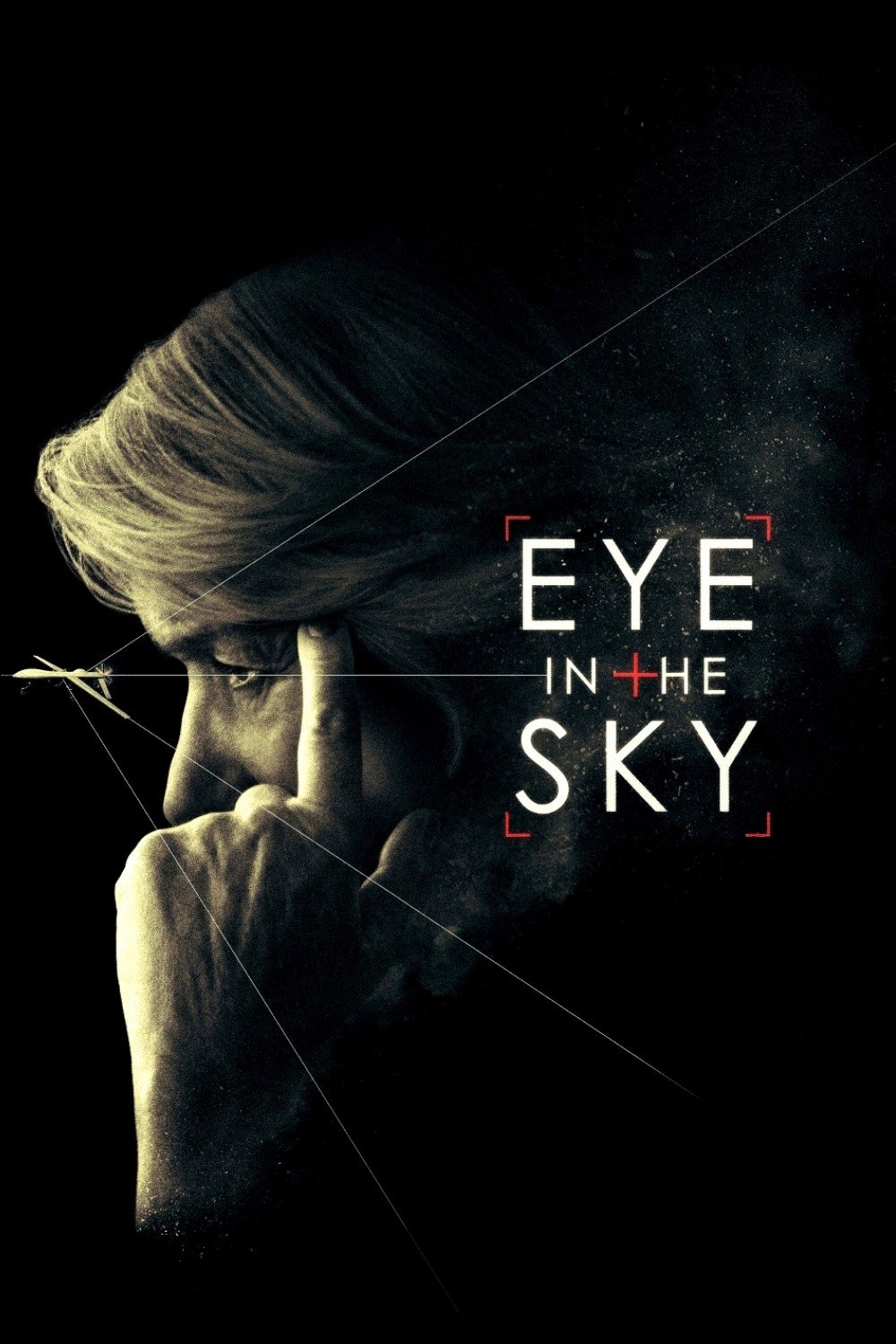
Hood made Tsotsi (2005) and Eye in the Sky (2015), which put its whole argument about modern war into one room and one decision and was the better for it. Official Secrets has three rooms and a dozen decisions, and Gun is in only one of them. For long stretches she is at home waiting for a telephone to ring while men in offices decide what her act meant. That is, to be fair, what happened. It is also a problem the script, by Gregory Bernstein, Sara Bernstein and Hood, never solves: the film admires her enormously and keeps forgetting to look at her.
Most critics have landed roughly where we have, and the disagreement is over whether sturdy and honest are enough. On a weeknight, with someone who remembers 2003, they are; the film will start an argument and give it facts. It carries a 15 certificate and runs 112 minutes, a fair number of them spent waiting for telephones.