Laura Poitras was in the hotel room when Edward Snowden started talking, and her record of those days is as tense as any spy thriller and a good deal more frightening. The material around the hotel room is thinner, and she seems to know it.
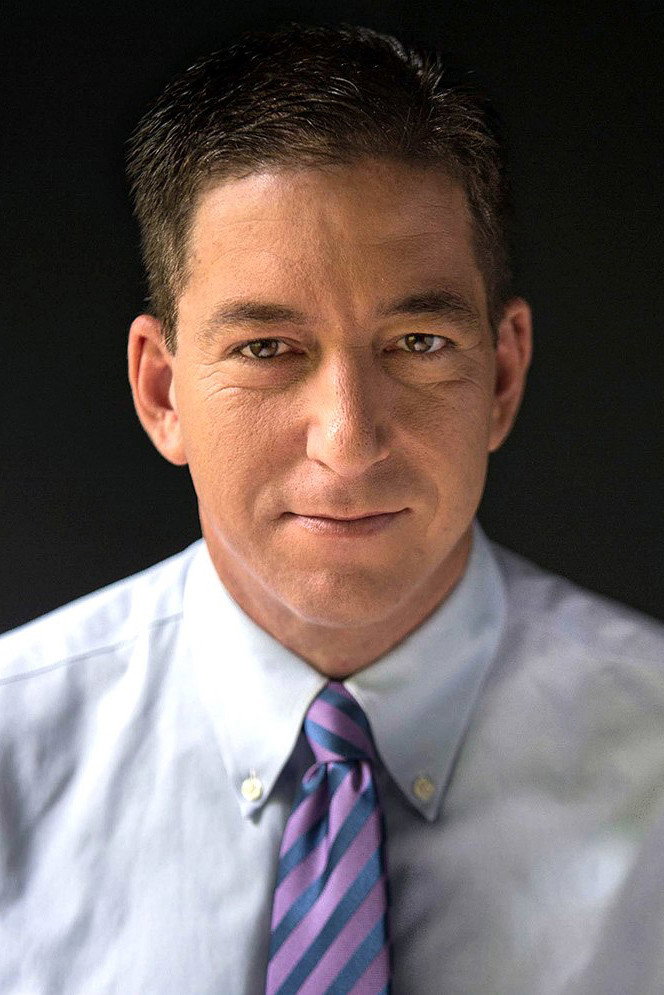
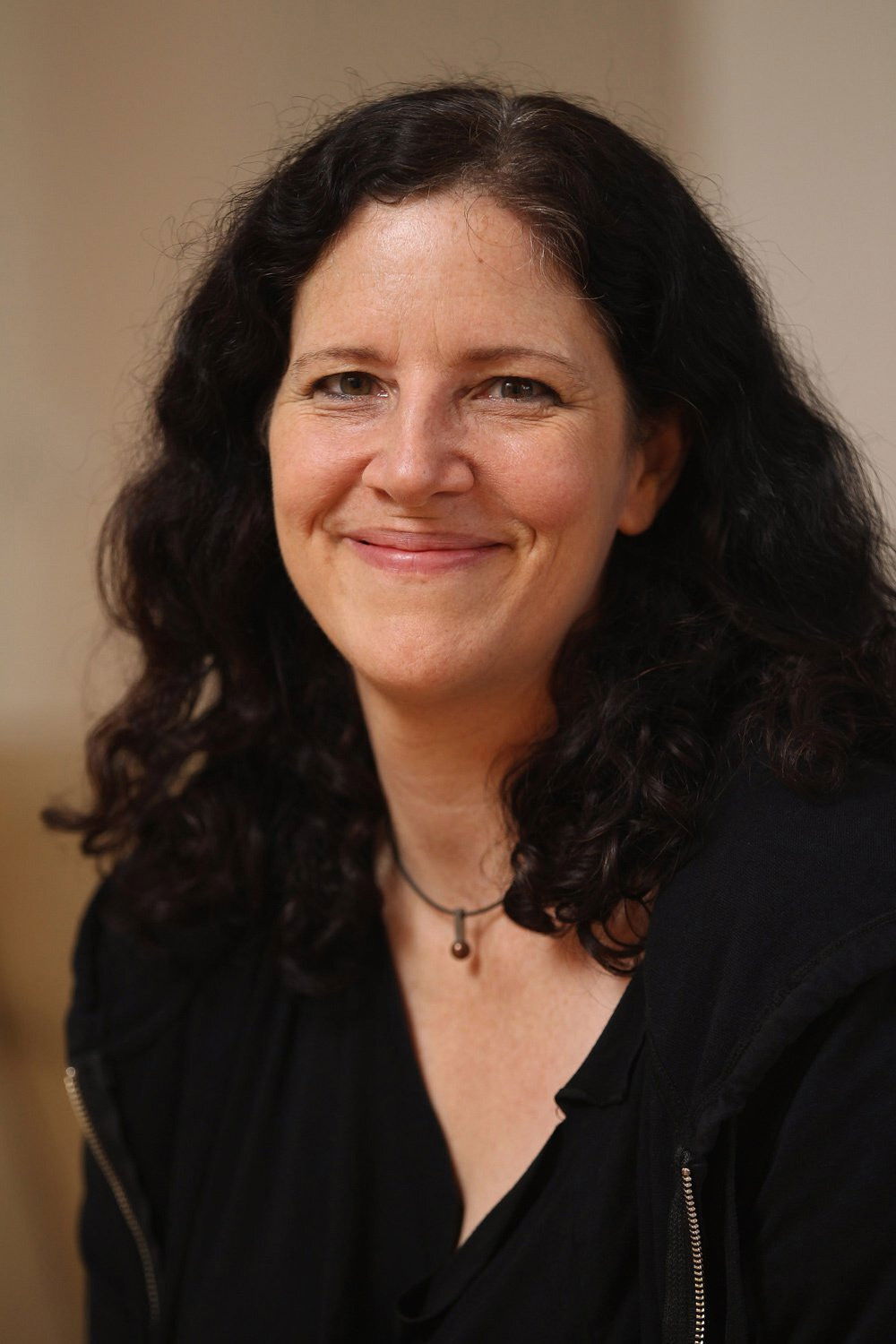
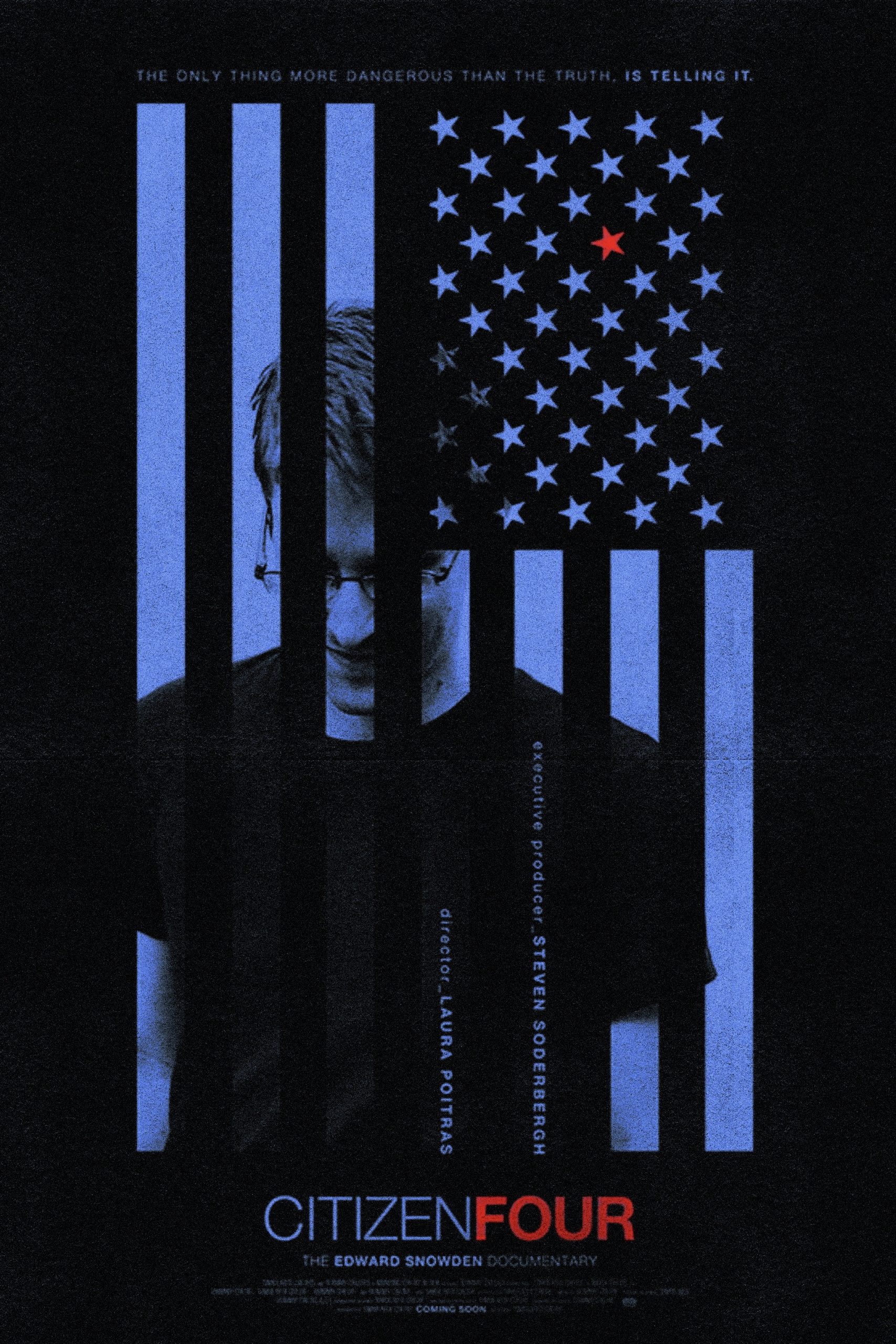
Laura Poitras was already making a film about surveillance when the subject wrote to her. The emails were encrypted, signed Citizenfour, and came from someone inside American intelligence who said he could prove what the NSA was collecting. In June 2013 she flew to Hong Kong with the journalists Glenn Greenwald and Ewen MacAskill, and she took a camera. Citizenfour is what she brought back. It runs 113 minutes, and for about an hour we are in a hotel room with Edward Snowden while he gives up the life he had. That hour is as good as documentary gets. The material around it is competent and flat, and the gap between the two is the film’s main problem.
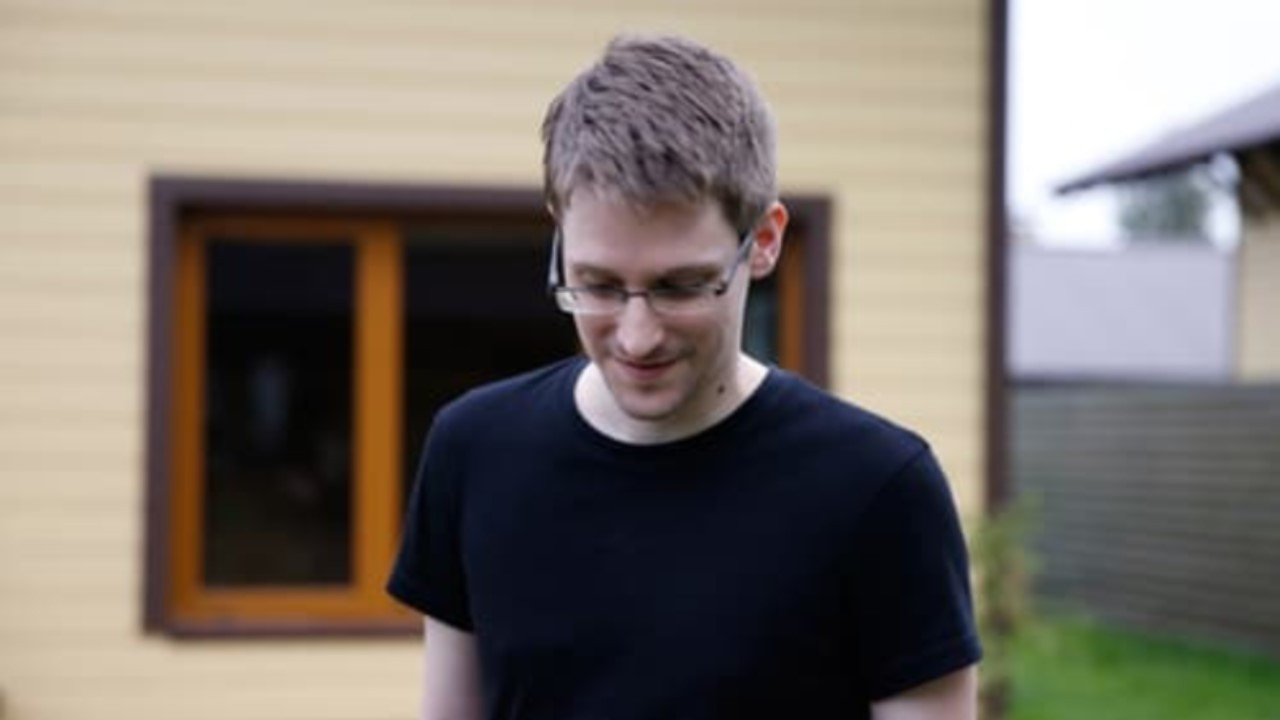
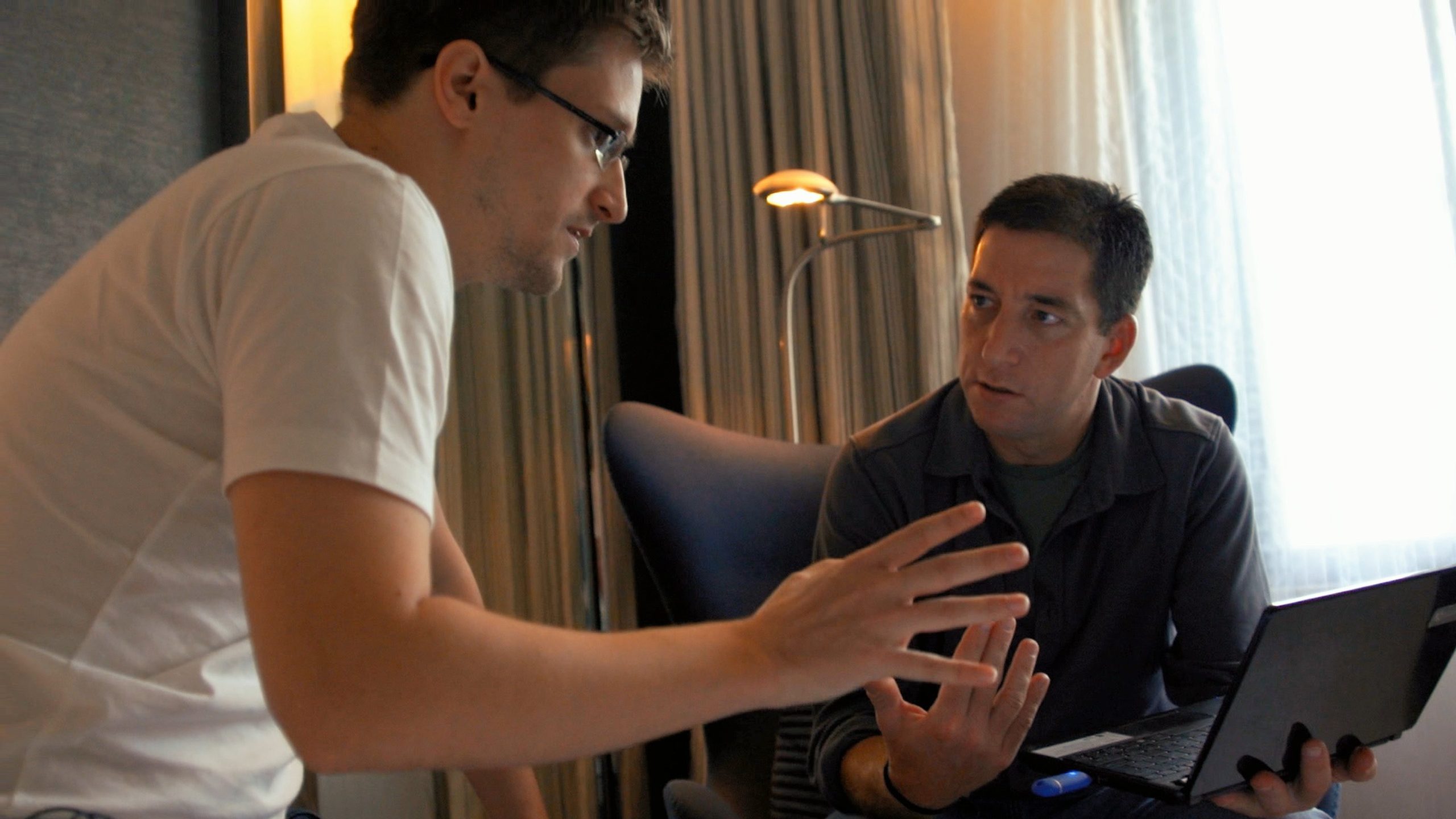
The hotel room is small and the curtains stay shut. Snowden sits on the bed in a white T-shirt with a rucksack of laptops at his feet and explains, in complete sentences, what the programmes do and whom they reach. Greenwald types. MacAskill asks the questions a newspaper would need answered. Poitras stays behind them all; we hear her voice and hardly ever see her. Nothing happens, in the ordinary sense. Nobody runs, nobody is followed, and the only weapon on screen is a memory stick.
And it is frightening. Snowden unplugs the hotel phone because it can be made to listen. He pulls a blanket over his head and his keyboard before typing a password, and the two journalists watch him do it and do not laugh. One afternoon a fire alarm goes off, and it is a test, and we jumped, and then we noticed that the three people on screen had gone still. We have sat through a great many films in which men in suits chase a hard drive. We were more afraid in this hotel room than in any of them, because everyone in it plainly believed the door might open.
Mathilde Bonnefoy’s editing is the reason the hotel room scenes work. She holds shots long, lets Snowden finish his thoughts, and gives the film its shape with Poitras’s emails, typed out white on black and read in her own level voice. Trent Reznor and Atticus Ross put a low electronic hum under the opening drive through an orange-lit tunnel, and most of the time it does its job of making a bedroom feel like a trap. There are moments in Hong Kong when the score tells us to be tense and the pictures already had. We would have trusted the silence.
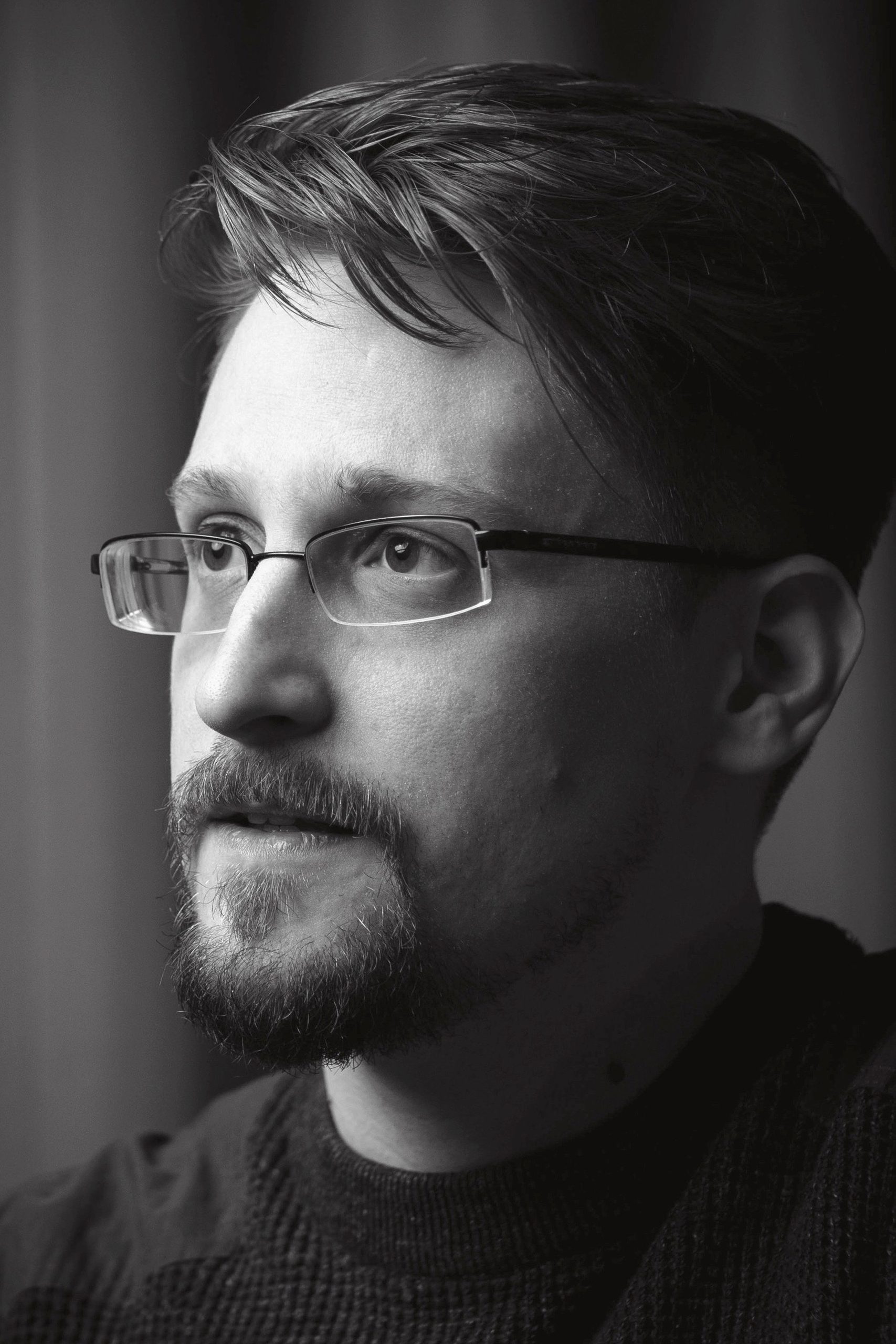
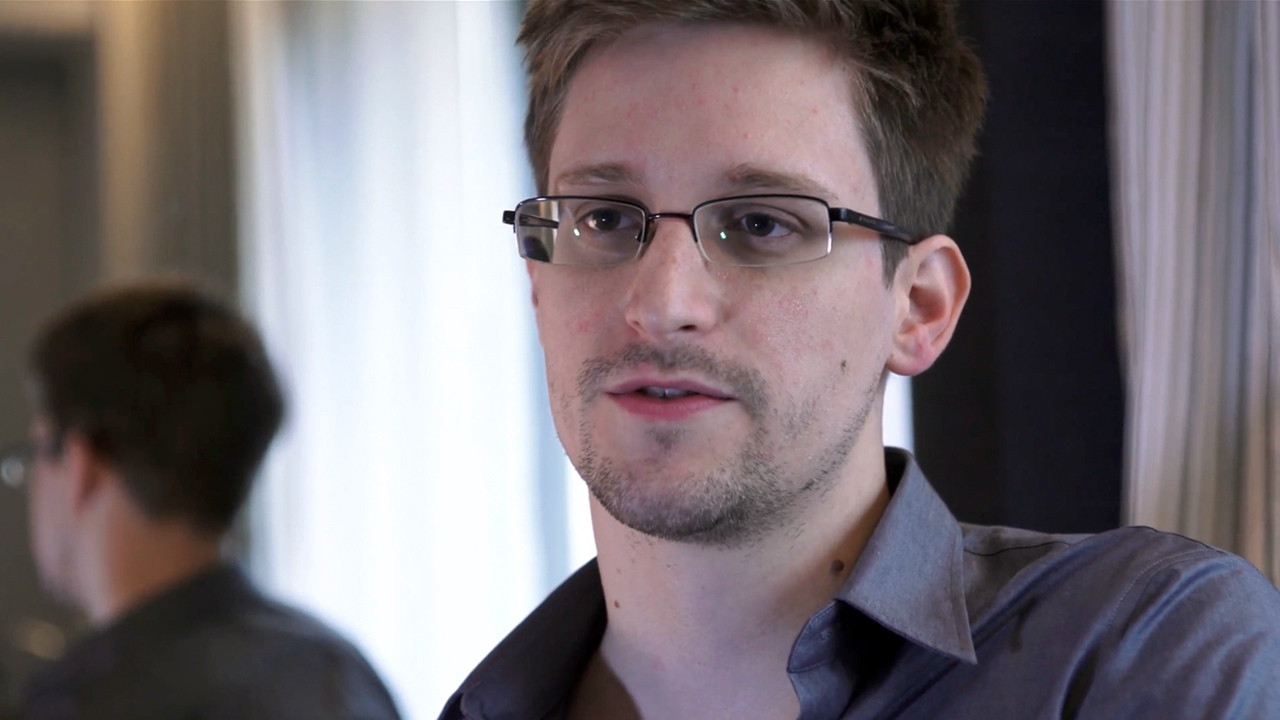
Snowden himself is the surprise. He is calm, exact, occasionally funny, and he has thought about what he is doing for longer than anyone else in the hotel room. He says early on that he does not want the story to be about him, and then it is, and the film catches the moment he understands what that will cost. Poitras does not test him. There is no counter-witness, no official, no former colleague who thought he was wrong. The film knows which side it is on and says so, which is more honest than a staged balance would have been.
Outside the hotel room the film is thinner. William Binney, who helped build this machinery before he turned against it, is a useful voice. Jacob Appelbaum and Kevin Bankston explain the technology and the law to rooms of people, and footage of Barack Obama promising oversight is placed where it will sting. Trevor Paglen, Kirsten Johnson and Katy Scoggin shoot the exteriors: a windowless building rising in the desert, aerials in a field, motorways at night. They are handsome, but they are also the standard furniture of the surveillance documentary, and after the hotel they feel like waiting. The last stretch, which we will not describe, adds a development the film has no time to earn.
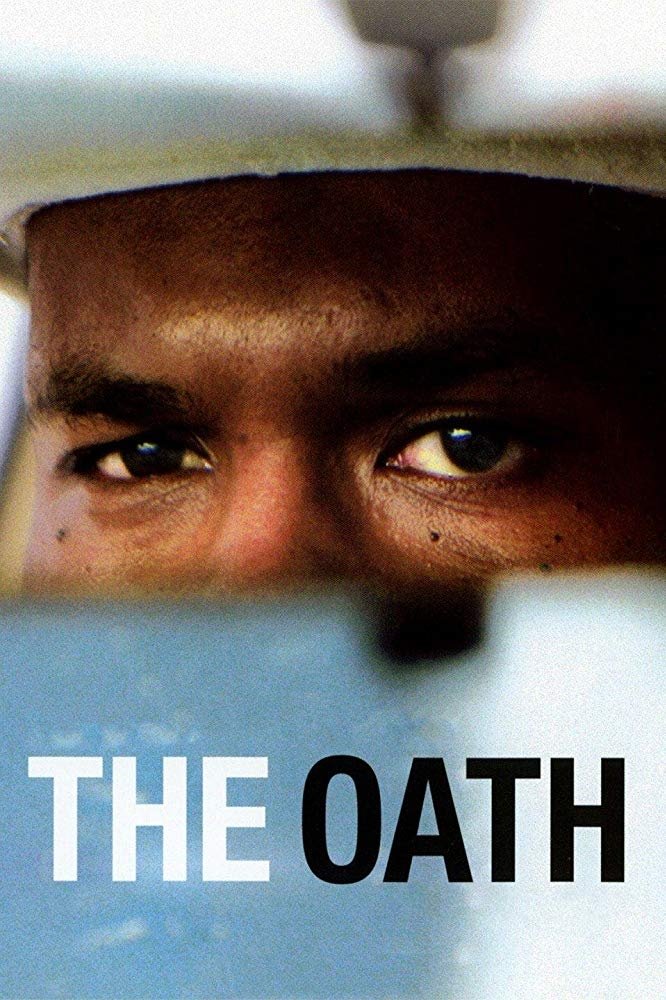
Poitras had made two films about America after 11 September 2001, My Country, My Country (2006) and The Oath (2010), and this completes the set. It is the plainest of the three and the best, because this time the subject came to her. It makes its case by showing one man in one room for an hour, and most surveillance documentaries would give a great deal for that hour. Watch it with your phone in another room. You will feel foolish for about ten minutes.