Film review

Collective

2019 · Directed by Alexander Nanau · 1h 49m

In a sentenceThe fire is the least frightening thing in it; the hospitals come next and the ministers after that

Documentary

Bucharest, autumn 2015. A fire during a rock concert at the Colectiv nightclub kills 27 people on the night, and in the weeks that follow burn victims who were expected to recover begin dying in the city’s hospitals. At a Bucharest sports daily, editor Cătălin Tolontan and reporters Mirela Neag and Razvan Lutac pick up a tip that the disinfectant supplied to Romanian hospitals is not what its label says. They have it tested. Officials deny, stall and ask who is leaking. Meanwhile Tedy Ursuleanu, who survived the fire with severe burns, begins the long business of putting a life back together, and the parents of the dead start turning up at press conferences.

Plays from YouTube when you press play; nothing loads from them until then.

Fi1m review

Alexander Nanau’s documentary follows sports reporters from a nightclub fire into the hospitals that killed its survivors, then into the ministry that let them. It is patient, angry and unusually clear, and it loses a little of its grip when it changes protagonist.

The Colectiv nightclub in Bucharest caught fire on the night of 30 October 2015, during a rock concert. Twenty-seven people died on the night. By the following spring the toll was 64, most of the later deaths from infections picked up in Romanian hospitals. Alexander Nanau’s documentary is about the second number, and about the handful of people who kept asking why it was so high. He puts no questions on camera and explains nothing in voiceover. There are no captions telling us who anyone is. We are dropped into the story and left to keep up, and for most of 109 minutes we could.

For the first hour the story belongs to the newsroom of a sports daily. Cătălin Tolontan, its editor, is a big, unsmiling man who talks to officials the way a referee talks to a player who has just dived, and his colleagues Mirela Neag and Razvan Lutac do the phoning and the waiting outside doors. A tip about the disinfectant used in the hospitals sends them to a laboratory. The results come back a fraction of what the labels promise. That is the whole of the first act, and it is told the way good reporting is done: a call, a document, a second call to check the first.

Nanau shot it himself, handheld, in offices, corridors and the back seats of cars, and he has a reporter’s sense of where to stand: at Tolontan’s shoulder as he reads, across the table from a press officer who has run out of sentences. Four editors are credited, Dana Bunescu, George Cragg, Ana García and Nanau again, and the cutting is calm to the point of stubbornness. Scenes run until the people in them have finished, not until we have got the point. Kyan Bayani’s music is a low held tone that turns up rarely and leaves quickly.

We should say what it did to us. A doctor, Camelia Roiu, brings the reporters footage shot inside her own hospital, and we will not describe it beyond saying that it concerns a patient’s wound. We felt sick. Then we felt worse, because the people watching it on screen do not look surprised, and the parents of the dead, given a microphone at a press conference, speak as if they stopped expecting anyone at the front table to look up some time ago. That is the film’s subject. Not one crime, but a country in which everybody at the table already knew.

Halfway through, the film changes hands. Vlad Voiculescu, a new health minister, lets Nanau into his office, and we watch him learn, meeting by meeting, how little of the system he is supposed to run will do what he asks. He is quick, decent and plainly out of his depth, and he does not get much done. Tolontan recedes to a face on a television in the corner, and some of the pace goes with him.

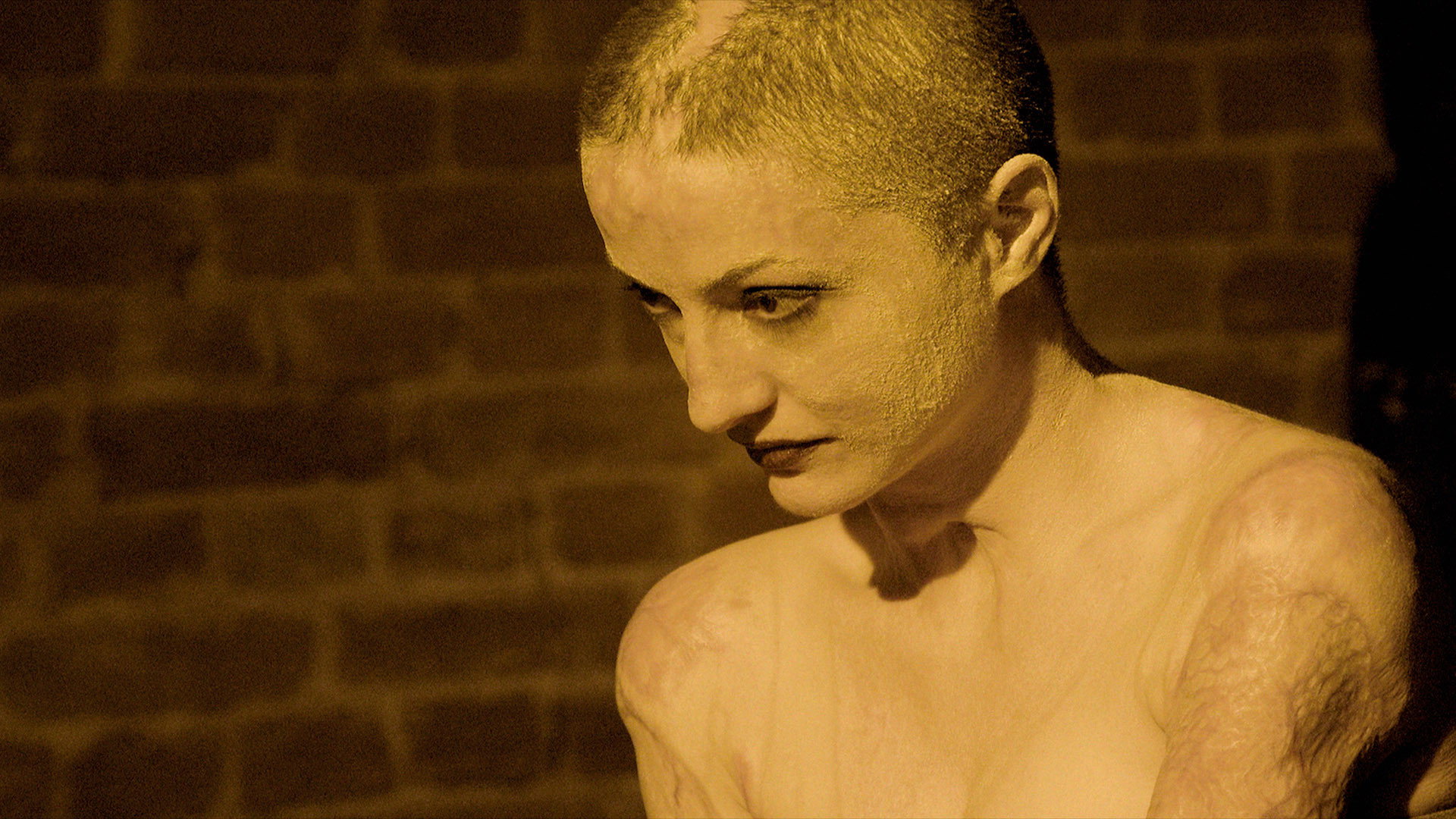
Running alongside both men is Tedy Ursuleanu, who survived the fire with severe burns and agrees to be photographed exactly as she is now. The scenes with her are quiet and unforced. We were not sure Nanau always knew what he wanted them for. He cuts to her when the paperwork gets heavy, and after a while it began to feel like a mercy for us rather than a decision about her. The other cost of leaving out captions is that a viewer without Romanian will meet several men in suits and not learn who they were until they have gone. Six words on screen would have done it.

Romanian cinema has been to these wards before. Cristi Puiu’s The Death of Mr Lazarescu (2005) followed one old man through a night of hospitals that would not take him, and the diagnosis then was exhaustion. Nanau’s film says the system is not tired at all. It is doing exactly what somebody wants it to. It carries a 15 certificate, earned by two pieces of footage rather than by anything anyone says. Watch it with someone else on the sofa. We wanted to talk afterwards, and the film would count that as a result.

Critical consensus AI synthesised

88
Positive
16
Mixed
0
Negative
0

The reviews are unanimous: sixteen critics, sixteen positive verdicts, and most find Alexander Nanau’s documentary as gripping as a thriller. The praise clusters around the journalists’ patient investigation into Romania’s hospitals after the Colectiv nightclub fire, and around the access Nanau secures, particularly to the young reform-minded health minister. Several critics single out the same two moments: secretly filmed footage of maggots in a patient’s wound, and the survivor Tedy Ursuleanu. The observational style, with no narration, is repeatedly credited for the film’s force.

Reservations barely exist. Scores run from a lone 70 to a pair of full marks, and the lowest, from Screen Daily at the festival premiere, still calls the film accomplished and gripping; it simply praises more quietly. The only real difference is emphasis: The Independent and The Telegraph read it as a conspiracy thriller in the line of Spotlight or All the President’s Men, while Sight and Sound and Slant treat it as an argument about public responsibility and a free press.

Time Out
29 October 2020 · ★★★★★ · Phil de Semlyen
100

The review calls it a gripping, must-see documentary that expands the story of the nightclub fire into a takedown of a corrupt state, with forensic skill and quiet fury.

Read the full review →
IndieWire
19 November 2020 · Eric Kohn
90*

Alexander Nanau’s bracing documentary plays like a gripping real-time thriller about the fallout from a nightclub fire and the dark forces confronting journalism.

Read the full review →
Los Angeles Times
18 November 2020 · Justin Chang
90*

The critic calls the film a brilliant, suspenseful exposé of medical malpractice and corruption with universal implications, especially timely during the pandemic. It singles out the journalists' dogged investigation and the young health minister's transparency efforts for praise.

Read the full review →
Sight and Sound
20 November 2020
90*

The critic praises the film's scalpel-like precision in exposing corruption in Romania's health service following the Colectiv fire, noting its observational style and universal relevance to public responsibility.

Read the full review →
The AV Club
17 November 2020 · A- · Noel Murray
90

The documentary is a taut, intense procedural that follows a journalistic investigation into Romania’s dysfunctional medical bureaucracy after a nightclub fire, exposing corruption while remaining emotionally wrenching.

Read the full review →
The Guardian
19 November 2020 · Peter Bradshaw
90*

The critic praises Nanau’s searing documentary for exposing Romania’s widespread healthcare corruption and gangsterism following the Colectiv fire, highlighting the heroic investigation by journalist Cătălin Tolontan. The review singles out the film’s depiction of bureaucratic indifference and a secretly filmed video of maggots in a patient’s wound as particularly horrifying.

Read the full review →

Cast

Awards

Academy Awards, 2021

Nominated
Best Documentary Feature Film
Nominated
Best International Feature Film

International Submission to the Academy Awards, 2021

Nominated
International Submission to the Academy Awards

LUX European Audience Film Award, 2021

Won
LUX European Audience Film Award

European Film Award for Best Documentary, 2020

Won
European Film Award for Best Documentary

If you liked this, try…

All the President's Men poster90

All the President's Men

1976 · Two reporters, a lot of phone calls, and the same slow tightening around the powerful.

The Death of Mr Lazarescu poster

The Death of Mr Lazarescu

2005 · A Bucharest night of hospitals that will not take a dying man; fiction, barely.

Citizenfour poster83

Citizenfour

2014 · Journalism filmed as it happens, in hotel rooms, with the feeling of a fuse burning.

Hospital poster

Hospital

1970 · Frederick Wiseman in a New York emergency room, no narration, every failure in plain sight.

Graduation poster

Graduation

2016 · Cristian Mungiu on how one small Romanian bribe becomes a whole way of life.