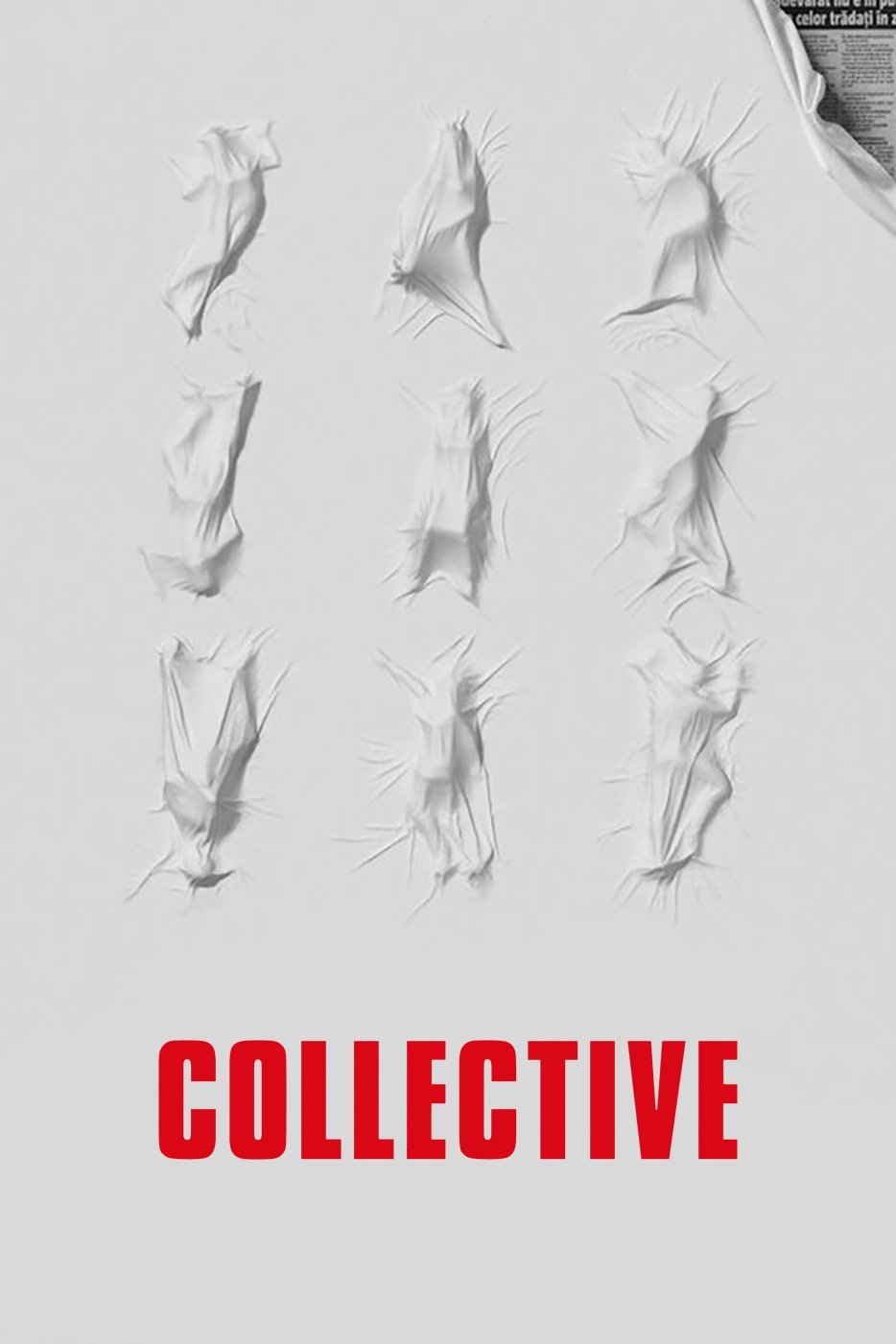
Alexander Nanau makes documentaries with no interviews, no narration and no captions, shot from the next chair for as long as a scene takes. In Collective (2019) the method turns paperwork into something close to a thriller, and asks a good deal of the viewer in return.
Fi1m perspective
A reporter reads a document at his desk and the camera is at his shoulder, close enough to read it too. Nobody asks him what it says. Nobody tells us who he is. That is Cătălin Tolontan, the sports journalist at the centre of Collective (2019), and the shot is how Alexander Nanau works: he stands where a reporter would stand, keeps quiet, and lets the scene run until the people in it have finished. There are no questions on camera, no voiceover and no captions. We are dropped in and expected to keep up, and for most of the film we could.
He was born in Bucharest in 1979, moved to Germany in 1990, trained in directing at the DFFB in Berlin and founded a production company in Romania in 2007. The early work is portraits: a theatre production in Peter Zadek inszeniert Peer Gynt (2006), a homeless artist in The World According to Ion B. (2009), three Roma siblings in a Bucharest slum in Toto and His Sisters (2014). He shot Nothingwood (2017) for another director. Collective is the one that travelled, and the one we have reviewed; it turns the same patience from one life to a whole state.
Collective begins with a count. Twenty-seven people died in the Colectiv nightclub fire on 30 October 2015; by the following spring the toll was 64, and most of the difference was made in hospitals. We came out angrier than a documentary had left us in years, and the anger was earned by the numbers, not by music or narration, because Nanau supplies almost none of either. He shot the film himself, handheld, in offices, corridors and the back seats of cars. He has described what he does as the work of a street photographer, and the access shows: a new health minister lets him sit in on meetings where the minister learns how little of his own ministry will do what he asks. Four editors are credited, Dana Bunescu, George Cragg, Ana García and Nanau again, and the cutting is calm to the point of stubbornness. Kyan Bayani's score is a low held tone that arrives rarely and leaves quickly.
The method has costs, and Collective pays them. When the film hands over from Tolontan to the minister, Vlad Voiculescu, some of the pace goes with the reporter. Tedy Ursuleanu, who survived the fire with severe burns and lets herself be photographed as she is, is cut to when the paperwork gets heavy, and we were not always sure Nanau knew what he wanted her scenes for. And a viewer without Romanian will meet several men in suits and not learn who they were until they have gone. Six words on screen would have done it.
He has said he set out to make a film about abuse of power, and there is no shortage of material. Whatever he points the camera at next, expect to be given no help, and expect to find that you did not need much.
Biography
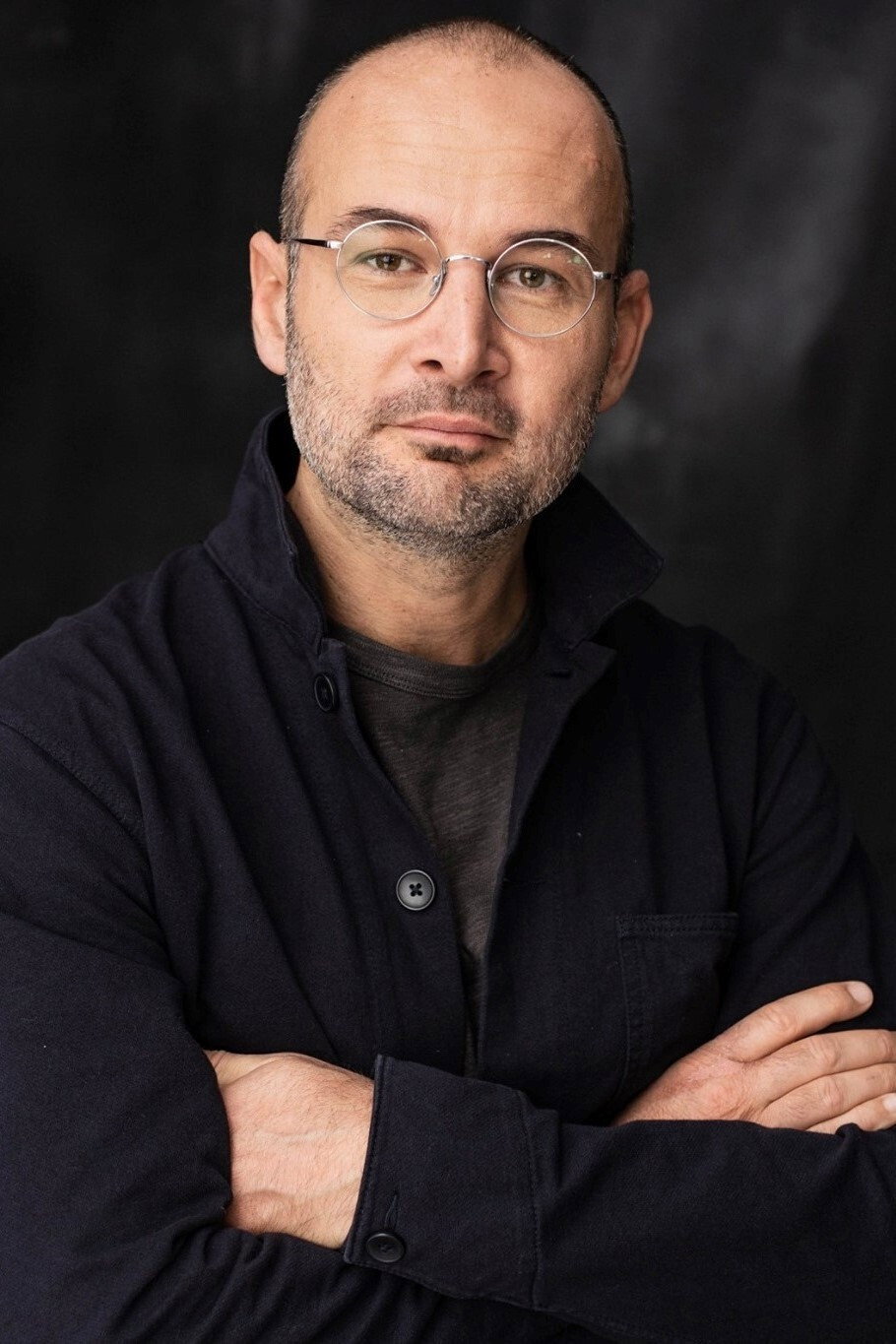
Alexander Nanau is a German-Romanian film director, producer and screenwriter. Born in Bucharest in 1979, he moved to Germany in 1990 and studied directing at the DFFB in Berlin.
His documentaries include The World According to Ion B. (2009), which won an International Emmy Award for Arts Programming, and Toto and His Sisters (2014), nominated for a European Film Award. Nanau directed, wrote, produced, shot and edited Collective (2019), Romania’s first film nominated for the Academy Award for Best International Feature Film; it also received a nomination for Best Documentary Feature and won the European Film Award for Best Documentary. He served as cinematographer on the 2017 documentary Nothingwood.