Film review

All the President's Men

1976 · Directed by Alan J. Pakula · 2h 18m · MPA PG

In a sentenceA newspaper office should not be this bad for our nerves

DramaMysteryThriller

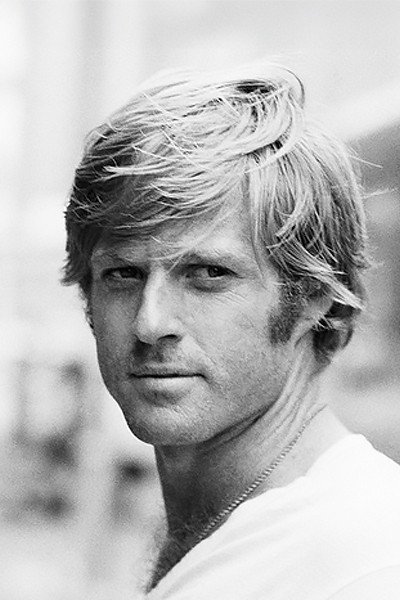
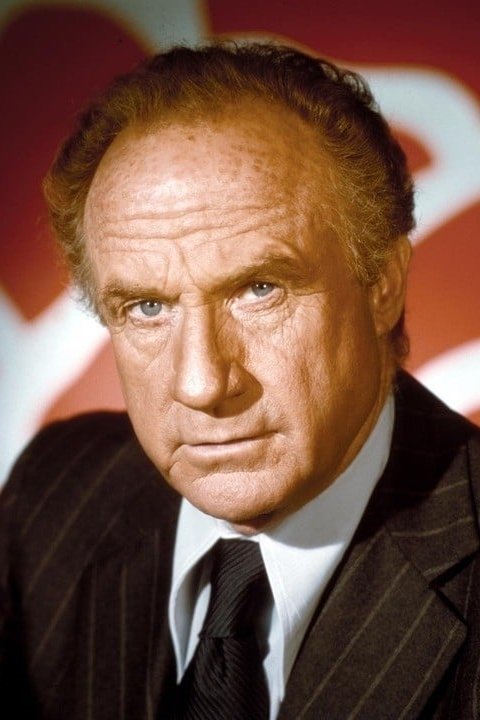
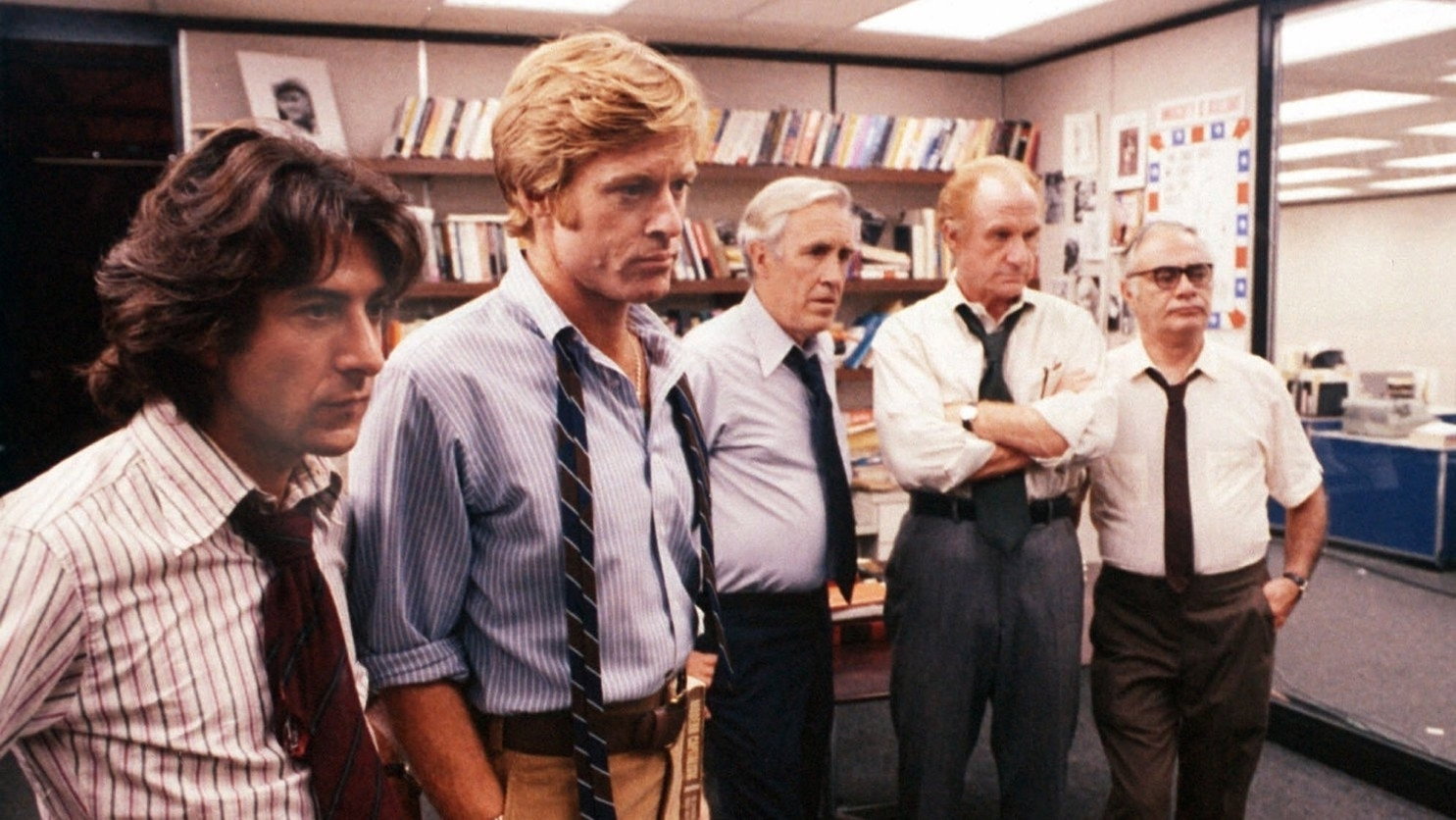
In Washington, Bob Woodward (Robert Redford) and Carl Bernstein (Dustin Hoffman) investigate Watergate for the Washington Post. Their job is to establish which names and accounts stand up to checking, and what connections they can prove. Ben Bradlee (Jason Robards) oversees their work in a newsroom where suspicion alone is not enough to justify publication. Away from the busy offices, shadowed car parks provide a setting for guarded conversations. The reporters have to keep asking questions when answers are incomplete, following a story whose importance is still difficult to measure from behind a desk.

Plays from YouTube when you press play; nothing loads from them until then.

Fi1m review

Alan J. Pakula turns the slow work of reporting into a thriller we would recommend to almost anyone. Its crowded trail of names occasionally tests the patience, but the people doing the checking keep us absorbed.

All the President’s Men is an excellent thriller about the slow business of establishing what a newspaper can safely print. Alan J. Pakula makes us care about the checking, including the steps that a less patient film would hurry through on its way to an accusation. We would recommend it even to anyone who thinks a film about the Watergate investigation sounds like homework. The tension comes from having enough information to suspect something and still being some distance from being able to prove it.

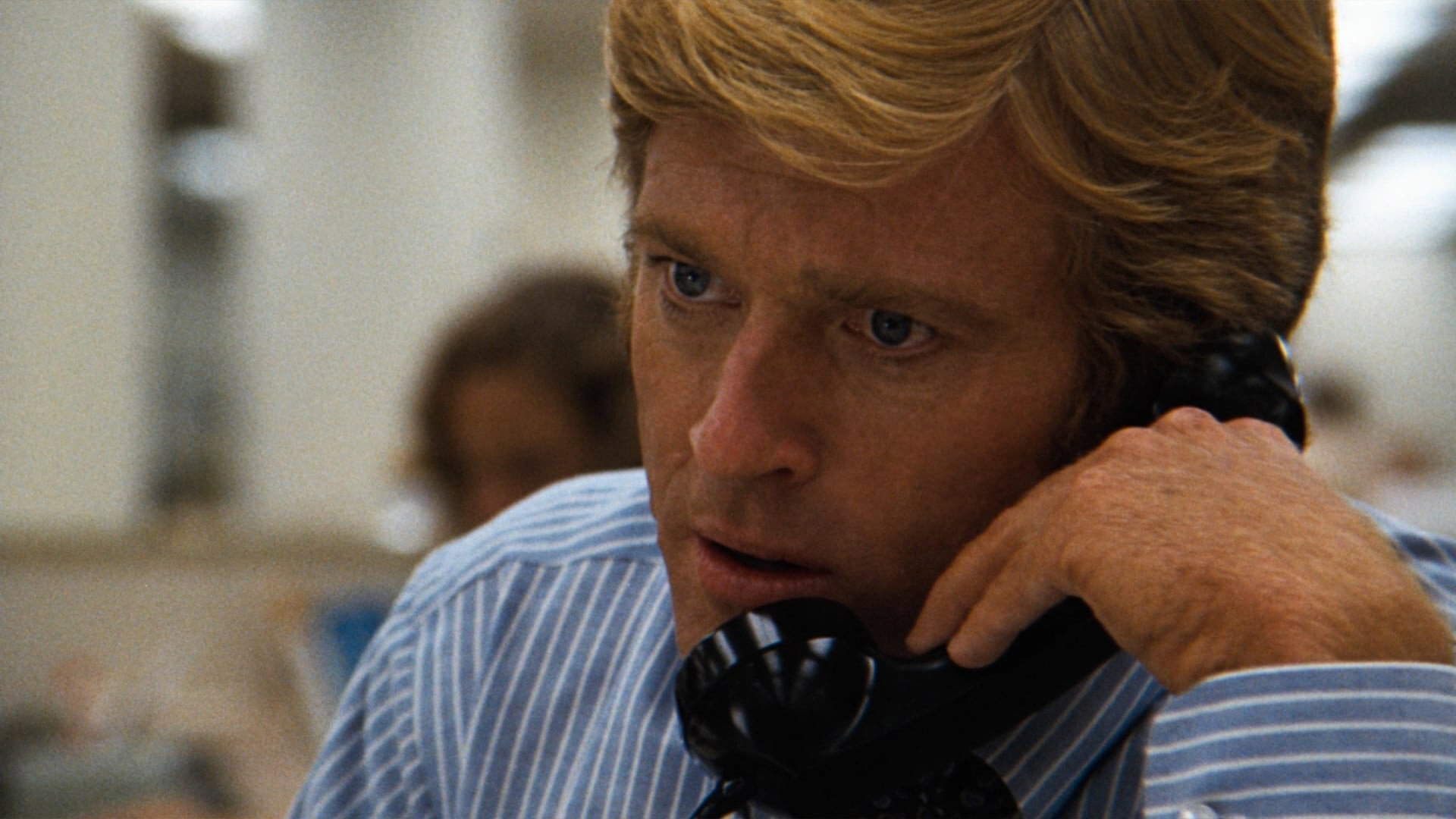
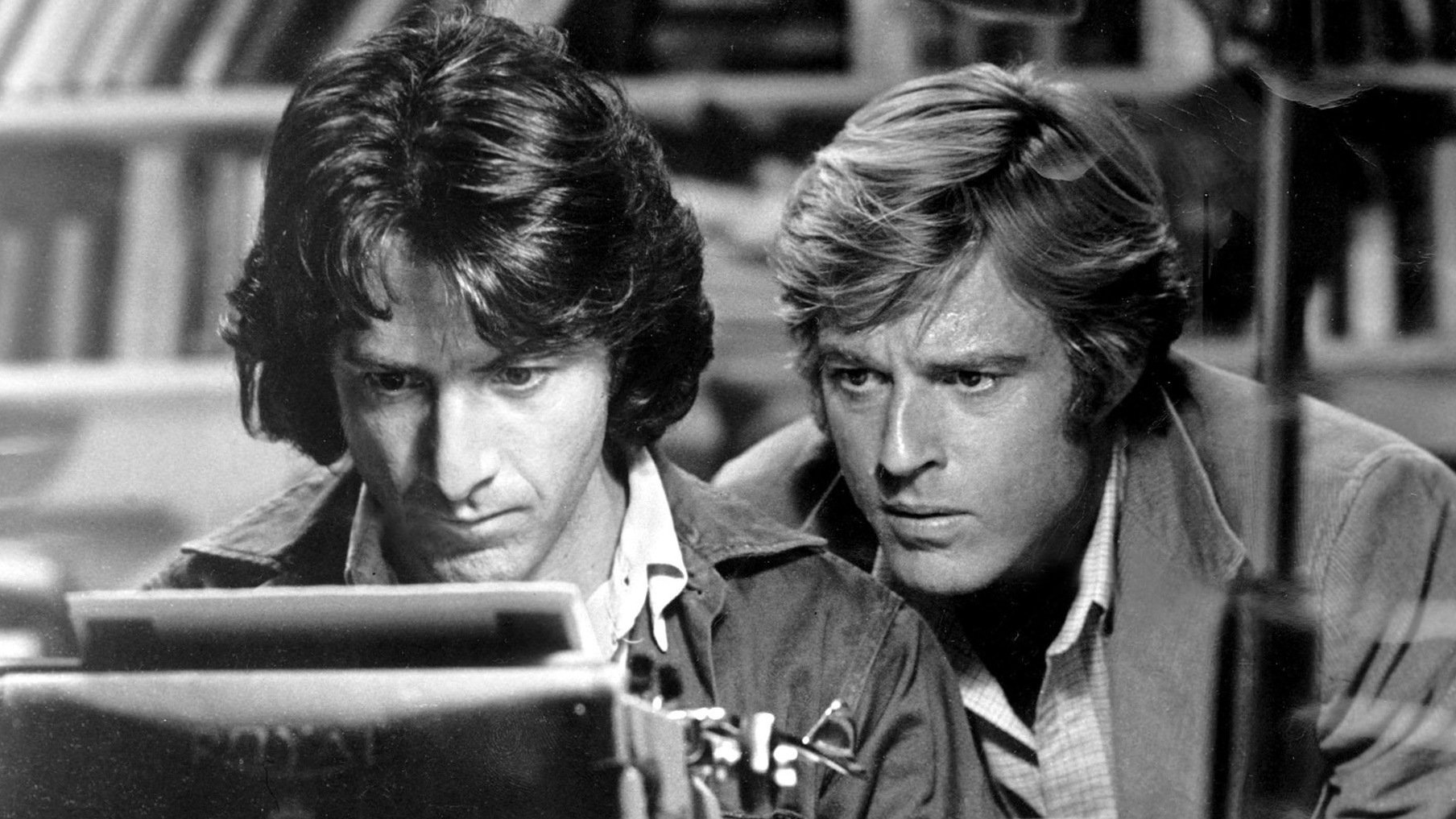
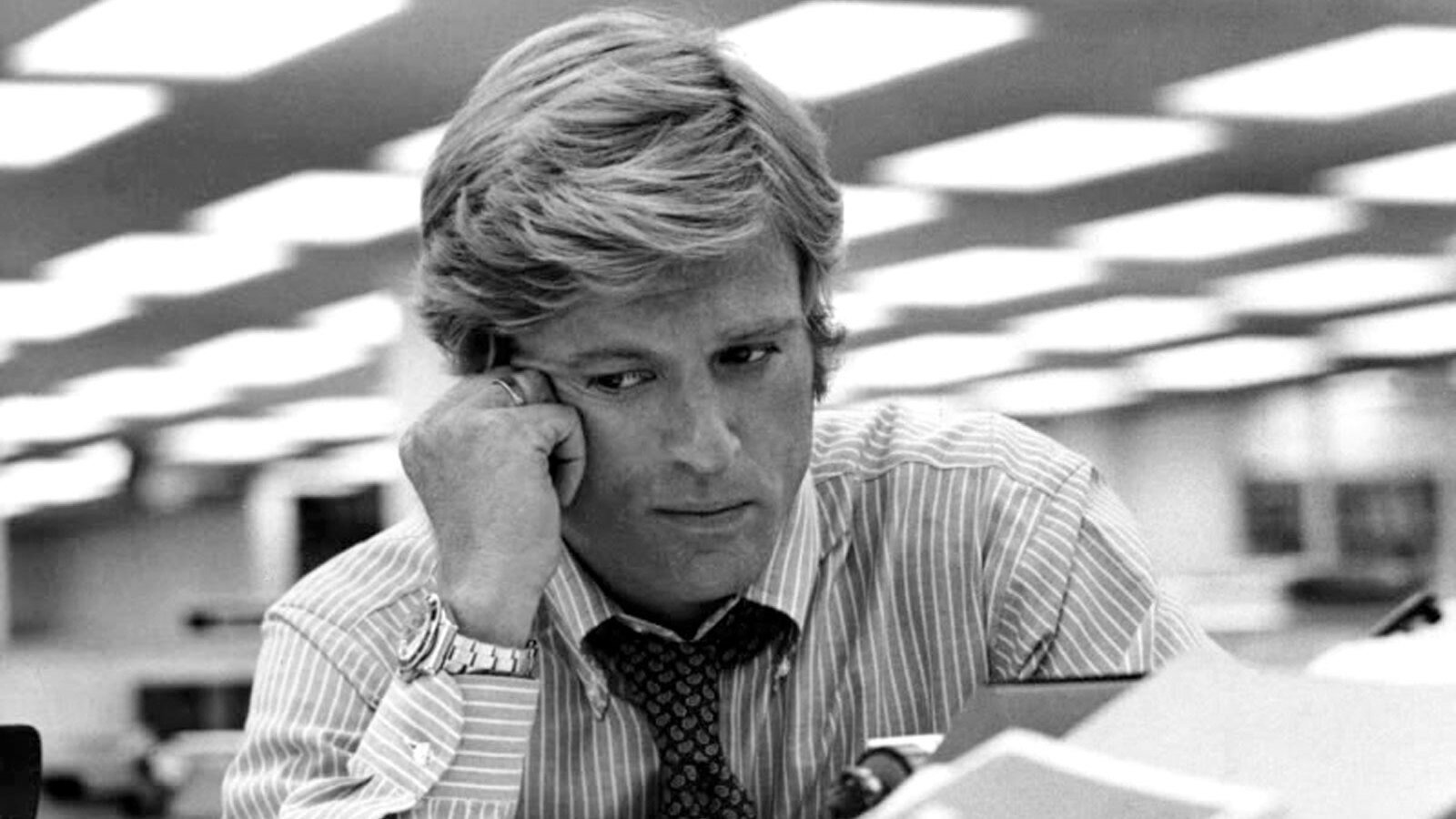
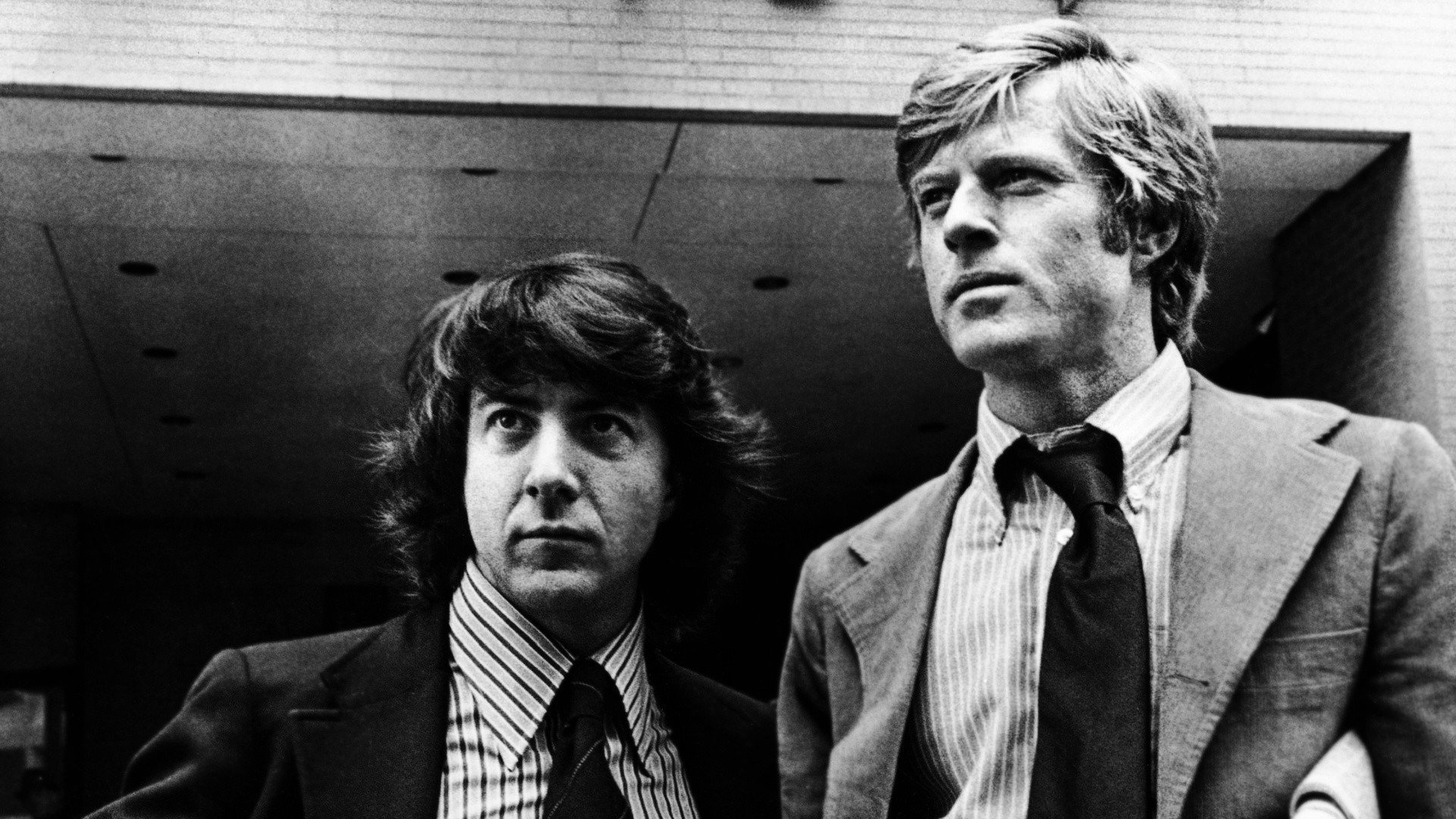
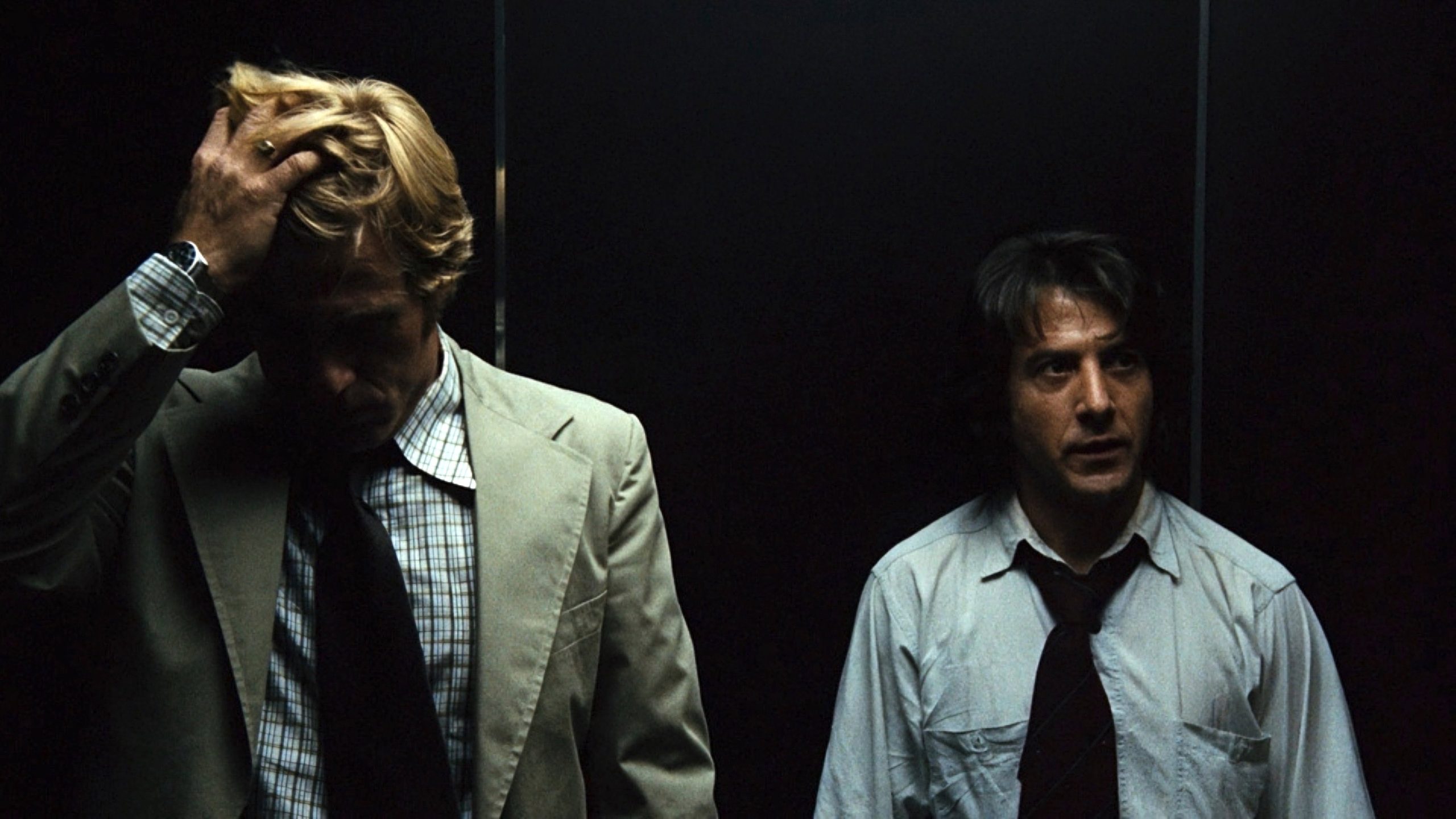
Robert Redford, as Bob Woodward, and Dustin Hoffman, as Carl Bernstein, make a convincing team without smoothing away the differences between them. Their shared scenes have enough impatience and friction to spare us a mutual admiration exercise. We believe in their concentration, and in the effort required to stay interested when an answer fails to settle anything. Neither performance asks us to applaud a journalist merely for being a journalist, which is a considerable relief.

Gordon Willis gives the Washington Post newsroom a hard brightness that does not offer quite the comfort we expect from a well-lit room. George Jenkins’s production design fills it with the ordinary clutter of office work, making the surroundings convincing without encouraging us to stop and admire the furniture. Beyond it, the shadowed car parks allow darkness to occupy an uncomfortable amount of the screen. We were frightened by those spaces: it is difficult to listen calmly to a conversation when we keep trying to see what the shadows might conceal.

Robert L. Wolfe’s editing gives the investigation a steady pressure without pretending that each new piece of information deserves a sudden burst of excitement. The repeated business of asking, listening and checking remains absorbing because we can follow how much work each answer leaves to do. David Shire’s music is effective in its restraint, allowing the film’s uncertainty to persist rather than telling us how frightened to be. There is room for hesitation, and for us to wonder whether the reporters have understood what they have heard.

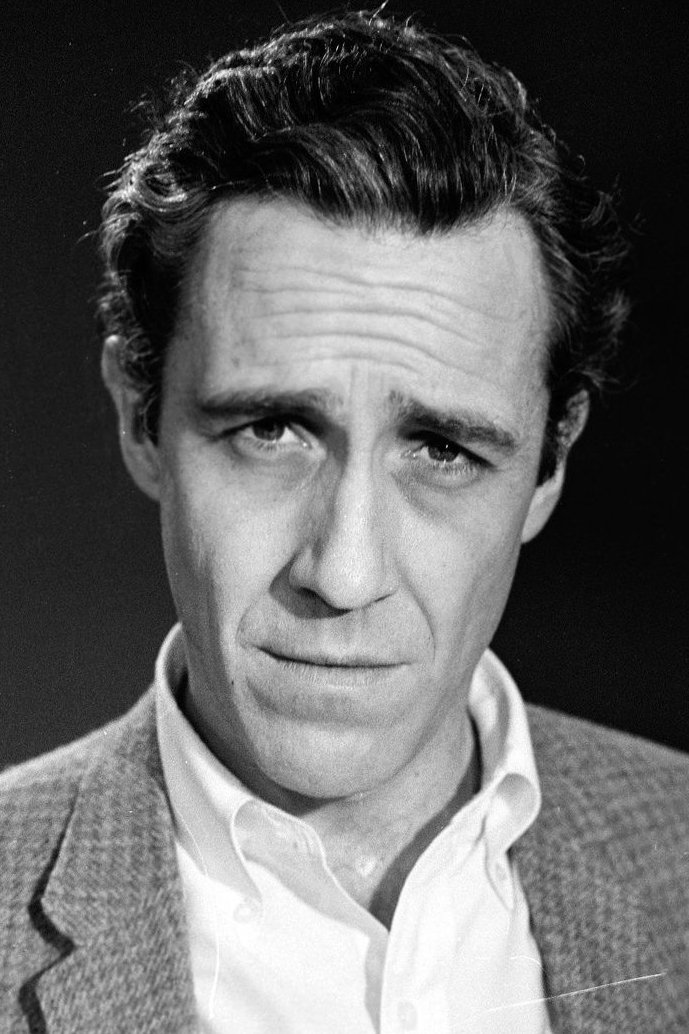
William Goldman has to make a succession of names interesting while keeping the connections between them comprehensible. His screenplay mostly manages this by keeping the question of proof in front of us, although there are stretches when we are keeping track rather than becoming more involved. Jason Robards, as Ben Bradlee, helps give those details weight; his authority makes us feel that somebody will have to answer for what reaches the page. The supporting characters do not all receive comparable attention, and some feel defined entirely by the information they can supply.

Within the political thriller, the film is unusually willing to spend time on routine work. It trusts that we will find uncertainty troubling without needing an obvious threat at every stage, and its confidence is largely justified. There is something reassuring in its faith that persistence and careful reporting can matter, though we would hesitate to take that faith for a complete account of how power works. The film stays close to the reporters and the practical limits of their knowledge.

Give it an evening when the names have a chance of sticking. At 138 minutes, it asks for sustained attention, and it does not treat confusion as a reason to abandon the details. We would keep the phones out of reach; there are enough distractions in the newsroom.
Critical consensus AI synthesised

86
Positive
14
Mixed
0
Negative
0

The consensus is firmly positive: all fourteen reviews admire the film’s patient treatment of investigative journalism and its ability to make procedural detail tense. Praise centres on Pakula’s restrained direction, William Goldman’s handling of a complicated investigation, and Gordon Willis’s cinematography, particularly the contrast between the bright newsroom and shadowed spaces beyond it. The convincing office detail and controlled ensemble performances also draw approval, with Jason Robards repeatedly singled out.

The spread is chiefly between admiration and enthusiasm, rather than opposing verdicts, and reservations are scattered. The Hollywood Reporter finds that the plotting occasionally thins out and gives the protagonists too little jeopardy, a qualification to the wider praise for suspense built from methodical work. /Film admires the procedural filmmaking but finds its faith in journalistic accountability quaint in the present political climate; the disagreement concerns how that faith holds up, not the skill with which the investigation is dramatised.

Radio Times
★★★★★ · Adrian Turner
100

This Oscar-winning thriller is one of the best movies ever made about American politics, with William Goldman's script brilliantly clarifying multilayered corruption and Pakula's tense direction drawing parallels between the open newsroom and murky politics.

Read the full review →
Slant Magazine
21 November 2013 · ★★★★/4 · Wes Greene
100

The review praises Pakula's cool, restrained direction and Willis's atmospheric cinematography for turning the film into a subversive detective story that emphasizes the banality of investigation and creeping paranoia without sensationalism or mythologizing.

Read the full review →
Empire
1 January 2000 · Ian Nathan
90*

The film is one of modern American cinema’s most intelligent and provocative accounts of political failings and a near-perfect depiction of journalism at its purest and most inspired; it is quite brilliant. Pakula’s verite texture captures the drudgery of investigation and the bustling newsroom, with standout performances including Jason Robards as Ben Bradlee.

Read the full review →
Sight and Sound
23 April 2026 · Richard Combs
90*

The film masterfully paces its investigation with clipped allusiveness and atmospheric tension like classic mystery fiction, using tight camerawork and controlled performances to build compulsive step-by-step progress through the Watergate maze.

Read the full review →
The Times
5 March 2026 · Kevin Maher
90*

This is the gold standard of journalism movies, consistently praised for its extreme quest for authenticity in recreating the Washington Post offices and details. The new 4K restoration highlights the meticulous production design and cinematography that capture the era's office life.

Read the full review →
Time Out
23 May 2012 · GA
90*

Pakula's film is remarkably intelligent as both an effective thriller and an abstract charting of corruption and power, with extraordinary visual set-ups contrasting the bright newsroom against shadows and monumental buildings.

Read the full review →

Cast

Stills

Awards

Academy Awards, 1977

Nominated
Best Director
Nominated
Best Film Editing
Nominated
Best Picture
Nominated
Best Supporting Actress
Won
Best Production Design
Won
Best Sound
Won
Best Supporting Actor
Won
Best Writing, Adapted Screenplay

If you liked this, try…