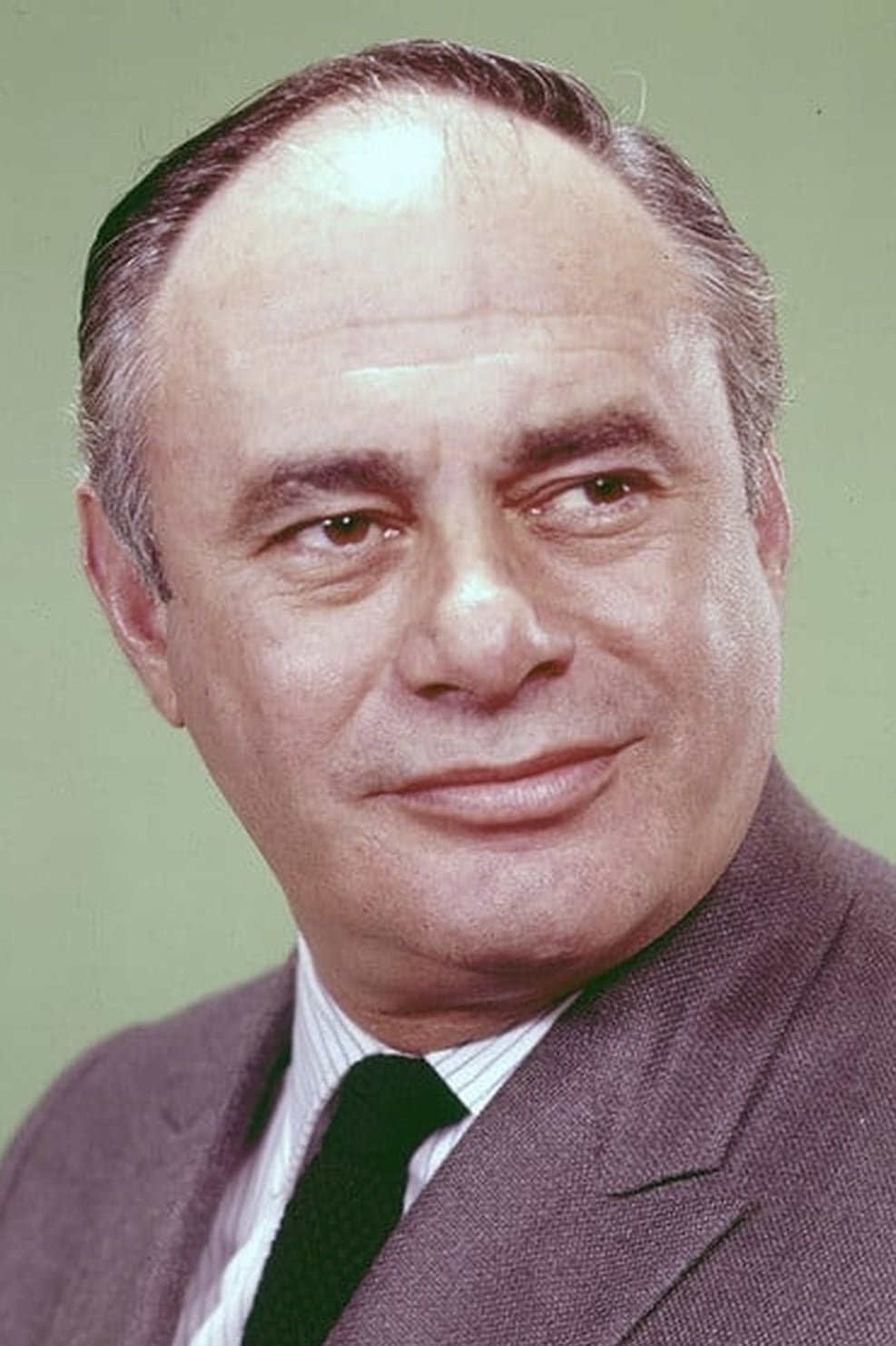
Martin Balsam makes authority look ordinary, which is why we tend to believe it. We rate him most highly in an ensemble, where his quiet reactions give other actors something credible to push against.
Fi1m perspective
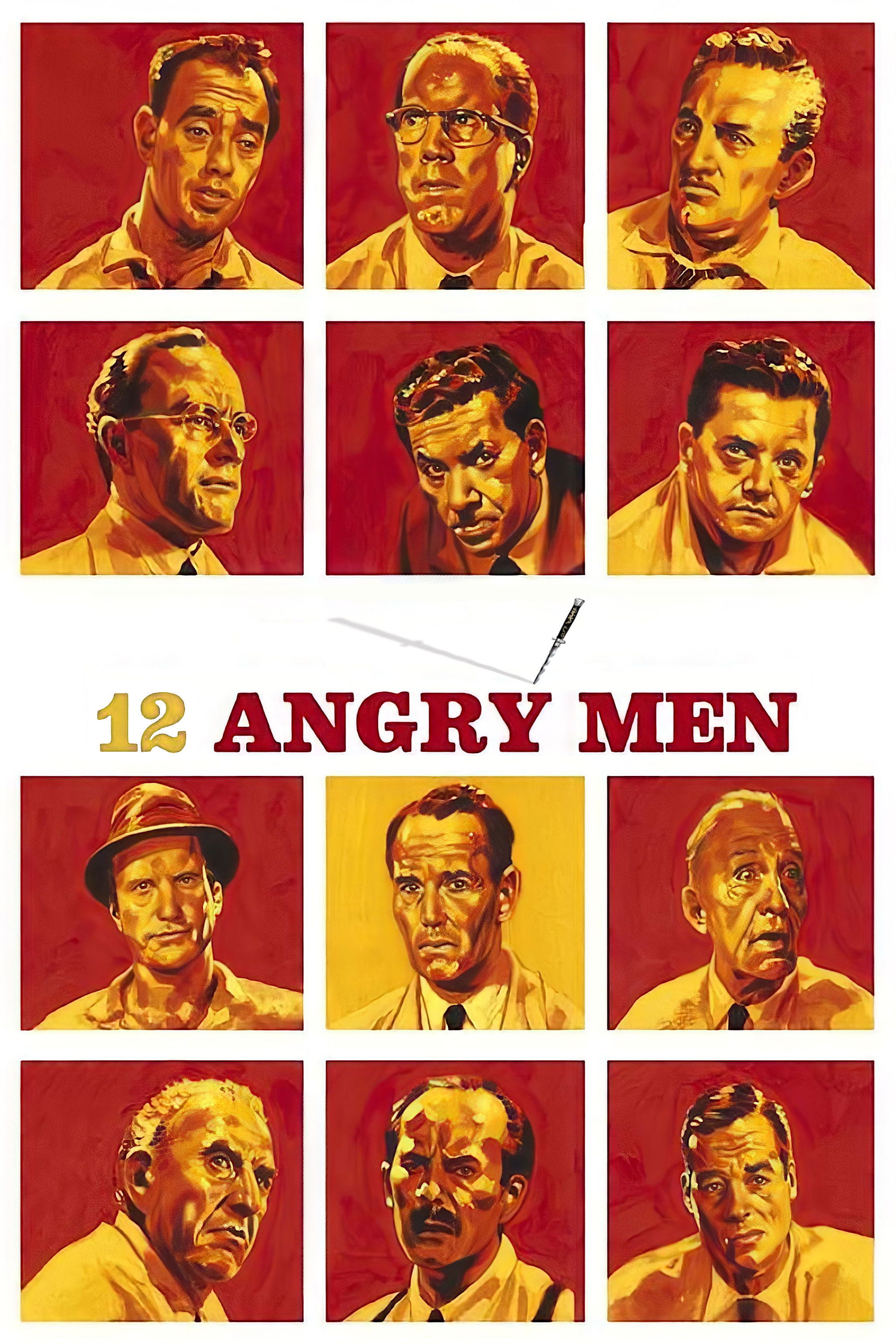
Martin Balsam can be surrounded by actors making their points and still look as though he is listening. His breakthrough role was Juror 1 in Sidney Lumet's 12 Angry Men (1957), and the tense group suits his unforced way of working. We were gripped by the deliberations because Balsam and the ensemble make the effort of listening feel urgent. The writing sometimes arranges the disagreements too neatly, but he helps keep the people credible even when we can see how the scene has been constructed.
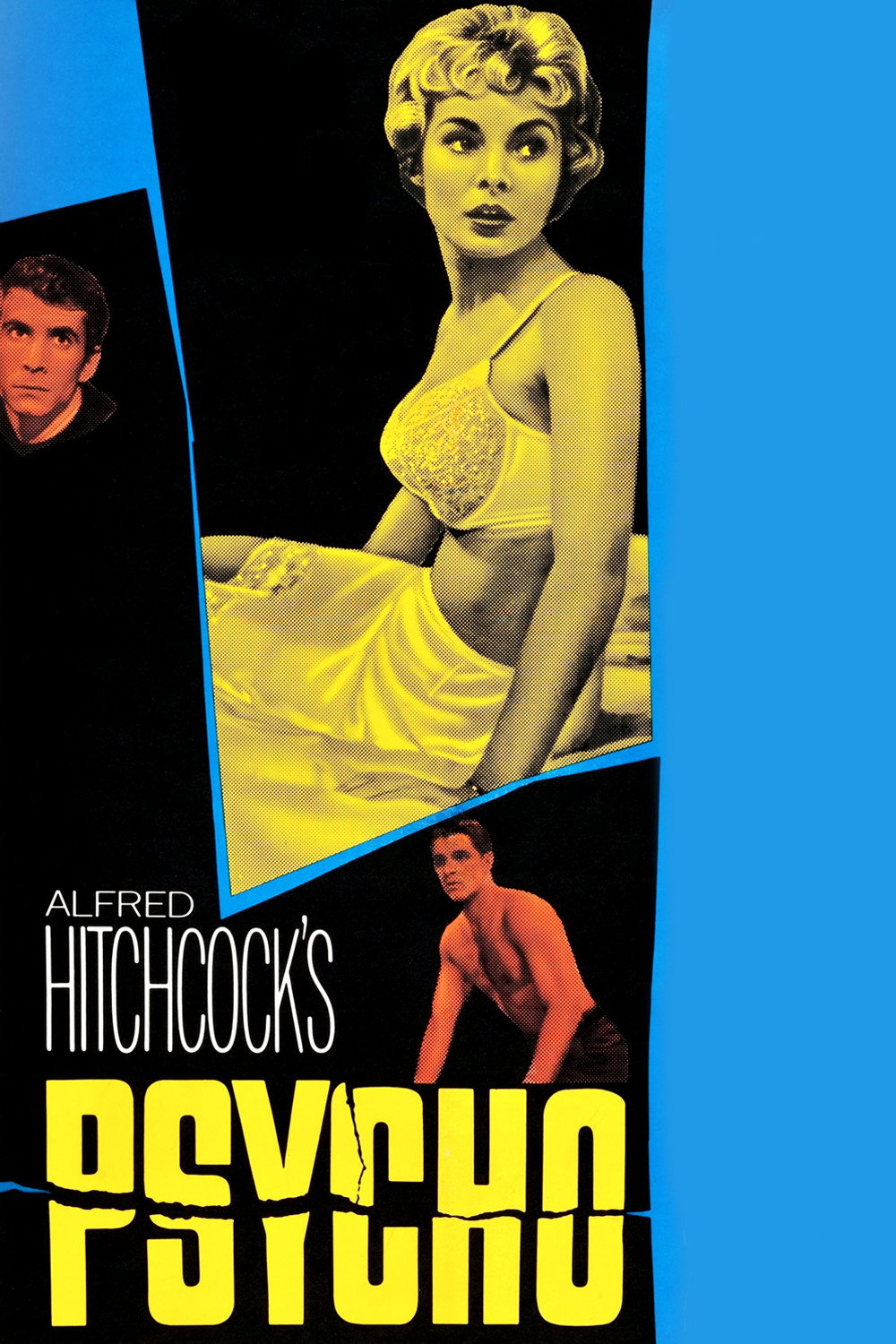
That reliability is useful to Alfred Hitchcock in Psycho (1960), where Balsam plays Milton Arbogast. His professional manner gives the film a steady presence alongside Anthony Perkins's unsettling performance. We value his contribution for much the same reason we value his jury work: he seems accustomed to having a job to do, and does not need to advertise it. Hitchcock's shocks are precisely made, but the actors have to persuade us to believe in the people before those shocks can frighten us.
Supporting parts filled much of the work that followed through the 1960s and 1970s. In A Thousand Clowns (1965), his Arnold Burns allows humour and vulnerability into that familiar authority, a useful reminder that steadiness need not mean solemnity. In The Taking of Pelham One Two Three (1974), he plays Green, another part in an ensemble thriller.
His explanation of the Method was brief: “All it really means is to relate, to react.” We can see why Lumet's ensemble suits him: somebody else's speech does not mean his work has stopped. Repeated casting as authority figures can make us think we know what he will do before he does it. Start with 12 Angry Men, and pay as much attention to the listening as to the speeches.
Biography
Martin Balsam was an American character actor. He was born in the Bronx, New York City, on 4 November 1919 and died in Rome, Italy, on 13 February 1996.
Balsam began his career on the New York stage and was an early member of the Actors Studio. He appeared in numerous films, including an uncredited role in On the Waterfront (1954), Juror #1 in 12 Angry Men (1957), Milton Arbogast in Psycho (1960), O.J. Berman in Breakfast at Tiffany's (1961), Signor Bianchi in Murder on the Orient Express (1974), Howard Simons in All the President's Men (1976), and Mr. Merriweather in Little Big Man (1970). He won the Academy Award for Best Supporting Actor for his performance in A Thousand Clowns (1965).
On television, he played Murray Klein in the sitcom Archie Bunker's Place (1979–1983). He also received a Tony Award for Best Actor in a Play for You Know I Can't Hear You When the Water's Running (1968).