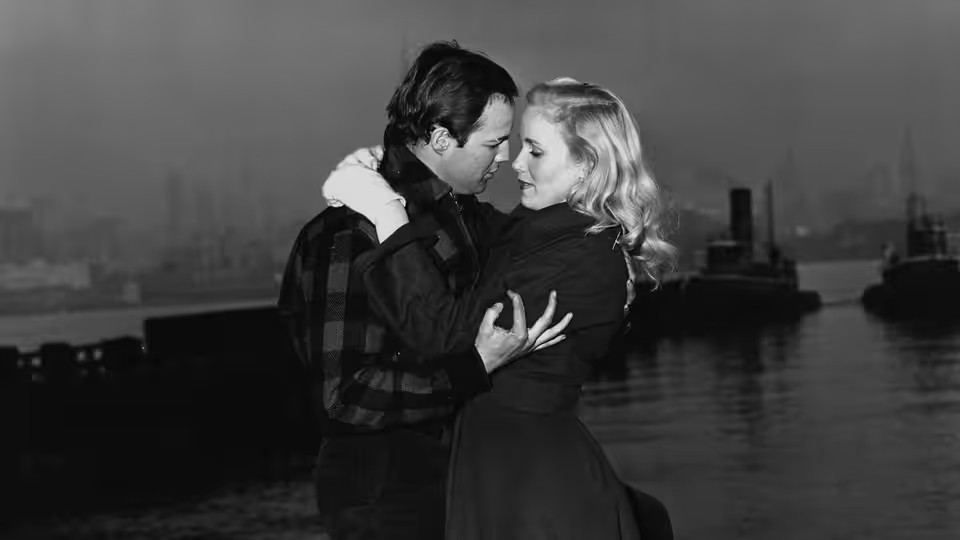
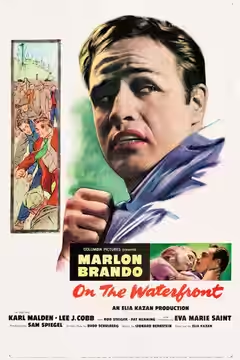
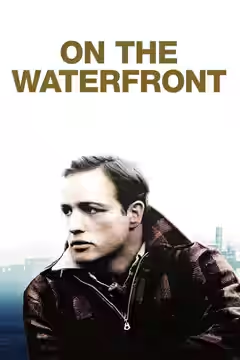
Marlon Brando makes Elia Kazan’s waterfront drama painfully human, and we recommend it for the performances alone. The moral lecturing is harder to accept, particularly when the acting has already made the point.
Elia Kazan’s On the Waterfront asks how a working man finds the courage to challenge corruption when keeping quiet is the easier way to get through the day. It is a forceful crime drama, and we recommend it, chiefly for Marlon Brando’s Terry Malloy. Budd Schulberg’s screenplay is certain about right and wrong; Terry takes longer to work things out. Brando gives that delay enough interest to make us patient with a film that sometimes explains more than it needs to.
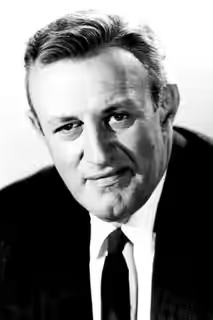
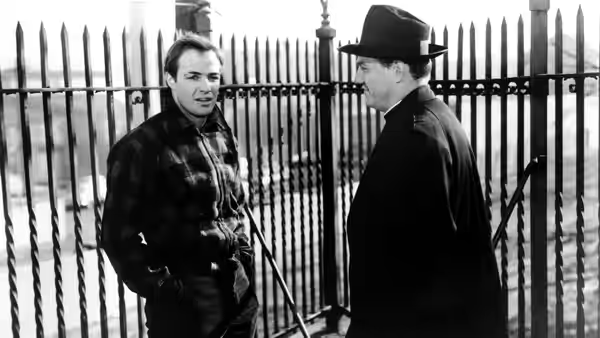
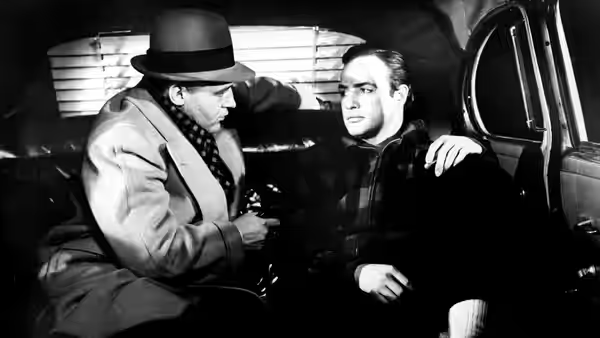
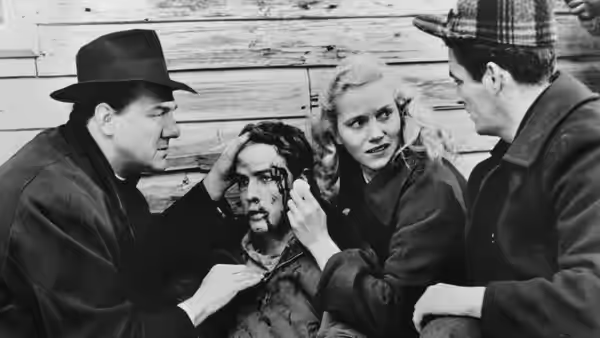
Terry is a docker and former boxer, facing a union boss played by Lee J. Cobb. Brando lets his speech sound difficult, as though admitting anything about himself requires an effort he would prefer not to make. We were moved by that difficulty: Terry can scarcely admit to his own hurt, and Brando keeps making us wait for the words. Even before we decide what we think of his choices, we want him to finish a sentence without having to protect himself.
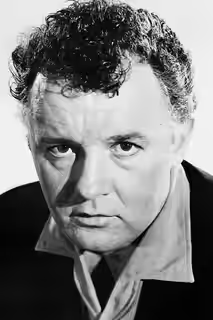
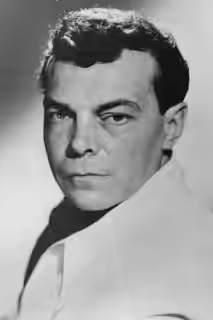
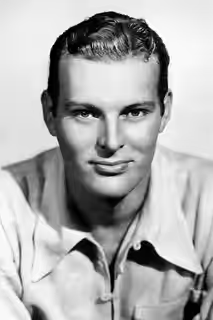
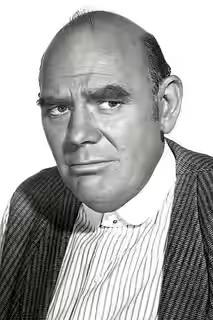
Eva Marie Saint’s Edie Doyle gives Terry someone whose attention he cannot comfortably shrug off. Saint never looks as though she is merely waiting for Brando to finish; her attention makes his unease harder to hide. Rod Steiger’s Charley Malloy gives Brando a demanding partner, keeping their exchanges from becoming a solo exhibition. Lee J. Cobb is broader as Johnny Friendly, but his bullying authority is useful: we need to feel the power Terry has grown accustomed to living under.
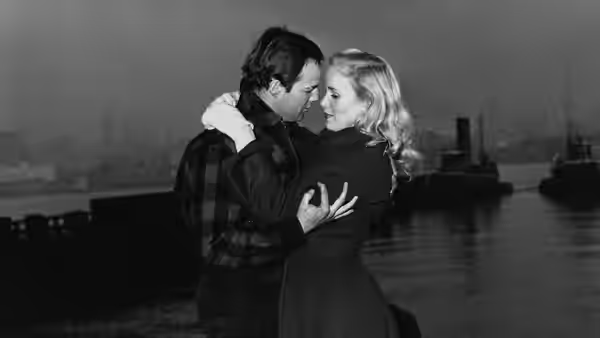
Boris Kaufman’s cinematography makes the waterfront locations feel inhospitable even when nobody is making a threat. The sense of a working place gives the crime story credibility, and keeps the tender meetings from feeling detached from the men’s daily lives. Gene Milford’s editing is patient with the performances, allowing their hesitations to matter without losing the pressure of the plot. There is room to watch someone struggle for an answer, and the film is better for taking that time.
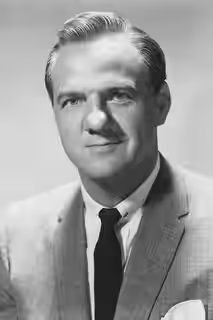
Leonard Bernstein’s music is less inclined to leave us alone, and much of it earns that insistence. It gives the dockside struggle a scale larger than one man’s troubles, though there are moments when the emotional emphasis is more than the acting needs. Karl Malden’s Father Barry brings conviction to the religious side of Schulberg’s writing. Malden can make an exhortation sound urgent, but the Christian symbolism presses too hard for a response that Brando has already secured.
The film’s treatment of informing is the reservation that matters most. Kazan and Schulberg’s own histories of naming names make its insistence on the righteousness of speaking out worth questioning. A story about resisting a corrupt union cannot settle every question about informing, however decisively it arranges its villains. Schulberg leaves so little doubt about where virtue lies that Terry’s hesitation has to do nearly all the difficult work, and Brando makes us feel the personal cost even when the script seems impatient with doubt.
As a gangster picture, it pays unusual attention to the people who must live under the boss, whose own ambitions matter less here. Kazan keeps returning us to the man who has learnt to accommodate that power, and makes his fear of challenging it credible. Give it the evening, and watch what Brando does before the next line arrives.