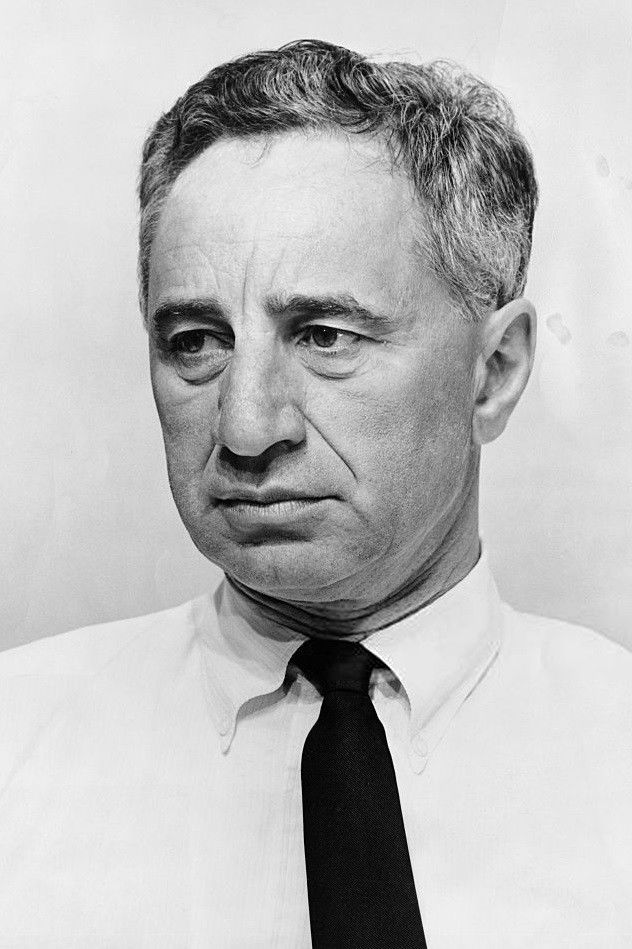
Elia Kazan makes hesitation compelling: his actors can show how much a decision costs before they speak. We rate him highly, with a reservation about scripts that explain what the performances have already made plain.
Fi1m perspective
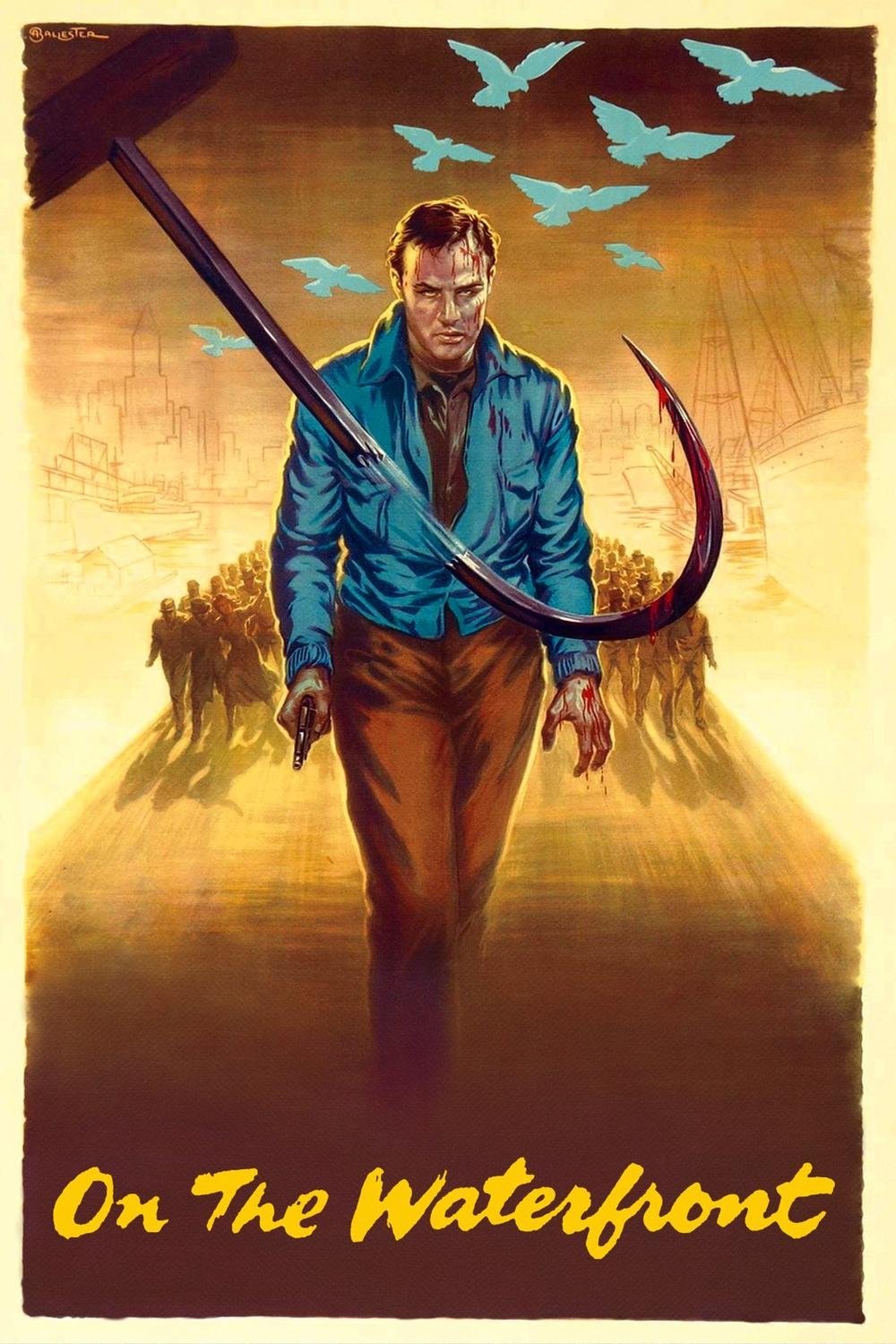
Watch Marlon Brando's Terry Malloy hesitate in On the Waterfront (1954). Kazan gives us a working man who has learnt to accommodate corruption and now has to find the courage to challenge it. Brando makes the delay interesting; we can see why keeping quiet would be easier. This is where we rate Kazan most highly, directing actors whose doubts remain credible even when the story has decided what they ought to do. His weakness is a tendency to explain what those performances have already made clear.
His film-directing debut was A Tree Grows in Brooklyn (1945), following work in the theatre. A Streetcar Named Desire (1951) brought Tennessee Williams's play to the screen with Brando and preserved its dramatic intensity. East of Eden (1955) introduced James Dean in a story of father-son conflict. With America, America (1963), he drew on family history for an immigrant saga. That was a more directly personal use of the social concerns running through his films about class and prejudice.
Kazan favoured location shooting and a realist look, with cinematographer Boris Kaufman among his recurring collaborators. We value the plainness of that approach, but his strongest effects come from watching an actor think. In On the Waterfront, Budd Schulberg's screenplay is certain about right and wrong; Brando's Terry takes longer. Kazan lets that difference sustain our interest in a story whose villains leave little room for doubt. We were moved by Terry's hesitation, because Brando makes us feel the personal cost of challenging the men he has learnt to live under.
The reservation is that Kazan does not always trust us to understand what his actors have shown. On the Waterfront presses its moral lesson harder than it needs to, particularly when Schulberg leaves Terry to do almost all the difficult thinking. That does not cancel our enthusiasm for a forceful crime drama, but it makes some of the insistence tiresome. Start there, and watch what Brando does while Terry is still deciding.
Biography
Elia Kazan was a Turkish-born American film and stage director. Born Elia Kazanjoglous on 7 September 1909 in Constantinople, Ottoman Empire (now Istanbul, Turkey), he emigrated with his Greek parents to New York City at the age of four. He studied at Williams College and the Yale School of Drama before entering the theatre.
Kazan co-founded the Group Theatre in 1932 and was involved in the founding of the Actors Studio. He directed stage productions of plays by Tennessee Williams and Arthur Miller. His films include Gentleman's Agreement (1947), A Streetcar Named Desire (1951), On the Waterfront (1954), East of Eden (1955), Baby Doll (1956) and Splendor in the Grass (1961). In 1952 he testified before the House Un-American Activities Committee, naming former Communist Party associates.