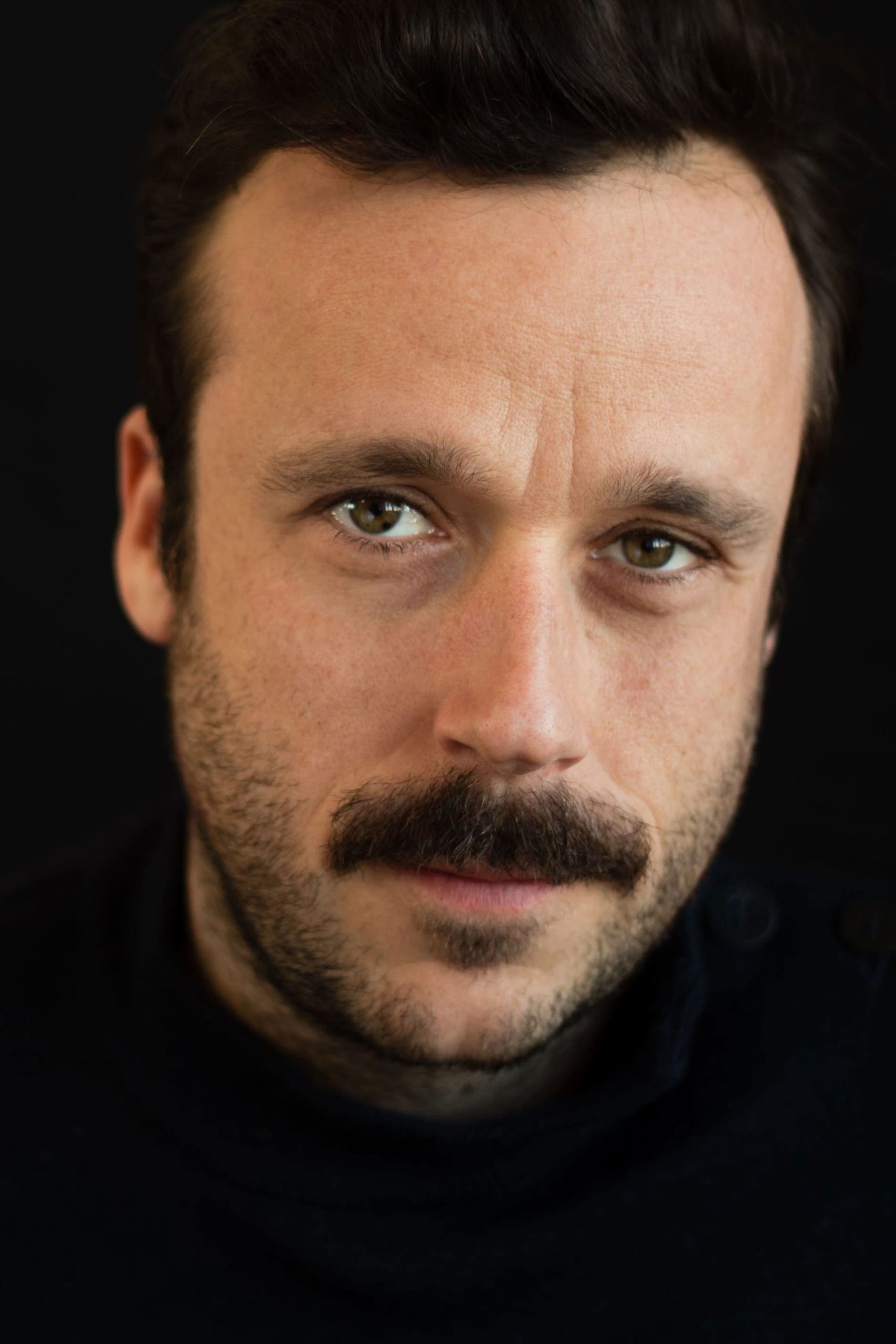
Marion Cotillard makes a weekend campaign to save a factory job painfully absorbing. Jean-Pierre Dardenne and Luc Dardenne build suspense from repeated conversations, though a few encounters feel arranged to cover every possible response.
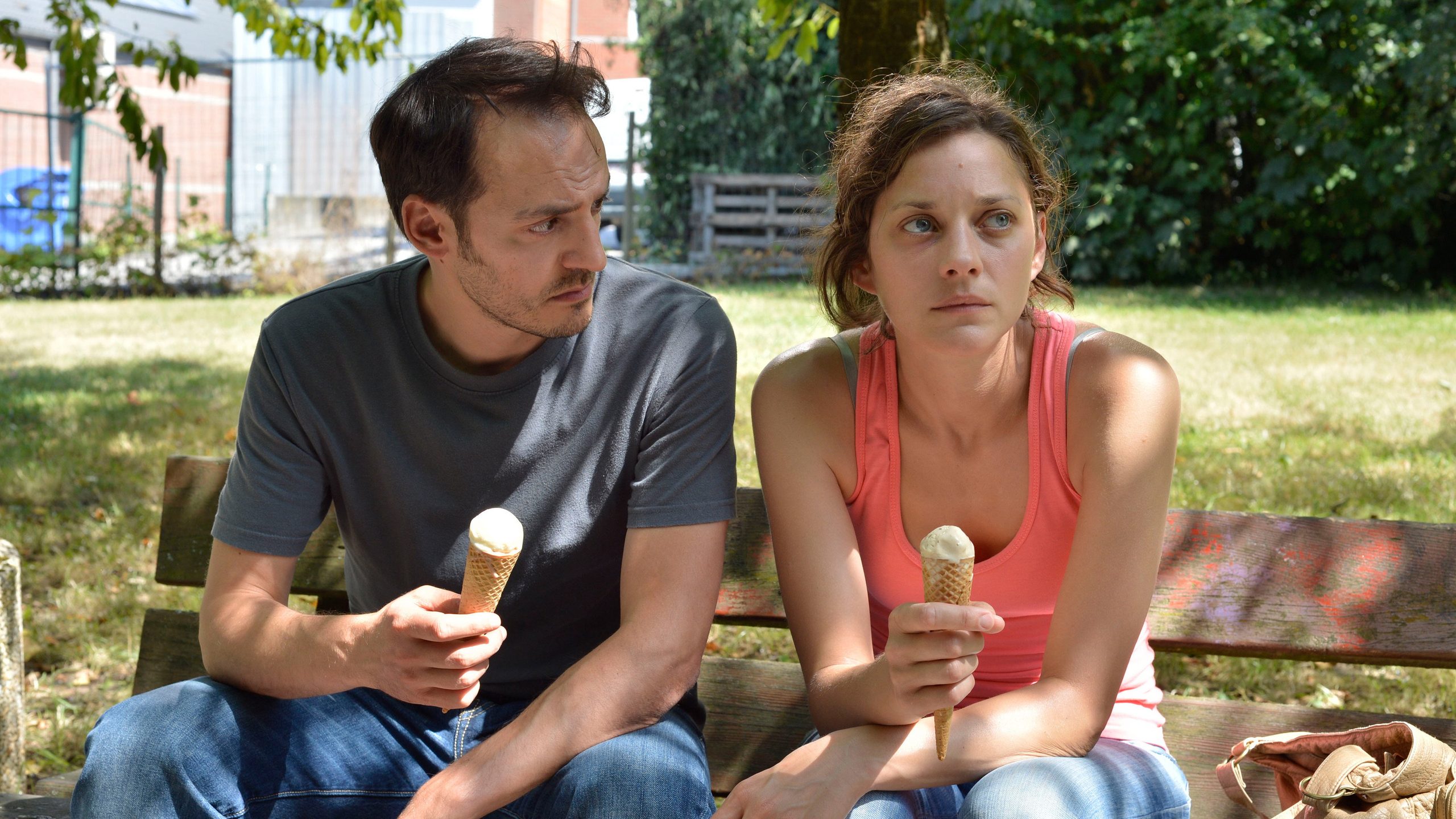
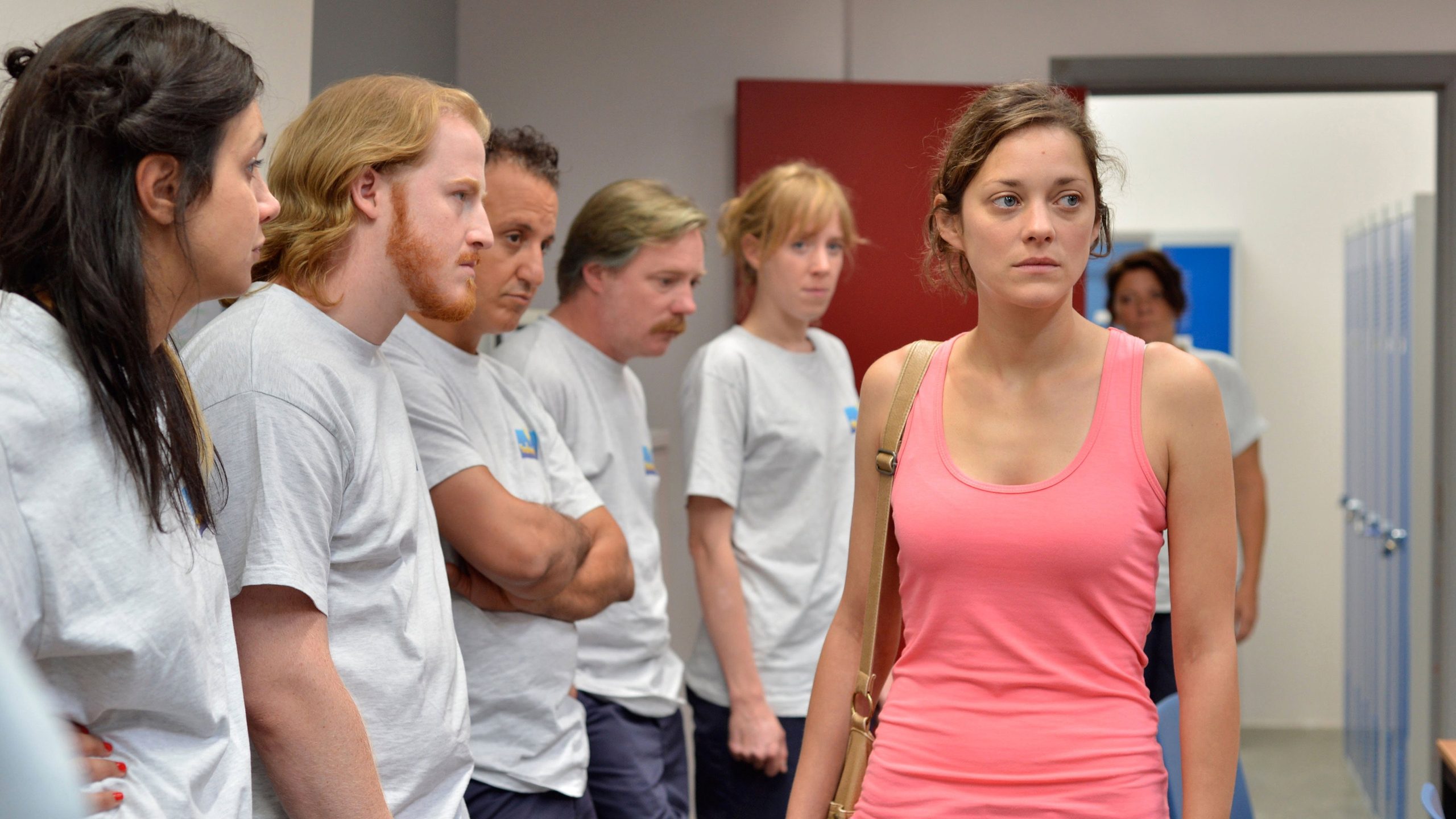
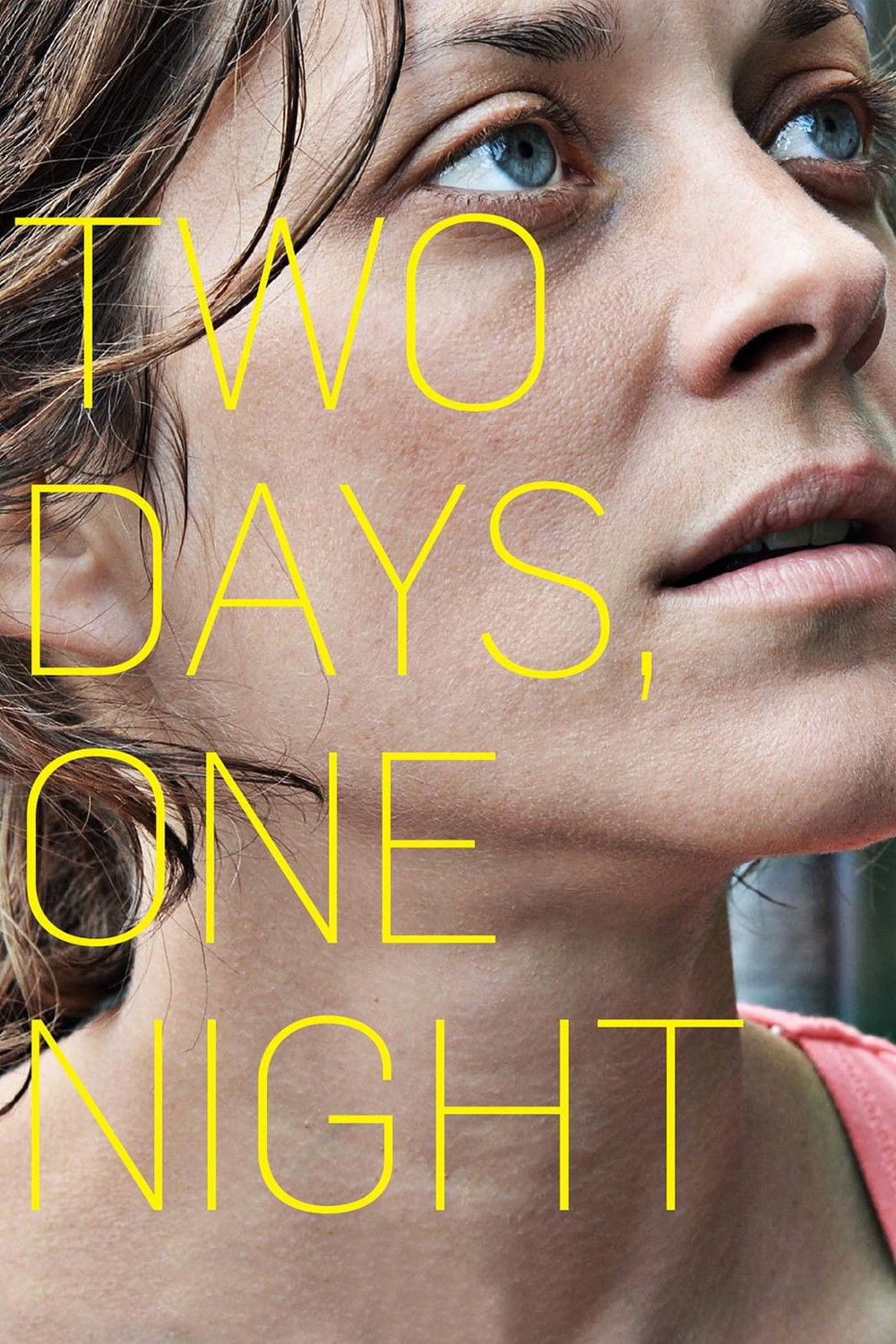
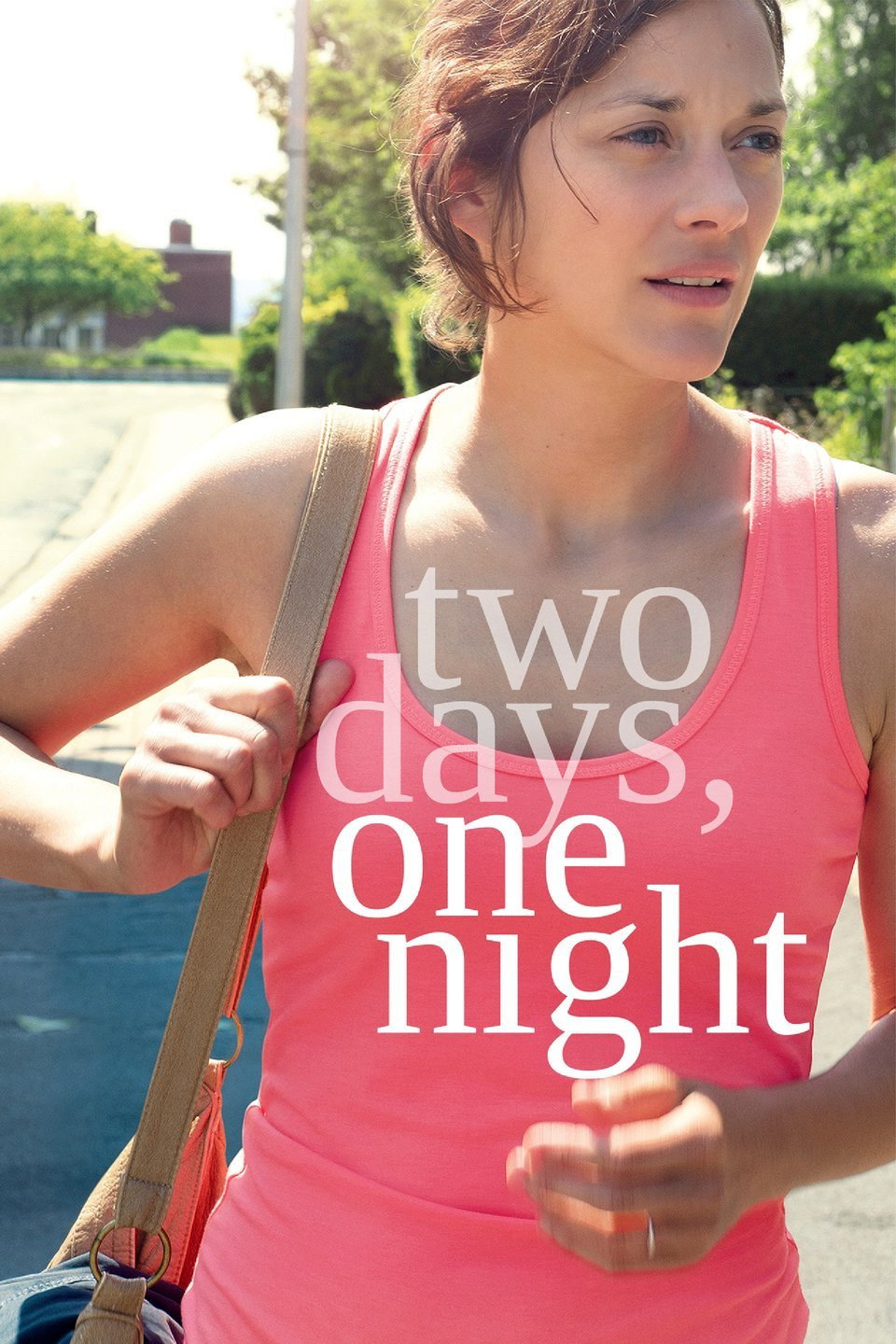
Two Days, One Night makes a gripping drama out of a woman having to ask the same painful question over and over. Written and directed by Jean-Pierre Dardenne and Luc Dardenne, it follows Sandra’s weekend effort to persuade her fellow factory workers to surrender their bonuses so she can keep her job. We recommend it warmly, with a reservation about how neatly some encounters fit the scheme. Its hold comes from making us care about the people who have reasons to say no.
The choice imposed on these workers is ugly, and the film does not pretend that generosity is easy when money is short. Sandra needs a wage; her colleagues have financial pressures of their own. We felt angry that she had to make the case at all, because every appeal asks her to explain why her continued employment deserves someone else’s sacrifice. The weekend deadline keeps the conversations tense. Agreement matters, but so does the effort required to ask again after hearing an answer.
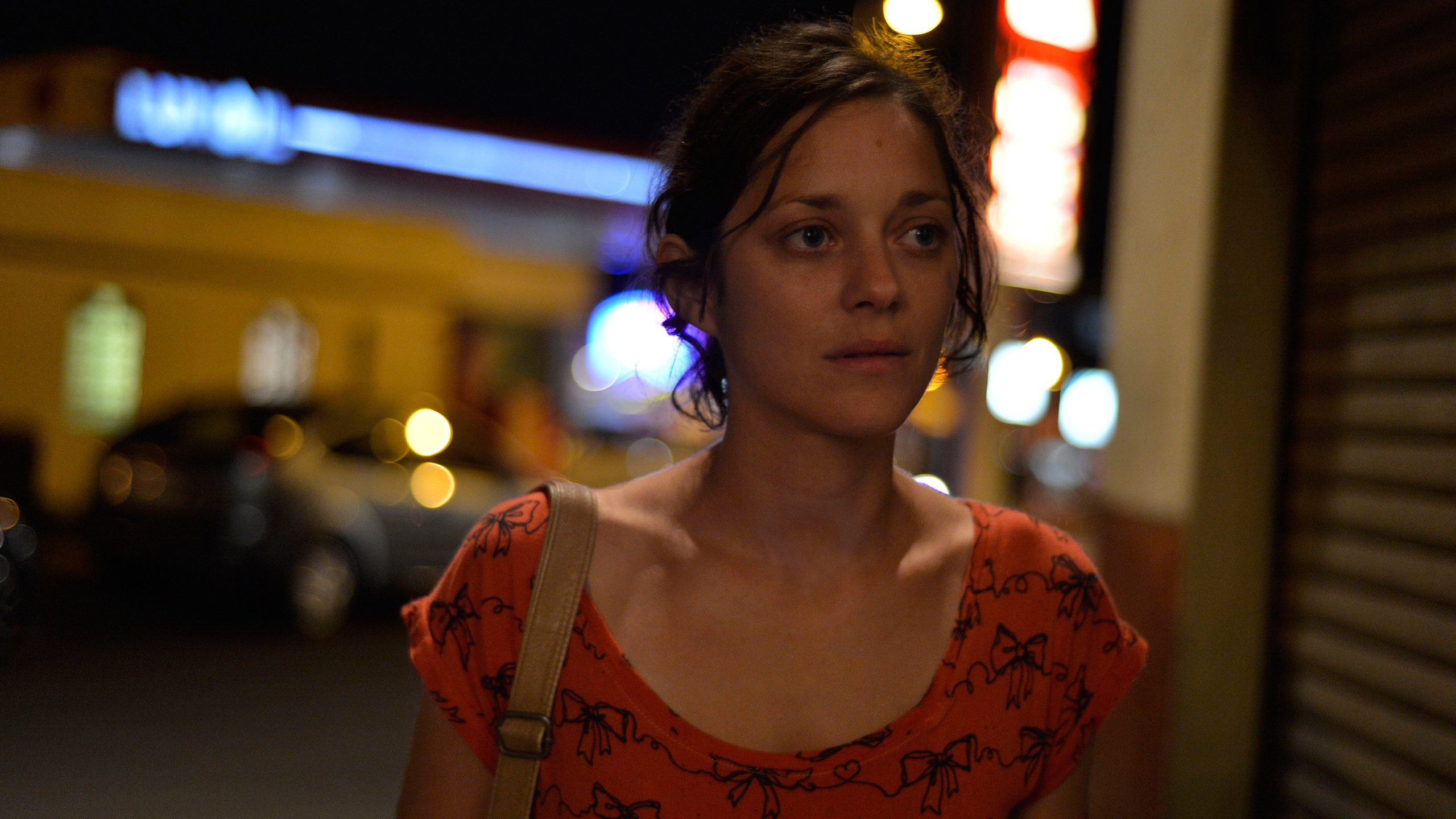
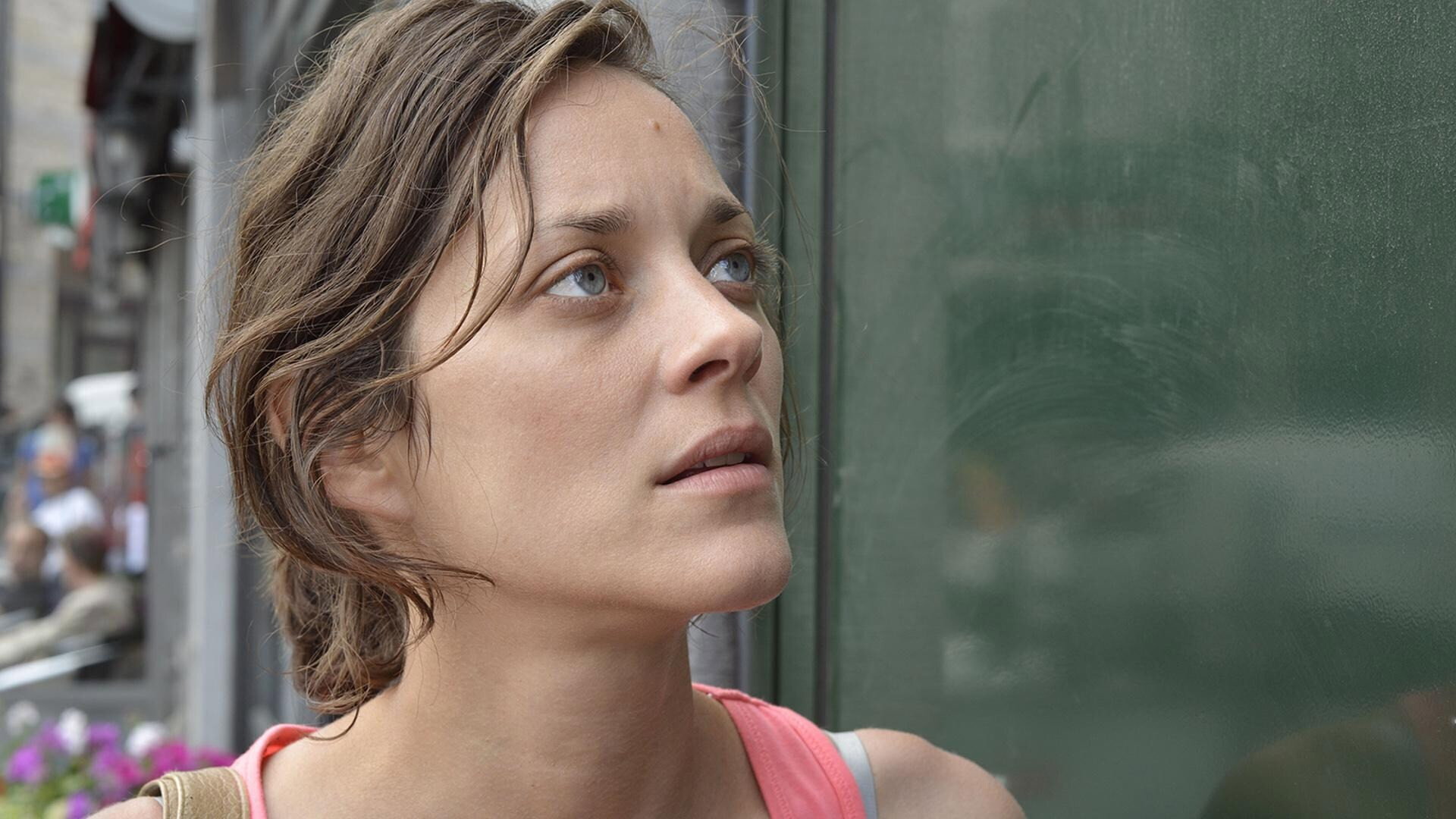
Marion Cotillard makes Sandra’s depression central to the practical difficulty of the task. Her weariness and anxiety mean that speaking to another colleague is already a considerable effort, before money enters the conversation. We found ourselves dreading the next appeal because she has to repeat it while barely able to endure the previous one. The performance never suggests that determination will simply cure her. Even when Sandra presses on, the strain remains.
Alain Marcoen’s camera keeps the lack of space around the characters apparent without insisting on it. Igor Gabriel’s production design makes those cramped surroundings credible as places where people have to manage on limited wages. The long takes leave us waiting with Sandra for an answer. There is little music to ease the discomfort. That restraint works because the uncertainty is already there in the conversation, and the actors make us watch closely for a response.
Marie-Hélène Dozo’s editing makes the repeated encounters easy to follow, though it cannot entirely disguise their regularity. Each visit brings another response to the same question, and occasionally we become too aware of the script arranging a range of possible answers. A few colleagues seem to have been written mainly to supply an answer Sandra has not heard yet. The supporting actors give those brief parts enough feeling to keep this from becoming a serious weakness. They make hesitation and refusal understandable, even while the story keeps us close to Sandra.
For a social-realist drama about work, this has an unusually clear source of suspense: we want the next person to say yes, and cannot dismiss their reasons for refusing. The political point comes through the difficulty of the request, without needing a speech to explain it. At 95 minutes, it has room to make the conversations uncomfortable without turning Sandra’s weekend into an endurance test for us. See it when there is time afterwards to talk about what agreeing to help would cost.