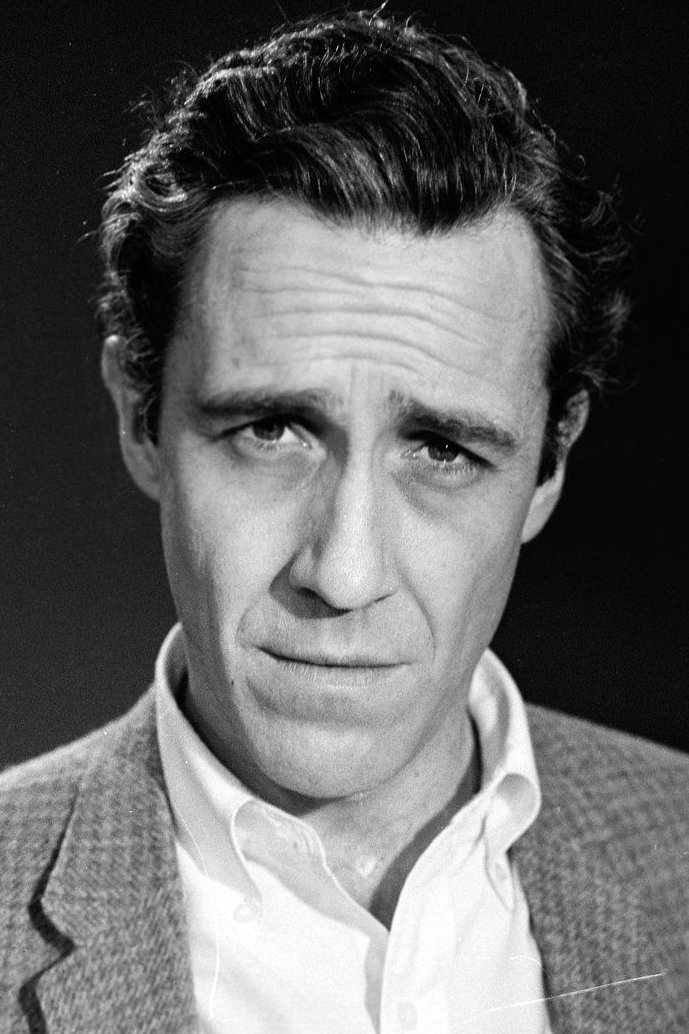
Jason Robards makes men with authority seem capable of being hurt. We value the restraint of his supporting performances, particularly in Magnolia, where he gives unhappiness weight without making it grand.
Fi1m perspective
In Magnolia (1999), Jason Robards makes Earl Partridge's unhappiness matter in a film crowded with other people's distress. Paul Thomas Anderson repeatedly asks for our sympathy, sometimes until the asking becomes tiring. We were moved by Robards because he gives the pain its proper weight and never makes it seem grand. That restraint is a good reason to seek him out, especially in an ensemble where several performances need time and attention.
His stage breakthrough came in 1956, working with director José Quintero on Eugene O'Neill. He played Hickey in The Iceman Cometh and Jamie Tyrone in Long Day's Journey into Night. That association helps explain why authority and vulnerability sit so comfortably together in his acting. He continued working in theatre alongside film and television; the screen career did not require him to abandon the work that had established him.
On screen, Ben Bradlee in All the President's Men (1976) and Dashiell Hammett in Julia (1977) make useful starting points. These are two of his portrayals of public figures, handled with the care that makes a supporting part count without overbalancing the film. We value that sense of proportion. He can make a substantial contribution without requiring everything around him to stop.
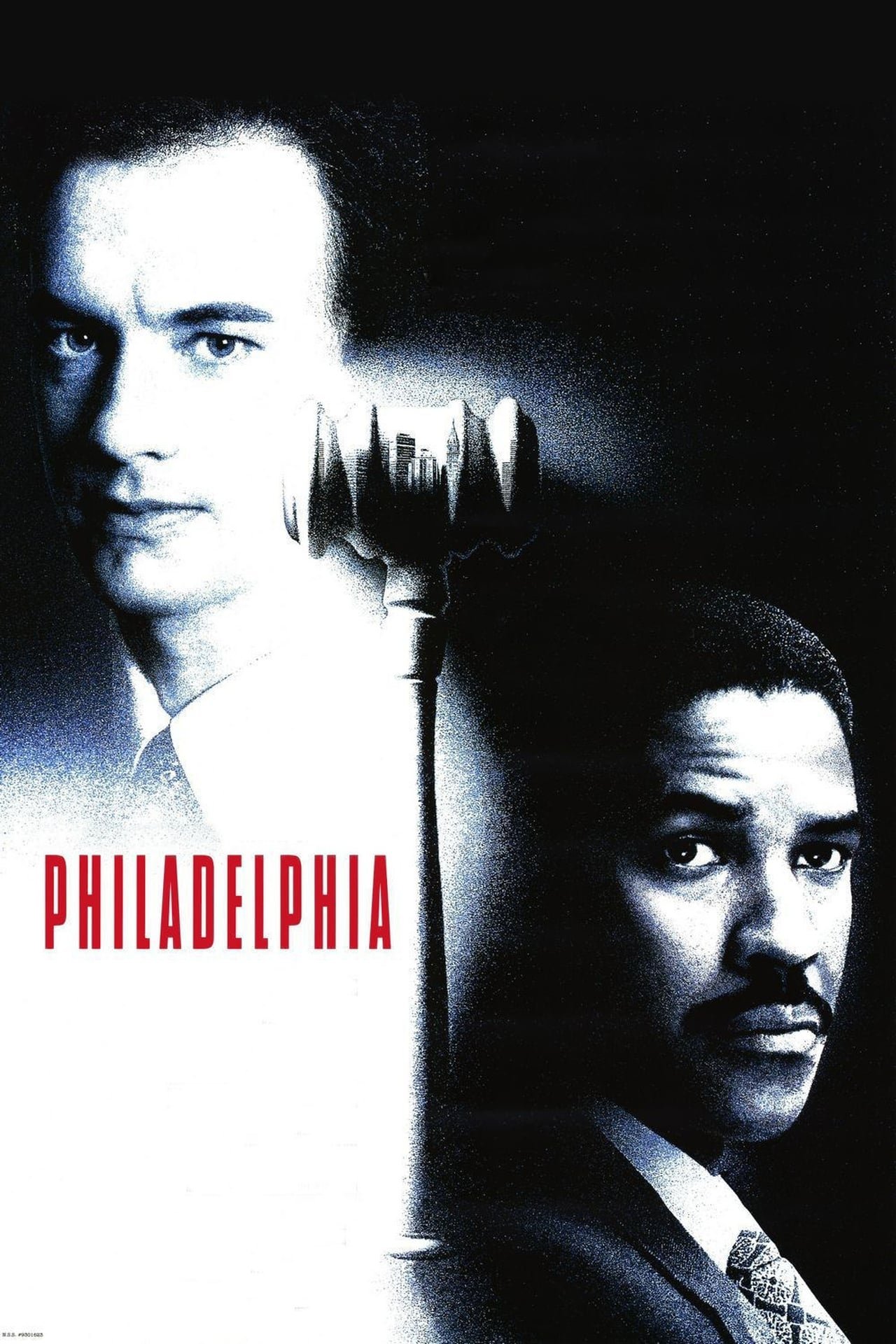
We are more reserved about Jonathan Demme's Philadelphia (1993), in which he plays Charles Wheeler. Tom Hanks and Denzel Washington make its plea for decency affecting, but the script explains too much and gives gay life too little space. Robards' presence does not remove those limitations. We recommend the film with that reservation, rather than treating an actor we admire as a guarantee.
Magnolia is the more rewarding place to begin. John C. Reilly and Melora Walters make loneliness personal, while William H. Macy keeps the need visible beneath self-pity. Robards fits among them because he gives unhappiness similar attention without making it an occasion for display. Allow for Anderson's insistence on sympathy; Robards is one of the reasons we keep giving it.
Biography
Jason Robards was an American actor born in Chicago, Illinois, on 26 July 1922. He served in the US Navy during the Second World War before studying at the American Academy of Dramatic Arts. His stage breakthrough came in the 1956 revival of Eugene O'Neill's The Iceman Cometh.
Robards became known as a leading interpreter of O'Neill's plays and won a Tony Award for The Disenchanted (1958). On screen he appeared in films including Once Upon a Time in the West (1968), All the President's Men (1976), Philadelphia (1993) and Magnolia (1999). He received Academy Awards for Best Supporting Actor for All the President's Men and Julia (1977), and a Primetime Emmy Award for Inherit the Wind (1988).
Robards died in Bridgeport, Connecticut, on 26 December 2000.