Paul Thomas Anderson’s sprawling drama earns its length through an absorbing cast, with Tom Cruise memorably repellent as a sex guru. We recommend it with one reservation: its repeated demands for sympathy can become tiring.
Magnolia is worth the considerable time and patience it asks for, though Paul Thomas Anderson sometimes seems determined to wear us down. His San Fernando Valley drama follows unhappy people whose lives connect through chance, family damage and regret, with enough feeling for several smaller films. At 189 minutes, it has space to let an ensemble hold our attention without a single central character taking charge. It also has space to repeat things we understood perfectly well the first time.
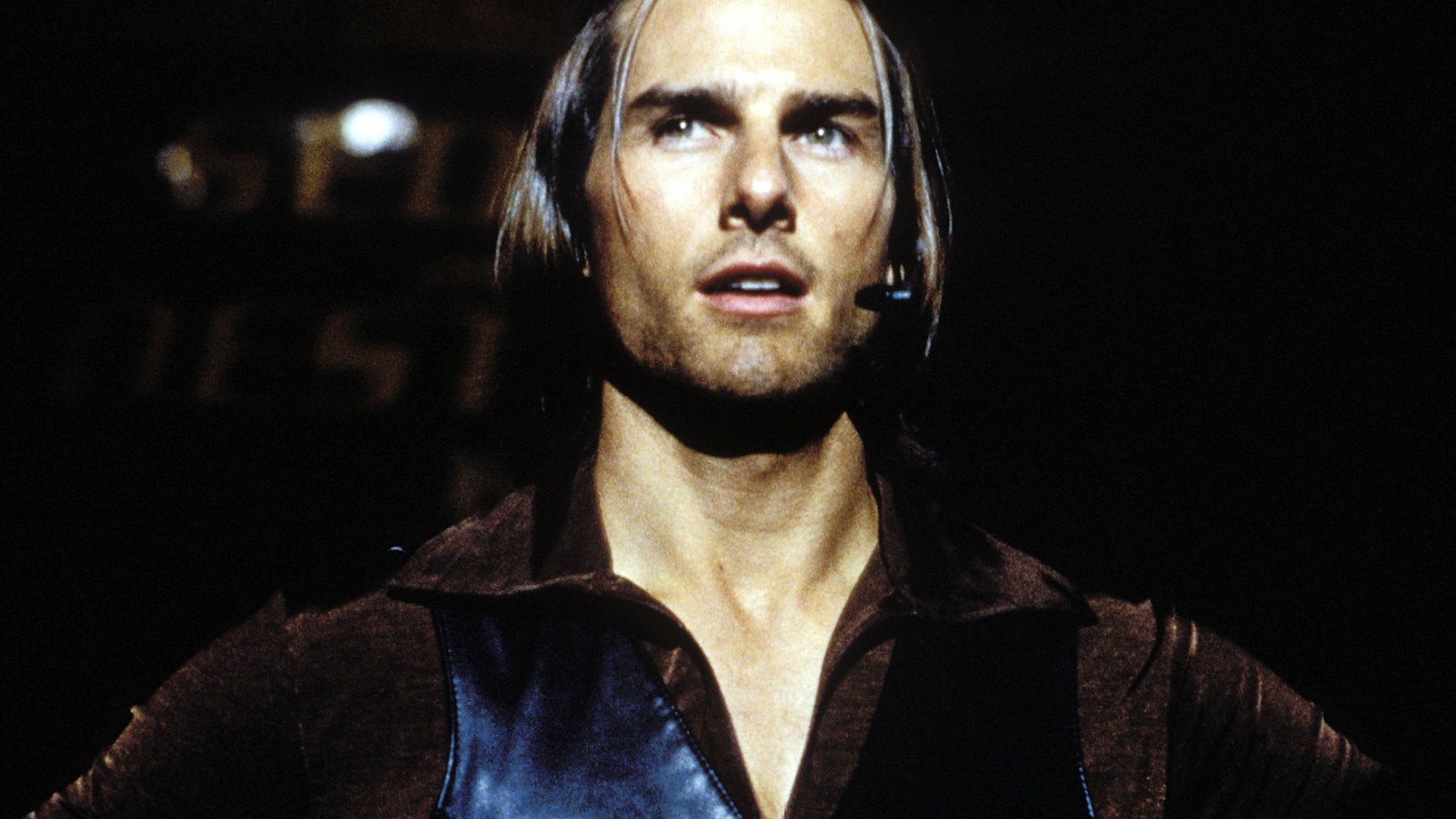
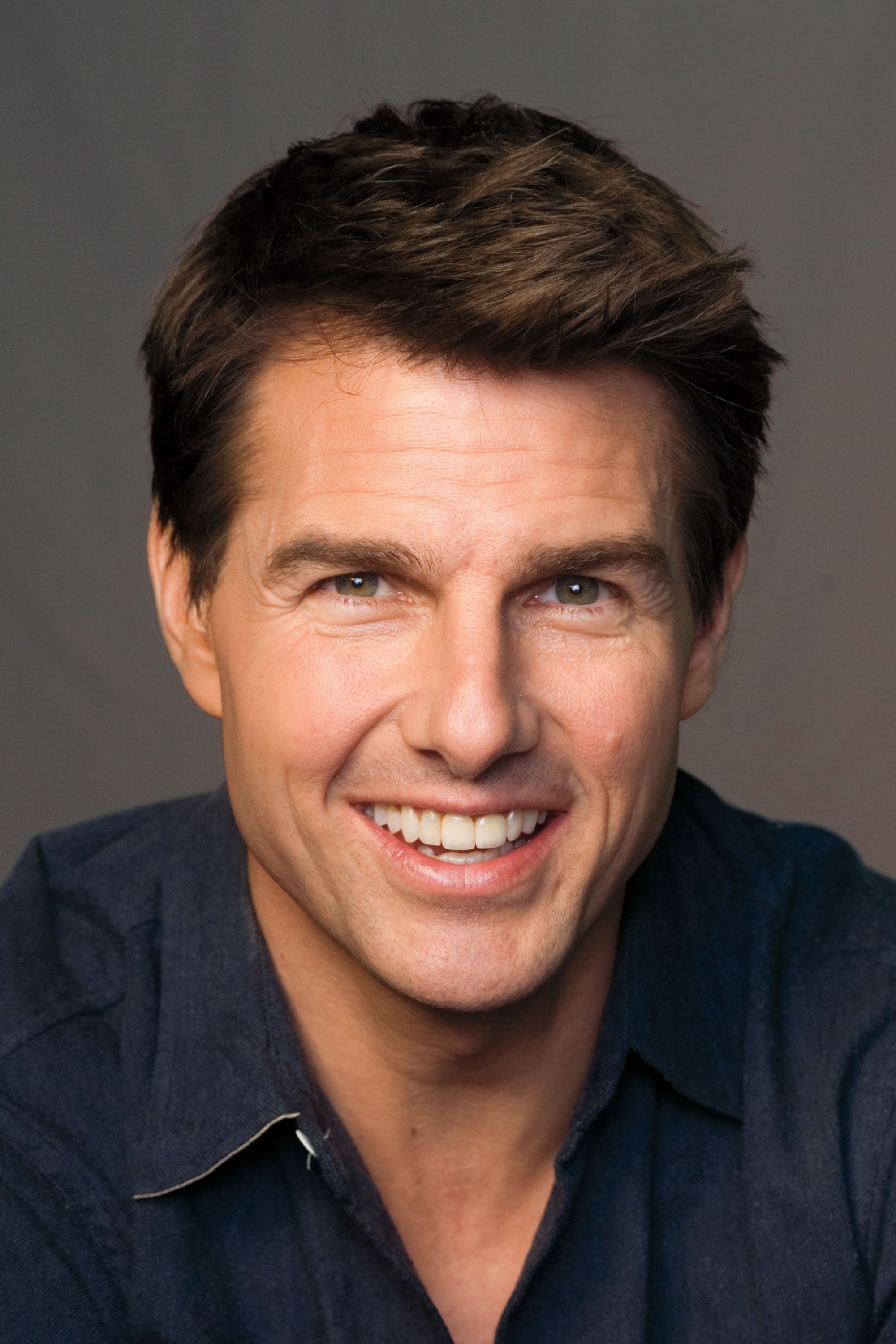
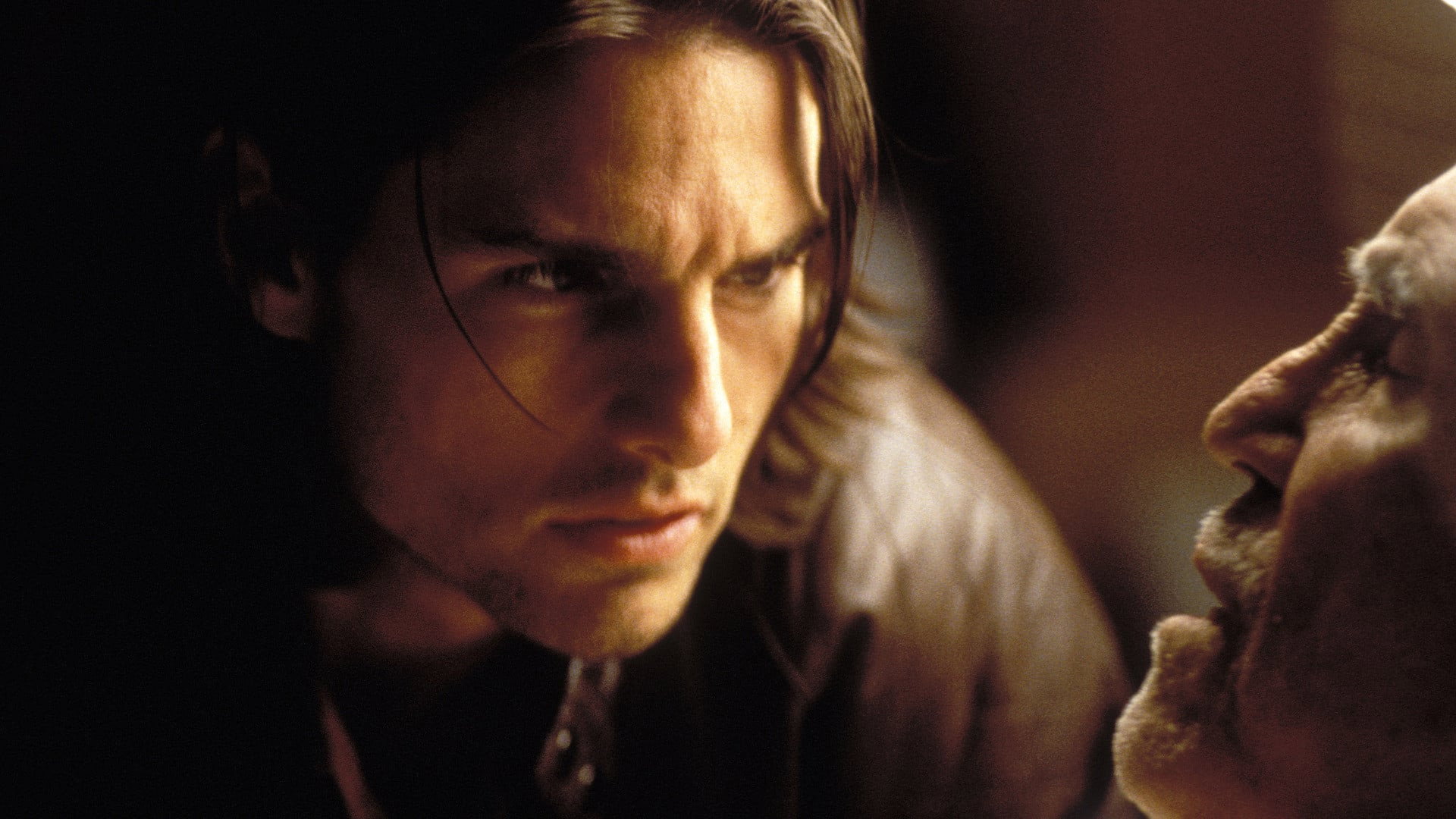
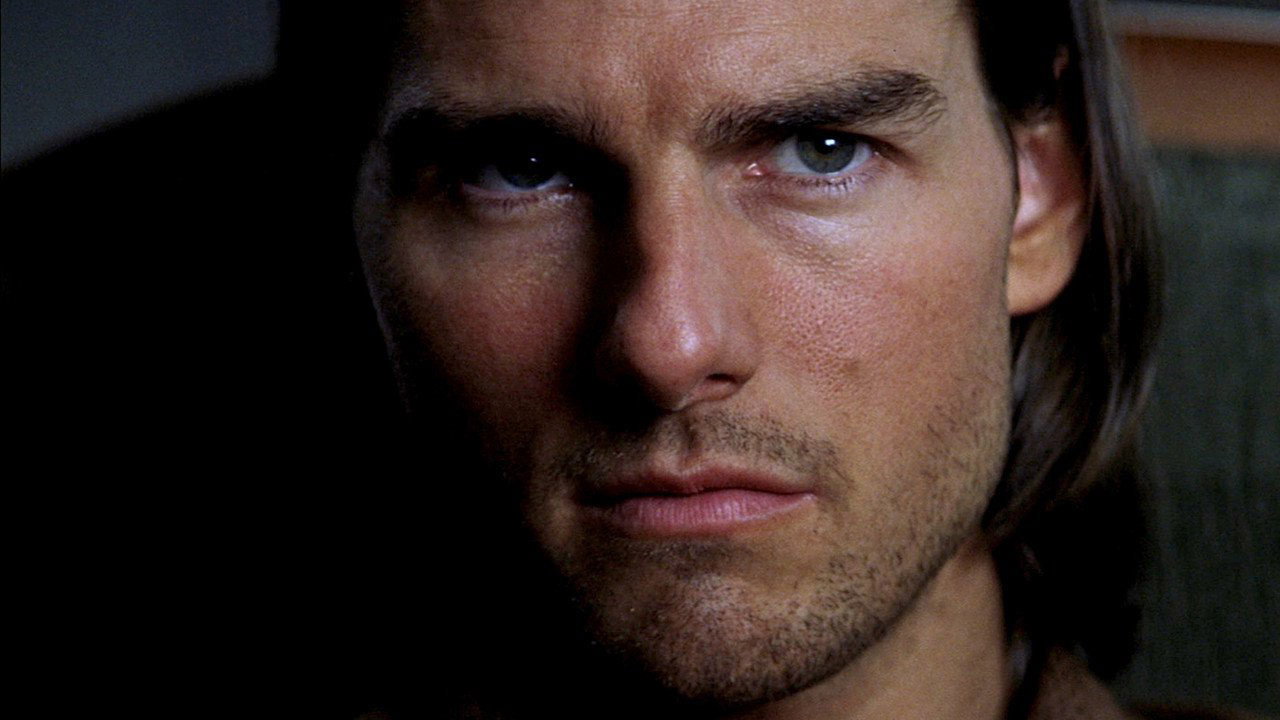
Tom Cruise’s Frank T.J. Mackey is the most immediately arresting presence, an arrogant motivational speaker with sex as his subject. Cruise makes the swagger persuasive enough that we understand why anyone would listen, without disguising the contempt behind it. We laughed at the strutting, then felt uncomfortable about finding him so entertaining. That discomfort comes from Cruise’s control of the performance: Mackey can command attention while making his company unpleasant. The arrogance never becomes an excuse for a lazy caricature.
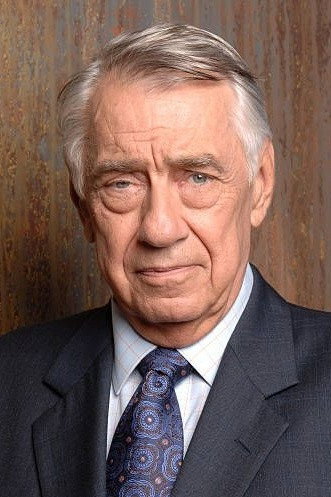
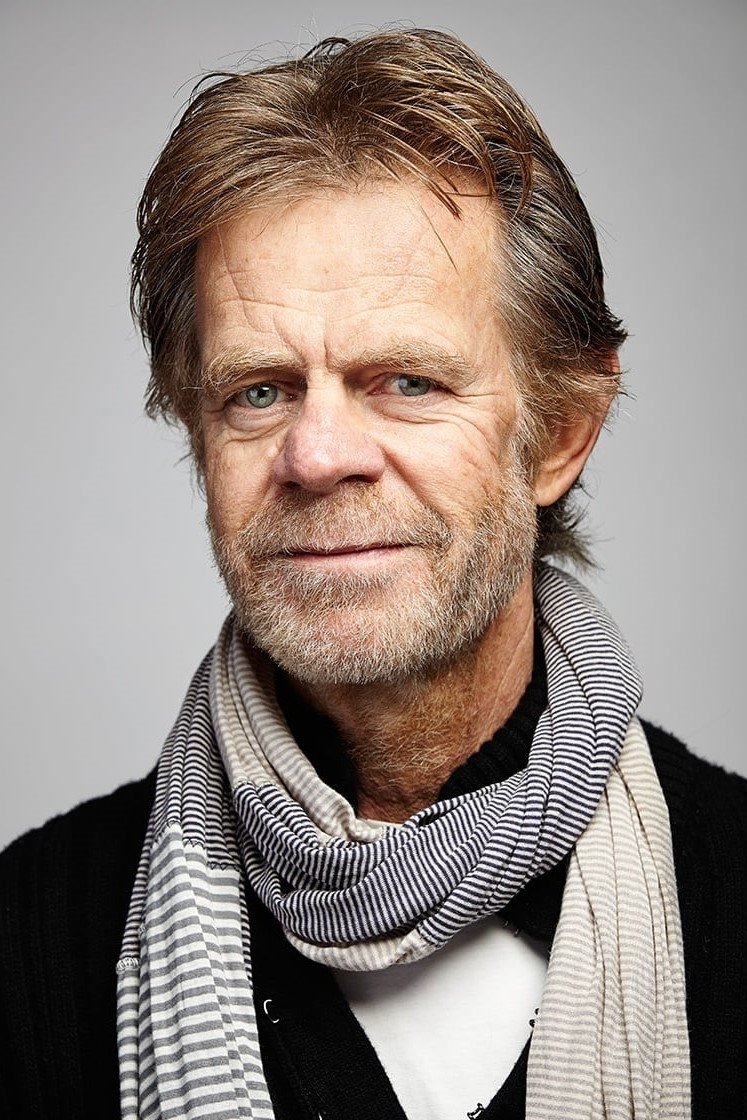
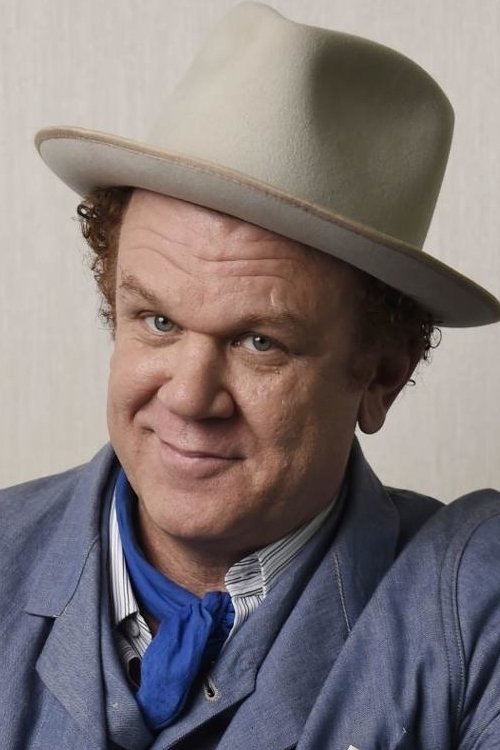
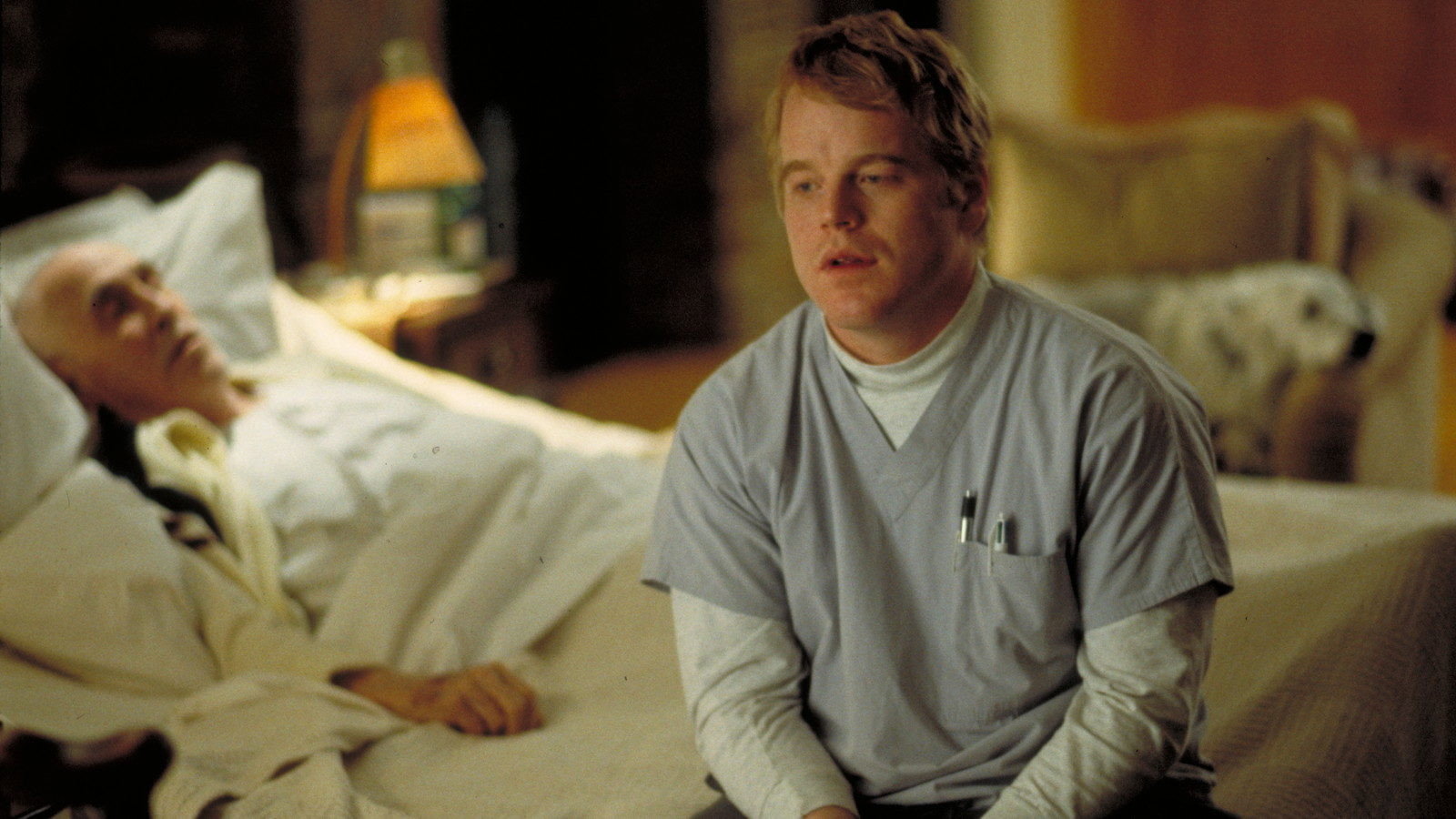
John C. Reilly and Melora Walters are just as important to the film’s appeal. As Officer Jim Kurring and Claudia Wilson Gator, they make loneliness feel personal amid so much collective misery, and their performances reward the time spent away from Cruise. Jason Robards brings weight to the unhappiness without making it seem grand, while William H. Macy makes self-pity difficult to dismiss. Macy keeps the need underneath it exposed, so that even when a character is wearing us out, we do not stop caring about him.
Robert Elswit’s fluid camera gives the ensemble momentum, carrying our attention between performances without making the actors seem stranded in separate films. Dylan Tichenor’s editing has the harder job of sustaining interest across those competing stories. The changes of emphasis usually keep us alert: another character’s trouble can make the one we have just left feel sharper. For long stretches, the urge to get back to someone outweighs any impatience about how much there is still to cover.
Jon Brion’s music adds to the pressure, helping Anderson sustain an agitation that would be difficult to maintain through dialogue alone. It is effective, though we occasionally wanted the film to stop insisting on how much everyone was feeling. Production designers Mark Bridges and William Arnold give the separate stories a convincing shared setting without distracting us from the actors. Their restraint is welcome when the performances and music are already demanding so much of our attention.
The weakness is in Anderson’s writing, which sometimes mistakes repetition for greater emotional force. Damaged families and inherited misery recur so insistently that individual stories can begin to feel like further examples of a point already made. In an ensemble drama, we want each return to a character to change what we understand about them; here, some returns simply ask us to feel bad for them again. The performances remain absorbing, but the ideas about chance and regret are more familiar than the elaborate storytelling initially suggests.
Yet Anderson’s willingness to let people be embarrassing, excessive and difficult is also why Magnolia moves us. The film takes their distress seriously enough to risk exhausting our sympathy, and more often than not the actors earn it back. We recommend it for that generosity, with fair warning that its forcefulness rarely lets up. Choose a night when nobody needs to be up early.