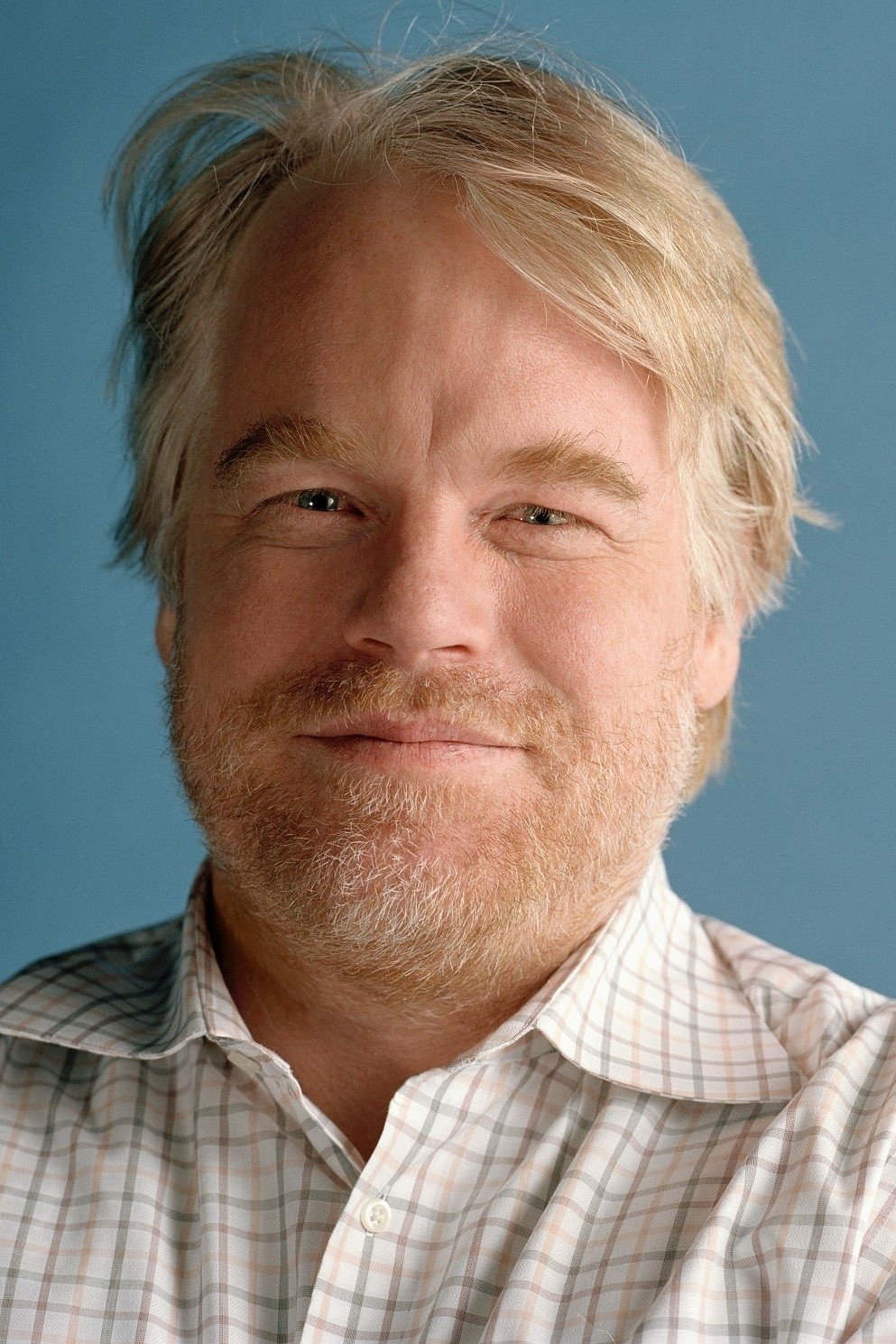
Philip Seymour Hoffman made awkward, flawed people worth staying with, often from the edge of someone else’s story. We particularly value his supporting performances, where a character with little claim on our attention becomes someone we care about.
Fi1m perspective
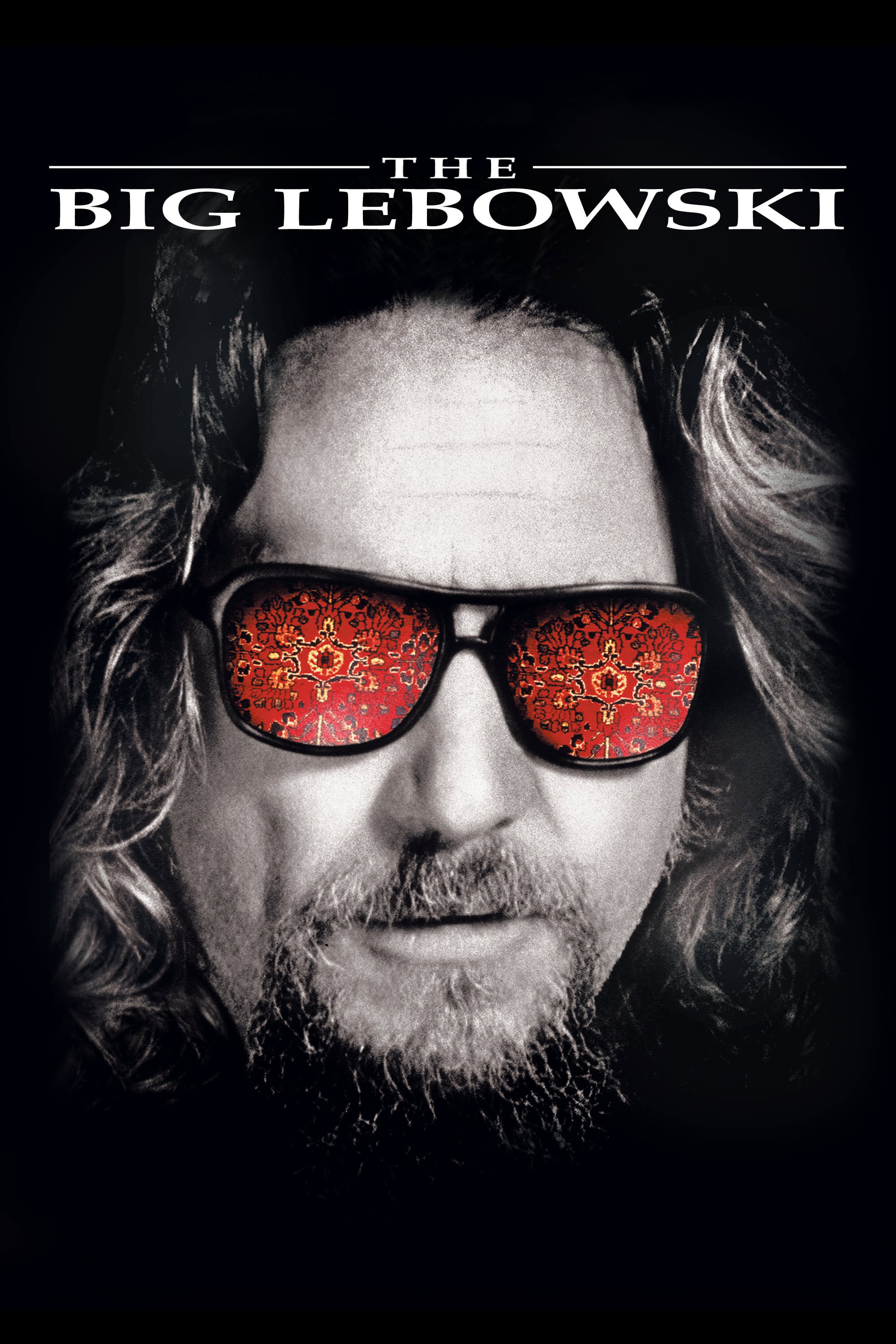
As Brandt in The Big Lebowski (1998), Philip Seymour Hoffman makes social discomfort look carefully managed. John Goodman’s Walter Sobchak supplies the pressure in the bowling-alley exchanges; Brandt brings a more contained unease. We find the effort involved funny, and worth watching even in a small supporting part. This is where we particularly value Hoffman: among a busy cast, giving us a reason to notice someone who could easily have remained a useful figure in the background.
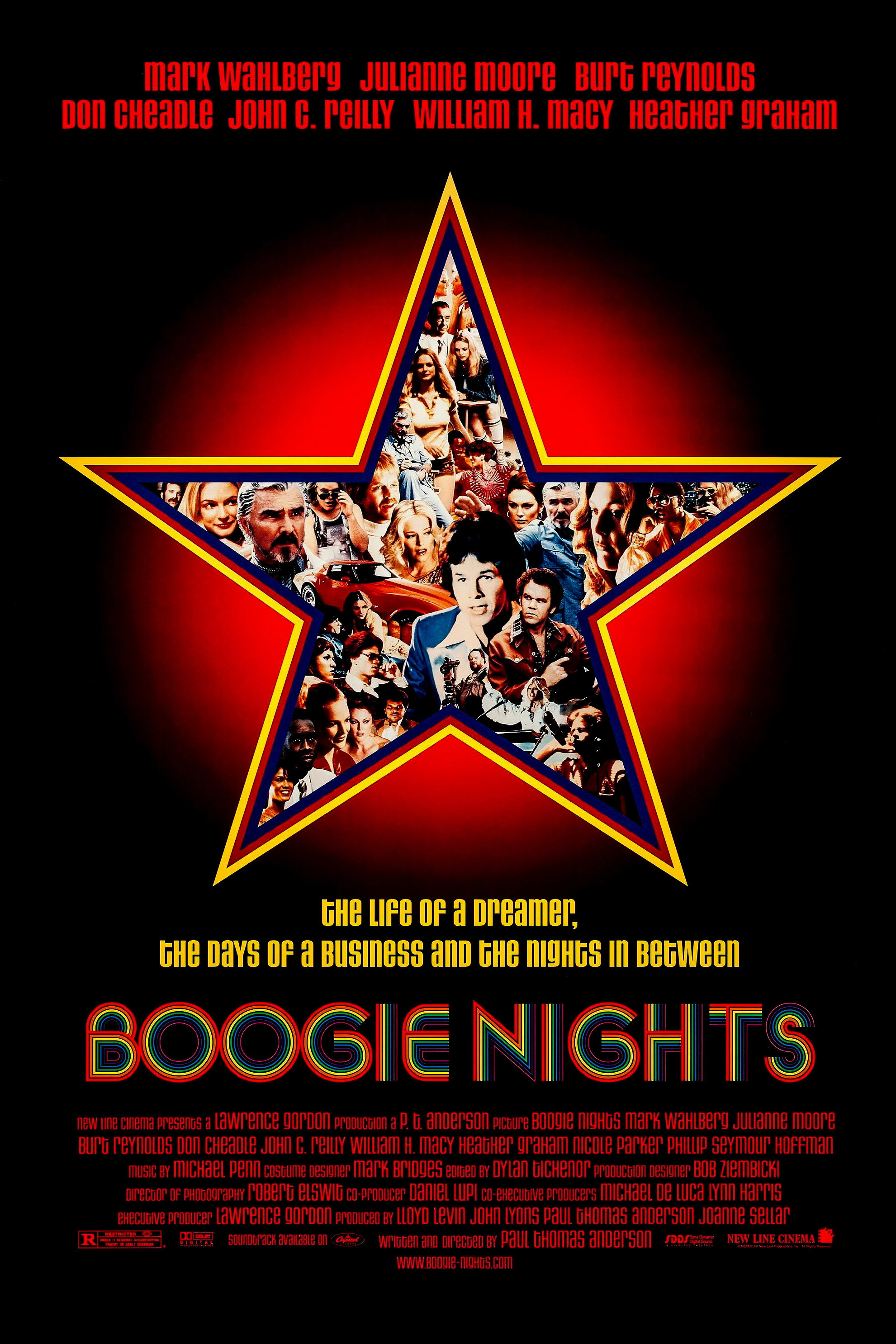
His breakthrough came with Paul Thomas Anderson’s Boogie Nights (1997), playing Scotty J. Alongside John C. Reilly’s Reed Rothchild, he helps make the supporting cast worth following beyond Eddie’s immediate concerns. We warmed to Scotty because Hoffman made an awkward figure in the company seem worth knowing, rather than merely useful to the central character. Editor Dylan Tichenor helps those performances register, keeping the crowded company legible and the early movement between people easy.
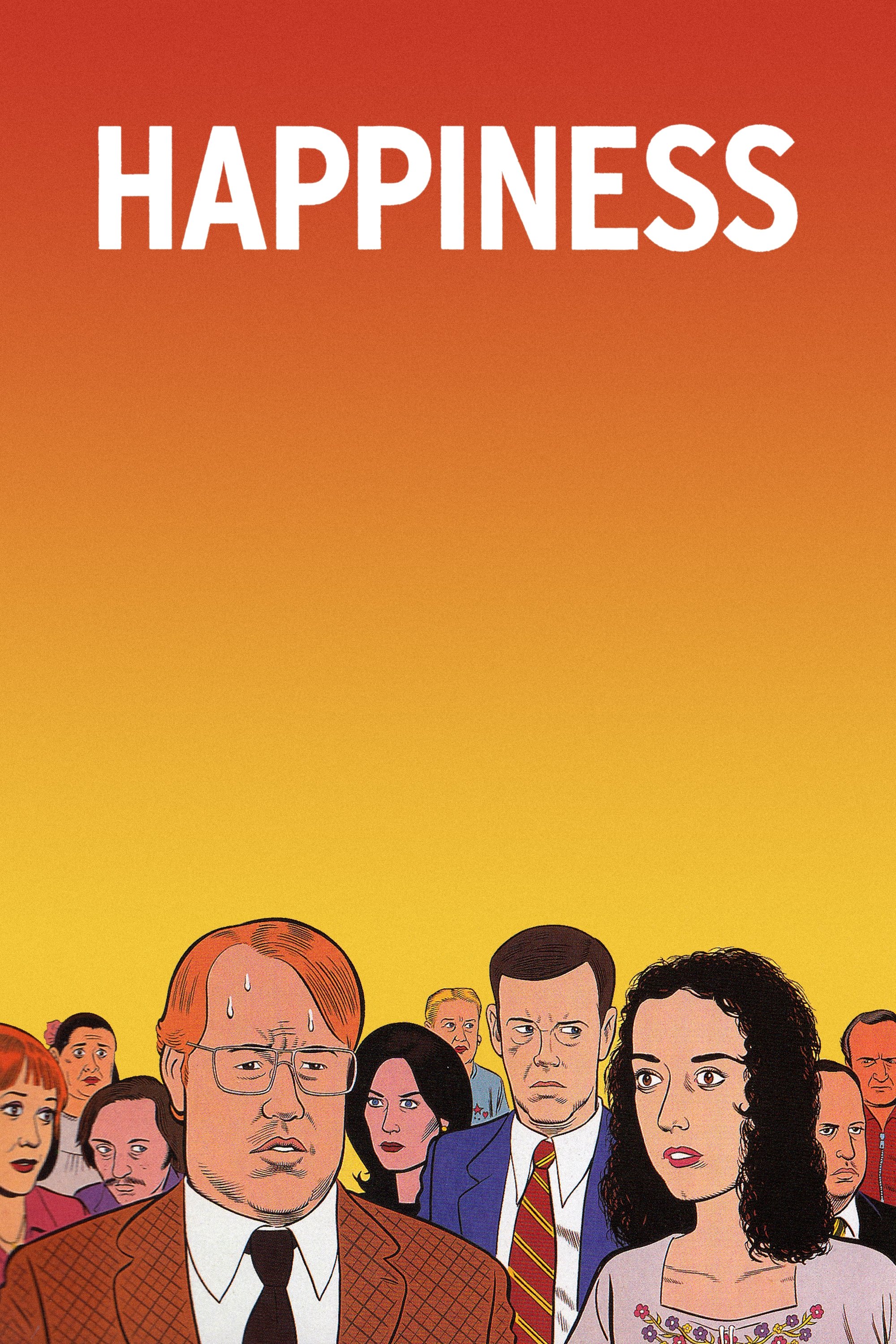
He went on to balance supporting roles in independent films and studio pictures, without confining himself to agreeable people. Allen in Happiness (1998) is one of the difficult, unsympathetic parts; the lead as Truman Capote in Capote (2005) called for the precise transformation for which he became known. Anderson was a recurring collaborator across five films, including The Master (2012), in which Hoffman plays the charismatic cult leader Lancaster Dodd. Those larger parts broaden the work, but we would not treat the earlier supporting performances merely as preparation for them.
There is a limit to what good company can do for a film. Boogie Nights accumulates subplots that give good actors opportunities without enough benefit to the central drama, and we would lose some of them. The Big Lebowski also lets a few diversions run too long, though its company earns the evening. Begin with Boogie Nights, provided a generous ensemble matters more to the evening than a story kept strictly to its business.
Biography
Philip Seymour Hoffman was an American actor. He studied acting at New York University's Tisch School of the Arts and began his screen career with a role in a 1991 episode of Law & Order, followed by film appearances from 1992.
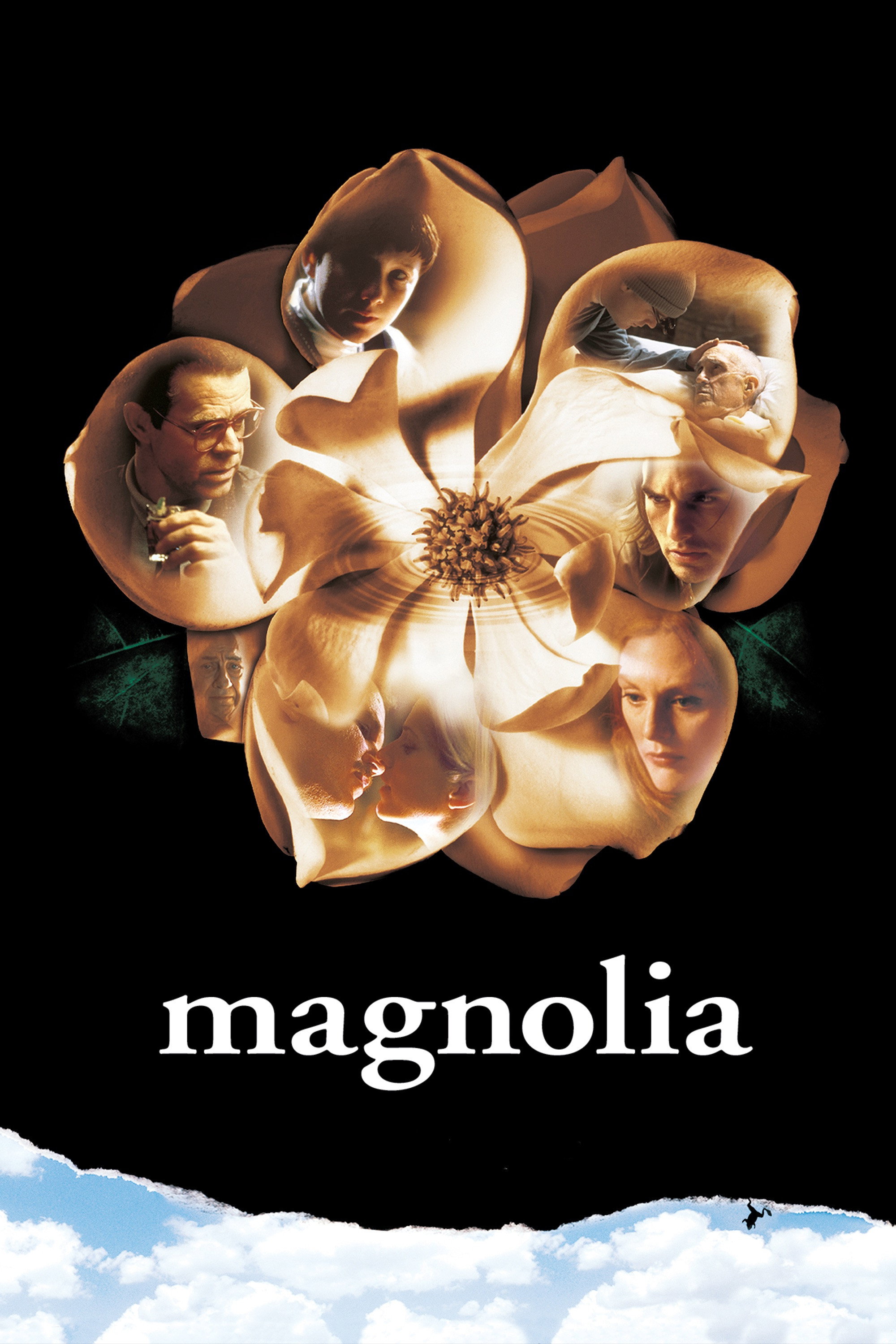
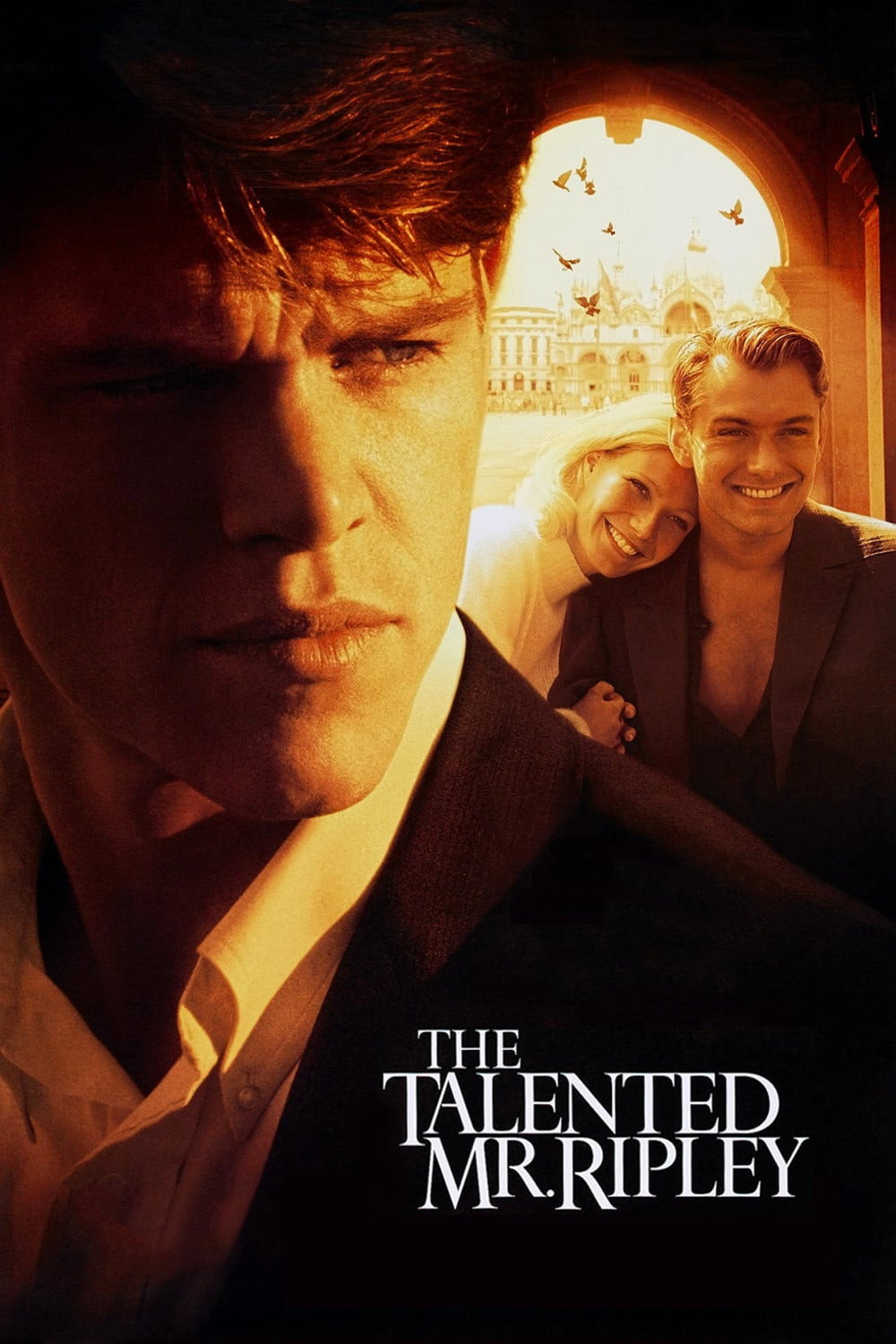
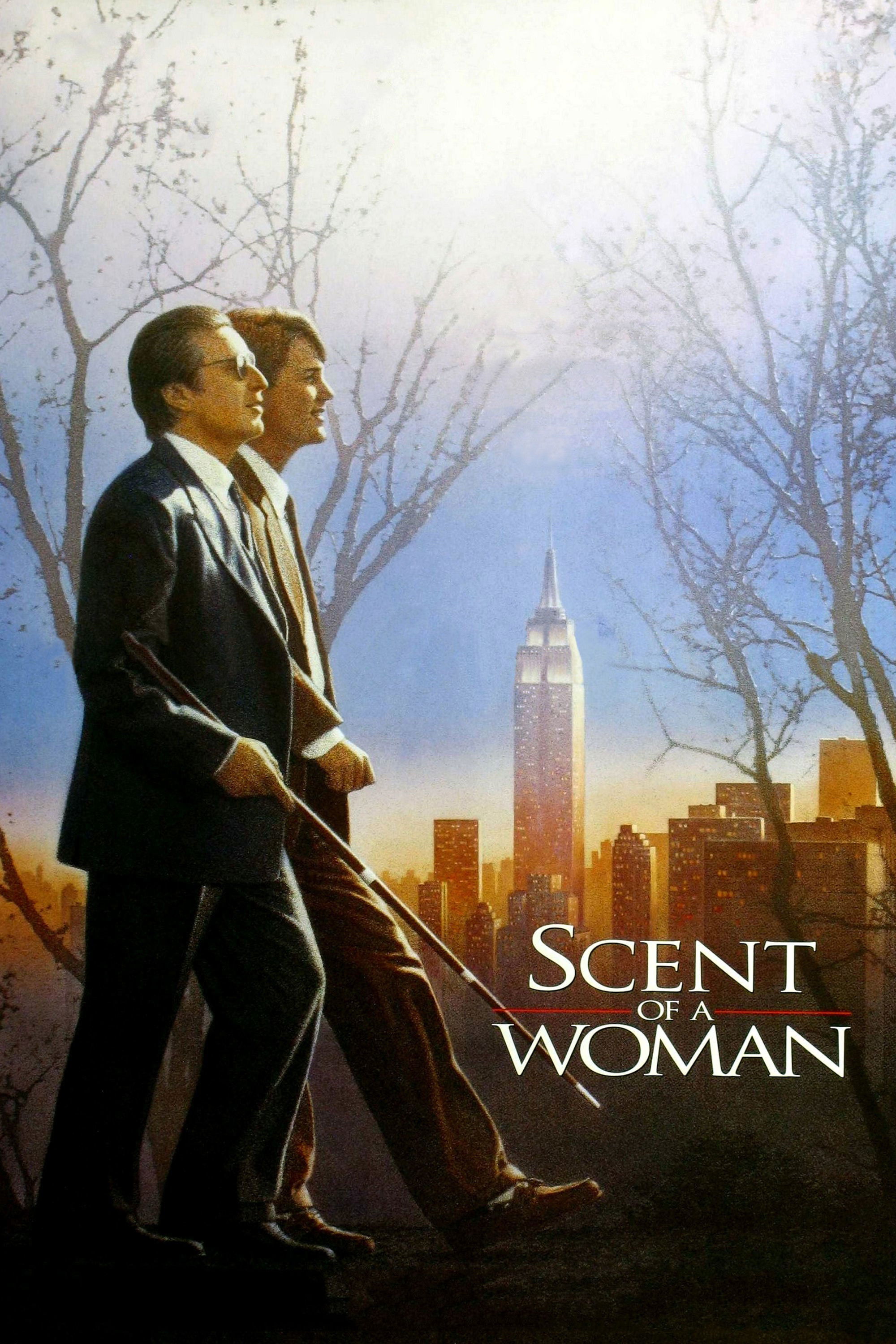
He gained recognition for supporting roles including George Willis, Jr. in Scent of a Woman (1992) and Scotty J. in Boogie Nights (1997). Hoffman also appeared in The Big Lebowski (1998), Magnolia (1999) and The Talented Mr. Ripley (1999). He received the Academy Award for Best Actor for his portrayal of Truman Capote in Capote (2005) and further Oscar nominations for Charlie Wilson's War (2007), Doubt (2008) and The Master (2012).
Hoffman died on 2 February 2014.