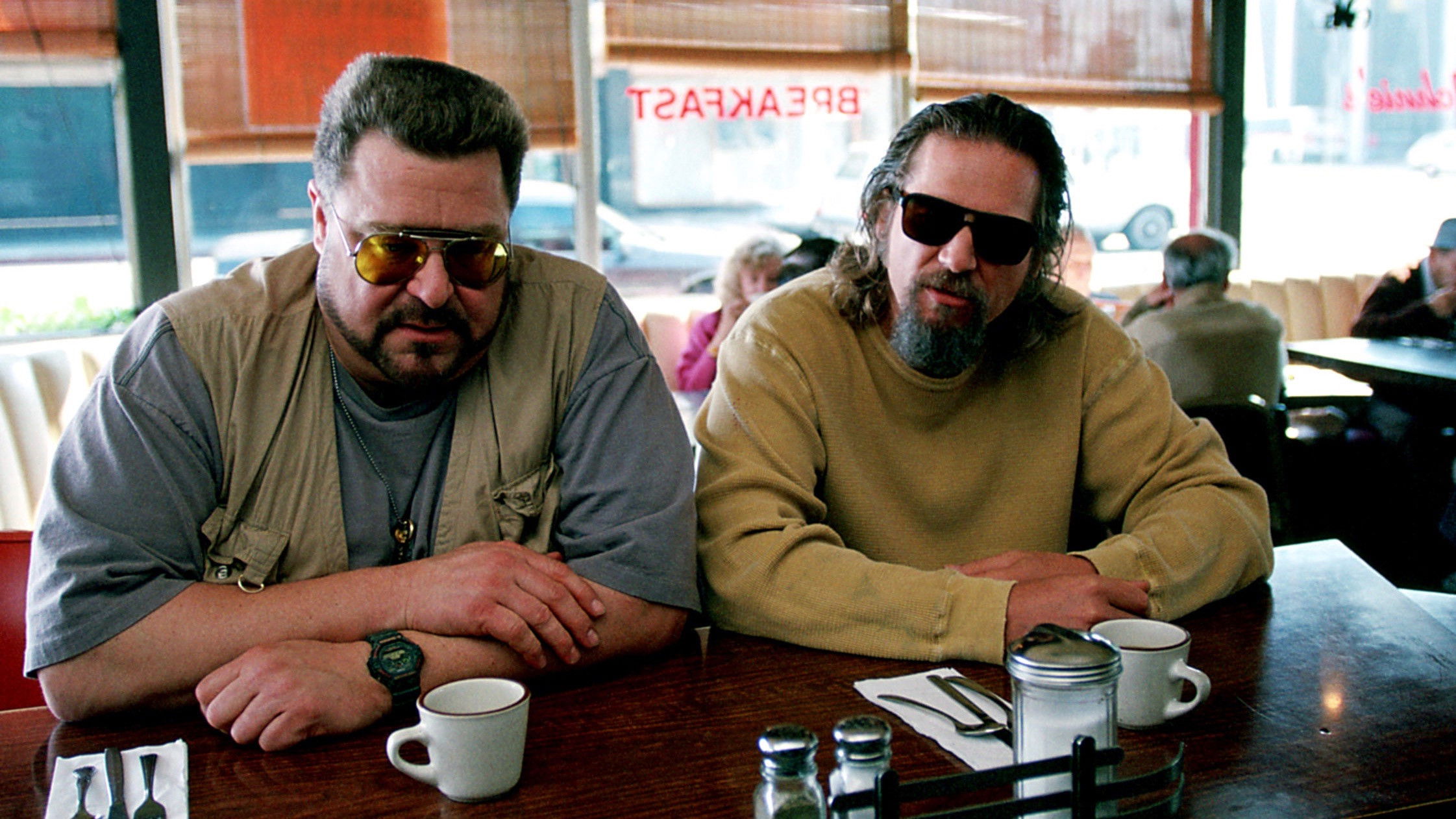
Jeff Bridges and John Goodman make the Coens’ wandering crime comedy a pleasure to spend time with. The mystery is slack and a few diversions outstay their welcome, but the bowling-alley company more than earns the evening.
Joel and Ethan Coen’s The Big Lebowski is a funny, generous crime comedy whose mystery is the least compelling reason to watch it. Jeff Bridges plays the Dude, a loafer drawn into the sort of confusion that normally requires someone rather better organised. The pleasure comes from how much attention the film gives to people who are unlikely to clear anything up. We recommend it warmly, with a warning that its willingness to wander sometimes gets the better of its timing.
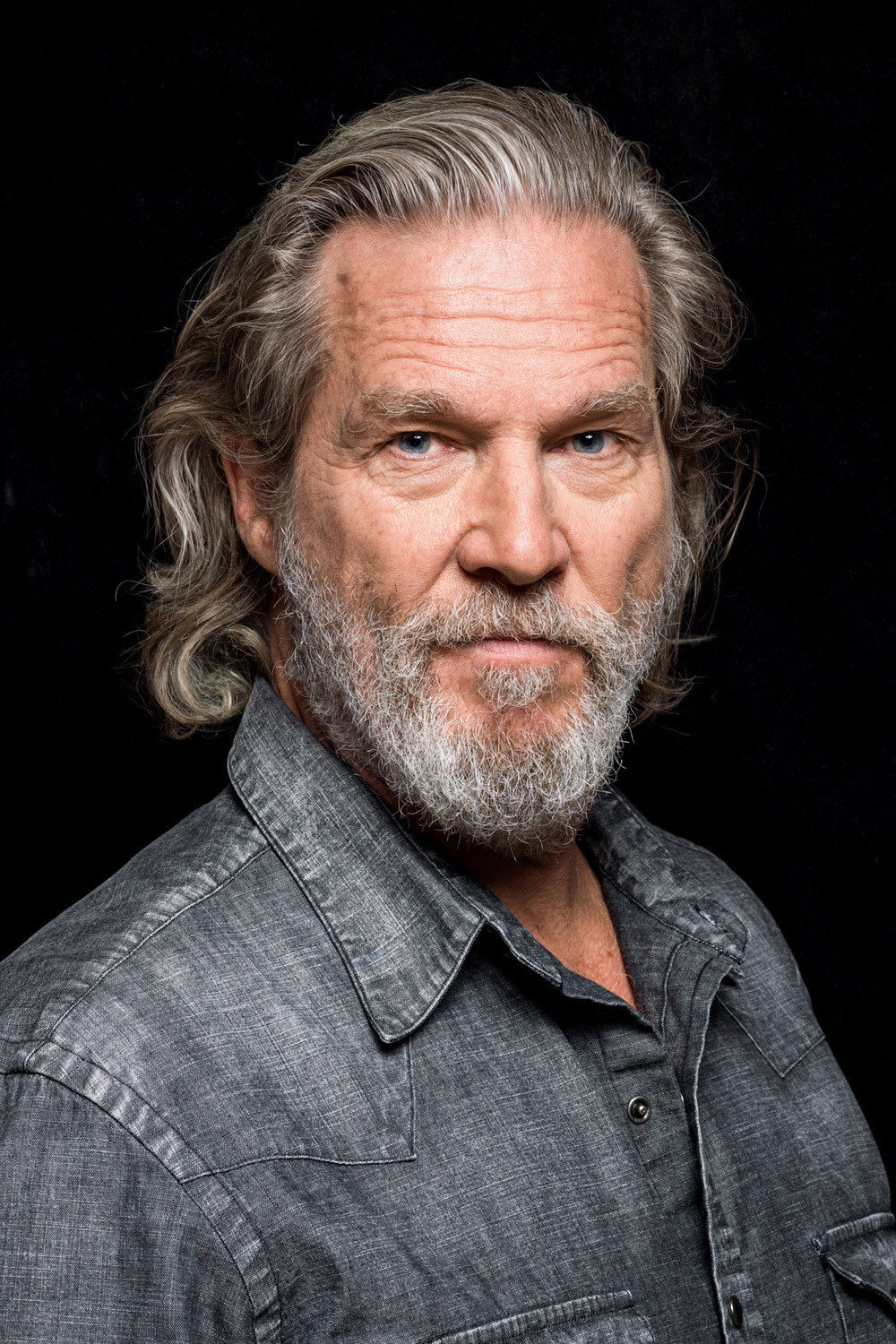
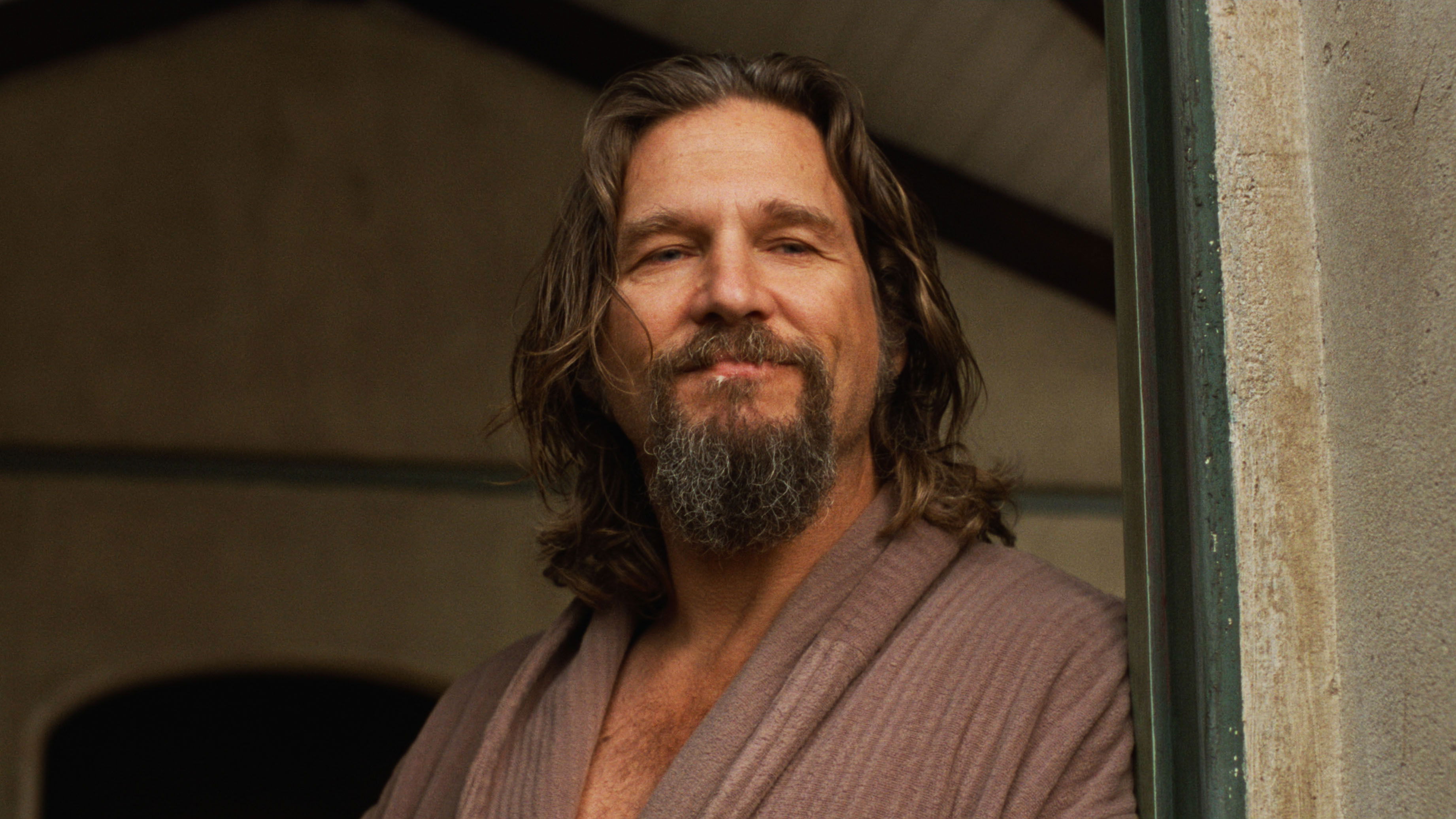
Bridges makes the Dude’s composure appealing without pretending he has much of a plan. He lets the dialogue sound half-considered, so that even answering a question can seem an unreasonable demand. The jokes depend on the time it takes him to respond, and he keeps finding small variations without making the character seem dim. There is kindness in the performance, enough to make the Dude worth following even when his investigation is going nowhere.
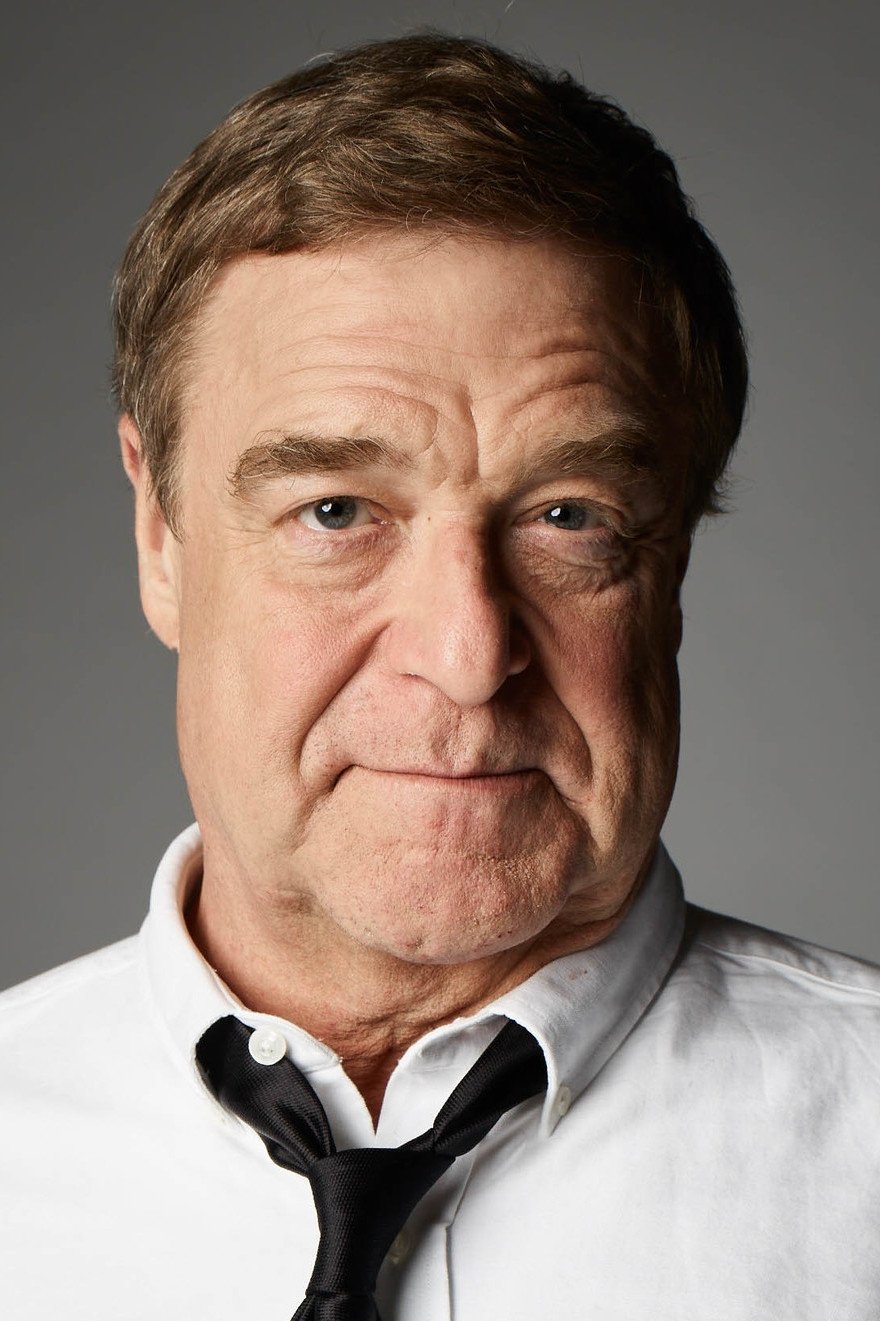
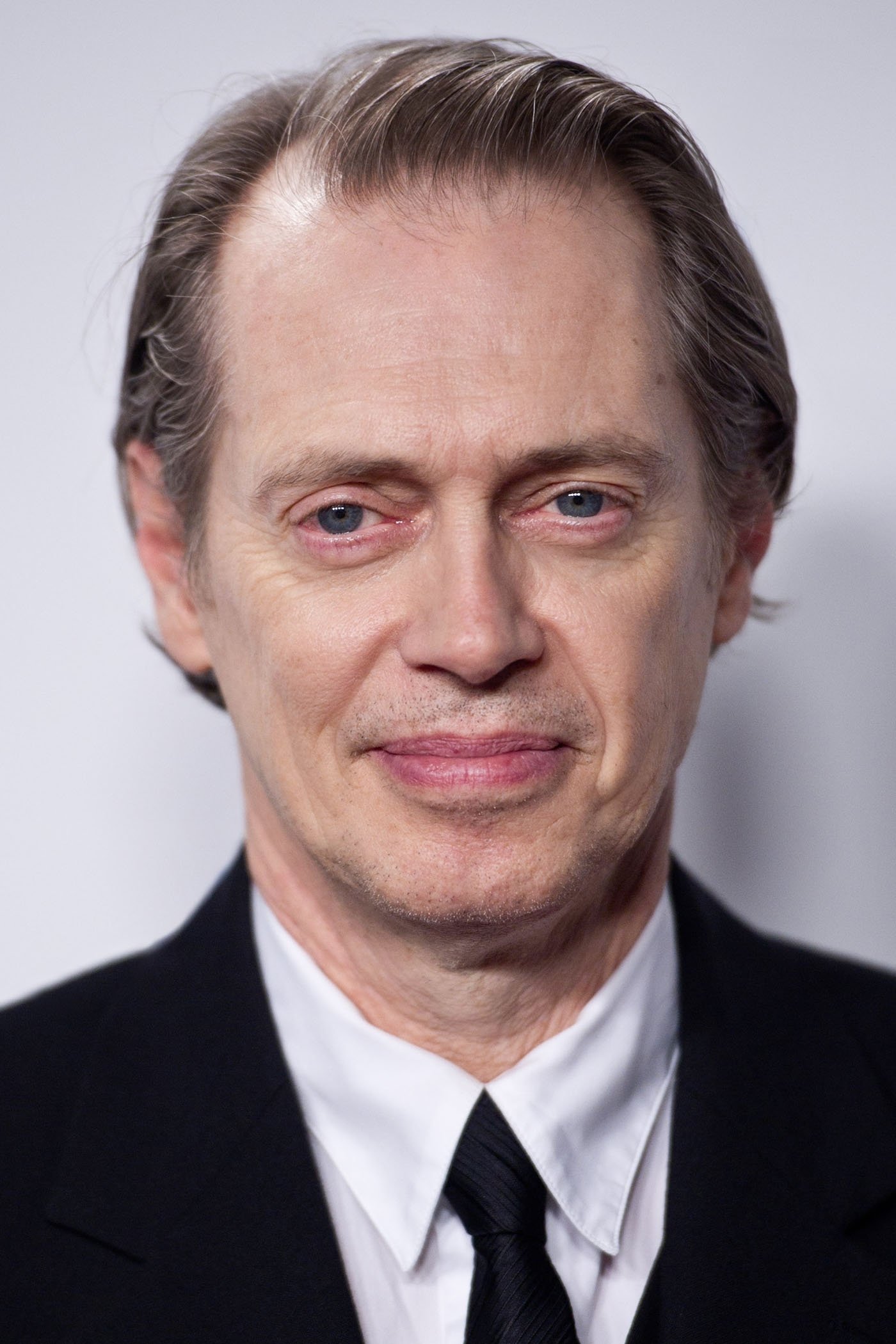
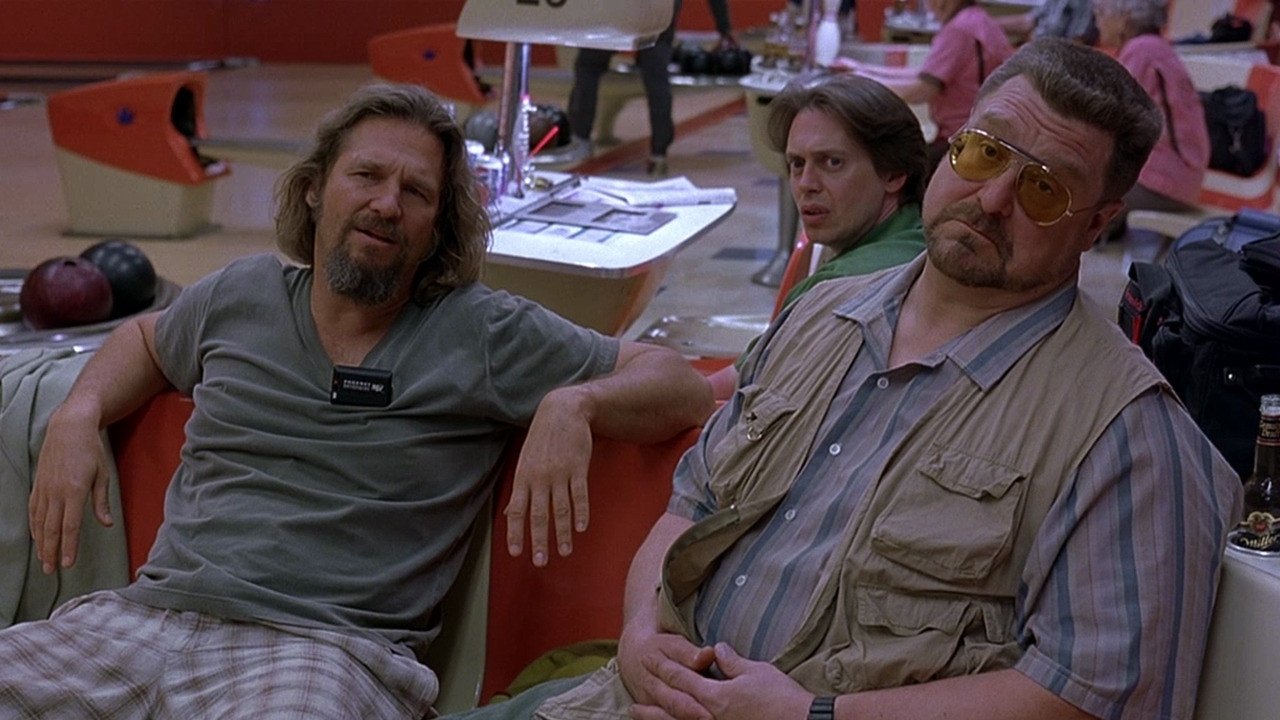
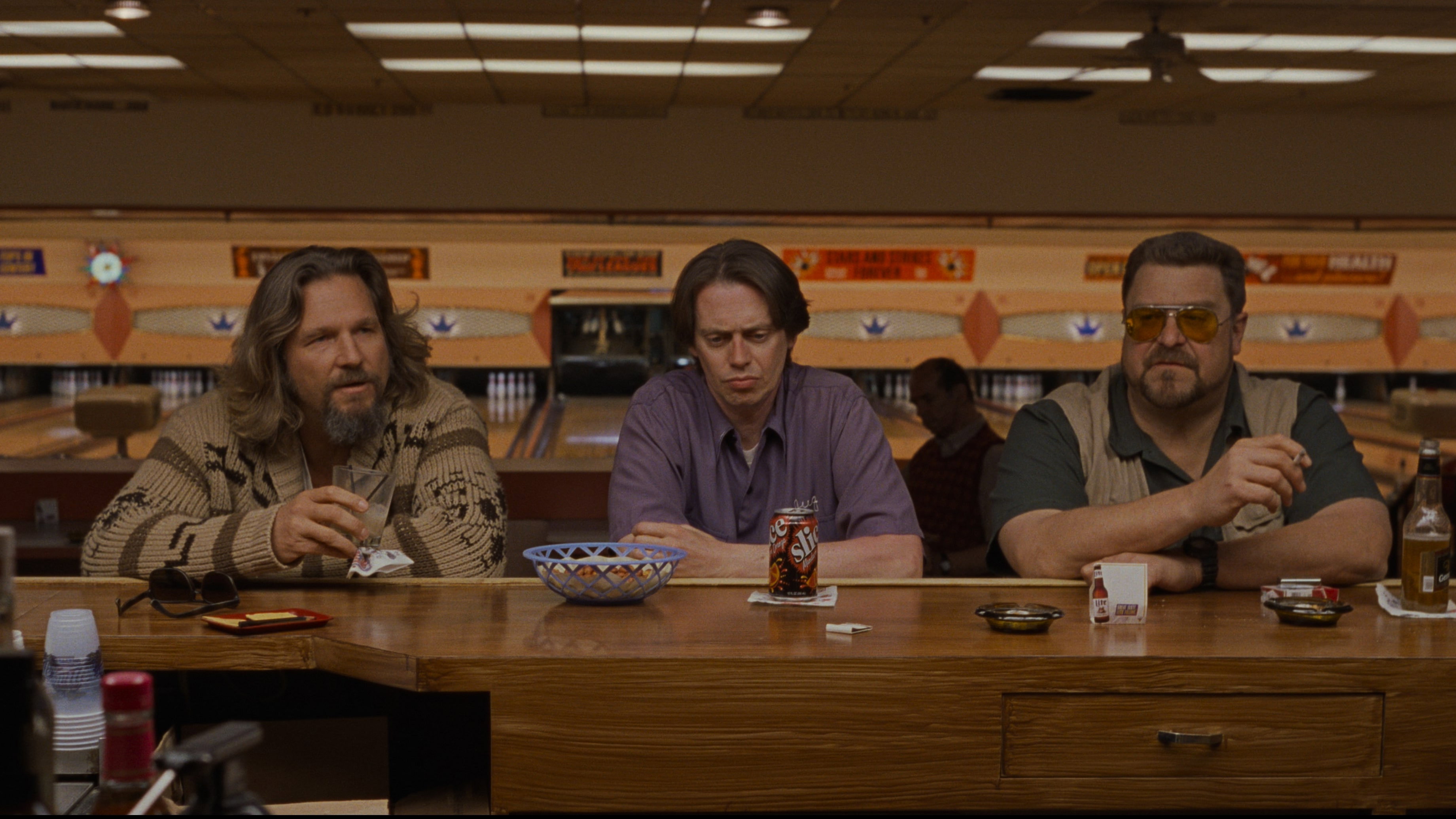
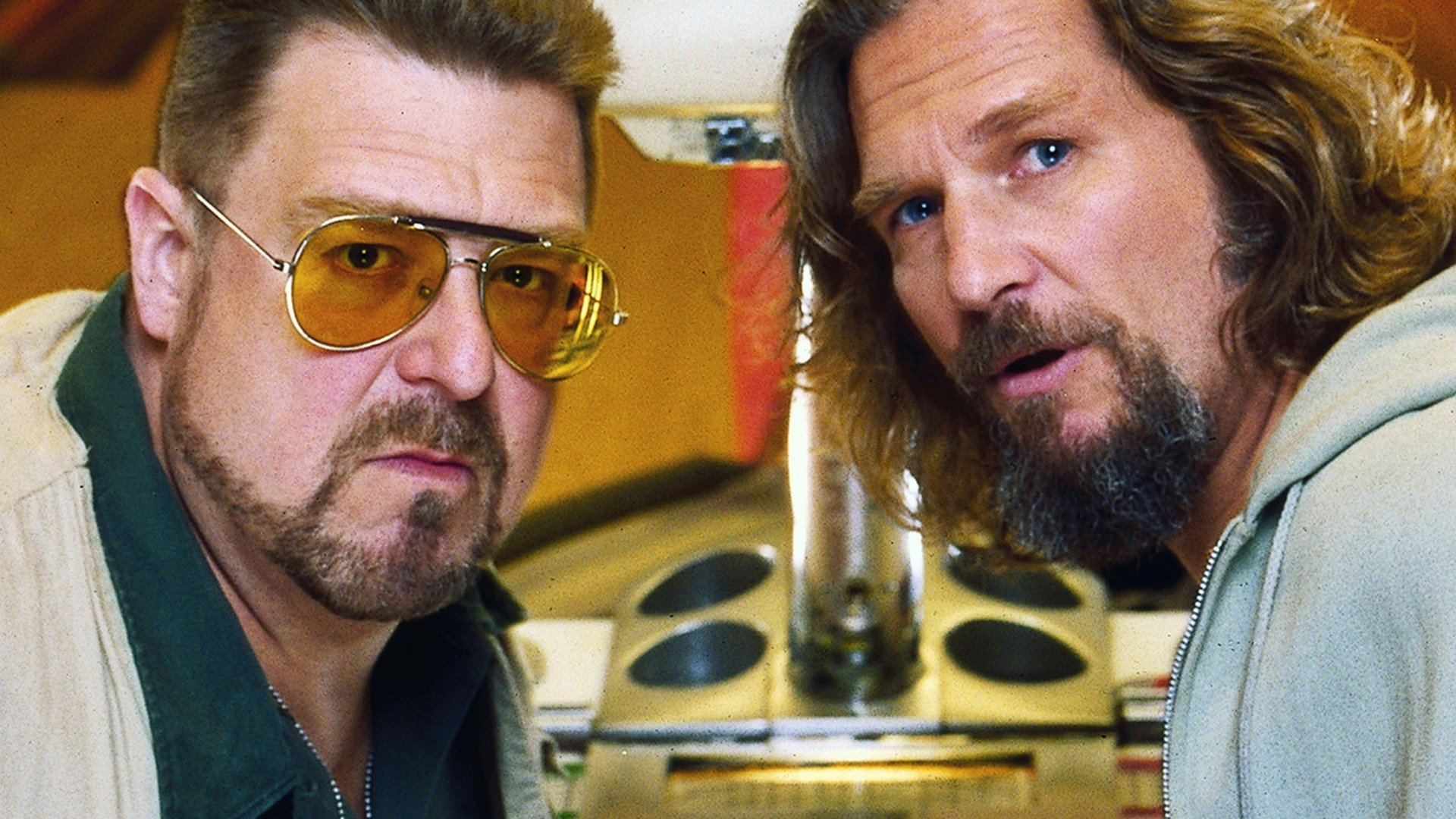
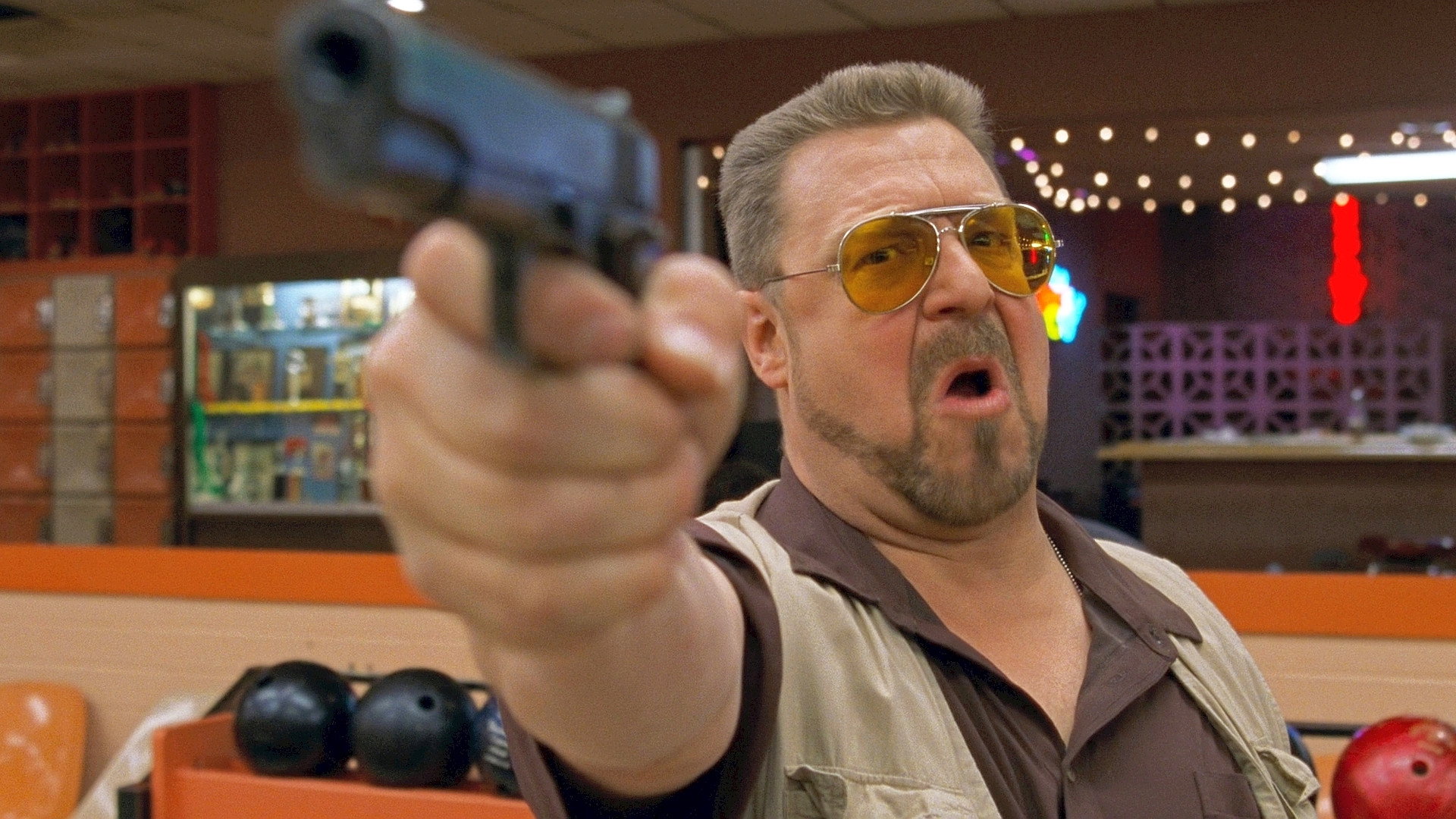
John Goodman, as Walter Sobchak, supplies the pressure that Bridges so happily declines to apply. The bowling-alley exchanges work because Walter brings an unreasonable degree of conviction to proceedings that hardly need any. We laughed at his insistence, then found ourselves grateful that the Dude had to deal with him instead of us. Steve Buscemi’s Donny helps the exchanges breathe, while Philip Seymour Hoffman’s Brandt offers a different, more carefully managed sort of social discomfort.
Roger Deakins shoots the bowling as though it deserves the concentration of a major sporting event, which makes the surrounding foolishness funnier. Rick Heinrichs’s production design gives the alley enough character to hold our interest without another development in the mystery. The fantasy sequences offer more elaborate arrangements of bodies and movement, with the pleasure of a musical that need not make practical sense. The ordinary conversations remain more entertaining.
The editing, by Joel and Ethan Coen with Tricia Cooke, is alert to the funny pause after someone has spoken, but less firm about when a whole diversion has run its course. Some comic business carries on after we have understood it, and 117 minutes is a generous allowance for such a loose story. Carter Burwell’s music and the eclectic soundtrack help carry us through those stretches. The musical variety suits a film in which the next encounter need not resemble the last.
As a detective comedy, this is unusually relaxed about giving the audience the satisfaction of working things out. The Coens are happy to let the plot become less important than the people interrupting it. That will frustrate anyone expecting each encounter to bring the solution closer, and the film occasionally mistakes another eccentric appearance for a fresh joke. Yet we believe the Dude would choose to spend time with Walter, despite the effort involved, and that gives the comedy a warmth it needs.
The bowling-alley company is what makes this worth an evening, even through the slower detours. Goodman and Bridges are funny together because their characters require such different amounts of fuss to get through a conversation. Watch it for them, and do not spend the evening trying to make the investigation behave.