Film review

The Talented Mr. Ripley

1999 · Directed by Anthony Minghella · 2h 20m · MPA R

In a sentenceMatt Damon works harder at being liked than most people work at their jobs

ThrillerCrimeDrama

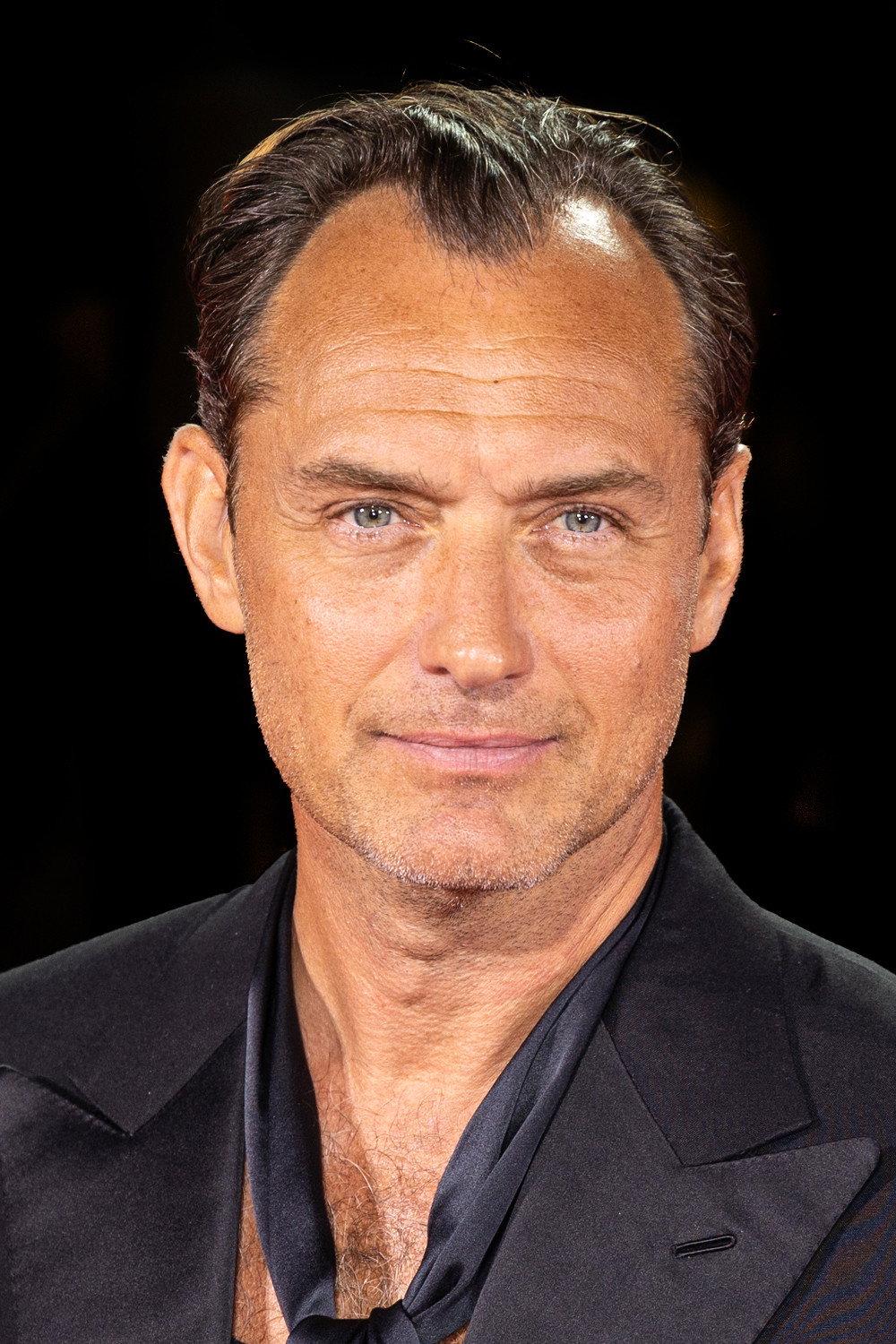
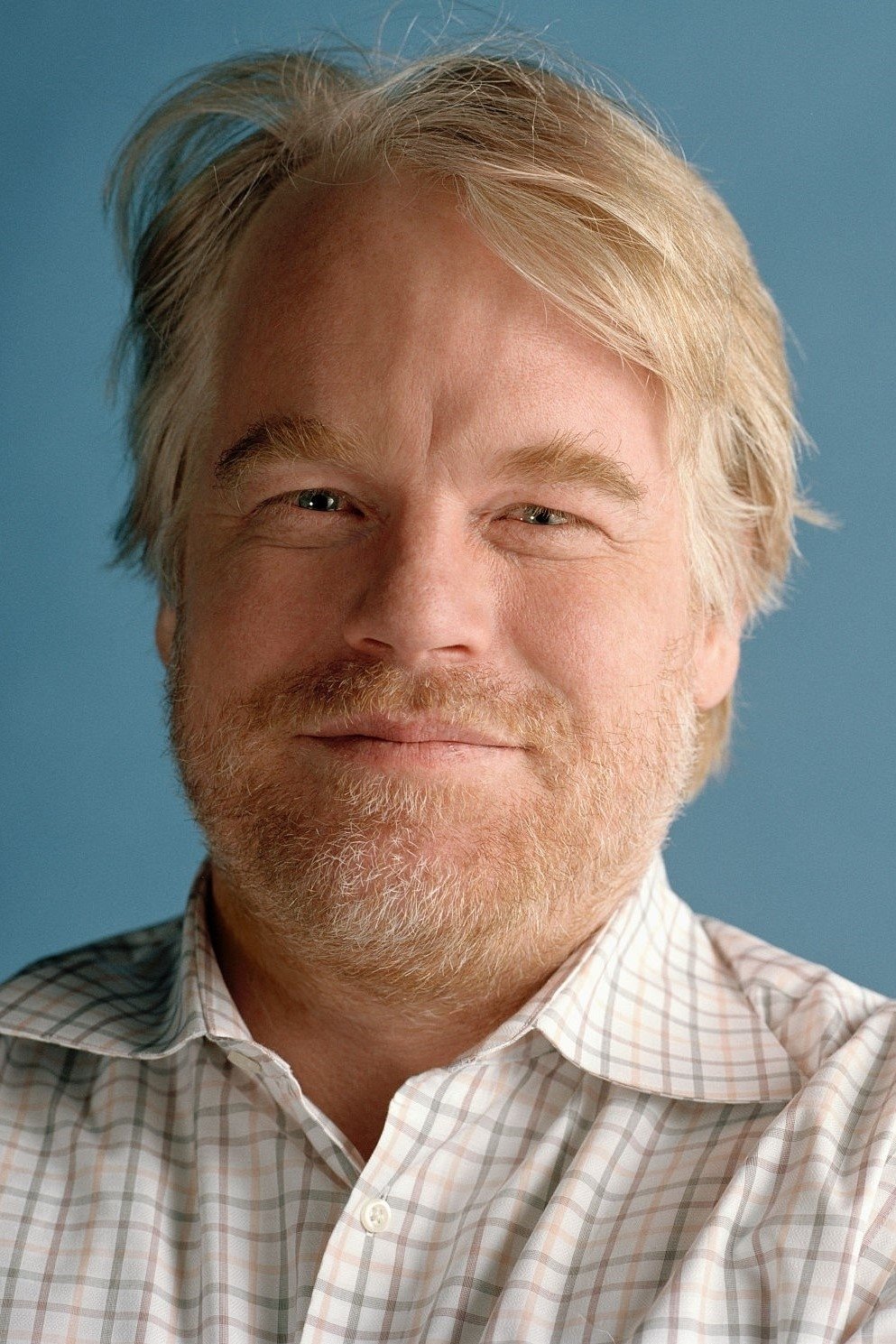
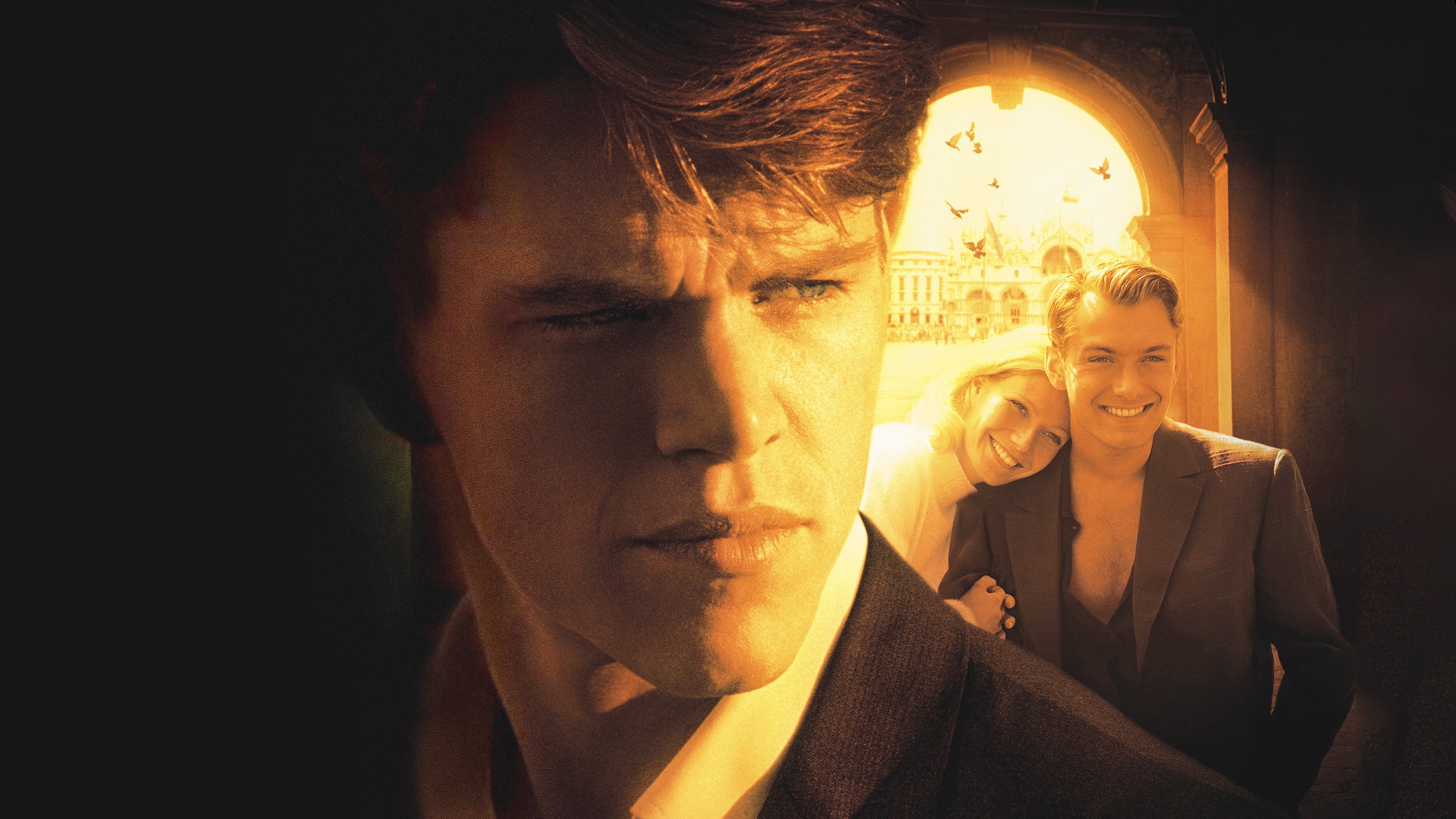
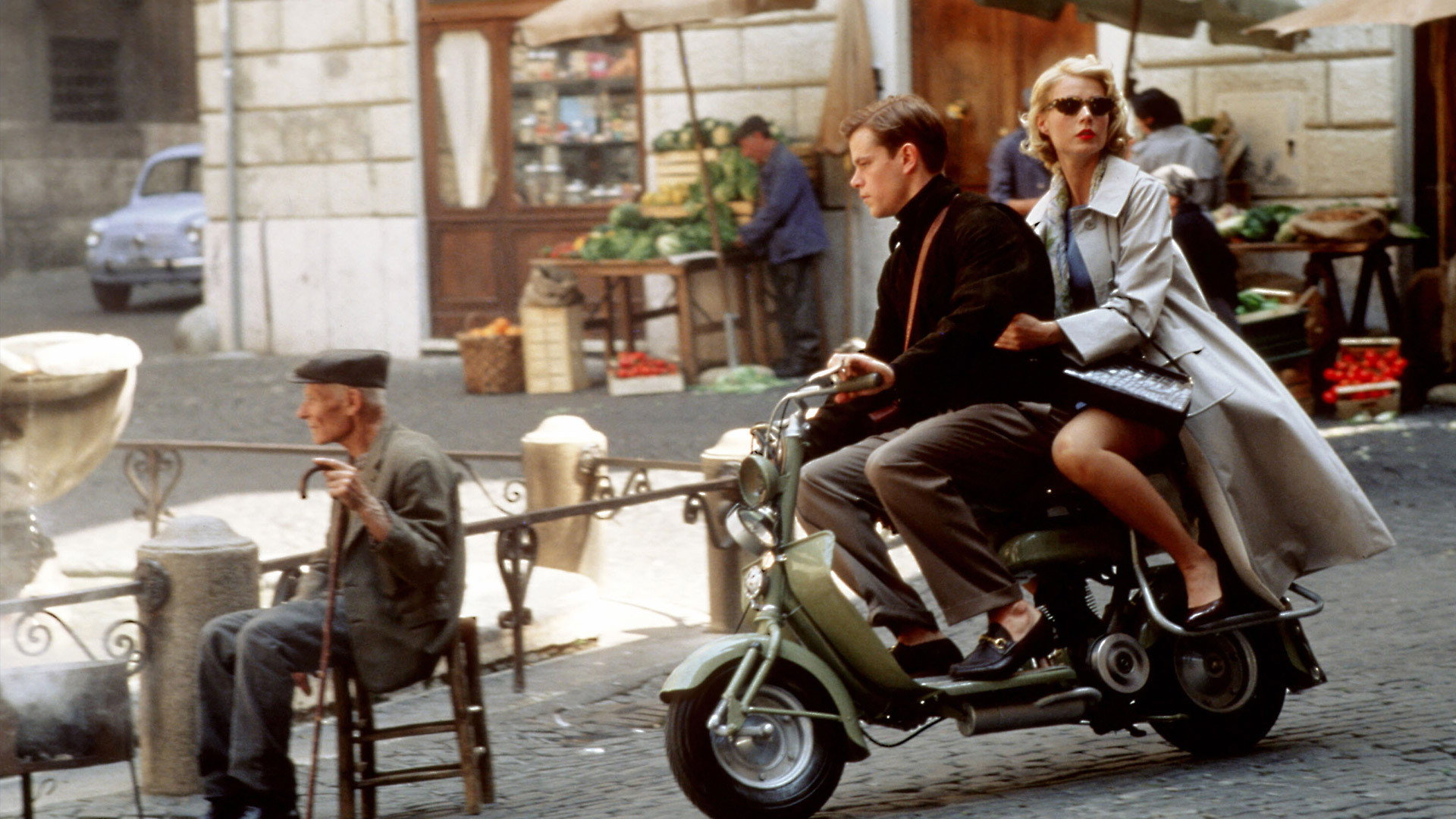
Tom Ripley (Matt Damon) is drawn to Dickie Greenleaf (Jude Law) and a life he cannot take for granted. As Tom tries to fit in, admiration becomes tangled with envy and desire. Marge Sherwood (Gwyneth Paltrow), Meredith Logue (Cate Blanchett) and Freddie Miles (Philip Seymour Hoffman) are among those whose impressions of him matter. Tom wants to decide what they see, but keeping their confidence becomes an increasingly difficult task. Adapted by Anthony Minghella from Patricia Highsmith’s novel, the crime thriller follows a man trying to become somebody else.

Plays from YouTube when you press play; nothing loads from them until then.

Fi1m review

Anthony Minghella’s thriller makes envy painfully understandable, with Matt Damon and Jude Law giving its social discomfort real force. The leisurely pace is a drawback, but the performances make the time worthwhile.

Anthony Minghella’s The Talented Mr. Ripley is a persuasive, unsettling thriller about the effort of making other people like us. We recommend it, with a reservation about how long Minghella spends arranging the complications. Adapting Patricia Highsmith’s novel, he takes Tom’s longing seriously enough to make it uncomfortable, and gives Matt Damon room to show the labour involved. The film pays close attention to the class distinctions that make Tom feel unequal to Dickie Greenleaf.

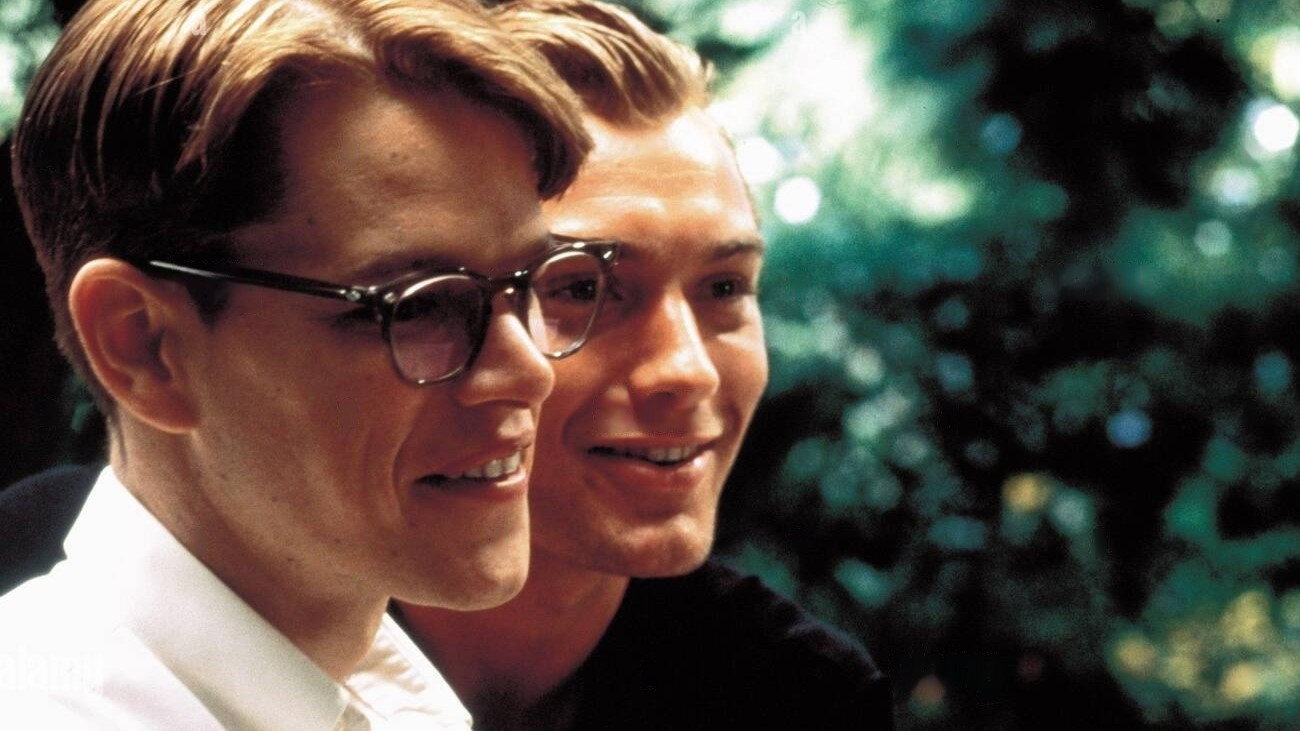
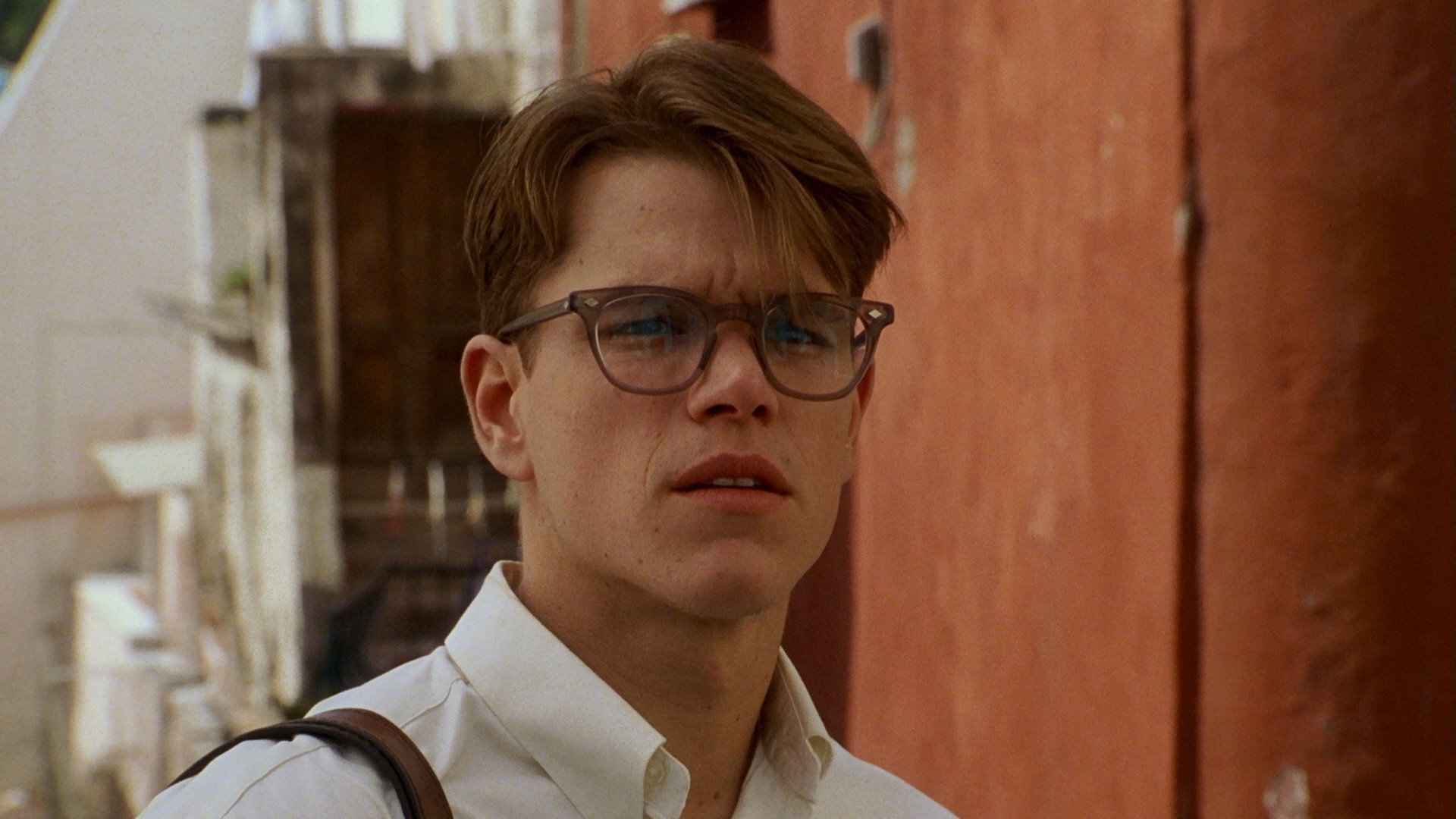
Damon’s performance is strongest when Tom is trying to be agreeable. His nervousness makes approval seem necessary, and the effort to appear relaxed beside Jude Law’s Dickie becomes distressingly clear. We felt embarrassed for him, because Damon makes Tom’s attempts to fit in look so exposed. Law is crucial to that response: his ease gives Damon something specific to strain against, and he makes Dickie’s appeal entirely credible. Their performances explain why Tom finds this company so difficult to resist.

The supporting cast gives us other people worth watching closely. Gwyneth Paltrow gives Marge Sherwood enough weight that we remain interested in her while watching Tom, rather than treating her as an interruption. Philip Seymour Hoffman makes Freddie Miles’s perceptiveness so unpleasant that we resent him for noticing what we have noticed ourselves. Hoffman is especially effective because he makes Freddie’s sharpness feel habitual, with no need to announce that this is someone Tom should worry about.

The warmth of John Seale’s cinematography makes Dickie’s life look inviting while keeping Damon’s discomfort legible. We can understand the temptation simply by looking, which matters in a film that spends so much time on envy. Roy Walker’s production design makes affluence feel ordinary to the people enjoying it. Those surroundings help explain why Tom is so susceptible. The luxury remains useful to the drama because Damon never lets us forget the effort of trying to belong there.

Walter Murch’s editing gives the performances time to register, particularly the differences between Tom’s self-consciousness and Dickie’s assurance. It is a sound choice for the character study, though it does not keep the 140 minutes from feeling extended. Gabriel Yared’s music encourages sympathy for Tom, giving his wanting a sadness that Damon often makes awkward to acknowledge. It helps us take that need for affection seriously, which is important to Minghella’s treatment of the character.

The principal weakness is how much complication Minghella’s screenplay puts around such a clear central relationship. The plotting becomes less involving as it demands more attention, and the pace suffers when we are ready for it to tighten. Minghella sometimes keeps explaining people after the actors have made them comprehensible. A thriller can afford to move slowly when the company is this interesting, but there are stretches where we feel the length without learning much more about anyone.

Minghella’s sympathy for Tom is a substantial choice, and we think it pays off. Damon makes the need to be liked credible without making Tom reassuring company, and the film’s interest in that need survives its overextended plotting. Choose it when there is time to watch people watching one another, rather than when the evening needs something brisk.
Critical consensus AI synthesised

3 of 6
Positive
0
Mixed
3
Negative
0
Empire
1 January 2000 · Ian Nathan
65*

Minghella overcomplicates the lightweight thriller with excessive detail and characterisation, resulting in a film lacking a sympathetic centre. Strong performances from Damon and Law stand out amid the stylish but uneven execution.

Read the full review →
The New Yorker
27 December 1999 · Anthony Lane
65*

The review sees the film as a lush psychological thriller and nineties take on Highsmith but finds it a struggle for Minghella, with Damon playing a nervous neophyte rather than a sociopathic pro who kills in panic. It praises the warm, appealing Italy and strong performances while missing some of the novel's profound chill and deep rot.

Read the full review →
Sight and Sound
1 March 2000 · Charlotte O'Sullivan

A tense, troubling thriller full of vivid, miserable life that is worth more than a peep, though marred by pacing issues in the middle and some implausible characterisation. It singles out Philip Seymour Hoffman's performance as the viciously astute Freddie for particular praise.

Read the full review →
The Guardian
27 February 2000 · Philip French

Minghella's adaptation of Highsmith is a seductive triumph that follows the story closely but takes imaginative liberties, such as making Dickie's death unpremeditated. The critic praises the film's intelligent handling of class envy and identity, its evocative 1950s Italian setting, brilliant manipulation scenes, and unforgettable moments, while noting we share in admiring Ripley's criminal artistry.

Read the full review →
The New York Times
24 December 1999 · NYT Critic’s Pick · Janet Maslin

The critic praises the film's diabolically smart surprises and sensually charged adaptation of Highsmith, crediting Minghella with complex allure and nuanced direction that broadens the story while keeping Ripley's sting. Damon delivers a fine mix of obsequiousness and ruthlessness as a less loathsome but still compelling Ripley.

Read the full review →
Time Out
7 June 2016 · GA

Minghella's imaginative but mostly faithful adaptation is a class act in every sense, an elegantly polished affair with top-notch performances, magnificent camerawork and editing. It is acutely aware of how class, money and sex shape desire and resentment, and of the distinctions between facade, pretence and reinventing oneself.

Read the full review →

Cast

Stills

Awards

Academy Awards, 2000

Nominated
Best Costume Design
Nominated
Best Original Score
Nominated
Best Production Design
Nominated
Best Supporting Actor
Nominated
Best Writing, Adapted Screenplay

If you liked this, try…

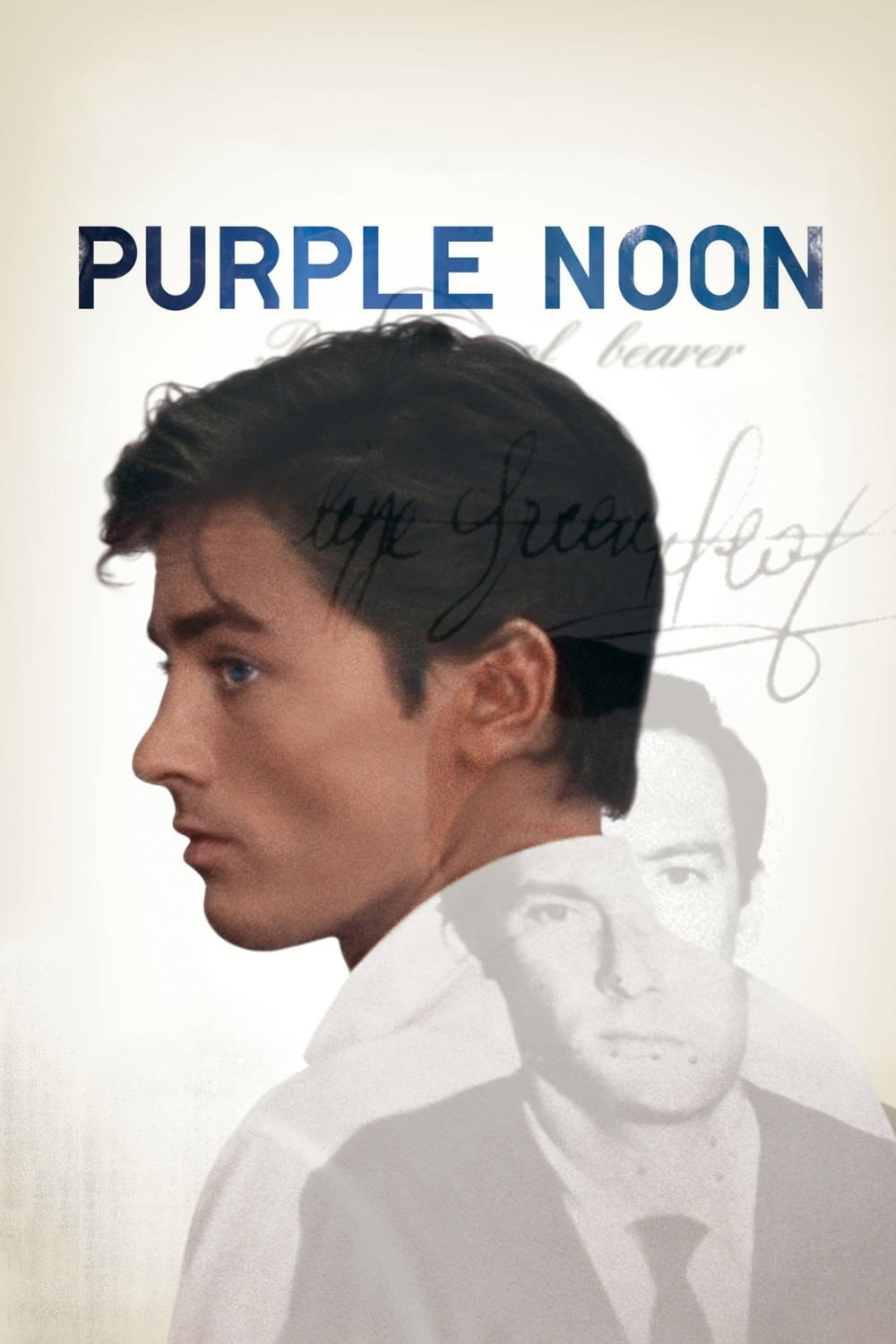
Purple Noon poster

Purple Noon

1960 · Another Highsmith adaptation, with a cooler view of charm, money and deception.

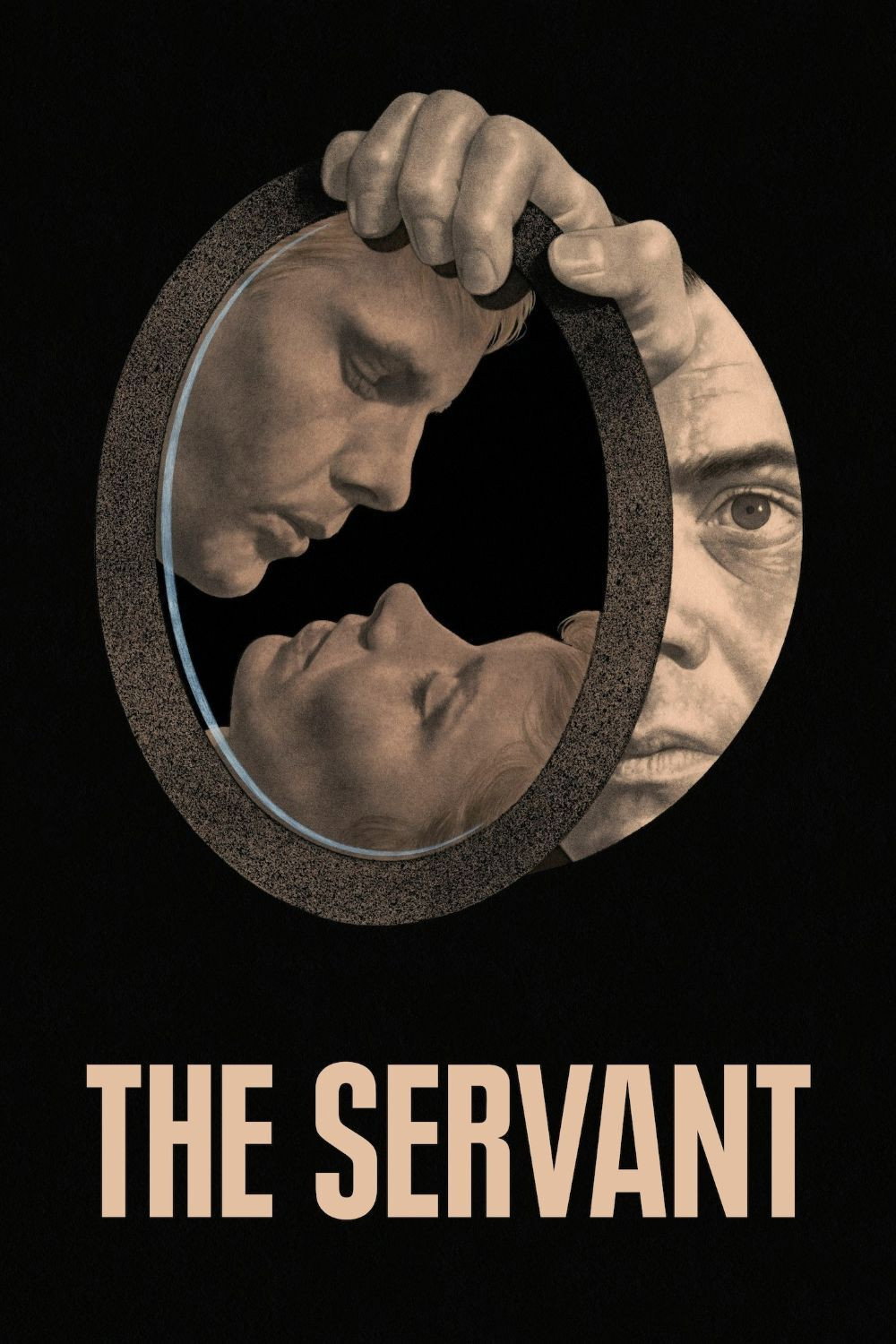
The Servant poster

The Servant

1963 · Class resentment becomes intimate, with performances that make every courtesy feel suspect.

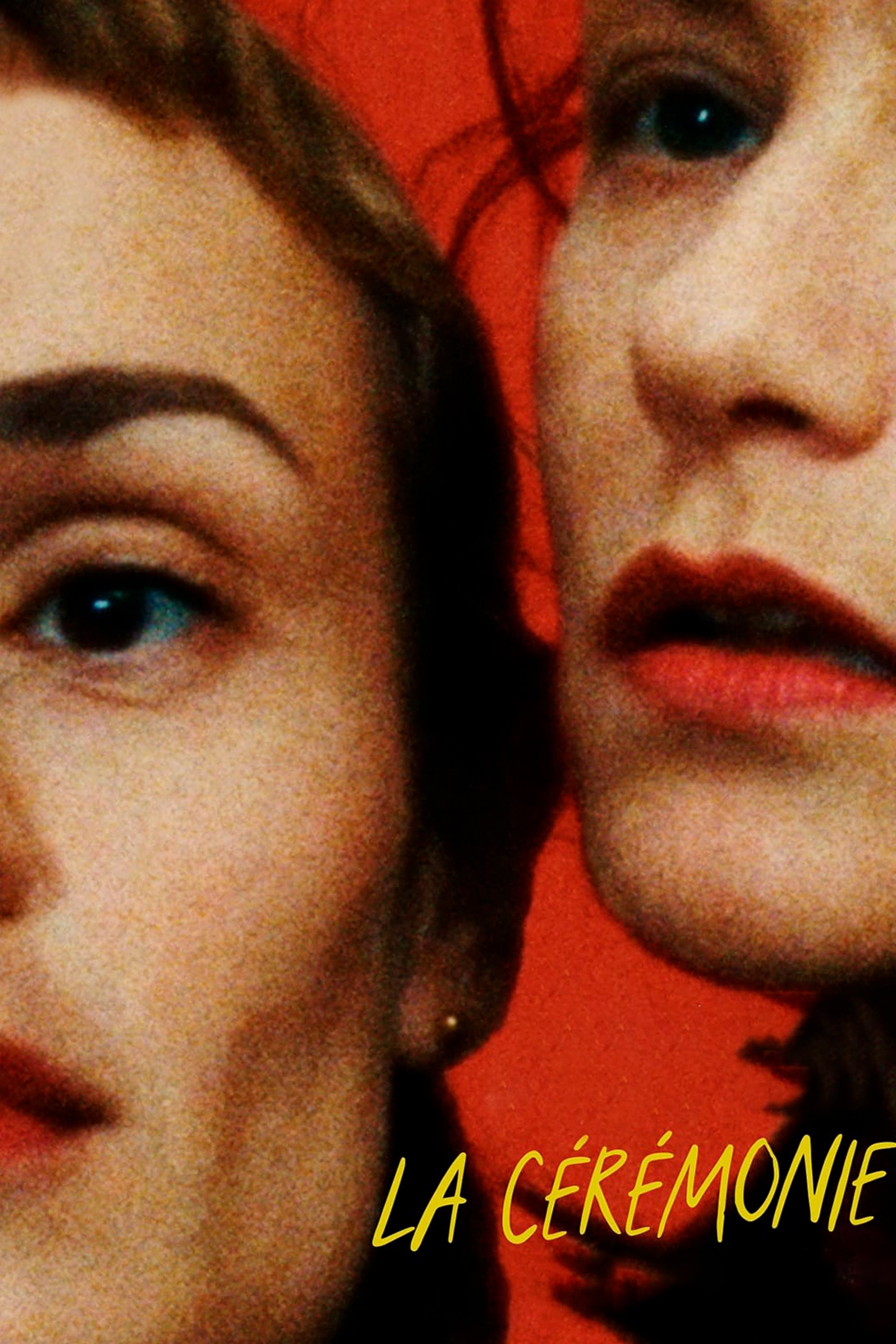
La Cérémonie poster

La Cérémonie

1995 · A household thriller where class divisions make ordinary exchanges increasingly difficult to watch.

Burning poster

Burning

2018 · Desire and money feed a slow mystery that rewards close attention to faces.

Passing poster

Passing

2021 · A quieter study of reinvention, belonging and the strain of being carefully observed.