Anthony Minghella's literary romances make room for complicated feelings and lives beyond the central couple. We value his patience with actors, though the films work better when a performance disturbs their careful manners.
Fi1m perspective
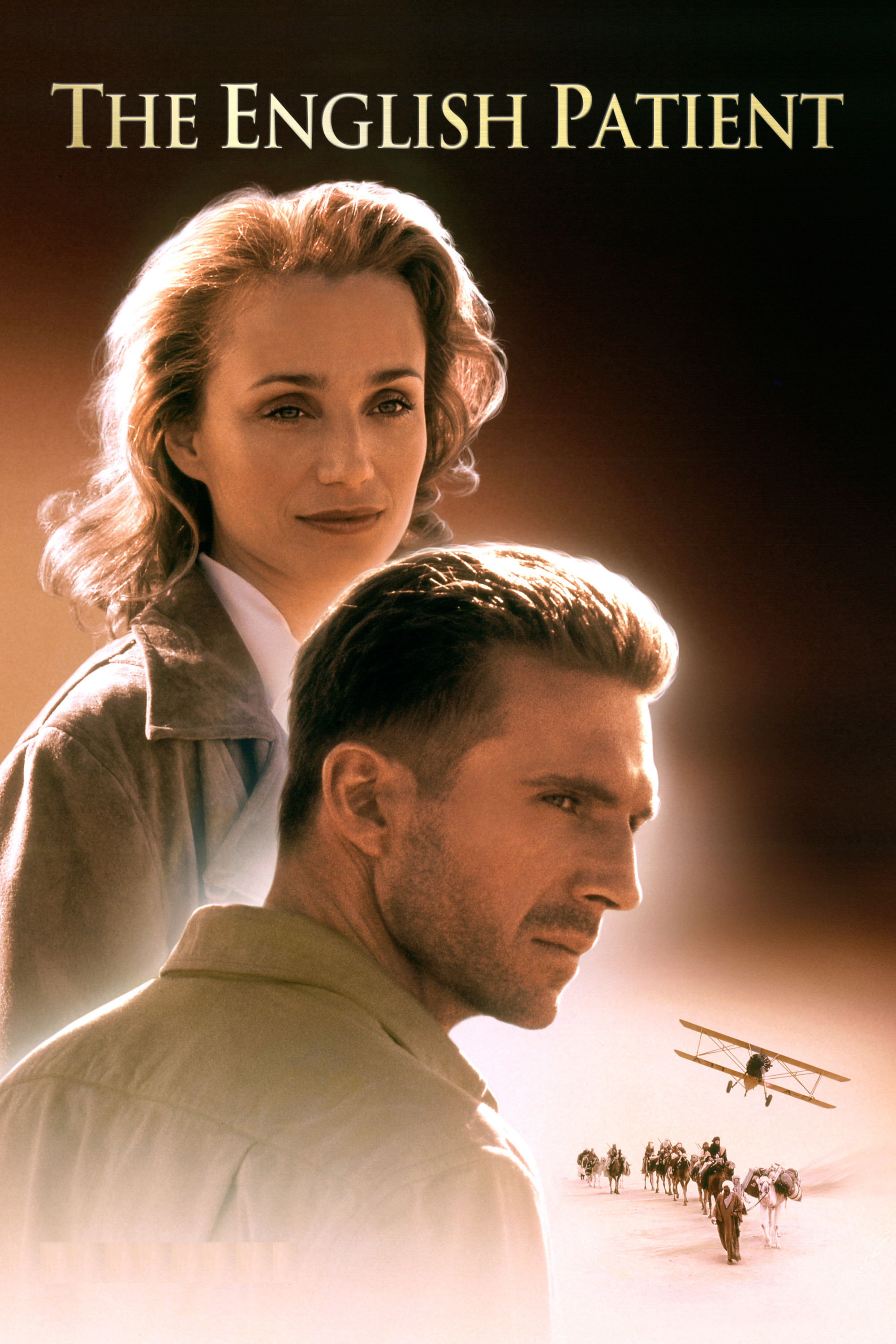
Juliette Binoche's Hana brings a welcome directness to The English Patient (1996), where the central lovers can seem weighed down by the seriousness of their feelings. We felt relieved by her plainness; she gave us someone to care about when the careful manners were becoming stifling. Minghella makes room for her rather than treating everyone outside the romance as a distraction. That generosity towards an ensemble is worth defending.
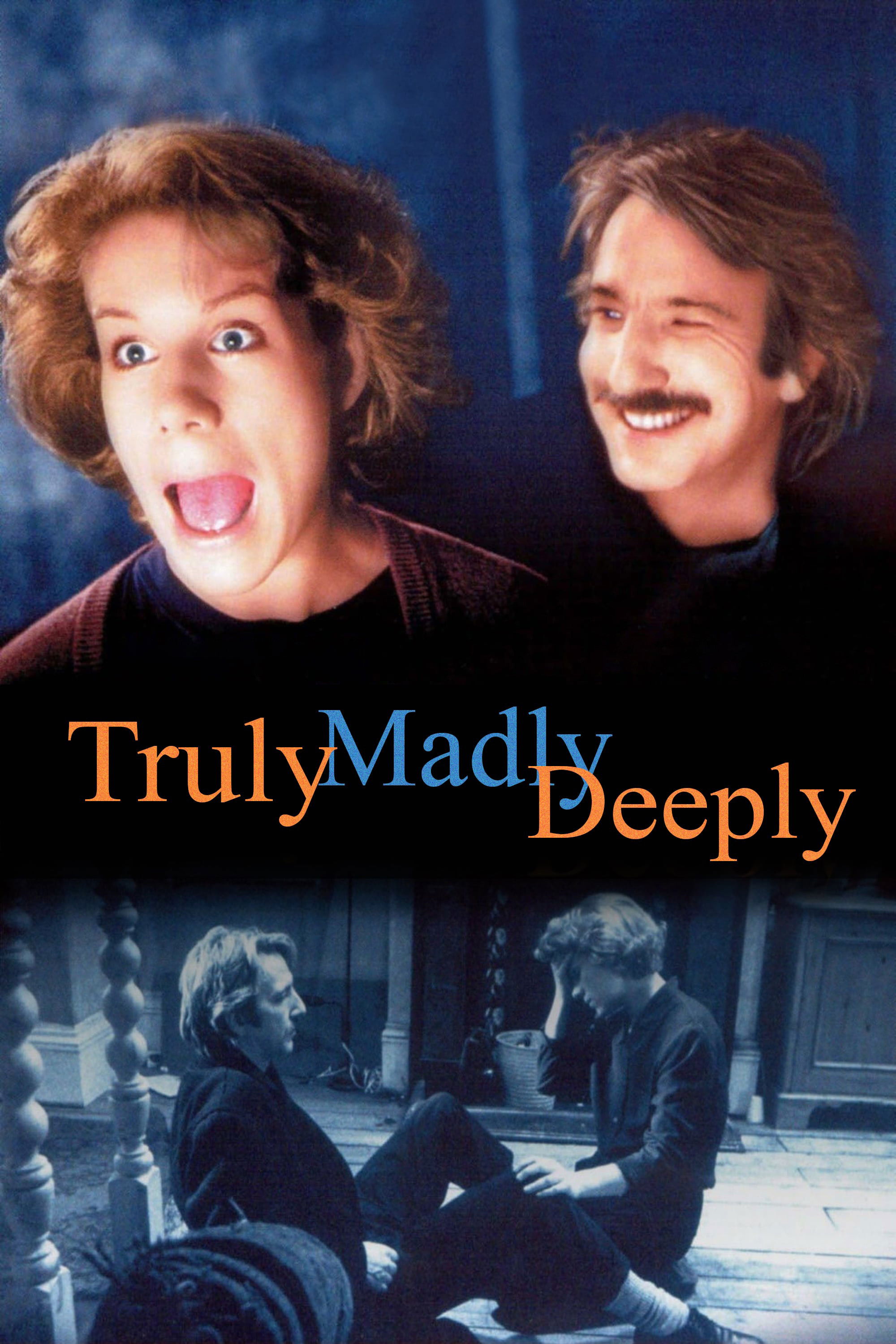
His feature debut, Truly Madly Deeply (1991), explored grief and independence. The breakthrough came with The English Patient, his adaptation of Michael Ondaatje's novel, and a much broader wartime story. He kept an interest in private feeling within those larger settings, allowing performances to matter as much as the locations. We would not want him to simplify these people, but their reluctance to explain themselves is sometimes matched by his reluctance to get on with things.
Kristin Scott Thomas gives the romance the urgency it needs, while Gabriel Yared's score makes the strength of the lovers' feelings easier to accept. Music matters to Minghella, and here it helps us respond to characters who do not readily explain themselves. It cannot make every turn of his screenplay convincing. At 162 minutes, the film gives us too much time to notice the contrivances. There are stretches when we become more interested in the desert than in the couple.
The Talented Mr. Ripley (1999), adapted from Highsmith, made identity, class and deception central concerns. Cold Mountain (2003) returned to wartime separation and endurance. Then Breaking and Entering (2006) moved to contemporary London, urban regeneration and second chances. Those changes of setting kept him occupied with the difficulty of making a life alongside other people, rather than simply repeating the historical romances.
Minghella asks for sustained attention, and usually gives us actors who repay it. Our reservation is about the moments when he seems to expect that attention simply because the feelings are serious. Start with The English Patient, but allow an uninterrupted evening rather than hoping it will fit around one.
Biography
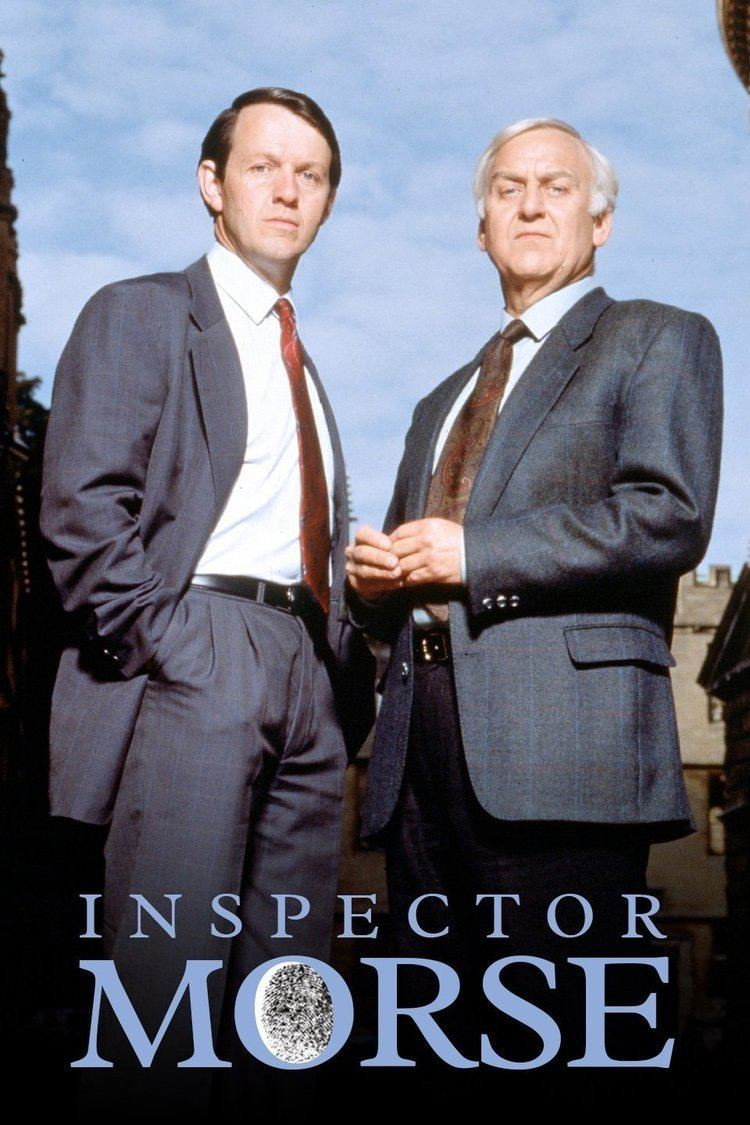
Anthony Minghella (6 January 1954 – 18 March 2008) was a British playwright, screenwriter and film director. He began his career writing for television, including episodes of Inspector Morse (1987), and had a background in theatre and radio before moving into feature films.
His directorial debut was Truly Madly Deeply (1991), which he also wrote. He achieved international acclaim with The English Patient (1996), for which he wrote the screenplay and directed; the film won nine Academy Awards, including Best Director for Minghella. Subsequent films he directed and wrote include The Talented Mr. Ripley (1999), Cold Mountain (2003) and Breaking and Entering (2006).
Minghella served as Chairman of the Board of Governors at the British Film Institute from 2003 to 2007. He received further Academy Award nominations for adapted screenplays and was posthumously nominated as a producer for The Reader (2008).