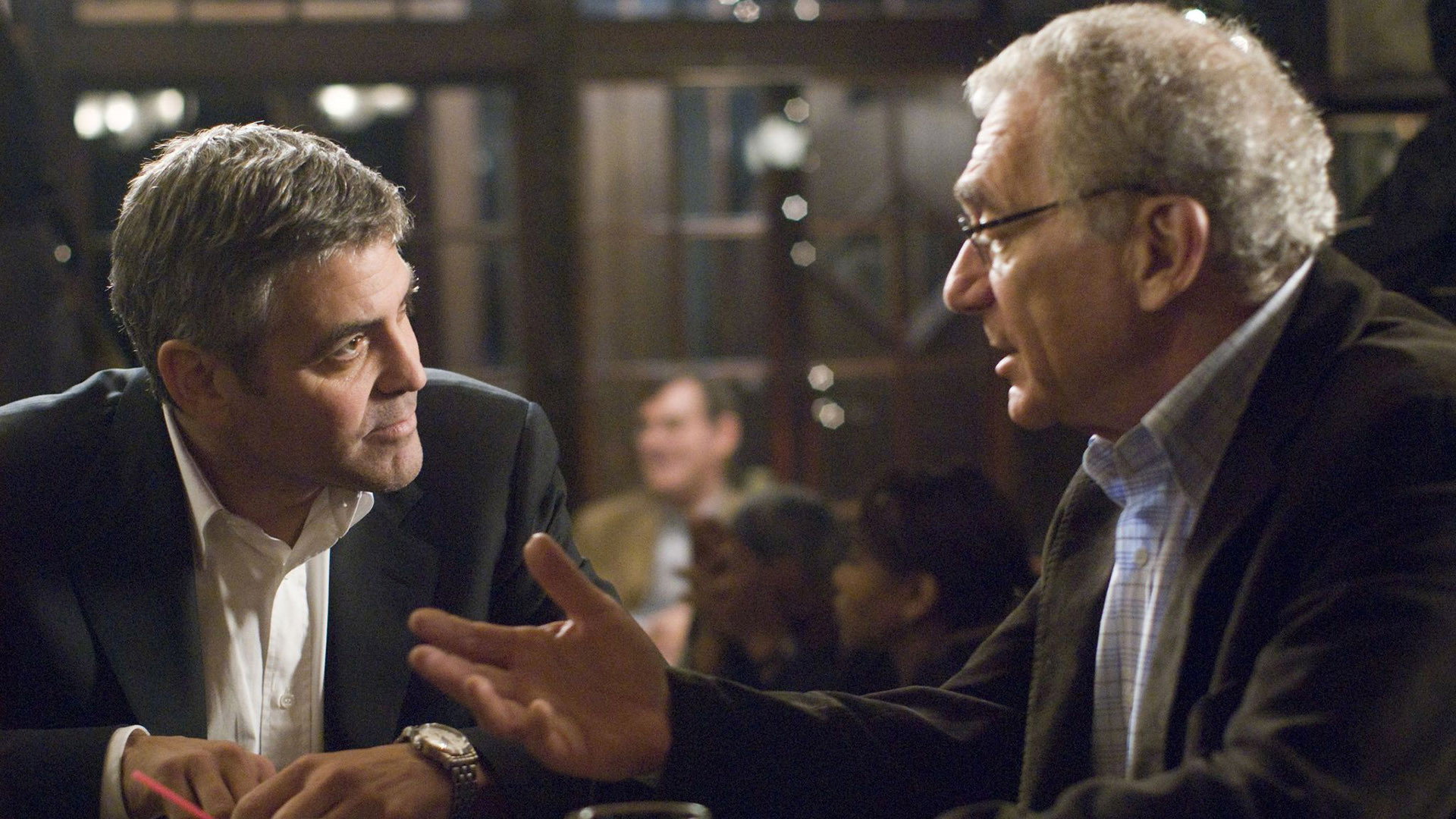
Tony Gilroy’s Michael Clayton is a patient, gripping corporate thriller, with George Clooney making professional competence look painfully costly. The plotting sometimes complicates what is already clear, but the performances make the damage done by this work hard to dismiss.
Tony Gilroy gives the corporate fixer the attention usually reserved for the lawyer making the closing speech. Michael Clayton is a gripping, quietly upsetting thriller about the fatigue of remaining good at work that has become hard to defend. The class-action suit against a large corporation supplies the danger, but Gilroy keeps returning to what these people have learnt to tolerate. The plotting sometimes becomes needlessly elaborate; the attention to professional shame is what makes the film worth staying with.
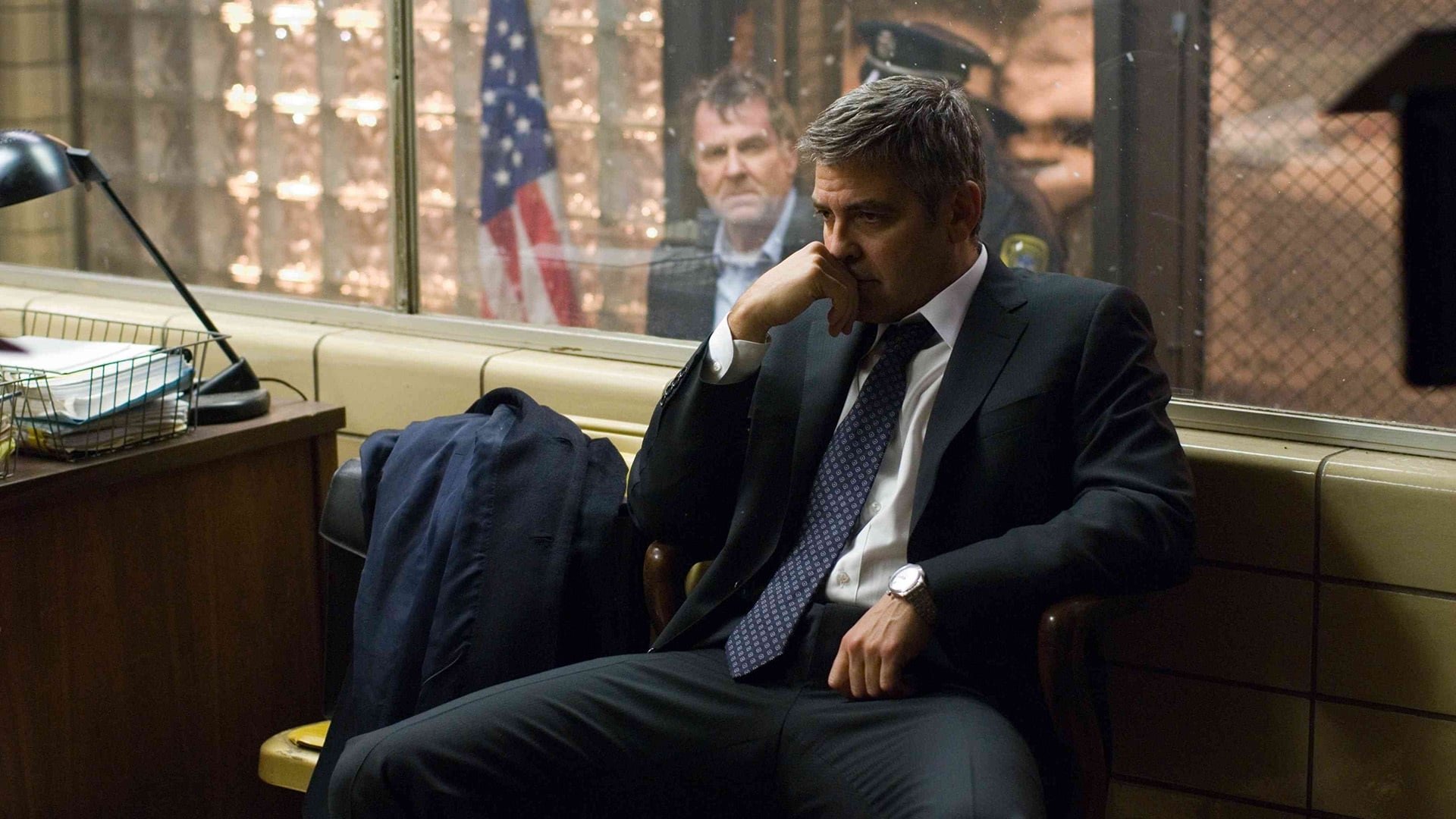
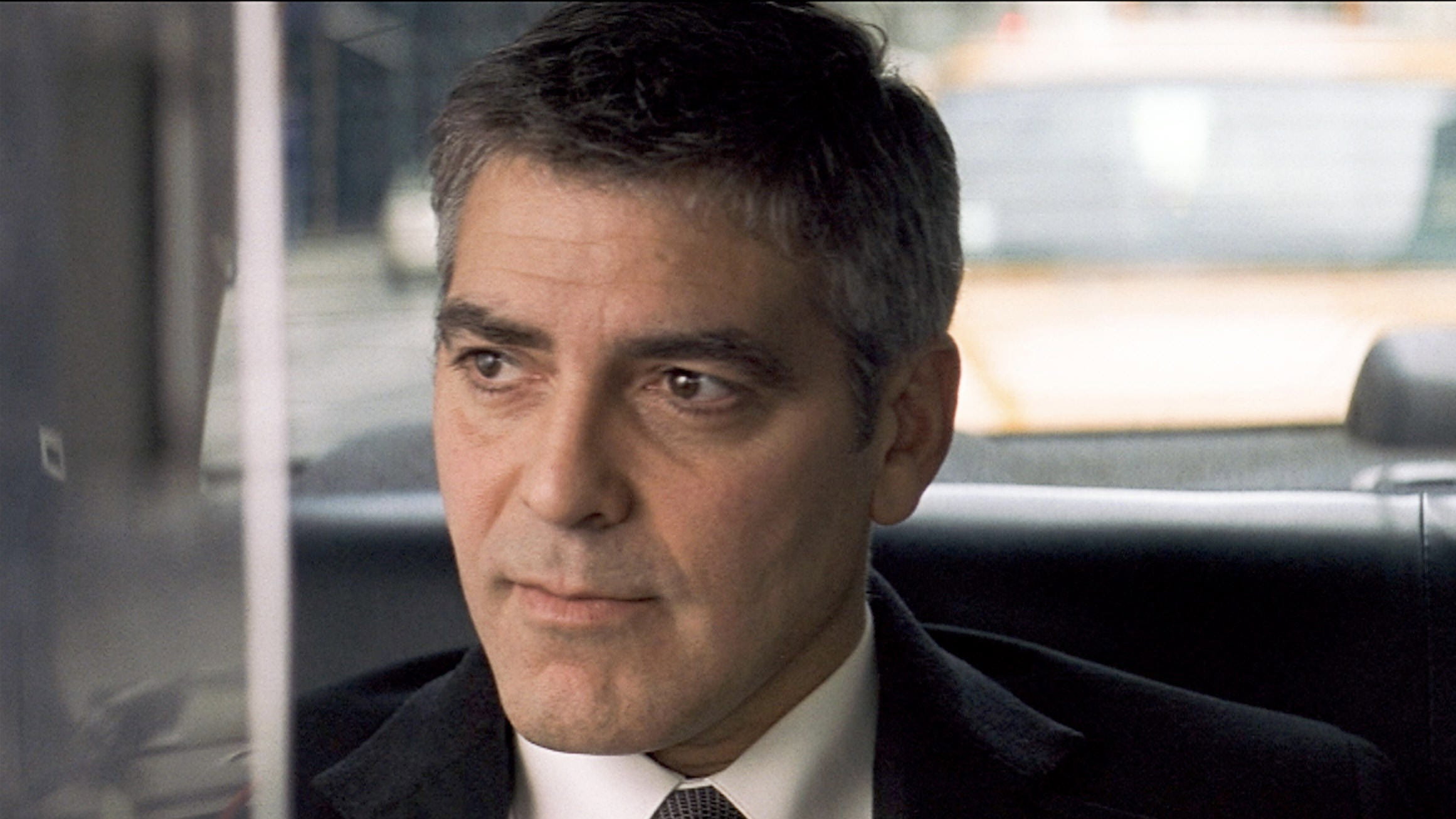
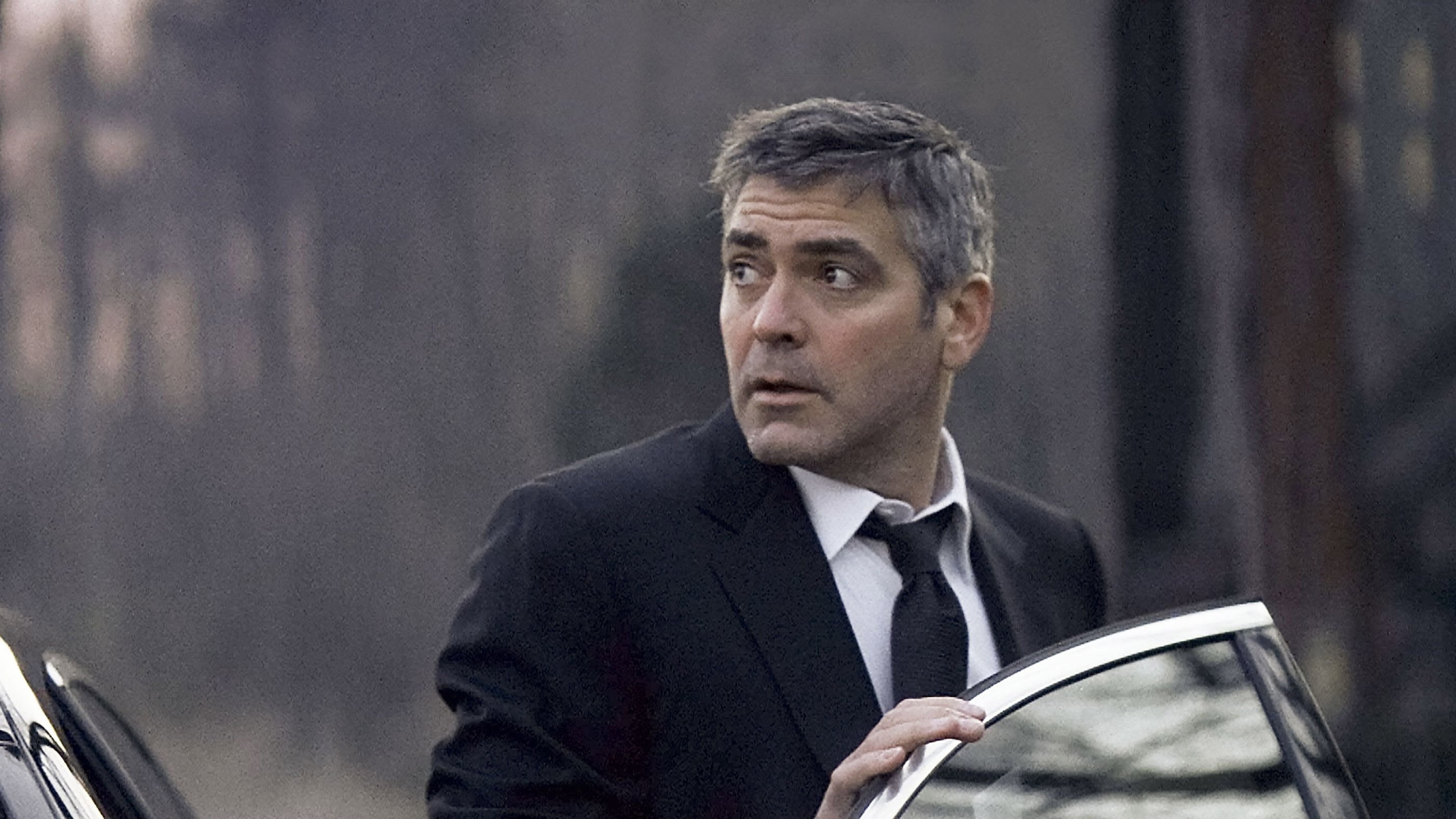
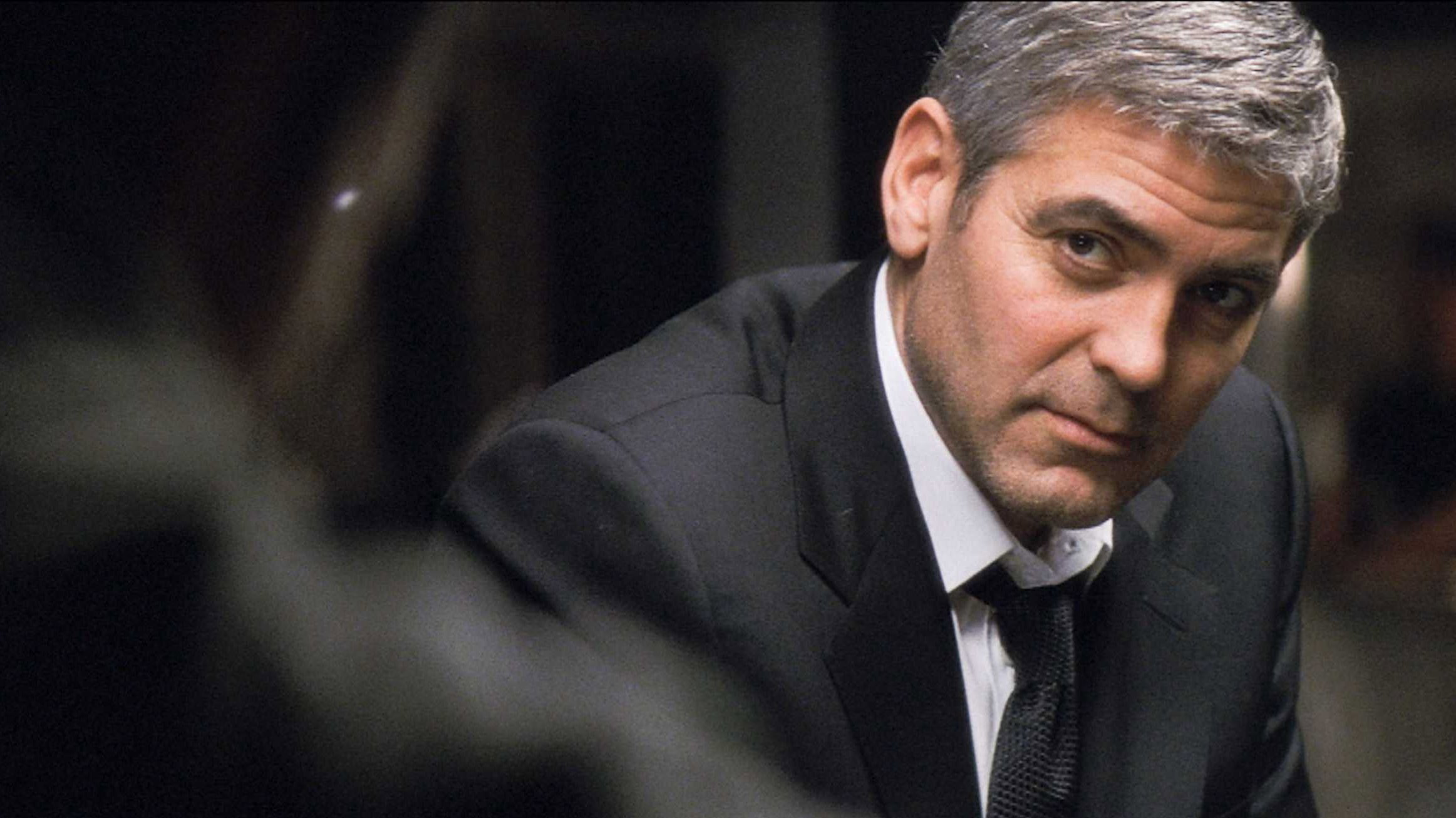
George Clooney plays Clayton without treating his fatigue as an invitation to coast. We believe people would keep turning to this man for help. The disappointment remains visible when the case gives him something immediate to concentrate on; he can do the job, but it costs him. We were unexpectedly moved by the pause with three horses, because the interruption lets us see how worn down he has become.
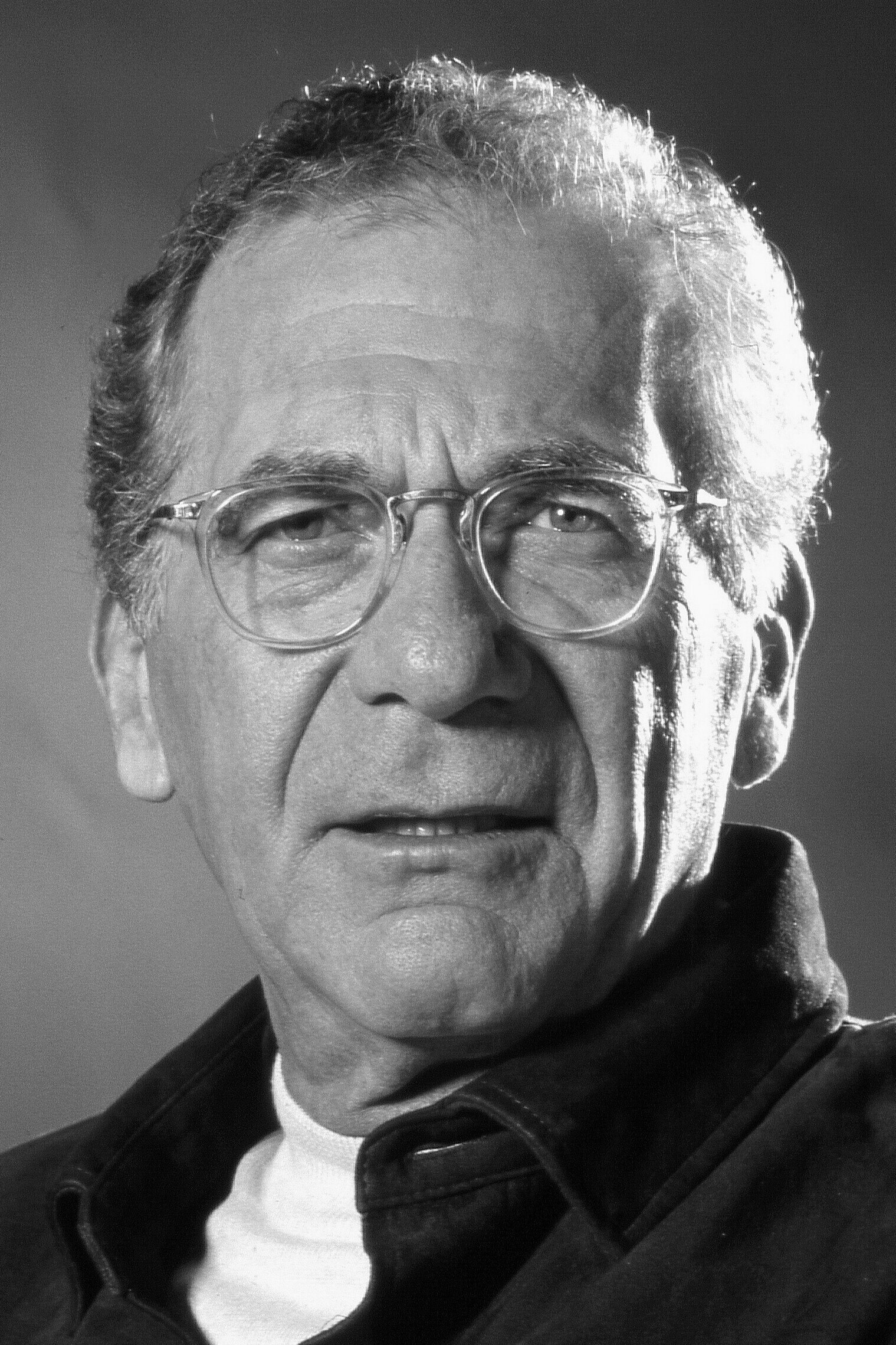
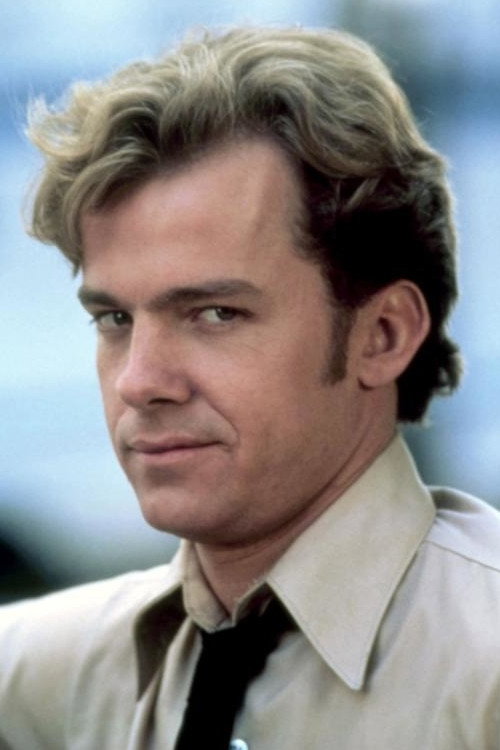
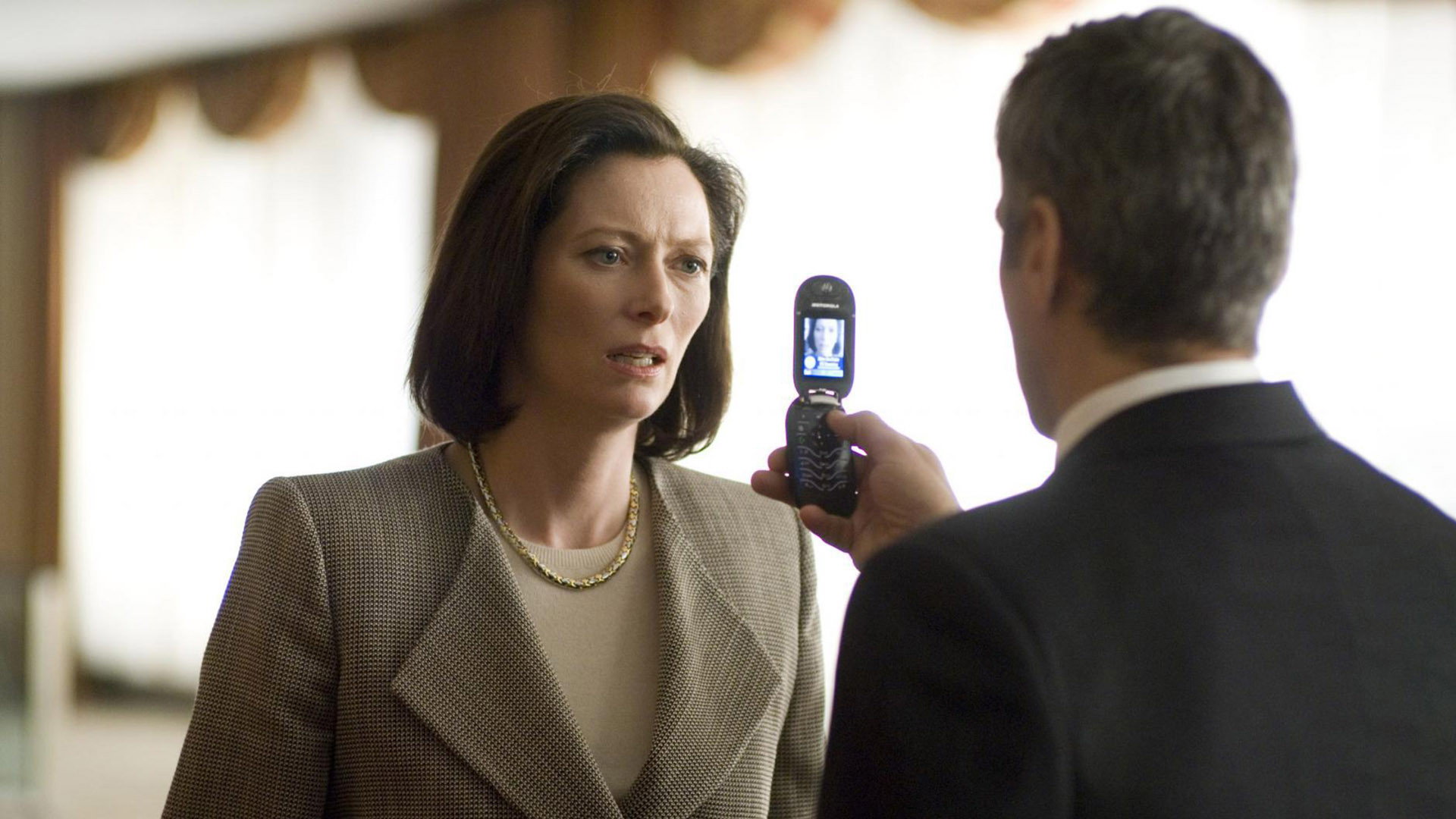
Tom Wilkinson’s Arthur Edens gives the crisis of conscience a force that stops the film settling into tasteful gloom. Tilda Swinton’s Karen Crowder is just as important, making professional pressure feel intimate and difficult to contain. Both performances suggest lonely people who have had too much practice putting their work first. Gilroy gives them enough attention that the lawsuit never becomes simply a mechanism for getting Clayton from one predicament to the next.
Robert Elswit’s shadowed cinematography is restrained enough to let us attend to the actors, and the tiredness in these faces suits the light. Production designer Kevin Thompson keeps the corporate spaces grey and unwelcoming, though their uniform bleakness can become oppressive. James Newton Howard’s understated score sustains unease without treating each conversation as a momentous event. These are sensible choices for a film in which listening to people talk is supposed to be worth our attention.
John Gilroy’s editing lets scenes breathe. The larger structure keeps us uncertain about how the pieces fit, though some of that complication merely delays information rather than making the situation more interesting. Tony Gilroy’s writing is surer in conversations about the firm’s business, where professional language makes dubious conduct sound manageable. The dialogue is heightened, certainly, yet the actors make it credible that intelligent people could talk themselves into accepting what they ought to question.
The film trusts us to follow a conversation without a fresh threat arriving every few minutes. That patience gives us time to notice how easily corporate loyalty can excuse individual choices, and how much effort goes into keeping the business respectable. Within the legal thriller, this attention to ordinary working habits is welcome, particularly when the cast can make a discussion of the firm’s affairs so tense. We keep watching because these people seem capable of making bad decisions for reasons they could explain quite reasonably.
Set aside its 120 minutes for an evening when the dialogue can have your attention. Anyone seeking a brisk succession of shocks should choose something else. Leave the work emails until afterwards.