Sidney Lumet’s legal drama is moving and superbly acted, though its solemn pace sometimes becomes self-important. Paul Newman’s worn-down Frank Galvin makes a familiar redemption story worth an unhurried evening.
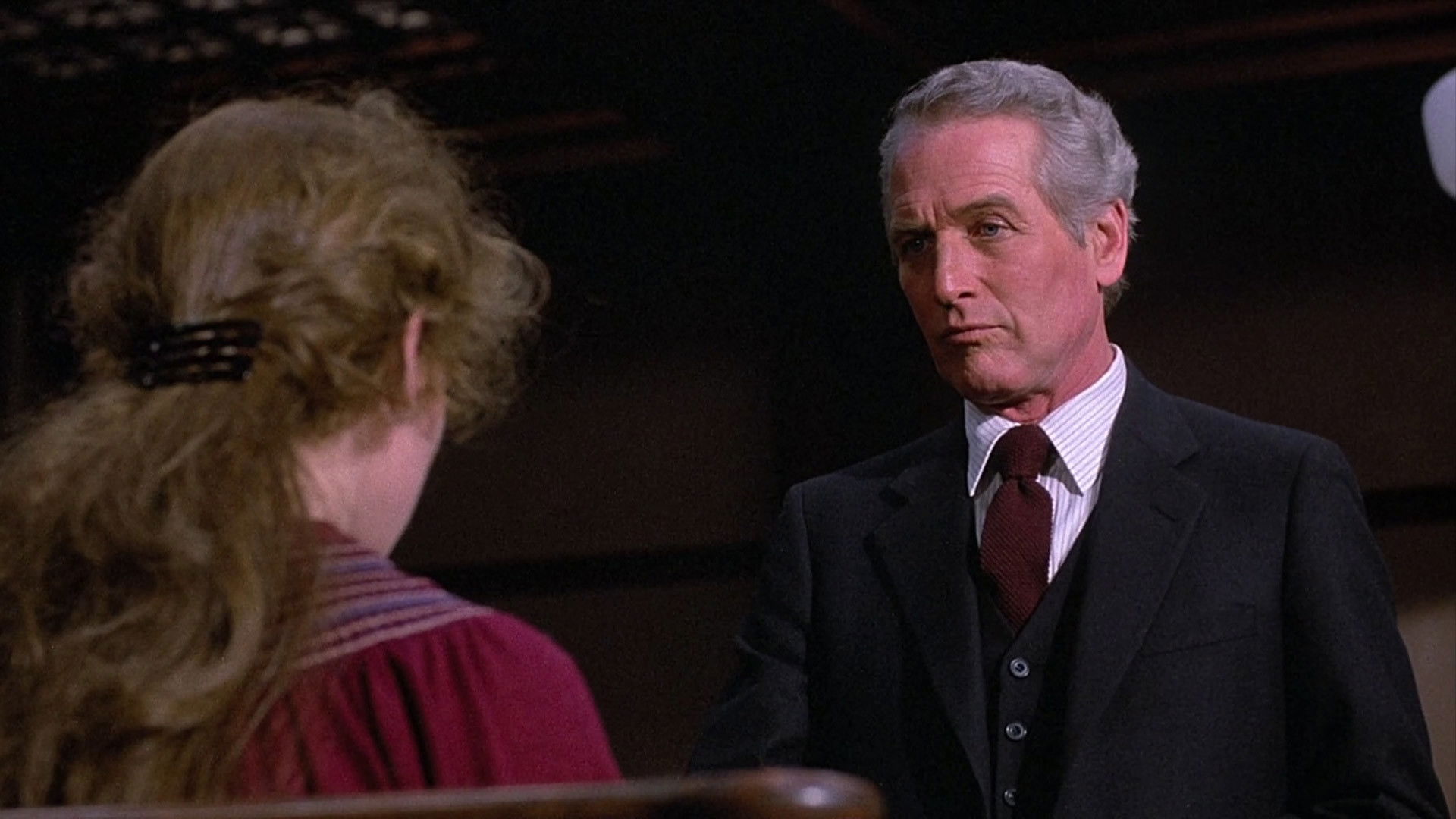
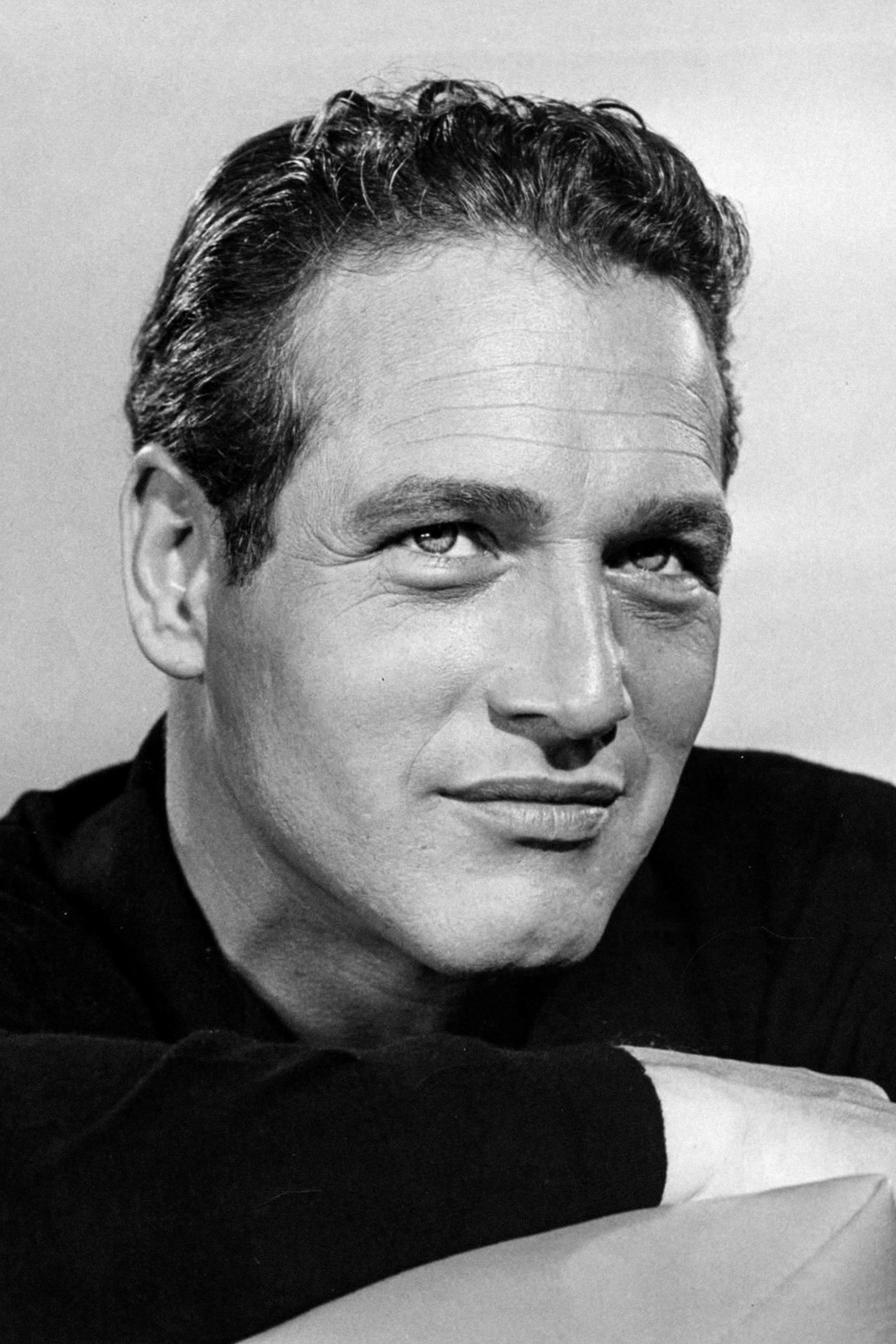
We would hesitate to hire Frank Galvin. That hesitation helps Sidney Lumet turn The Verdict into a moving courtroom drama, despite its occasionally over-solemn pace. Paul Newman plays Frank, a washed-up alcoholic lawyer whose malpractice case offers a chance to redeem himself. David Mamet’s screenplay follows a familiar route, but Newman’s exhaustion makes it difficult to take the man’s recovery for granted.
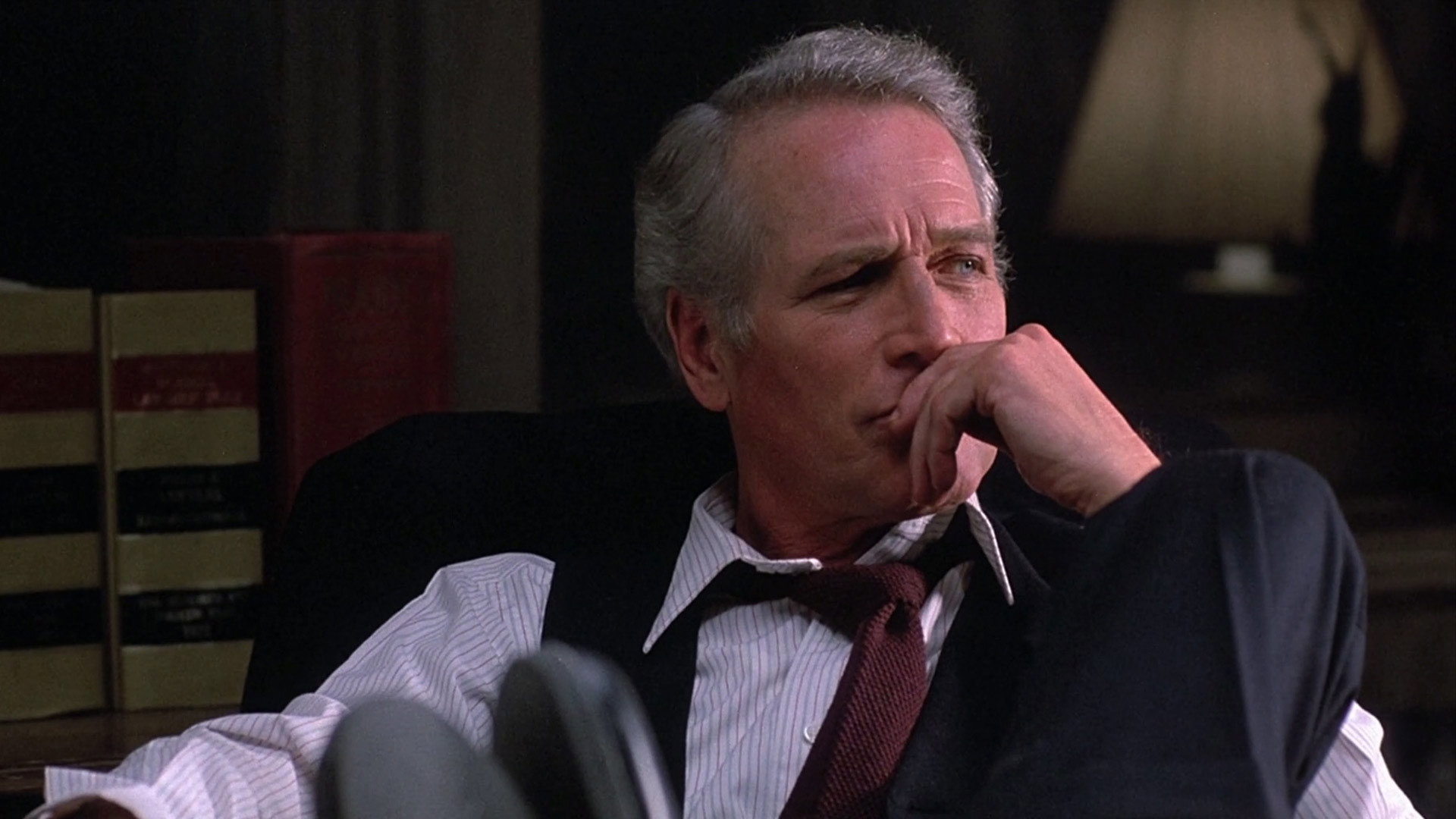
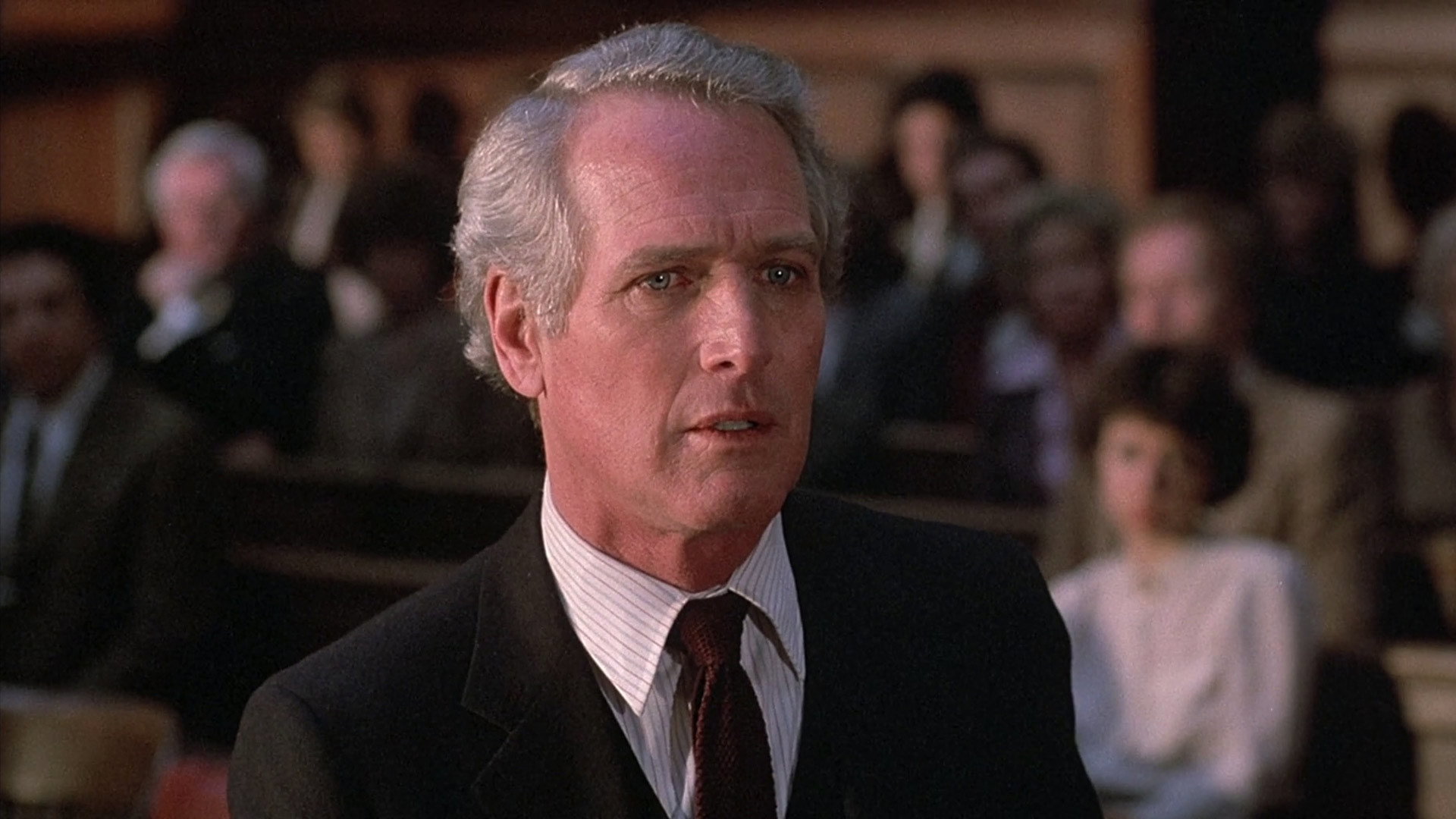
Newman does not ask us to find the alcoholism romantic. His weariness makes Frank’s professional collapse feel embarrassing and exhausting, and there is no easy pleasure in seeing how badly this man needs another chance. We were moved by the exhaustion in his face; the possibility of Frank becoming useful again feels painfully uncertain. Newman lets us see the intelligence without suggesting that a capable lawyer has merely been waiting for the right assignment.
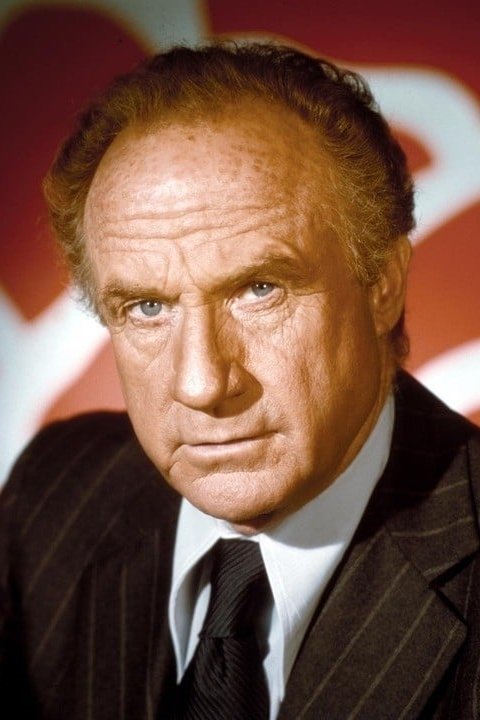
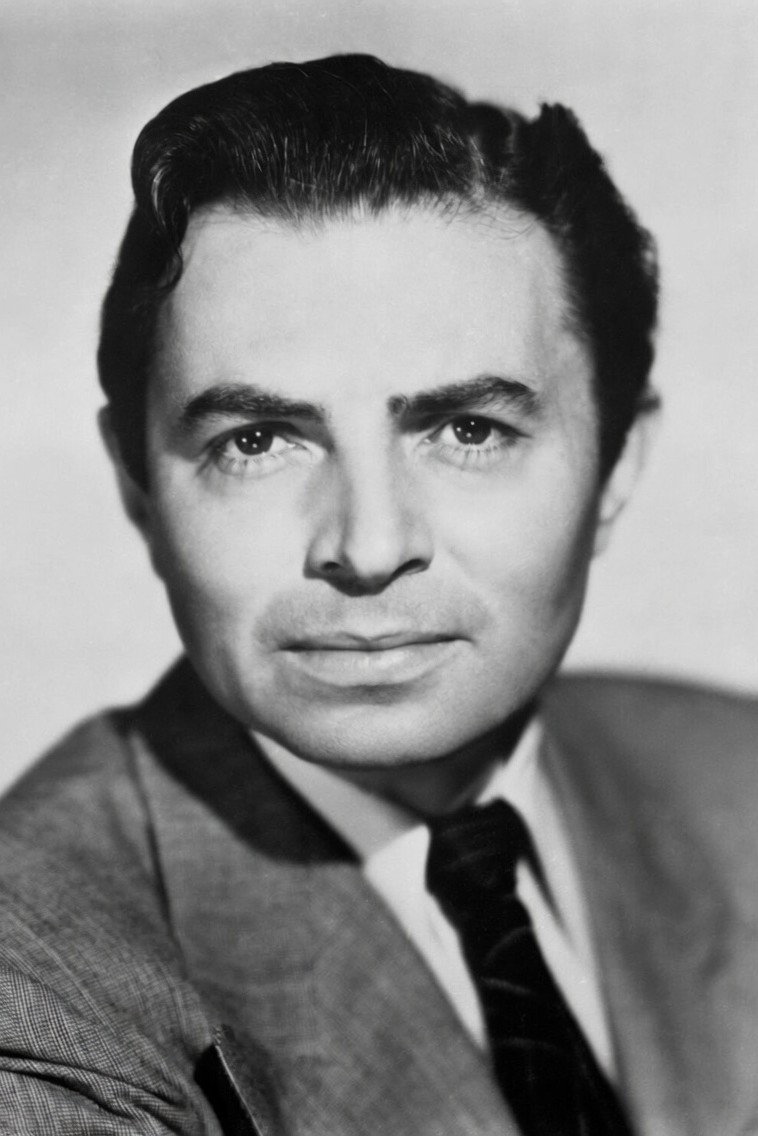
Jack Warden and James Mason keep the film from depending entirely on Newman. Warden, as Mickey Morrissey, brings a welcome directness, while Mason’s Ed Concannon has the assurance Frank cannot muster. Their different degrees of ease sharpen our sense of how far Frank has fallen within his profession. Lumet gives these performances room without letting the drama become a succession of invitations to admire the cast.
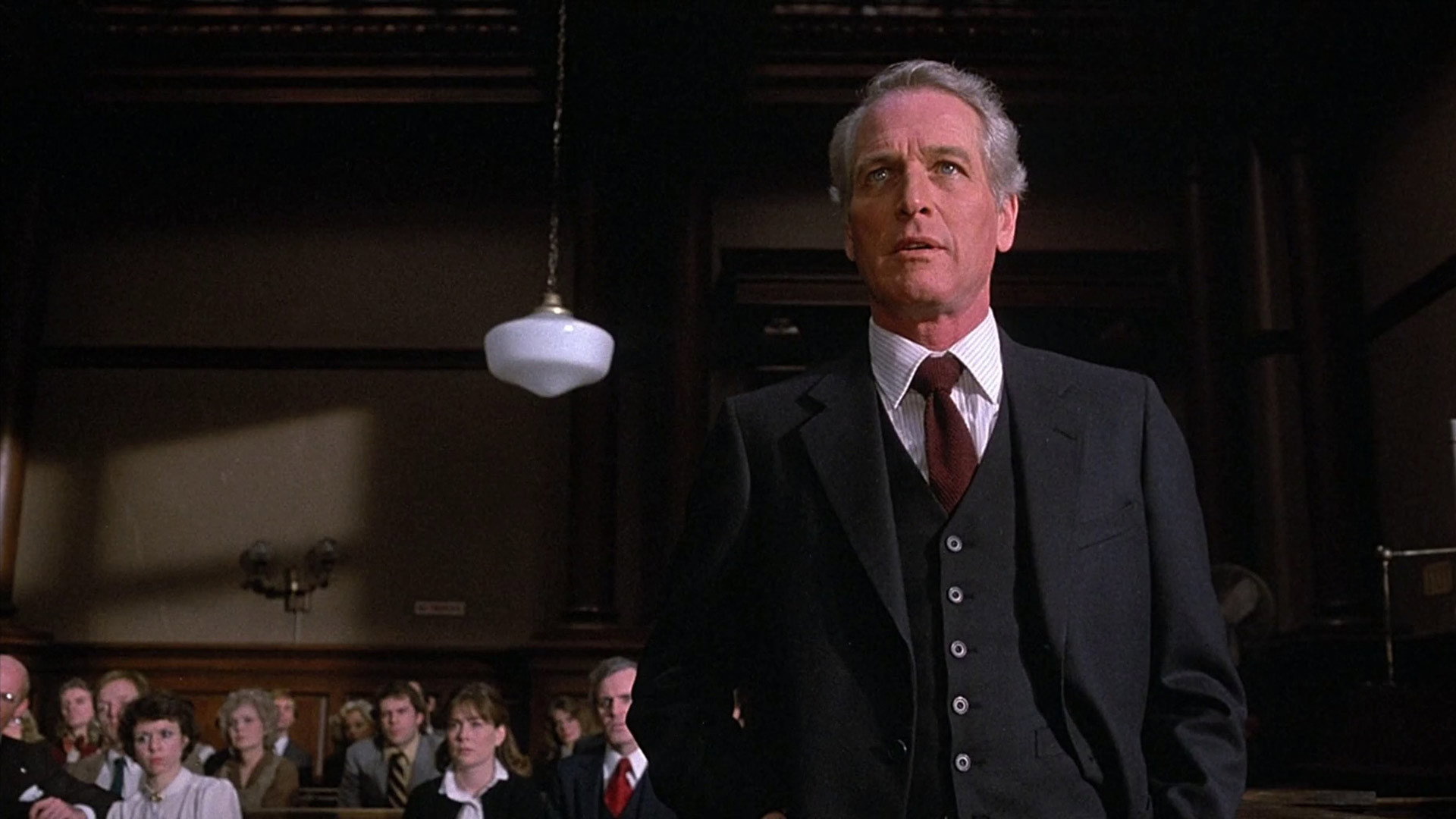
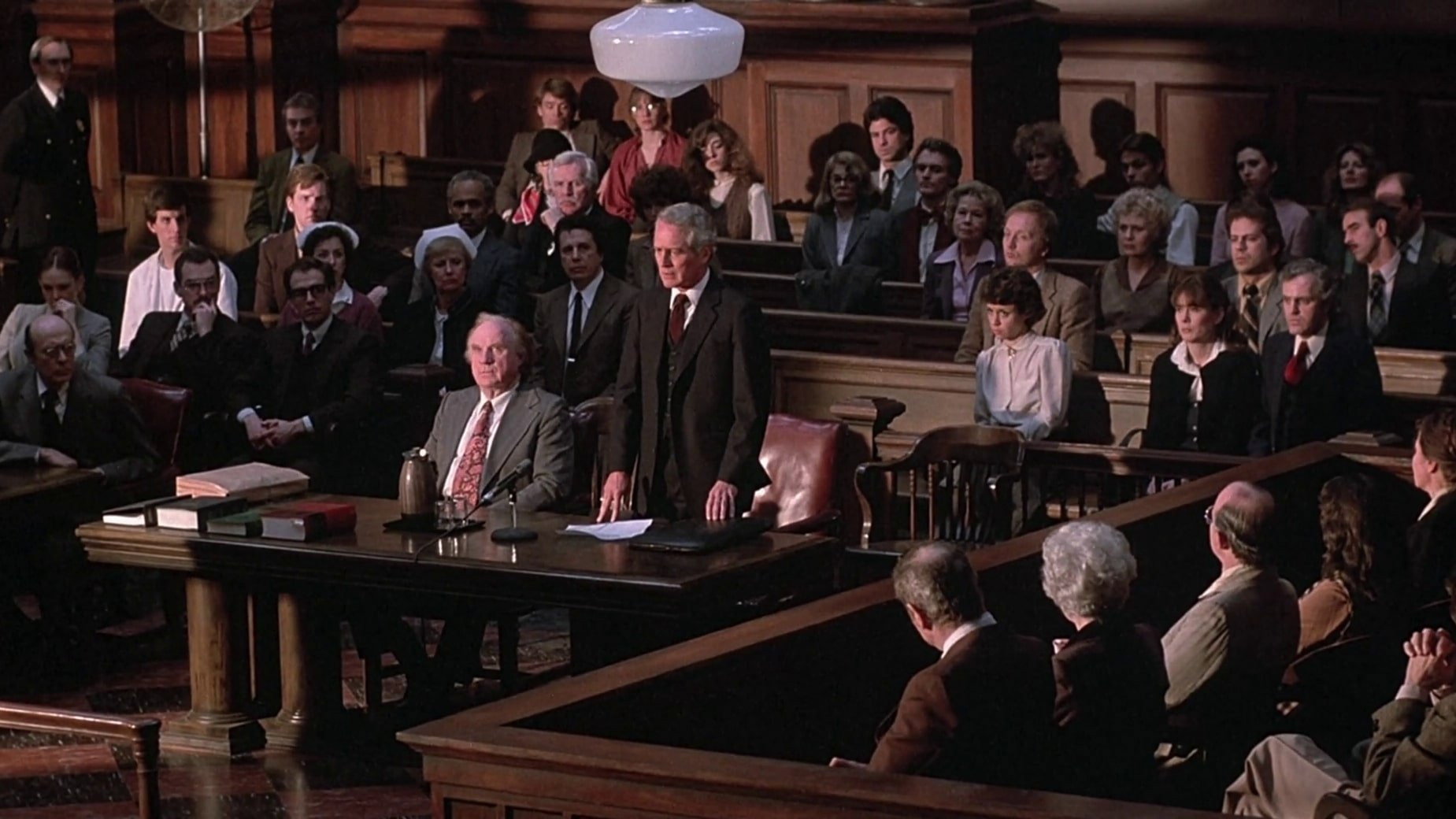
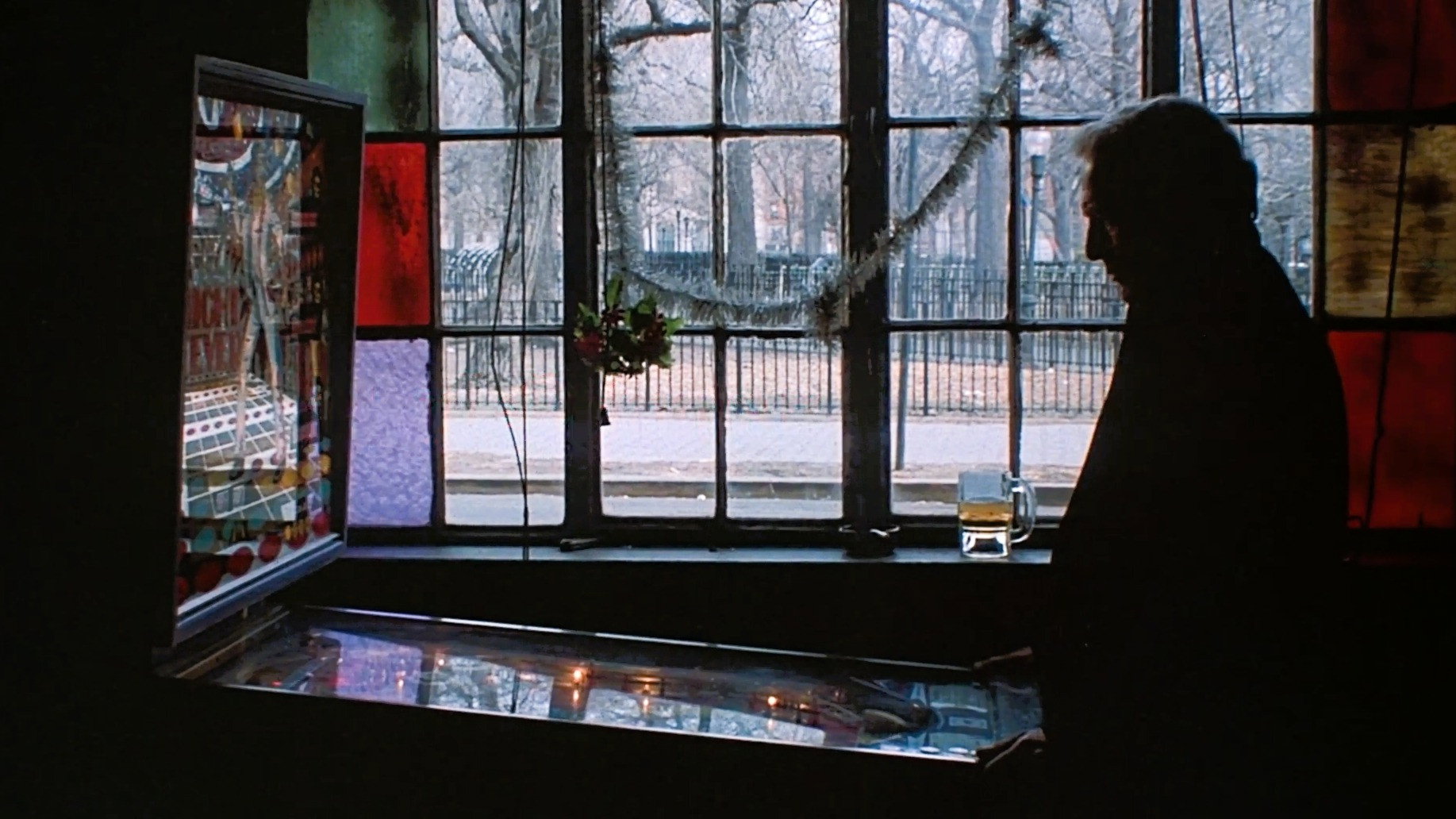
Andrzej Bartkowiak’s cinematography makes Newman’s weary face easy to study, though the sombre images can become oppressive. Edward Pisoni’s production design makes the legal surroundings feel settled and intimidating, with little suggestion that they might accommodate Frank’s difficulties. The people in these spaces seem expected to know what they are doing, and Newman keeps us conscious of the effort that costs Frank. It is an effective setting for a story about a lawyer trying to recover his professional confidence.
The cost is a solemnity that Lumet does not always know when to interrupt. Peter C. Frank’s editing gives Newman’s weariness time to register, but also draws out the suspense until some pauses feel more dutiful than tense. Johnny Mandel’s score adds a restrained sadness; it is welcome, though Newman scarcely needs the help. At 129 minutes, the film has stretches where a little less ceremony would have made Frank’s difficulties more immediate.
Mamet is better at making the case matter to Frank than at making the courtroom story unfamiliar. The malpractice suit gives the film moral questions worth considering, especially the uneasy business of using somebody else’s claim as a route back to self-respect. Frank’s need to redeem himself does not automatically make him the person anyone else should rely upon. The film is strongest when Newman’s frailty keeps that concern alive, even as the screenplay encourages our allegiance.
Anyone hoping for a brisk exchange of legal surprises will need some patience with Lumet’s attention to this depleted man. We think that patience is repaid, despite the stretches in which the film seems reluctant to get on with its case. Newman makes the effort of returning to useful work absorbing enough to carry a familiar story. Settle in for him, and forgive a few pauses that last longer than they need to.