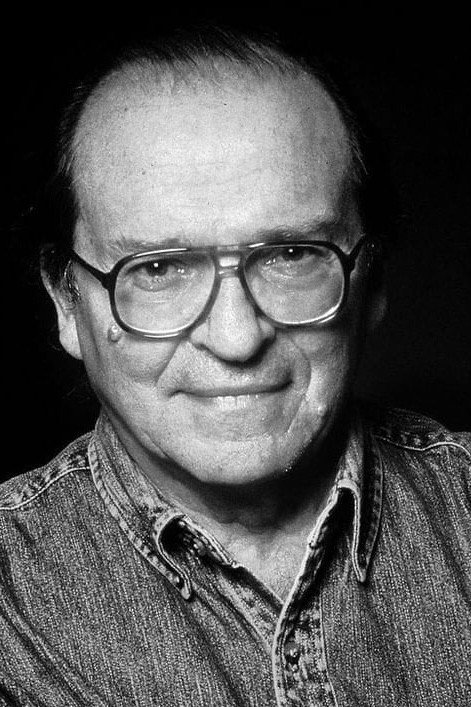
Sidney Lumet makes people arguing about justice gripping because he lets their impatience, pride and uncertainty show. We recommend him for the actors, and for the precise, unobtrusive filmmaking that gives them room to work.
Fi1m perspective
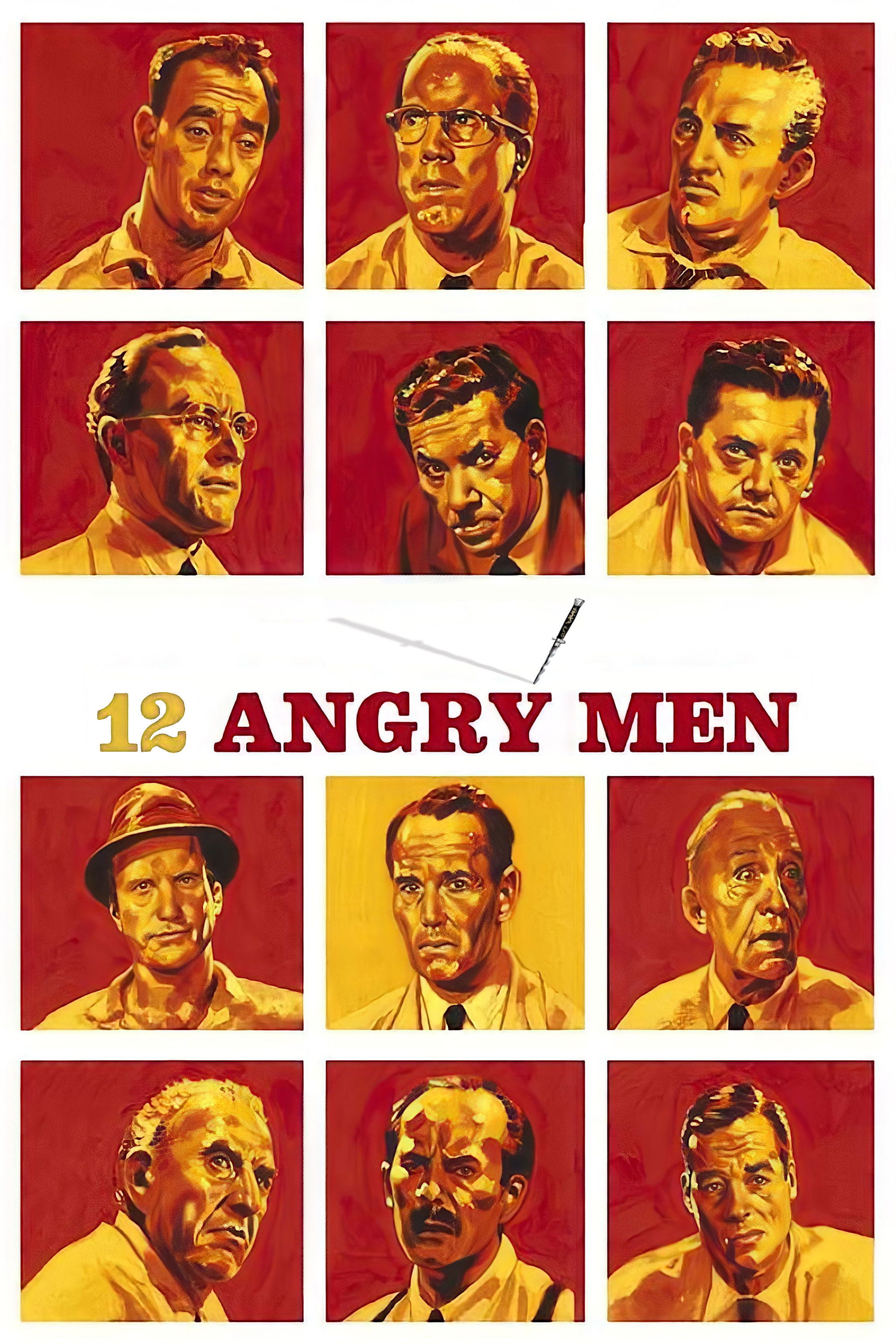
In 12 Angry Men (1957), Henry Fonda's Juror 8 asks eleven men to reconsider a guilty vote they are ready to let stand. Lumet makes that request enough to hold our attention. We were unsettled by how readily the discussion could have ended, because the other jurors seem so comfortable with their certainty. Fonda gives the questions weight without making patience look easy. That is where Lumet earns our trust: he understands how much effort it takes to get somebody to listen.
Boris Kaufman's cinematography makes the jury room feel oppressively hot while keeping its geography clear. Lumet's long takes let us watch several men at once, then the close-ups make their separate reactions harder to miss. Lee J. Cobb gives Fonda's patience something forceful to contend with, while E.G. Marshall makes certainty seem firmly settled. The actors remain distinct even when they share an opinion, and the framing keeps those differences visible.
That feature debut followed work in live television, and Lumet went on to make New York dramas concerned with institutions and the people caught inside them. Serpico (1973) addressed police corruption; Network (1976) turned to media satire. The Verdict (1982) returned to courtroom questions of conscience and law. His emphasis on rehearsal and ensemble acting suited such material: a dispute needs people whose reasons we can follow, even when we reject them. His final film, Before the Devil Knows You're Dead (2007), used a non-linear structure and digital photography for a New York crime story.
The theatricality sometimes held against Lumet is worth taking seriously, but 12 Angry Men is hardly indifferent to what a camera can do. Its changing groupings keep a confined space interesting without distracting us from the argument. Reginald Rose's screenplay does arrange some disagreements too neatly, and Lumet does not entirely disguise the convenience. The ensemble makes that flaw worth accepting. Start with 12 Angry Men, even if legal dramas are not usually your choice.
Biography
Sidney Lumet was an American film director. He was born on 25 June 1924 in Philadelphia and died on 9 April 2011 in New York. He began his career in the theatre as an actor and director before moving into television in the early 1950s.
Lumet made his feature film debut directing 12 Angry Men (1957). He went on to direct more than 40 films, including Serpico (1973), Murder on the Orient Express (1974), Dog Day Afternoon (1975), Network (1976), The Verdict (1982) and Before the Devil Knows You're Dead (2007). He received Academy Award nominations for Best Director for 12 Angry Men, Dog Day Afternoon, Network and The Verdict, and was awarded an Honorary Academy Award in 2005.