Sidney Lumet makes a bungled bank robbery funny, frightening and painfully human. Al Pacino leads an ensemble that deserves equal attention, though the street commotion occasionally pushes the comedy too hard.
Dog Day Afternoon is a crime film we would recommend even to someone who usually avoids them. Sidney Lumet takes a badly planned bank robbery and concentrates on people who cannot quite manage the situation they have created. There is suspense, but the ordinary business of dealing with other people keeps getting in the way of the criminals’ attempts to run things. The comedy comes from watching Sonny try to make this mess behave as though it were a plan.
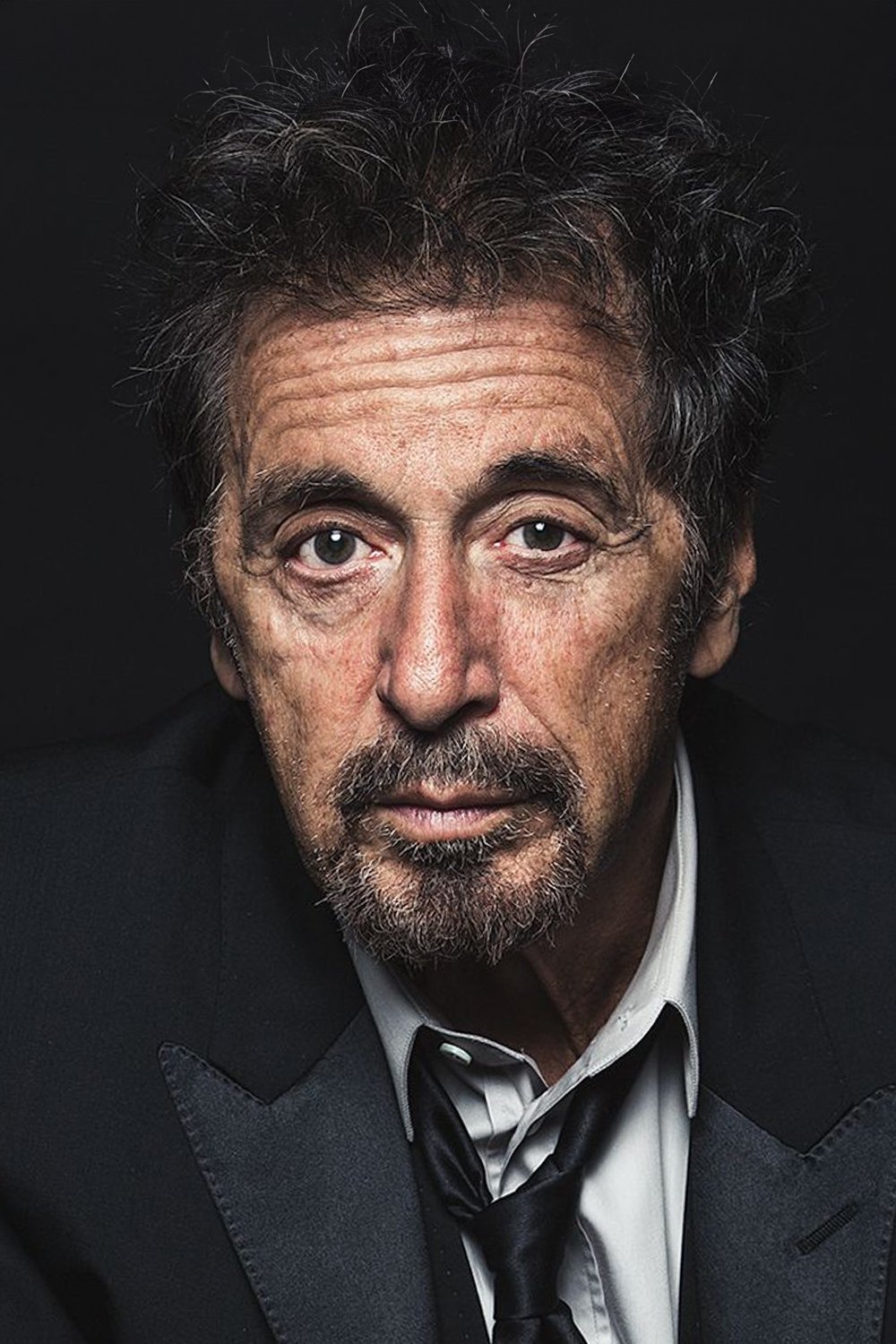
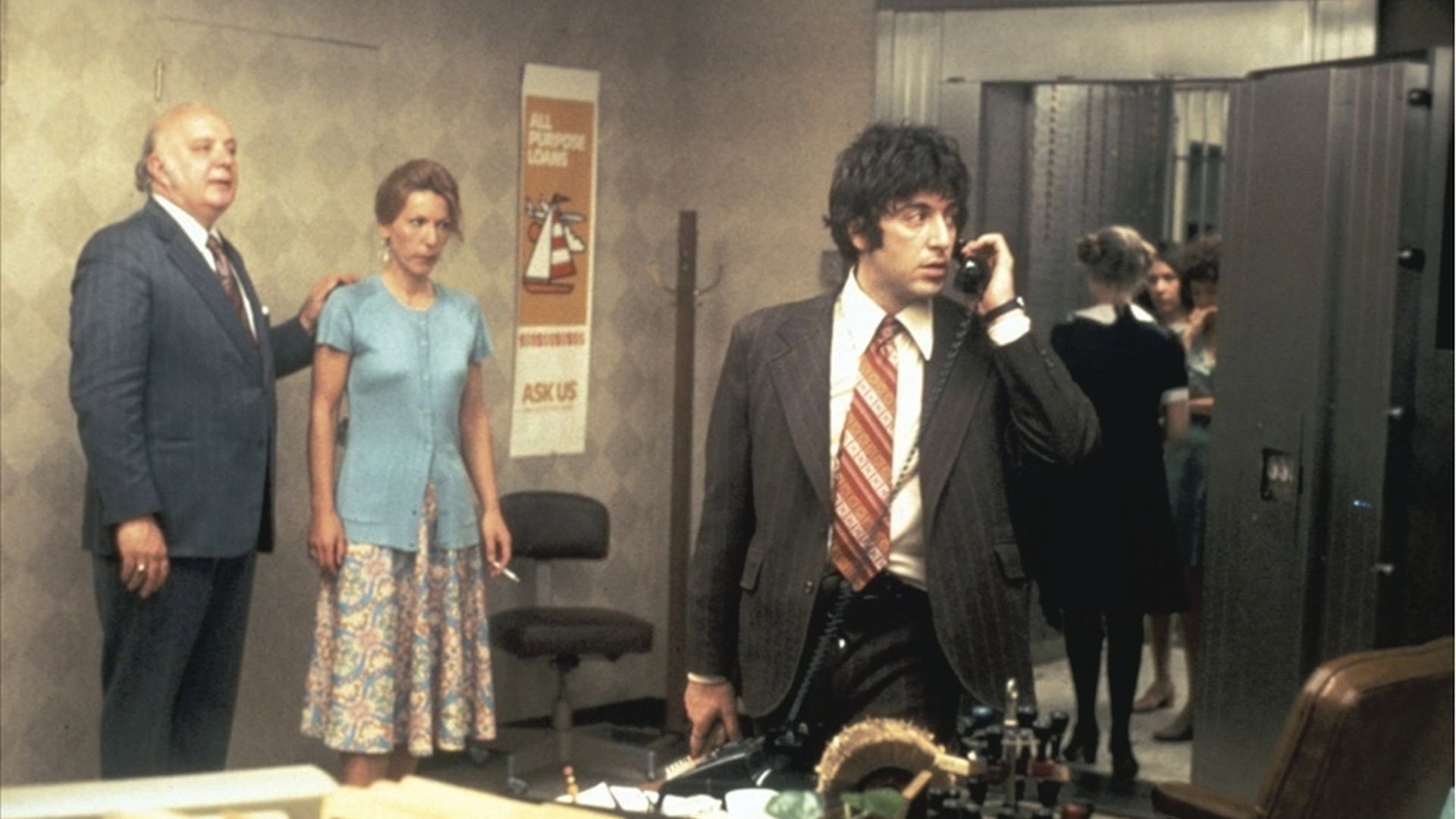
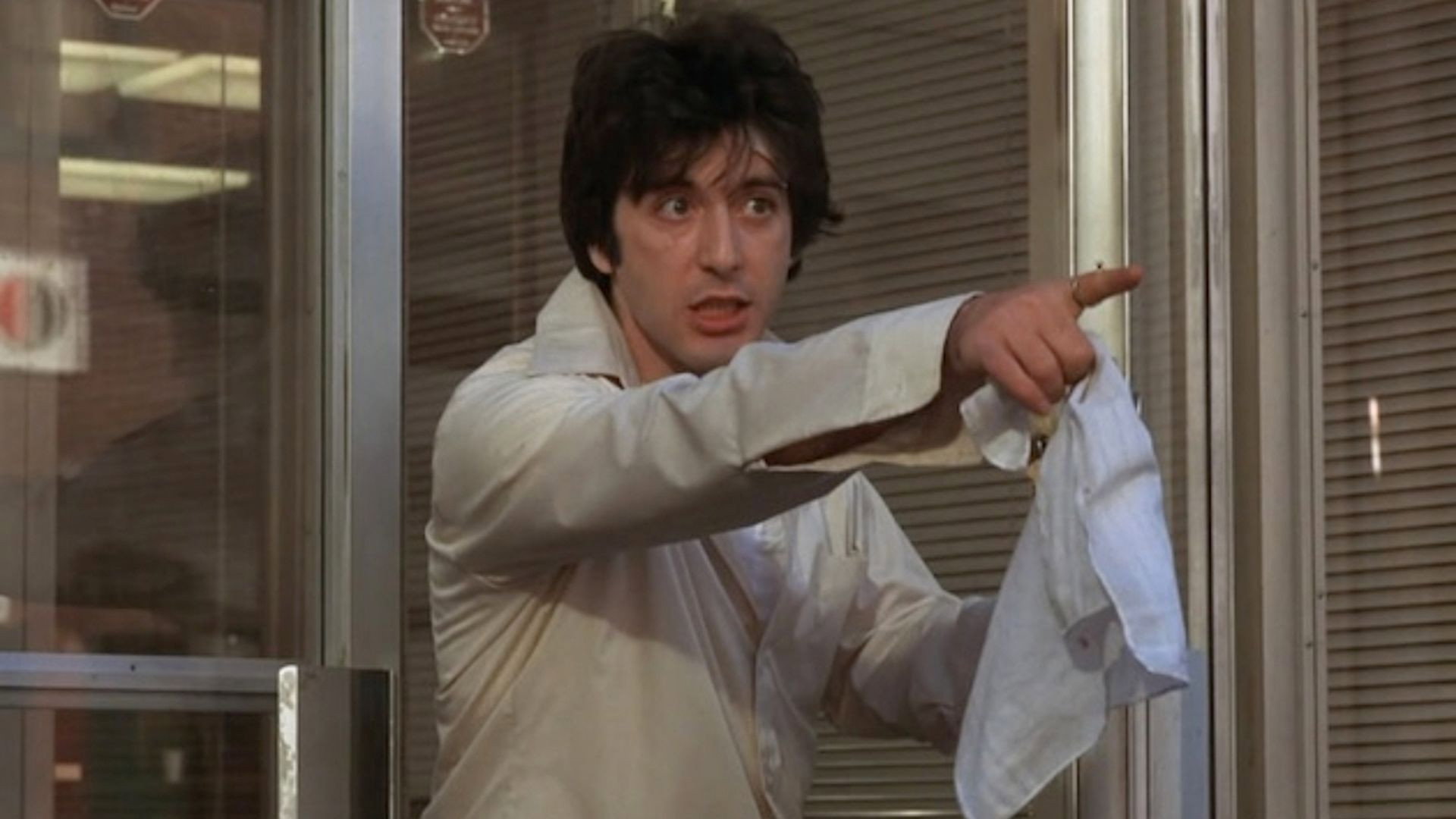
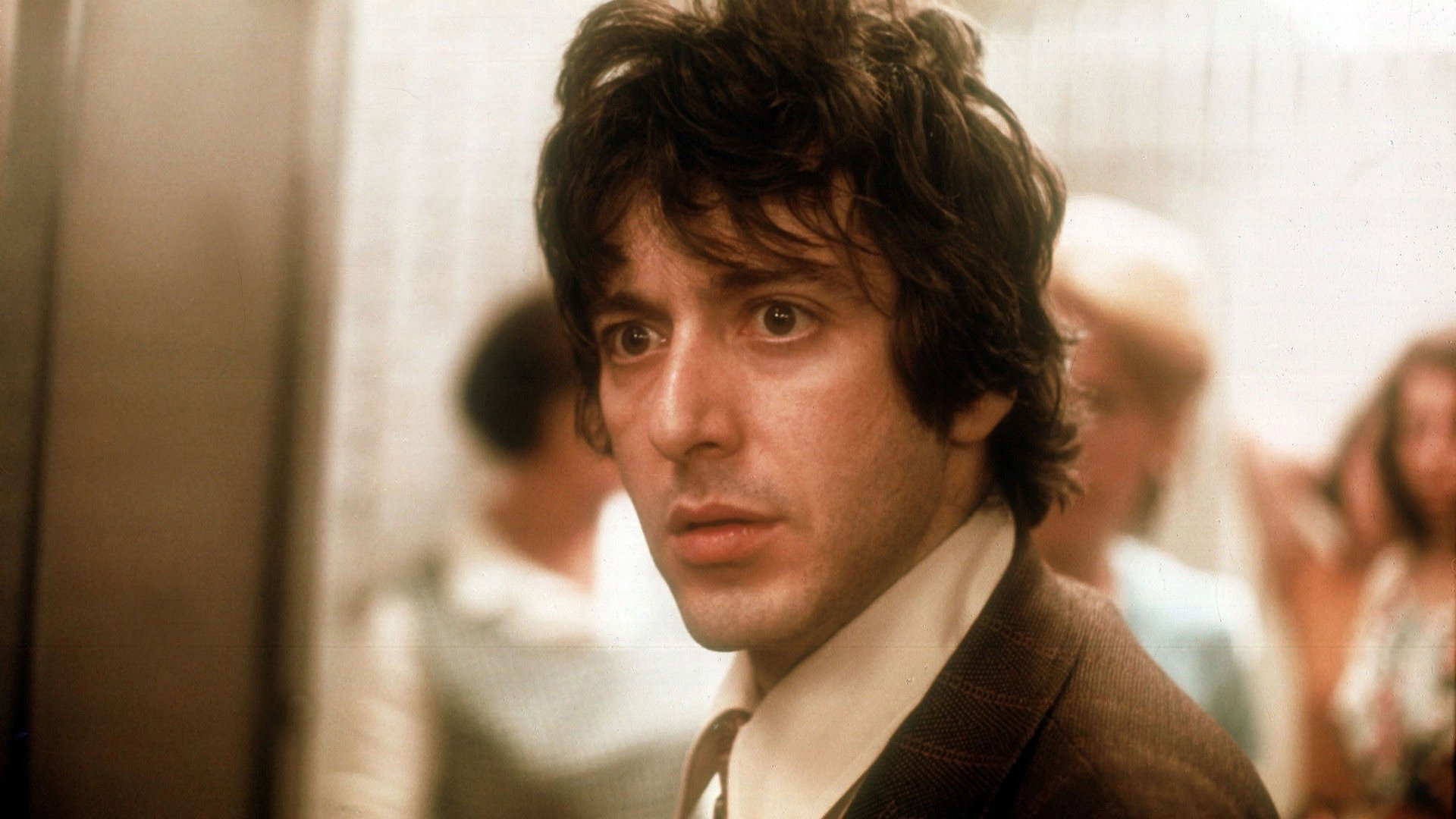
Al Pacino makes Sonny exhausting company without making him hard to watch. His bursts of confidence feel provisional: he needs other people to believe him before he can believe himself, and every hesitation threatens another burst of bluster. We laughed at his attempts to take charge, then felt uneasy about how readily we had warmed to him. He is still holding up a bank, and the anxiety on the faces around him keeps that fact in view. The performance lets us like him without asking us to approve of what he is doing.
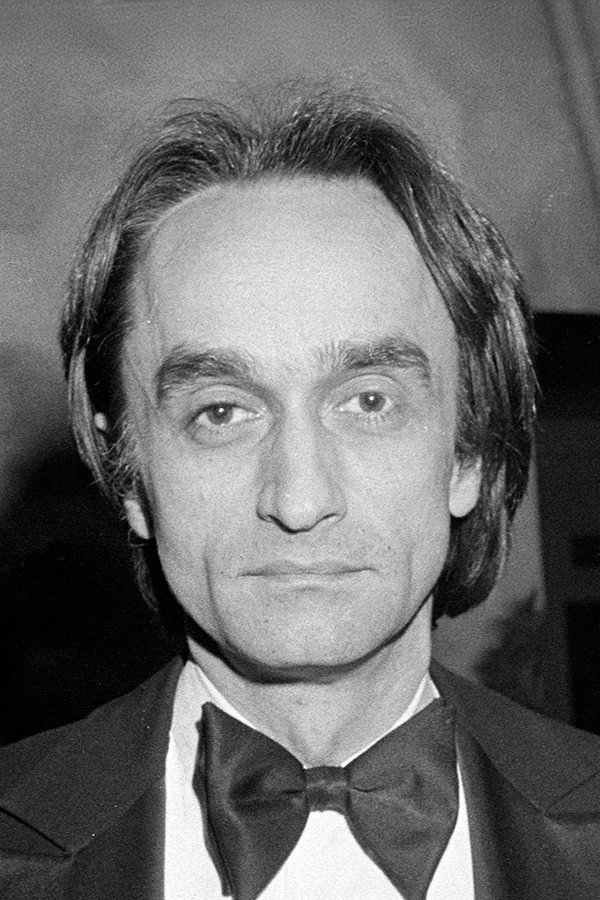
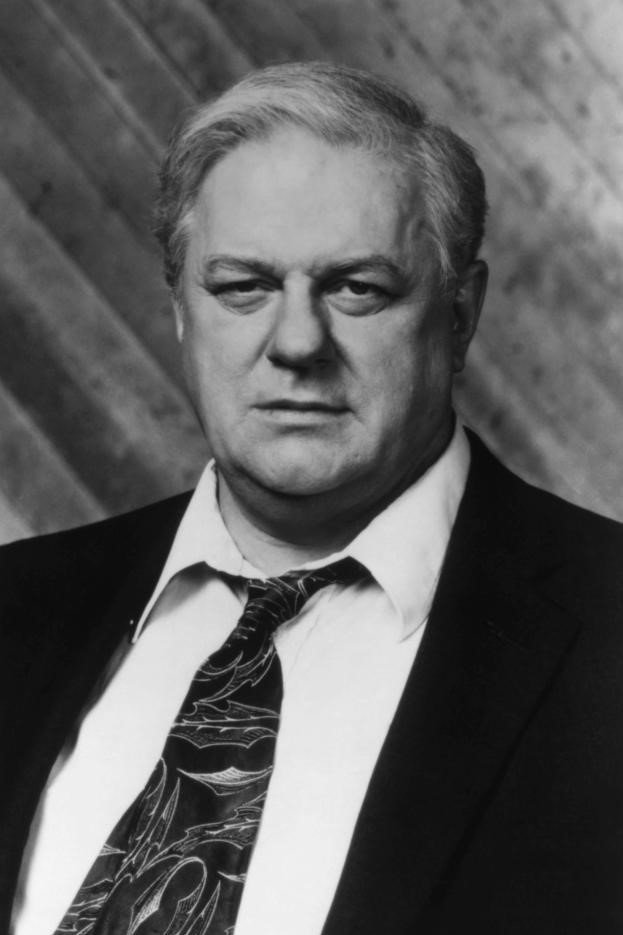
John Cazale’s Sal makes Sonny’s agitation more worrying. His unease does not offer much relief, and the difference between the two men makes their friendship convincing without requiring either to explain it. Charles Durning, Penelope Allen and the rest of the ensemble keep the people around Sonny from becoming an audience for the lead performance. These people seem to have concerns beyond whatever he might do next, and their reactions deserve watching even while Sonny demands attention.
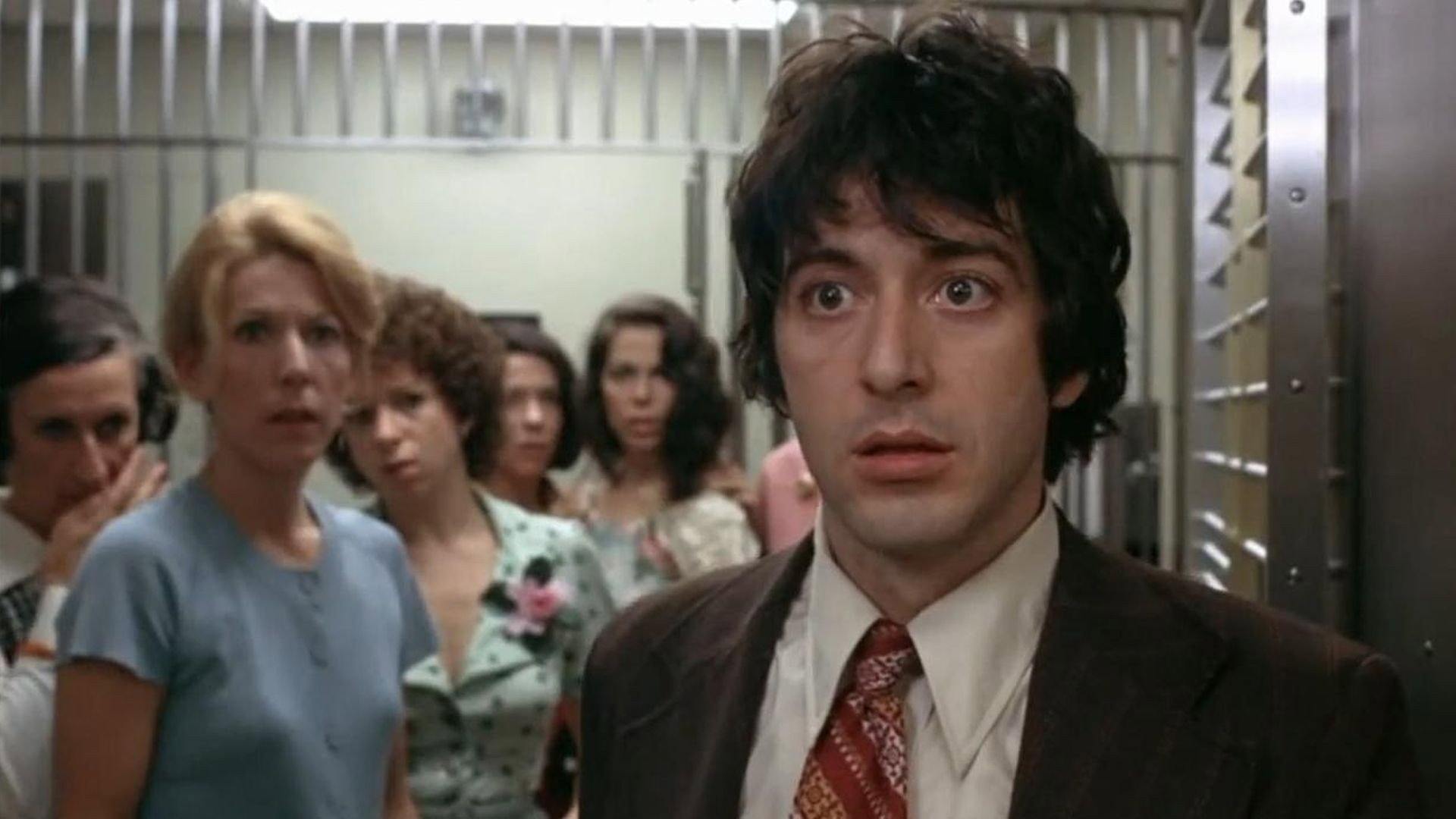
Victor J. Kemper’s cinematography is especially good at letting a close-up become uncomfortable without making it look portentous. Sonny’s face needs no decorative emphasis; the strain is there to be watched, and the surrounding bustle gives those close views their force. Charles Bailey’s production design makes the cramped bank convincing as a workplace. The siege is more troubling because it interrupts an ordinary working day, and nothing in the surroundings makes that interruption look glamorous.
Dede Allen’s editing keeps the ensemble legible as the situation grows more crowded. We can attend to Sonny without forgetting that everyone else has to endure him, and the switches between individual reactions and the larger commotion sustain that pressure. Frank Pierson’s screenplay is equally alert to the indignity of trying to command a situation while visibly losing control of it. A siege thriller could easily treat everyone caught inside as someone to threaten or bargain with, so it is a pleasure to find their irritation and anxiety taken seriously.
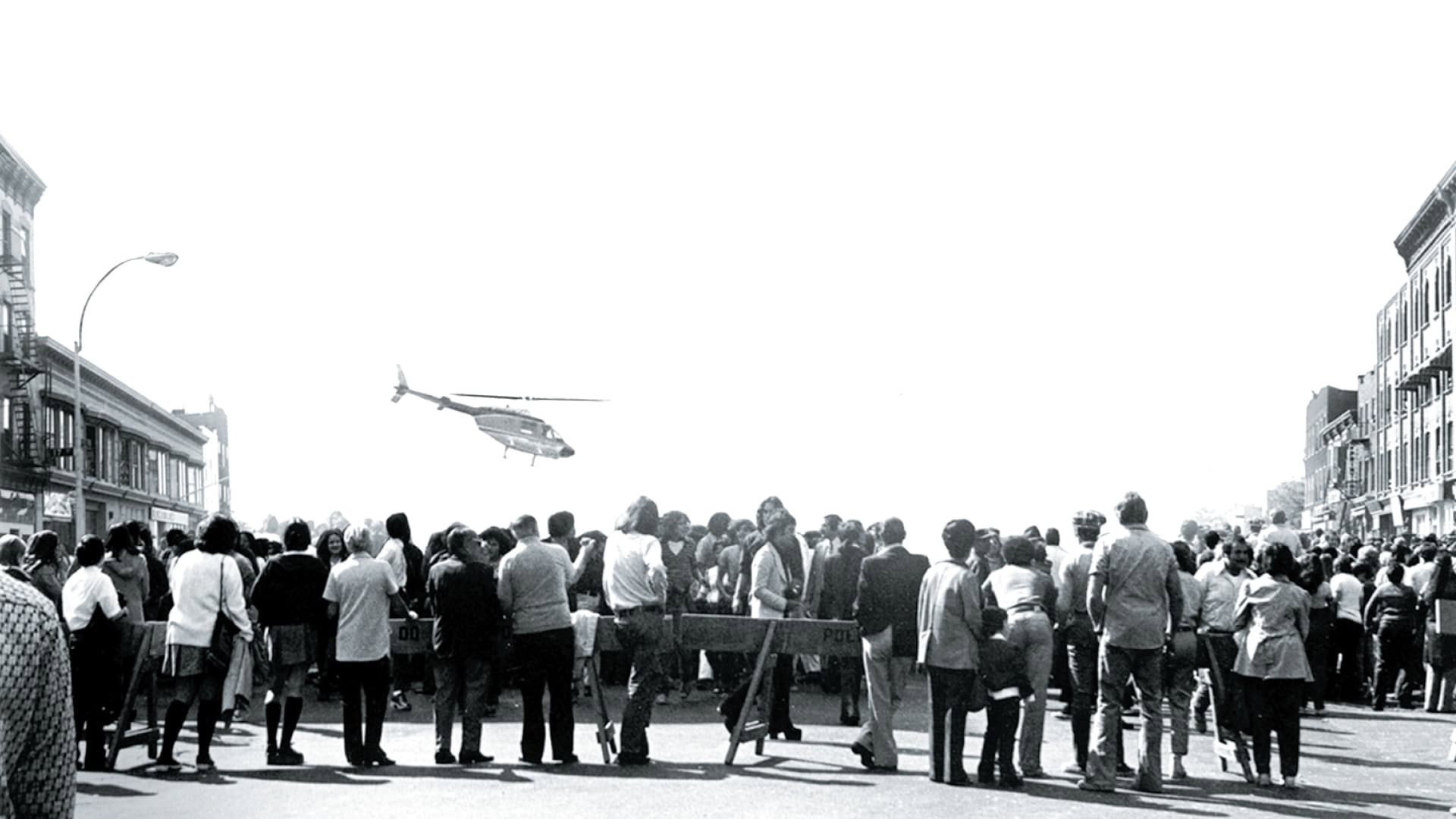
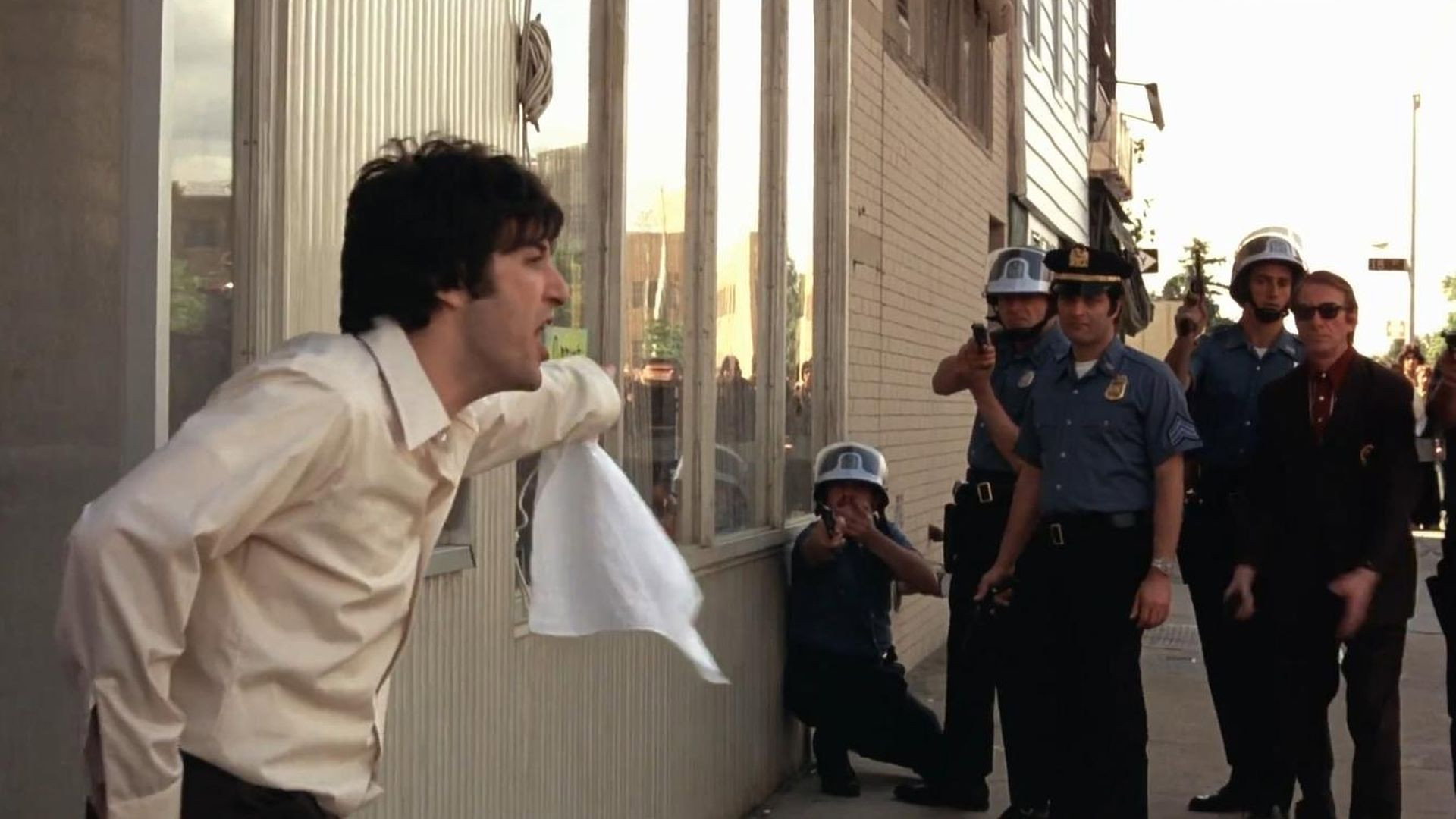
The street scenes sometimes push too hard. The crowd’s commotion can make the farce feel overplayed, and there are passages where the insistence on being lively briefly makes the people less convincing. Sidney Lumet is more persuasive when he lets us study an uncertain face than when everyone seems to be competing for our attention. It is a limited flaw, but a noticeable one in a film whose quieter observations are so shrewd about how people try to save face under pressure.
At 125 minutes, it gives nervous excitement time to become fatigue, and that length feels earned. The strain of remaining in one place with frightened people is part of what makes the siege convincing. This is worth watching in one sitting, without breaking the tension to do something sensible. Give the faces around Sonny as much attention as his.