Sebastian Schipper’s Berlin night really is one unbroken 138-minute shot, and it is more than a stunt: Laia Costa carries it from dance floor to getaway car. The first hour rambles and the last half hour is a crime film we have seen before.
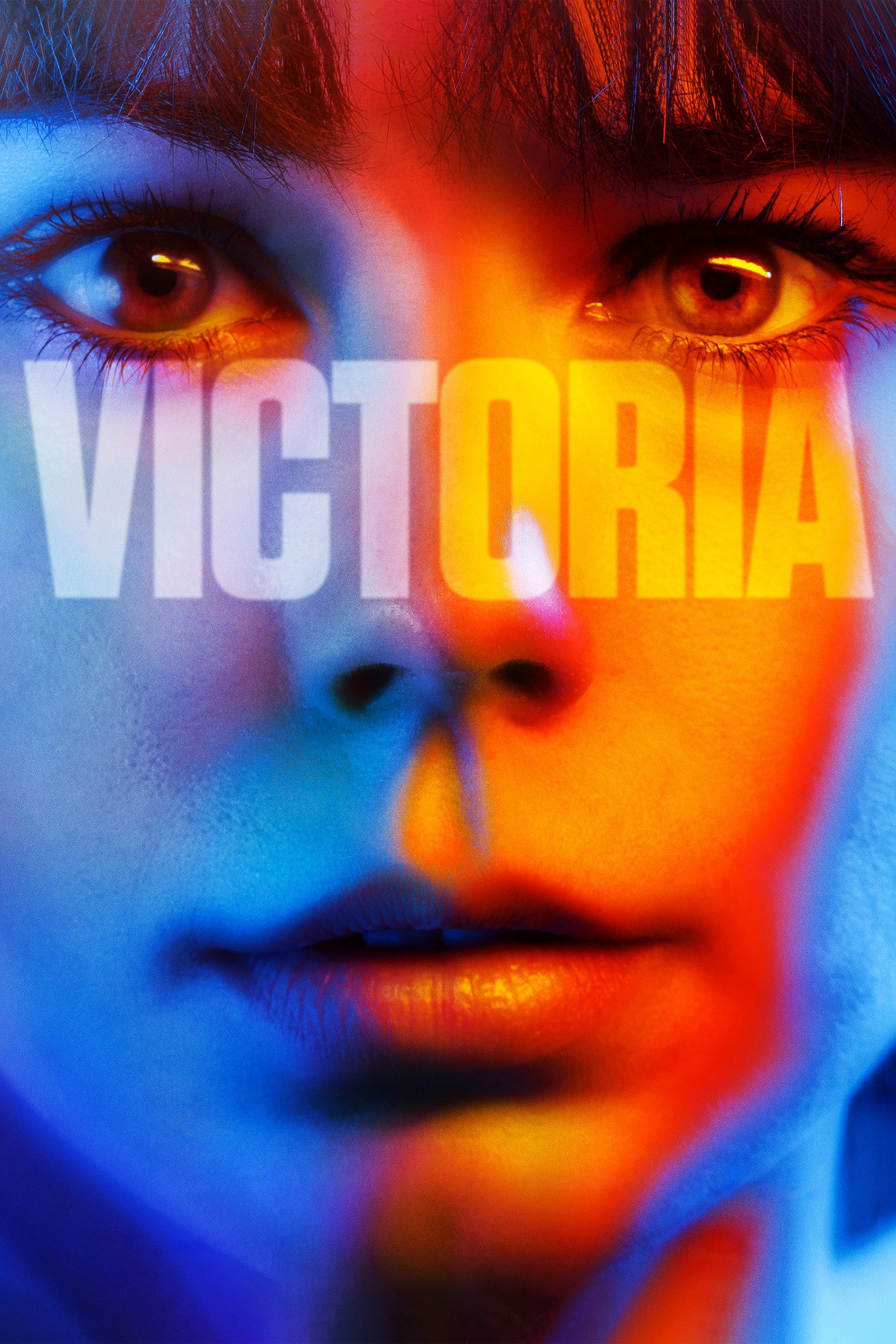
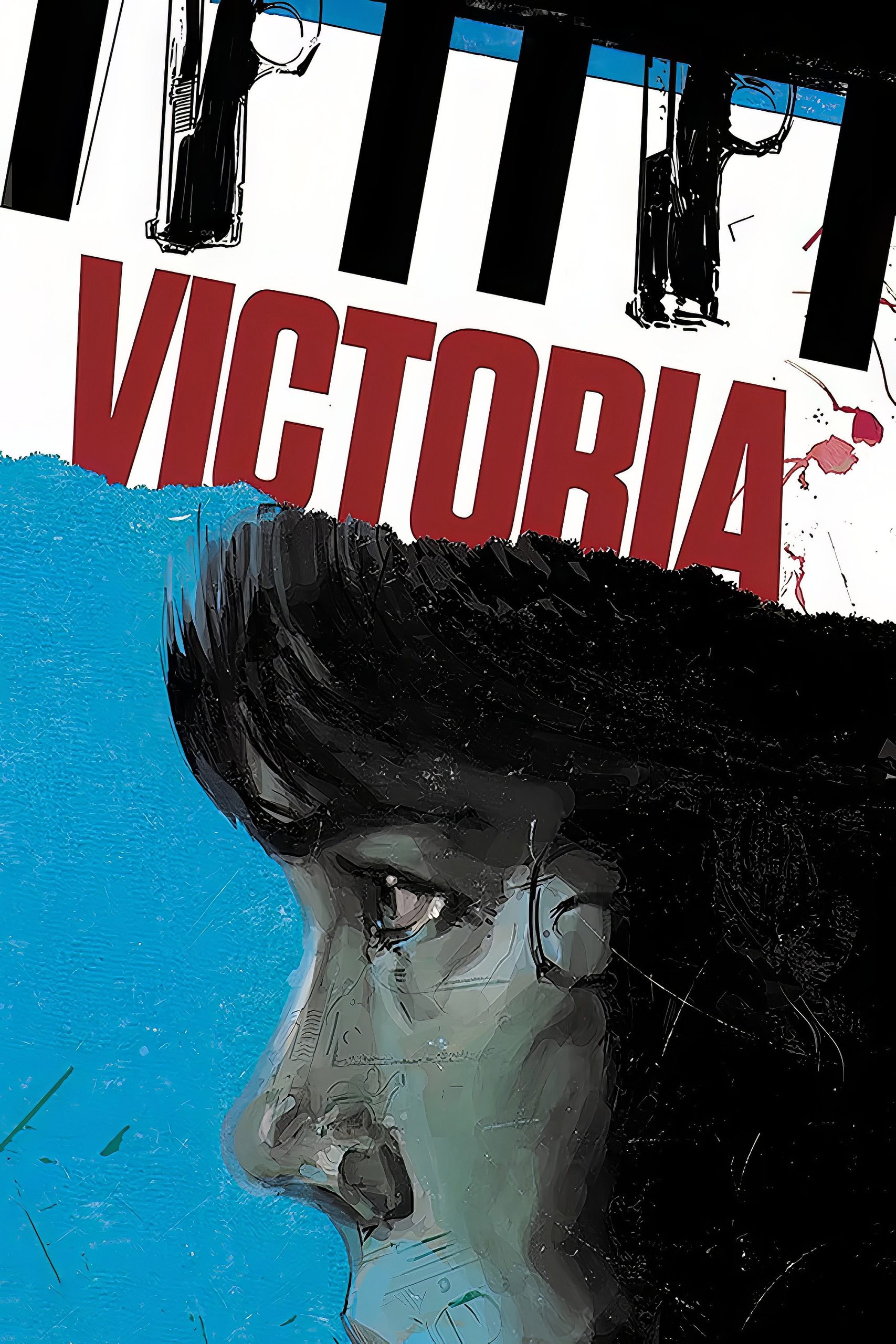
Sebastian Schipper’s Victoria was shot in one take. Not one take with the joins hidden, as Birdman was, but 138 minutes of a Berlin night with the camera never switched off, from a club floor at four in the morning to the streets after sunrise. The tagline says One City. One Night. One Take. and it means it. It is a good film and a real achievement, and it is about half an hour longer than its story.
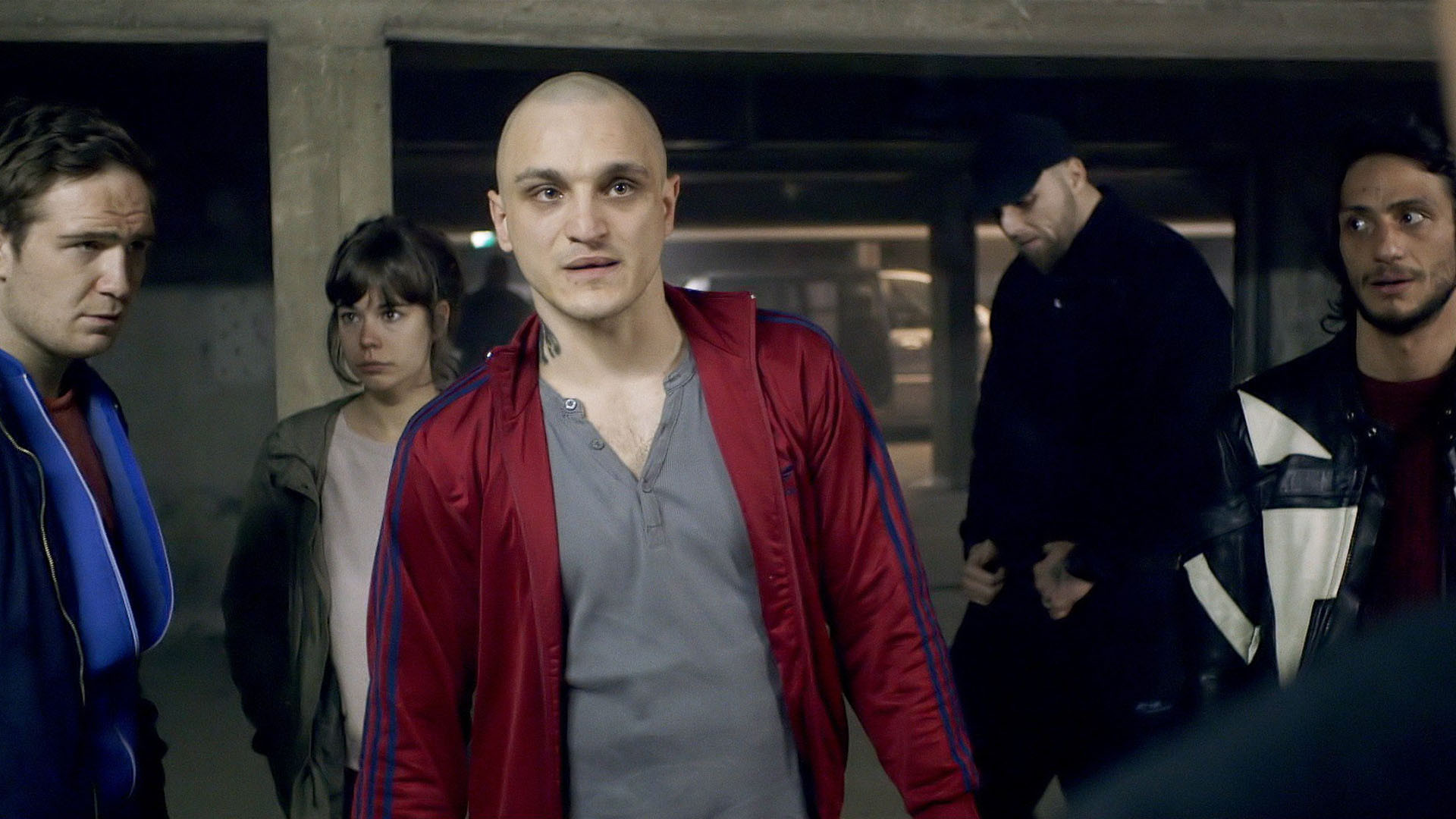
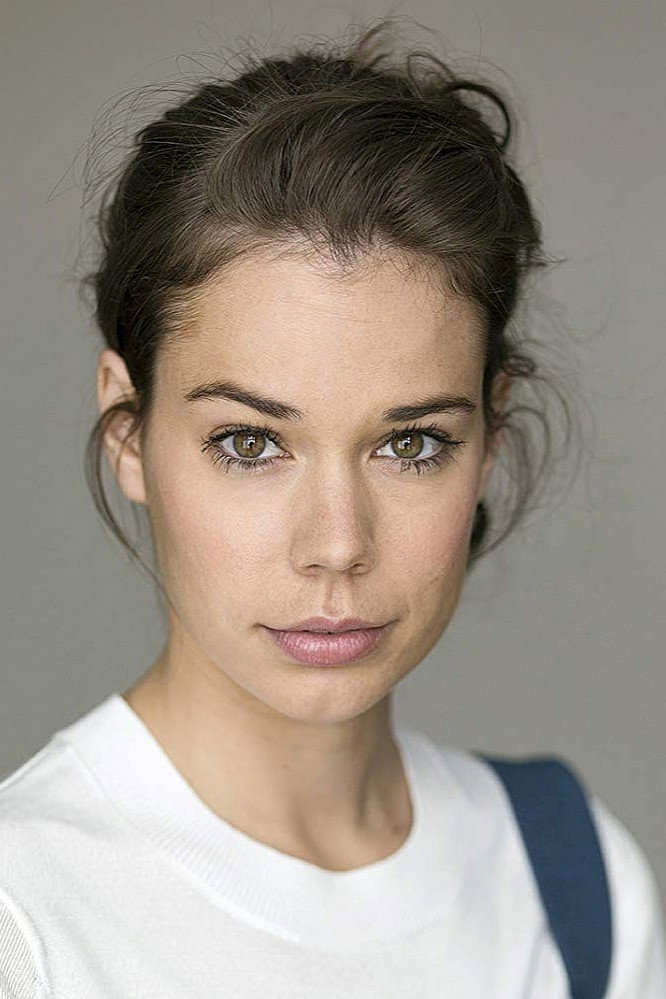
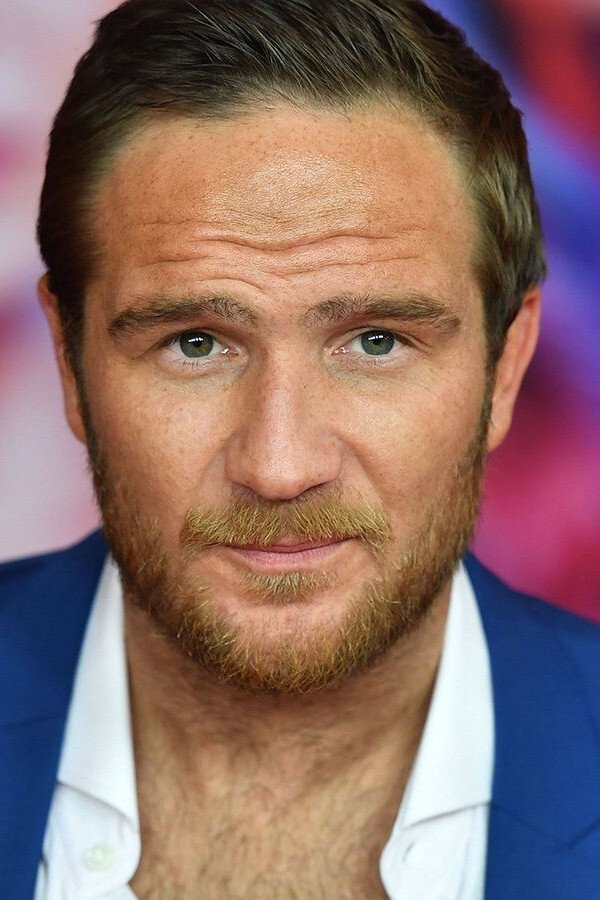
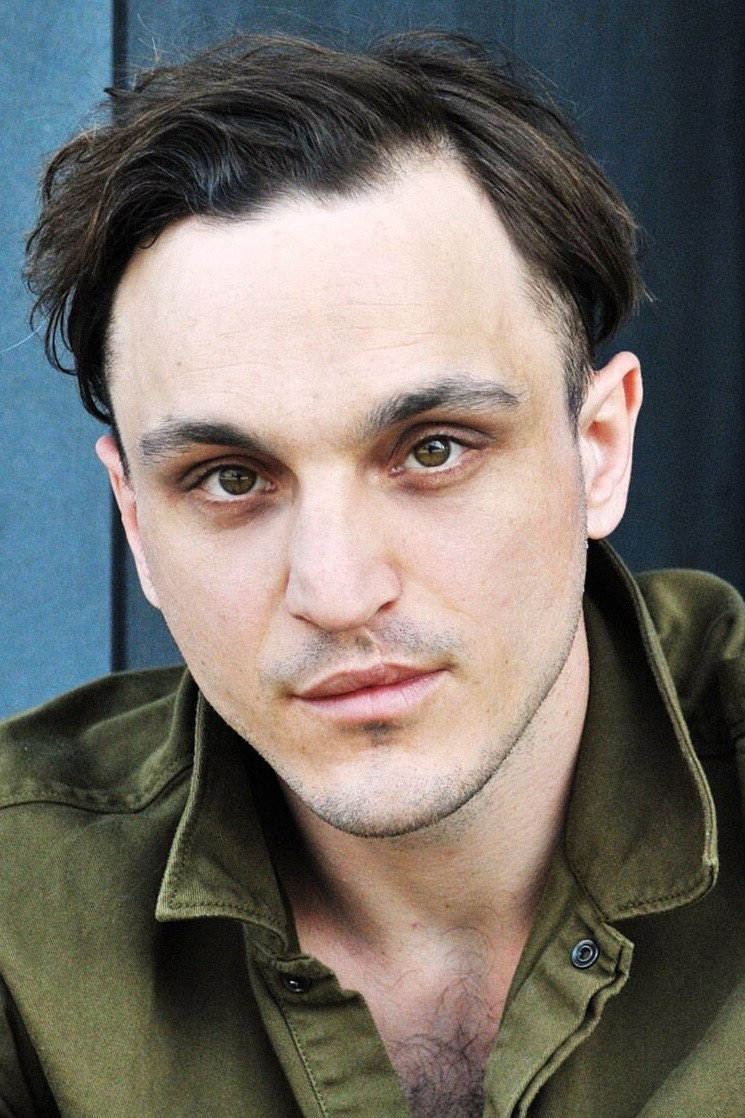
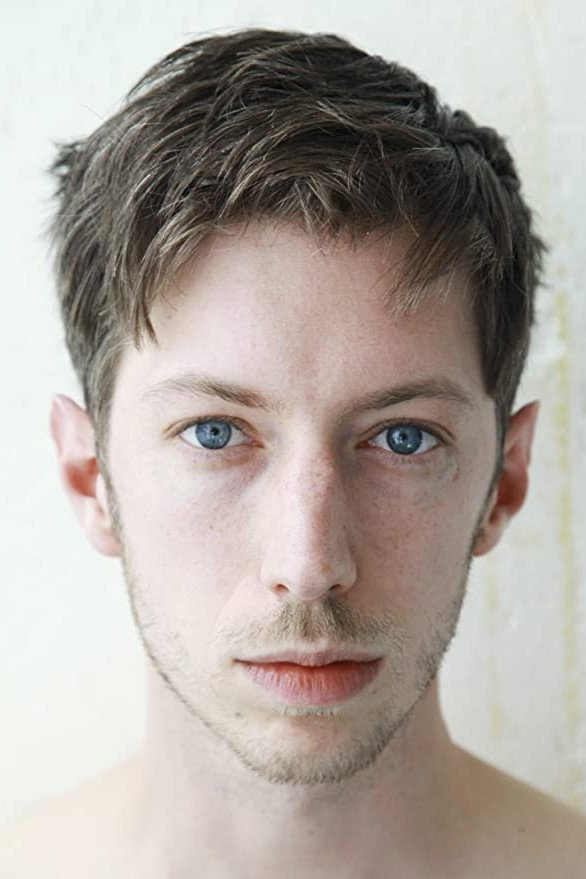
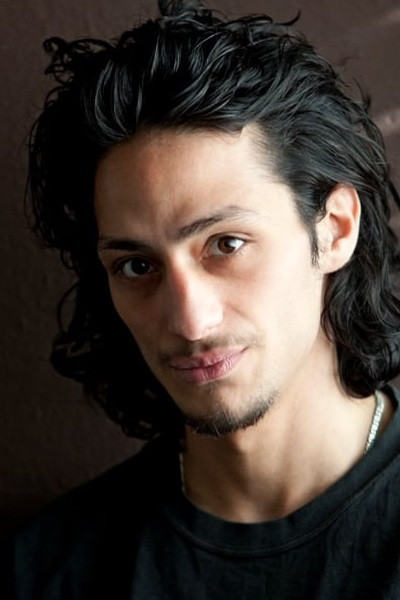
Victoria (Laia Costa) is a Spanish woman a few months into the city, dancing alone because she came alone. On her way out she falls in with four men who have been refused at the door: Sonne (Frederick Lau), Boxer (Franz Rogowski), Blinker (Burak Yiğit) and Fuß (Maximilian Mauff). They speak no Spanish and she speaks no German, so the night happens in bad English. They steal beer from a kiosk, climb to a rooftop, drink and boast and fall over. Much of this is improvised and some of it is thin. We were restless by the forty-minute mark and beginning to suspect the take was the whole point.
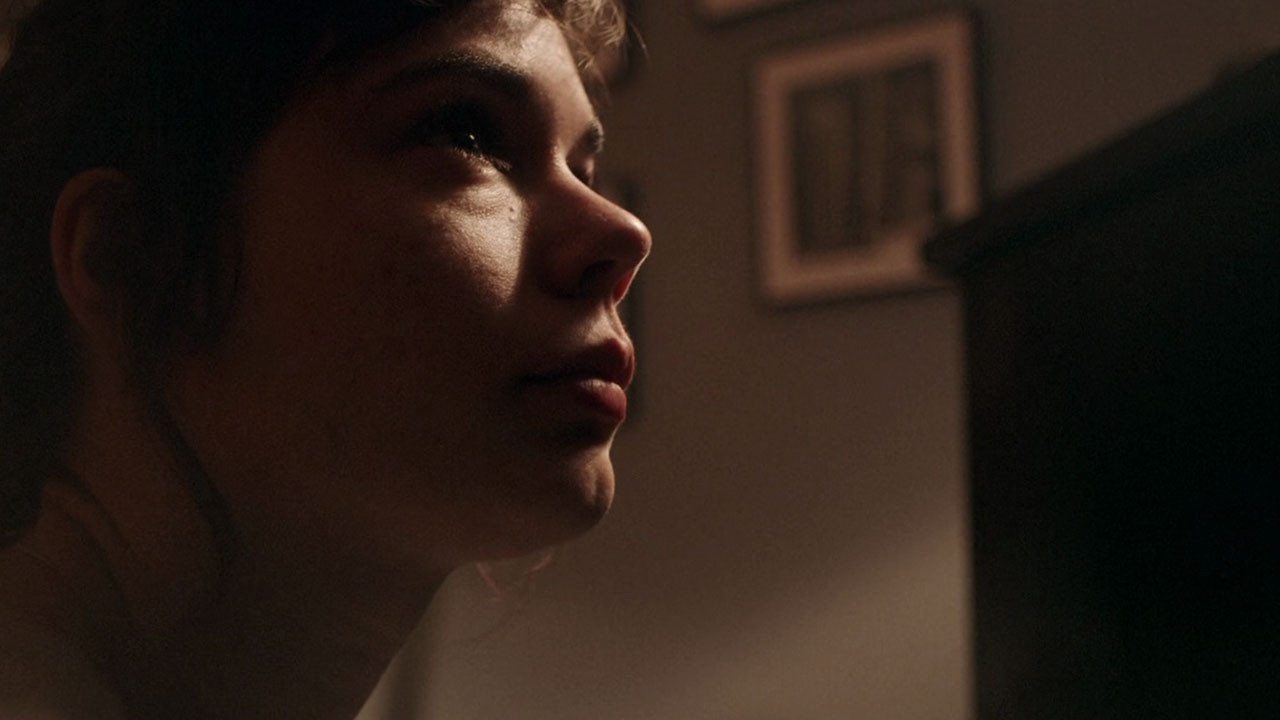
Then Victoria opens up the café where she has to be at seven, Sonne follows her in, and she sits at the piano. She plays, properly, and tells him she spent years at a conservatoire before being told she would never be good enough. Costa’s face barely changes as she says it. That scene got at us more than we expected, partly because we had already written the film off as a lark, and from there on the night has a weight it did not have on the roof.
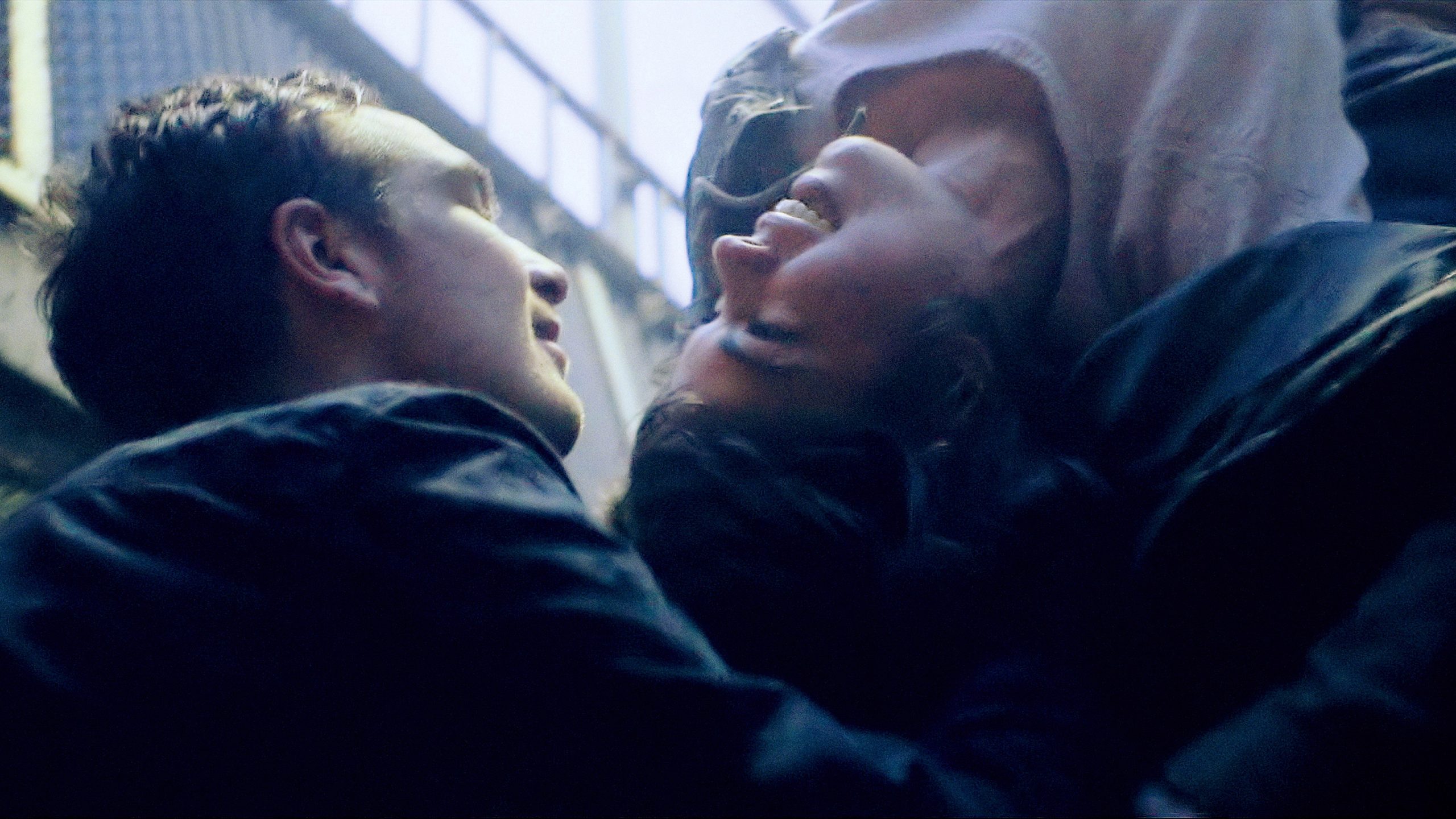
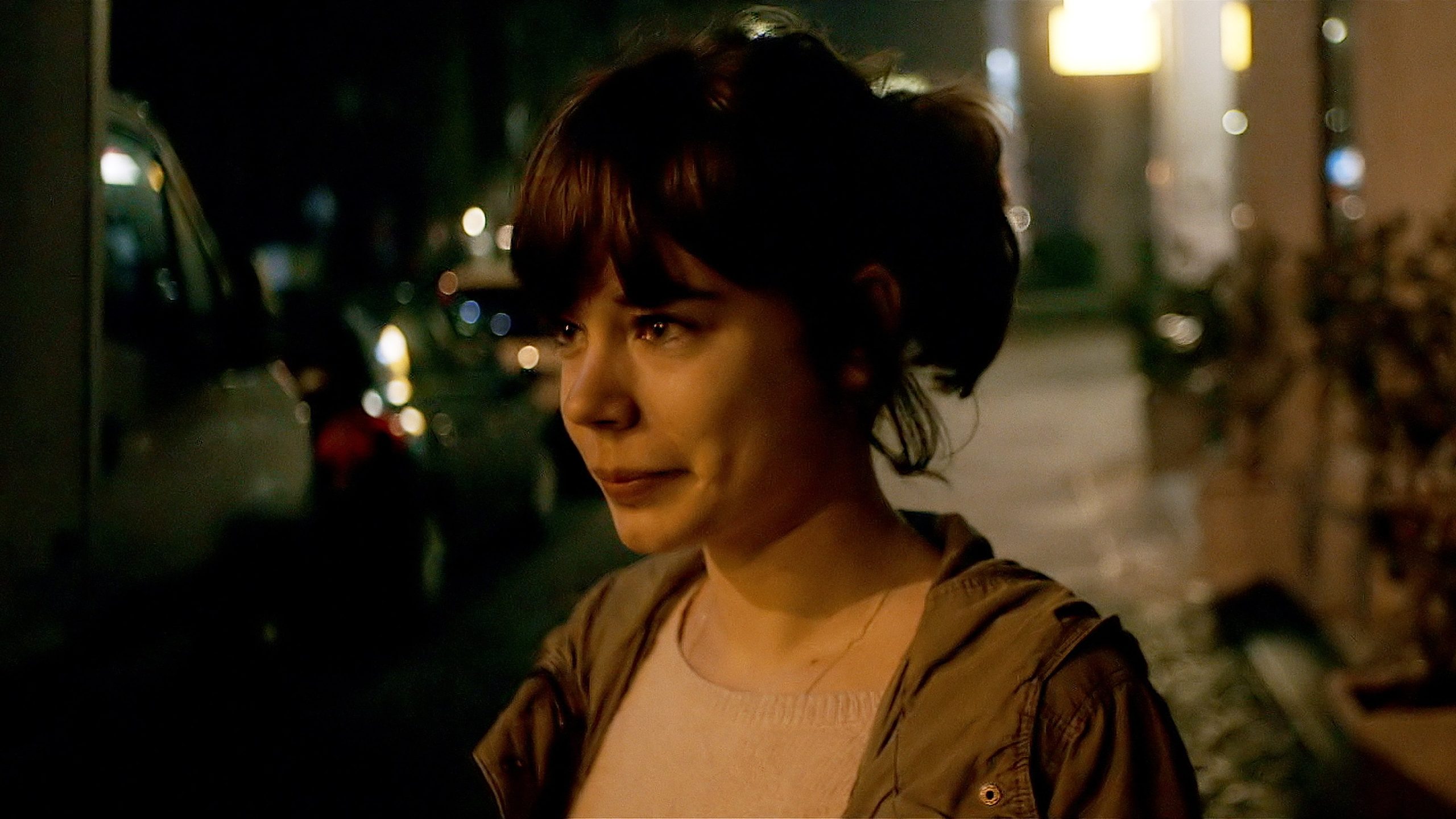
Sturla Brandth Grøvlen’s camera is the fifth member of the group. He stays at shoulder height and close, and he must have walked backwards down more staircases than anyone in the trade. In the club the image is strobe and shadow; on the street it goes grainy under orange sodium light; by the end it has drained to the flat grey of a Berlin dawn, and the change in the light is the film’s clock. Uli Friedrichs’s production design is mostly a matter of finding real places, a rooftop, an underground car park, a hotel lobby, and running the actors through them. They look like real places because they are.
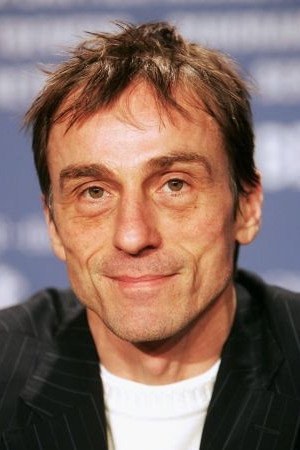
The turn comes when Boxer gets a call. He owes a man called Andi (André Hennicke) from his time in prison, the debt is due tonight, and the job needs four. Fuß is too drunk to stand, so Victoria drives. We will not describe what happens after the car park. We can say that Nils Frahm’s score, piano and low electronic drone, takes over from the street sound at the worst moments, so that we watch people shouting and hear only a chord, and that it frightened us. Frahm is also the film’s weakness when it wants to be moving: the piano tells us what to feel about faces that had already told us.
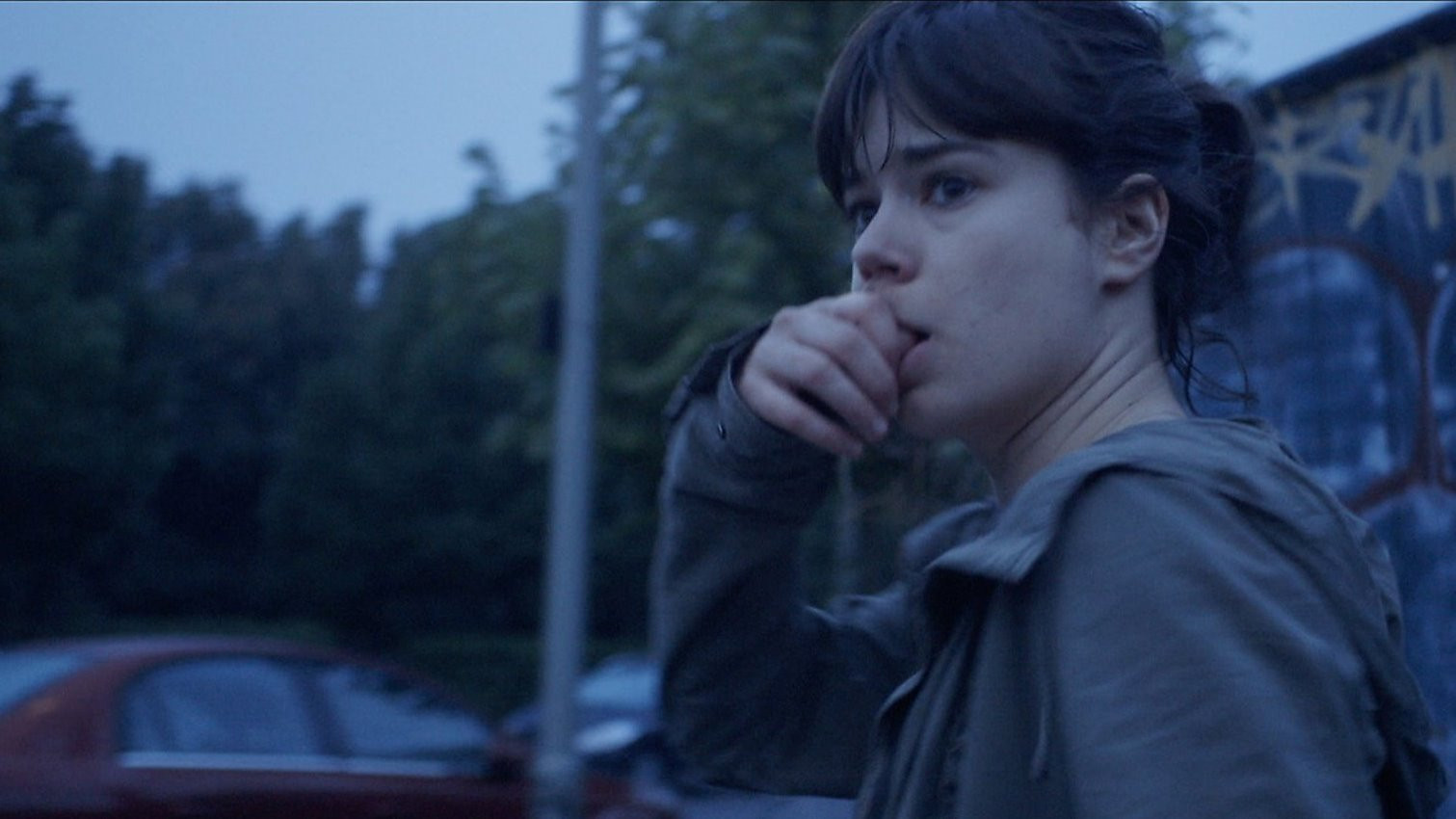
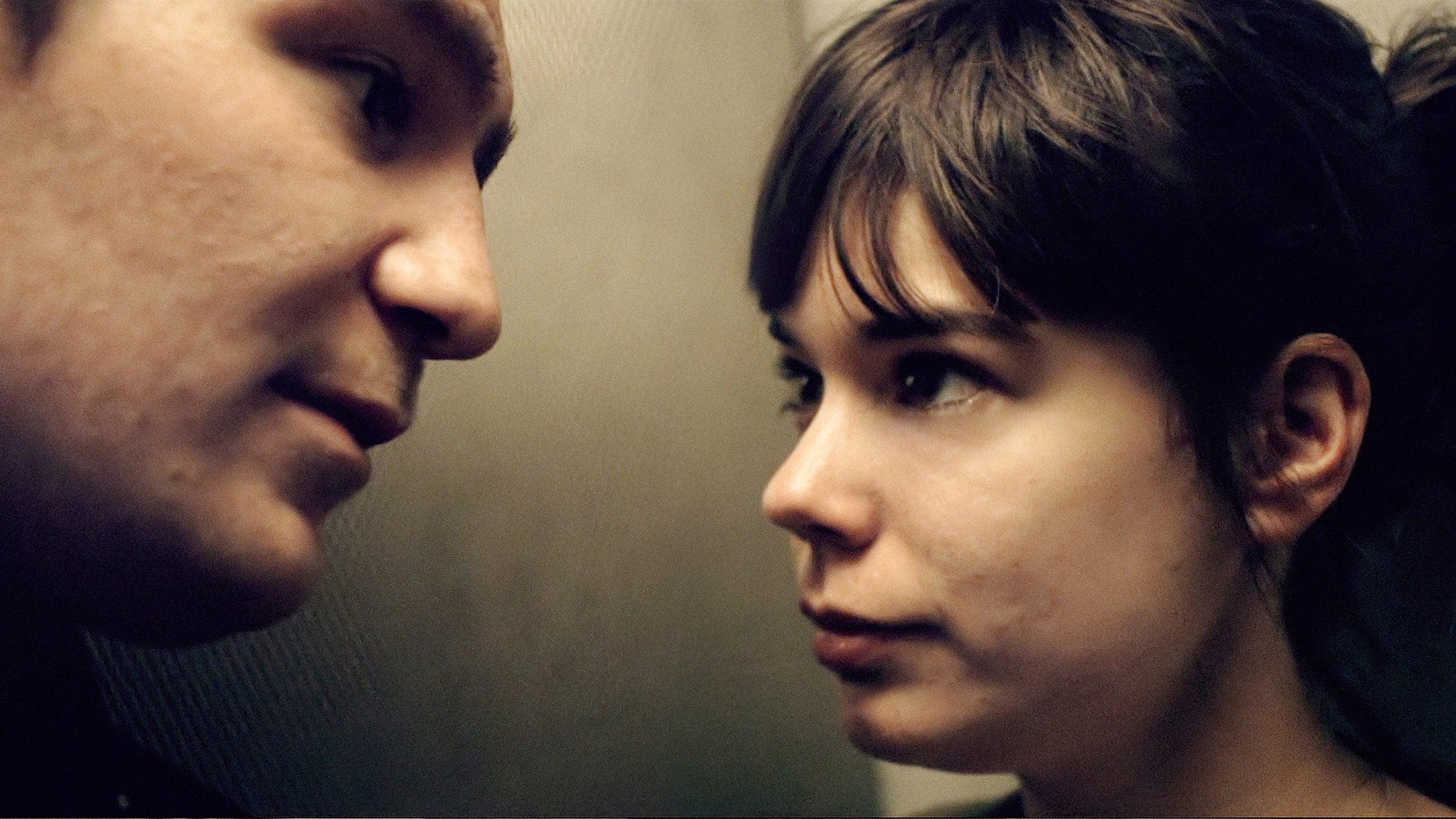
Costa carries it. She begins giggling and game and ends with a face that has stopped registering anything, and the single take means we see every step between. Lau’s Sonne is soft, boastful and decent, and the two are believable together because both of them are tired. Rogowski gives Boxer a stillness the others have not got, and it makes him the one to watch.
The last half hour is a crime film we have seen before: the panic, the hiding, the wrong decisions made in a hurry. Once the take has done its work of making us feel the hours, the story underneath is ordinary, and Victoria’s willingness to go along stretches past what Costa can cover. Olivia Neergaard-Holm is credited as editor on a film with no cuts, which tells you where the editing was done: beforehand, on paper, with Schipper and Eike Frederik Schulz, who also turns up behind the bar. That planning is what most critics have praised, and they are right to. The 15 certificate is fair: there is little blood and a great deal of dread.
Watch it in one sitting, late, with the phone in another room. Pause it and you have added the cut Schipper spent 138 minutes avoiding.