Film review

Network

1976 · Directed by Sidney Lumet · 2h 02m · MPA R

In a sentenceThe news is appalling, but everyone seems pleased with the programme

Drama

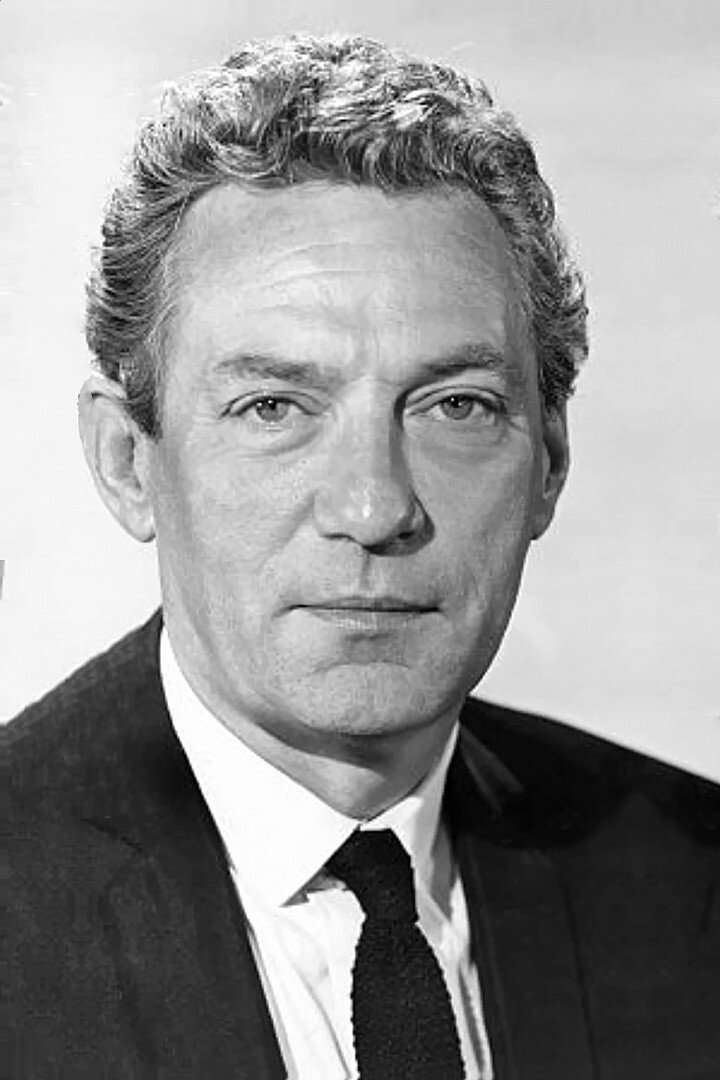
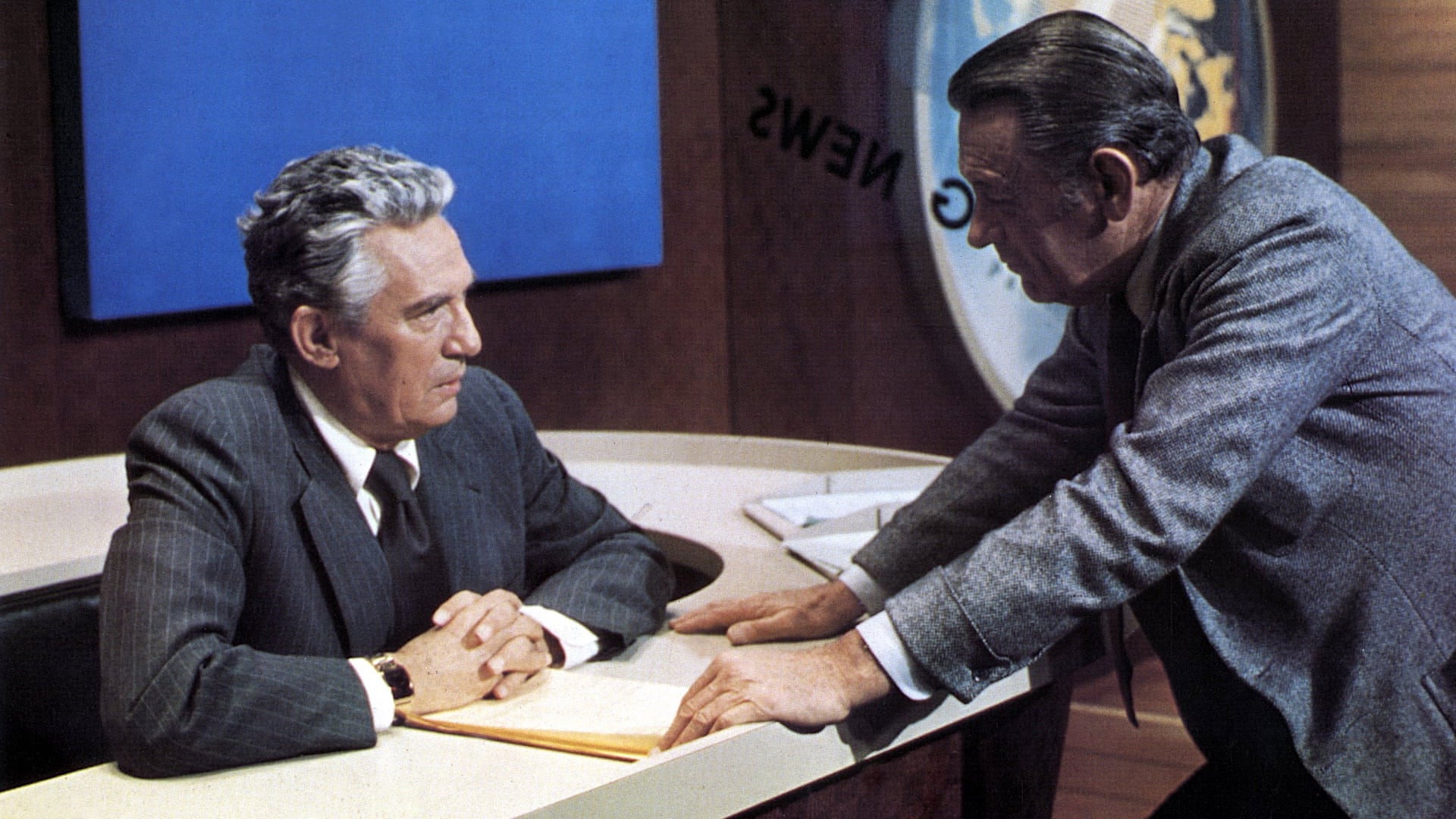
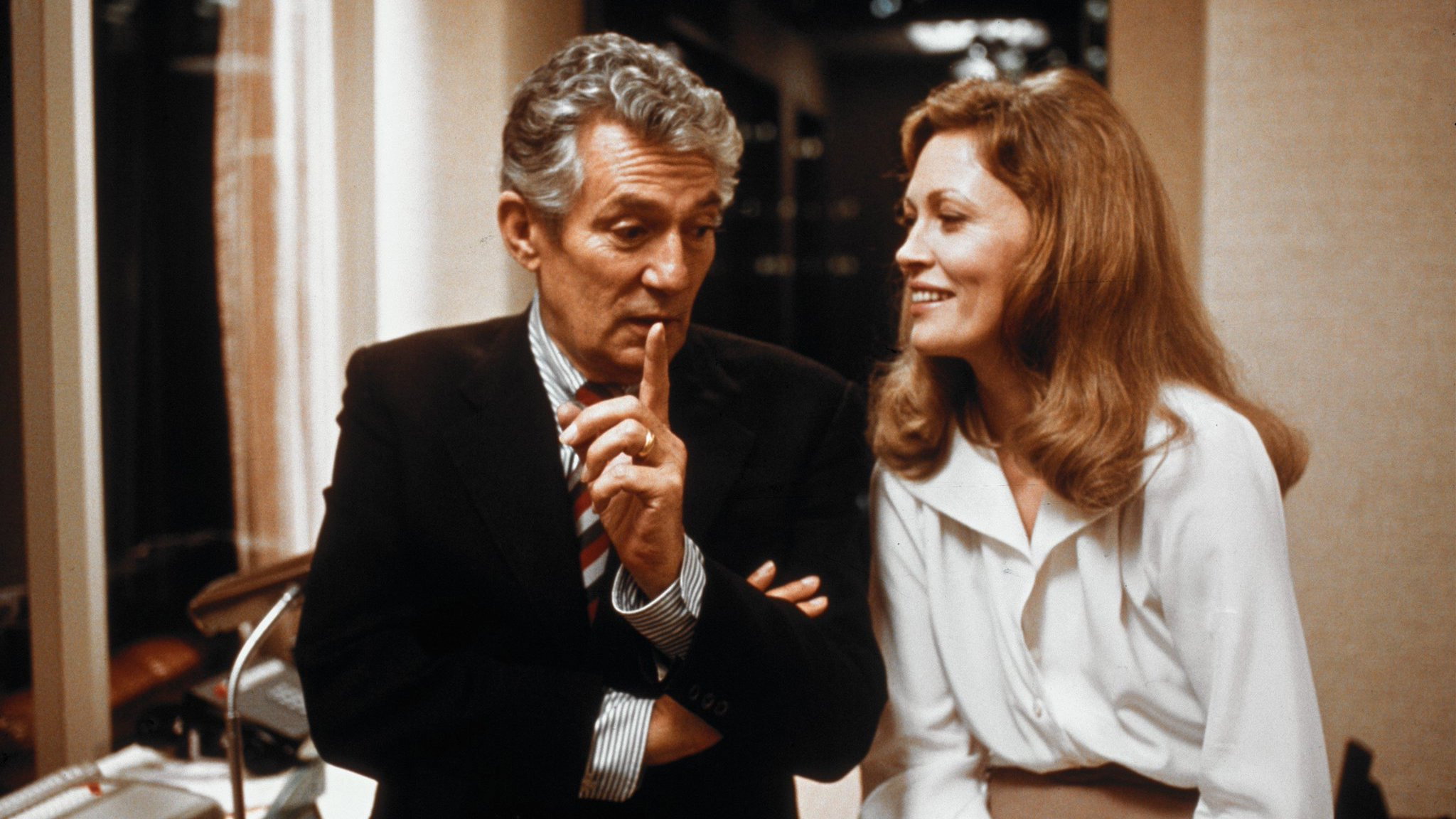
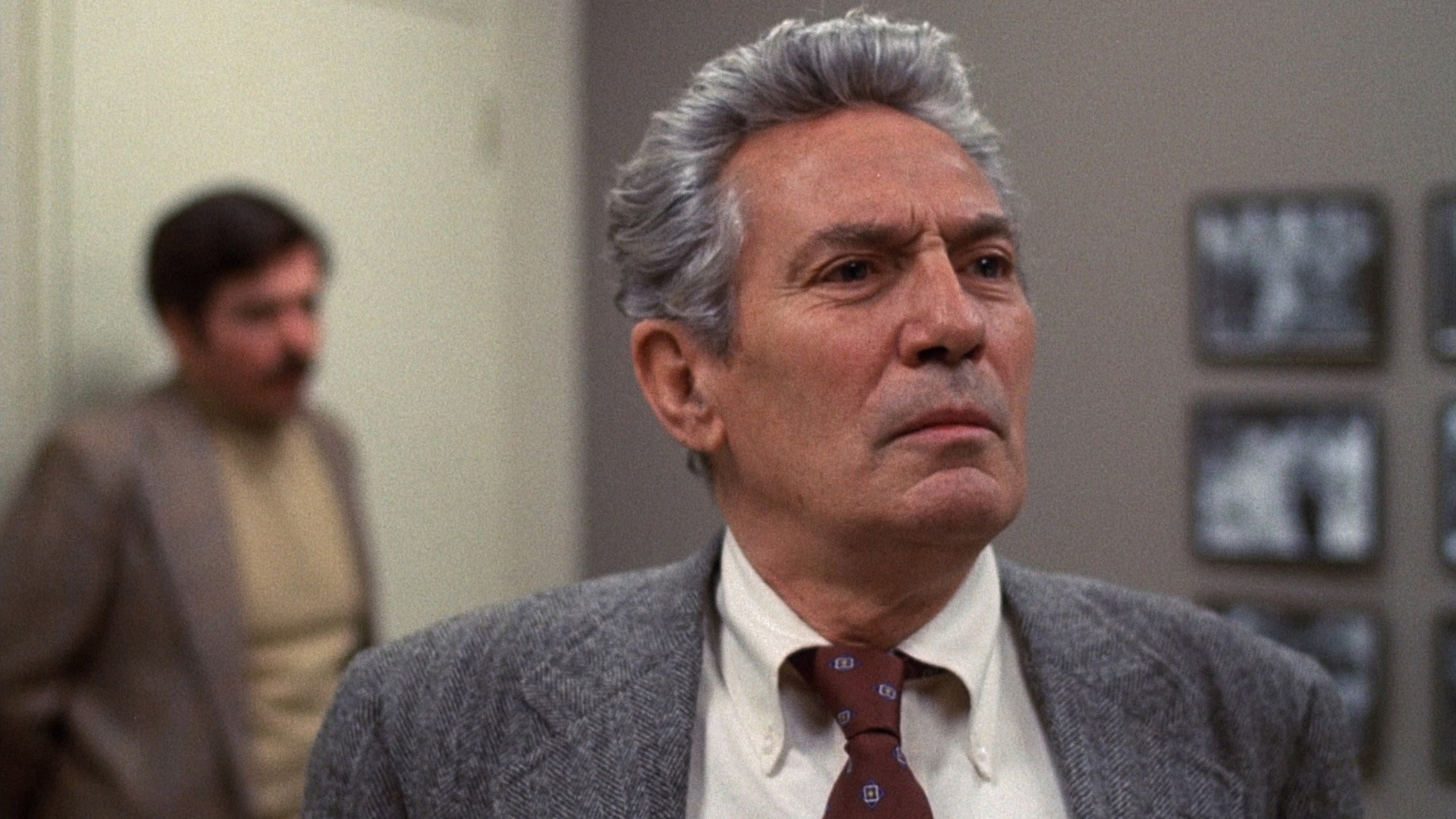
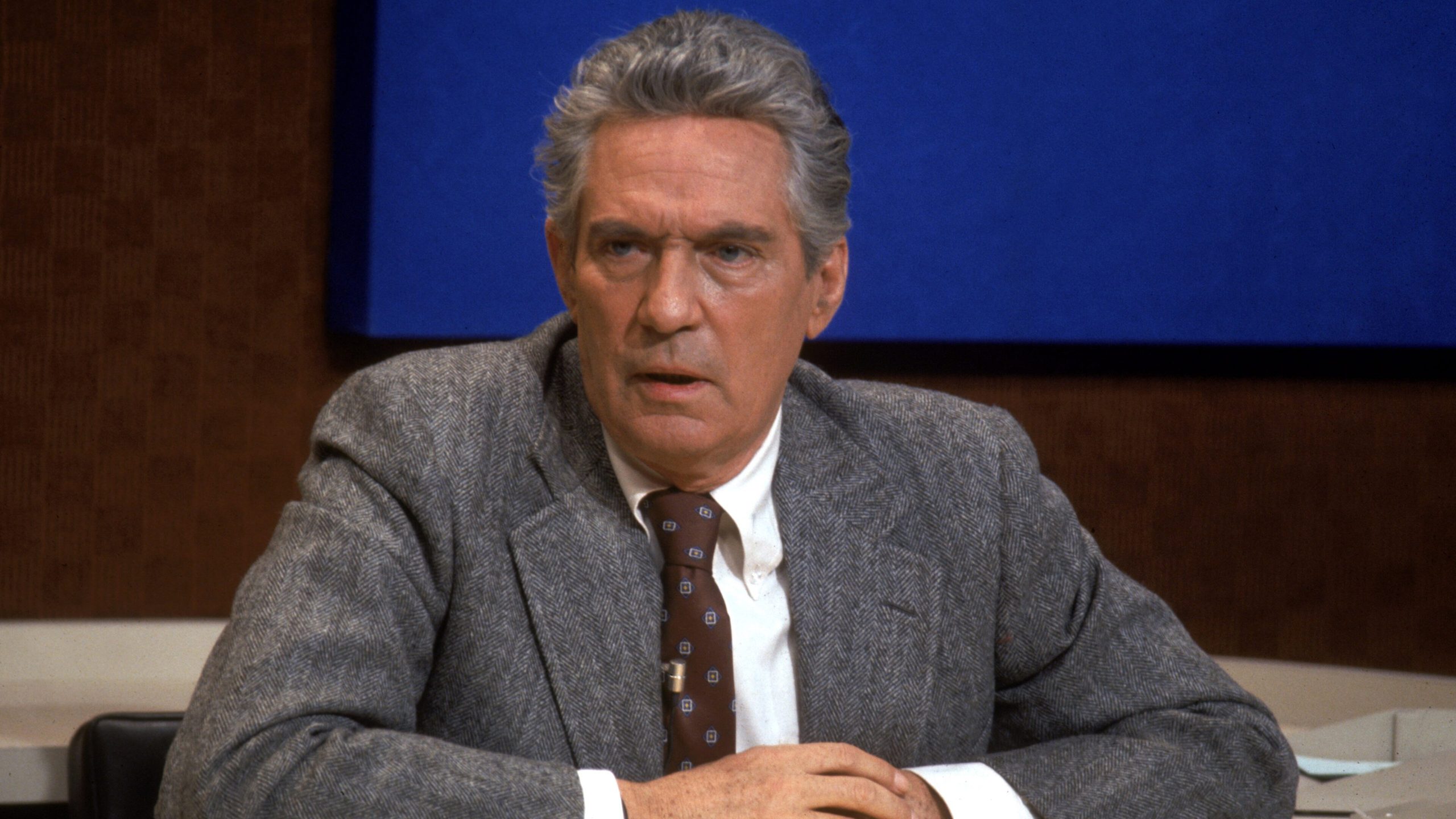
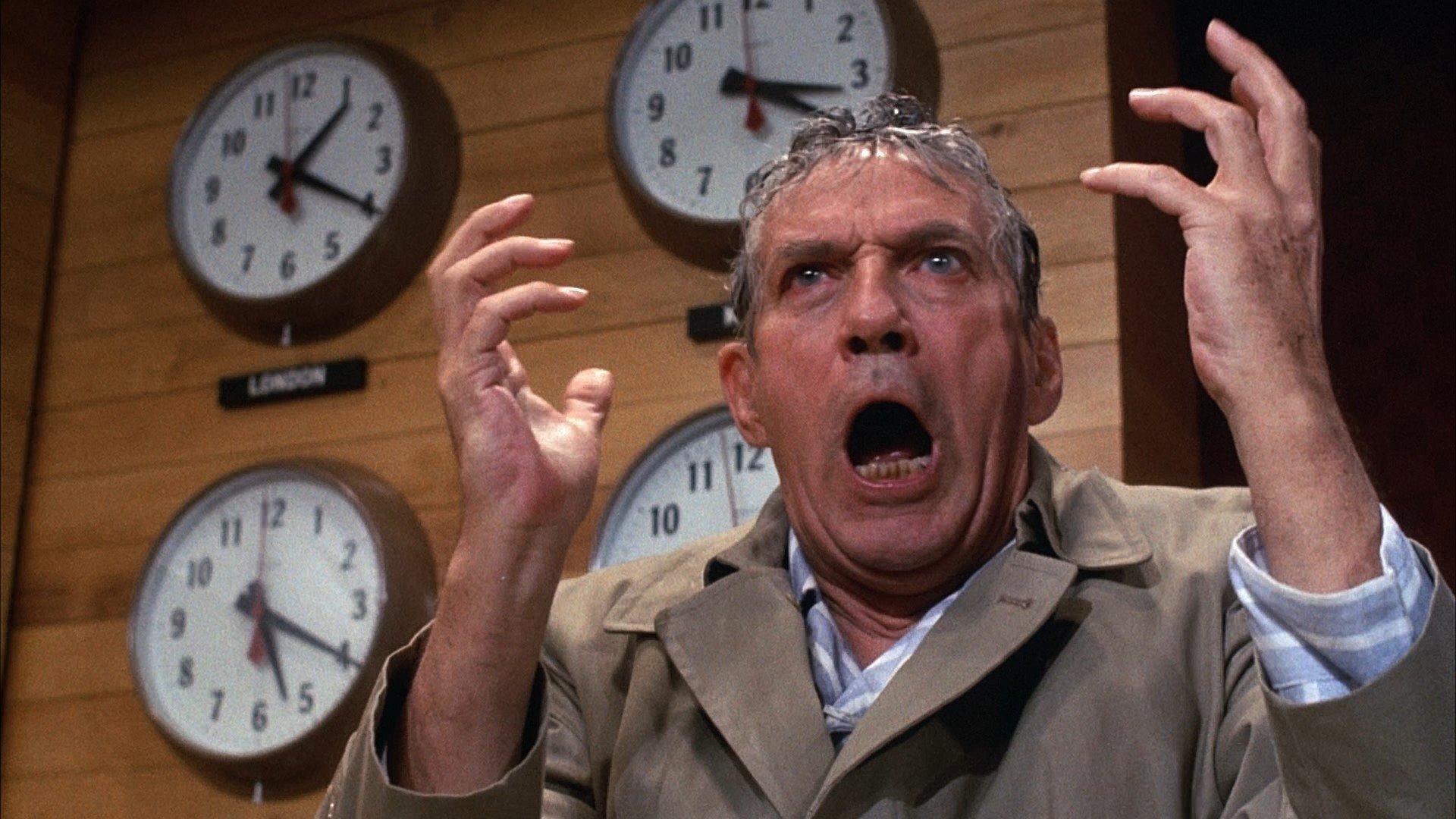
At an American television network, news anchor Howard Beale (Peter Finch) is coming apart in public. His anger attracts attention, and the pursuit of ratings makes his distress a commercial opportunity. Diana Christensen (Faye Dunaway) and Frank Hackett (Robert Duvall) are caught up in the struggle over what television news should be. Beale wants to give voice to his discontent; the business around him wants an audience. As his outbursts become entertainment, the people making the programmes face a choice between professional principles and the demands of corporate control.

Plays from YouTube when you press play; nothing loads from them until then.

Fi1m review

Sidney Lumet’s television satire is funny, disturbing and acted with enough conviction to make its excesses plausible. The speeches can crowd out the people, but Peter Finch and Faye Dunaway keep us watching.

Sidney Lumet’s Network is a fierce, funny television satire, and we recommend it with one reservation: the speeches sometimes get the better of the people delivering them. Paddy Chayefsky takes the conversion of news into entertainment and follows the commercial reasoning until it becomes appalling. A broadcaster’s distress can be useful if enough people want to watch it. The film’s strength is the conviction with which it makes that calculation seem professionally sensible.

Howard Beale gives that calculation a human cost, though Peter Finch is far too entertaining to let us feel safely disapproving. We were disturbed by how funny we found Howard Beale’s distress. Peter Finch puts such force into the anger that we understand the temptation to treat it as a performance and forget the man having it. Sidney Lumet allows that discomfort to remain, making our enjoyment of the outbursts part of what troubles us about their exploitation.

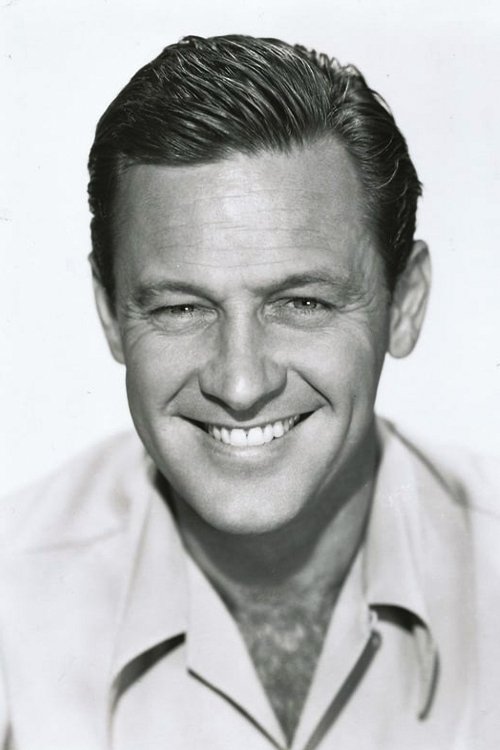
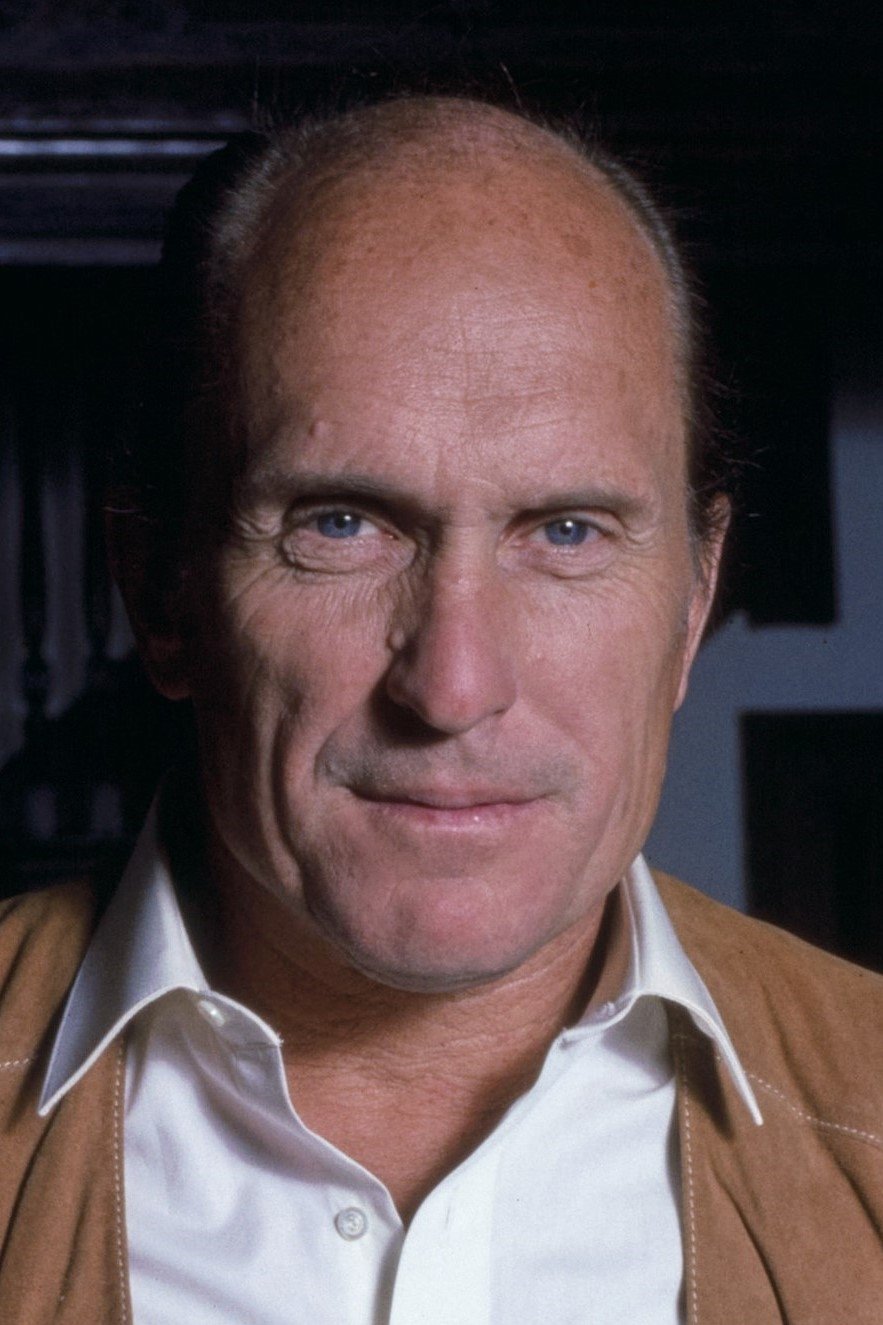
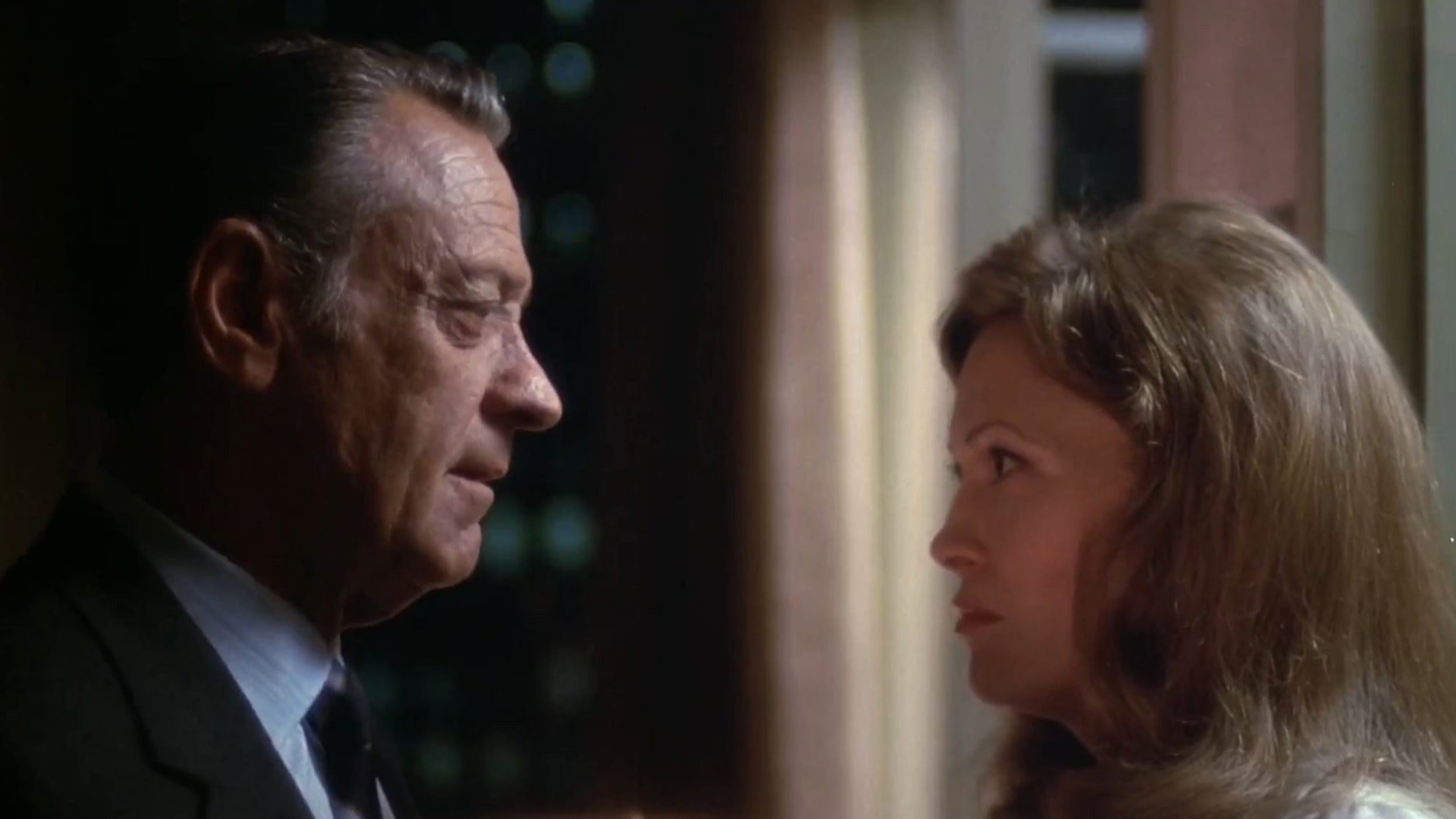
Faye Dunaway’s Diana Christensen is just as important, because Faye Dunaway gives the pursuit of success an energy that is enjoyable in itself. She helps explain how the business keeps going without requiring everybody inside it to regard themselves as wicked. William Holden gives the film a less excitable presence, and his gravity matters when the dialogue threatens to become a competition in eloquence. Robert Duvall’s Frank Hackett adds another forceful personality to an ensemble in which nobody appears inclined to yield.

The visual assurance of cinematographer Owen Roizman and production designer Philip Rosenberg matters here, because a satire this heated needs some restraint around its actors. We believe in this television business even when Paddy Chayefsky pushes its behaviour towards the absurd. Alan Heim’s editing gives the verbal exchanges the pace they need, although speed cannot always disguise how much each speech has been asked to contain. Elliot Lawrence’s music makes less of an impression than the delivery of the dialogue, which seems right for a film with this much to say. The craft is controlled enough to accommodate some extravagant acting.

Paddy Chayefsky is less disciplined about how many targets he wants to hit. Television’s appetite for viewers is already a substantial subject, but the script keeps widening its complaints until some characters seem to have been handed responsibility for an entire social problem. The writing is often funny enough to get away with this. It is also sometimes so pleased with a denunciation that we begin waiting for someone else to speak.

Much of the praise for Network rests on its ability to anticipate what news might become. We think that gives insufficient credit to its immediate pleasures: the performances, the argumentative dialogue and the unpleasant laughter need no subsequent history to justify them. As corporate satire, it is especially effective at making appalling decisions sound like ordinary business. Its broader complaints are less persuasive, particularly when the screenplay expects the force of a speech to do the work of examining a person.

At 122 minutes, it gives its anger time to become wearing, and a little more patience with its characters would have helped. Yet the cast keeps finding feeling inside all that fluent complaint, particularly Peter Finch, whose performance prevents Howard Beale from becoming merely an example of television’s failings. Save it for an evening when you have the energy for people who refuse to stop talking.

Critical consensus AI synthesised

79
Positive
13
Mixed
0
Negative
2

Most critics admire Network’s angry, darkly funny account of television news becoming ratings-driven entertainment, and repeatedly credit it with anticipating later media habits. Praise centres on Paddy Chayefsky’s sharp dialogue and the performances, especially Peter Finch’s Howard Beale and Faye Dunaway, with William Holden also singled out. Sidney Lumet’s direction earns approval for keeping the material forceful, while many reviews find the film’s account of corporate control and sensationalism persistently relevant.

The spread is wide despite the strongly positive majority: even sympathetic reviews question the script’s reach or suggest that reality catching up has reduced its shock value. The sharpest dissent comes from Sight and Sound, which finds the satire incoherent and too close to the television it attacks, and Time Out, which regards the script as hollow and the direction as unable to contain its sprawl. The central disagreement concerns whether the film’s fury remains incisive or becomes exhausting.

Radio Times
★★★★★ · Calum Baker
100

The critic calls it one of the defining American films of the 1970s, a satirical drama that anticipated developments in news, reality TV and social media while remaining damn funny. Strong performances and literate screenplay are singled out for praise.

Read the full review →
The Times
28 June 2024 · ★★★★★
100

The review calls it the original and best newsroom drama, a thrilling and flawless prescient satire with fizzing performances from the cast, especially noting the clash between old and new Hollywood styles and the sharp screwball dialogue. It highlights the film's enduring relevance and exemplary script.

Read the full review →
Little White Lies
28 November 2016 · Edward Cripps
90*

The critic praises the film's prophetic black satire on media corruption, ratings-driven sensationalism, and the convergence of news, reality TV and politics. It highlights sharp performances, especially Dunaway's, and its enduring influence on later works.

Read the full review →
The Guardian
26 June 2024
90*

The critic praises this 1976 satire as a terrifically well-made, well-written classic that remains relevant, highlighting its sharp take on TV news as corrupt entertainment and Peter Finch's uproarious performance as the unhinged anchor Howard Beale. It singles out the film's mix of satire, heartfelt moments, and prescient anatomy of American discontent for praise.

Read the full review →
Variety
13 October 1976 · A.D. Murphy
90*

Paddy Chayefsky's script about media running amok is absurdly plausible and outrageously provocative, delivered through superb performances and outstanding direction by Sidney Lumet. The result is a potent commercial blend of artful tirade, visual excitement, and sociological horror that shakes up the viewer.

Read the full review →
Slant Magazine
13 February 2026 · Derek Smith
85*

The review describes Network as a darkly humorous and relevant treatise on capitalism’s erosion of morality that remains prescient half a century later. It singles out the film's self-reflexive examination of television’s real-world ramifications and how it captures the hypnotic pull of media over principled individuals.

Read the full review →

Cast

Stills

Awards

Academy Awards, 1977

Nominated
Best Cinematography
Nominated
Best Director
Nominated
Best Film Editing
Nominated
Best Picture
Nominated
Best Supporting Actor
Won
Best Actor
Won
Best Actress
Won
Best Supporting Actress
Won
Best Writing, Original Screenplay

If you liked this, try…

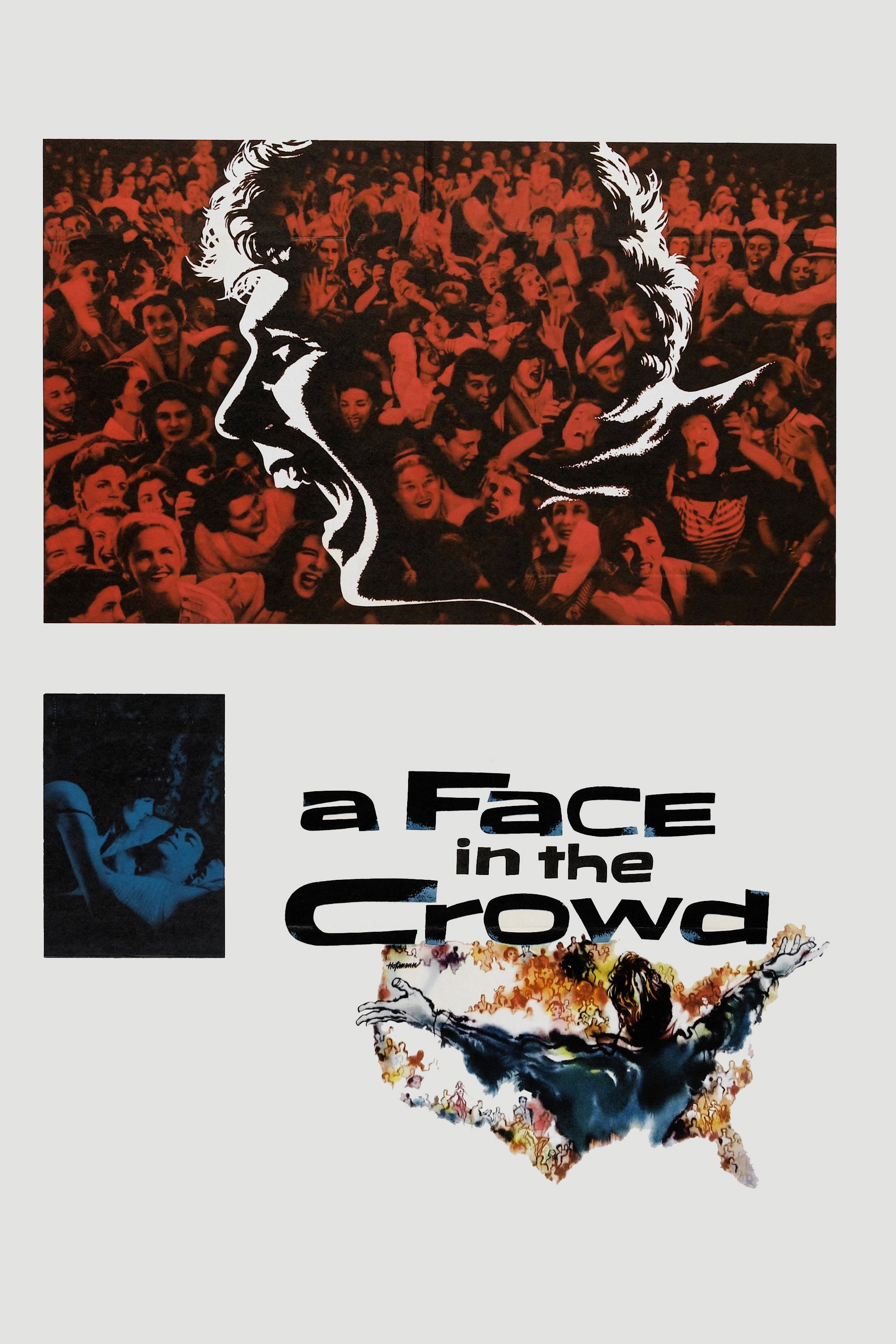
A Face in the Crowd poster

A Face in the Crowd

1957 · A television personality discovers how readily an audience can become a constituency.

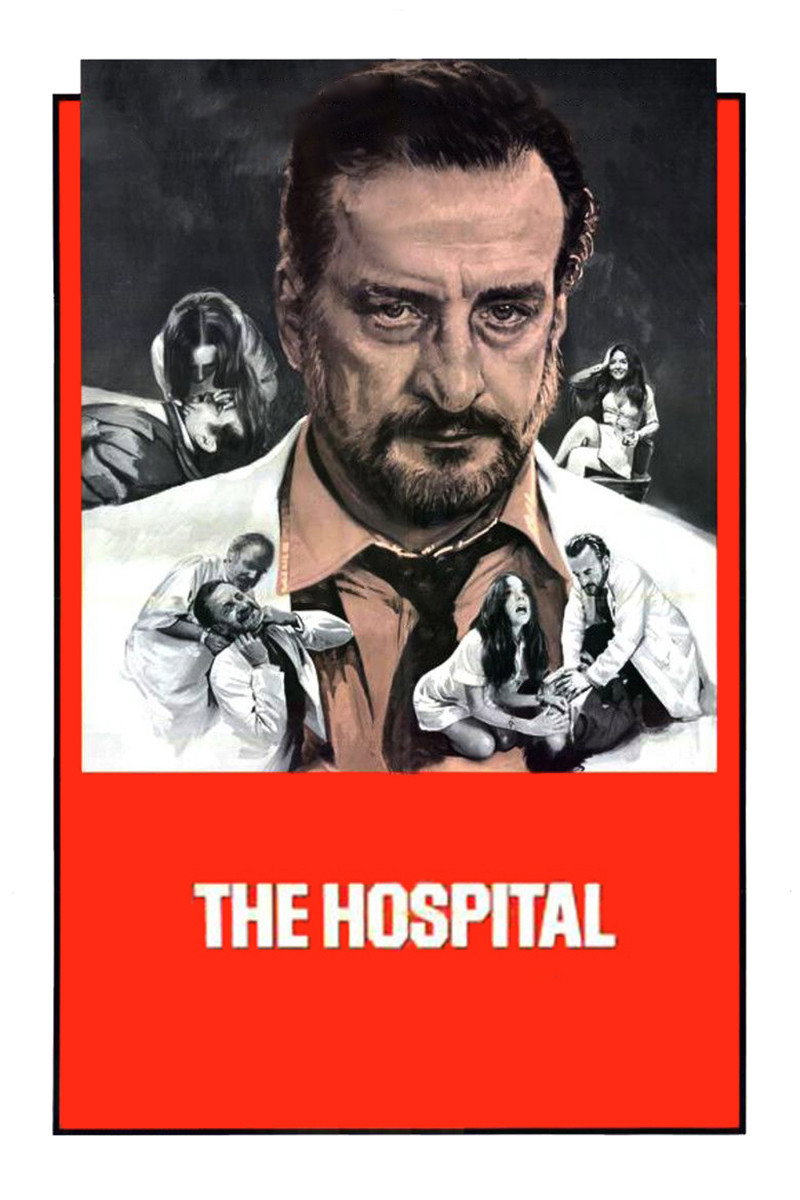
The Hospital poster

The Hospital

1971 · Paddy Chayefsky gives another failing institution more eloquence than it probably deserves.

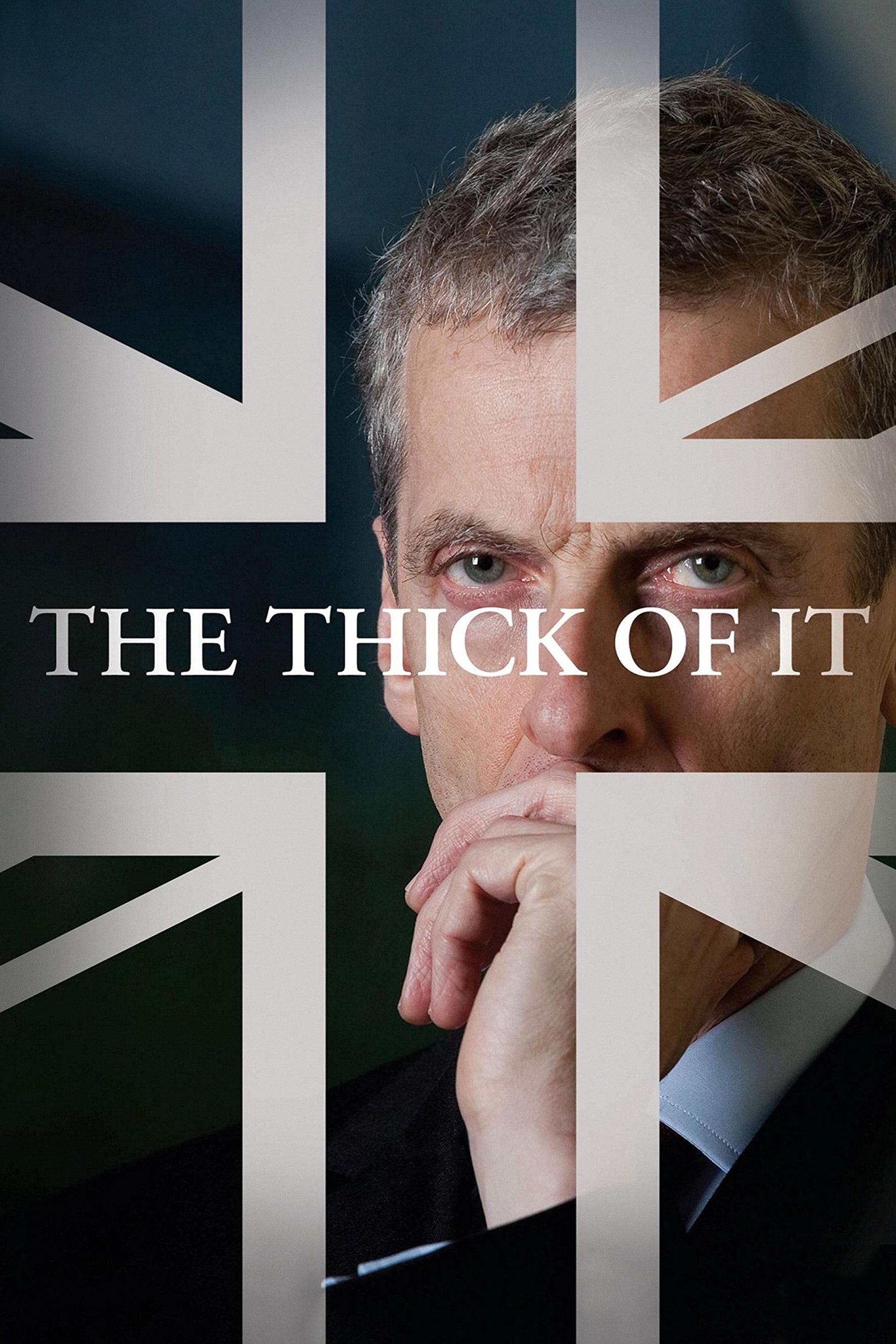
The Thick of It poster89

The Thick of It

2005 · Professional panic and verbal cruelty turn public service into exhausting institutional comedy.

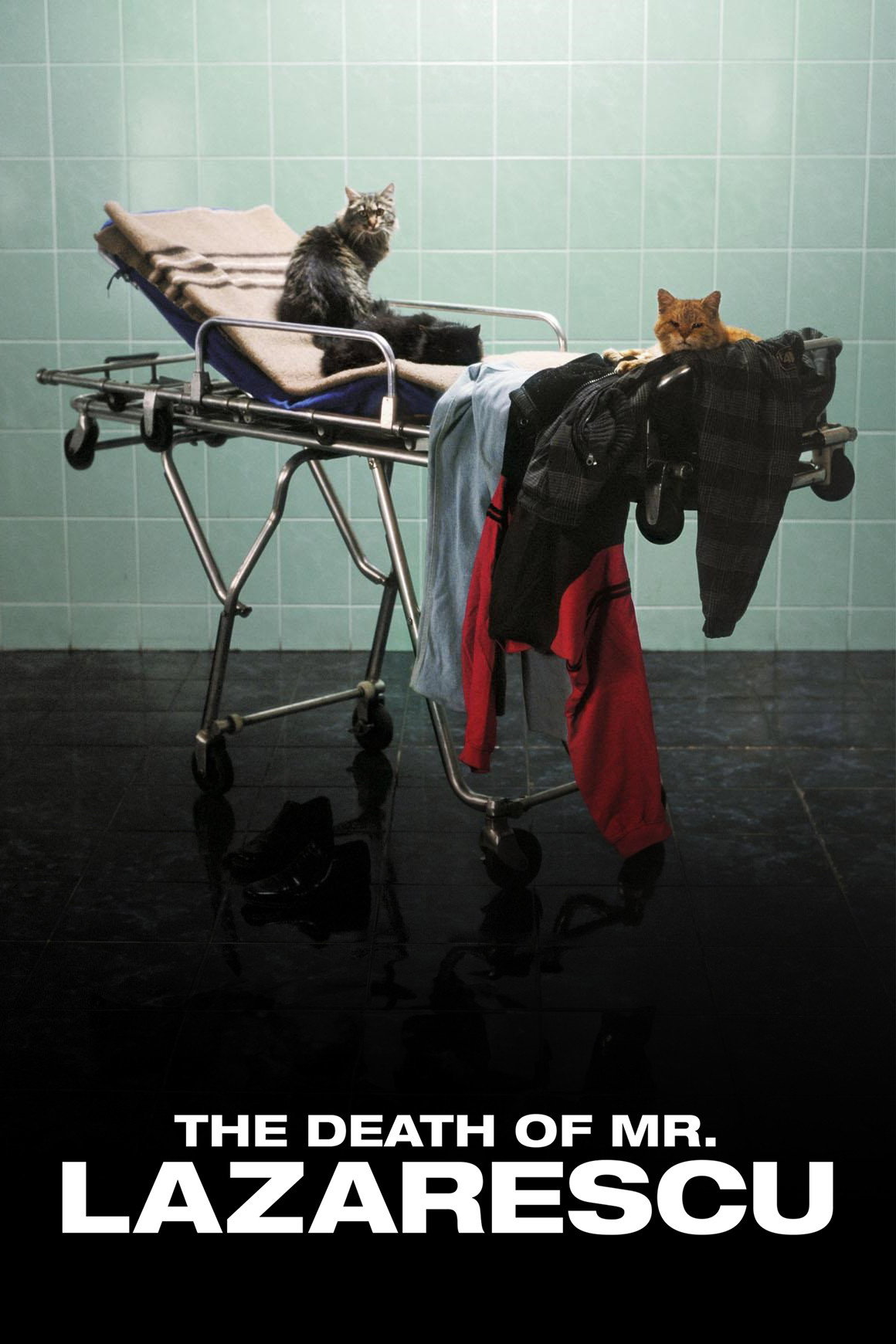
The Death of Mr Lazarescu poster

The Death of Mr Lazarescu

2005 · A patient’s passage through hospitals makes institutional indifference painfully concrete.

Nightcrawler poster85

Nightcrawler

2014 · The business of television news finds a willing supplier with few scruples.