Dan Gilroy’s Nightcrawler is a tense, unpleasantly funny thriller, with Jake Gyllenhaal making professional enthusiasm frightening. Its complaints about television news are familiar, but the lead performance and Robert Elswit’s Los Angeles nights make it well worth the discomfort.
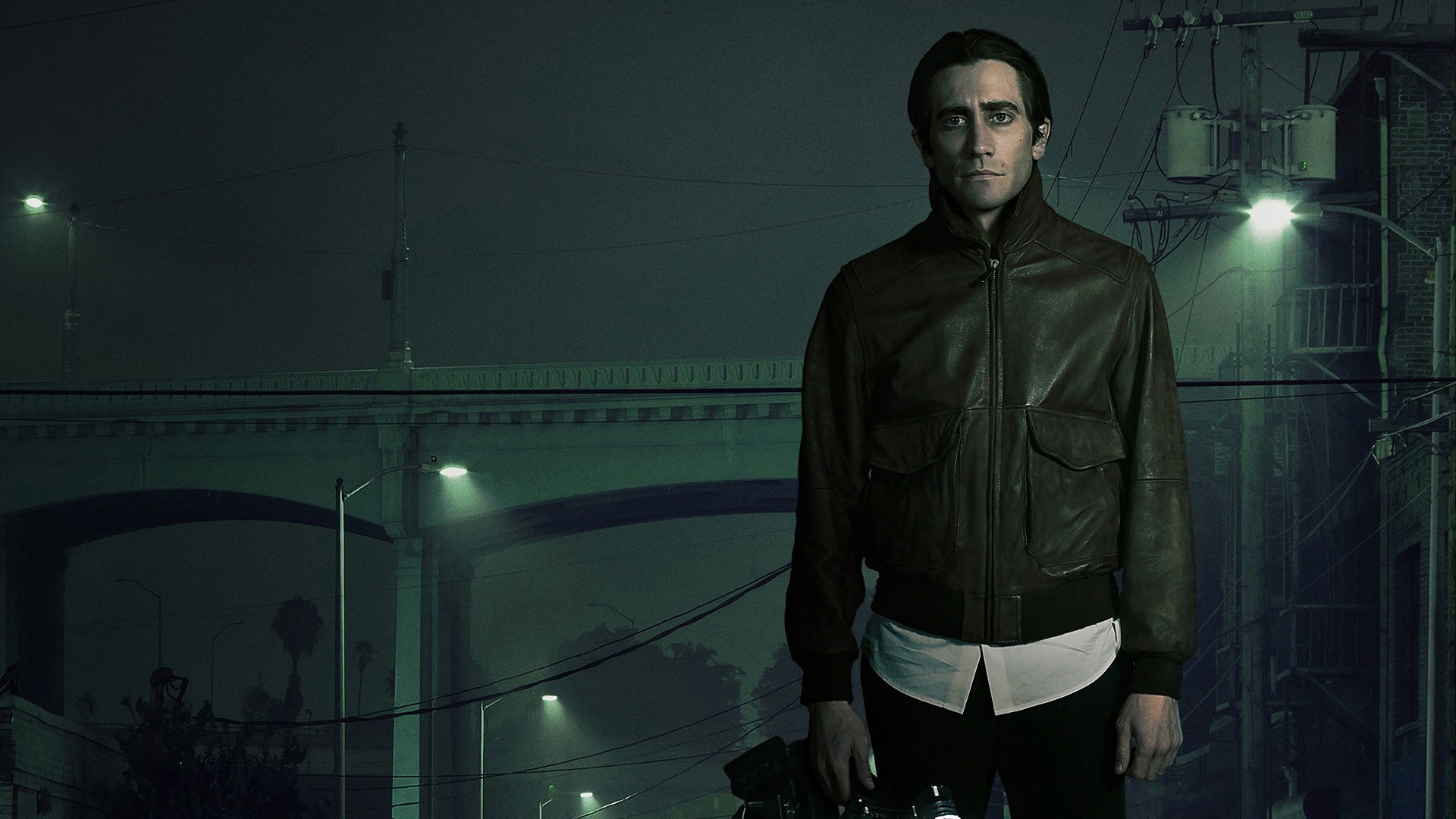
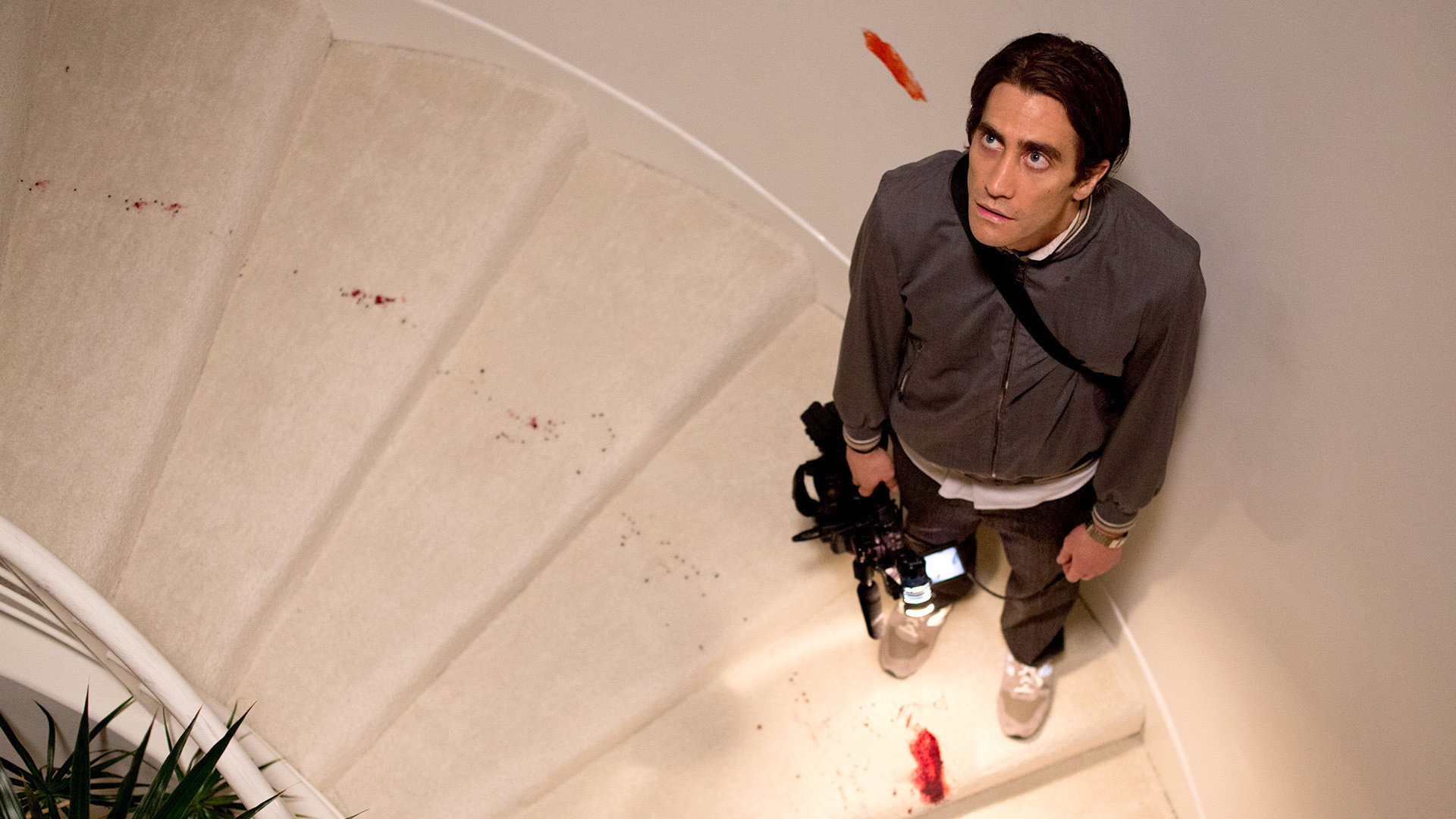
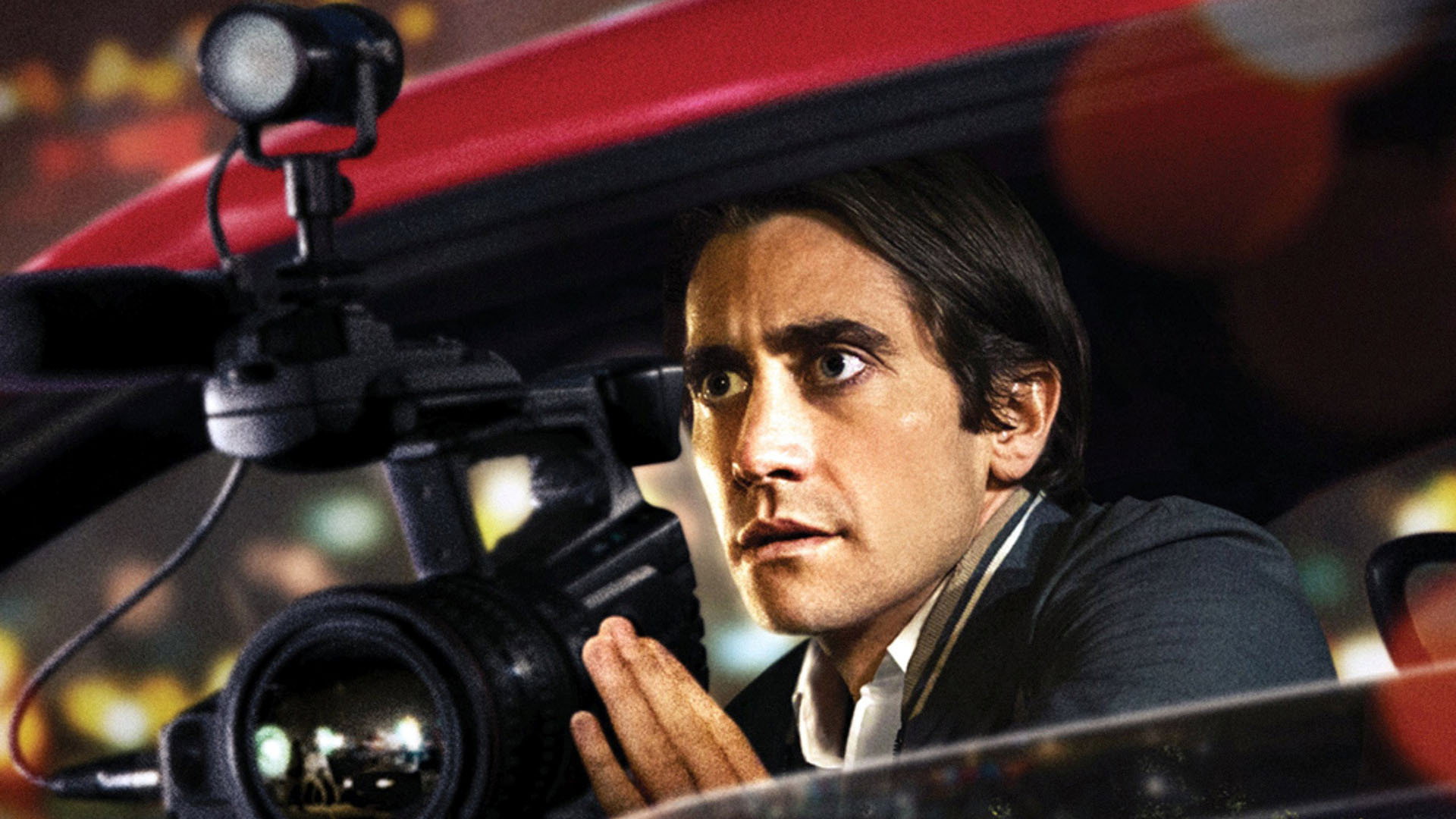
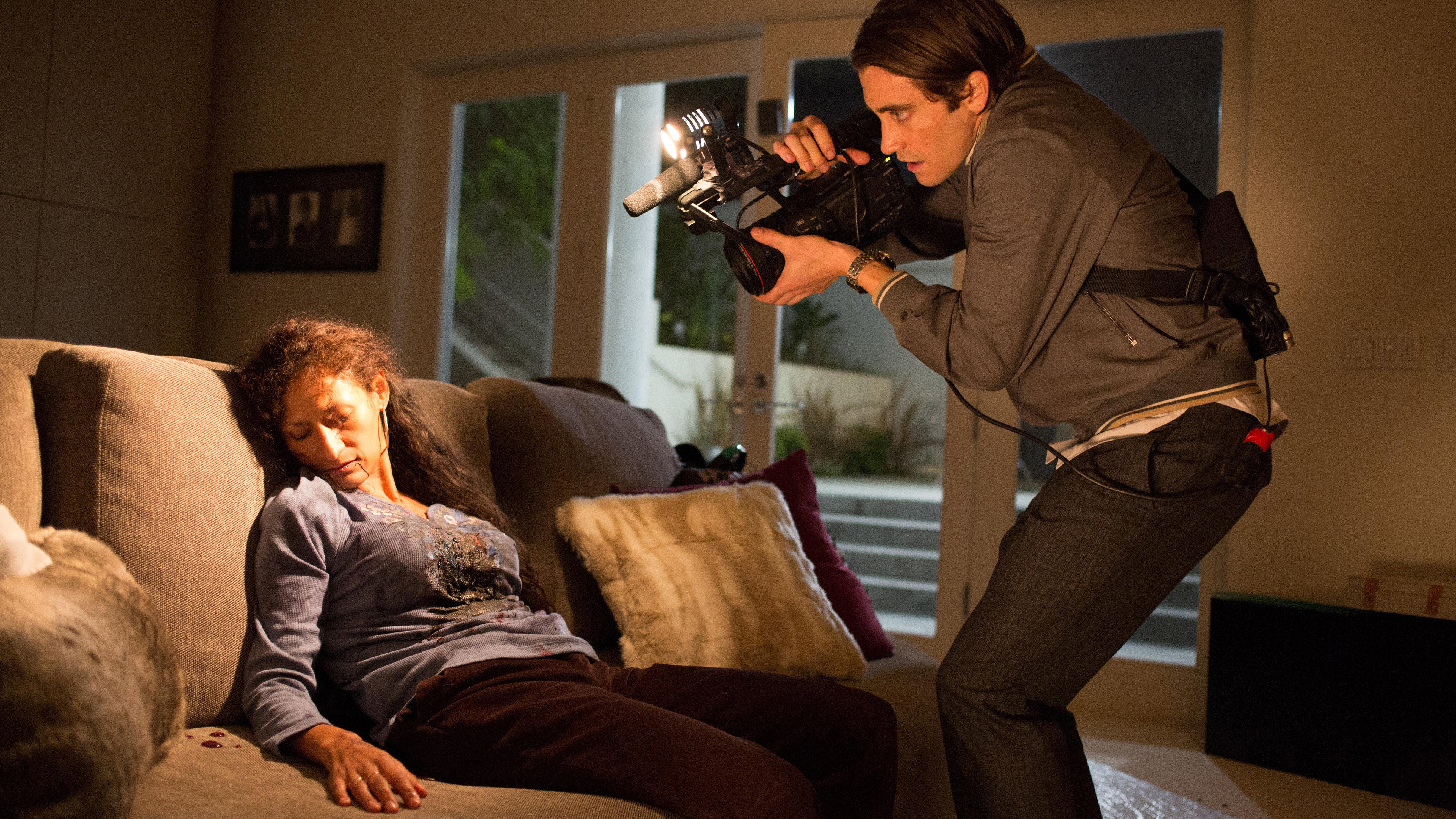
Dan Gilroy’s Nightcrawler is a gripping, darkly funny thriller, though its view of television news is blunt. Gilroy, who also wrote the screenplay, takes professional ambition seriously enough to make it frightening. His central character approaches an ugly trade with the eagerness of somebody determined to make a good impression, and the film asks how far that attitude can carry him. Louis Bloom, played by Jake Gyllenhaal, films crime scenes in Los Angeles for television news.
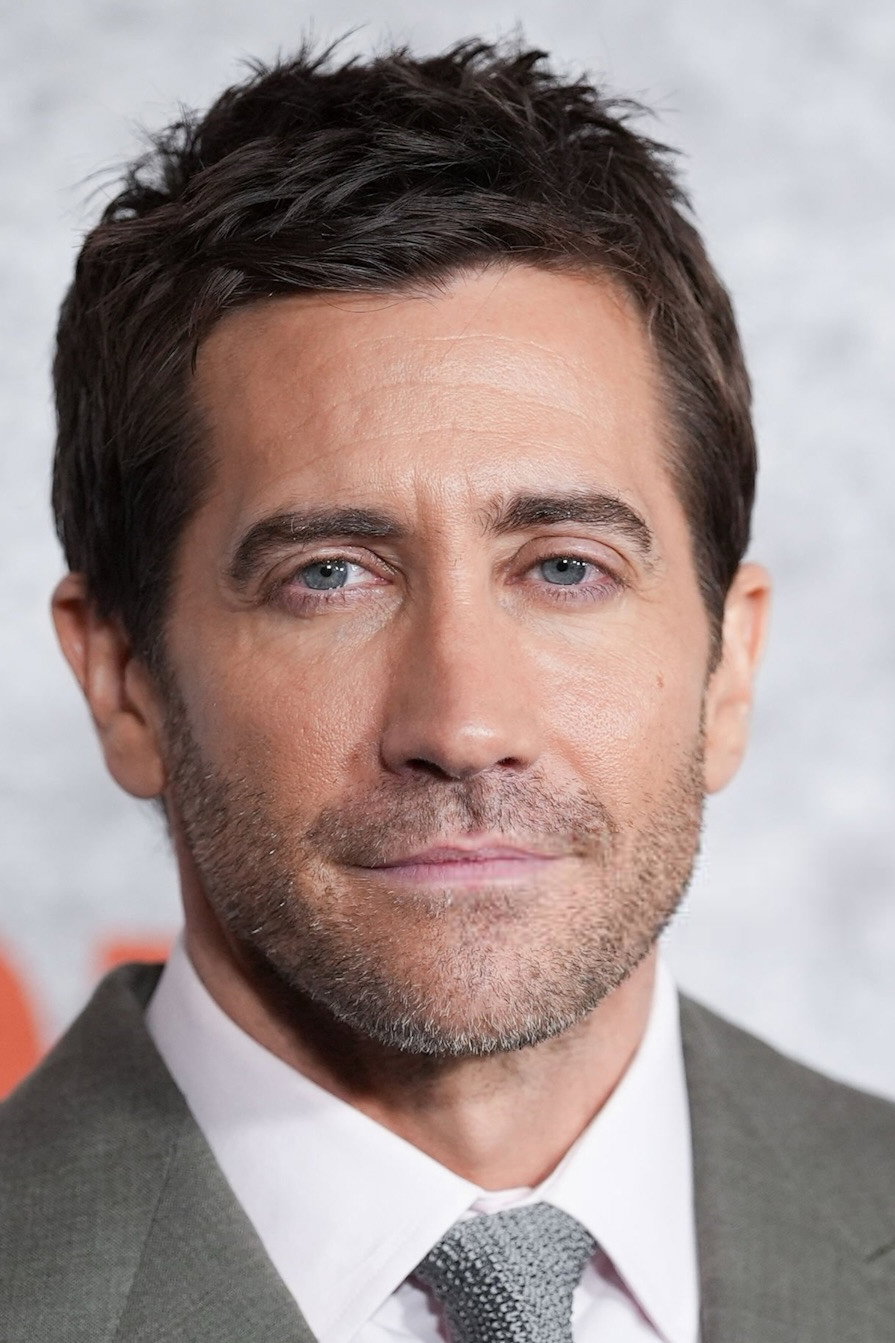
Gyllenhaal’s unblinking attention makes Bloom difficult to relax around, even before we consider what he wants. He delivers the corporate pep talks with an earnestness that makes their application to this work seem horribly reasonable. We laughed at those pep talks, then felt slightly ashamed of ourselves: he makes exploitation sound like something for which he deserves encouragement. The performance stays disciplined enough for the humour to work, without offering the reassurance that Bloom is secretly joking along with us.
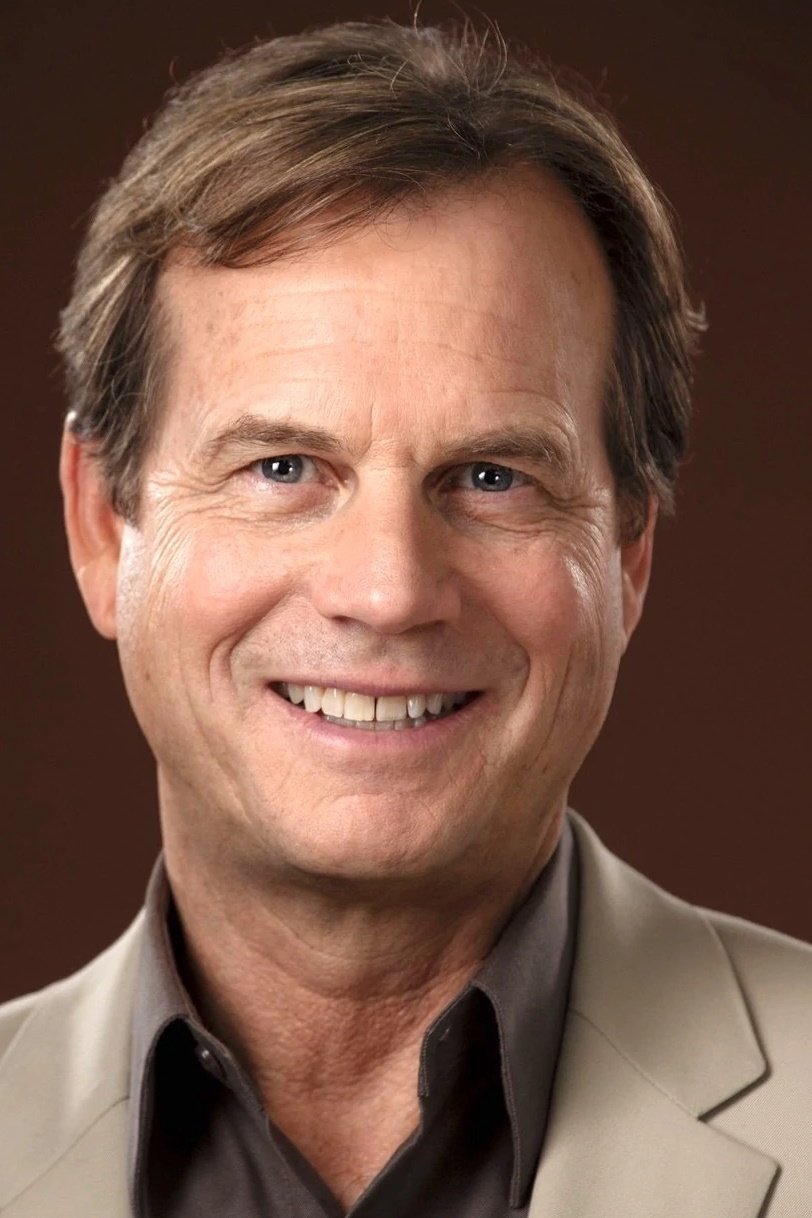
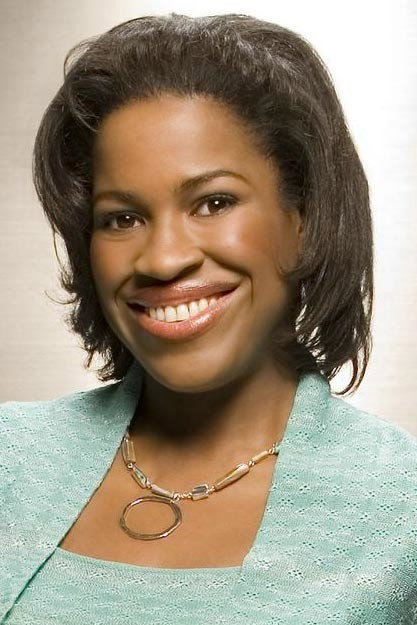
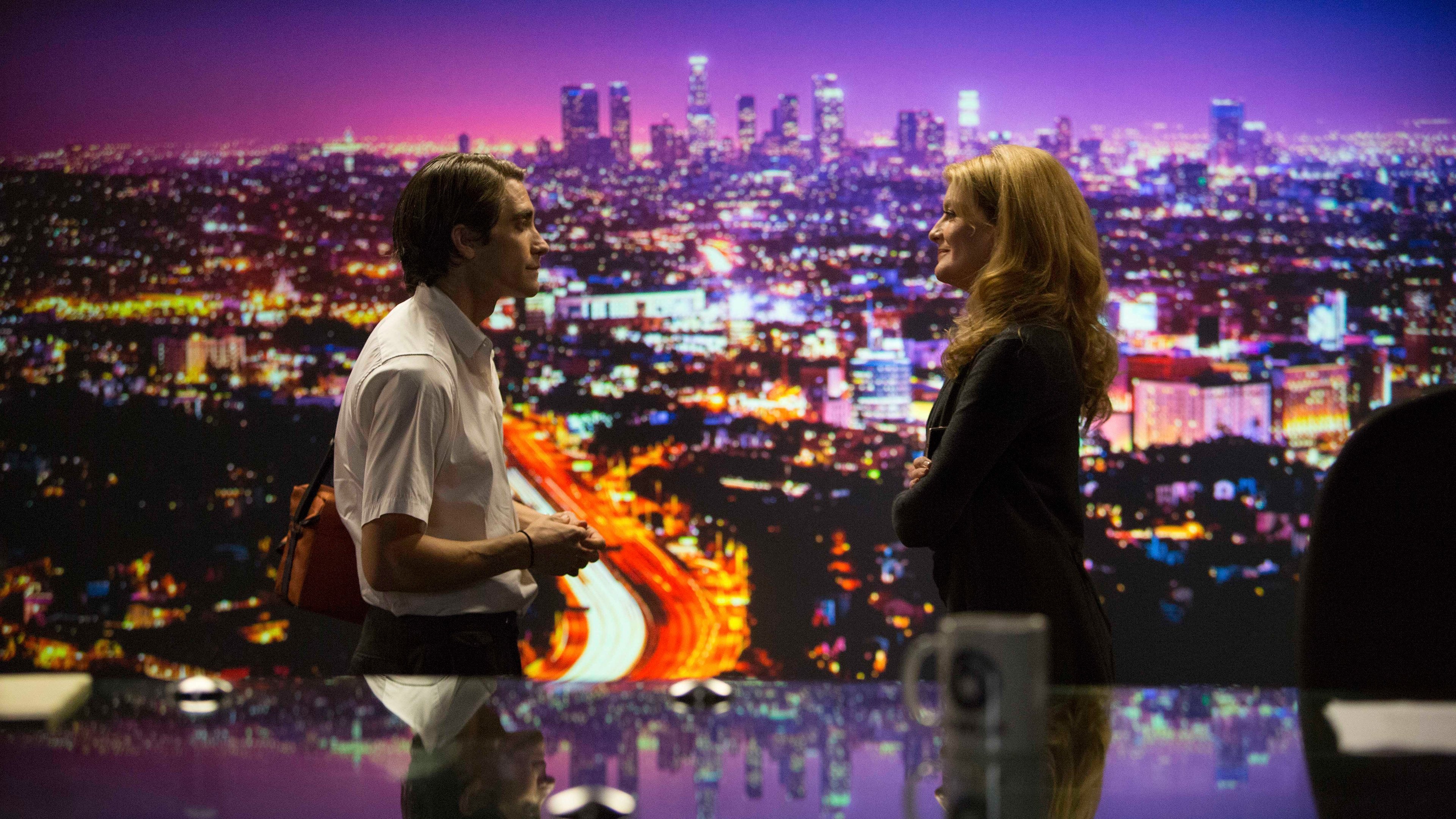
Rene Russo gives news editor Nina Romina enough professional assurance to make her cynicism convincing. We can believe in someone who understands what this business rewards and has become practised at providing it. The supporting parts are less consistently rewarding; too often, other people matter chiefly because of what they let us see in Bloom. That leaves less space than we would like for the cast around him, including Riz Ahmed as Rick and Bill Paxton as Joe Loder.
Robert Elswit’s cinematography gives the film an attraction that complicates its disgust. Los Angeles at night looks inviting, and the neon light makes looking at Bloom’s working environment a pleasure when the work itself is repellent. Kevin Kavanaugh’s production design helps the news business feel like somewhere people simply go to work, which makes its cynicism more persuasive. The film needs that ordinary professional setting if its complaint about media exploitation is to reach beyond the conduct of one alarming cameraman.
John Gilroy’s editing keeps the thriller moving with enough purpose that there is little time to sit back and merely disapprove of Bloom. James Newton Howard’s music contributes to the uneasy pleasure of following him, although the lead performance hardly needs help making us uncomfortable. The cutting is especially valuable when the satire threatens to become a lecture. The pace is one reason the 118 minutes do not drag.
The limitation is in Dan Gilroy’s writing: recognising greed too often seems to count as explaining it. The treatment of sensationalist news repeatedly returns to the saleability of suffering, without finding much more to say about the people doing the selling. That is enough for a forceful crime thriller, but it makes the film less searching as a study of the media. Its strongest insight concerns the respectable language Bloom uses to describe himself, and Gyllenhaal gives those words more weight than the broader satire can manage.
We would not ask for a more sympathetic Bloom, or for an explanation that made him easier to dismiss. His seriousness about getting ahead is what makes spending time with him so troubling, and so watchable. See it if a thriller that makes even a pep talk feel threatening sounds like a good use of an evening.