Billy Wilder’s Ace in the Hole is a furious, funny account of a reporter treating another man’s suffering as a career opportunity. Kirk Douglas makes its cruelty frighteningly persuasive, even when the script makes greed explain too much.
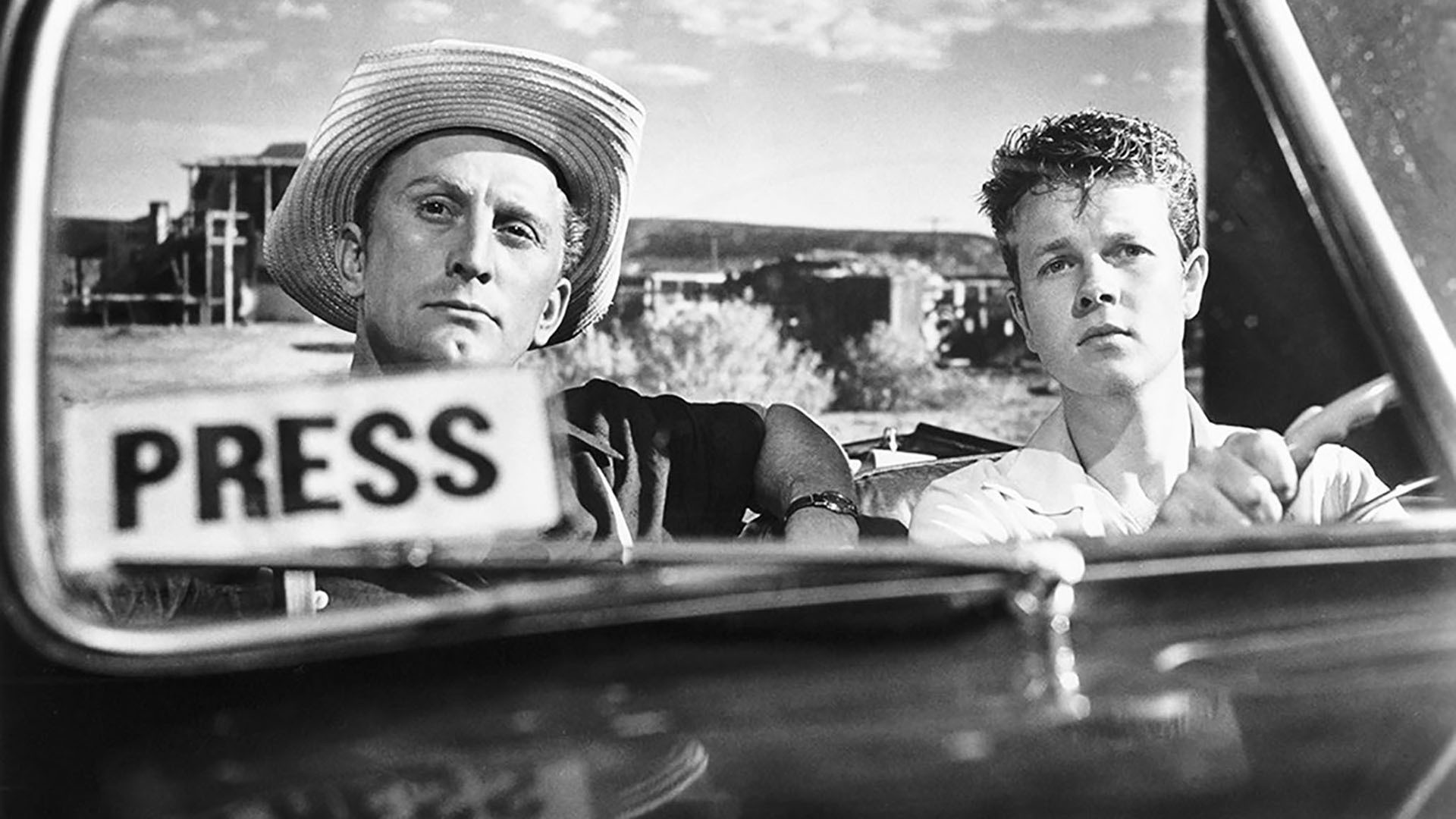
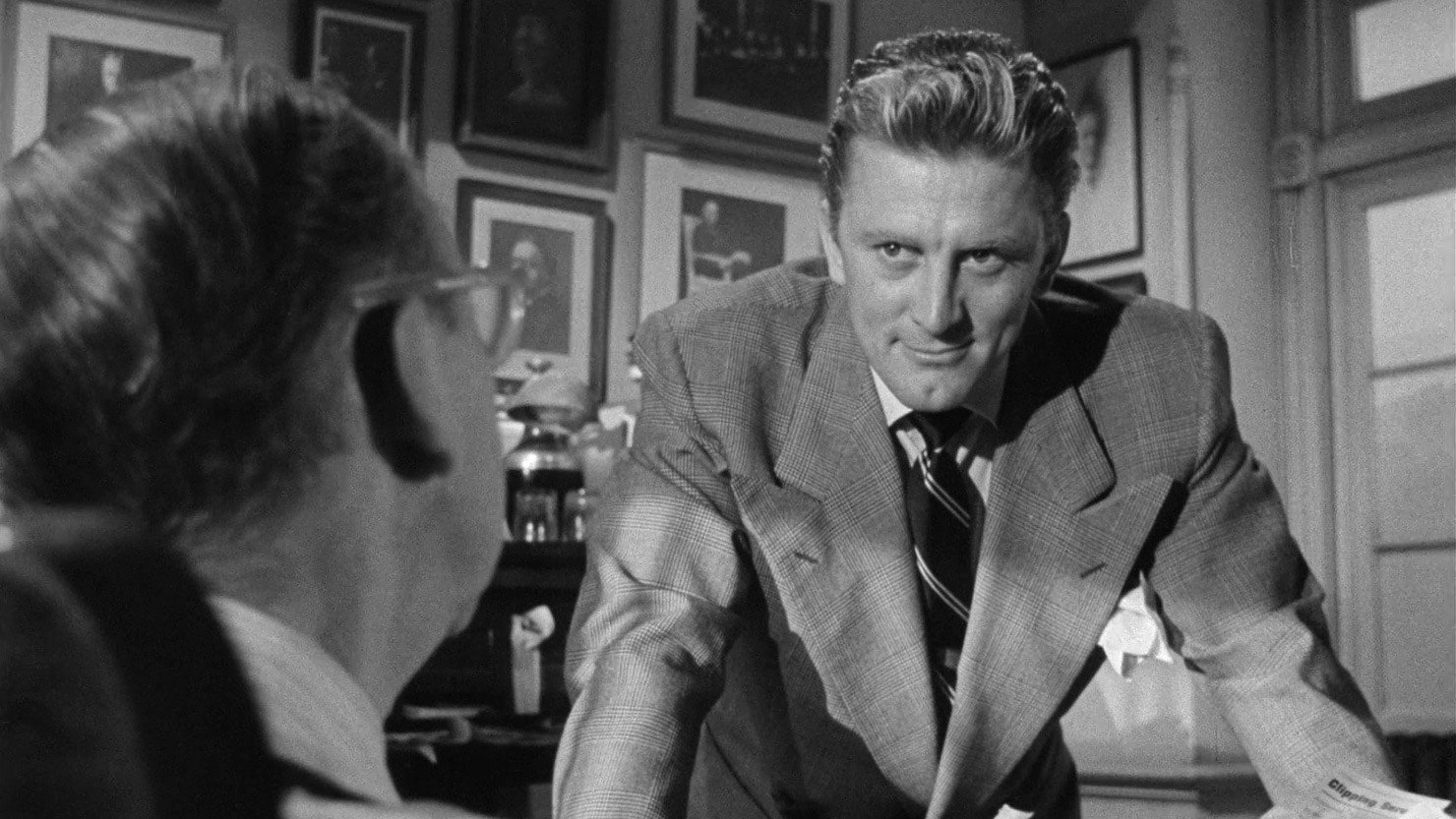
Ace in the Hole is a harsh, gripping newspaper drama, and we recommend it warmly, though Billy Wilder sometimes makes greed explain people too completely. Its reporter, Charles Tatum (Kirk Douglas), sees a trapped man as a chance to repair his own prospects. The film takes that ugly calculation seriously enough to let us understand its appeal. There is a good story here, and a capable journalist who knows how to sell it; the horror is how readily those professional virtues become excuses for what he does.
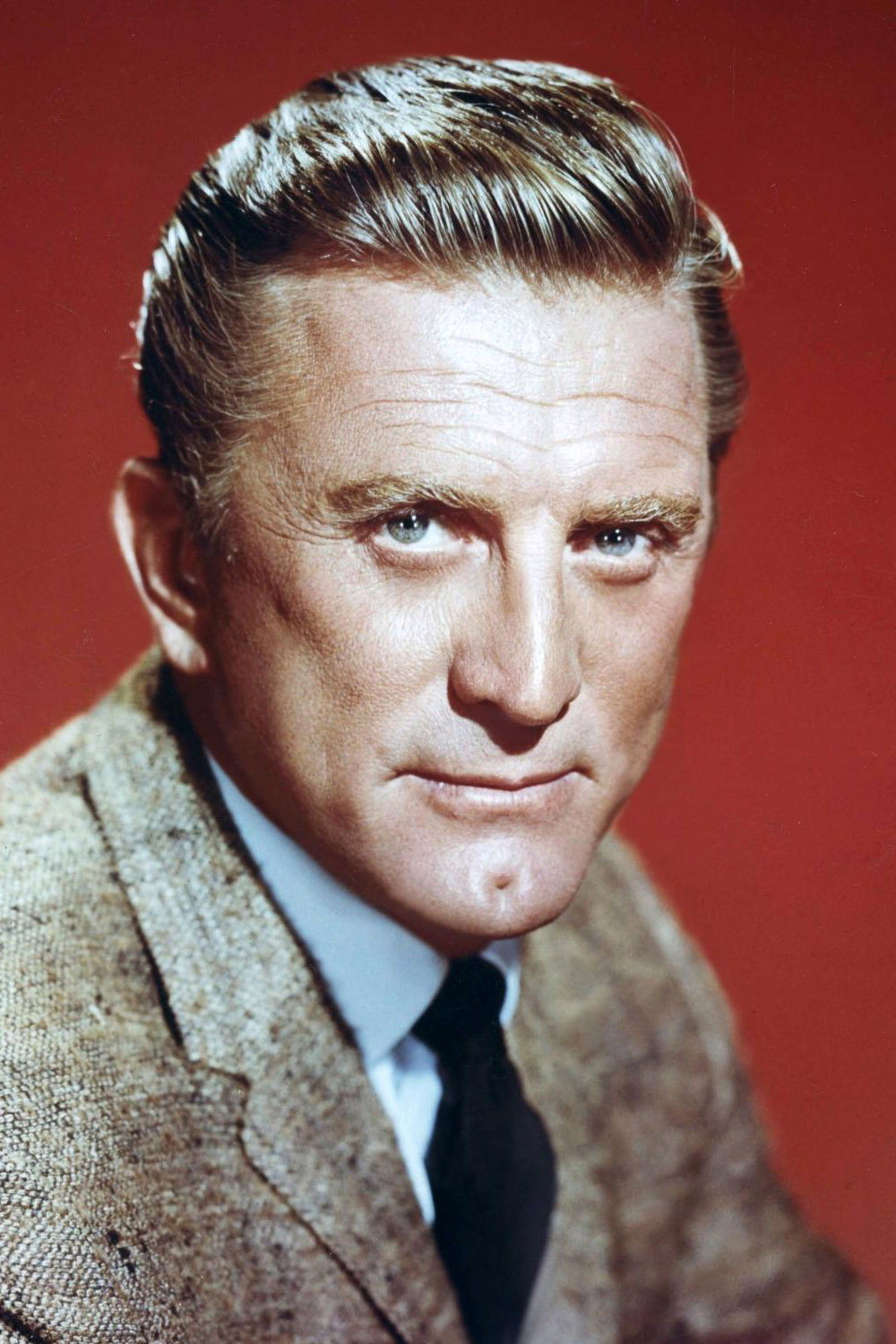
Kirk Douglas gives Charles Tatum a force that makes the film’s cynicism difficult to dismiss as mere scolding. We found him frightening because he treats another man’s helplessness as something he is entitled to use. The performance is aggressive, but not merely loud. Kirk Douglas makes his certainty sound enough like competence to explain why anyone would listen. Billy Wilder allows that energy to carry us along for longer than feels comfortable, even though the film gives us no reason to mistake the reporter’s purpose.
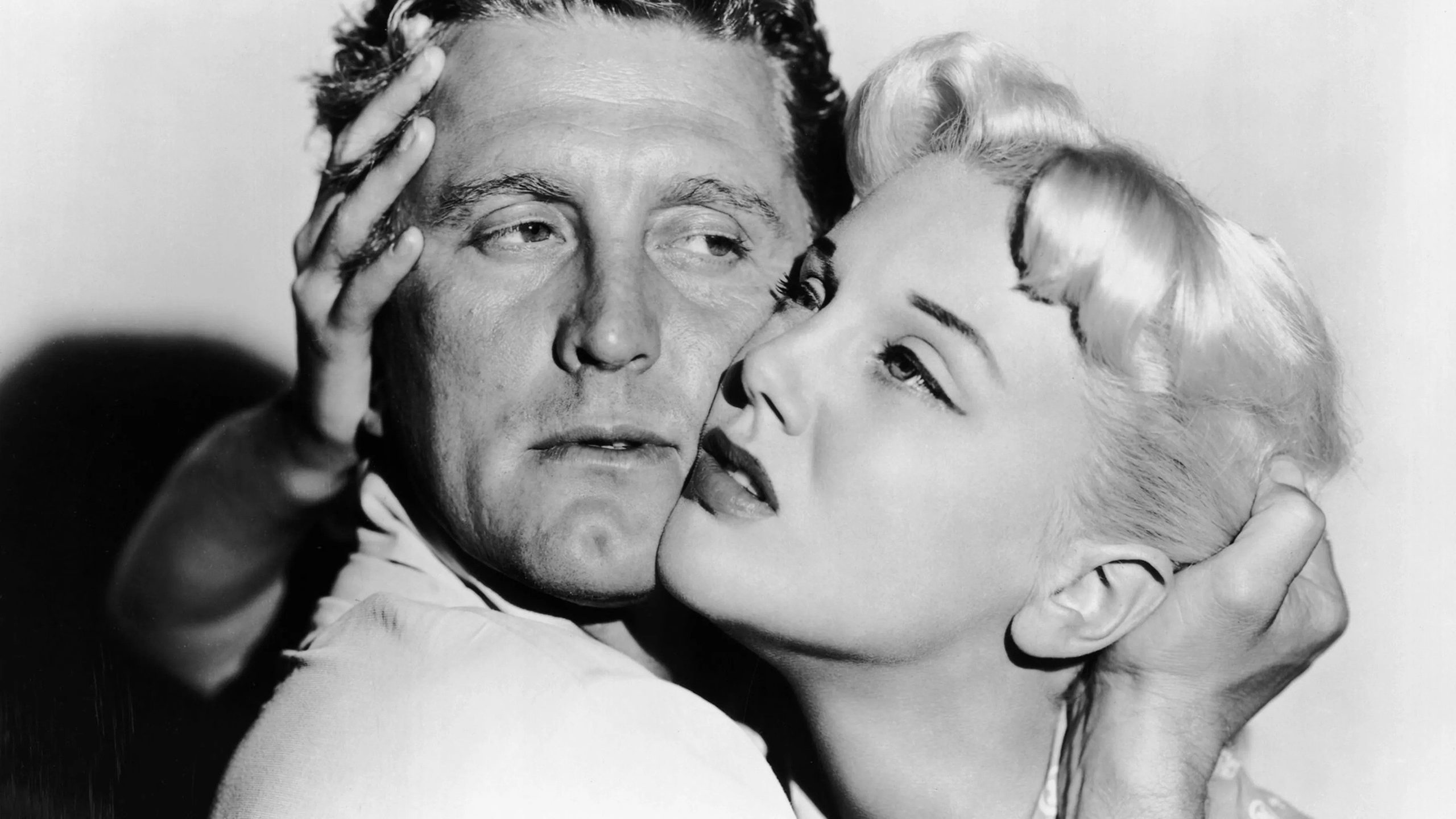
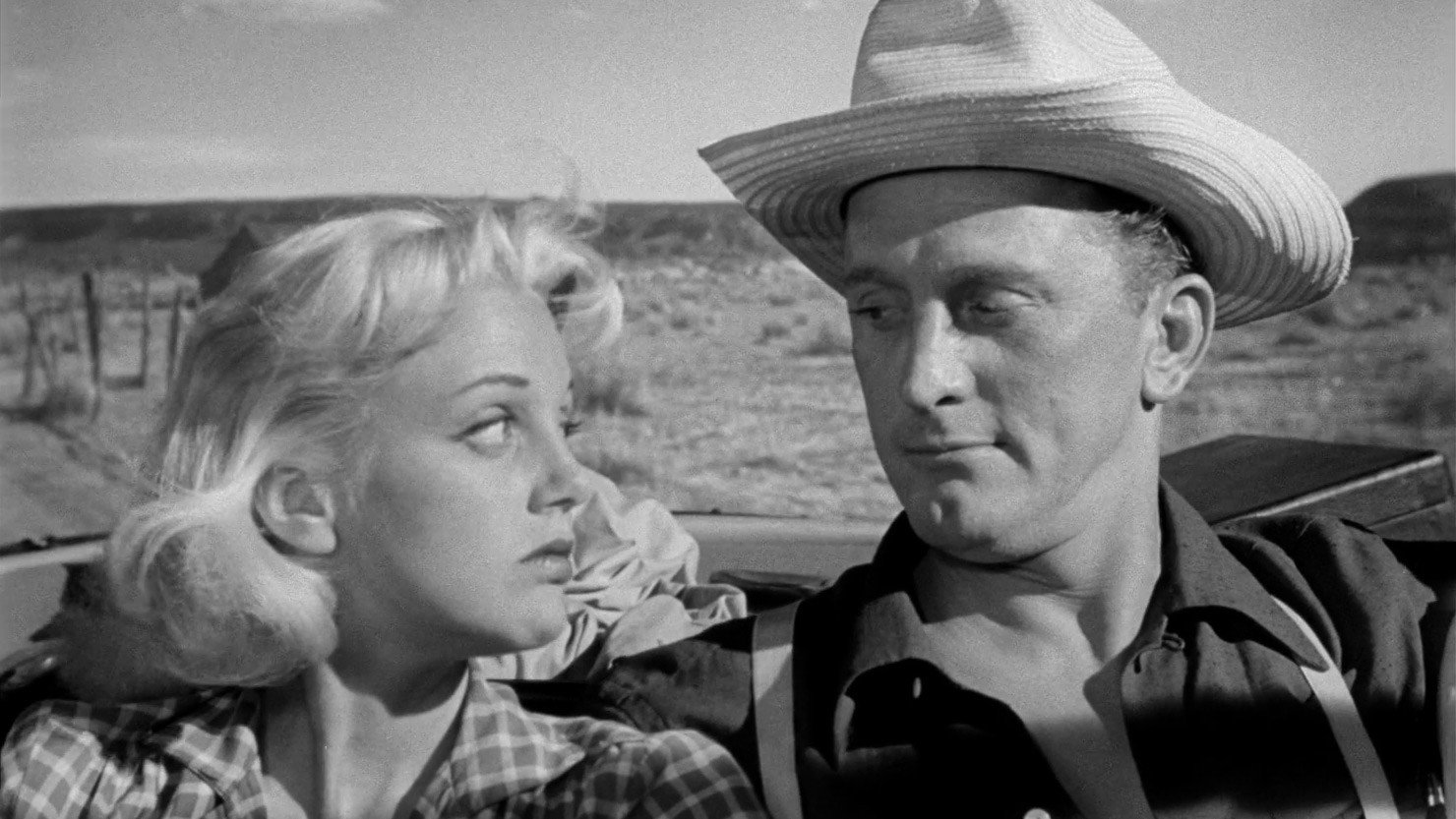
Jan Sterling’s Lorraine is essential to keeping this from becoming a display by its leading man. Her bitterness has an impatience that resists the sentimental treatment a wife in such a story might receive. We are not asked to pretend that suffering automatically improves a marriage, or makes the people near it generous. There is pleasure in the dryness of her delivery, and she gives Lorraine enough force to hold our attention even when the reporter is trying to commandeer it.
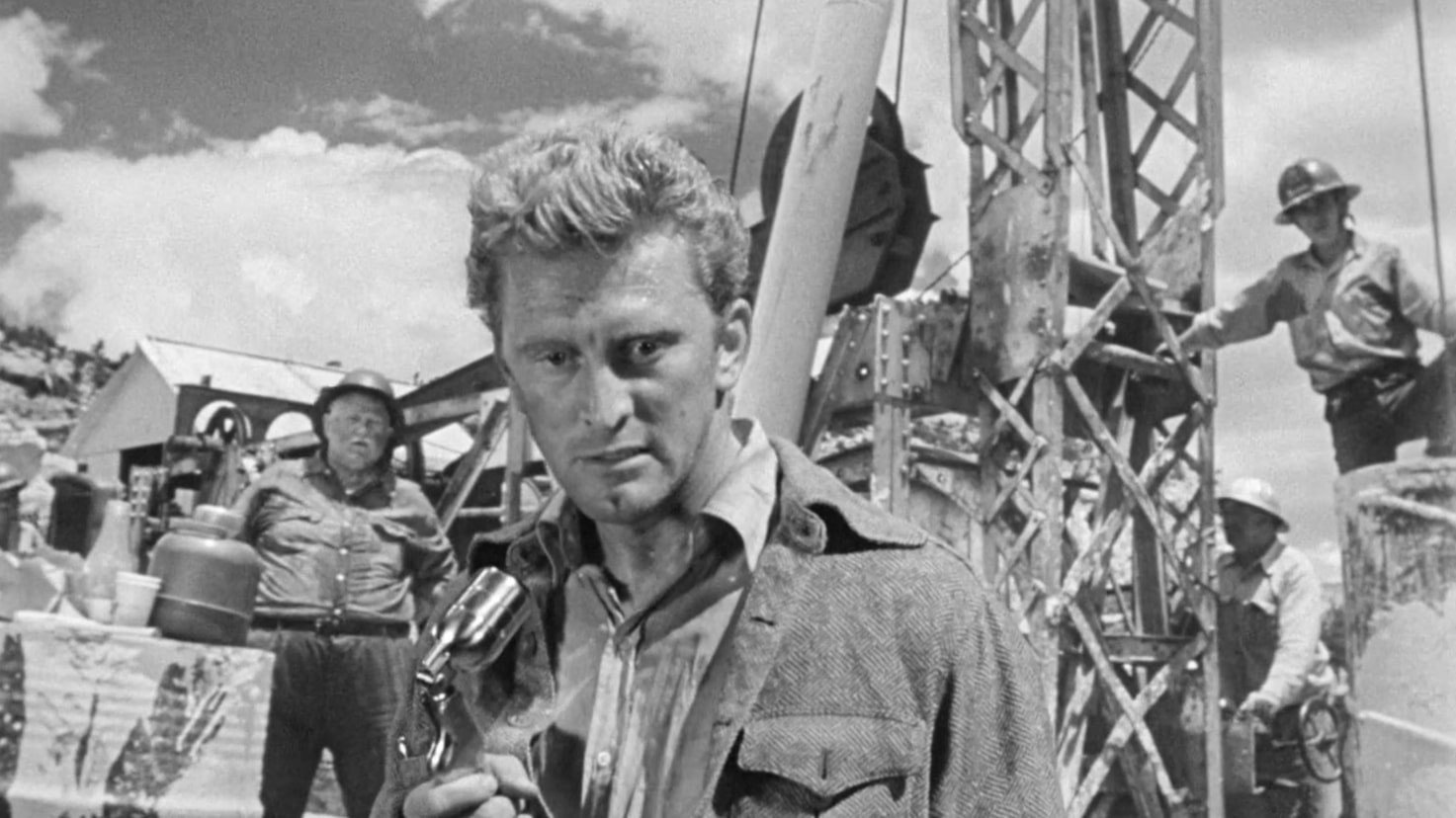
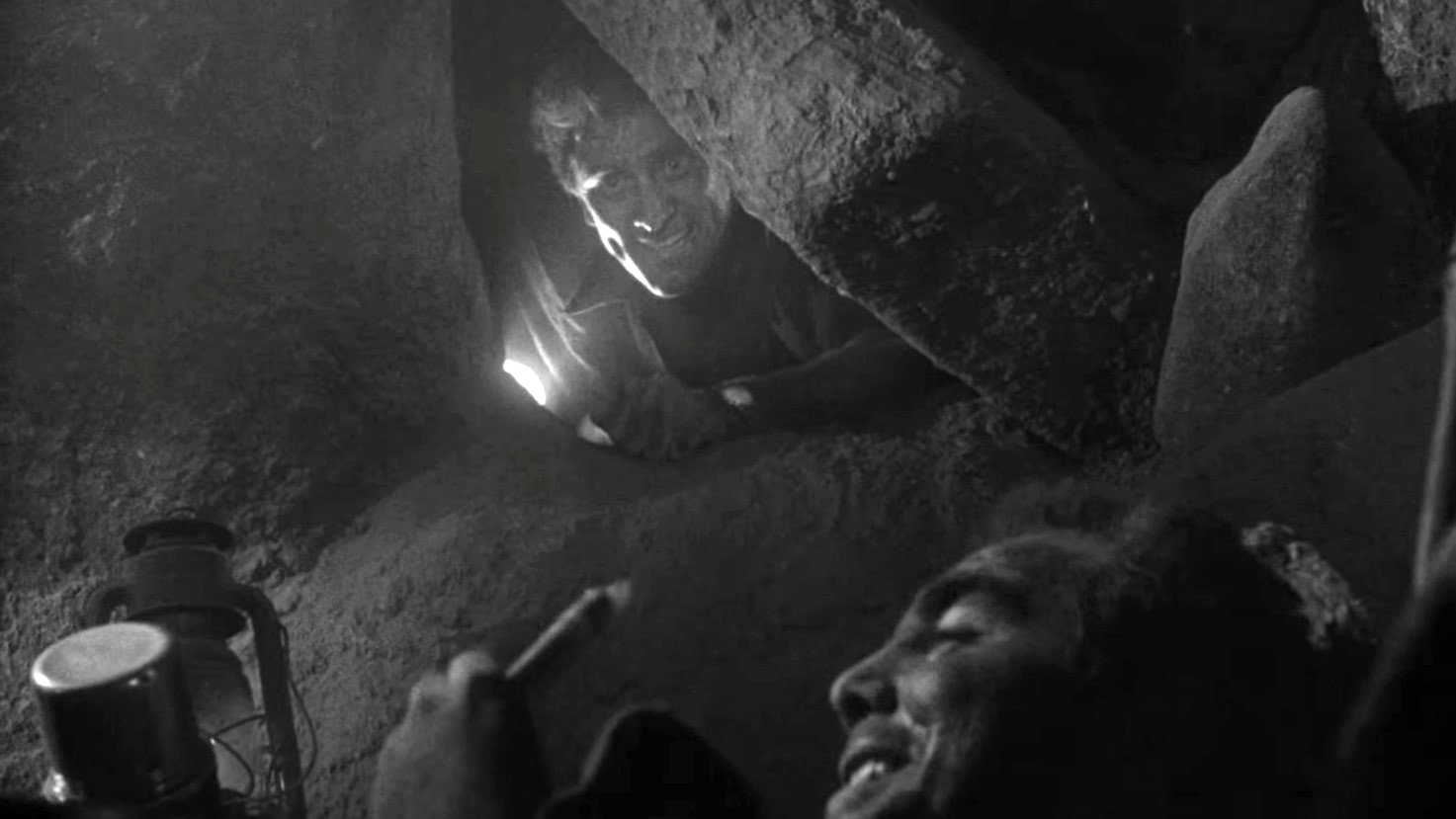
Charles Lang’s cinematography gives the cave a physical unpleasantness that the reporter’s excitement cannot make us forget. Leo Minosa (Richard Benedict) is trapped there, and the confinement keeps the story’s human cost plain. That matters in a film with so much relish for verbal cruelty: the place itself resists the pleasure of a well-turned insult. Arthur P. Schmidt’s editing keeps the exchanges brisk without making the suffering seem incidental, and the film remains engrossing across its 112 minutes.
The script by Billy Wilder, Walter Newman and Lesser Samuels is strongest when Charles Tatum can make a selfish demand sound like ordinary business. He does not need to announce that he is wicked; his determination to get a story makes familiar professional language sound ugly. The humour grows out of people trying to get something from each other, and the dialogue makes those exchanges entertaining without disguising their cruelty. Hugo Friedhofer’s score is suitably stern, although we would sometimes prefer less insistence when the dialogue has already made the point clear.
The weakness is the ease with which the wider world confirms the reporter’s view of it. Billy Wilder’s attack on the public appetite for other people’s trouble is convincing, but some characters seem to have been recruited simply to prove him right. Their greed can become predictable before we have learnt much else about them. Jan Sterling does much to complicate that pattern, though the writing sometimes limits how far she can get.
Watch it with someone who enjoys a newspaper drama for the pleasure of seeing a professional at work. Kirk Douglas supplies that pleasure in abundance, which is precisely why the film is so uncomfortable. Allow time afterwards for an argument about how much of the blame belongs to the people buying the story.