Film review

Man Bites Dog

1992 · Directed by Rémy Belvaux, André Bonzel, Benoît Poelvoorde · 1h 36m · MPA NC-17

In a sentenceThe killer is good company, which turns out to be a poor basis for an evening

ComedyCrime

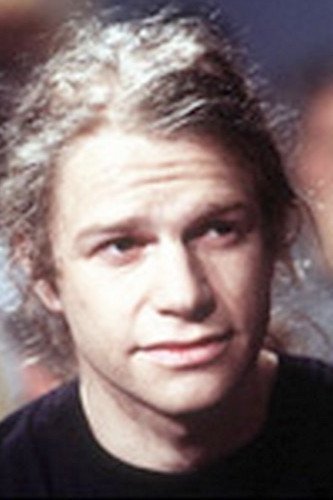
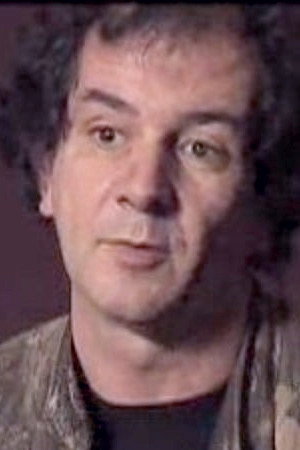
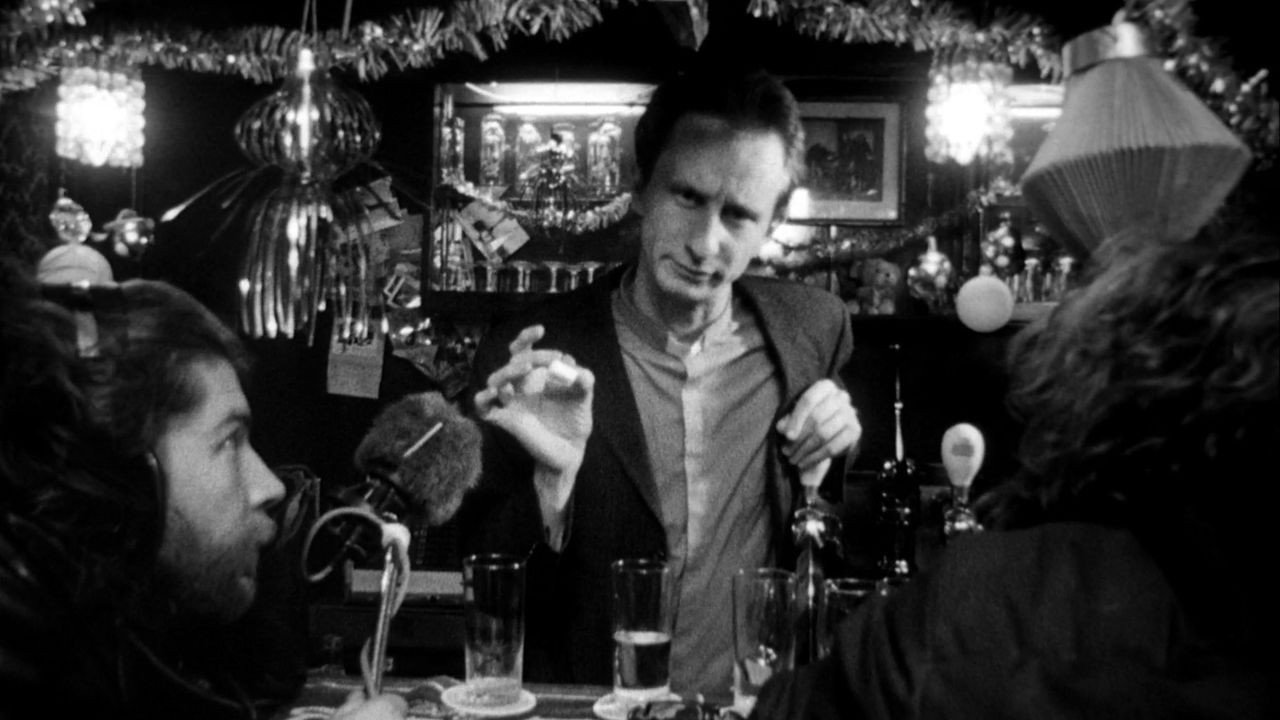
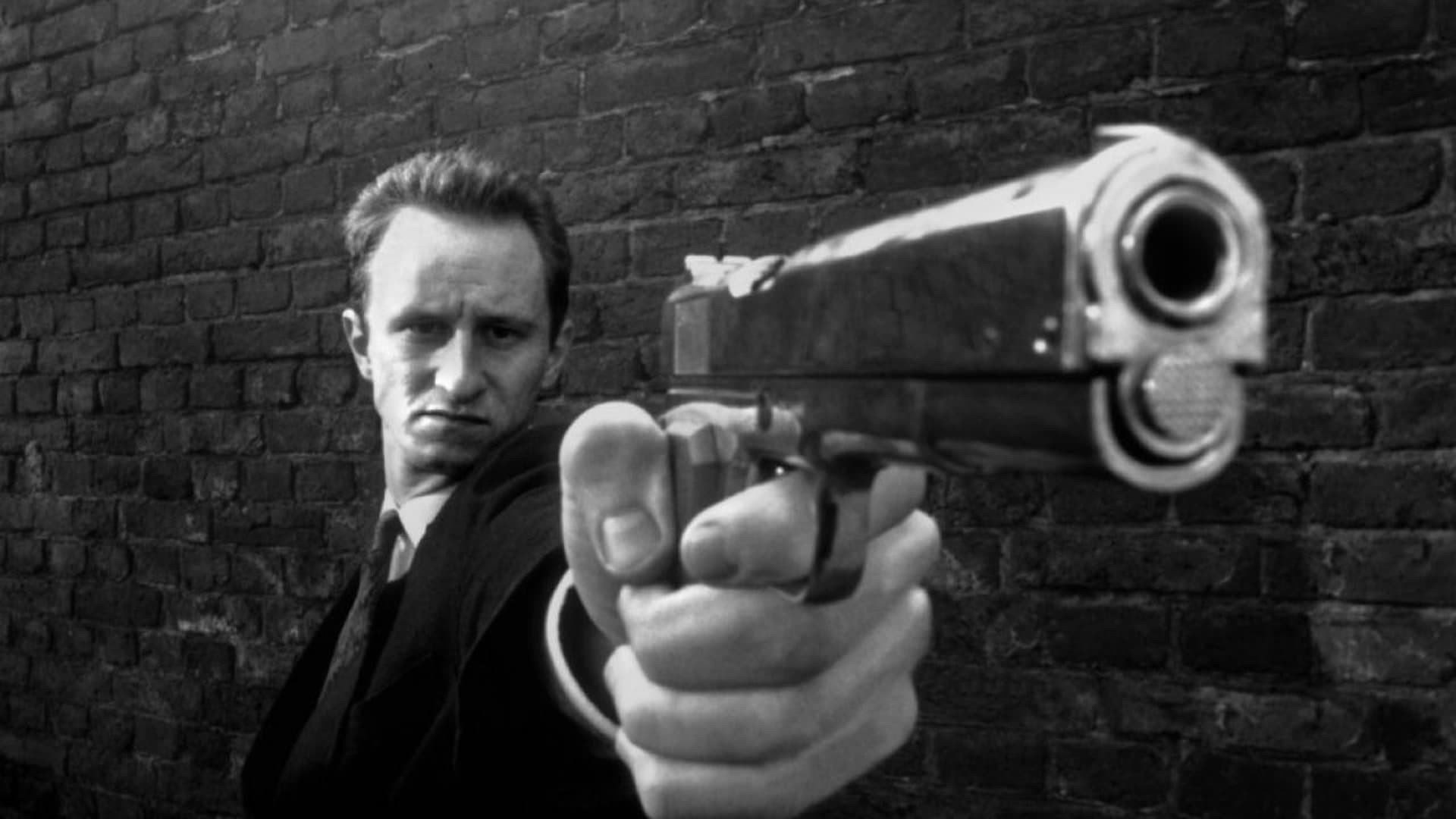
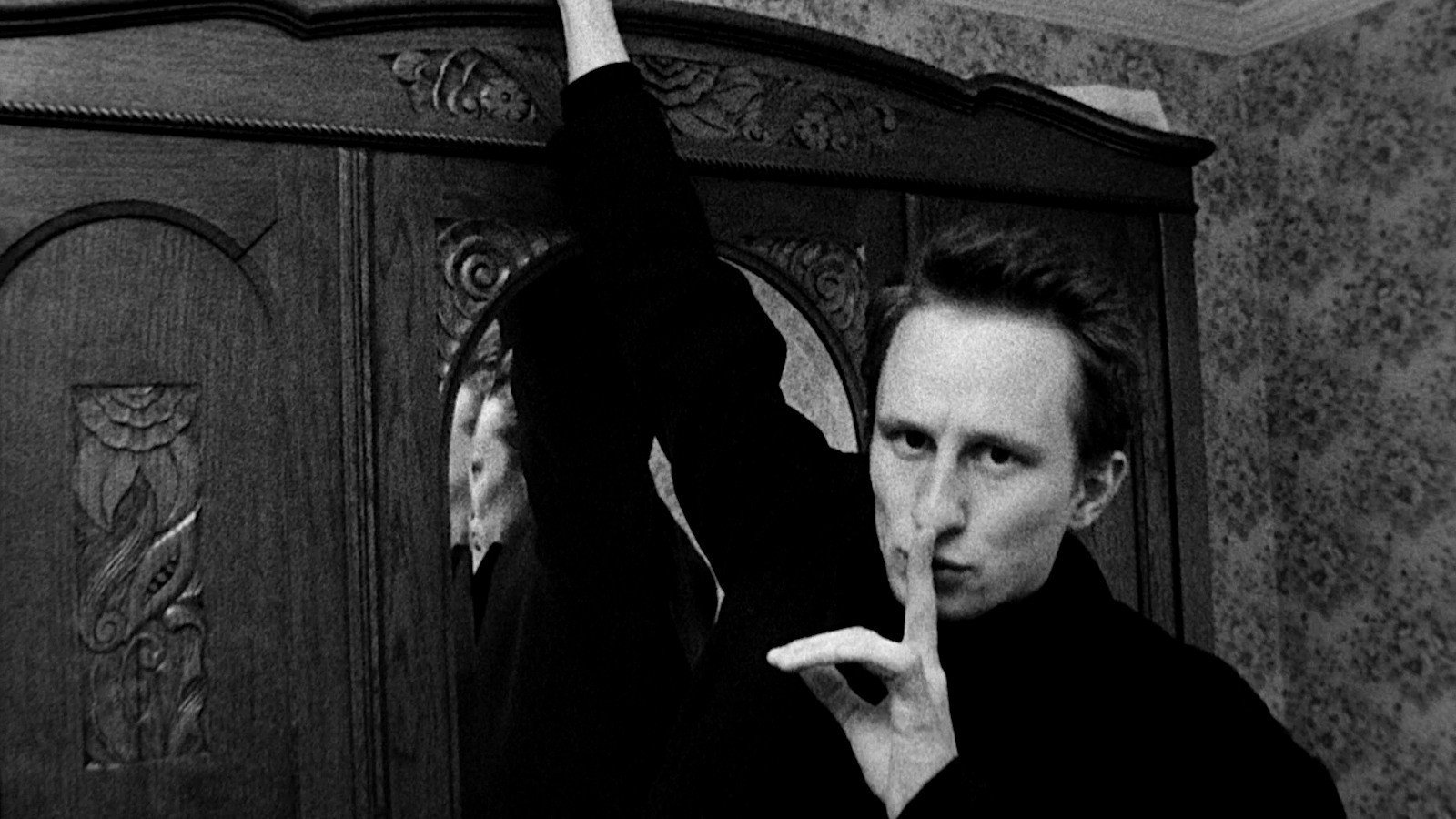
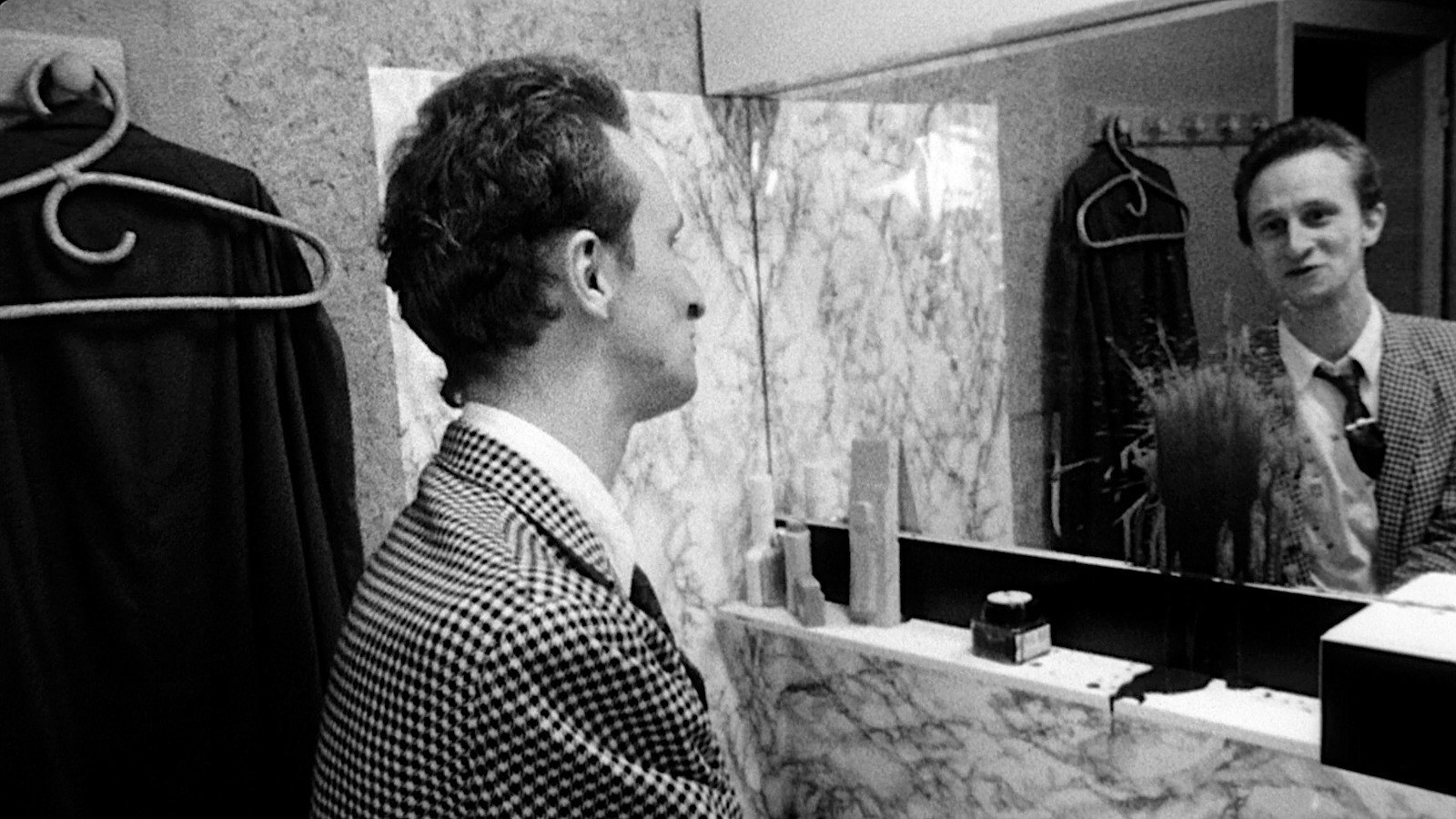
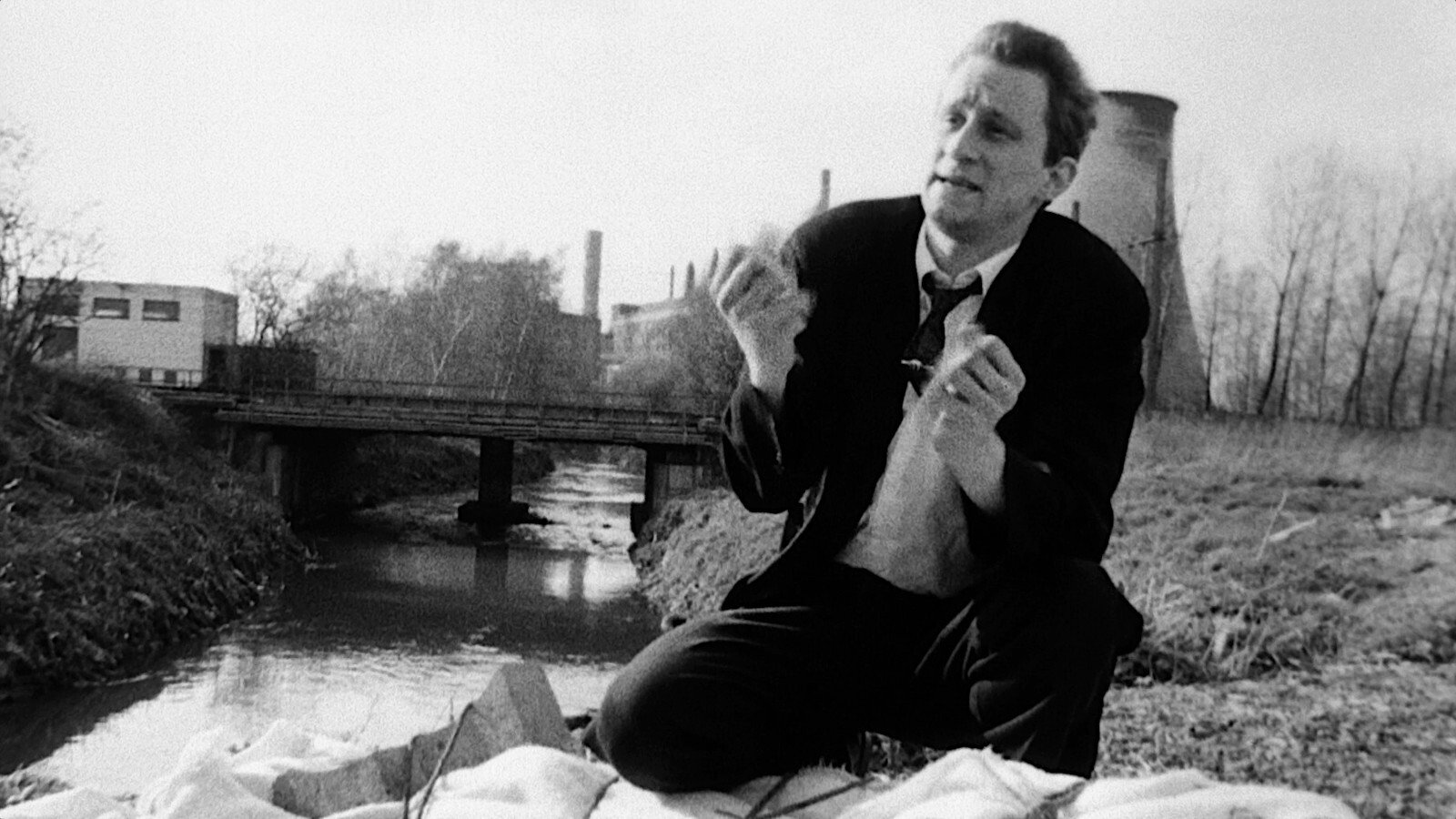
Ben (Benoît Poelvoorde) kills people, and a documentary crew follows him as he goes about it. Rémy Belvaux and André Bonzel play Rémy and André, members of the team recording his activities. Ben’s charm makes him an accommodating subject for a film, even when the subject is murder. As the camera stays close, the business of recording violence raises questions about the people behind it. Presented as a documentary, Man Bites Dog puts a killer and the people filming him at the centre of a crime comedy about the appetite for images of violence.

Plays from YouTube when you press play; nothing loads from them until then.

Fi1m review

Benoît Poelvoorde makes the killer disturbingly good company in this mock documentary. It is a sharp, uncomfortable provocation, though some of the later shocks repeat a point the comedy has already made.

Man Bites Dog is a nasty, intermittently funny crime comedy that runs short of fresh ideas before it runs out of violence. Directors Rémy Belvaux, André Bonzel and Benoît Poelvoorde build it around a documentary crew following a killer, Ben, played by Poelvoorde. The question is how readily people will accept cruelty if the person committing it makes an agreeable companion. That is worth asking, and the film gets considerable mileage from allowing its murderer to be sociable.

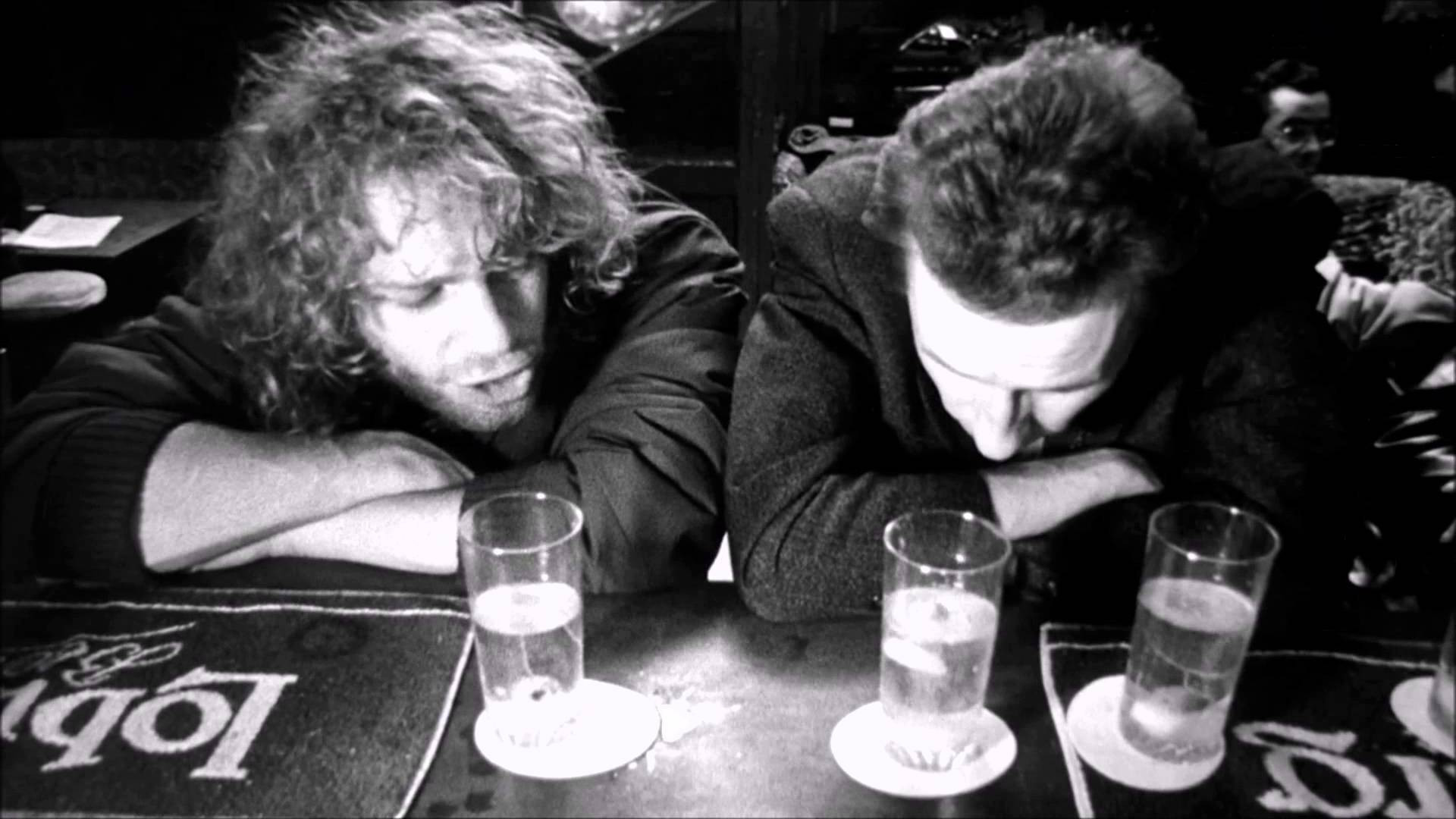
Poelvoorde does most of the persuading. He gives Ben enough ease to make watching him pleasurable without suggesting that we ought to mistake him for a decent man. We laughed at his genial manner with the crew, then felt ashamed of how quickly it had won us over. The killings make the cause of that shame plain. For a while, the comedy works without anybody having to explain what is wrong with our laughter.

Bonzel’s cinematography uses the mock-documentary form to make the camera’s continued presence troubling. Once a crew has decided that murder is suitable material, every further moment of filming becomes a choice we can question. Belvaux and Bonzel also appear as Rémy and André, which keeps the people making the record within the film rather than allowing them the comfort of invisibility. It is an effective way of making the familiar excuse of merely observing sound inadequate.

Editors Eric Dardill and Belvaux manage the shift from black comedy towards increasingly punishing violence, and the loss of comic ease is deliberate. By then, Ben has become watchable. Taking an interest in him begins to feel grubby. Yet the cutting cannot solve the larger problem of repetition, as further brutality keeps demonstrating something the film has already established. Across 96 minutes, there is too much insistence on how appalling the material is and too little development of why these people want to film it.

The music credited to Jean-Marc Chenut, Philippe Malempré and Laurence Dufrene leaves less of an impression than Ben’s manner in front of the lens. The discomfort comes chiefly from seeing a personable man treated as a suitable subject while he kills people. That gives the film a firm basis for its comedy, but the filmmakers increasingly seem to treat our disgust as proof that the satire is working. We need more than another demonstration that the camera will keep running.

As a spoof of fly-on-the-wall reporting, it is shrewd about the attraction of access to somebody appalling. It asks us to consider what a crew might accept to keep a compelling subject on camera, a question that gives the mock-documentary format some purpose beyond imitation. Yet as a crime comedy, it gradually narrows its options until the next outrage seems the only available development. The directors have made their point clearly enough for the later insistence to feel unnecessary.

That makes this a qualified recommendation for viewers who like their crime comedy cruel and are prepared for graphic violence. The 18 certificate deserves attention, especially if the mock-documentary premise sounds like a promise of harmless absurdity. Poelvoorde is reason enough for the interested to try it, but the film’s determination to punish amusement becomes wearing. Do not choose it on the assumption that everyone sharing the sofa will find the same things funny.

Critical consensus AI synthesised

2 of 6
Positive
1
Mixed
0
Negative
1
Empire
1 January 2000 · Mark Salisbury
70*

The film is described as one of the most ferociously disturbing ever made, a bleak and depraved debut that questions media complicity in violence. Its initial black comedy gives way to increasingly shocking set pieces that make for uncomfortable viewing.

Read the full review →
The Independent
17 January 1993
30*

The critic finds the film's black comedy unsuccessful and its violence repellent rather than amusing. The mockumentary conceit draws viewers into complicity with the killer but ultimately fails to land its satirical points effectively.

Read the full review →
Los Angeles Times
2 April 1993 · Kenneth Turan

The ragtag production seduces viewers into cozying up to its charming killer before abruptly revealing his heinousness and gagging on the black laughter. It is an audacious, intentionally disturbing statement on the nature of violence in film and how movies numb us to it.

Read the full review →
The New Yorker
17 May 1993 · Anthony Lane

The film is a labor of love that takes the form of a mock documentary following a hit man and his crew through numerous murders. It succeeds as a big joke that implicates cinema itself in creating alluring violence, though it risks getting caught in its own satirical trap.

Read the full review →
The New York Times
9 October 1992 · festival review · Stephen Holden

The critic describes the pseudo-documentary as a grisly sick joke packed with graphic violence that some will find funny and others appalling. It satirizes sensationalist TV journalism while questioning the camera's role in inciting and documenting brutality.

Read the full review →
Time Out
15 April 2015 · GA

The film is a spoof fly-on-the-wall documentary about a charming serial killer and the film crew who document and eventually join his crimes. It is praised as a witty, provocative and disturbing exploration of voyeurism and audiences' fascination with violence.

Read the full review →

Cast

Stills

Awards

European Film Award for Best Achievement, 1993

Nominated
European Film Award for Best Achievement

Young European Film of the Year, 1993

Nominated
Young European Film of the Year

Sitges Film Festival Best Feature-Length Film award, 1992

Won
Sitges Film Festival Best Feature-Length Film award

If you liked this, try…

Peeping Tom poster

Peeping Tom

1960 · Another camera makes watching uncomfortable, with more sympathy for the damaged man holding it.

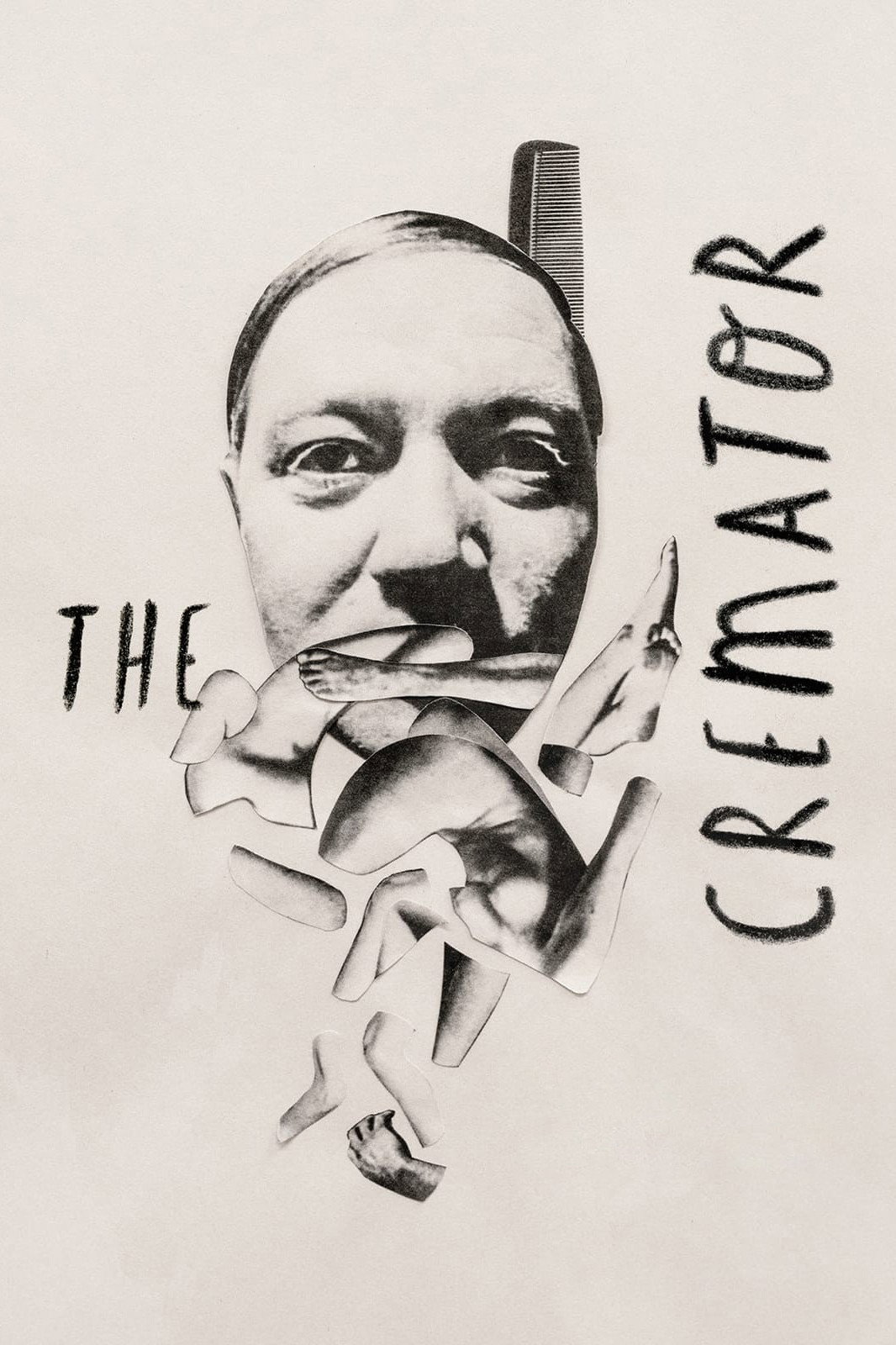
The Cremator poster

The Cremator

1969 · A talkative monster whose reassuring manners make the black comedy harder to bear.

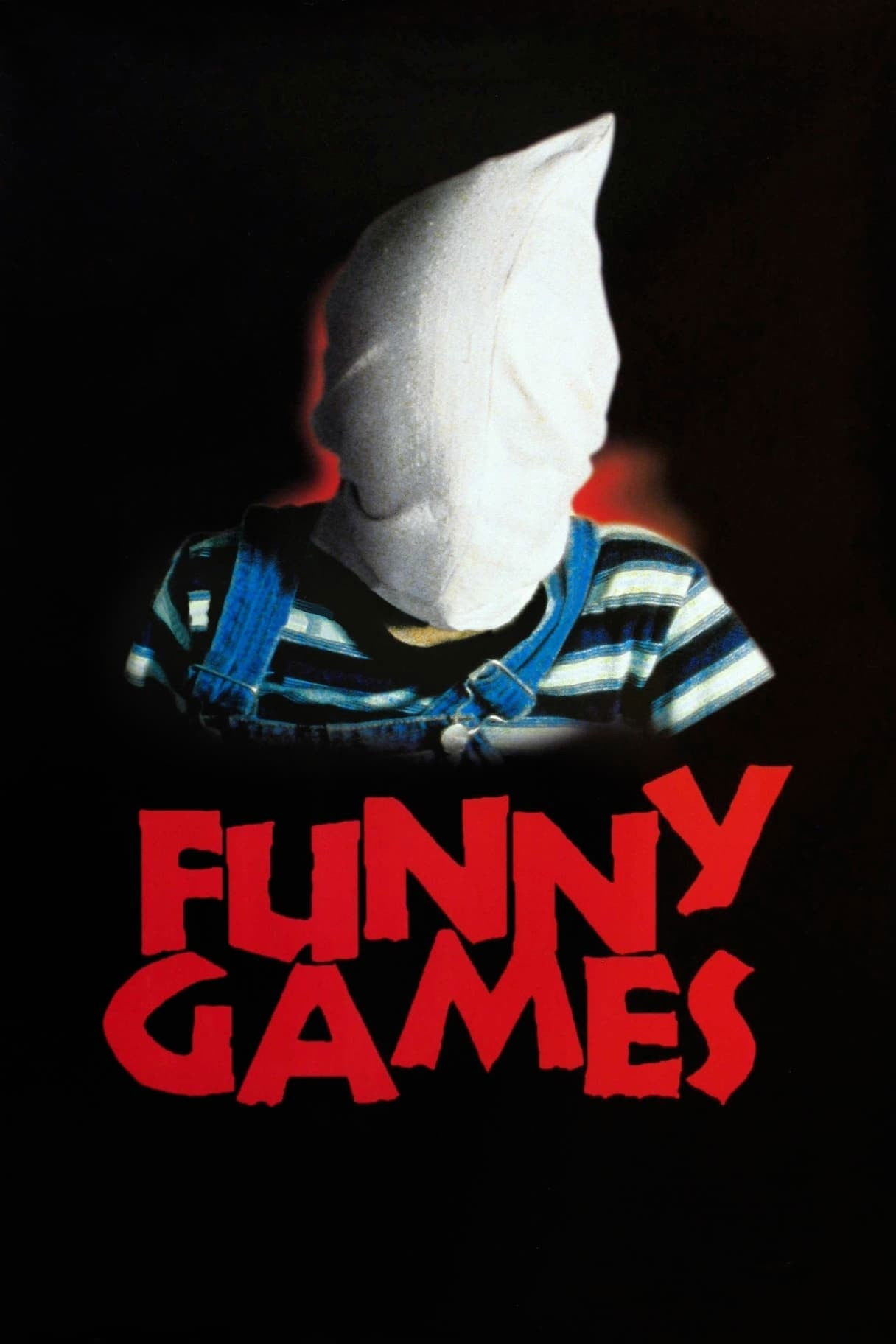
Funny Games poster74

Funny Games

1997 · A harsher confrontation with screen violence, equally determined to make spectators squirm.

Series 7: The Contenders poster

Series 7: The Contenders

2001 · Reality television supplies the rules for another satire about killing for an audience.

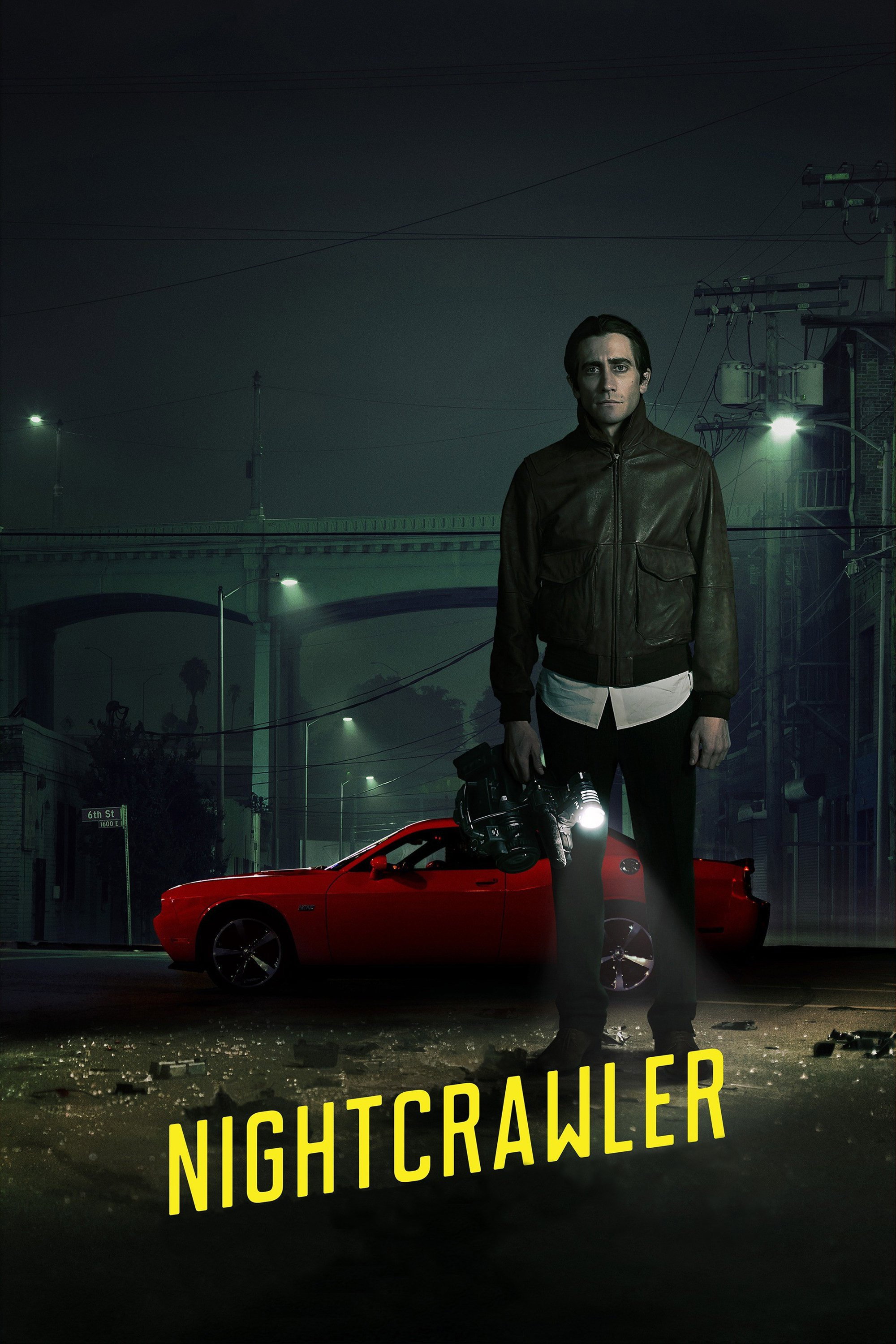
Nightcrawler poster

Nightcrawler

2014 · A camera operator treats human suffering as useful material for professional advancement.