Rob Reiner’s heavy metal mock documentary is a comedy we would recommend to almost anyone. The story is slight, but the actors’ patient seriousness and the care taken over the songs make its foolish musicians worth our time.
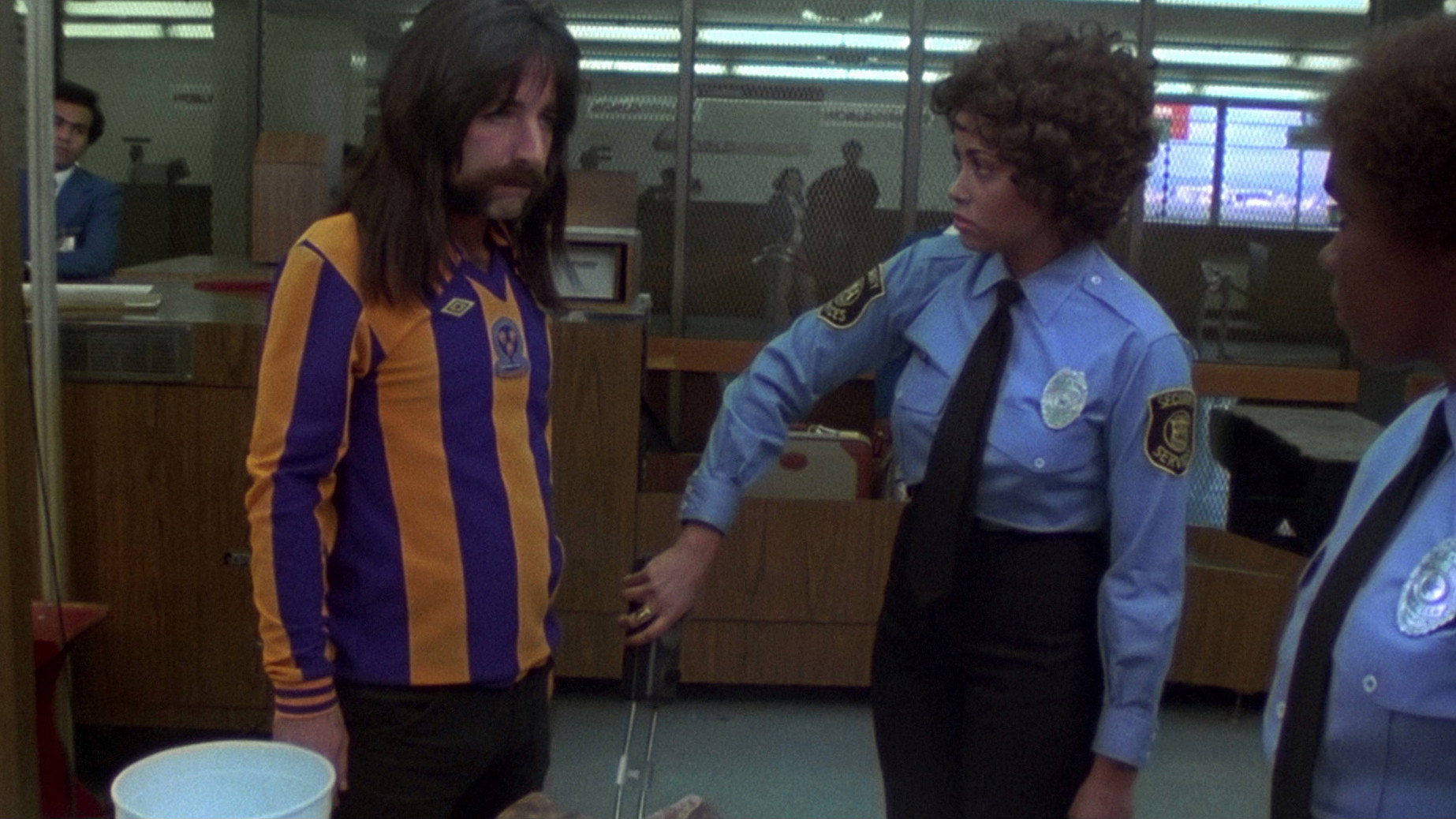
Rob Reiner’s This Is Spinal Tap is a comedy we would recommend even to people who have no use for heavy metal. It takes the musicians’ ambitions seriously enough for their mistakes to matter, and gives them songs worth playing. The mock documentary allows them to explain their work without constantly interrupting to tell us how foolish they sound. Reiner trusts that their pride, their arguments and their attempts to be reasonable will be funny enough.
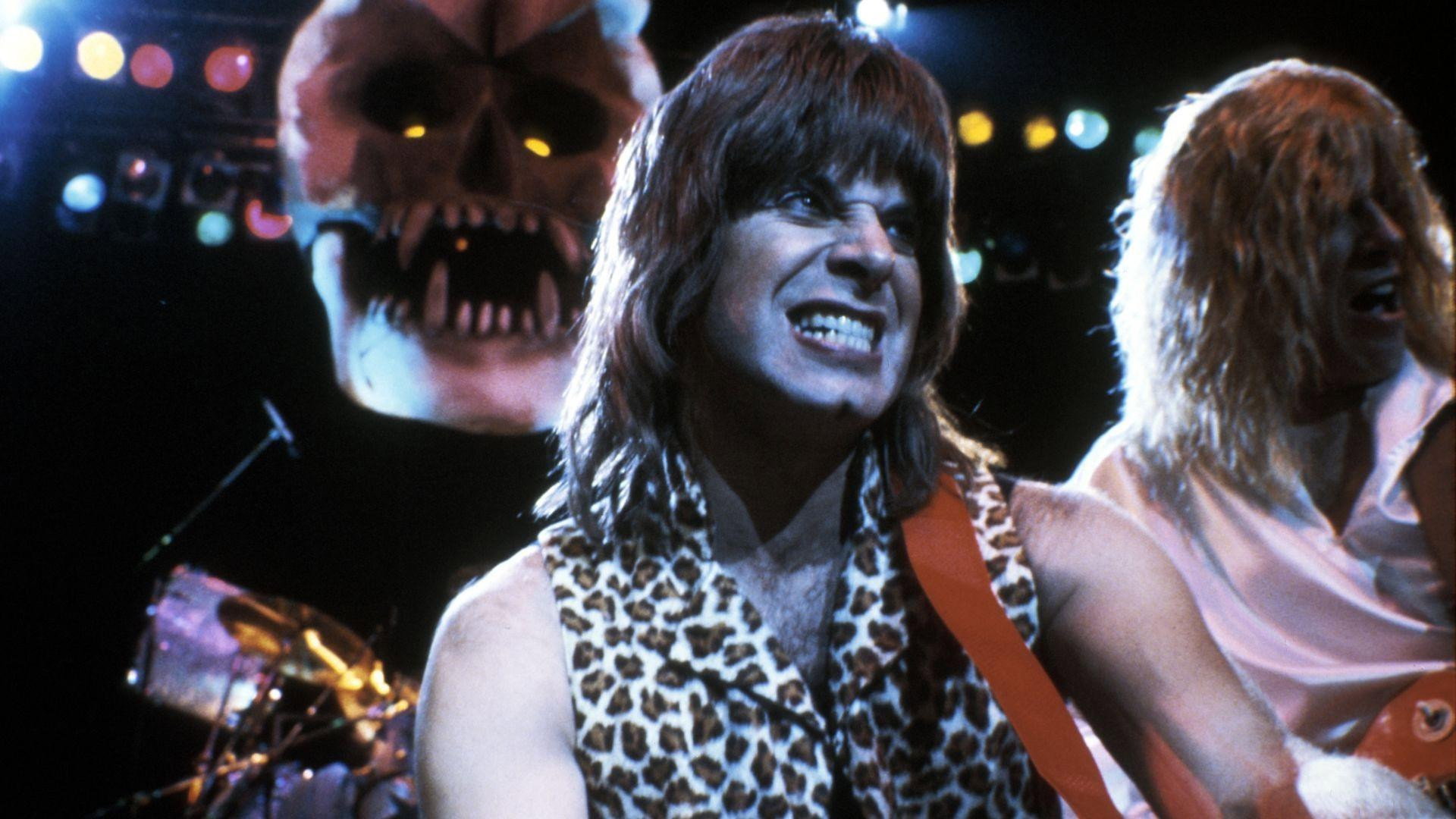
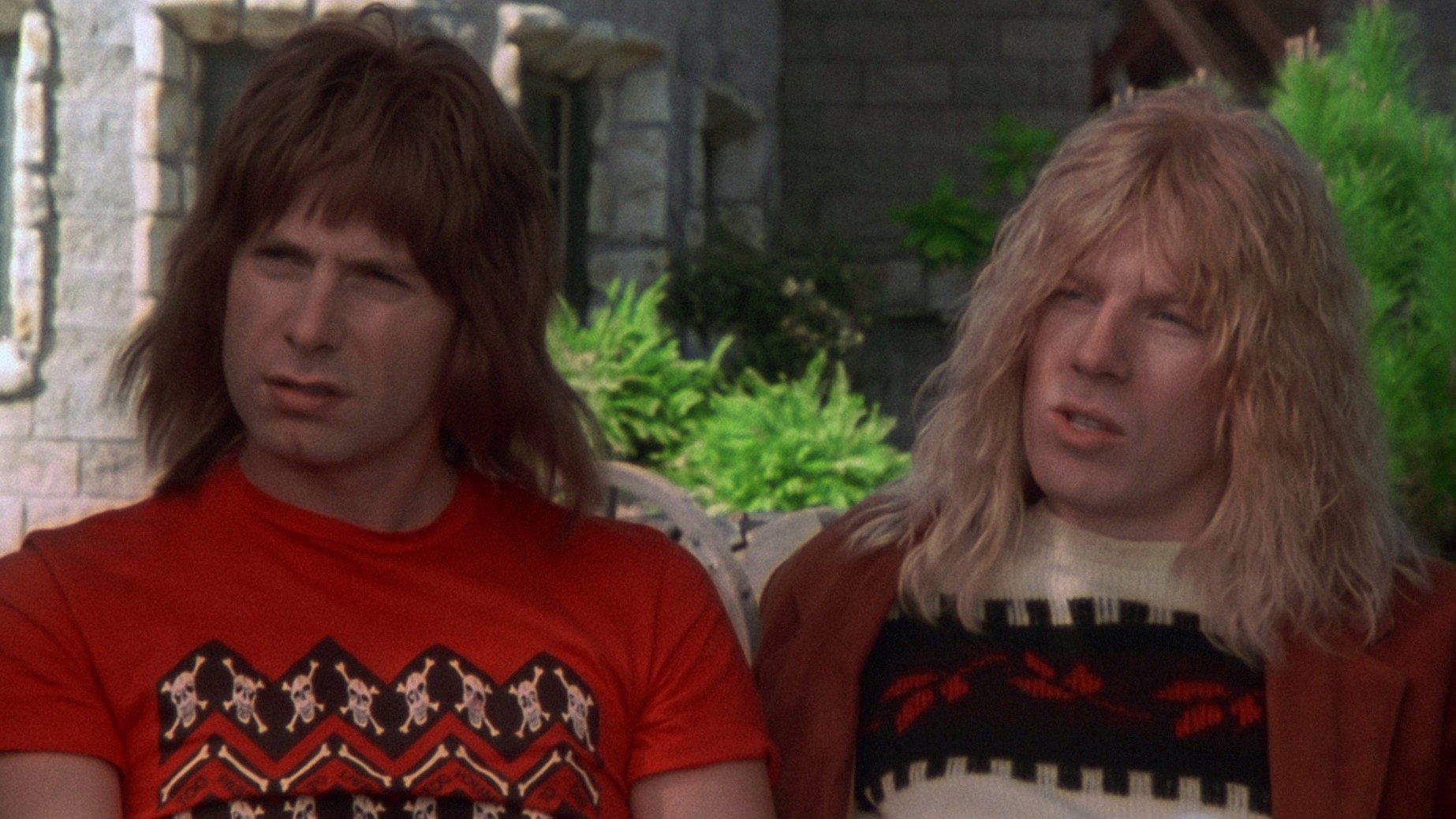
Christopher Guest’s Nigel Tufnel is especially funny because Guest leaves no sign that he recognises a joke. We laughed at the amplifiers that go up to eleven because the extra number is explained with such patience. Michael McKean’s David St. Hubbins has a more practised air of reasonableness, though that is rarely much help. Harry Shearer’s Derek Smalls appears content to let the others talk, and his listening is often as funny as their speeches.
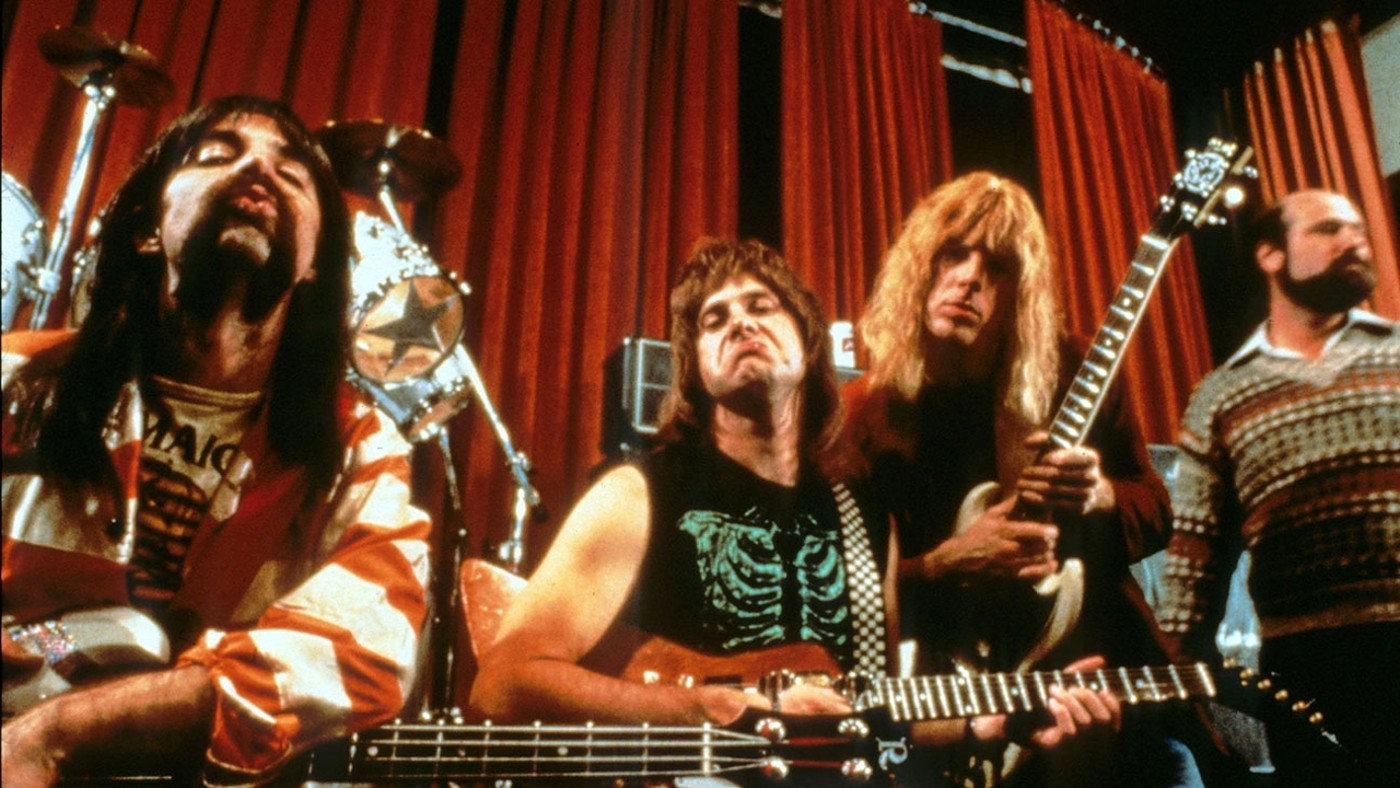
Guest, McKean, Shearer and Reiner share the writing credit, and the dialogue has the untidy rhythms of people who have known one another too long. They interrupt, repeat themselves and worry at points that cannot possibly bear the attention. The squabbles work because each man seems to have heard the others’ reasoning before and still hopes his own explanation will settle things. Reiner, appearing as Marty DiBergi, listens with an interest that encourages them to continue.
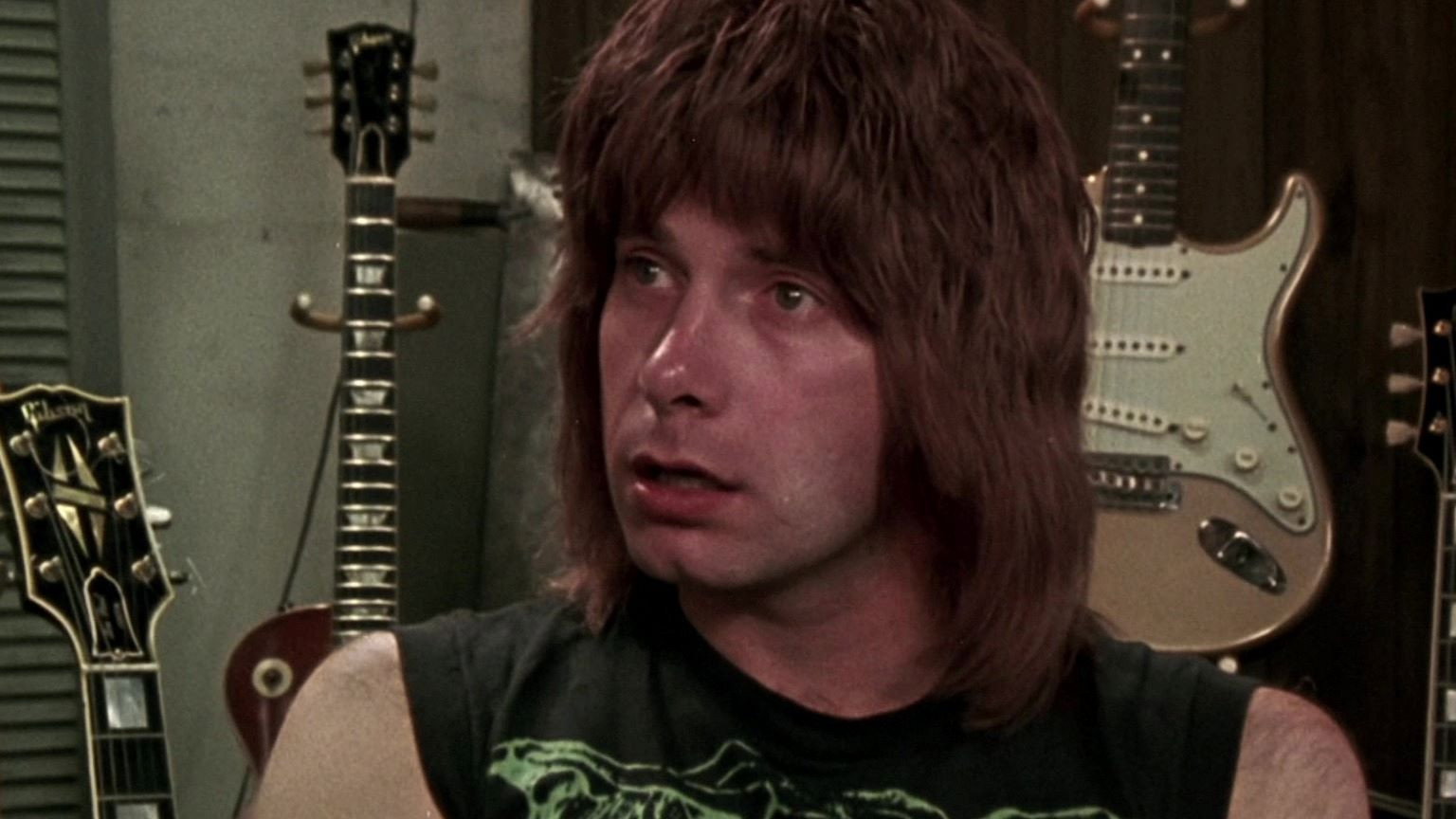
Peter Smokler’s photography keeps the documentary manner plain, particularly when the musicians are talking. We have time to study their faces without every foolish remark being announced by a conspicuous camera move. Editors Kim Secrist and Kent Beyda preserve the awkward pauses, letting a speaker finish and leaving us waiting for him to hear what he has said. Bryan Jones’s production design gives the bulky stage equipment a convincing, workaday solidity. It helps us believe that these people spend much of their lives with the things they are showing off.
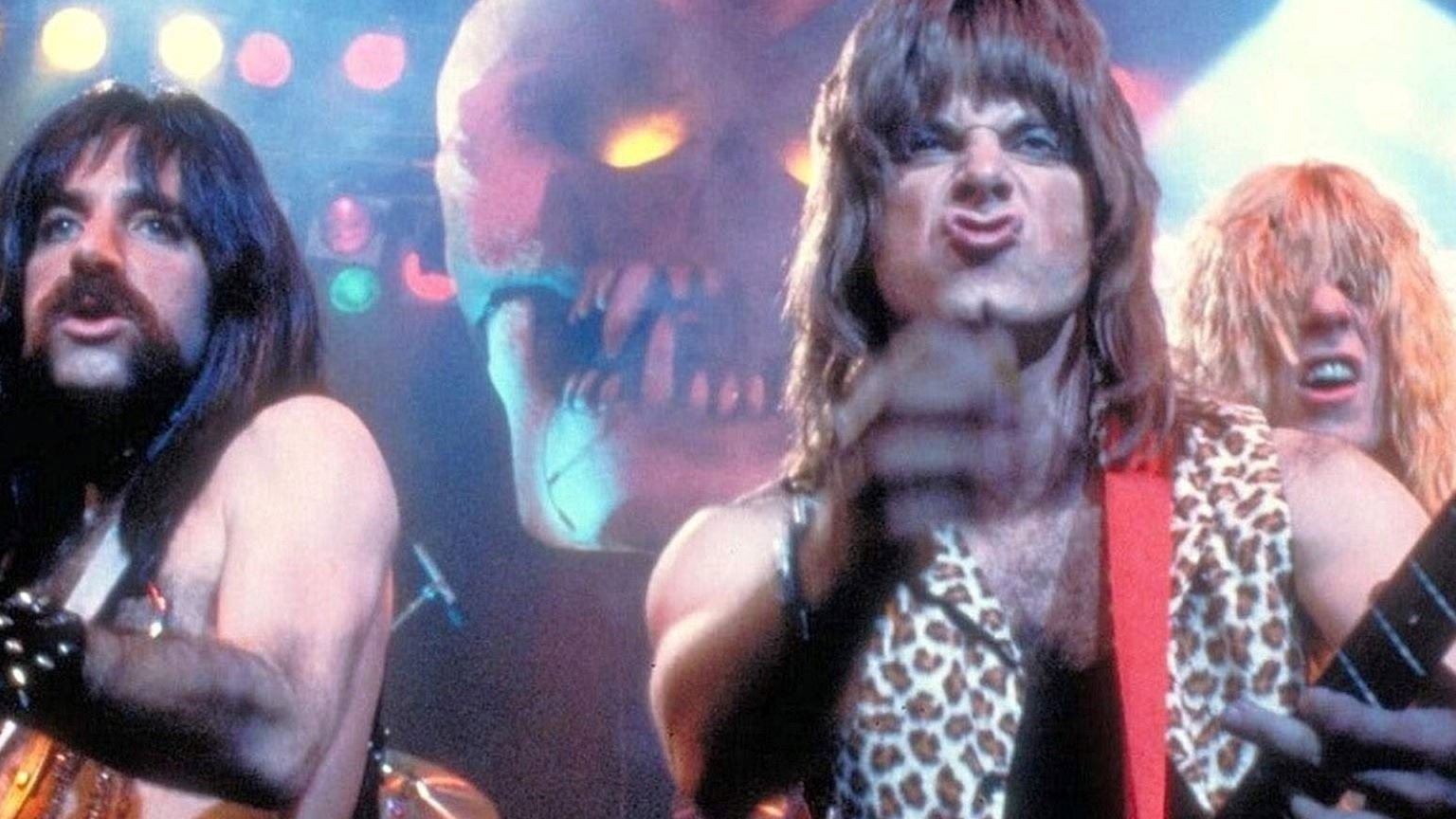
The music is credited to Guest, McKean, Shearer and Reiner, and it does more work than comic songs usually manage. The riffs have enough force to make the band’s pride understandable before the crass lyrics demand attention. We can hear the care that has gone into something so deliberately foolish, and that keeps the joke from turning into a complaint about other people’s taste. The performances also give the actors something to do together besides disagree, which makes them more convincing as a band.
The looseness does have a cost. Reiner sometimes seems content to put another amusing encounter beside the last, and the story offers little urgency between them. June Chadwick’s Jeanine Pettibone gets little of the affectionate attention lavished on the central trio, leaving Chadwick with a thinner character to play. At 82 minutes these remain small irritations, though the film is more uneven than its most quotable exchanges might suggest.
A rock parody can usually count on getting a laugh from the hair and the volume. Reiner’s interest in the arguments gives this one a wider appeal: almost anyone who has endured a workplace dispute will recognise the struggle to get a few colleagues to agree on anything. It is a good film to watch with other people, provided they can resist saying the lines first.