Joshua Oppenheimer’s documentary lets killers stage their own crimes, and their enthusiasm is more frightening than any accusation. We recommend it strongly, with reservations about how little history it supplies outside their accounts.
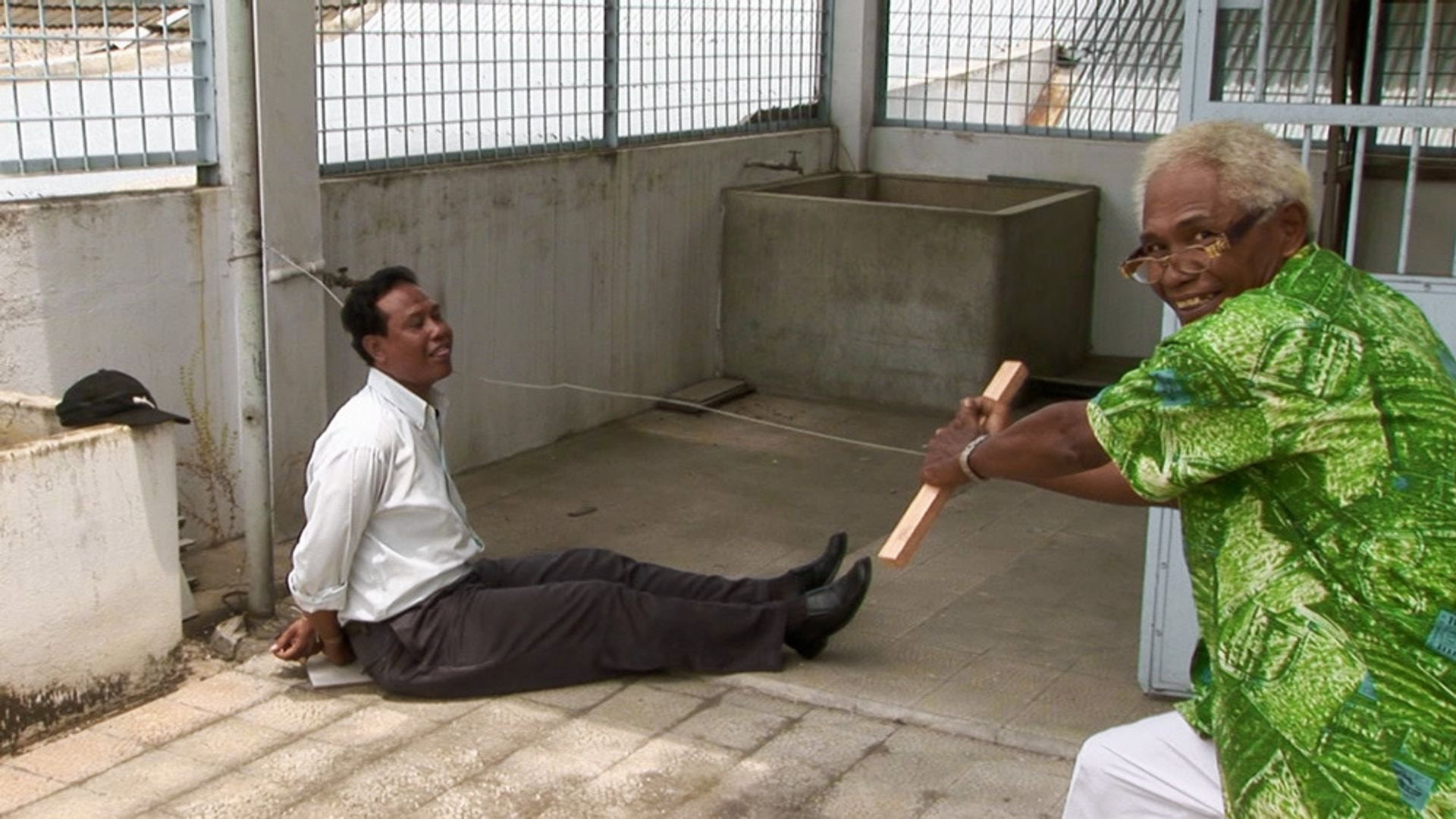
The Act of Killing is a disturbing documentary we strongly recommend, though it leaves important questions about the history unanswered. Joshua Oppenheimer approaches the Indonesian mass killings of 1965 by asking perpetrators to restage their crimes in film genres of their choosing. The offer gives them considerable freedom to present themselves as they wish. It also gives us a way to see how they understand what they did, and how readily they can turn it into entertainment.
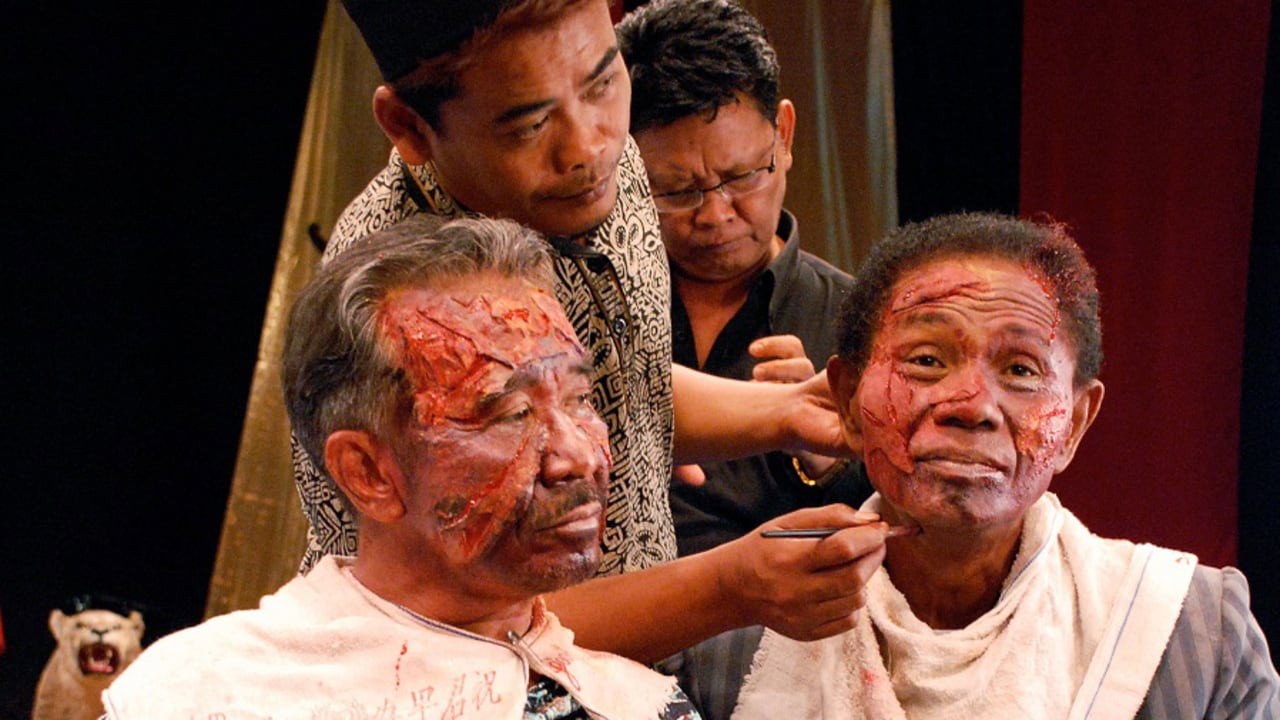
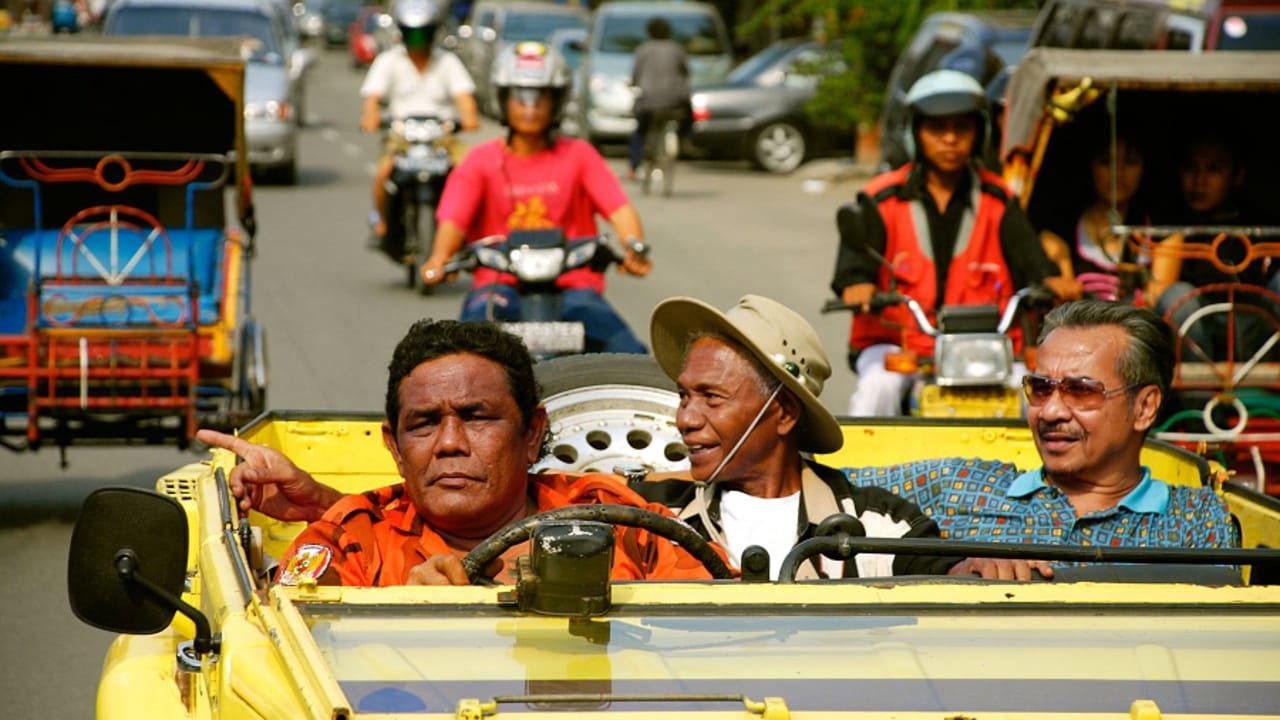
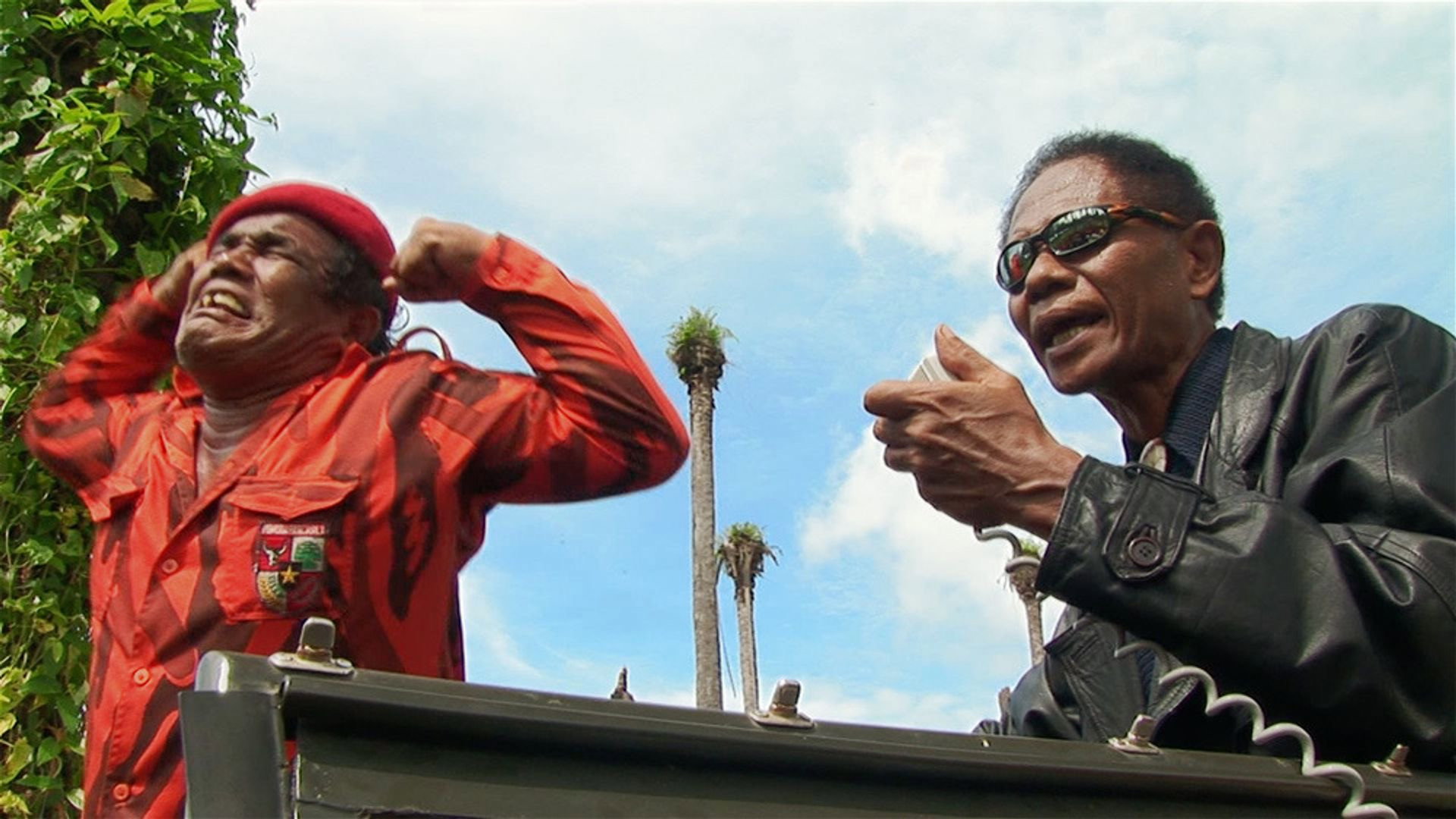
Anwar Congo, an executioner in 1965, is the central presence, and the film’s attention to him is both compelling and uncomfortable. These men have remained unpunished, so their willingness to take part matters beyond their individual vanity. The participants include Syamsul Arifin, governor of North Sumatra, and newspaper publisher Ibrahim Sinik. Their presence broadens the film’s concern to a society in which the perpetrators can speak without the expectation of being held to account.
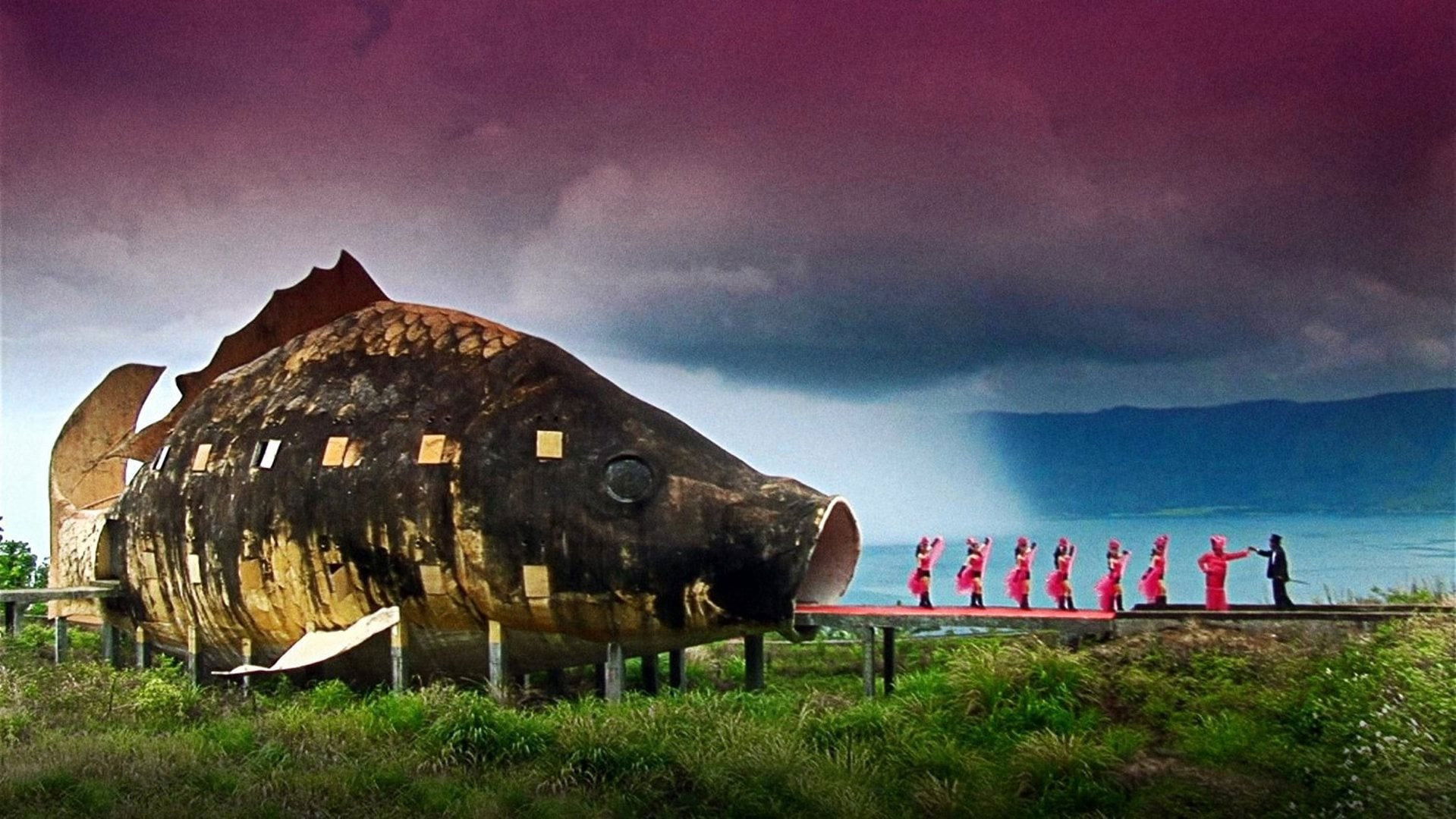
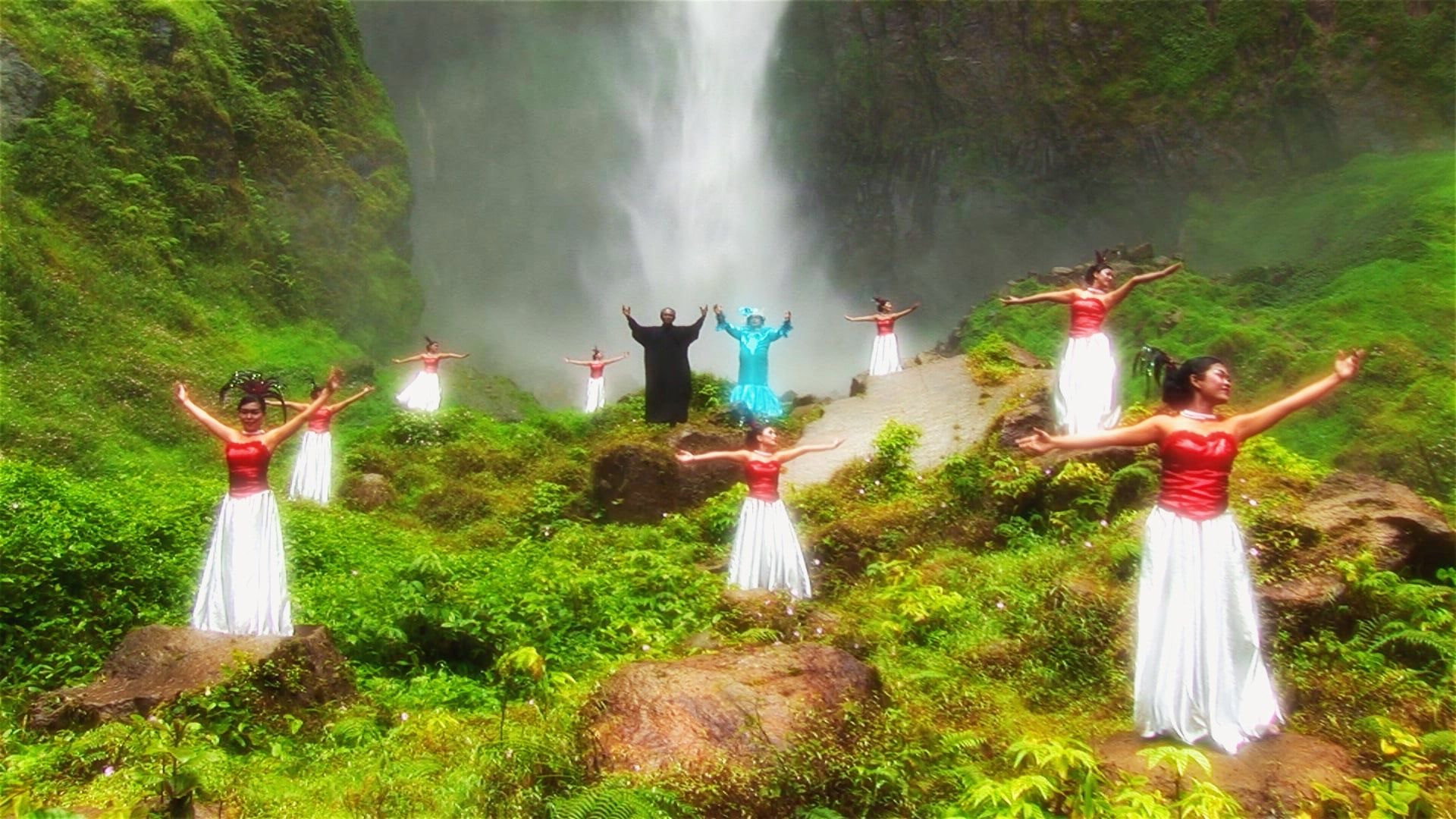
Cinematographers Carlos Arango De Montis, Lars Skree and a colleague credited as Anonymous let the Hollywood-style reconstructions occupy the screen as performances. We can see the kinds of films the men want to make out of their crimes, rather than merely hear them describe the idea. We were horrified by their eagerness to turn murder into screen entertainment. The images make that enthusiasm difficult to dismiss as mere talk; it has become something the men are prepared to enact.
Nils Pagh Andersen and his fellow editors have a difficult task: giving these self-directed re-enactments enough time without simply surrendering the film to their makers. At 159 minutes, the sustained attention can be exhausting, and a little less of it would make the point just as clearly. Yet the duration also prevents us from treating the perpetrators as a passing spectacle. That persistence helps us notice the effort they put into arranging how their crimes will be seen.
The serious limitation is the historical context. Oppenheimer concentrates so closely on the perpetrators’ imaginations that anyone seeking a fuller explanation of the Indonesian killings will need another account. The focus is understandable, and the attention to how these men describe themselves yields disturbing evidence of their self-delusion. Still, it leaves too much unexplained about the circumstances that enabled them to act and protected them afterwards.
A documentary about mass murder can make it easy to feel safely unlike the people responsible. Oppenheimer gives us men who understand the appeal of a story and want the camera to like them. We recognise that wish, which is uncomfortable, but recognising a human trait should not be confused with forgiving a crime. His approach makes our interest in Congo troubling: we keep watching a man whose opportunity to fashion his own screen appearance depends on the killings he is reconstructing.
Give it an evening when you can talk afterwards. The killers’ enthusiasm for the camera is difficult to put aside once the film has finished, and we would allow some time before bed. This is not one to start when you are already tired.