Film review

Night and Fog

1956 · Directed by Alain Resnais · 32m

In a sentenceGreen grass, a slow tracking shot and the worst photographs ever taken; thirty-two minutes turns out to be exactly enough

DocumentaryHistory

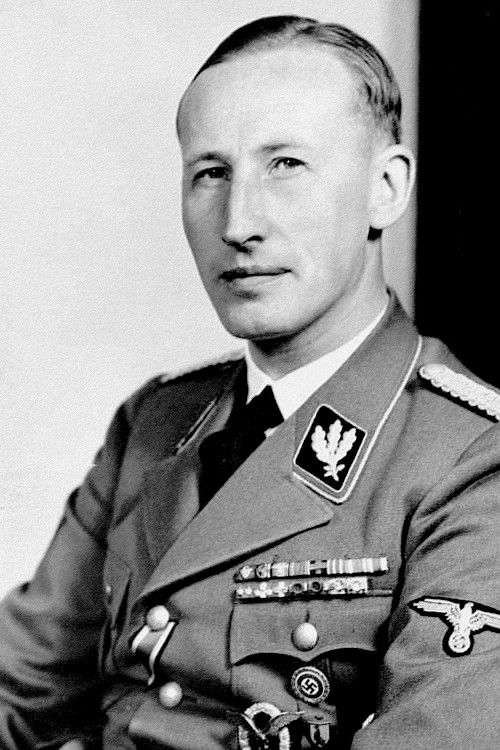
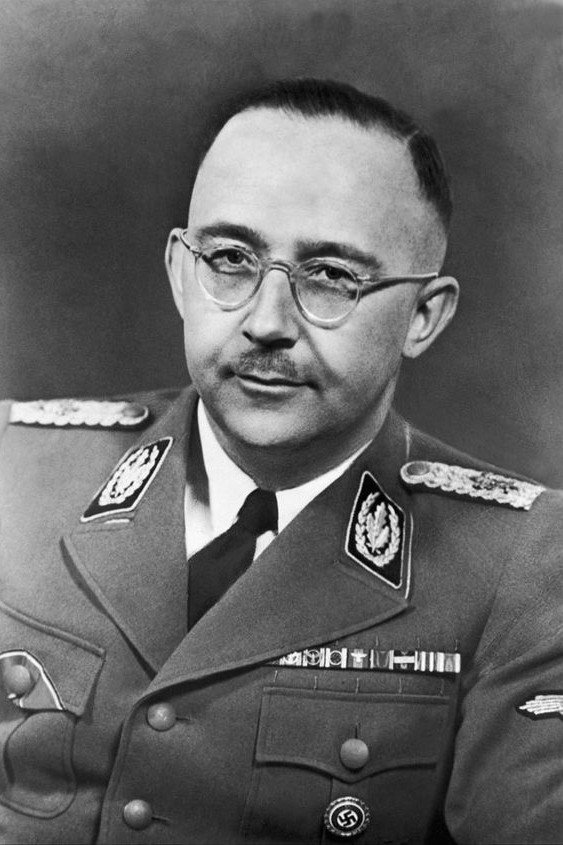
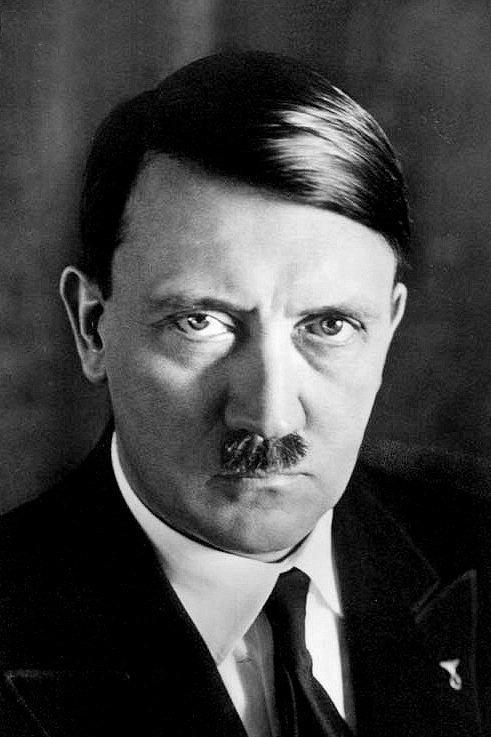
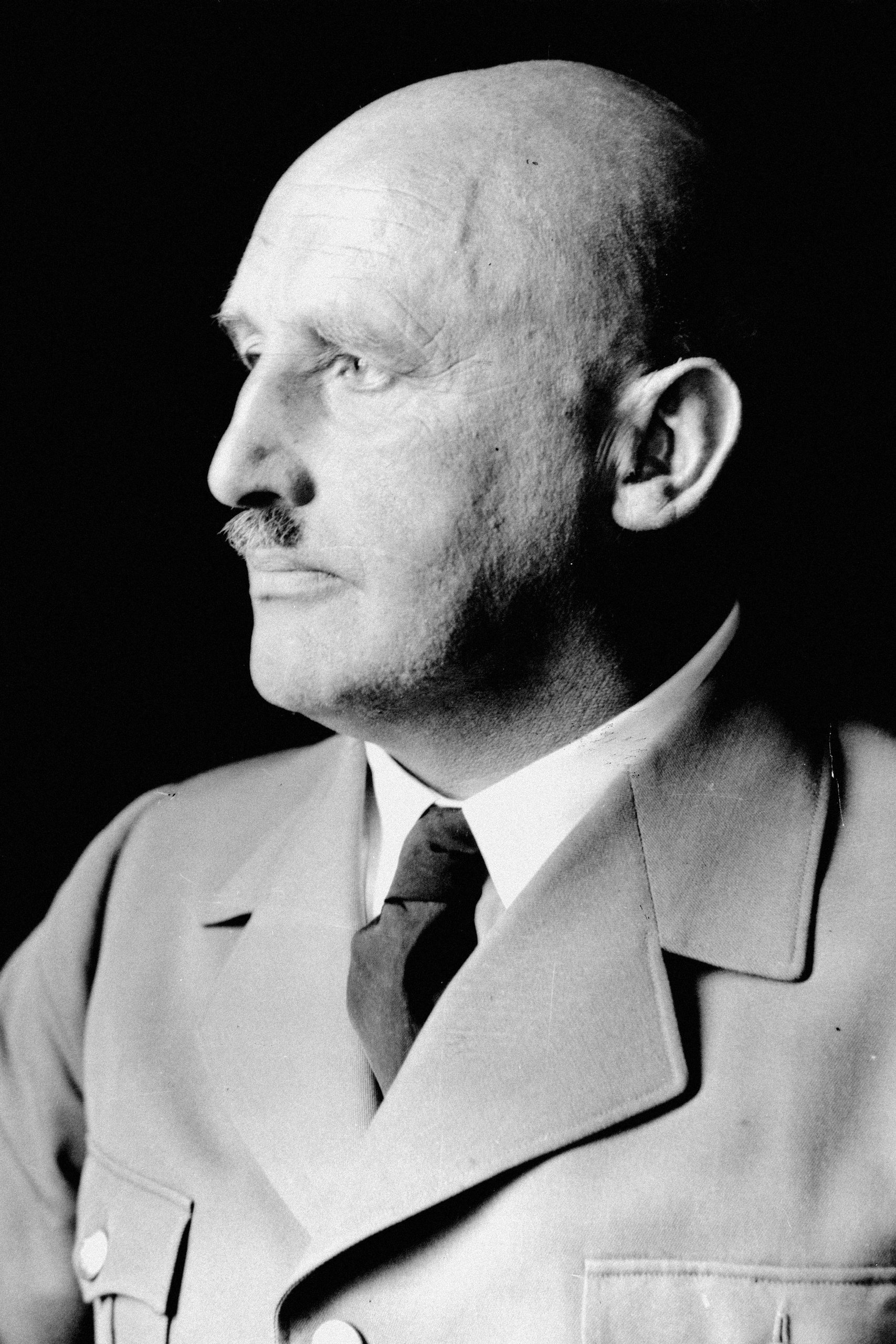
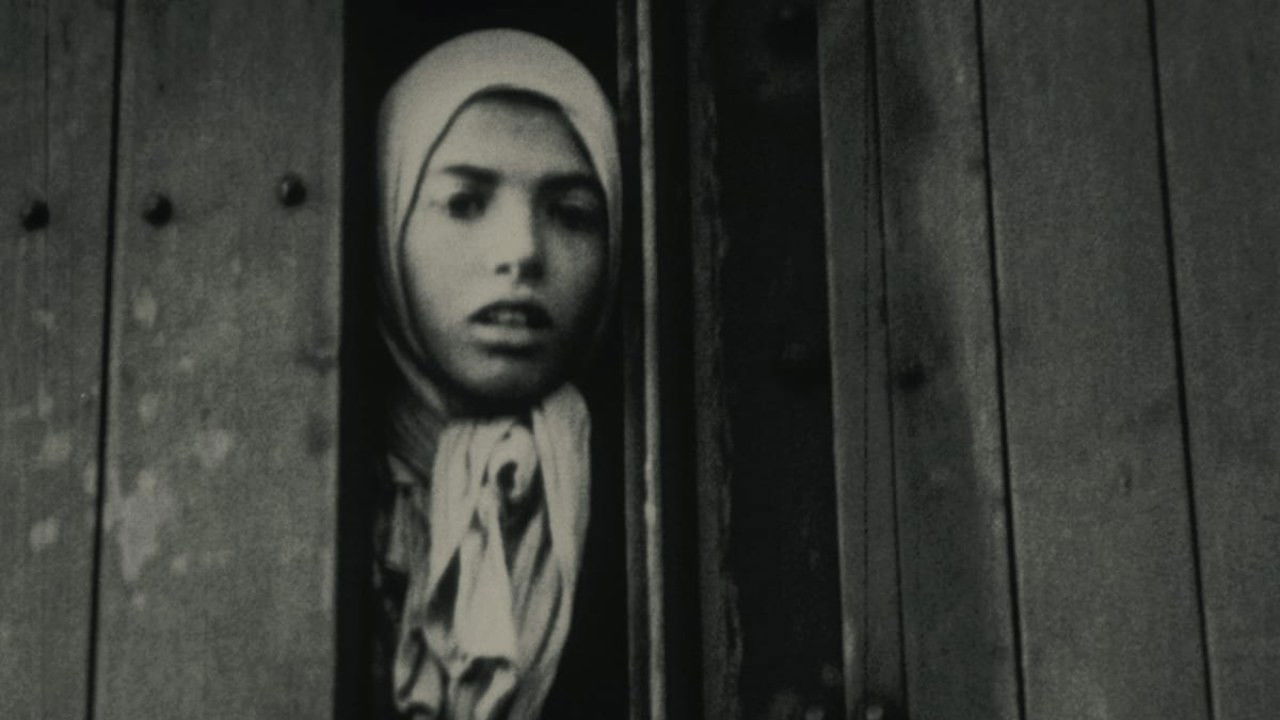
Ten years after the war, a camera moves slowly through the grass and rusted wire of Auschwitz in colour, while a narrator (Michel Bouquet) reads a commentary written by Jean Cayrol. Then the film cuts to black and white. Adolf Hitler, Heinrich Himmler, Reinhard Heydrich and Julius Streicher appear in newsreel and photographs as the machine is assembled: the rallies, the arrests, the trains. The camps are designed and built like any other public works, with architects and contractors, and the first deportees arrive in sealed wagons in the dark. Director Alain Resnais moves back and forth between the empty present and the crowded past for thirty-two minutes, and the commentary asks, as calmly as it can, what happened here and who allowed it.

Fi1m review

Alain Resnais’s half-hour on the camps, shot in colour at Auschwitz and cut against the archive, is as clear and as hard to watch as it was in 1956. Hanns Eisler’s music will divide people. See it once, and see it whole.

Alain Resnais made Night and Fog in 1956, a decade after the camps were opened, and it runs thirty-two minutes. Sacha Vierny and Ghislain Cloquet shot the present in colour at Auschwitz: a camera moving at walking pace along a fence, across a field, into a brick building with nothing in it. Between these shots Resnais, who also edited the film, cuts to what the place looked like when it was full. Jean Cayrol wrote the commentary and Michel Bouquet reads it. We would tell a stranger to see it, and we would not tell them much else first.

The design is simple and it never wavers. Colour means now; black and white means then. The colour footage is quiet and almost pretty, with grass grown over the tracks and rust on the wire, and the camera keeps moving as if it were looking for something. The archive is stills and newsreel, and it does not move at all. Resnais opens the black and white with Hitler, Himmler, Heydrich and Streicher, the men at the top, and then leaves them behind to show what they ordered: the arrests, the wagons, the camps going up as a construction project with plans and tenders. The cutting is the argument. Nothing is explained that a cut can show.

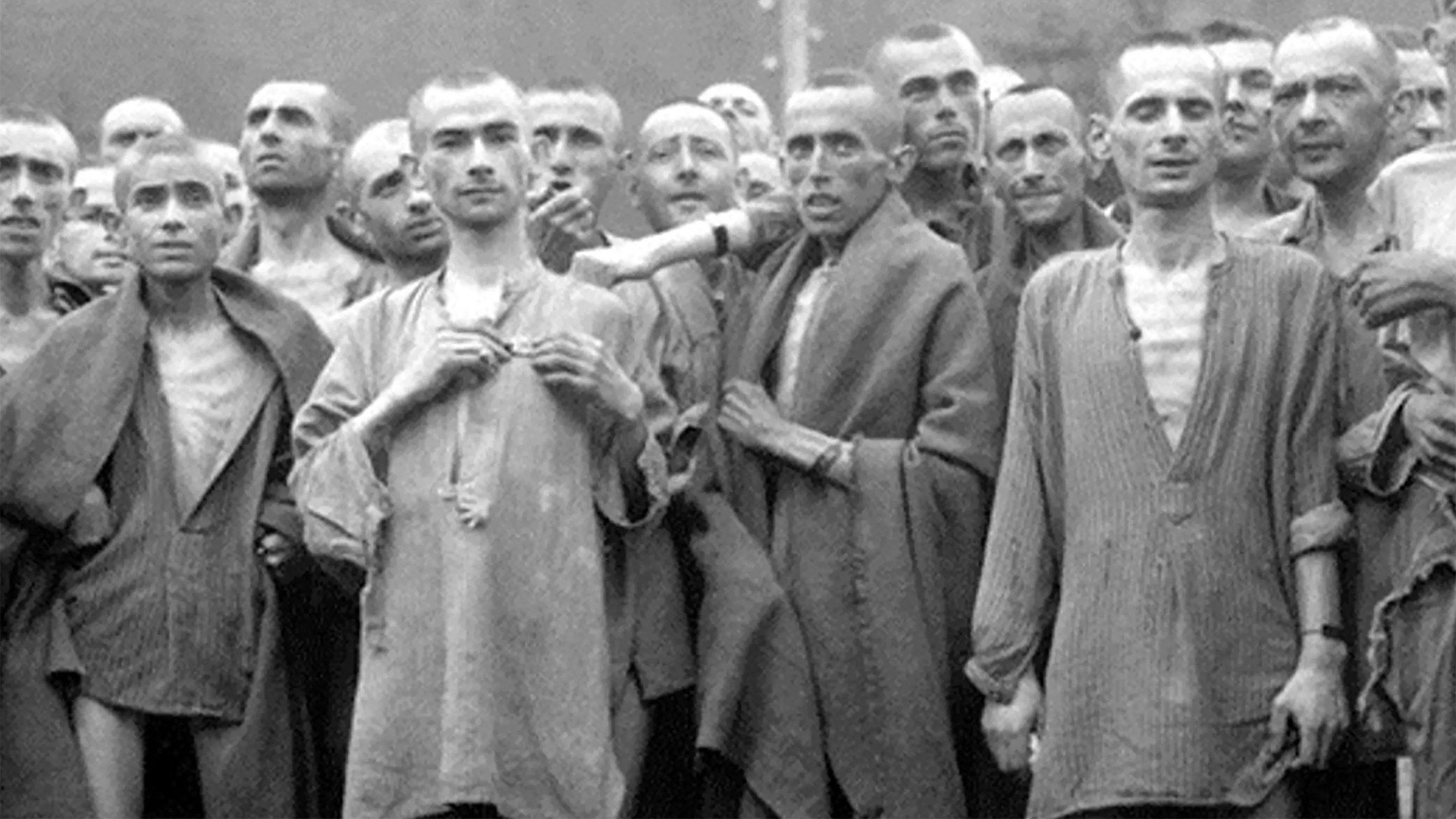
We were horrified, and we have seen these pictures before. It is the way Resnais holds them. A room of women’s hair. A room of spectacles. Bodies pushed by a bulldozer, filmed by the soldiers who arrived. He does not zoom in, he does not linger longer than he must, and he does not cut away early either. Bouquet’s voice stays level throughout, and that levelness is what did it to us. A narrator who raised his voice would have given us somewhere to put the feeling. This one leaves it with us.

Hanns Eisler’s score is the part people argue over, and we understand why. It is light, often a flute or a few strings, and it is sometimes almost pastoral over images that are anything but. On first viewing it can seem wrong. On second viewing it is plainly deliberate: the music refuses to tell you what to feel, in a film where telling you would be the easy thing. Cayrol’s commentary takes the same line. It is dry, at times ironic, and it catalogues the camp as if describing a town. Once or twice the irony is too neat, a well-turned French sentence sitting on top of something no sentence should sit on top of. Those are the moments the film comes closest to being writing rather than witness.

The film also says less than a modern viewer will want about who the dead were. It speaks of deportees and of nations, and it is more interested in how the machine worked than in whom it was built to kill. That is a real limit, and later films have addressed it. It does not make this one less true about what it does show.

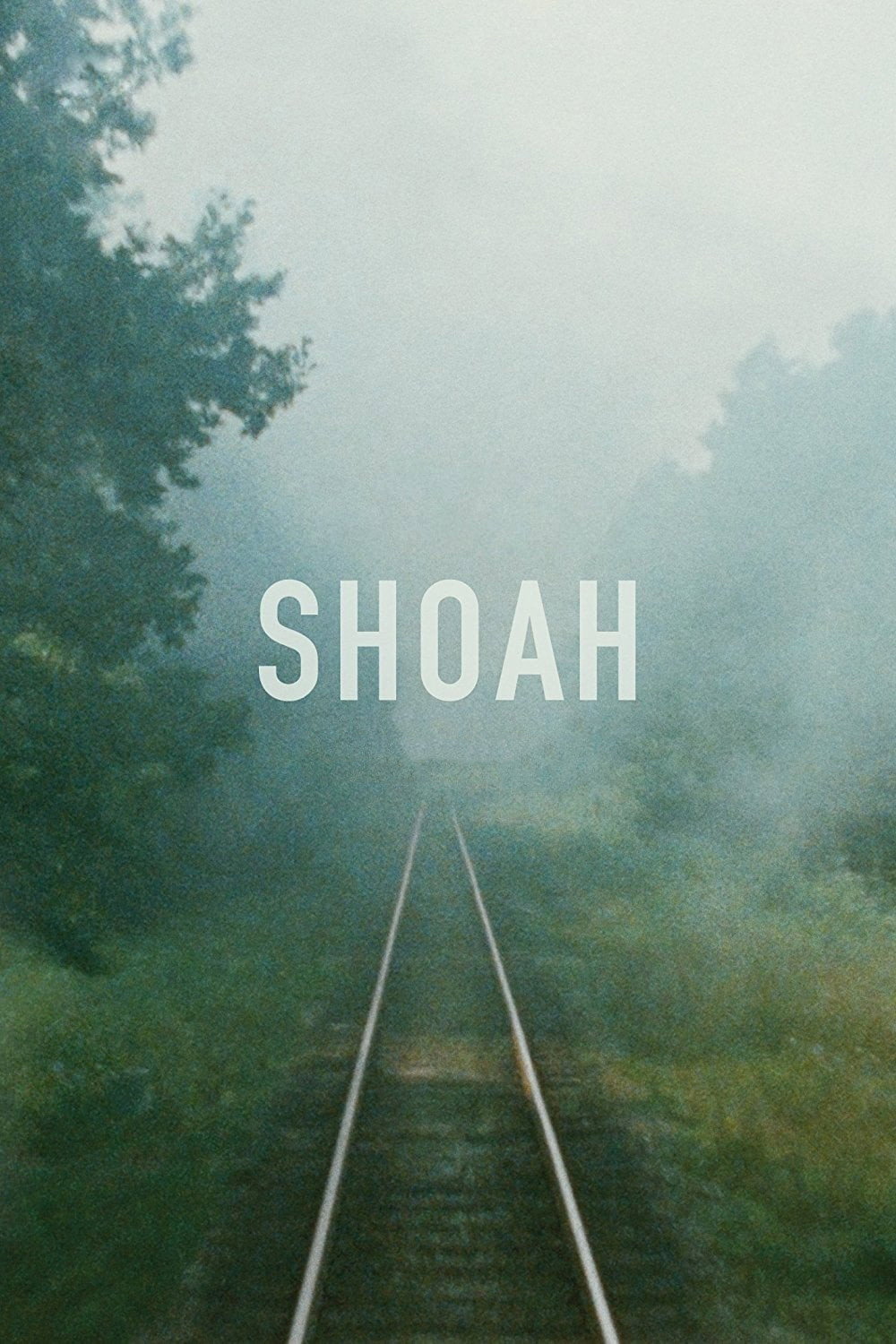
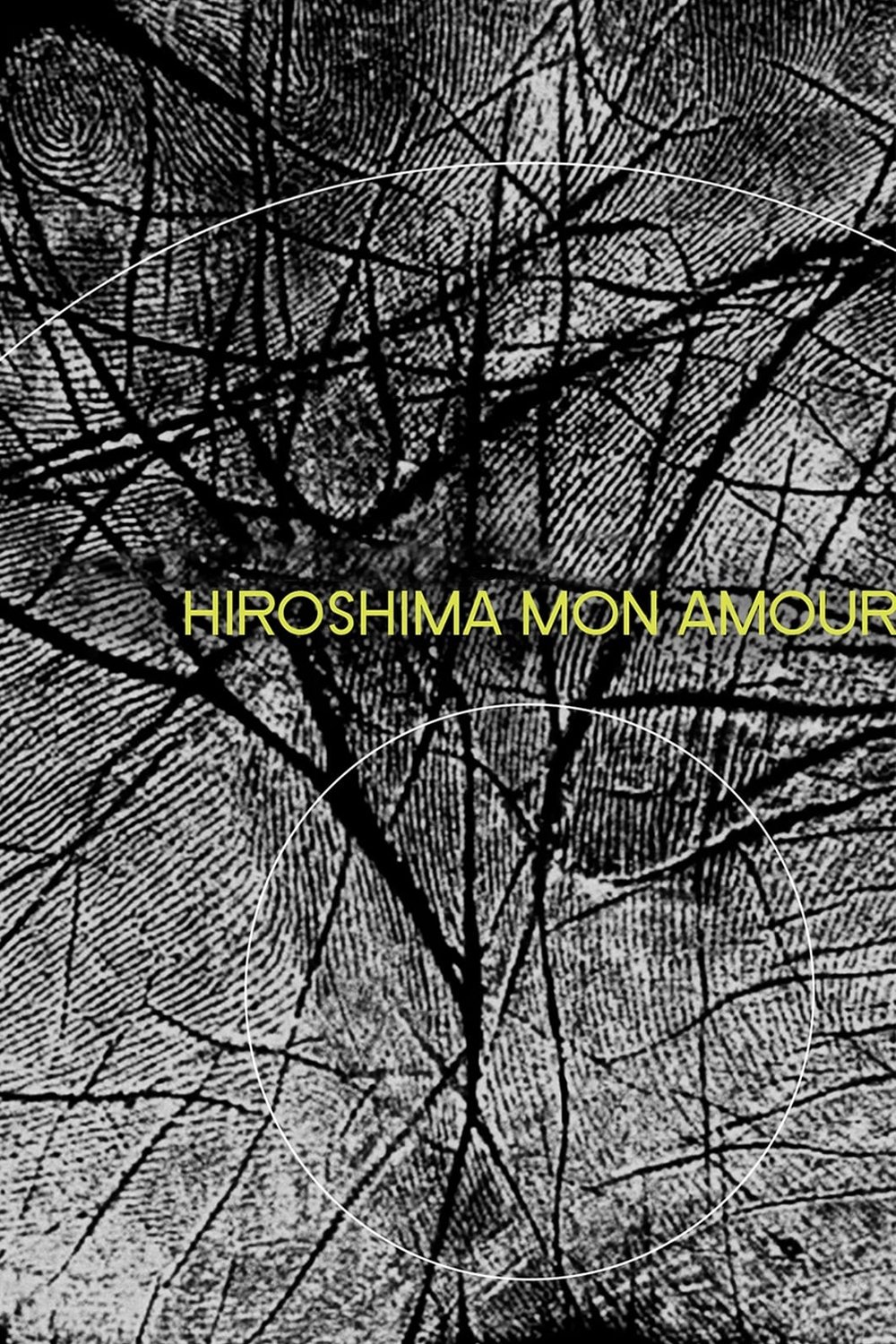
Resnais went on to Hiroshima mon amour (1959), and the concerns are already here: how a place holds what happened in it, and how quickly the grass comes back. Set against Claude Lanzmann’s Shoah (1985), which runs for nine hours and uses no archive footage at all, this is the opposite method, and the two films need each other. Lanzmann waits for memory to speak. Resnais shows you the evidence and asks why the tourists are photographing the gate.

Watch it alone, with the lights off and nothing planned afterwards. It does not need a cinema; it needs your full attention for half an hour, which is a great deal harder to give than three hours of partial attention. Thirty-two minutes, no certificate, and you will not want to put anything else on when it is over.
Critical consensus AI synthesised

83
Positive
6
Mixed
0
Negative
0

The reviews are unanimous in their approval. Most critics fix on the same device: Resnais cuts between colour footage of the empty camps as they stood after the war and black-and-white archive material of what happened there, and nearly every review calls that contrast the source of the film’s power. Cayrol’s narration and Eisler’s score are also singled out, the commentary for mixing anger with cool irony and the music for its restraint.

The disagreement is a matter of degree rather than direction. The warmest reviews, at Slant Magazine and Film Comment, treat it as the definitive short film on the subject and admire how it questions whether cinema can show such things at all. The New Yorker is the coolest, still respectful but more interested in the film’s argument about memory than in its assembly. Nobody raises a serious reservation; the spread runs from admiring to reverent.

Film Comment
90*

The critic praises the film's authoritative assembly and its ability to convey the meaning of the extermination camps while highlighting Resnais's splendid filmmaking. It singles out the tension between poetic and prosaic elements, the use of color to contrast present and past, and the sensual yet troubling approach to the subject matter.

Read the full review →
Slant Magazine
17 July 2016 · Clayton Dillard
90*

The critic calls it the most concise and evocative film about human-made catastrophe, praising its structure that contrasts serene postwar color footage with horrific archival images, its avoidance of easy theses, and its challenge to cinematic representation of tragedy through Eisler's music and rhetorical narration.

Read the full review →
Empire
13 June 2006 · David Parkinson
85*

The critic calls it a devastating brief analysis of the Holocaust that identifies who perished in the camps and who was responsible. They highlight its chilling immediacy from juxtaposing colour footage of empty camps with monochrome stills and newsreels, plus its power as a moving memoir that encouraged further exploration of the Shoah.

Read the full review →
The Times
22 January 2005 · Ed Potton
85*

The critic describes Resnais’s short film as a lyrical commentary that interleaves archival black-and-white footage with postwar color images of Auschwitz, encapsulating the horror of the camps with startling power.

Read the full review →
Time Out
10 September 2012 · BBa
80*

Resnais finds a tone suited to the enormity of the Nazi death camps. Cayrol's commentary mixes indignation, bewilderment and cool irony, while Eisler's music provides austerity tempered by tenderness.

Read the full review →
The New Yorker
26 July 2013 · Richard Brody
70*

The critic praises the film's half-hour length for transforming modern consciousness by blending archival footage of Nazi atrocities with contemporary color images of camp ruins. It singles out Resnais's method of combining historical inquiry with questions of memory and why such events must be remembered.

Read the full review →

Cast

If you liked this, try…

Shoah poster

Shoah

1985 · Lanzmann’s nine hours of testimony, the opposite method and the necessary companion

Hiroshima mon amour poster

Hiroshima mon amour

1959 · Resnais’s next film, about a city and a woman that remember differently

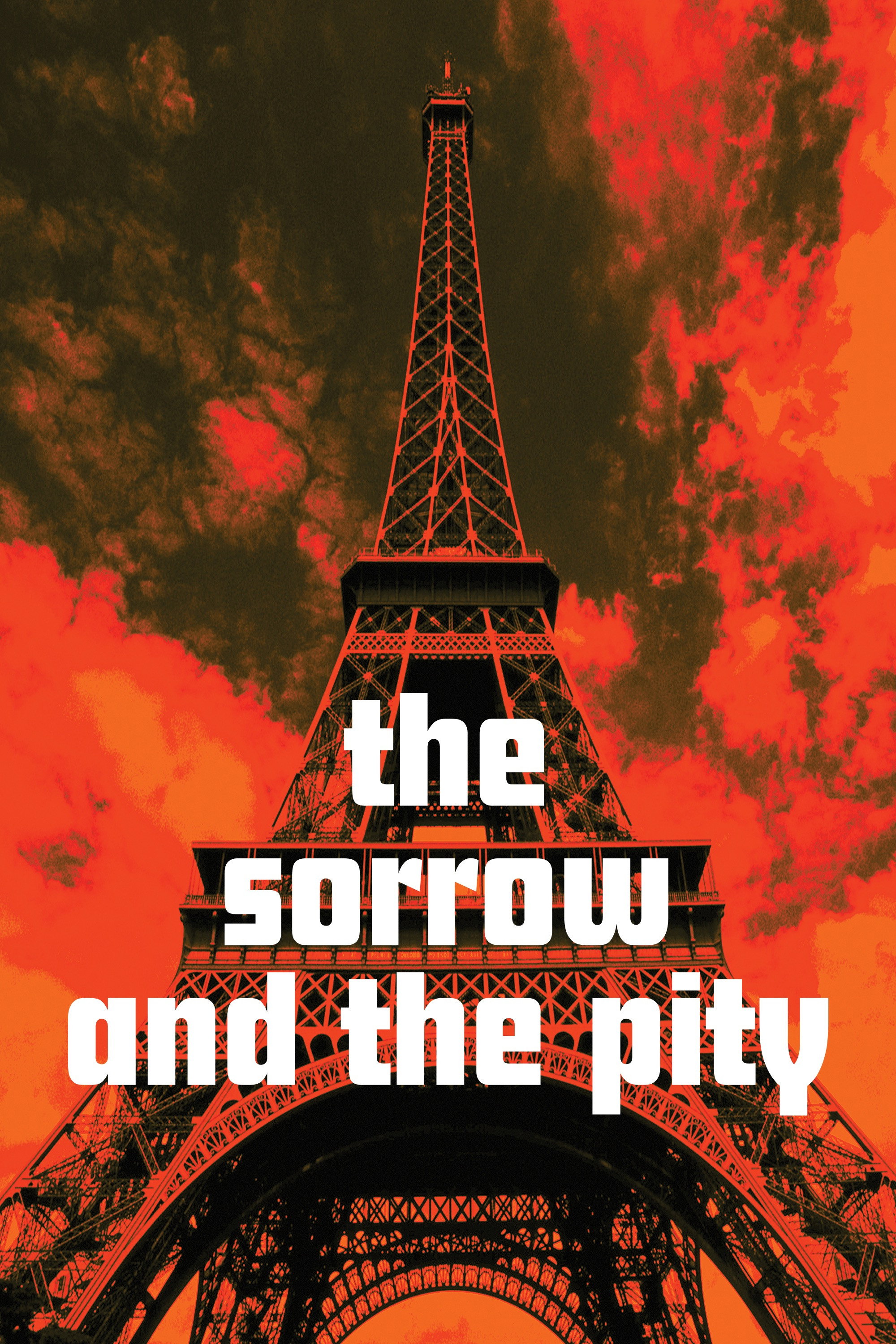
The Sorrow and the Pity poster

The Sorrow and the Pity

1969 · Ophuls asks a French town what it did in the war and waits for answers

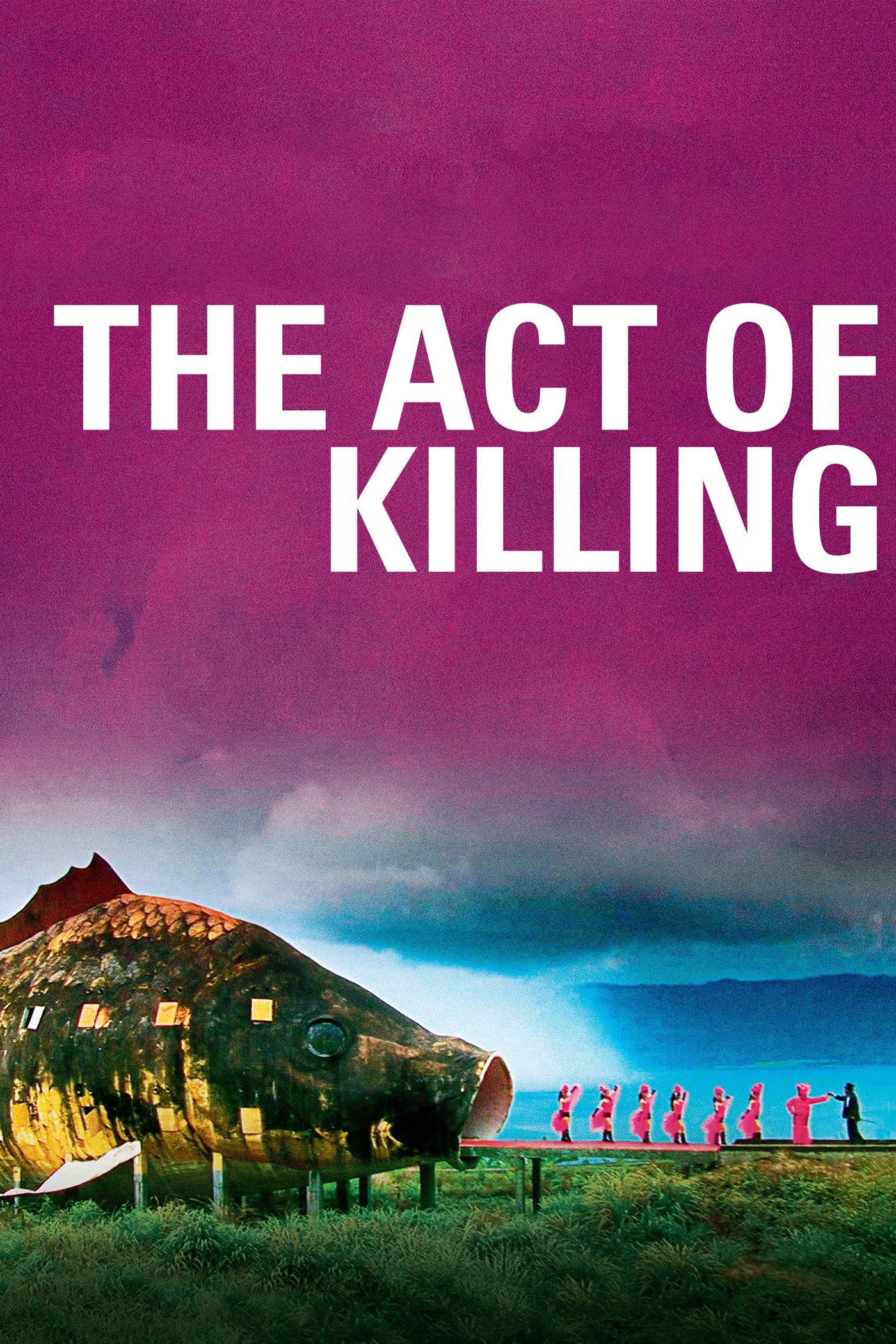
The Act of Killing poster88

The Act of Killing

2012 · Indonesian death-squad men restage their crimes; the camera stays as calm as Resnais’s

Son of Saul poster87

Son of Saul

2015 · Auschwitz from inside, in shallow focus, refusing to show what Resnais shows