Film review

Son of Saul

2015 · Directed by László Nemes · 1h 47m · MPA R

In a sentenceWe kept looking at one man’s face and wishing we could stop hearing what was around him

WarDramaThriller

At Auschwitz, Sonderkommando prisoner Saul Ausländer (Géza Röhrig) becomes intent on burying a boy he believes is his son. The camp continues its work of extermination as he pursues the burial, leaving little room for any other concern. The story also includes Abraham (Levente Molnár) and Eli Biederman (Urs Rechn), while keeping Saul’s experience at its centre. He wants to carry out a funeral in a place organised to dispose of its victims. Around him, the camp’s work goes on, much of it heard rather than clearly seen.

Plays from YouTube when you press play; nothing loads from them until then.

Fi1m review

László Nemes’s Son of Saul is a harrowing drama we recommend with a warning: its closeness to one prisoner is exhausting. Géza Röhrig holds our attention even when the burial quest starts to repeat itself.

László Nemes keeps Son of Saul close to a man whose attention has narrowed to a single task: securing a burial for a boy he believes is his son. Saul Ausländer is a Sonderkommando prisoner at Auschwitz, and the extermination around him continues while he searches. This is a harrowing, exceptionally controlled film, and we recommend it with a warning about how little relief it allows. Its force comes from asking us to follow Saul without making his determination easy to understand.

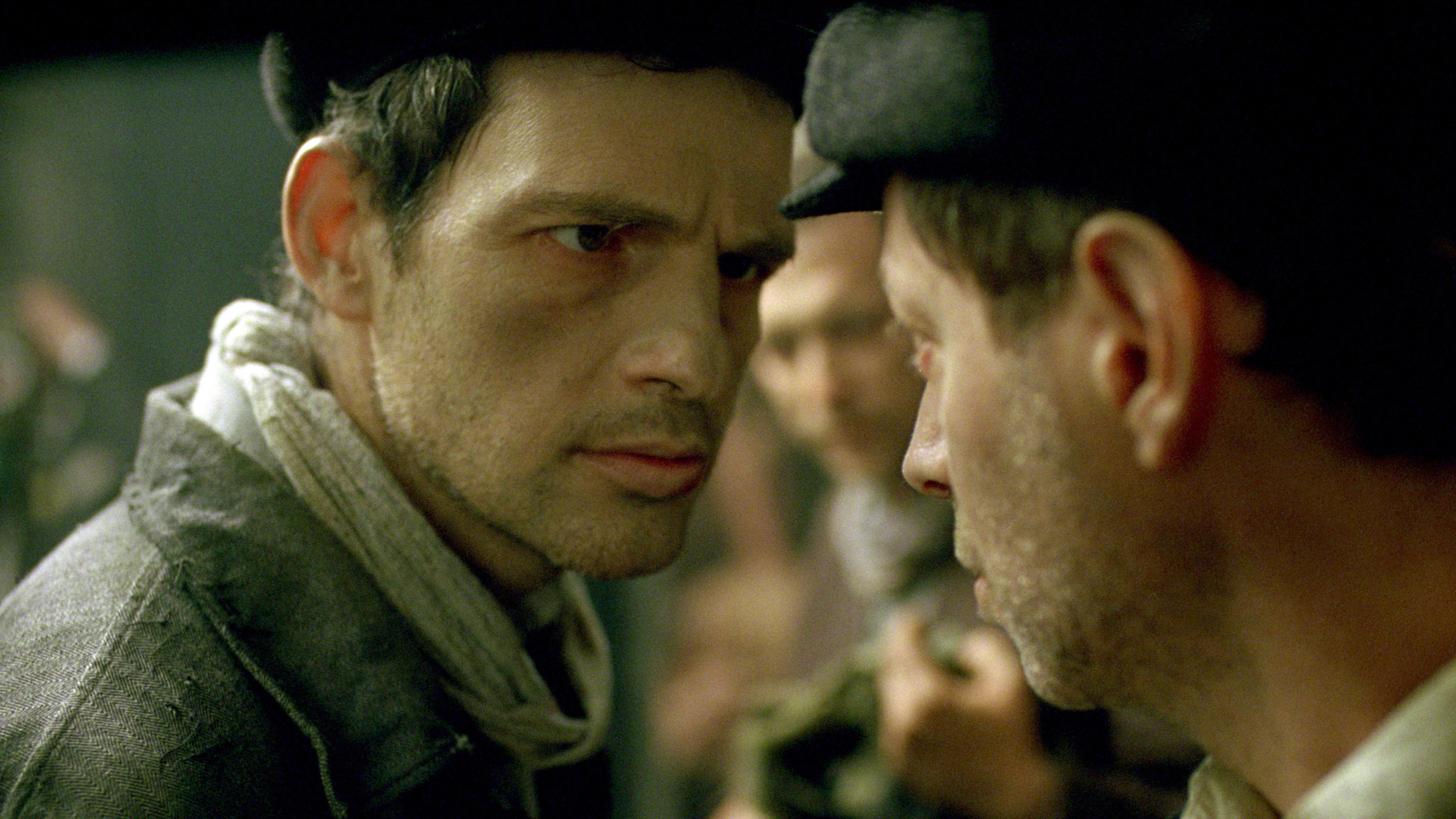
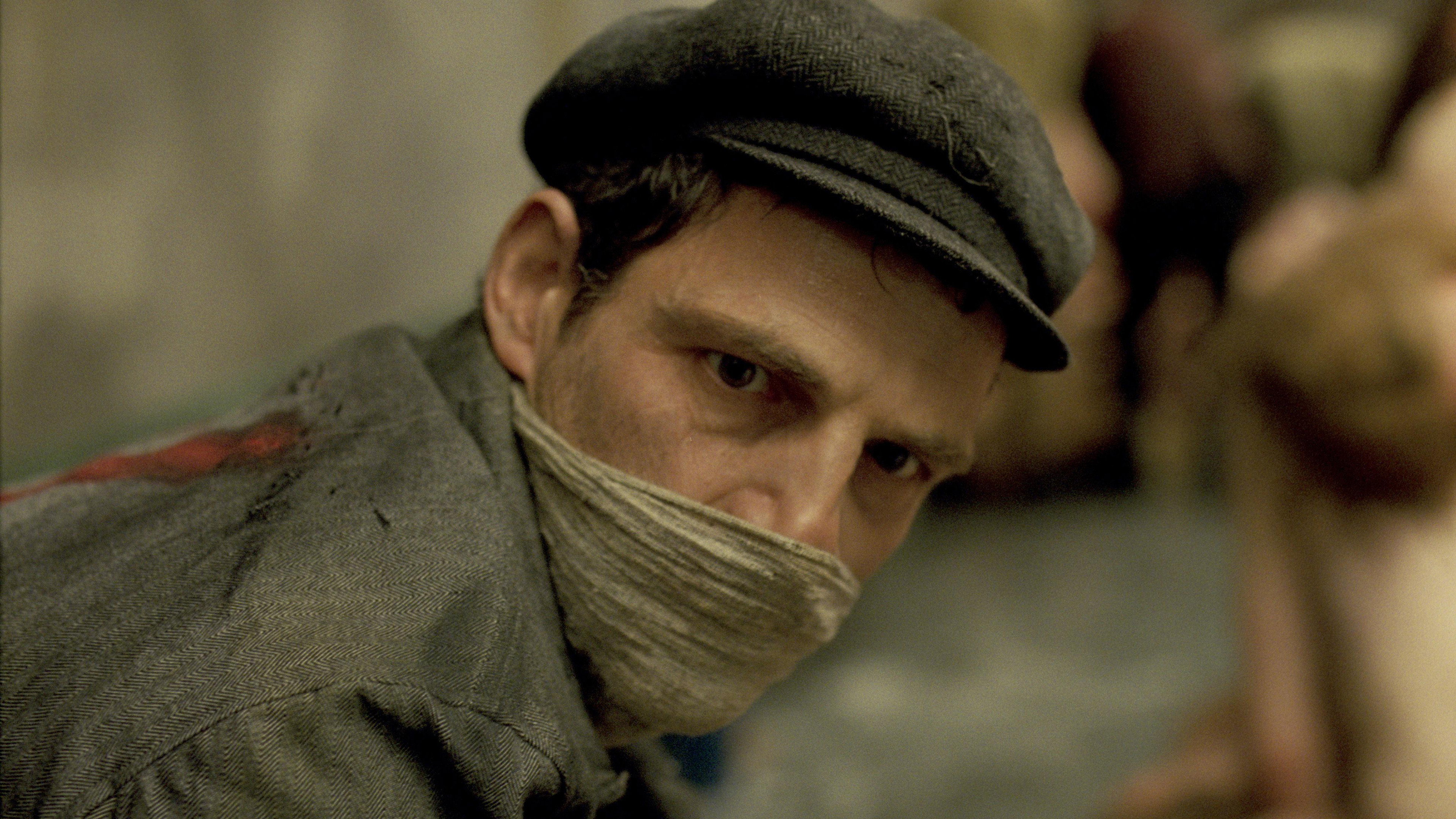
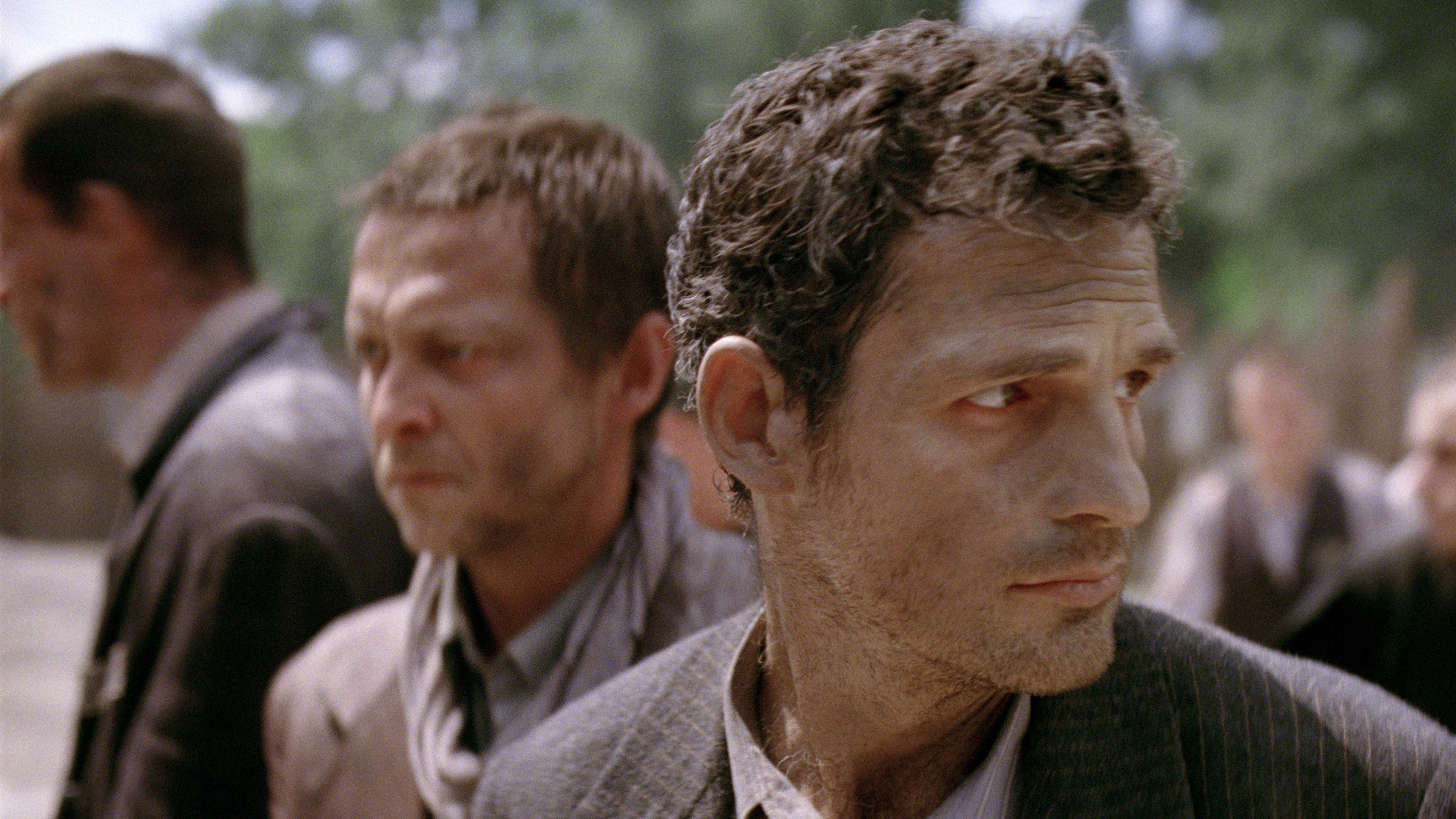
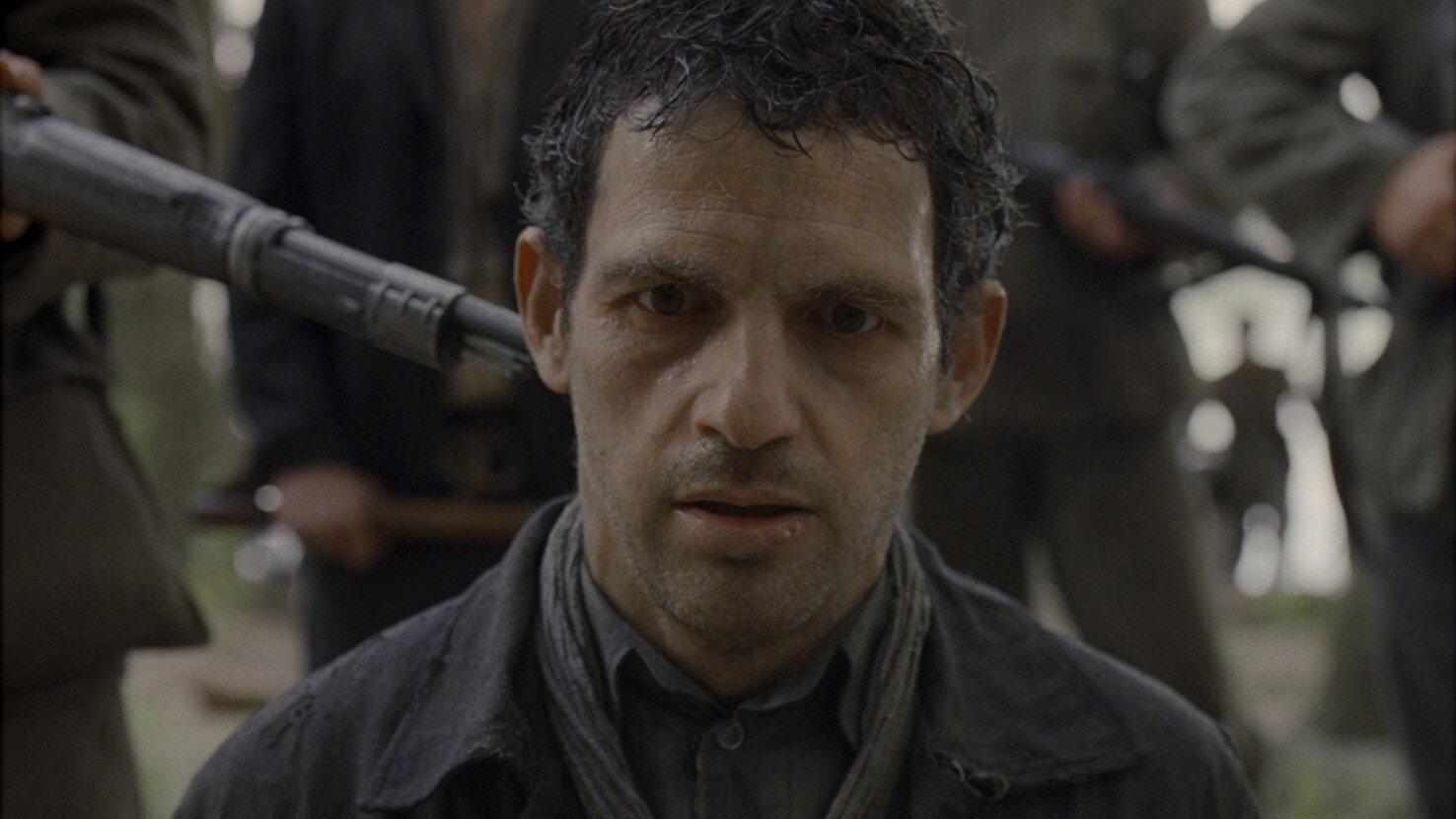
Géza Röhrig gives Saul a face that seems to have learnt not to respond. The performance is spare enough that we begin scrutinising it for any indication of what he can still register, while his concentration on the burial becomes increasingly troubling. He does not make Saul seem noble simply because he wants to bury the boy, a useful restraint in a story so open to sentimentality. Even with so much attention paid to it, the face remains difficult to read.

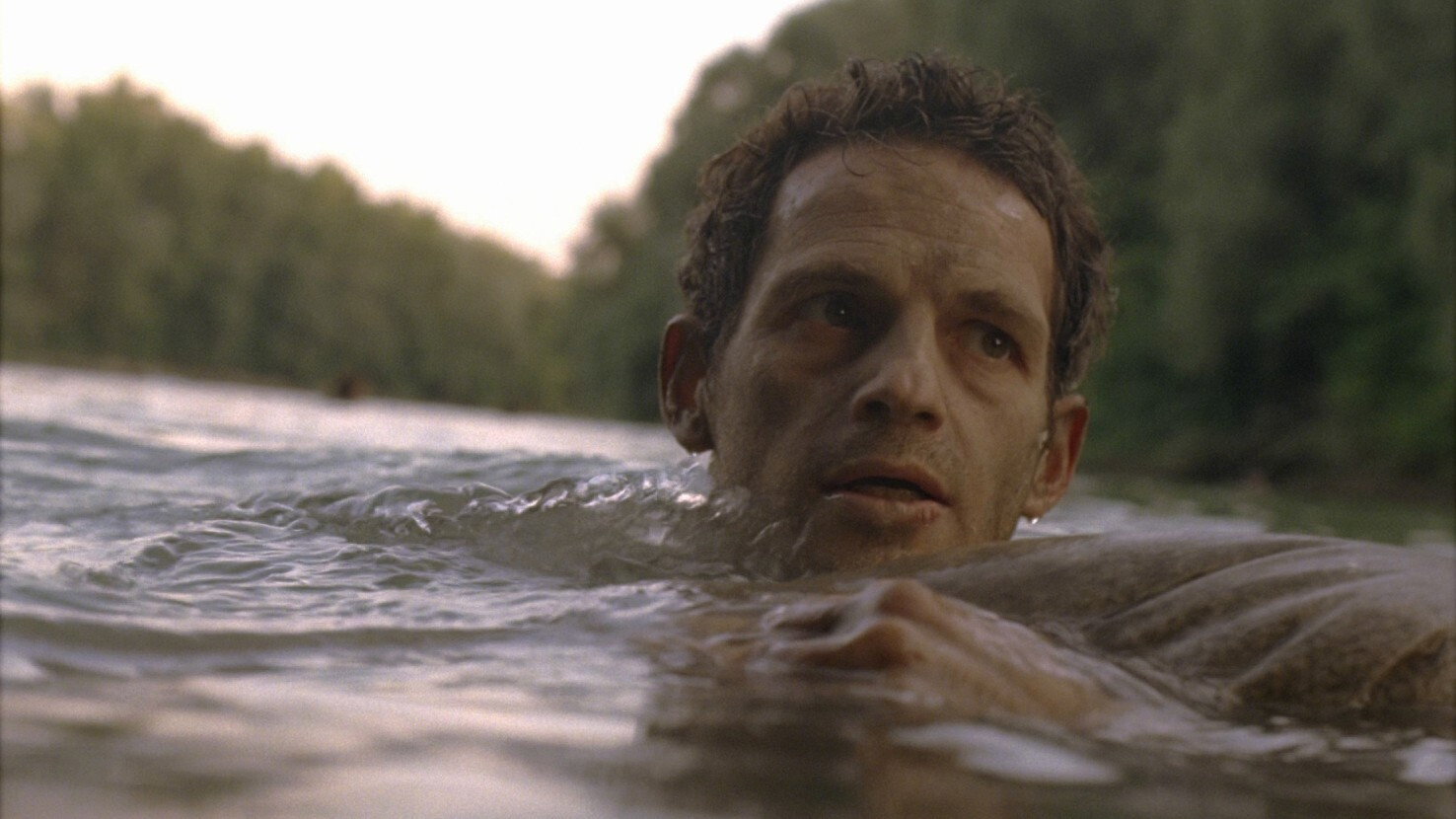
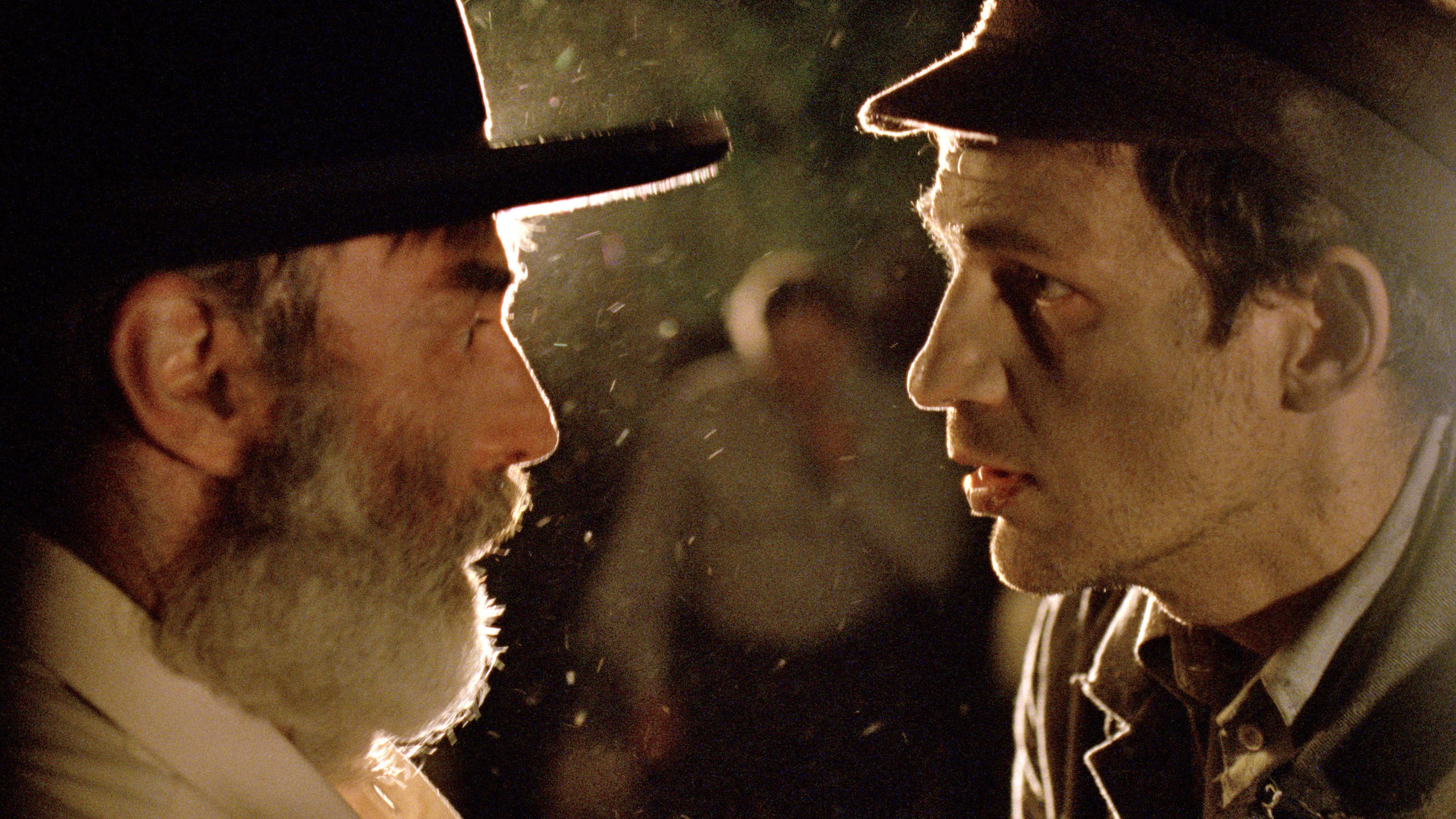
Mátyás Erdély’s camera stays close, often leaving the surrounding atrocities indistinct in a shallow field of focus. The restricted view makes it hard to settle our bearings or see how the camp is laid out. The long handheld shots keep us beside Saul, with the blurred activity behind him demanding attention that the image will not satisfy. We were horrified by the violence we could hear while we were held on his impassive face. The narrow framing made us feel trapped without pretending that watching a film could tell us what imprisonment there was like.

Sound does much of the work that other films would give to explicit images. Its overlapping layers make the violence feel horribly routine: it continues beyond whatever Saul happens to be doing or looking at. The music credited to László Melis leaves much less impression than the layered noise around Saul, a useful choice when a more insistent score might have told us how to respond. Looking away scarcely reduces the strain when the noise keeps reaching us from outside the frame.

László Rajk’s production design gives the camp the appalling ordinariness of an industrial workplace. The blurred surroundings still suggest work continuing beyond the little of it we can see, and nothing feels arranged simply for our inspection. Matthieu Taponier’s editing lets the long takes run without giving us frequent changes of view to break the strain. The movement has the urgency of a thriller, but there is little pleasure in anticipating the next disturbance. Following Saul requires sustained attention to images that are deliberately difficult to examine.

The screenplay by Clara Royer and László Nemes sometimes returns to Saul’s determination after we have understood it. Once the burial has absorbed his attention, another stretch of urgency does not always deepen our sense of the man. The closely following camera can become predictable, and a pause would occasionally tell us more. These passages are tiring in a less useful way than the rest of the film, briefly making us notice the technique when we ought to be watching Saul.

The film does not suggest that Saul’s wish to bury the boy can make the surrounding atrocity comprehensible. Its suspense carries a risk familiar to war dramas: following a character so intently that the surrounding victims become scenery. Keeping those victims audible makes that danger harder to ignore, even when Saul’s task has absorbed our attention. See it when there is room to give it your whole attention, and do not plan on an easy conversation afterwards.
Critical consensus AI synthesised

84
Positive
11
Mixed
1
Negative
0

Most critics strongly praise Son of Saul, with agreement centred on László Nemes’s restricted view of Auschwitz and the force of its sound and camerawork. The close attention to Saul’s face, shallow focus and long takes keep much of the horror beyond clear sight, while the soundtrack makes it inescapable. The reviews also value the refusal of sentimentality, and several single out the lead performance for holding attention within this narrow frame.

The reservations concern what that immersion achieves beyond distress, and the central quest divides critics more than the technique. The AV Club finds the approach monotonous and the quest distracting; Slant Magazine argues that the sensory force comes at the expense of deeper engagement. Responses range from emphatic praise to Vulture’s mixed assessment, which admires the first-person technique but finds the protagonist too narrowly conceived and the ending damaging to the film as a whole.

Radio Times
★★★★★ · Damon Wise
100

This stunningly original Hungarian drama proves there is room for another fiction film about the atrocities. The result is an intense, immersive experience that harrowingly but respectfully explores the personal and public horrors of the Holocaust.

Read the full review →
Time Out
14 May 2015 · ★★★★★ · Dave Calhoun
100

Nemes has made a staggering feature debut with an Auschwitz-set drama that’s numbing, provocative and impossible to unsee. The film thrusts the viewer into the heart of the argument about how to represent these events, harnessing cinema at its most powerful while staying close to one disturbed soul.

Read the full review →
Empire
28 April 2016 · Phil de Semlyen
90*

The critic calls it a remarkable debut from László Nemes that bores straight into the soul and leaves the viewer shattered but richer. It highlights the lead performance and the way the protagonist's quest gains mythical status amid the camp's micro-detailed horrors.

Read the full review →
Evening Standard
29 April 2016 · David Sexton
90*

The critic describes it as a remarkable achievement that creates its own mode and is wholly immersive and crushing. It singles out the narrow, restricted focus on Saul's face and experience as key to its originality and impact.

Read the full review →
The Guardian
28 April 2016 · Peter Bradshaw
90*

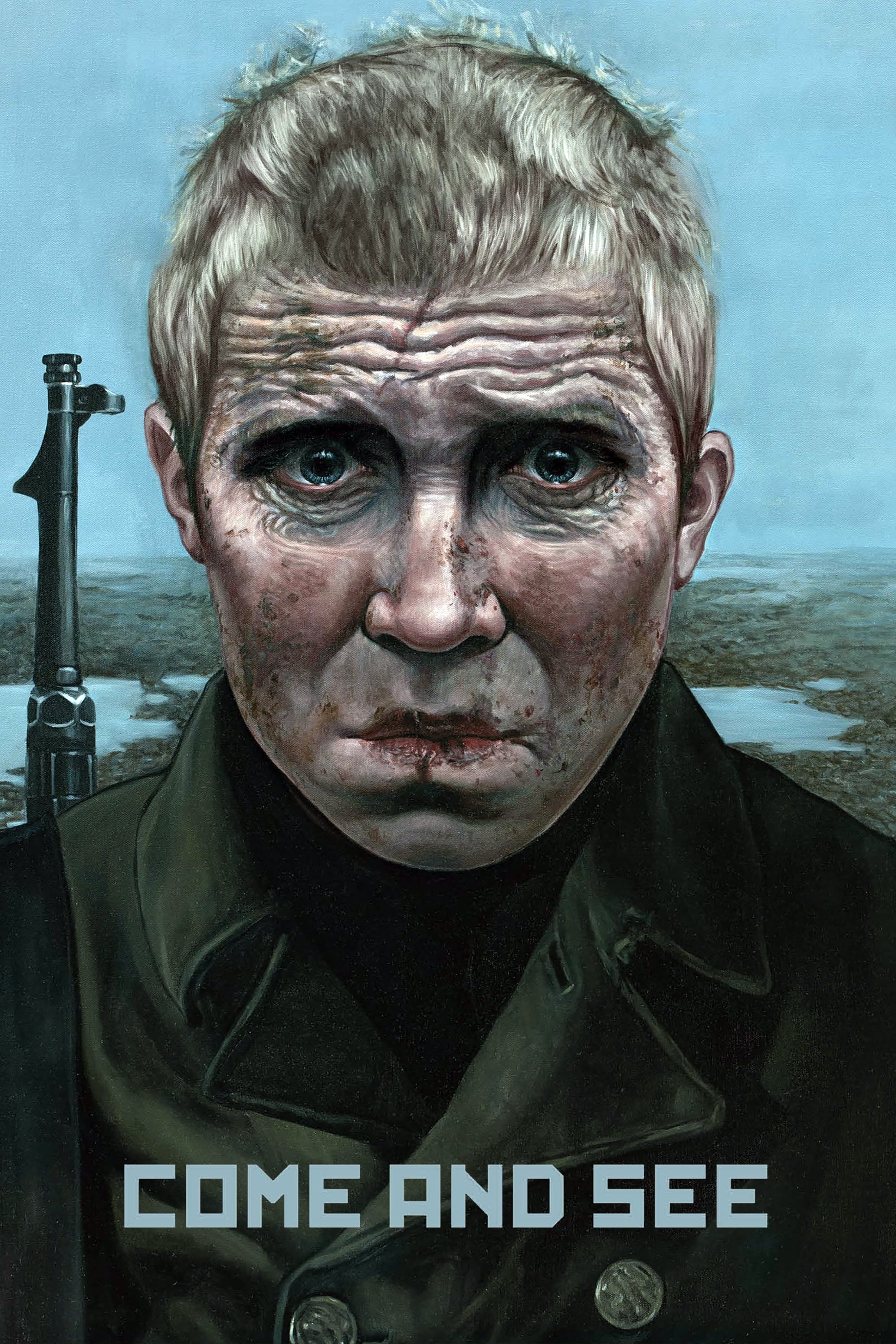
The critic hails Nemes’s debut as a stunning achievement for anyone, but especially a first-time director, comparing it to Elem Klimov’s Come and See for its intelligence, seriousness and audacity in dramatising the camps. The film reopens debate on the Holocaust’s cinematic representation through its close-up focus on Saul and its moral and aesthetic boldness.

Read the full review →
Little White Lies
29 February 2016 · 4/4/4 · Craig Williams
80

Nemes uses a single blank face to convey the unspeakable, capturing the horrors of the traditional Holocaust movie through the impassivity of one man. At its core, the film is about the unwavering pursuit of a single act of decency in the face of overwhelming atrocity.

Read the full review →

Cast

Stills

Awards

Academy Awards, 2016

Won
Best International Feature Film

International Submission to the Academy Awards, 2016

Nominated
International Submission to the Academy Awards

Meeting Point Europe Award, 2016

Won
Meeting Point Europe Award

FIPRESCI Prize of the Festival de Cannes, 2015

Won
FIPRESCI Prize of the Festival de Cannes

If you liked this, try…