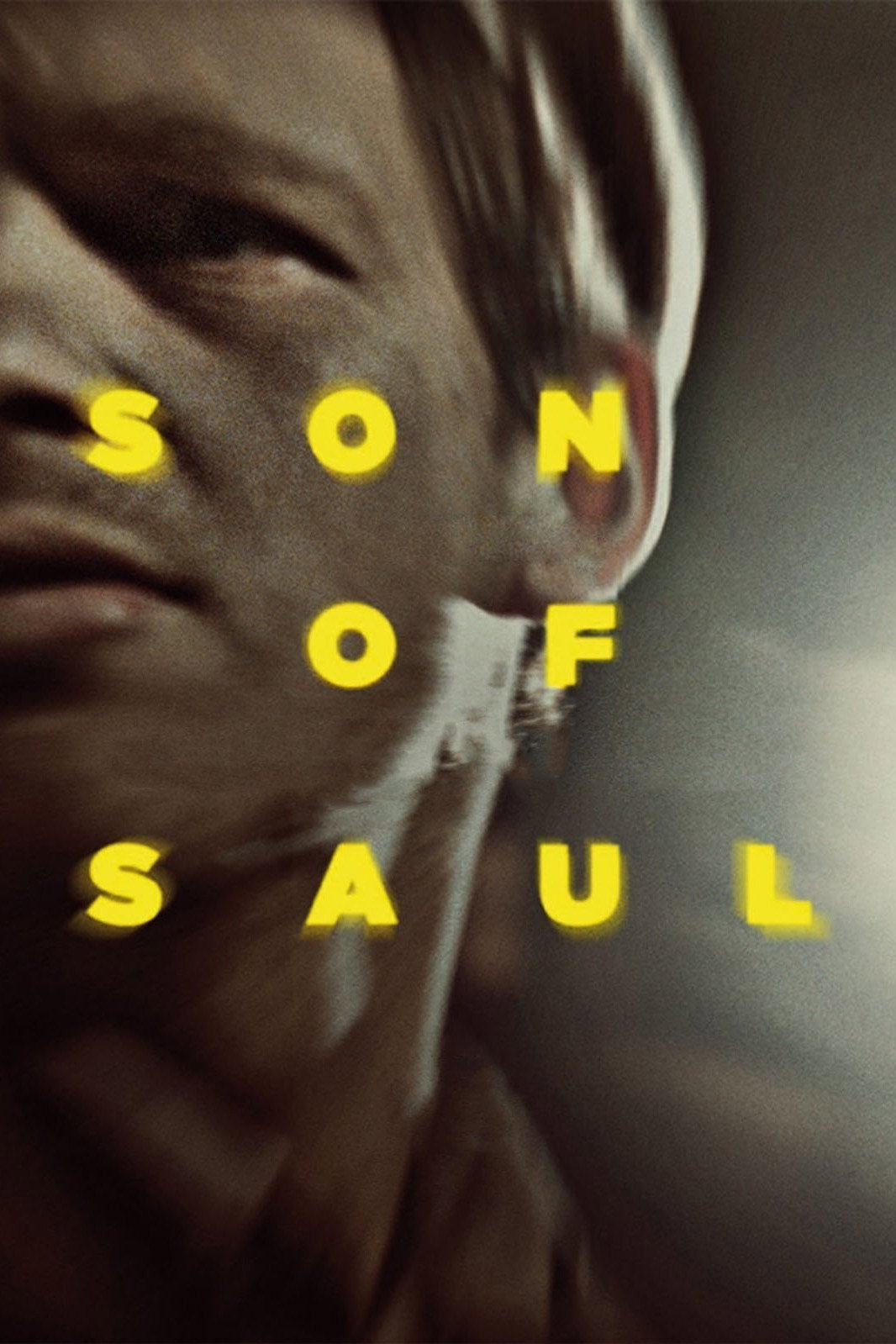
Most critics strongly praise Son of Saul, with agreement centred on László Nemes’s restricted view of Auschwitz and the force of its sound and camerawork. The close attention to Saul’s face, shallow focus and long takes keep much of the horror beyond clear sight, while the soundtrack makes it inescapable. The reviews also value the refusal of sentimentality, and several single out the lead performance for holding attention within this narrow frame.
The reservations concern what that immersion achieves beyond distress, and the central quest divides critics more than the technique. The AV Club finds the approach monotonous and the quest distracting; Slant Magazine argues that the sensory force comes at the expense of deeper engagement. Responses range from emphatic praise to Vulture’s mixed assessment, which admires the first-person technique but finds the protagonist too narrowly conceived and the ending damaging to the film as a whole.
R
Radio Times
★★★★★ · Damon Wise
100
This stunningly original Hungarian drama proves there is room for another fiction film about the atrocities. The result is an intense, immersive experience that harrowingly but respectfully explores the personal and public horrors of the Holocaust.
Read the full review →T
Time Out
14 May 2015 · ★★★★★ · Dave Calhoun
100
Nemes has made a staggering feature debut with an Auschwitz-set drama that’s numbing, provocative and impossible to unsee. The film thrusts the viewer into the heart of the argument about how to represent these events, harnessing cinema at its most powerful while staying close to one disturbed soul.
Read the full review →E
Empire
28 April 2016 · Phil de Semlyen
90*
The critic calls it a remarkable debut from László Nemes that bores straight into the soul and leaves the viewer shattered but richer. It highlights the lead performance and the way the protagonist's quest gains mythical status amid the camp's micro-detailed horrors.
Read the full review →E
Evening Standard
29 April 2016 · David Sexton
90*
The critic describes it as a remarkable achievement that creates its own mode and is wholly immersive and crushing. It singles out the narrow, restricted focus on Saul's face and experience as key to its originality and impact.
Read the full review →G
The Guardian
28 April 2016 · Peter Bradshaw
90*
The critic hails Nemes’s debut as a stunning achievement for anyone, but especially a first-time director, comparing it to Elem Klimov’s Come and See for its intelligence, seriousness and audacity in dramatising the camps. The film reopens debate on the Holocaust’s cinematic representation through its close-up focus on Saul and its moral and aesthetic boldness.
Read the full review →L
Little White Lies
29 February 2016 · 4/4/4 · Craig Williams
80
Nemes uses a single blank face to convey the unspeakable, capturing the horrors of the traditional Holocaust movie through the impassivity of one man. At its core, the film is about the unwavering pursuit of a single act of decency in the face of overwhelming atrocity.
Read the full review →S
Screen Daily
14 May 2015 · festival review
80*
Nemes’s cogent, strikingly confident debut is harrowing but cinematically rewarding, representing a serious attempt to rethink the visual codes of depicting the atrocities of the Shoah. The film offers a rigorously desentimentalised representation of the camps as a brutal milieu.
Read the full review →A
The AV Club
15 May 2015 · B · Ignatiy Vishnevetsky
77
The review calls it an impressive debut and technically impressive thriller and vision of hell, with long energetic handheld takes and a close subjective camera. The central quest becomes something of a distraction and the approach feels monotonous.
Read the full review →S
Slant Magazine
10 December 2015 · ★★★/4 · Ed Gonzalez
75
The review praises the film's technical proficiency, long takes, and aesthetics that avoid direct graphic representation of horrors in favor of a sensorial approach. It criticizes the result as a simulation that simplifies reality and prioritizes visceral effect over deeper engagement.
Read the full review →The film delivers a harrowing first-person perspective on the Holocaust through dense sound design, long takes, and innovative cinematography that emphasizes subjectivity. The critic faults the single-idea protagonist and especially the ending as a cheap literary trick that undermines the whole.
Read the full review →F
Film Comment
· Jonathan Romney
The film conveys the Holocaust’s full horror by keeping atrocities out of focus in the background while centering on one man’s obsessive quest. It is neither melodramatic nor mundanely centered on redemption, focusing instead on what can and cannot be shown.
Read the full review →L
Los Angeles Times
17 December 2015 · Kenneth Turan
The film offers an unprecedented immersive vision of Auschwitz as an industrial factory of death, following one man's monomaniacal quest amid the chaos. Its aesthetic restraint, long takes, shallow focus, and layered sound design create a harrowing, business-as-usual portrayal of horror.
Read the full review →S
Sight and Sound
27 April 2016 · Philip Kemp
The critic praises Nemes’s bold, harrowing depiction of life without hope in a Nazi extermination camp, which finds new means to address the abominable. Much of the action happens off-screen, with the camera holding a close-up gaze on the protagonist while the soundtrack assaults the ears with cacophony.
Read the full review →H
The Hollywood Reporter
14 May 2015 · festival review · Boyd van Hoeij
The critic describes it as a searing, intense descent into hell that is powerfully assembled with striking visuals and sound design. It excels in its narrow focus on one man's story and visceral experience but does not fully sustain its fever-pitch intensity throughout the runtime.
Read the full review →N
The New York Times
18 December 2015 · A.O. Scott
The film is a claustrophobic, narrow-framed immersion into Auschwitz through the eyes of a Sonderkommando prisoner obsessed with burying a boy he believes is his son. It functions as a suspenseful thriller and allegory that confronts the moral complexities of survival in the death camp.
Read the full review →V
Variety
14 May 2015 · festival review · Justin Chang
Nemes' debut is a grim, unyielding, and powerfully immersive Holocaust drama that sticks closely to one prisoner's single-minded mission for a proper burial. It delivers a masterful, existentially daring depiction through long handheld shots and sensory overload while maintaining moral ambiguity.
Read the full review →/
/Film
3 October 2015 · 9.5/10 · Russ Fischer
95
The critic calls it a significant achievement and incredibly powerful drama, praising the intimate, unflinching focus on one man's personal quest for redemption and proper burial amid the horrors of Auschwitz, avoiding clichés.
Read the full review →H
HeyUGuys
18 May 2015 · festival review · Jo-Ann Titmarsh
90*
The critic finds it a staggering and completely devastating depiction of the horror in Auschwitz, praising the immersive camera work, sound design, and Géza Röhrig's performance as it follows a Sonderkommando's quest to bury his son.
Read the full review →P
Paste
16 May 2015 · 8.8 · Tim Grierson
The critic praises the film's innovative, intimate approach to the Holocaust through a Sonderkommando's perspective, highlighting its technical achievements and immersive style. They single out the technical achievement and the way it immerses the viewer in the camp's ecosystem.
Read the full review →The critic calls the film a tense, harsh, and superlative Holocaust drama that is one of the year’s most important masterpieces. They single out the extreme close-up cinematography focused on Saul’s detached face and the inventive compositional style that immerses viewers while reflecting his mental state.
Read the full review →Ordered by the weight we give each publication, then by score. Scores are normalised to 100; * means inferred from an unrated review. Summaries are ours, not quotations; follow the links for the reviews themselves. How we rate