Louis Malle’s wartime school drama earns its force through two boys learning how to be friends. We recommend it without hesitation, though the school sometimes feels a little too carefully arranged in memory.
Louis Malle’s Au Revoir les Enfants deserves an evening of undivided attention. Set in a Catholic boarding school in occupied France in 1944, it is patient about the business of two boys becoming friends, and exact about how difficult that can be. Malle writes and directs from memories of his own childhood, but he does not give the children the understanding he has acquired since. We recommend it warmly for that patience, and for young performances that never ask to be admired for their sensitivity.
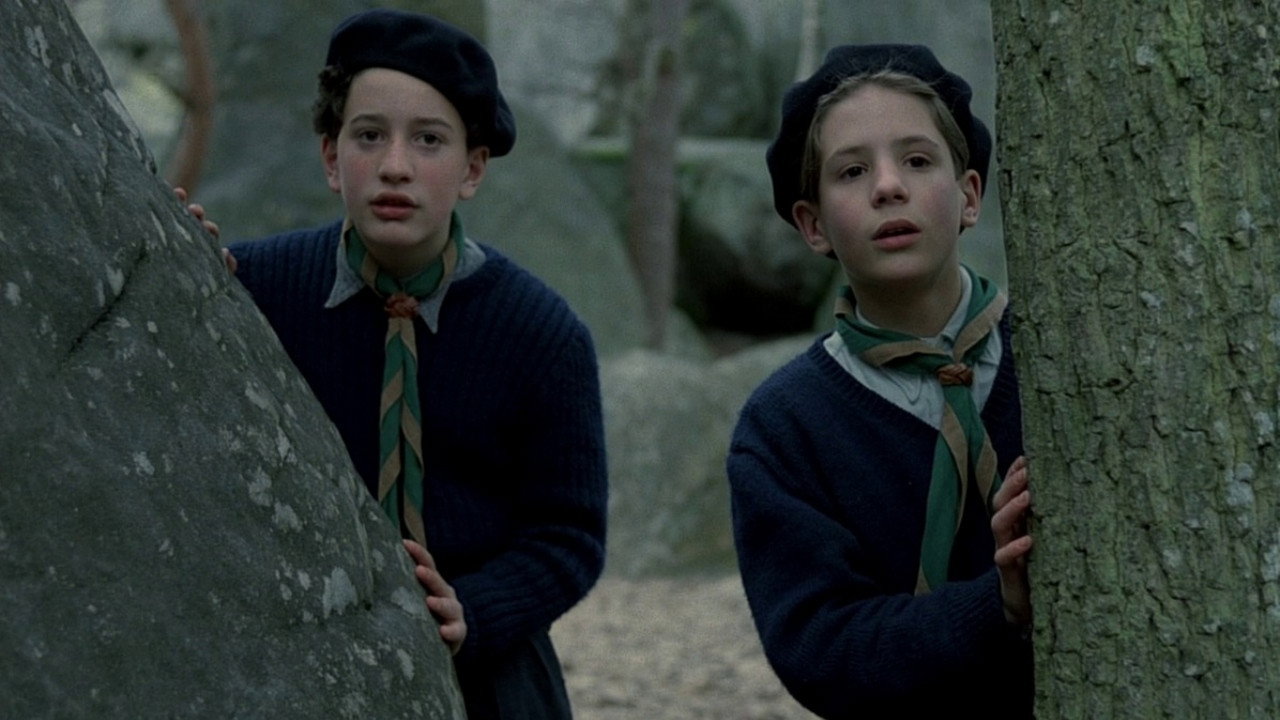
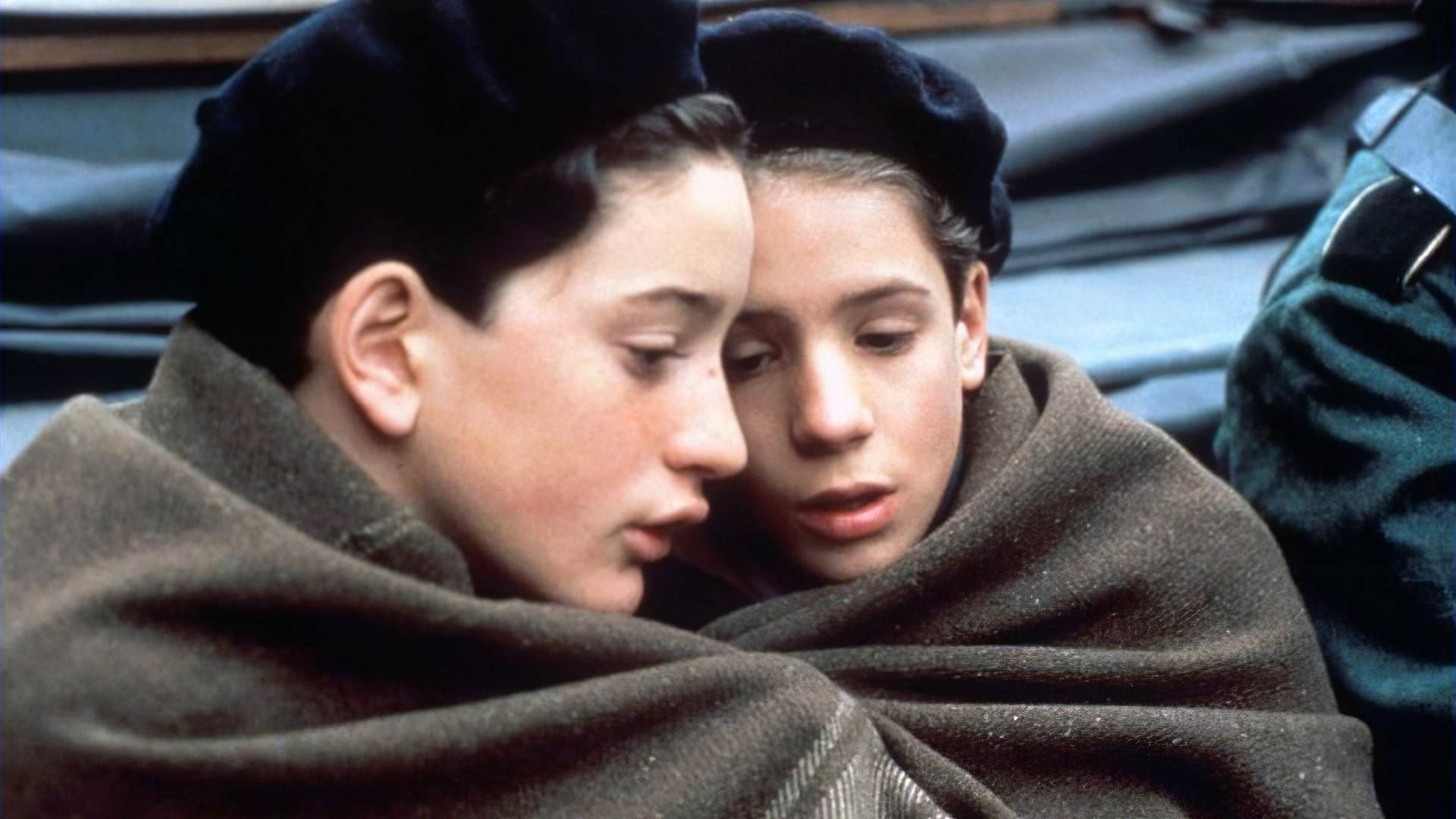
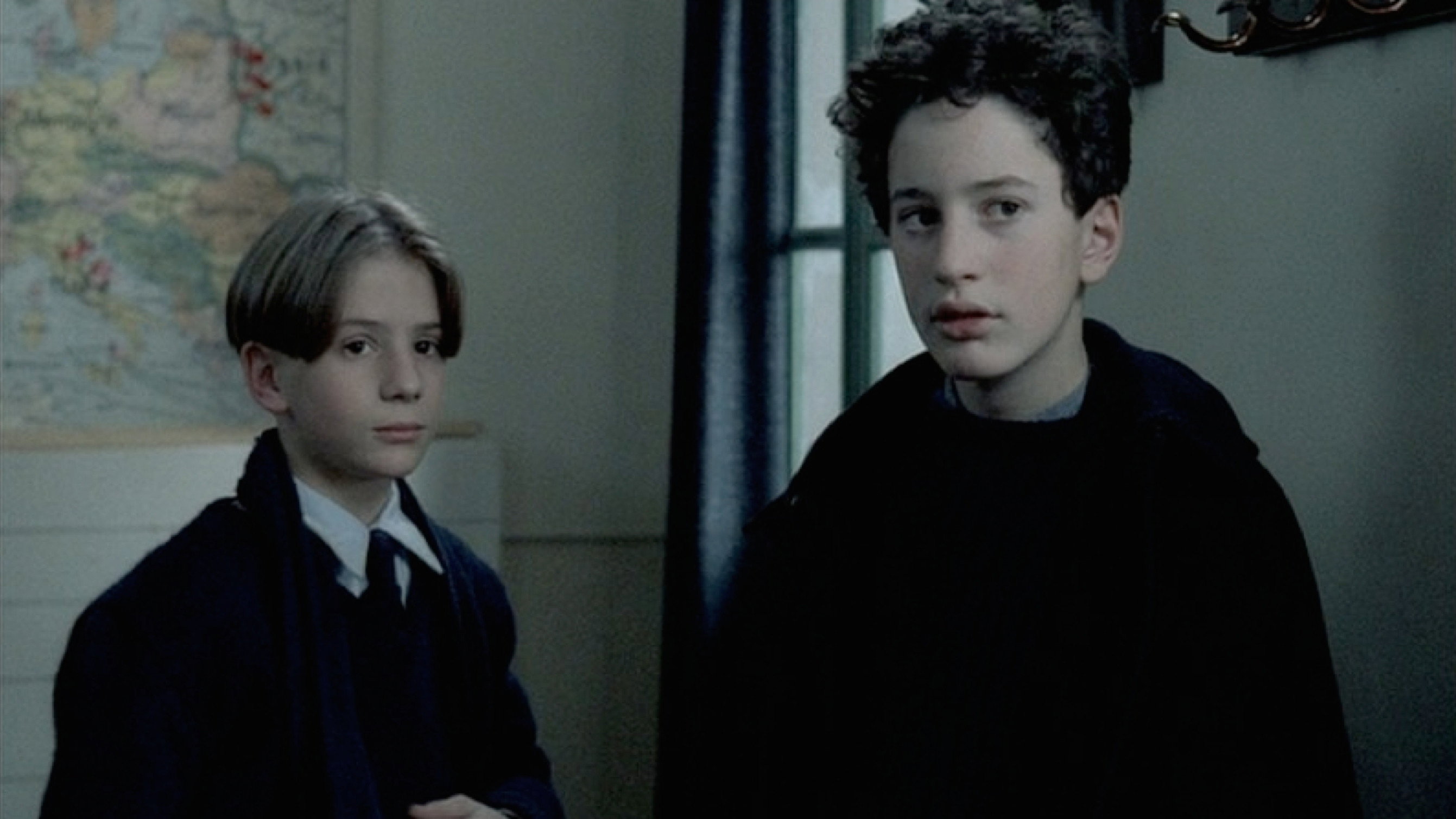
Gaspard Manesse plays Julien Quentin, with Raphael Fejtö as Jean Bonnet. Manesse makes Julien’s interest in the other boy inseparable from his need to know where he stands, while Fejtö gives Jean a life that does not depend upon Julien noticing him. The upper hand passes between them without either performance overstating the change. We found their jostling for position unexpectedly painful. The friendship matters because these boys can want each other’s company and still find ways to make companionship difficult.
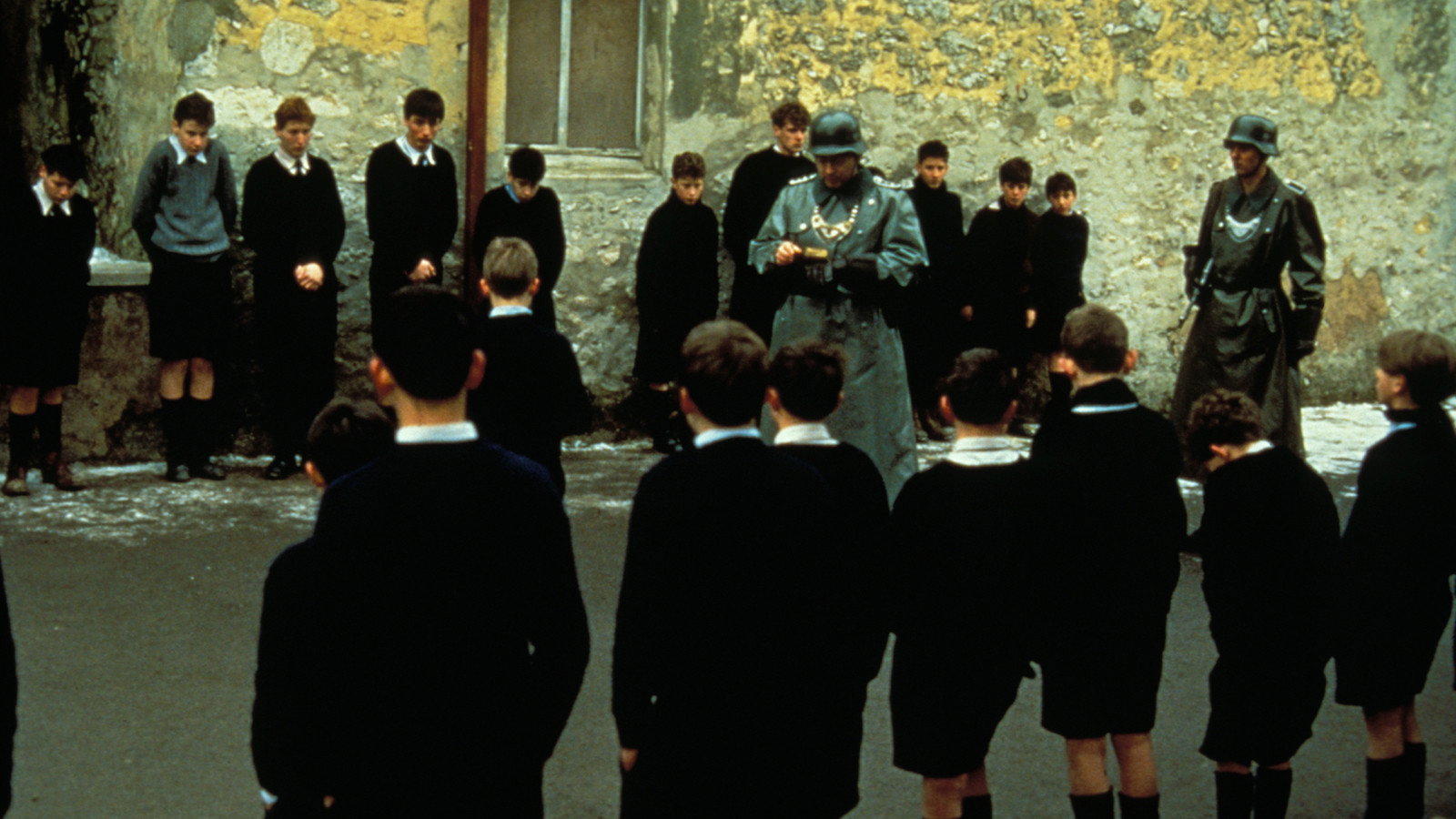
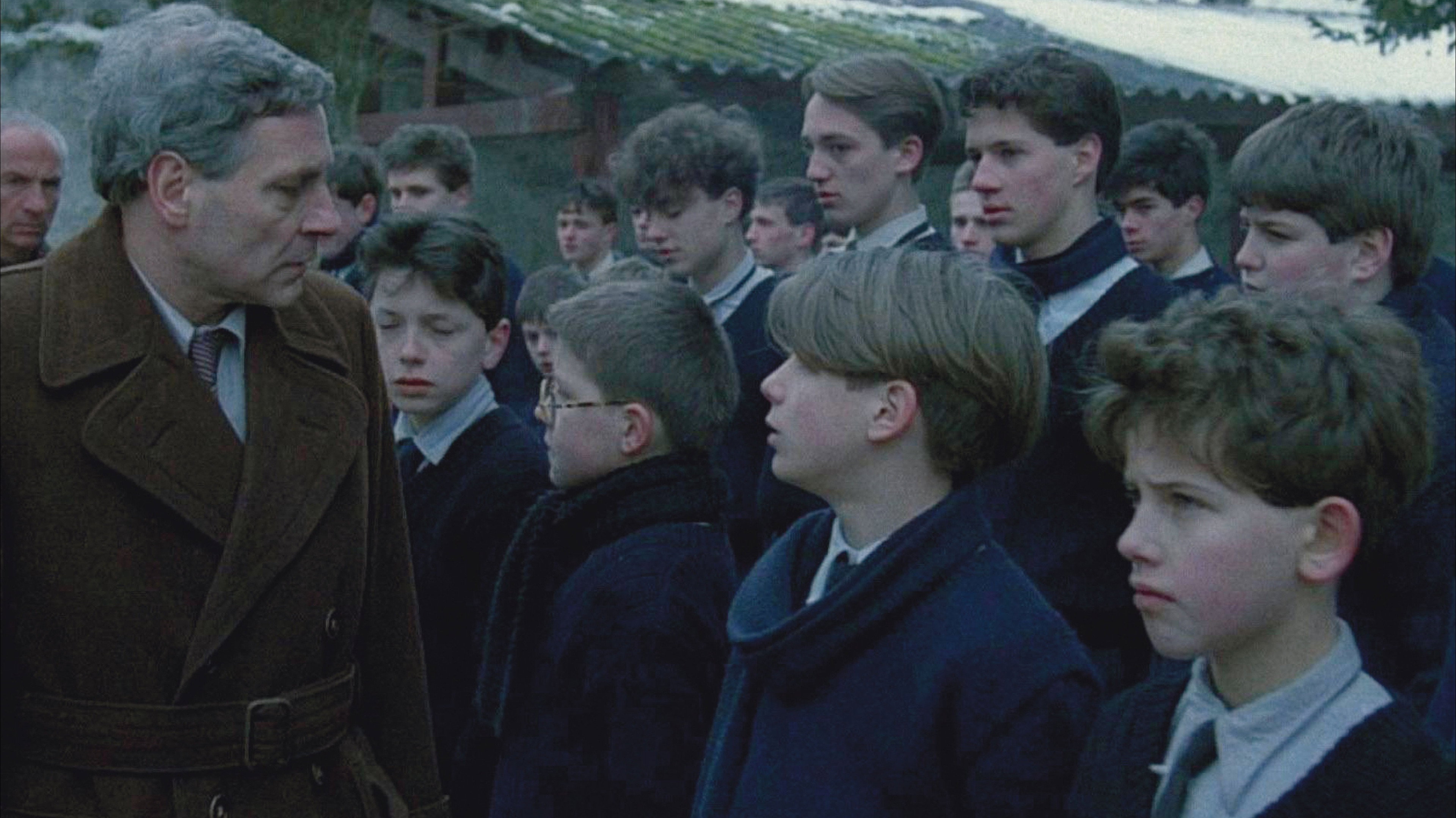
The school shelters Jewish pupils, so its ordinary routines carry responsibilities that the children cannot fully grasp. Philippe Morier-Genoud’s Father Jean helps make the adult world feel close without making it easy for the boys to understand. Malle keeps our attention on how they live among other children, and on the effort of being accepted. The occupation is frightening partly because the pupils have so much else to think about, none of it insignificant to them.
Renato Berta’s cinematography keeps the children more interesting than their surroundings, a useful discipline in a film about a remembered place. Willy Holt’s production design gives the school the reassuring order that its pupils might expect of it. The school feels capable of organising every part of a child’s life, which makes its promise of protection matter. Berta’s work is most affecting when our attention stays with the boys, searching their faces for some change in how they regard each other.
Emmanuelle Castro’s editing makes the everyday rhythm of school worth attending to. At 105 minutes, the film gives the changing friendship enough time to feel earned, without turning every hesitation into a separate dramatic point. There is tension in that pace, because we know more about the danger outside than the children do. Castro and Malle understand that, if the school is to mean anything to us, spending time there cannot feel like a delay.
There is a limitation to such careful control. Malle’s screenplay can make the school feel a little too neatly remembered, with less waste and distraction than we might expect of childhood. We occasionally wanted more room for the children to be uninteresting, as children are perfectly entitled to be. That reservation matters because the film is otherwise so good at resisting the demand that every young character should become an example.
A boarding-school drama can get easy sympathy by making its children innocent and its adults obtuse. Malle is more demanding, particularly about the children’s capacity to wound each other without fully understanding what they are doing. His affection for them does not excuse them, and neither young actor looks like an adult’s improved recollection of himself. Watch it when there is time afterwards to sit quietly for a while.