Film review

Come and See

1985 · Directed by Elem Klimov · 2h 22m · MPA NR

In a sentenceA boy joins the partisans, and we spend the film wanting someone to send him home

DramaWarHorrorHistory

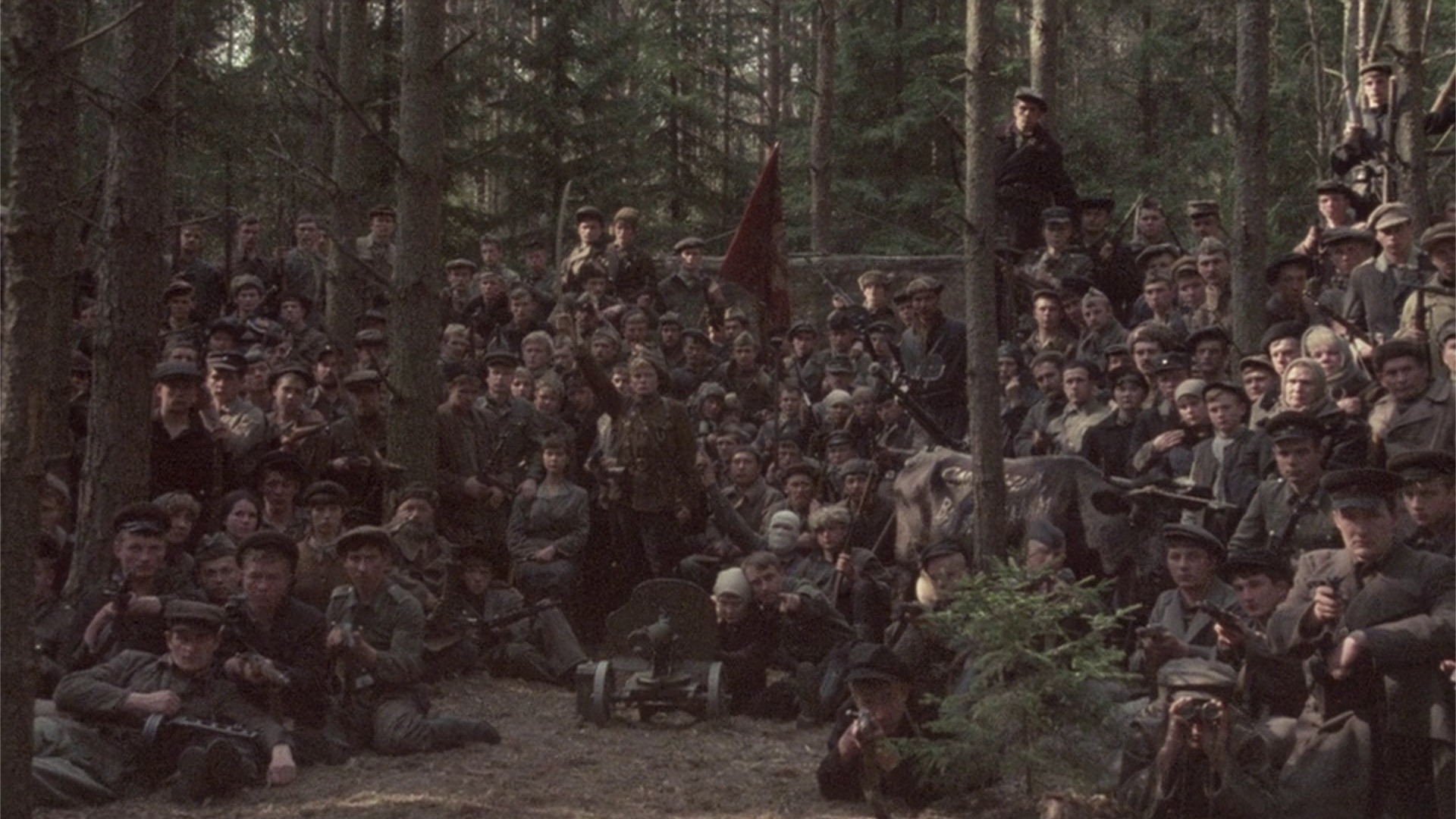
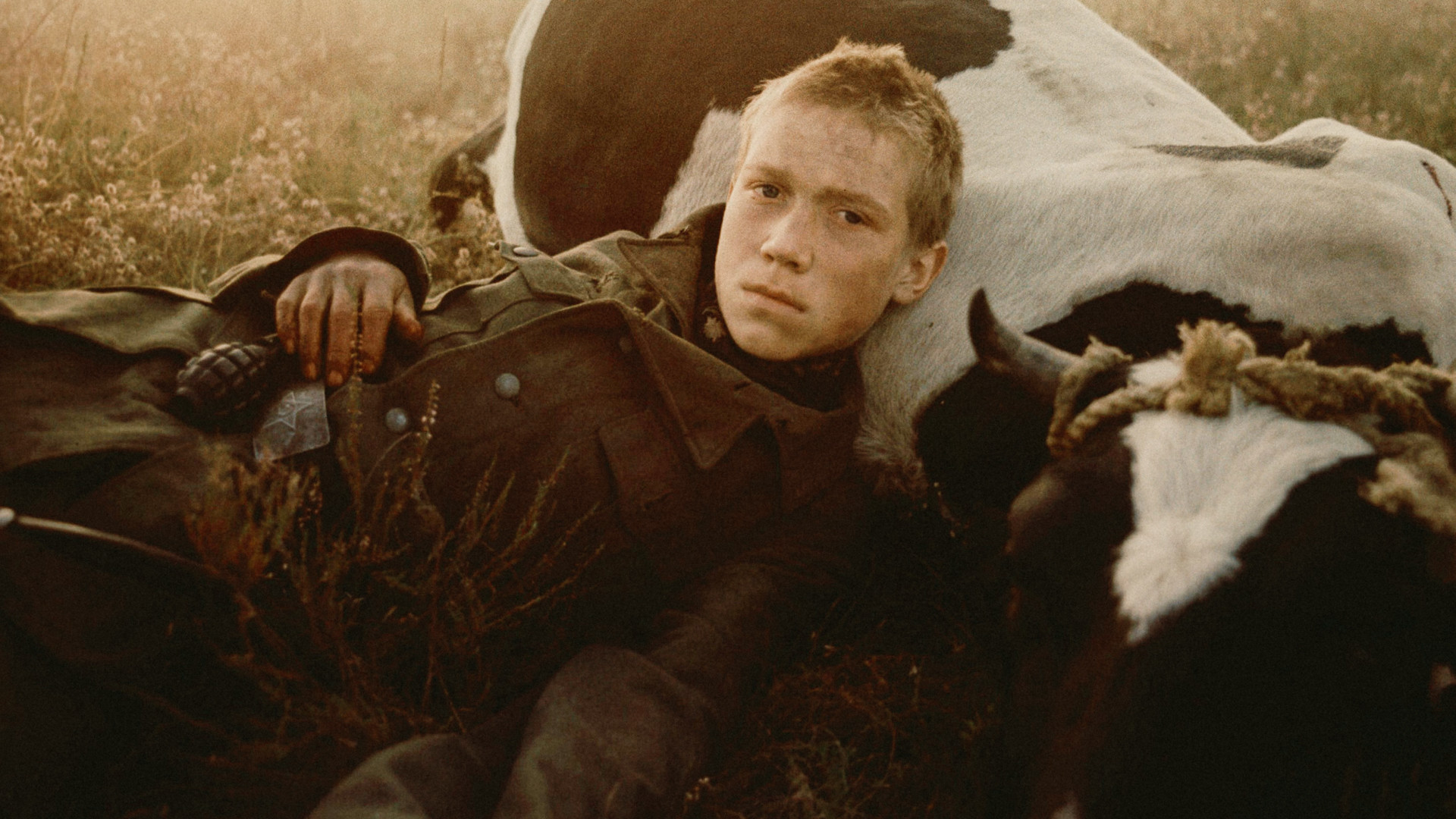
In Soviet Belorussia in 1943, a boy joins the partisans during the Nazi occupation. Aleksei Kravchenko plays Flyora Gayshun, whose experience of the Second World War brings him among civilians exposed to military violence. As he encounters atrocities, the story stays with what he can see and hear, following his struggle to take in what is happening around him. Elem Klimov directs a screenplay written with Ales Adamovich. The cast also includes Olga Mironova as Glasha and Liubomiras Laucevičius as Kosach.

Plays from YouTube when you press play; nothing loads from them until then.

Fi1m review

Elem Klimov’s war film makes a boy’s terror almost unbearable through Aleksei Kravchenko’s performance and its punishing sound. We strongly recommend it, despite moments when Klimov presses for an effect the actor has already achieved.

Come and See is a war film we would urge people to see, and hesitate to put on without warning. Elem Klimov follows a boy into the partisans in occupied Soviet Belorussia in 1943, keeping the experience close enough to make the usual comforts of the genre feel indecent. There is no safe distance from the suffering here. At 142 minutes, it is a severe demand on our attention, sometimes too insistent in its effects, but the demand is justified.

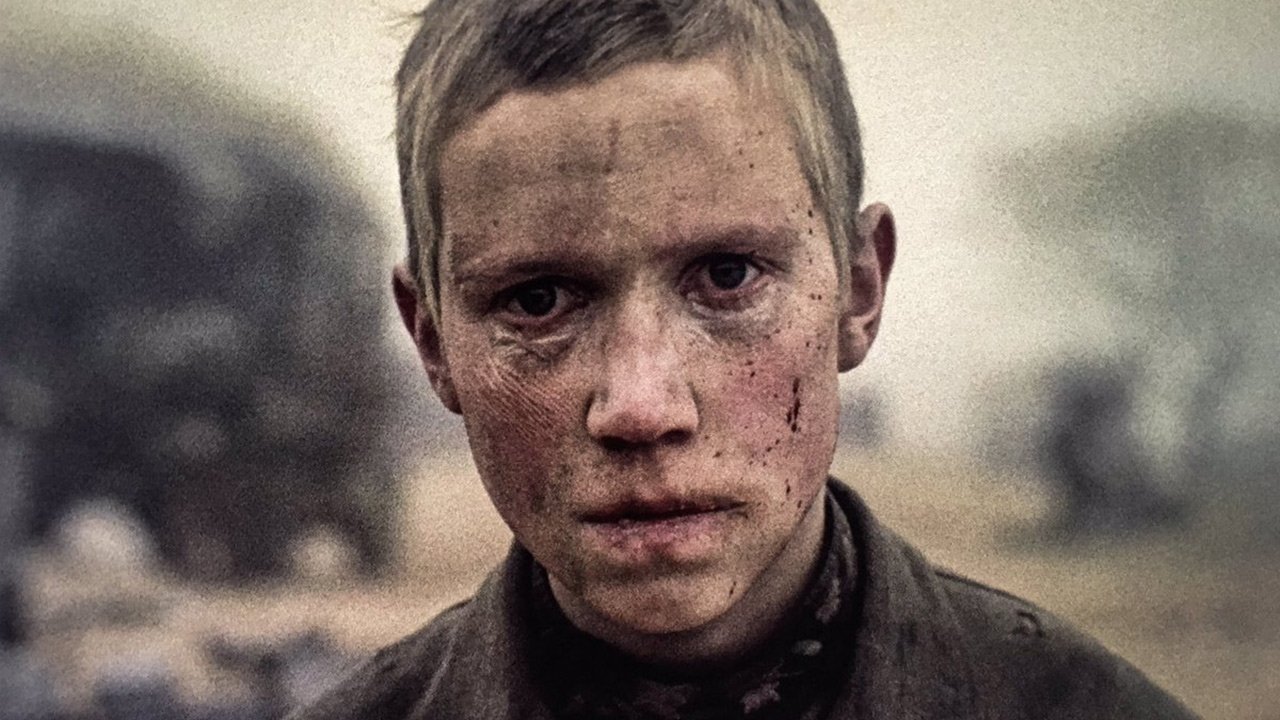
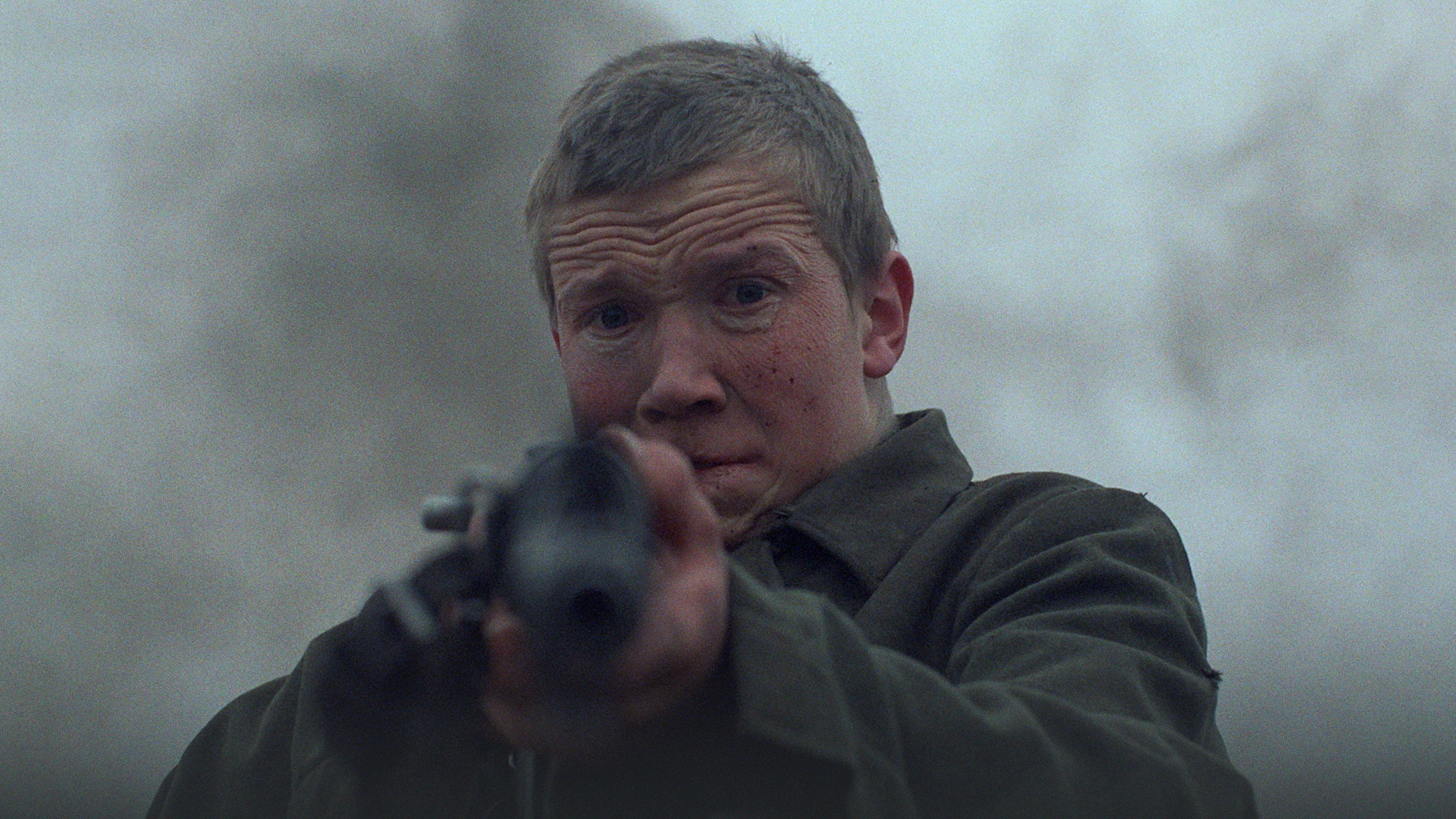
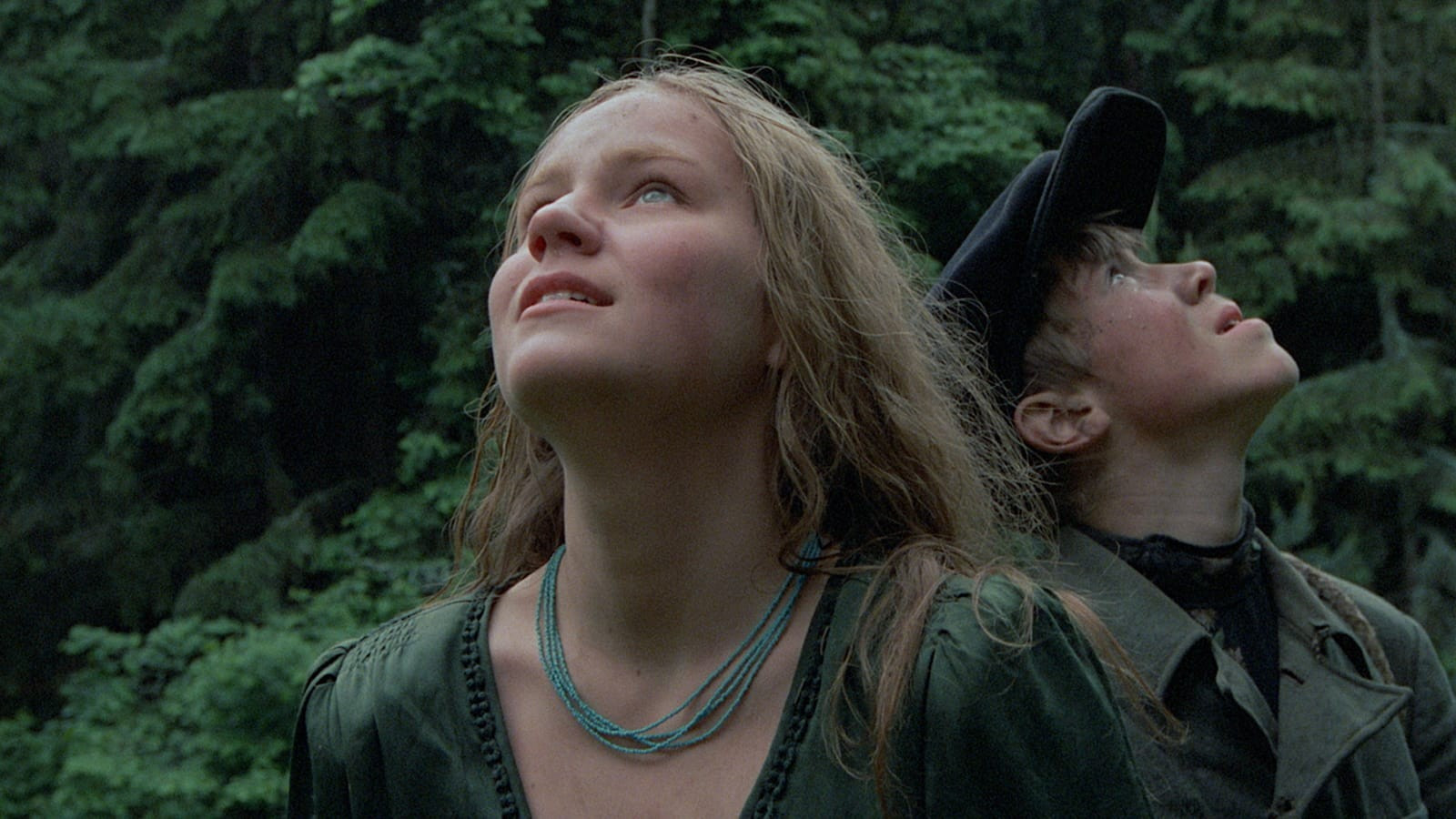
Klimov and co-writer Ales Adamovich put an adolescent at the centre of the story, a choice that could easily have produced a familiar lesson in lost innocence. Kravchenko makes that phrase feel inadequate. His face registers fear with an openness that is difficult to watch; we can read the shock without being allowed to think we have understood its extent. The close-ups keep asking us to look at someone whose ability to make sense of what he sees is being overwhelmed.

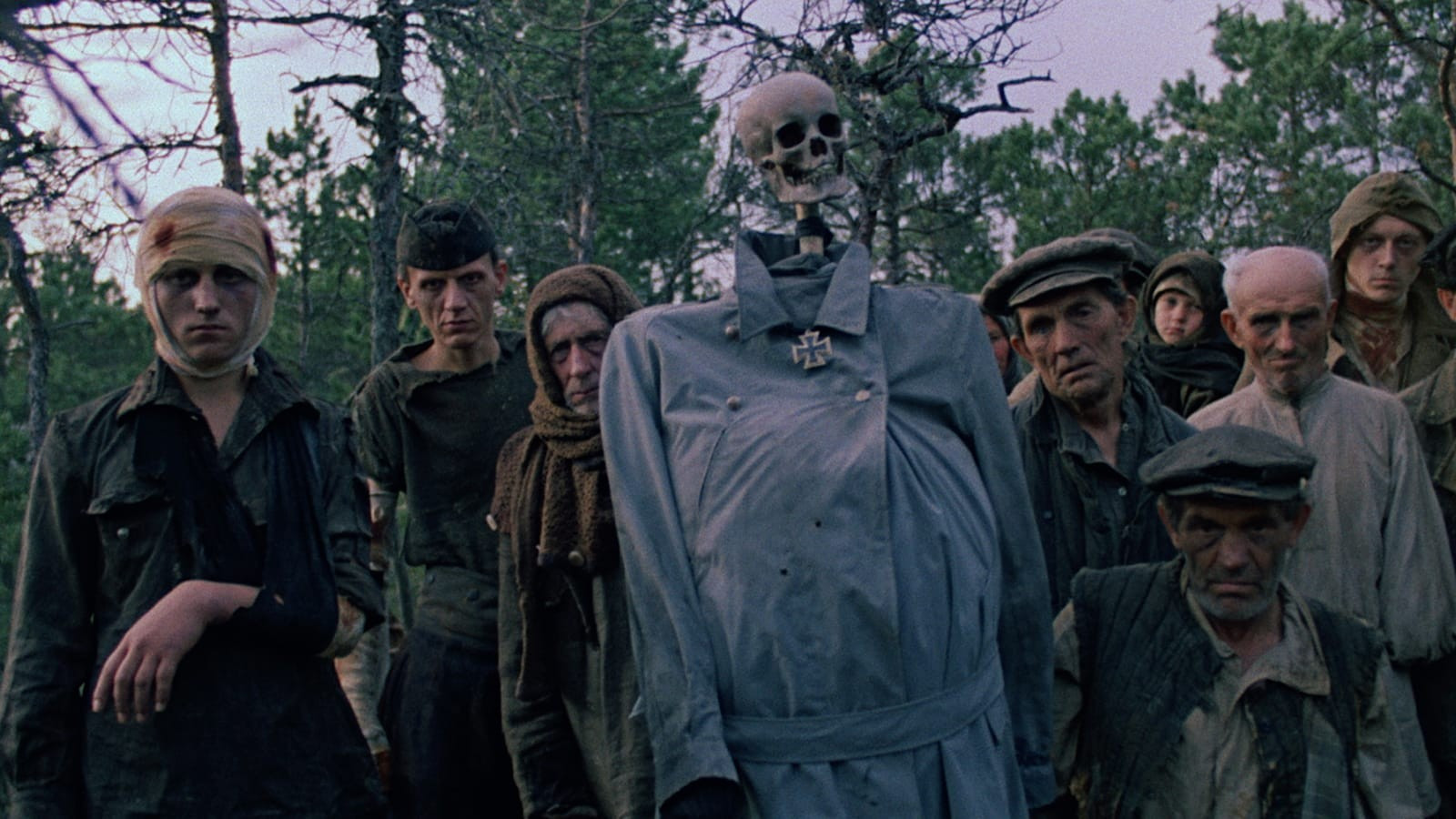
Alexey Rodionov’s cinematography is crucial to that pressure: the close-ups leave little opportunity to look away from the boy and examine his surroundings. Elsewhere, the images become strange enough to suggest that Flyora can no longer rely on what he sees. Viktor Petrov’s production design keeps the countryside recognisable as a place where people live and work. That everyday setting makes the increasingly strange images harder to dismiss as a bad dream.

We were horrified by the bombing raid, particularly the shrill noise that takes over the soundtrack when Flyora’s hearing is damaged. It makes an injury something we have to listen through, without the reassuring separation that a well-staged explosion can provide. Oleg Yanchenko’s music contributes to the disorientation, though it is the damaged hearing that makes the deepest impression. The raid is enough to explain why this belongs as much to horror as to the war film.

Valeriya Belova’s editing makes the shifts between recognisable wartime experience and disorientation difficult to settle into. We are not given the rhythm of a conventional action sequence, with each danger neatly placed and then dealt with. That is effective, but it also makes the running time feel punishing. The quieter, more lyrical passages matter because without those changes of pace the film’s ferocity would become easier to shut out.

Our reservation is with Klimov’s occasional need to press harder when the performance has already done enough. The insistence can make Flyora seem temporarily reduced to a face on which the director can register another degree of horror. We wanted Klimov to trust Kravchenko enough to ease off. That objection matters in a film so committed to making us attend to a person, though Kravchenko repeatedly gives us someone more particular than a representative victim.

Many war films allow us to take satisfaction in courage, endurance or the successful completion of a task. Come and See makes that satisfaction hard to find, and we think it is right to do so. Its attention stays with what violence does to the person who has to witness it. See it when you are prepared to give it your full attention, and leave yourself some quiet afterwards.
Critical consensus AI synthesised

5 of 6
Positive
5
Mixed
0
Negative
0
Slant Magazine
1 July 2006 · ★★★★/4 · Ed Gonzalez
100

The review hails the film as horrifyingly relentless yet beatific in its artistry, capturing the psychological toll of war through dissociative sound and image manipulation. It singles out the demand for the viewer to witness and remember the cataclysmic intrusion of war.

Read the full review →
The AV Club
19 April 2002 · Scott Tobias
90*

The critic praises the film's searing portrayal of WWII horrors as an expressionist nightmare and coming-of-age tale about confronting evil. It stands out for its poetic, surreal depiction of war from a boy's perspective, blending documentary realism with unforgettable visual poetry.

Read the full review →
The Independent
30 July 1992 · Alex Cox
90*

Cox calls Come and See a devastating, genuine anti-war film that stands out for its close-quarters depiction of violence and its effects. He singles out the sound design in a bombing raid sequence, where the protagonist's ruptured eardrums create a high-pitched screaming noise on the soundtrack.

Read the full review →
Empire
12 April 2006 · Ian Nathan

Nathan deems it one of the most powerful and disturbing war movies ever made, an extraordinary piece of filmmaking and a relentless masterpiece. He singles out the physical representation of war through raptured precision cinematography and the unforgettable close-ups of the lead child's face mapping terror and madness.

Read the full review →
Film Comment
1 January 2020 · Michael Sragow

The critic hails the film as a disturbing, mesmerizing epic with few rivals in depicting the horrors of war, ranking it alongside other apocalyptic visions. He singles out the lead performance by Aleksei Kravchenko for its emotional transparency and the innovative sound and visual techniques that draw viewers into the protagonist's harrowing experience.

Read the full review →
Los Angeles Times
31 January 1987 · Kevin Thomas

Klimov sustains an epic odyssey through hallucinatory moods and sweeping expressiveness that largely succeeds in making the familiar subject fresh. The film overreaches in its conclusion with overly obvious makeup and a sentimental, false ending that strains credulity.

Read the full review →

Cast

Stills

Awards

International Submission to the Academy Awards, 1986

Nominated
International Submission to the Academy Awards

If you liked this, try…

The Ascent poster

The Ascent

1977 · Another wartime ordeal that makes survival a frighteningly complicated moral question.

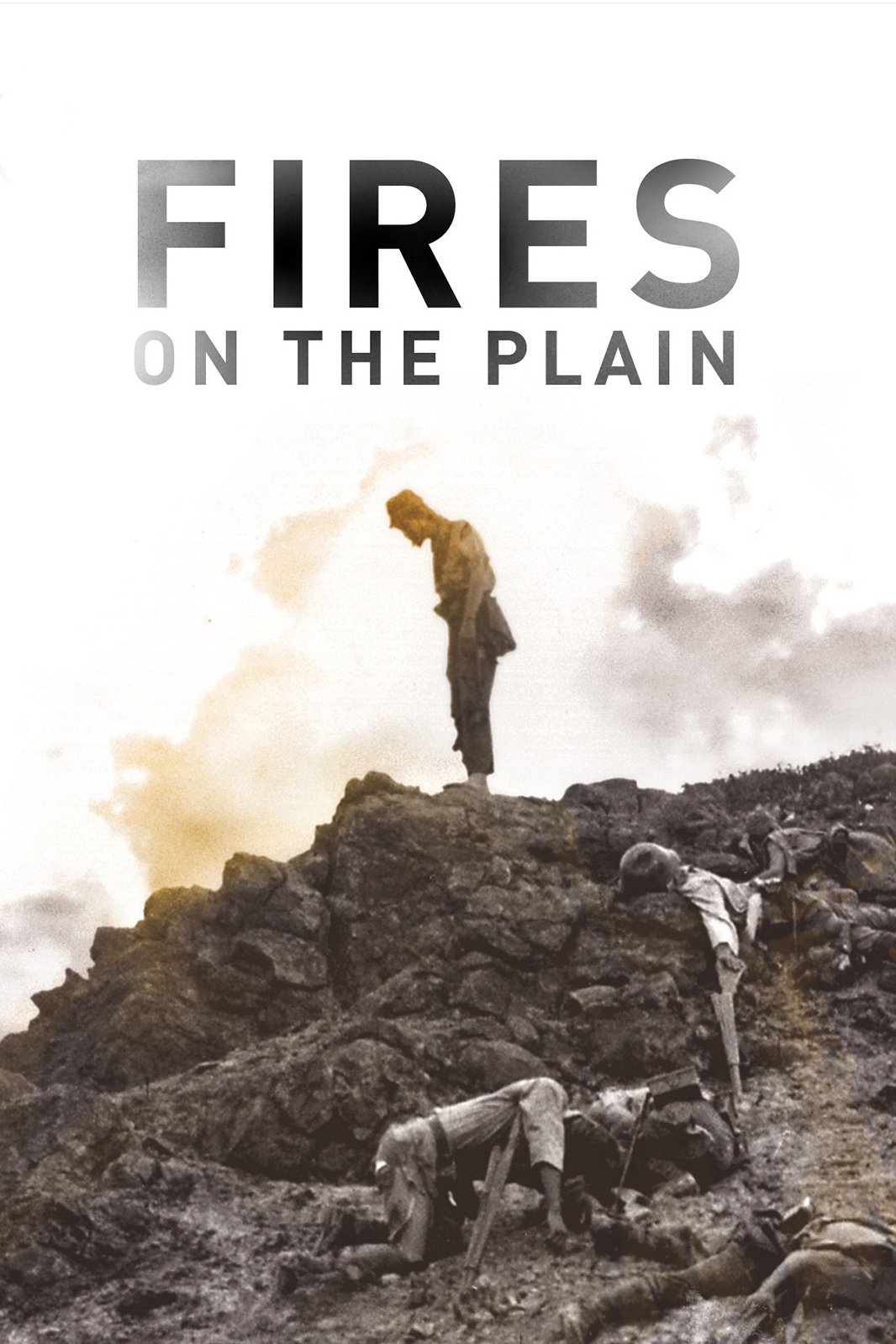
Fires on the Plain poster

Fires on the Plain

1959 · Starving soldiers and ruined landscapes, with little patience for military honour.

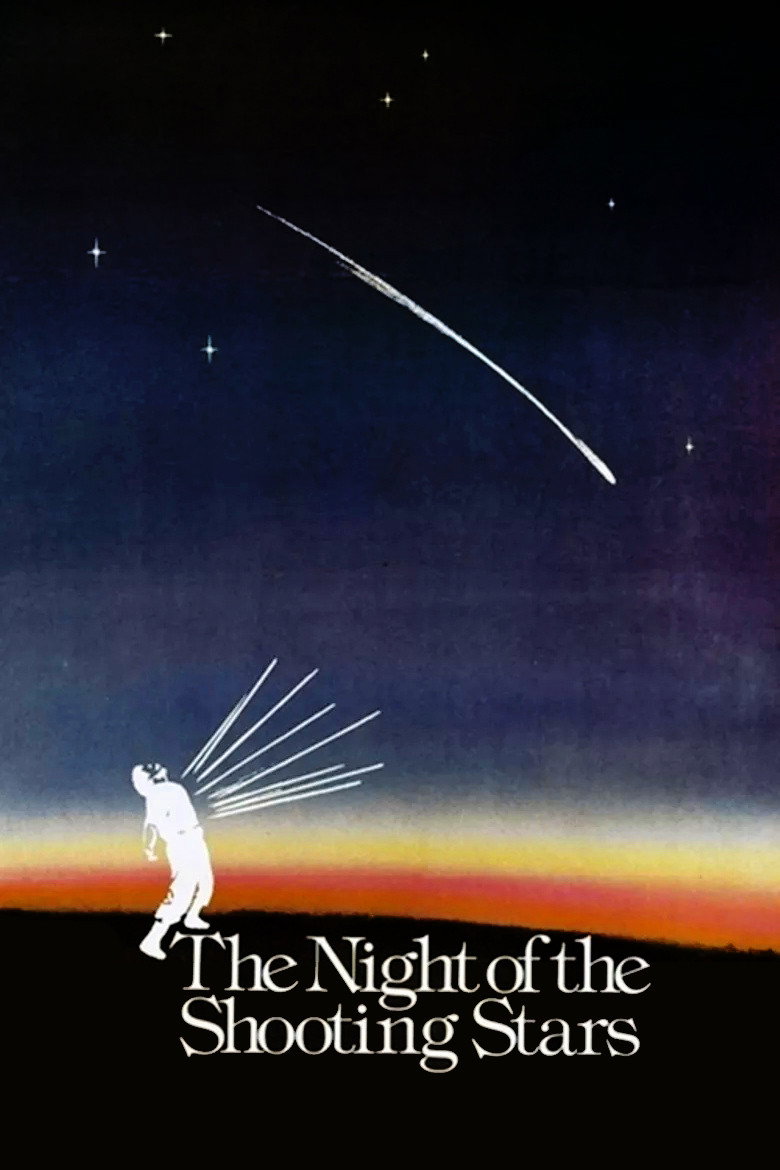
The Night of the Shooting Stars poster

The Night of the Shooting Stars

1982 · War remembered through childhood, with warmth that never makes the violence manageable.

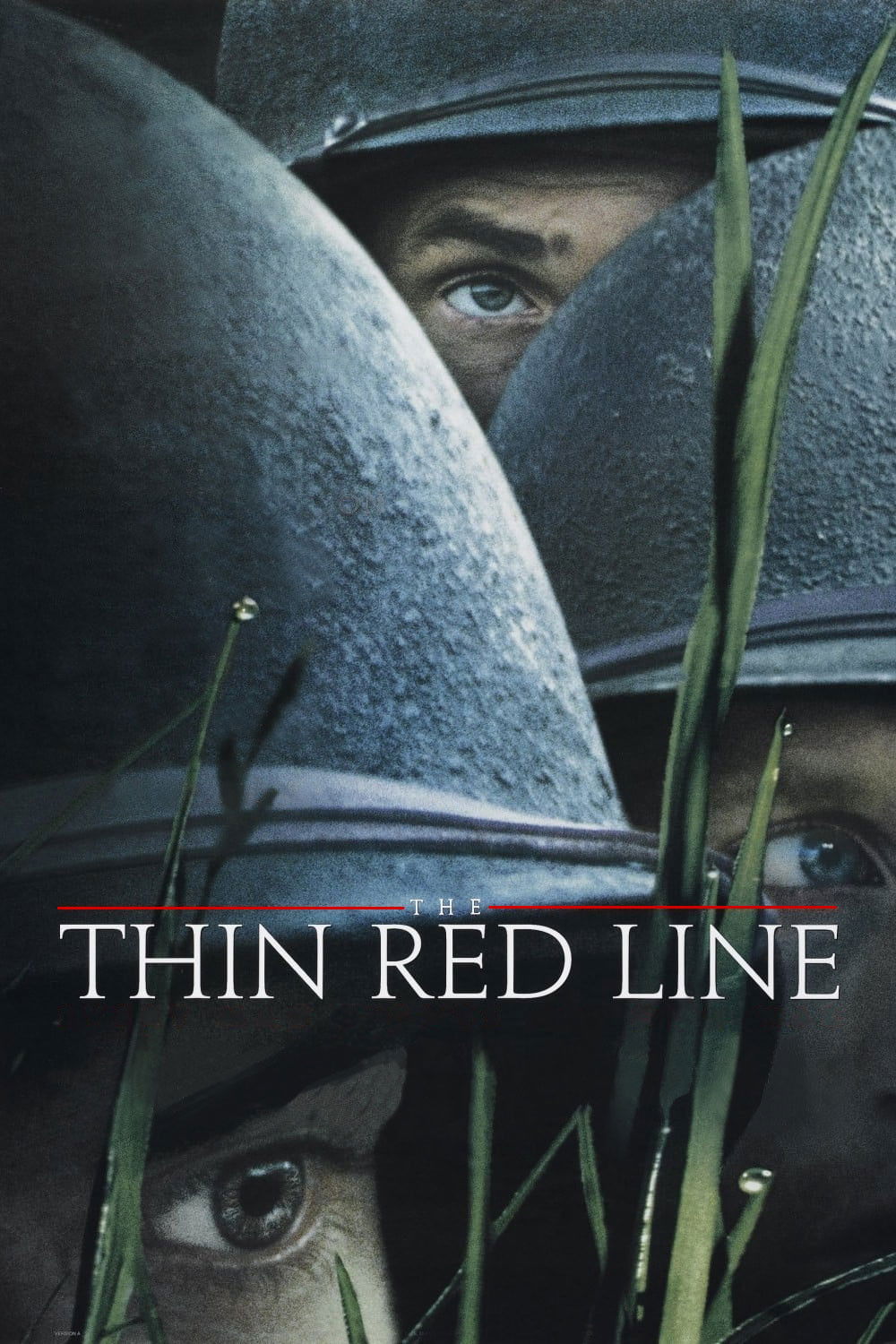
The Thin Red Line poster84

The Thin Red Line

1998 · For the uneasy proximity of natural beauty, frightened men and organised killing.

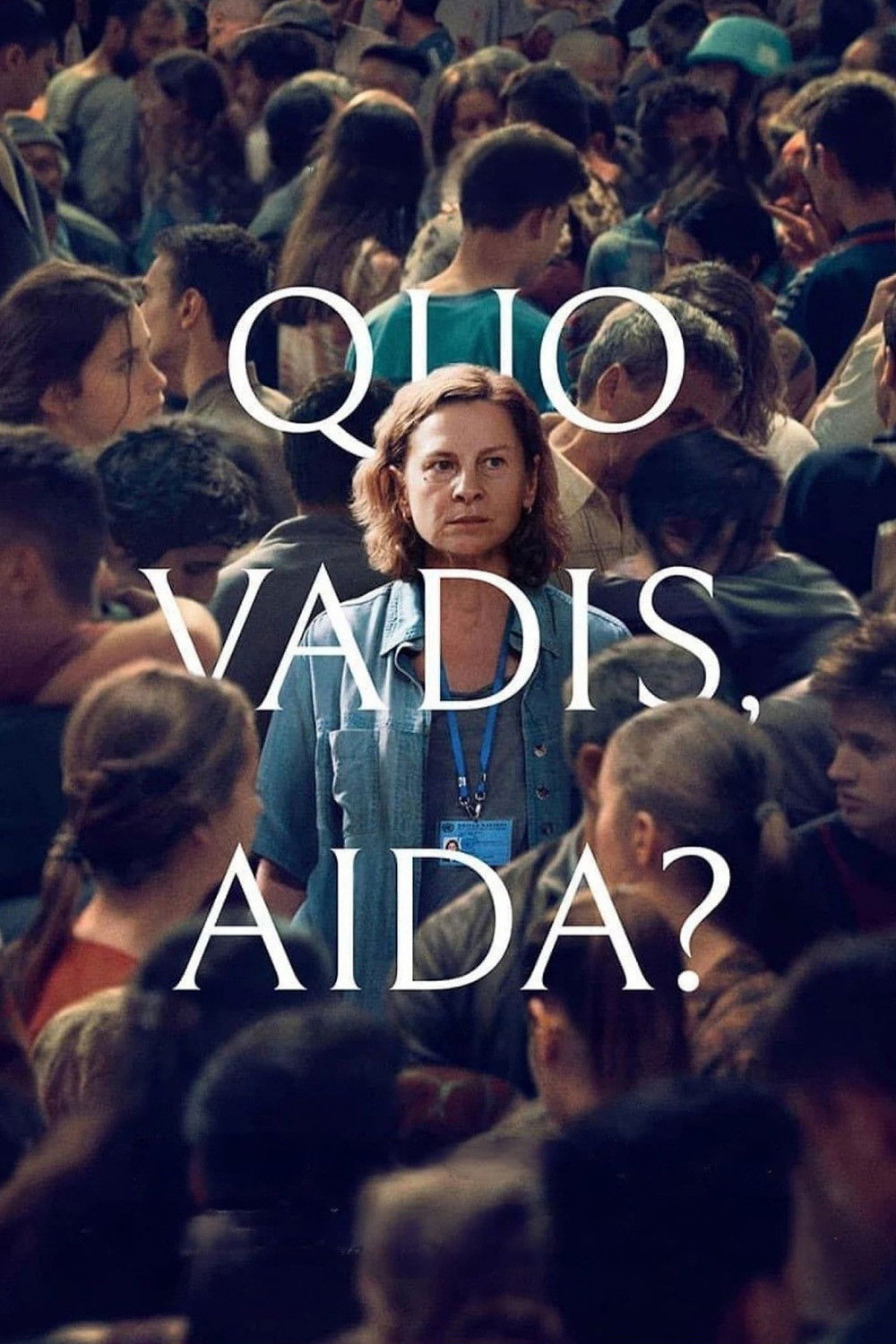
Quo Vadis, Aida? poster

Quo Vadis, Aida?

2020 · Civilian terror observed at close range, with bureaucracy doing its familiar damage.