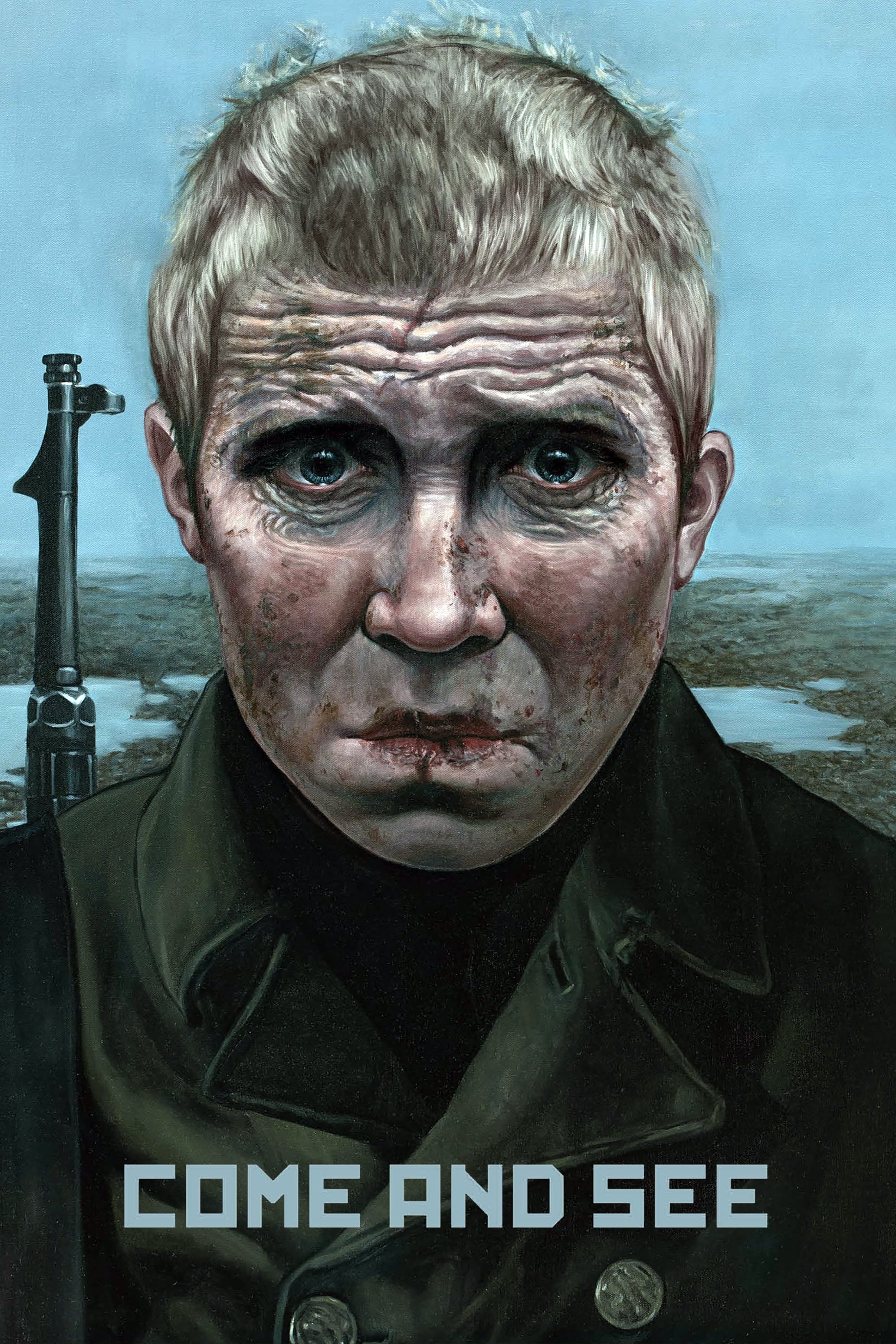
Elem Klimov moved from satire to a war film that makes a boy’s terror almost unbearable. We strongly recommend Come and See, despite the moments when he pushes for a reaction his actor has already earned.
Fi1m perspective
Aleksei Kravchenko’s face in Come and See (1985) registers a boy’s fear as events overwhelm his ability to understand them. Klimov gives us little of the distance that might let us admire the spectacle and move on. We were horrified by the openness of Kravchenko’s fear, which the close-ups make so difficult to look away from. It is a severe film, and we strongly recommend it.
Klimov began with the satires Welcome, or No Trespassing (1964) and Adventures of a Dentist (1965), taking aim at bureaucracy and conformity. Historical drama followed with Agony (1981), about Rasputin. In Farewell (1983), he completed fellow director Larisa Shepitko’s project about a community facing relocation.
In Come and See, Klimov and co-writer Ales Adamovich follow an adolescent into the partisans in occupied Soviet Belorussia in 1943. That choice puts the limits of a boy’s understanding at the centre of the film; he cannot help us make orderly sense of what happens around him. The camerawork stays close to his experience, while the punishing sound makes his terror hard to stand back from. Kravchenko gives the suffering a particular person’s face, and keeps the familiar idea of lost innocence from doing the thinking for us.
Our reservation is that Klimov sometimes pushes beyond what Kravchenko has already made us feel. The insistence can briefly reduce the boy to another expression of horror, when the performance deserves room to be more than frightened. We wanted him to ease off and trust the actor. It is a real weakness, but Kravchenko repeatedly restores the person we are being asked to watch.
Come and See was Klimov’s final film, which makes it tempting to read everything before it as preparation. The early satires deserve to be approached without that expectation. Start with Come and See if you can face it, but do not put it on without warning whoever is watching with you.
Biography
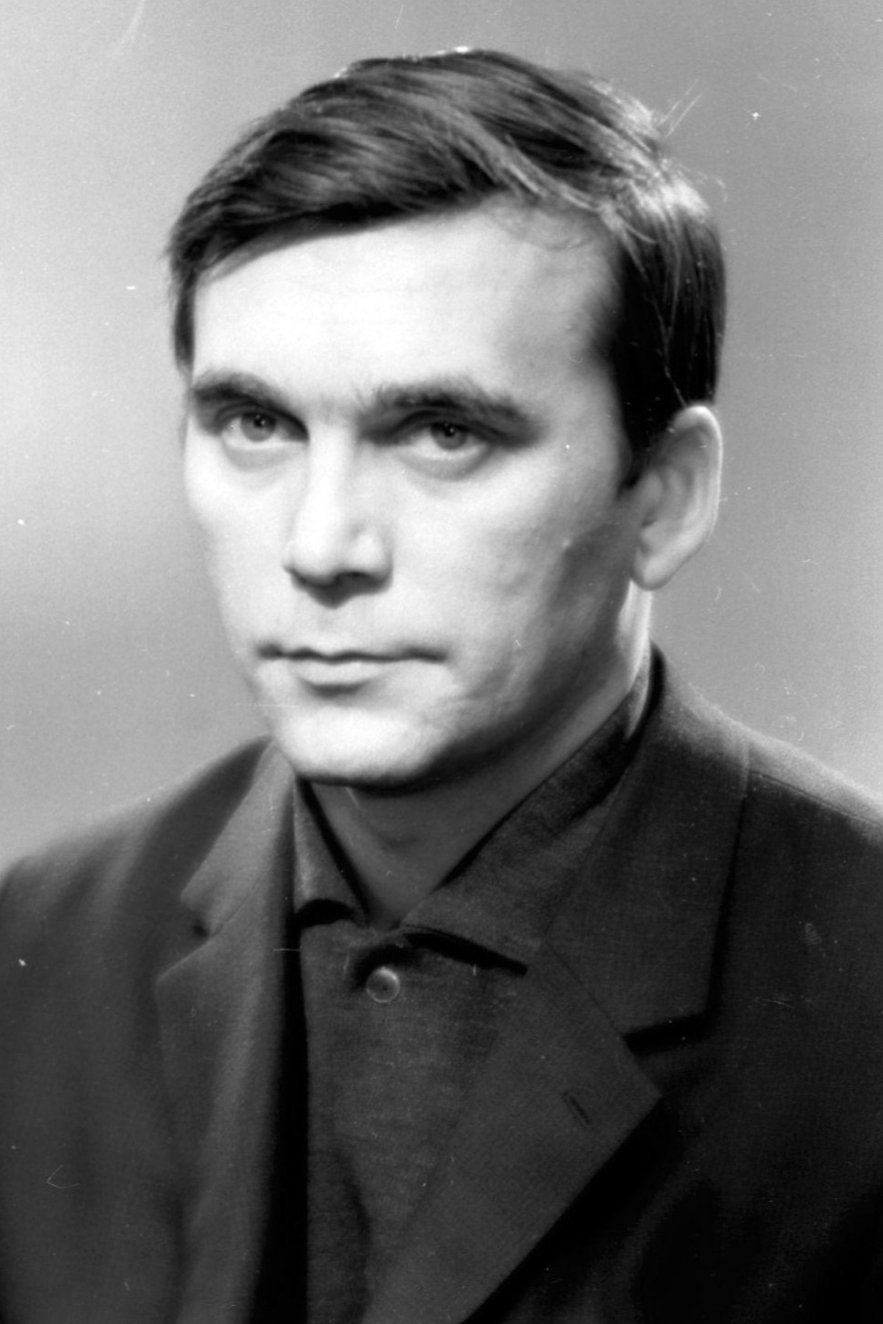
Elem Germanovich Klimov (9 July 1933 – 26 October 2003) was a Soviet and Russian film director. Born in Stalingrad (now Volgograd), he studied at the Gerasimov Institute of Cinematography (VGIK) in Moscow. In 1963 he married the film director Larisa Shepitko, who died in a car accident in 1979.
Klimov directed and co-wrote the screenplay for Come and See (1985). His other feature films include Welcome, or No Trespassing (1964) and Agony: The Life and Death of Rasputin (1981). He also completed Farewell (1983) after his wife's death.