Film review

Shoah

1985 · Directed by Claude Lanzmann · 9h 26m · MPA NR

In a sentenceNine and a half hours of quiet fields and old men talking, and it is the fields that get you

DocumentaryHistory

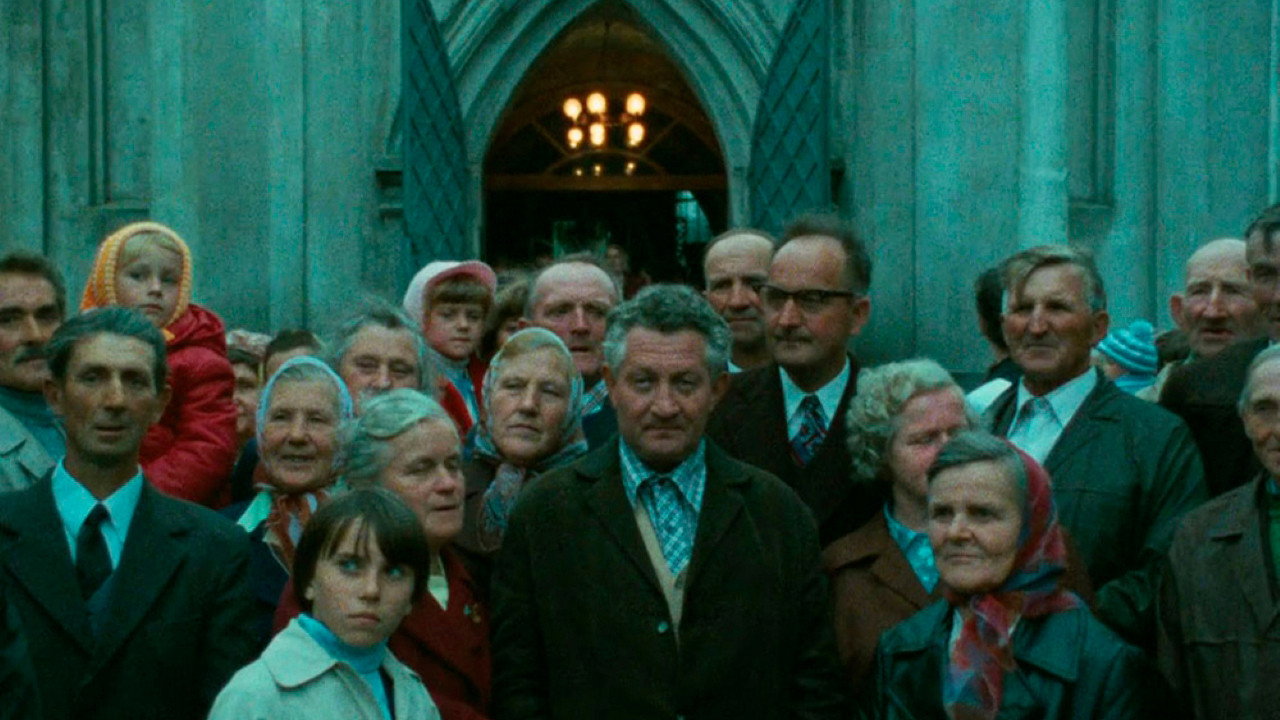
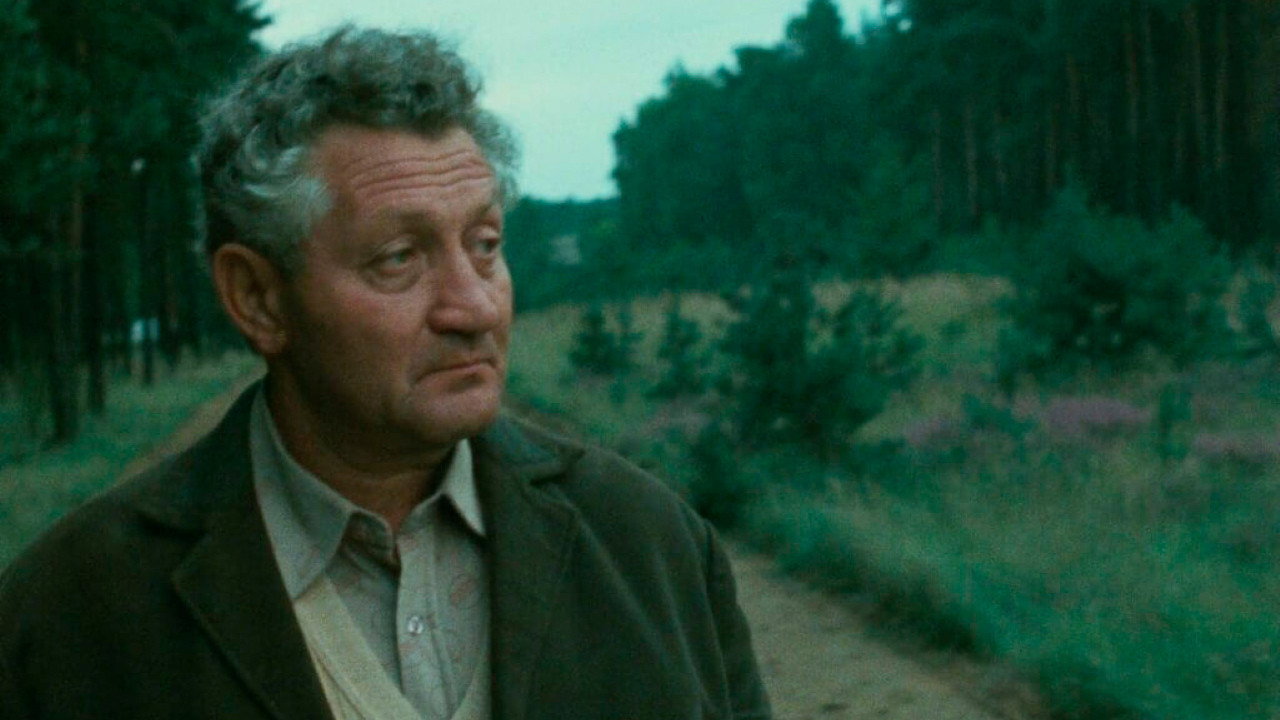
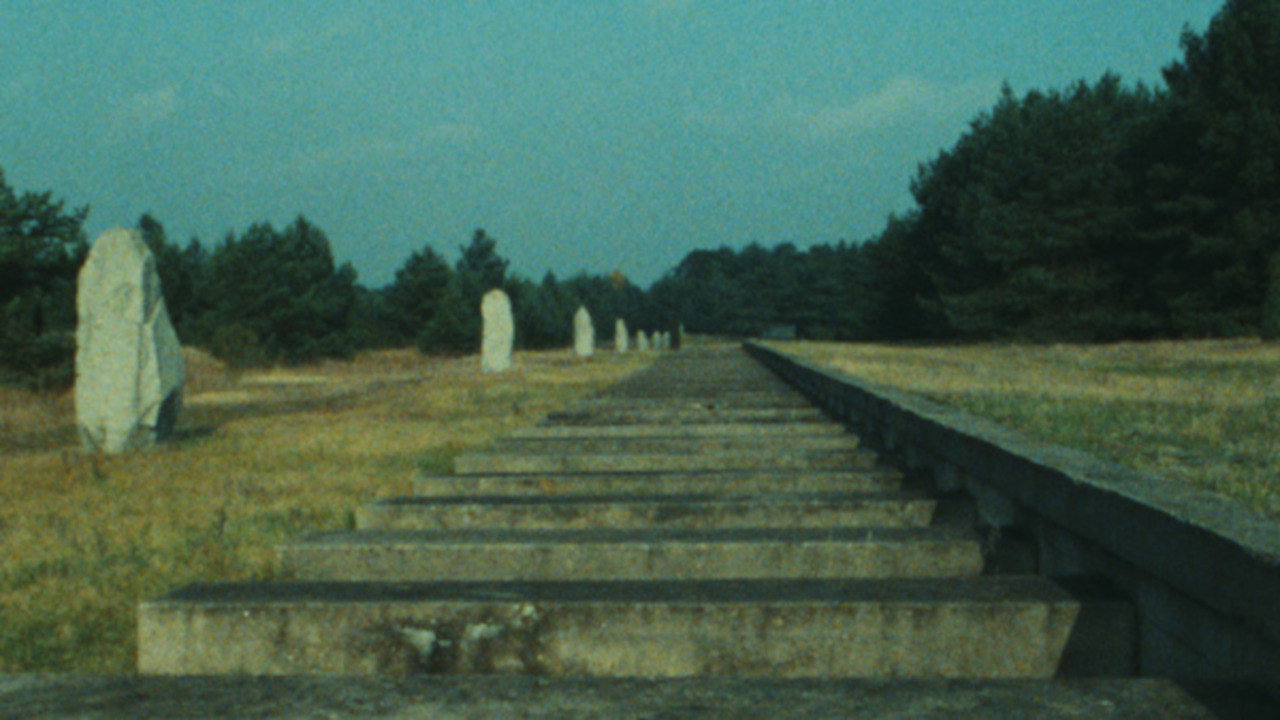
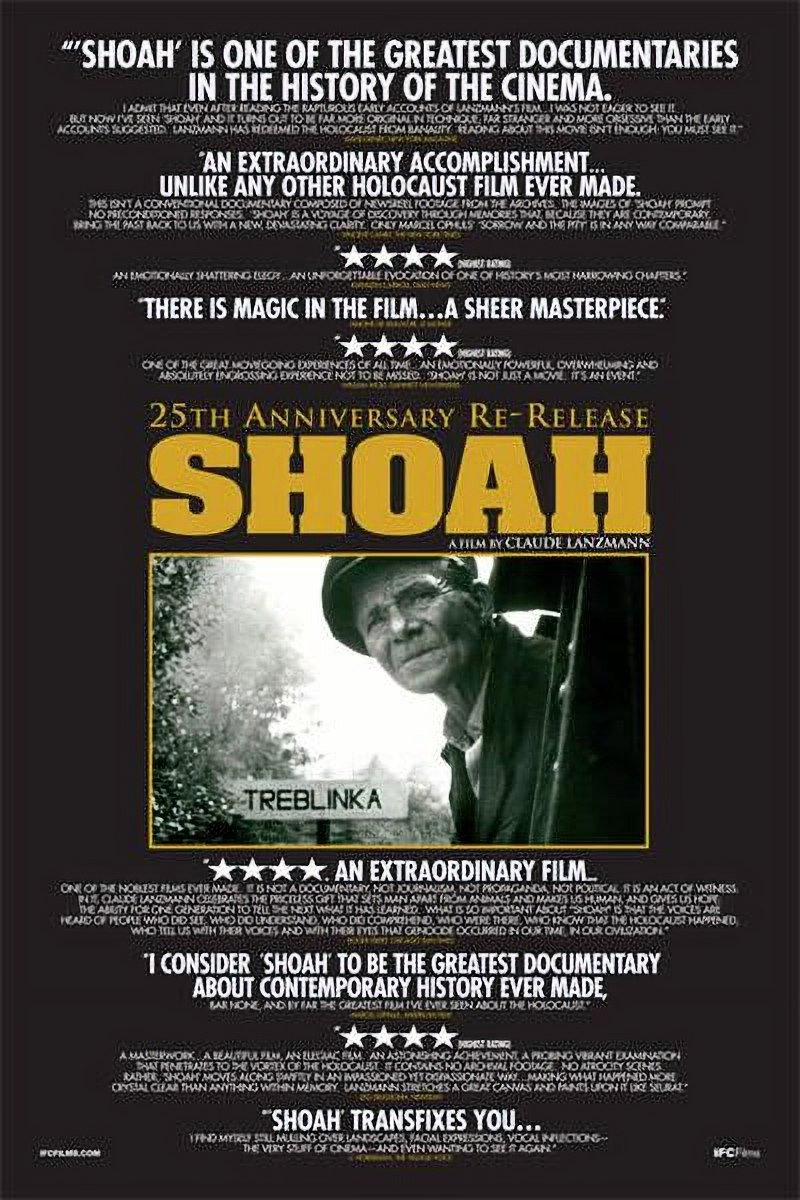
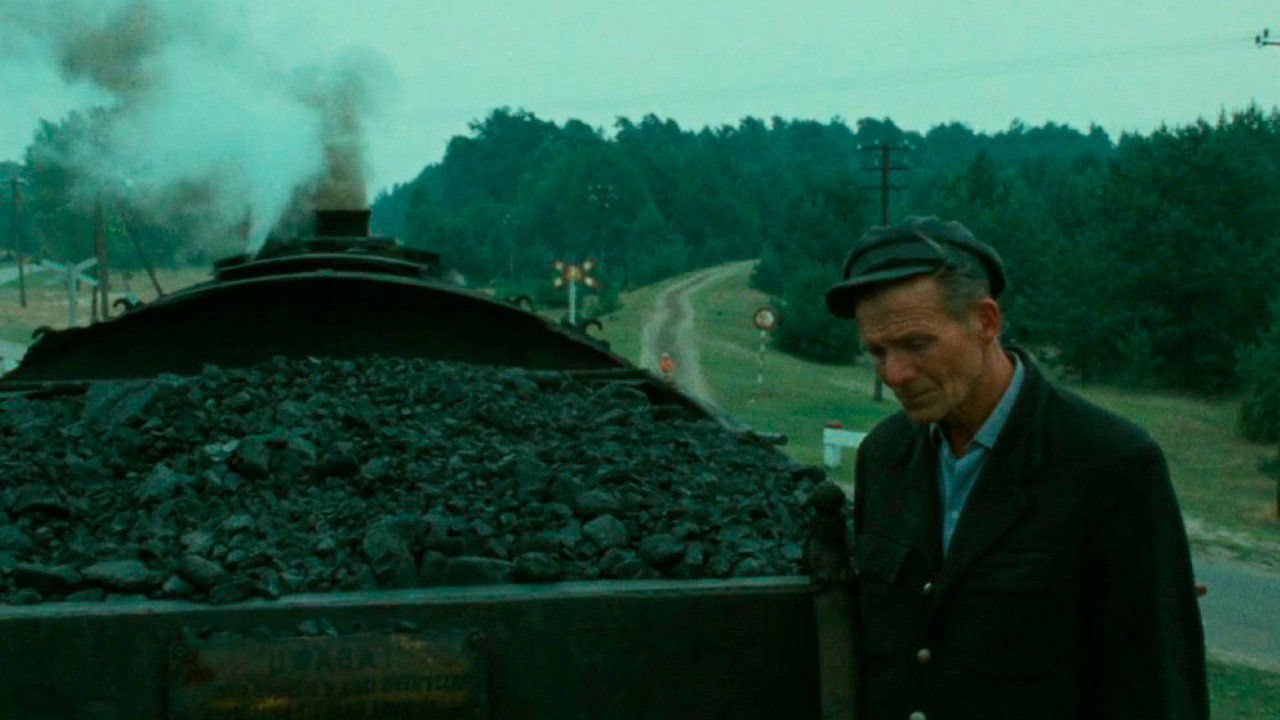
Claude Lanzmann, a French journalist with a camera crew and no archive footage, sets out to record what the murder of Europe’s Jews looked like to the people who saw it. He begins in Poland, at Chełmno, where Simon Srebnik, who survived the death camp there as a boy, is rowed down the river singing the song the guards once made him sing. The villagers remember him. Michael Podchlebnik, another Chełmno survivor, is asked why he smiles as he talks. Motke Zaidl walks a forest in Israel and says it looks like the one at Ponari. Between the faces come the places as they are now: green fields, railway lines, a church, a clearing in trees.

Plays from YouTube when you press play; nothing loads from them until then.

Fi1m review

Claude Lanzmann’s 566-minute oral history of the death camps, made without a single frame of archive footage, is the film we would send anyone to who thinks they already know. It is punishing, it is sometimes bullying, and nothing in documentary comes near it.

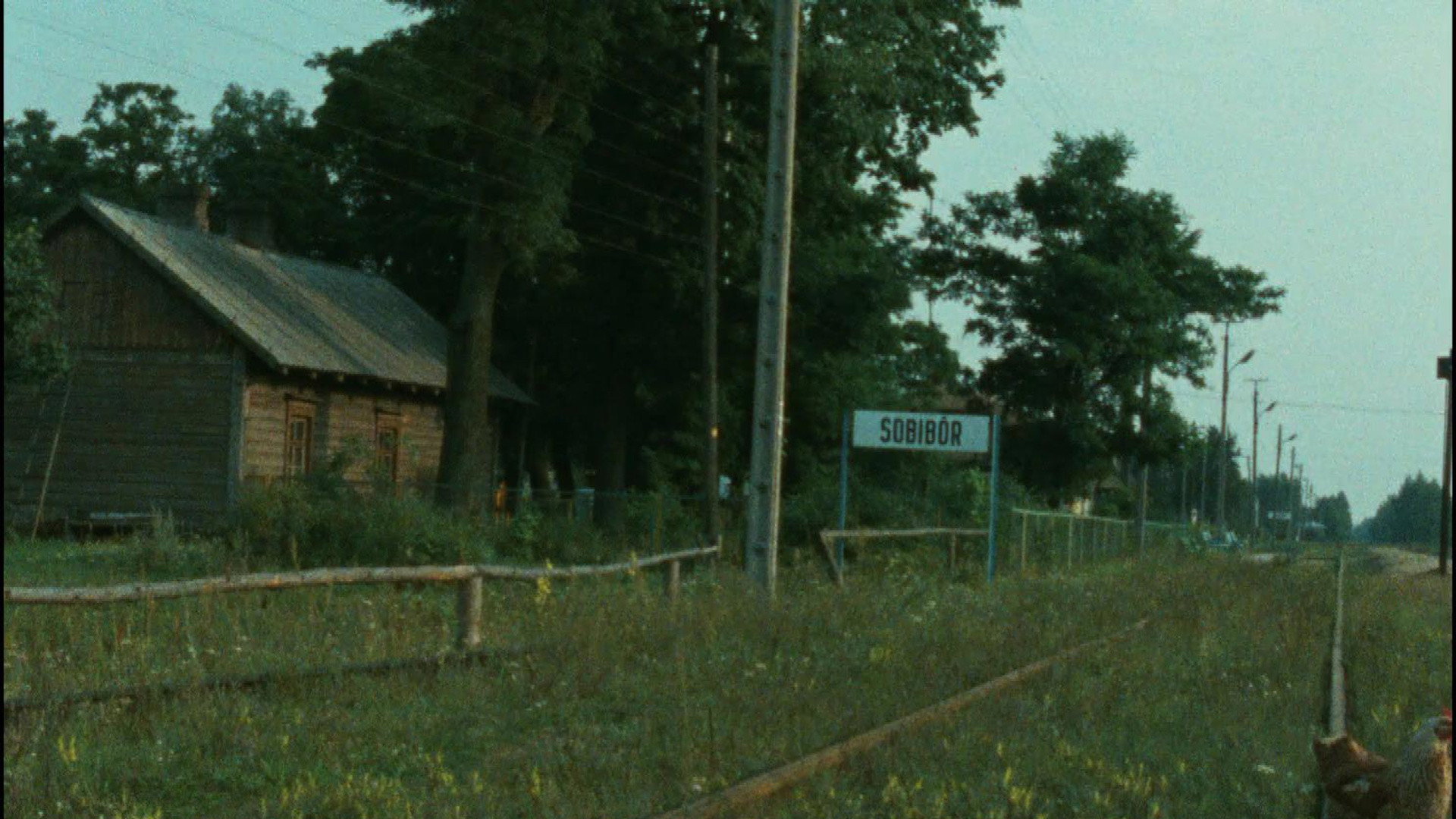
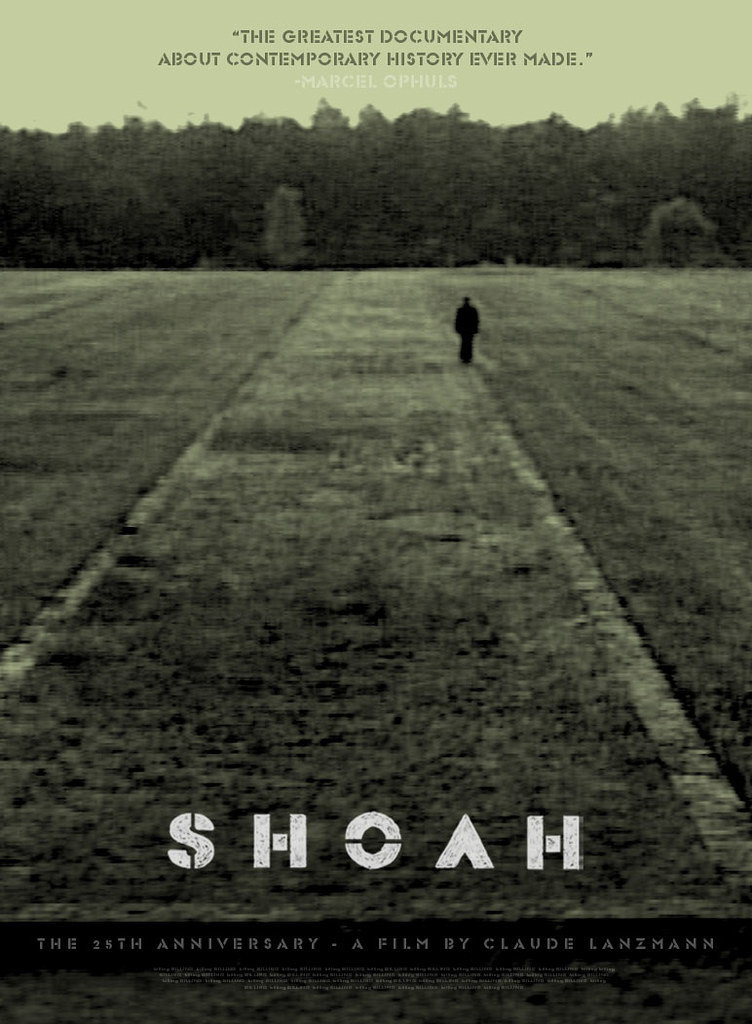
Claude Lanzmann made a film about the murder of Europe’s Jews without using any footage from the time. No newsreels, no liberation photographs, no shoes. Instead there are people, filmed decades afterwards, telling him what they saw, and there are the places as they were when he arrived with a camera: a field at Chełmno, a forest clearing at Sobibór, the ramp at Birkenau under snow. It runs 566 minutes and the length is the method. He wants us to sit long enough that the past stops being history and becomes something that happened to the man in front of us.

The witnesses are why it works. Simon Srebnik is rowed down the river at Chełmno singing the song the guards made him sing as a boy, and the villagers on the bank remember him fondly, which is its own horror. Michael Podchlebnik smiles as he speaks and Lanzmann asks him why. Filip Müller, who worked in the crematoria at Auschwitz, describes the undressing room with an exactness that no photograph could improve. Rudolf Vrba, who escaped from Auschwitz, talks like a man giving evidence. Jan Karski, the Polish courier smuggled into the Warsaw ghetto so he could report to the Allies, begins to answer, stands up, walks out of frame, and after a while comes back.

Then there is Abraham Bomba. He cut women’s hair inside the gas chamber at Treblinka, and Lanzmann films him in a barber’s shop, cutting a customer’s hair while he talks. He reaches a particular memory and stops. Lanzmann tells him he has to go on. Bomba wipes his eyes, and does. We have argued with ourselves about that minute for years. We wanted Lanzmann to leave him alone, we knew the film needed him not to, and we have never settled which of those was the decent instinct.

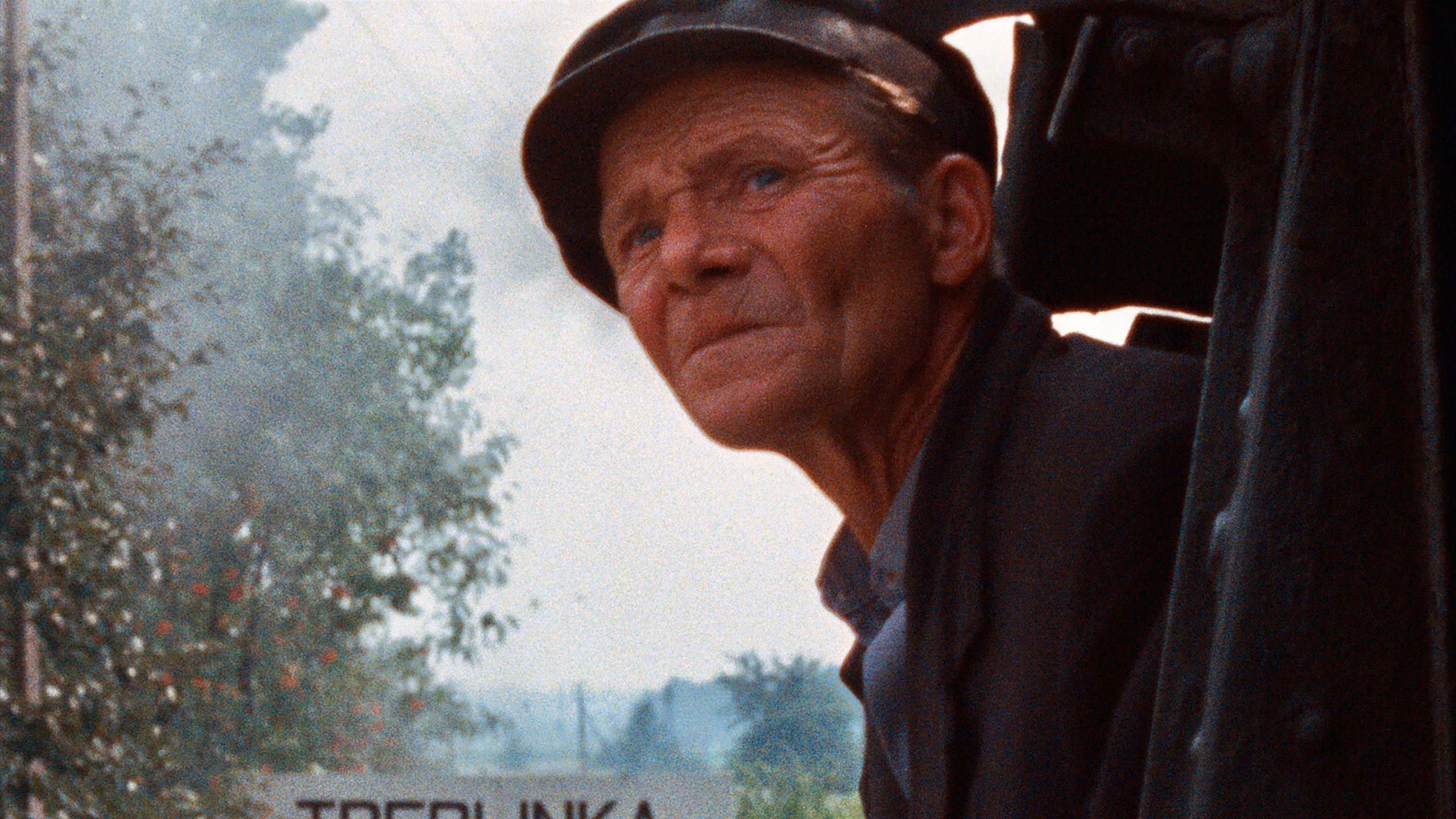
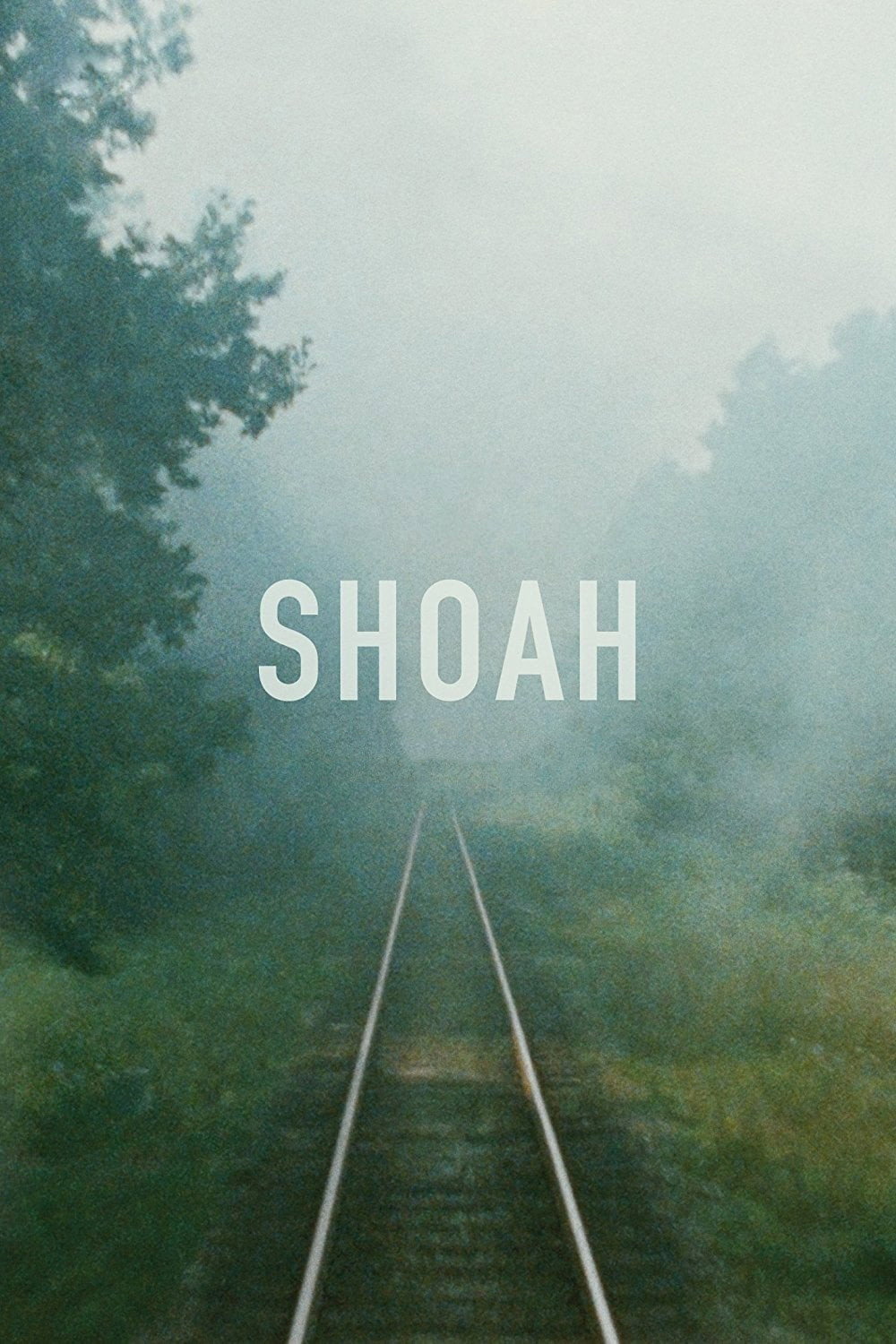
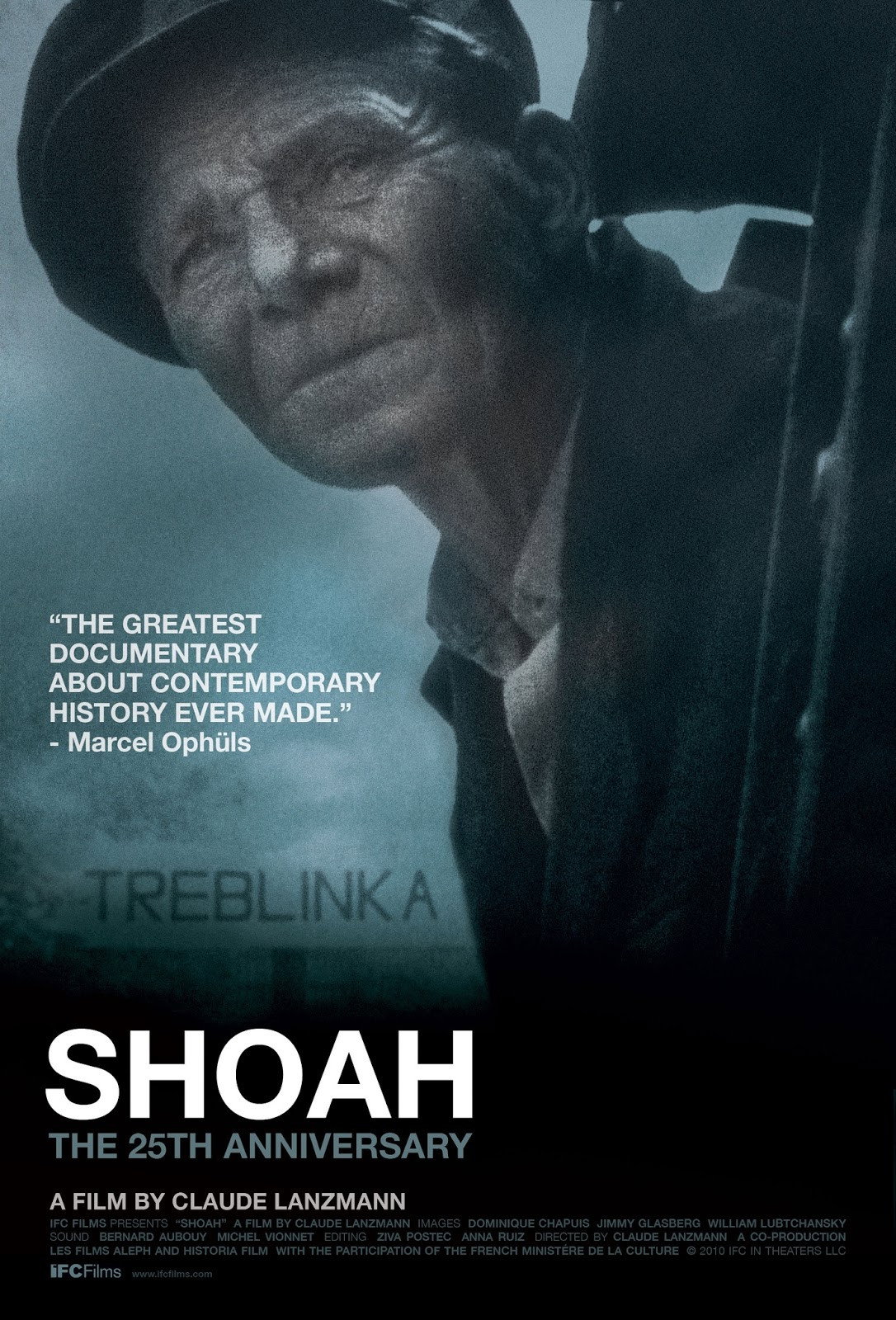
Four cinematographers are credited, Jimmy Glasberg, Dominique Chapuis, Phil Gries and William Lubtchansky, and their work is plainer than that number suggests. The camera rides on the front of a locomotive along the single track into Treblinka. It zooms, slowly, across grass towards a line of trees where a building used to be. It holds on a field of stone markers until the eye starts counting. Ziva Postec, the editor, cuts from a face to a place while the voice carries on, so we hear the ramp described over the empty ramp. She also keeps the interpreters in. Lanzmann asks in French, the question goes into Polish or Hebrew, the answer comes back, and we wait through the translation while watching a face that already knows what it said.

The film has a score of nothing. No music, apart from the songs people sing. It has no certificate we can quote, and we would not put a child in front of it, though there is not one image in it a censor would cut. What is unbearable is entirely in the words and the waiting.

Lanzmann is in it a great deal, and not always to its credit. With the Polish farmers around the camps he asks questions built to produce the answer he wants, then stands back while they produce it, and the way those scenes are cut has been argued over since, fairly in our view. He filmed some of the former SS men without telling them, and shows the van outside with the recording equipment. One or two critics have doubted his methods and his history, and we think the doubts are real and the film survives them. The later stretches on the ghetto are slower than the first half, and we followed them with respect rather than with the grip of what came before.

Almost every documentary on the subject before this one used archive and a narrator. Almost every one since has had to decide whether to do what Lanzmann did or to admit it could not. That is the position the film holds in the genre, and it has not been challenged.

It was built in two parts and should be watched that way, on two evenings, not one. We would keep nothing else to hand. We would not look up who is who beforehand; the film says when it is ready to. Afterwards, a walk helps. We found we looked at fields differently, and that is roughly what Lanzmann intended.
Critical consensus AI synthesised

88
Positive
8
Mixed
0
Negative
0

The reviews are unanimous in their admiration. Every critic returns to the same decision: Lanzmann uses no archive footage at all, only present-day testimony from survivors and witnesses, and long takes of the places where the killing happened. Most describe this as the source of the film’s force, with the faces, the voices and the empty landscapes around the former camps doing the work that newsreel would ordinarily do. Several remark on how the horror is made to feel present rather than past, and on the patience and persistence of Lanzmann’s questioning.

The reservations are few and narrow. Empire raises doubts about Lanzmann’s interviewing methods and the film’s reliability as history, though it still finds the result powerful and moving. The AV Club suggests some passages could be trimmed at this length. The New Yorker, writing on a re-release, finds it illuminated further by more recent scholarship. Nobody argues against it.

The AV Club
26 June 2013 · A · Sam Adams
95

The critic praises Shoah as a monumental film that captures the enormity of the Holocaust through its length and unhurried approach, noting how it makes the absence and silence speak volumes, though some passages could be trimmed. They highlight Lanzmann's focus on faces, locations, and the perpetual present of the horror.

Read the full review →
Film Comment
1 May 2013 · J. Hoberman
90*

The critic affirms Shoah as a great and singular movie whose power lies in its contemplation of landscapes, faces, and voices rather than conventional cinematic technique. He singles out its ability to compel viewers to imagine the unimaginable through recordings of absence and presence.

Read the full review →
Los Angeles Times
27 December 1985 · Kevin Thomas
90*

Thomas calls Shoah a great work of art and a monument against forgetting, praising Lanzmann's method of making the horror accessible and comprehensible through interviews and present-day filming of the sites without archival footage.

Read the full review →
Sight and Sound
5 July 2018 · John Pym
90*

The critic praises Lanzmann's innovative approach of using only contemporary testimonies and locations without archive footage to convey the Holocaust's enormity, highlighting the power of survivor and witness interviews and the film's dispassionate yet relentless accumulation of evidence.

Read the full review →
Slant Magazine
29 September 2003 · Ed Gonzalez
90*

The critic praises Shoah as one of the most life-affirming works of art ever produced for the cinema, despite cataloging horrifying events. They single out Lanzmann's use of survivor testimonies and present-day footage of camp sites and countrysides, rather than archival material, to convey the enduring impact of the Holocaust.

Read the full review →
The New York Times
23 October 1985 · Vincent Canby
90*

The critic praises the film's extraordinary accomplishment as an oral history of the Holocaust unlike any other, relying on contemporary testimony rather than archival footage to bring the past back with devastating clarity. It highlights the persistent, informed interviewing and the way the film makes the unspeakable spoken through survivors' accounts.

Read the full review →

Cast

If you liked this, try…

Night and Fog poster91

Night and Fog

1956 · Resnais does in half an hour, with archive, what Lanzmann refused to do.

The Sorrow and the Pity poster

The Sorrow and the Pity

1969 · Ophüls interrogates occupied France with the same patience and less mercy.

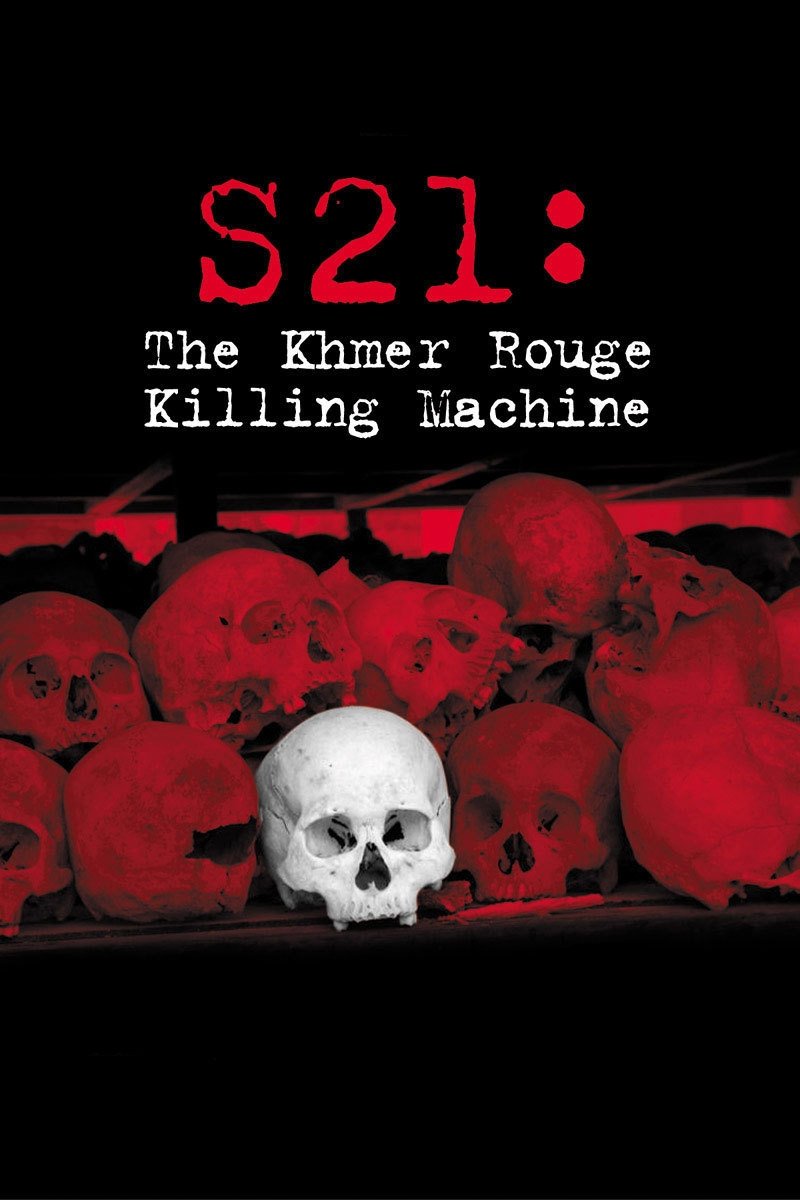
S21: The Khmer Rouge Killing Machine poster

S21: The Khmer Rouge Killing Machine

2003 · Rithy Panh puts Cambodian survivors and guards back in the prison together.

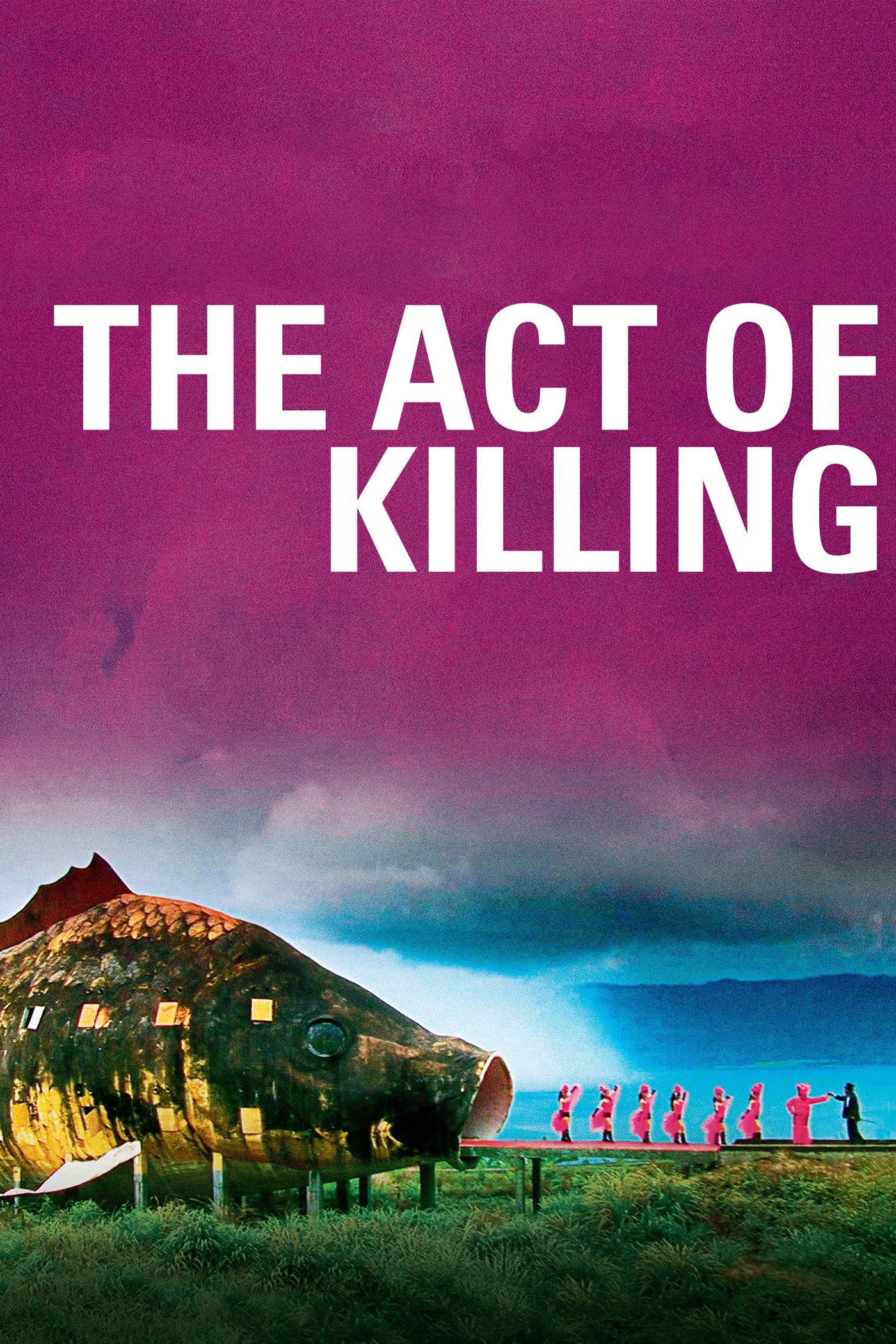
The Act of Killing poster88

The Act of Killing

2012 · Indonesian death squad veterans re-enact their crimes; the perpetrators’ half of the story.

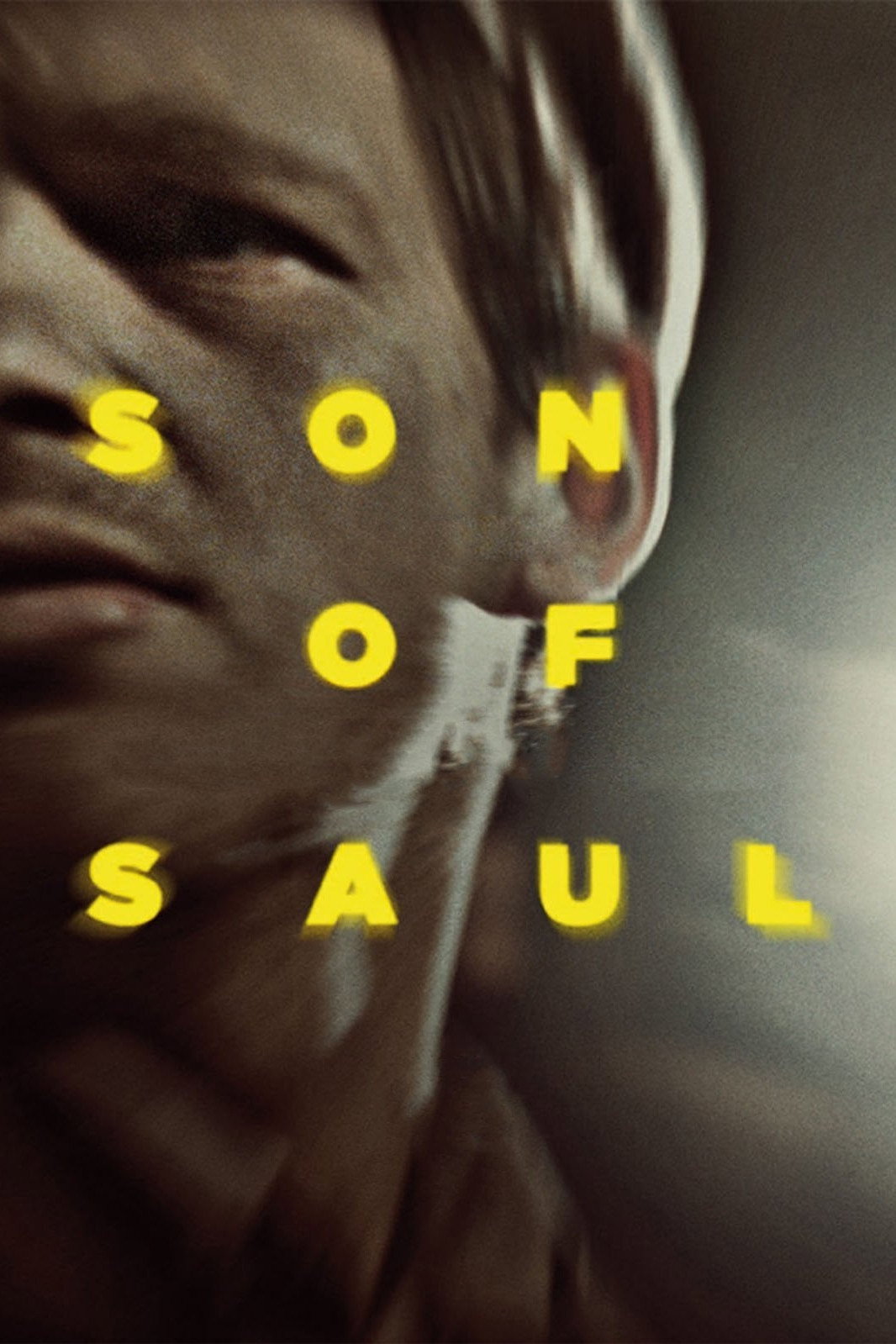
Son of Saul poster87

Son of Saul

2015 · Fiction, shot over one Sonderkommando prisoner’s shoulder, and the closest anyone has come.